Deep in the forests of the Emsland in northwestern Germany lies one of the most unusual palaces in Europe. Clemenswerth is a hunting lodge built in the shape of a star, with a central pavilion surrounded by eight smaller pavilions, each standing at the end of an avenue cut through the woods.
It was created in the 1730s and 1740s for Clemens August, archbishop elector of Cologne and prince bishop of Munster, a passionate hunter and one of the greatest builders of his age. Designed by Johann Conrad Schlaun, Clemenswerth is a masterpiece of the Westphalian baroque and today houses the Emsland Museum.
In this article we will explore Clemenswerth from the elector who built it to its star shaped plan, its pavilions, its chapel and its hunting traditions, and we will finish with practical tips for your visit.
In This Article
- A Star in the Forest
- Elector Clemens August
- Schlaun and the Star Shaped Plan
- The Central Pavilion
- The Eight Pavilions
- Avenues Through the Forest
- The Palace Among the Trees
- The Chapel and the Capuchin Monastery
- Views From Every Side
- Falconry and Baroque Festivals
- The Emsland Museum
- Clemenswerth on Video
- Visiting Clemenswerth Today
A Star in the Forest
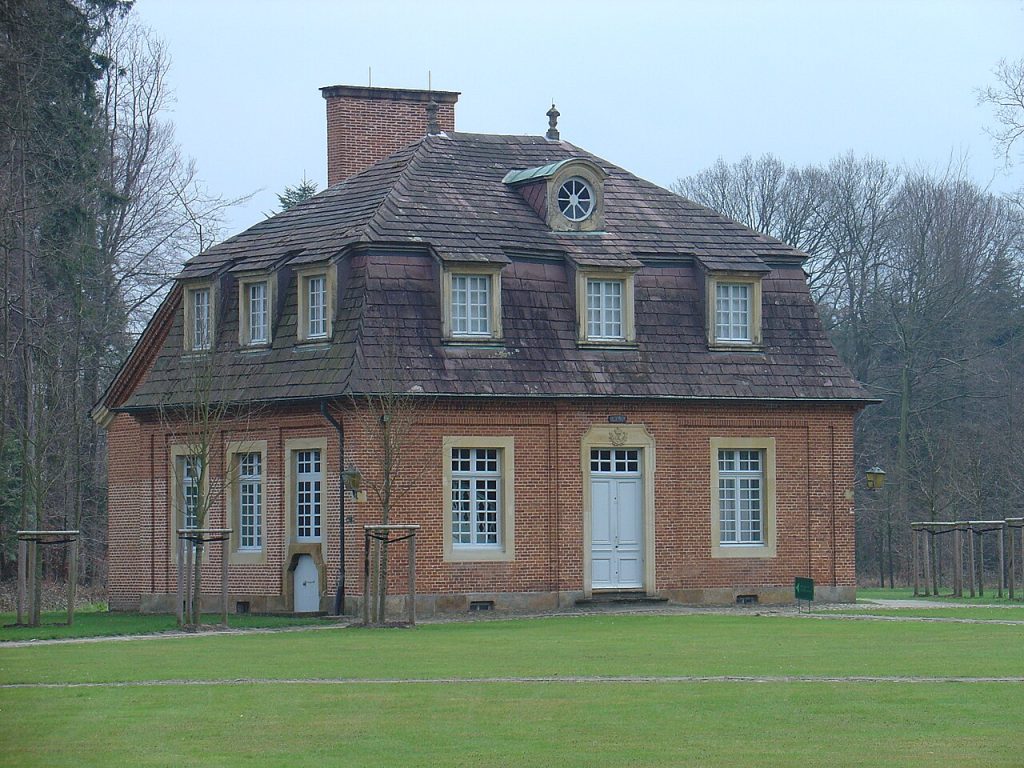
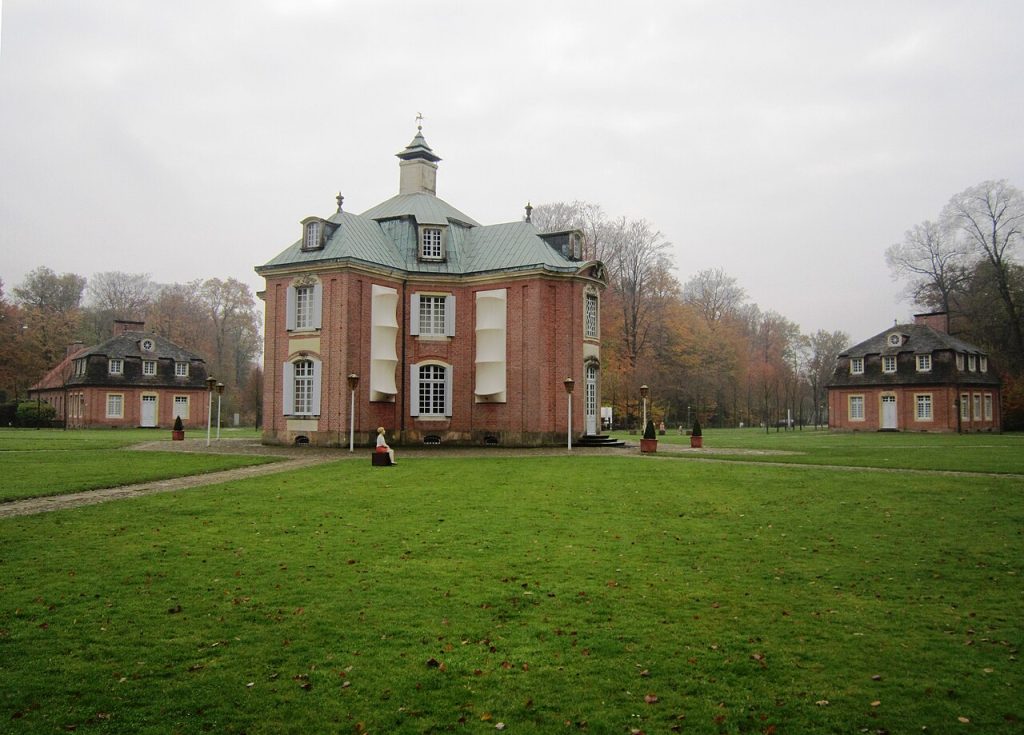
Arriving at Clemenswerth, you find yourself in a clearing in the forest, surrounded by red brick pavilions arranged in a perfect circle around a larger central building.
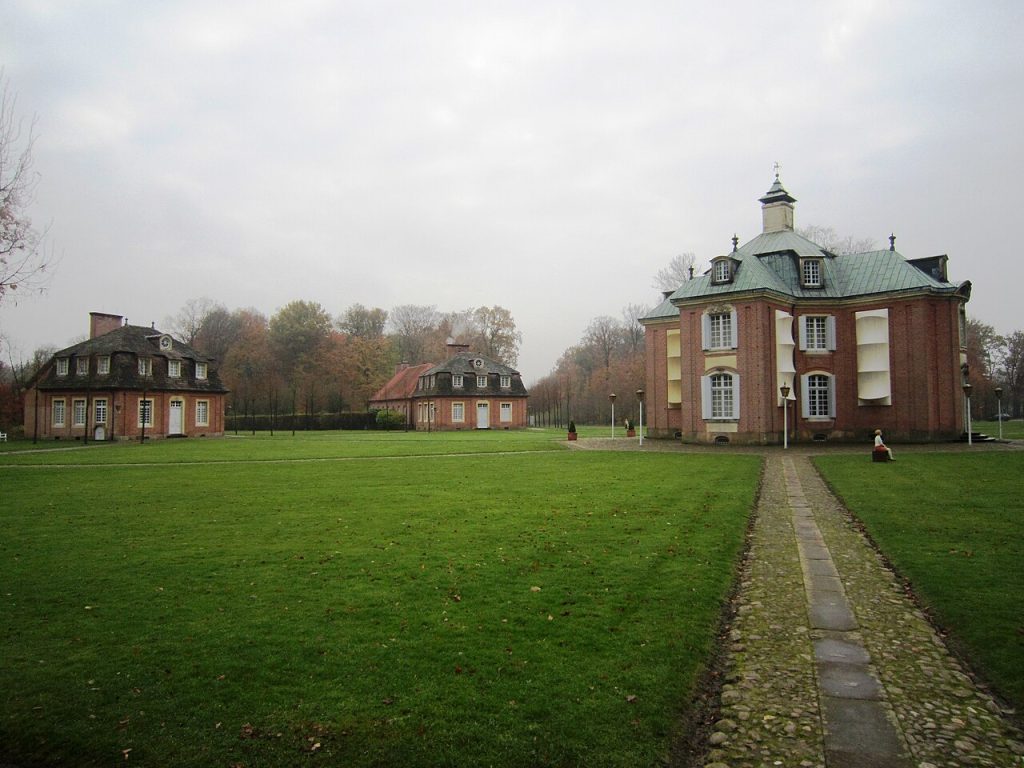
From the central pavilion, eight avenues radiate outward through the woods like the rays of a star, each one framed by a smaller pavilion at its start.
The effect is magical, as if the palace had been designed for a fairy tale rather than for real life.
What makes Clemenswerth special is the purity of its geometric plan and its harmony with the surrounding forest.
Clemenswerth is far from the big cities, and its remote location adds to its charm, making it feel like a secret waiting to be discovered.
Elector Clemens August
Clemens August of Bavaria was one of the most powerful churchmen of the eighteenth century, holding the archbishopric of Cologne and several prince bishoprics, including Munster and Paderborn.
He was famous for his love of hunting, music and building, and he commissioned many palaces, including Augustusburg at Bruhl and the completion of the Electoral Palace in Bonn.
His favourite form of hunting was par force hunting, in which hounds and riders chased deer through the forest, and Clemenswerth was designed for this purpose.
He was also a passionate falconer, and falconry played an important role in the life of his court.
He travelled constantly between his many residences, and Clemenswerth was one of his favourite retreats.
Schlaun and the Star Shaped Plan
Clemenswerth was designed by Johann Conrad Schlaun and built between 1737 and 1747. Its star shaped plan was inspired by French hunting lodges, but Schlaun created something entirely original.
The central pavilion served as the elector’s residence and the focal point of the hunt, while the surrounding pavilions housed guests, servants, kitchens and a chapel.
The radiating avenues allowed hunters to follow the chase in every direction, and from the central pavilion the elector could watch the hunt unfold.
Schlaun’s design combines practical purpose with artistic perfection, making Clemenswerth one of his finest works.
The plan was so admired that Clemenswerth became one of the best known hunting lodges in Germany.
The Central Pavilion
The central pavilion is the heart of Clemenswerth, a two storey building with a square plan and elegant facades of red brick and sandstone.
Inside, the elector’s apartments and reception rooms were decorated in the rococo style, with stucco, paintings and fine furniture.
Its windows look out along the eight avenues, so that from inside the elector could see the forest stretching away in every direction.
Today the central pavilion houses part of the Emsland Museum, with exhibitions on the history of the palace and its builder.
The Eight Pavilions
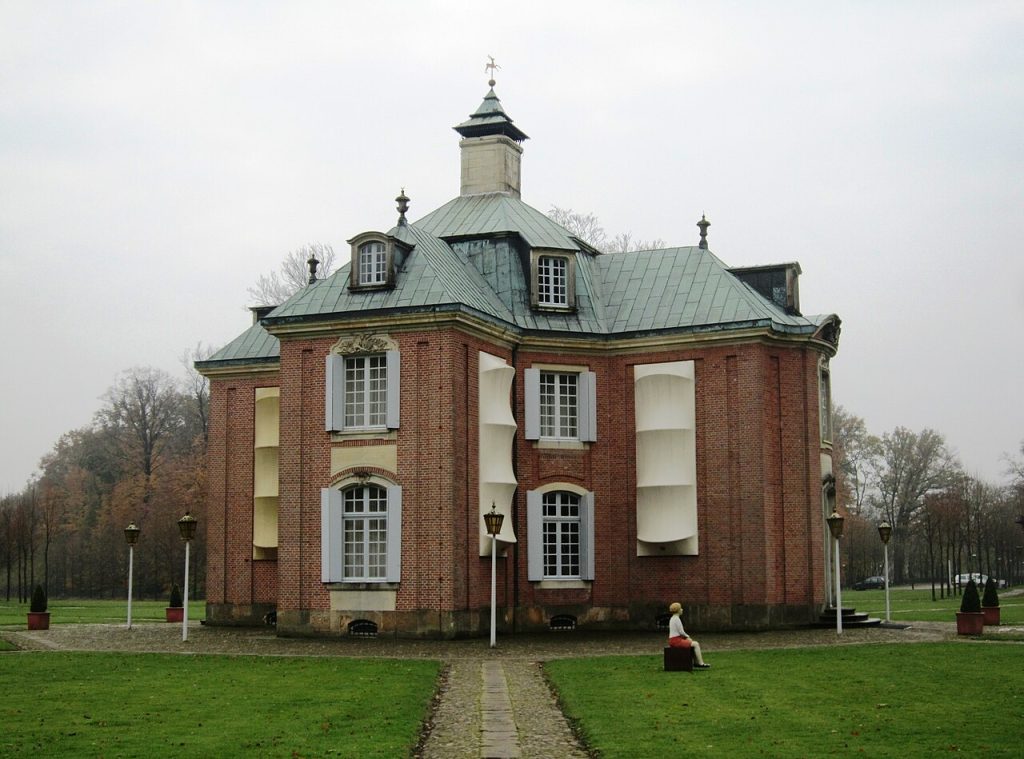
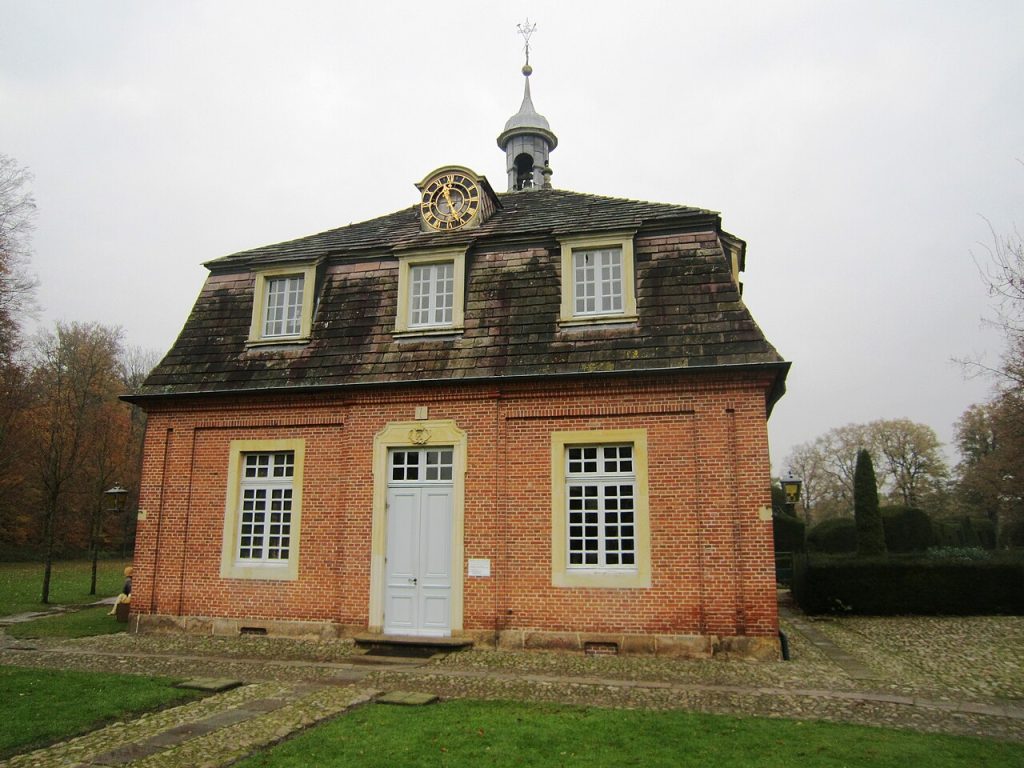
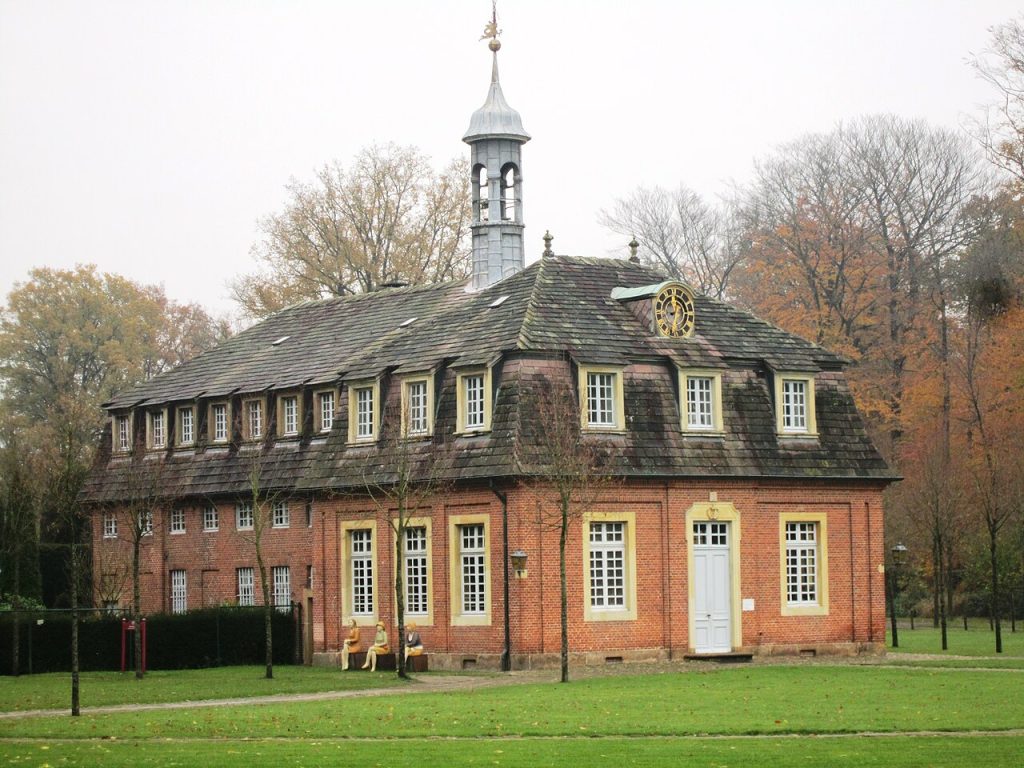
Around the central pavilion stand eight smaller pavilions, each named after one of the territories ruled by Clemens August, such as Munster, Paderborn, Cologne and Hildesheim.
They housed guests, members of the court, servants and service rooms, and together they formed a complete residence in miniature.
Their uniform design creates a sense of order and harmony, while their placement in a circle emphasises the central focus of the ensemble.
Walking from pavilion to pavilion, you can appreciate the careful planning that went into every detail.
Avenues Through the Forest
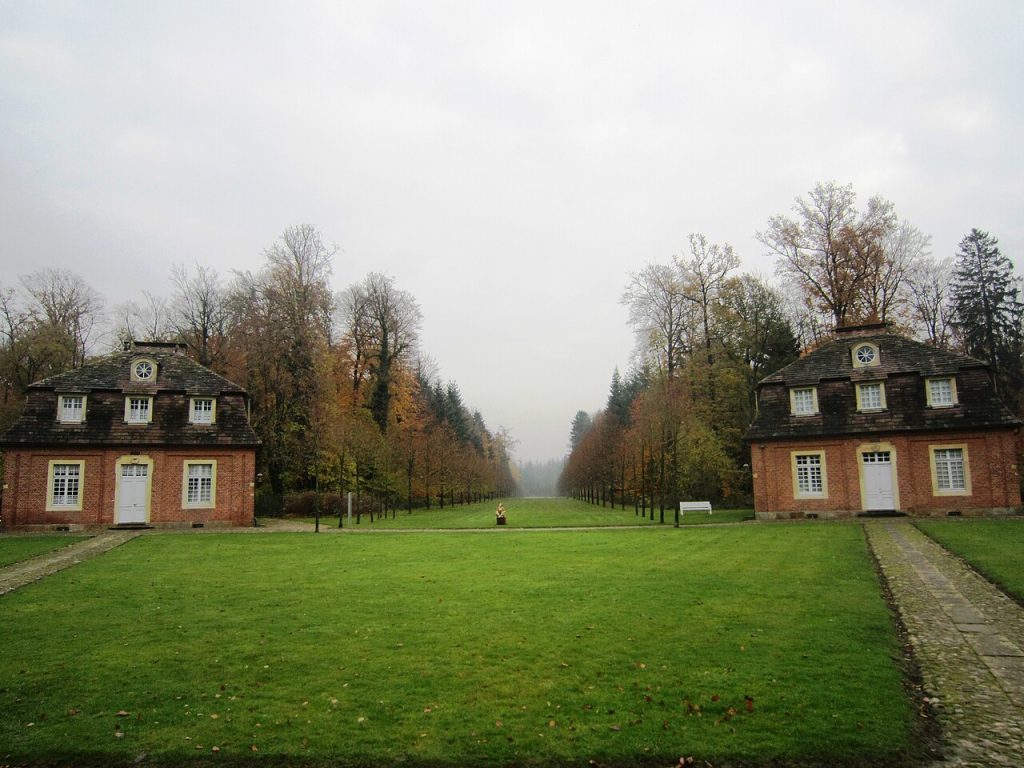
The eight avenues that radiate from Clemenswerth were cut through the forest to allow hunters and hounds to move quickly in pursuit of game.
Today these avenues offer beautiful walks through the woods, each one leading away from the palace into the quiet of the forest.
Looking back along any avenue, you see the central pavilion framed at the end, a reminder of the strict geometry of the design.
In autumn, when the leaves turn gold and red, the avenues are especially beautiful.
The Palace Among the Trees
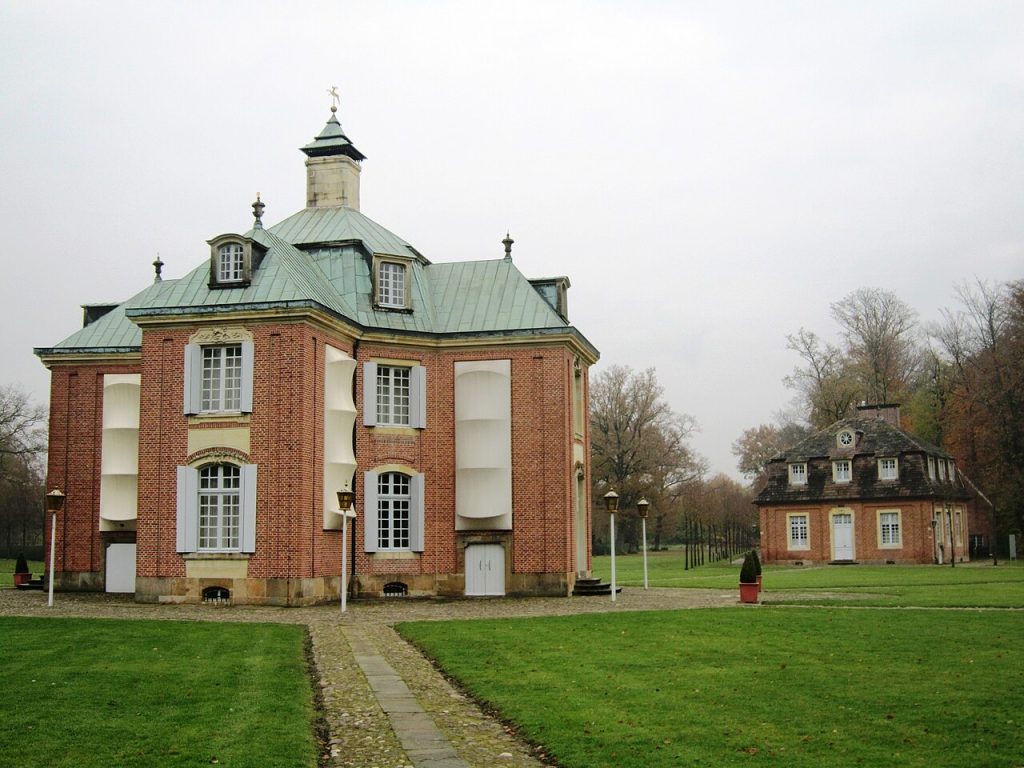
One of the most charming aspects of Clemenswerth is the way the pavilions sit among the trees, creating an atmosphere of seclusion and peace.
The forest that surrounds the palace is part of the experience, and its changing colours through the seasons give the ensemble a different character each time you visit.
Birdsong and the rustle of leaves accompany any walk around the palace, making it a place of tranquillity.
The combination of architecture and nature is what Schlaun intended, and it still works its magic today.
The Chapel and the Capuchin Monastery
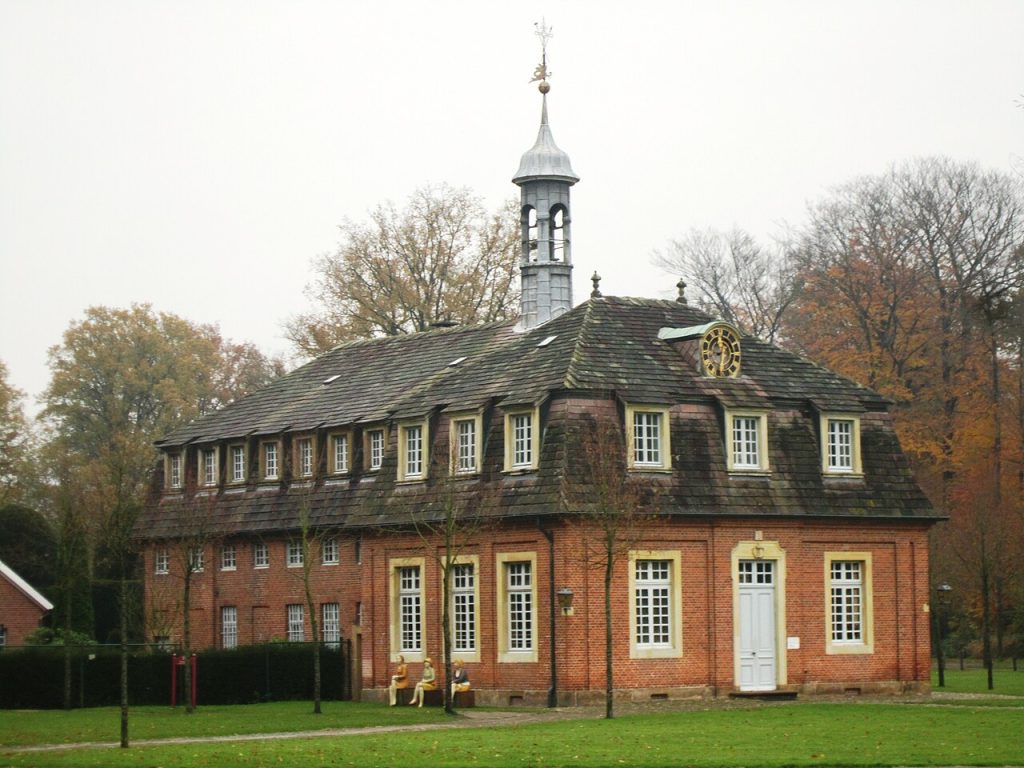
One of the pavilions at Clemenswerth was designed as a chapel, and next to it Clemens August founded a small Capuchin monastery, whose friars served the spiritual needs of the court.
The chapel is decorated in the baroque style, with an altar and paintings that reflect the elector’s piety.
The monastery garden, with its herbs and flowers, adds a peaceful touch to the ensemble and is open to visitors.
The presence of the friars reminds us that Clemens August was a churchman as well as a prince and hunter.
Views From Every Side
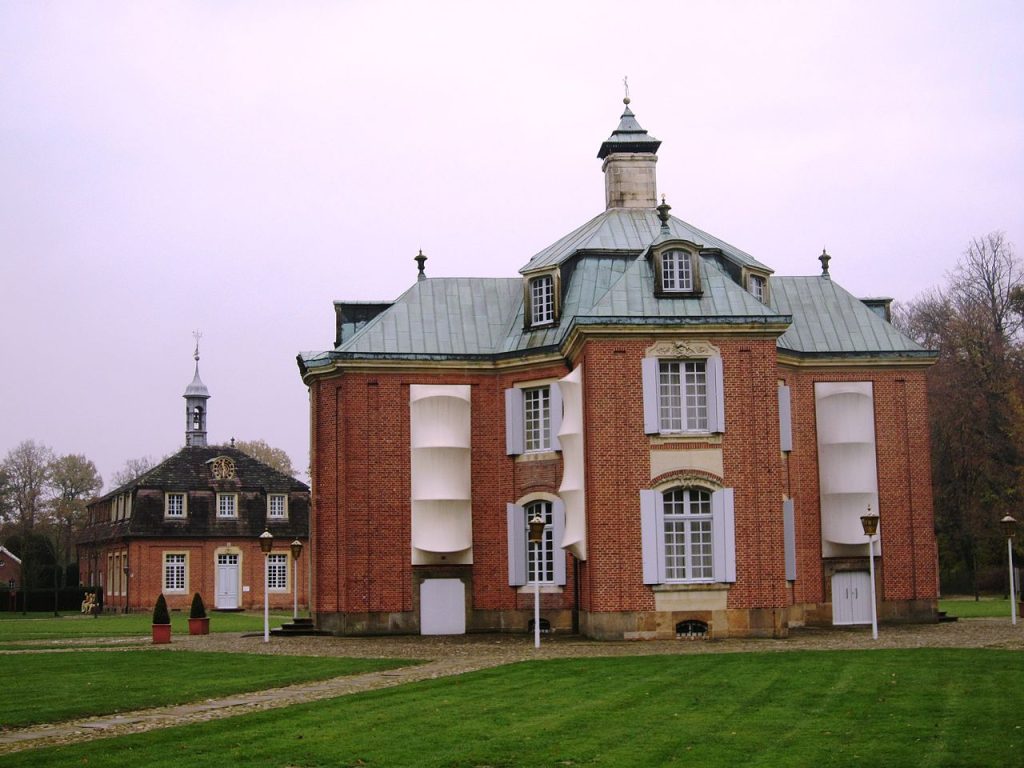
Because of its circular plan, Clemenswerth looks different from every direction. Walking around the ensemble, you see the pavilions and the central building in ever changing combinations.
From the east, the pavilions frame the central building in a particularly harmonious way, and the morning light brings out the warm colours of the brick.
From the avenues, the palace appears at the end of long green corridors, an effect carefully planned by Schlaun.
Photographers love Clemenswerth for these varied perspectives.
Falconry and Baroque Festivals
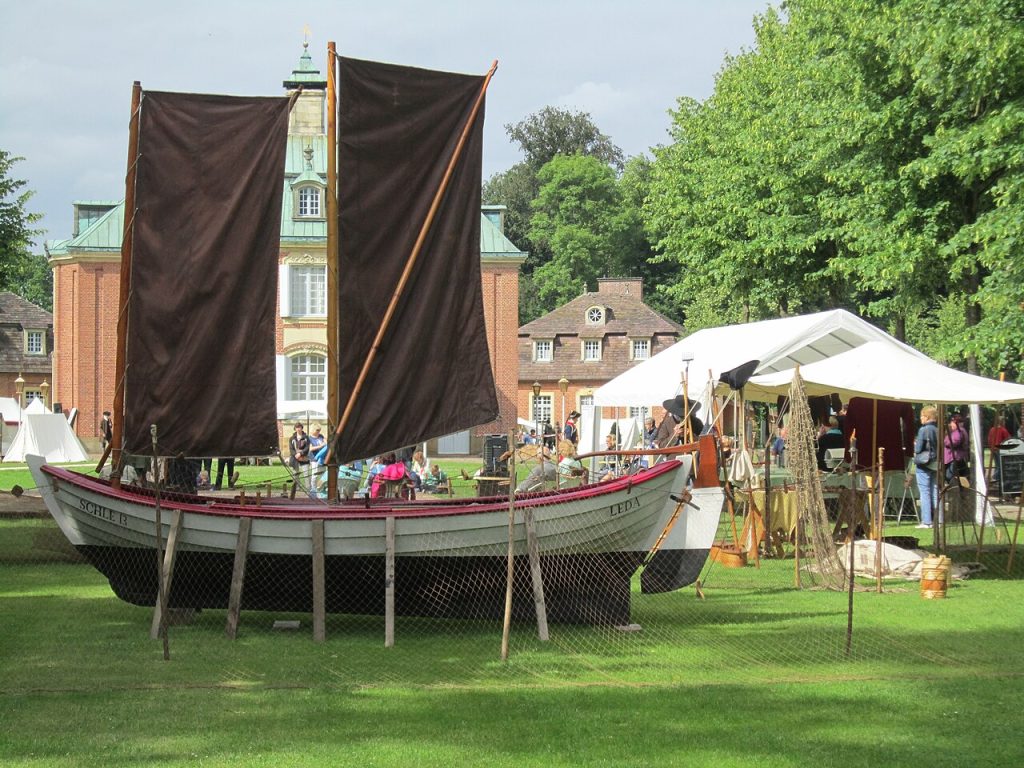
Falconry was one of the great passions of Clemens August, and his court maintained many falcons and falconers. Today Clemenswerth keeps this tradition alive with falconry days and demonstrations.
The palace also hosts baroque festivals, where costumed performers, musicians and dancers bring the eighteenth century back to life.
These events attract visitors from across the region and offer a lively way to experience the history of the palace.
Check the event calendar before your visit to see if you can catch one of these special occasions.
The Emsland Museum
The pavilions of Clemenswerth house the Emsland Museum, with exhibitions on the history of the palace, Clemens August, hunting and the culture of the region.
Among the highlights are collections of porcelain, faience and furniture from the eighteenth century, as well as objects related to hunting and falconry.
Temporary exhibitions cover a wide range of themes, from art to regional history.
The museum makes Clemenswerth not only a beautiful place to visit but also an informative one.
Clemenswerth on Video
For a look at the palace and its star shaped plan, the video below presents Clemenswerth in Sogel.
Watch for the pavilions, the avenues and the forest.
If the video inspires you, read on for practical tips.
Visiting Clemenswerth Today
Clemenswerth lies on the edge of the town of Sogel in the Emsland, in Lower Saxony, close to the Dutch border.
The museum is open from spring to autumn, while the grounds and avenues can be visited throughout the year.
Plan at least half a day to see the pavilions, the museum, the chapel and the monastery garden, and take time to walk along the avenues into the forest.
Combine your visit with Nordkirchen Palace and the Prince Bishops Palace in Munster to see the finest works of Johann Conrad Schlaun.
View the location on Google Maps
Palaces Nearby
If you have enjoyed this palace, the Rhineland and Westphalia hold more remarkable residences. Here are two more well worth adding to your journey:
- Nordkirchen Palace – the moated Versailles of Westphalia.
- The Prince Bishops Palace of Munster – the last great baroque palace of Munster, by Johann Conrad Schlaun.
You May Like


One thought on “Clemenswerth Palace and the Star Shaped Hunting Lodge of Clemens August”