In the small town of Buckeburg in Lower Saxony stands a palace that has belonged to the same princely family for more than seven centuries. Buckeburg Palace is the seat of the princes of Schaumburg Lippe, and behind its Renaissance facades lies one of the most dazzling interiors in Germany, the Golden Hall, with its famous carved Gate of the Gods.
The palace is still lived in by the princely family, yet many of its rooms are open to visitors, along with a court riding school where baroque horsemanship is performed and a vast golden mausoleum in the park.
In this article we will explore Buckeburg Palace from the counts who shaped it to its Golden Hall, its chapel, its riding school and its gardens, and we will finish with practical tips for your visit.
In This Article
- A Princely Seat in a Small Town
- The Counts and Princes of Schaumburg Lippe
- The Golden Hall
- The Palace Portal
- Renaissance Details
- The Rear of the Palace and the Park
- The Front and the Town
- Statues on the Bridge
- The Moat
- The Inner Courtyard and the Chapel
- The Courtyard Facades
- Buckeburg Palace on Video
- Visiting Buckeburg Palace Today
A Princely Seat in a Small Town
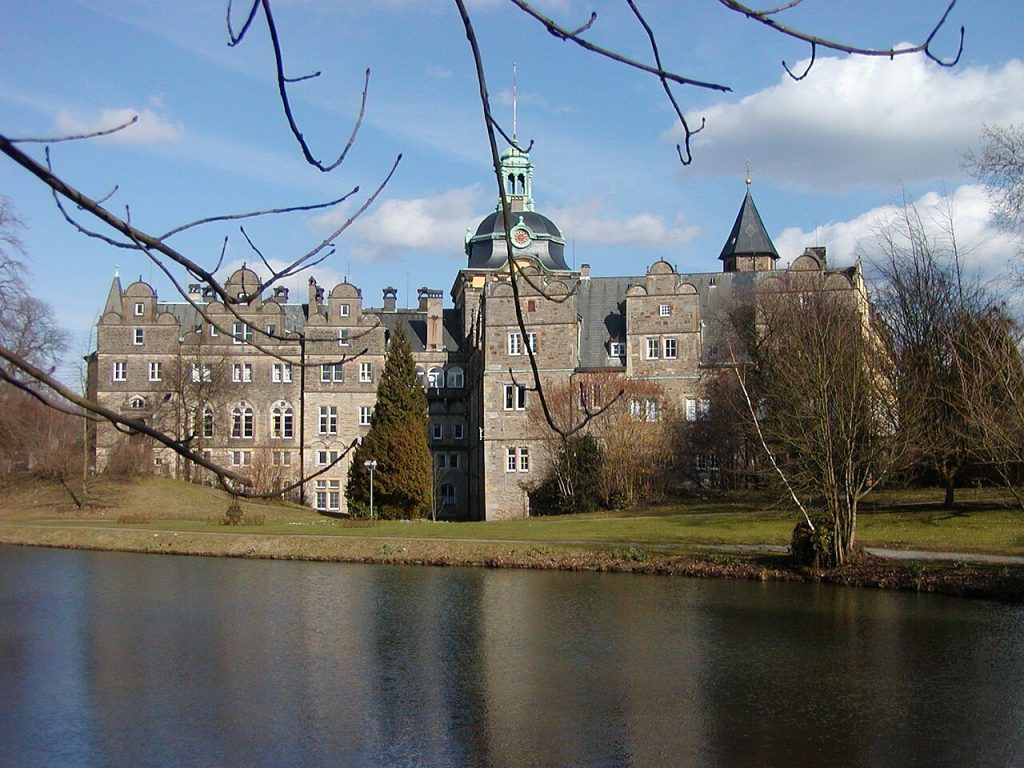
Arriving at Buckeburg, you see the palace rising behind a moat at the end of the main street, its Renaissance gables and towers giving it a picturesque appearance.
The town grew up around the palace and still feels like a small princely capital, with elegant buildings and a relaxed atmosphere.
What makes Buckeburg special is that it remains a living residence, home to the princes of Schaumburg Lippe for generations.
The Counts and Princes of Schaumburg Lippe
The family that owns Buckeburg traces its history back to the Middle Ages, when the counts of Schaumburg ruled lands along the Weser.
In the early seventeenth century, Count Ernst of Holstein Schaumburg transformed the old castle into a splendid Renaissance residence, commissioning artists and craftsmen from across Europe.
Later the family became the princes of Schaumburg Lippe, rulers of one of the smallest states in the German Empire until 1918.
The Golden Hall

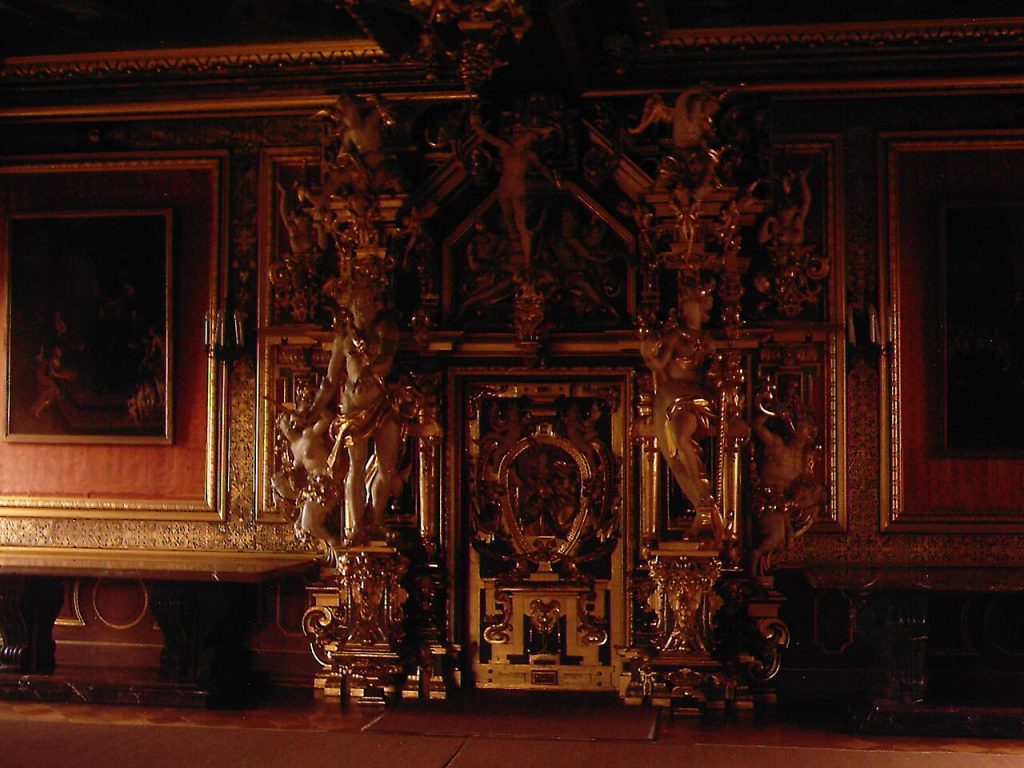
The highlight of Buckeburg Palace is the Golden Hall, a room of extraordinary richness created in the early seventeenth century for Count Ernst.
Its walls and ceiling are covered with carved and gilded woodwork, and its most famous feature is the Gate of the Gods, a monumental doorway decorated with figures of gods and allegories, one of the finest works of German carving of its time.
Standing in the Golden Hall, surrounded by gold and sculpture, you can sense the ambition of a small principality to rival the great courts of Europe.
The Palace Portal

The main portal of the palace is decorated with sculpture and heraldry, announcing the identity of the family to all who enter.
Its Renaissance forms, with columns and ornament, show the influence of Dutch and Italian architecture.
Passing through the portal, visitors enter the inner courtyard, the heart of the palace.
Renaissance Details

Everywhere you look at Buckeburg, you find fine Renaissance details, from carved window frames to decorated gables and sculpted figures.
These details reflect the wealth and taste of Count Ernst, who was one of the great patrons of art in early seventeenth century Germany.
Many were carved from local sandstone by skilled craftsmen who worked on the palace for years.
The Rear of the Palace and the Park
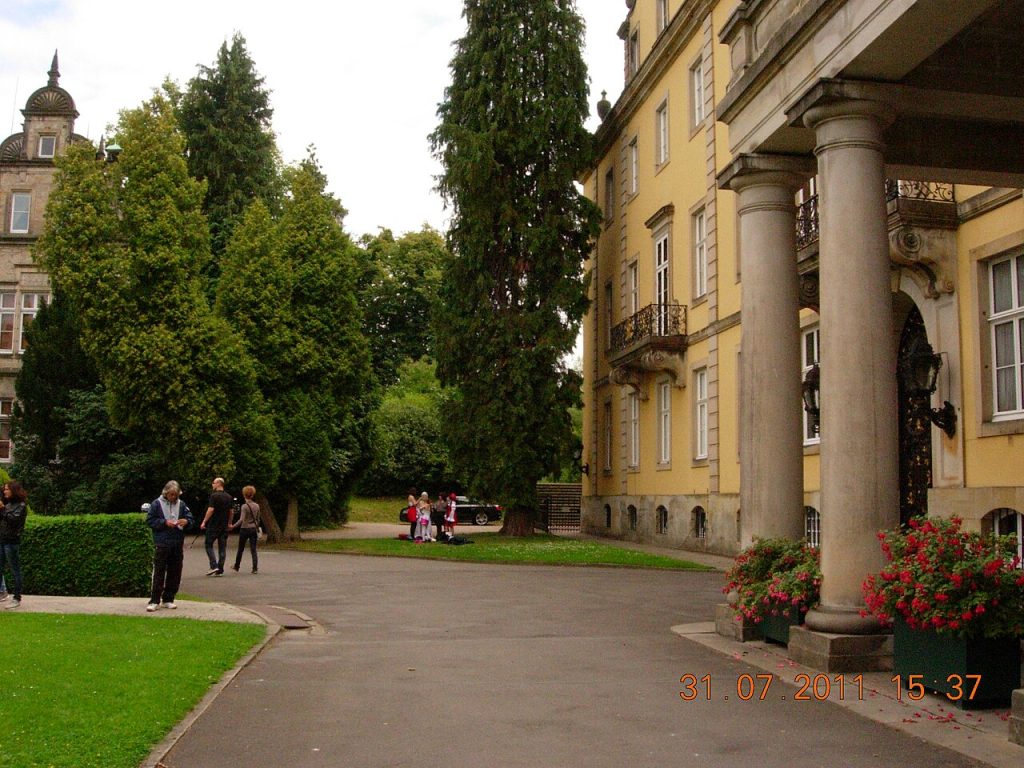
Behind the palace stretches a landscaped park with old trees, lawns and paths, offering a peaceful setting for walks.
From the park, the rear facades of the palace can be seen across the moat, framed by greenery.
The park also leads to the princely mausoleum, one of the most remarkable buildings in Buckeburg.
The Front and the Town
The front of the palace faces the town, linking the residence with the streets where the court officials and townspeople lived.
The palace bridge, decorated with statues, crosses the moat and leads to the main entrance.
From the bridge, there are fine views of the facades and the reflections in the water.
Statues on the Bridge

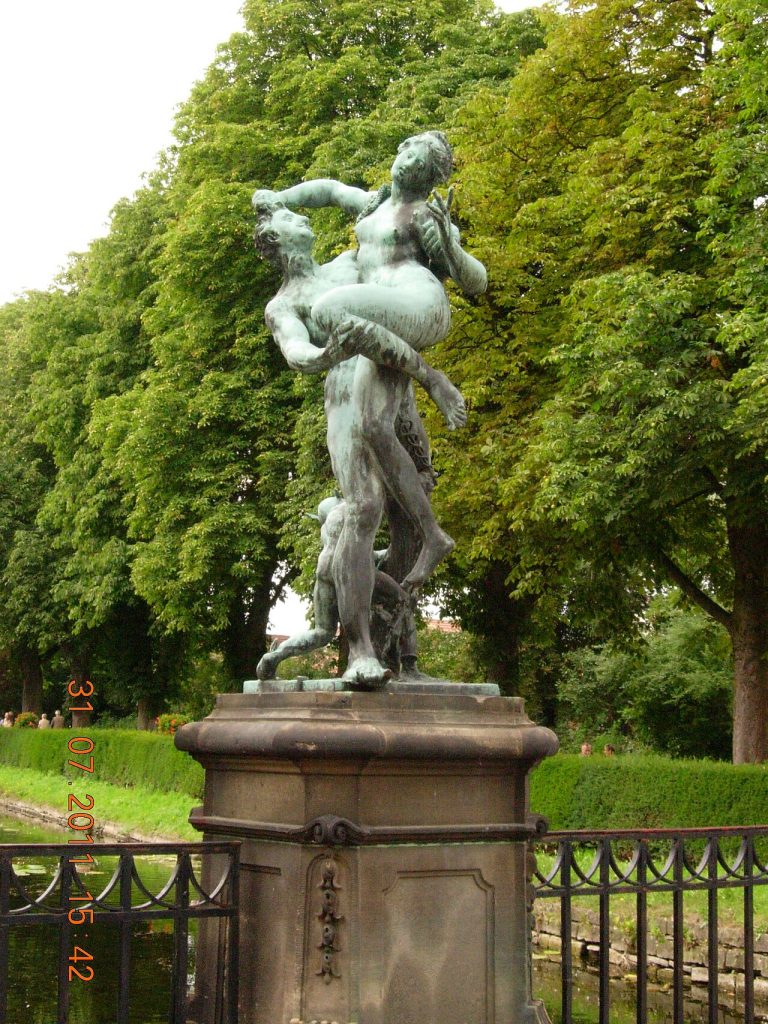
The bridge over the moat is decorated with statues representing figures from mythology and allegory, adding a sense of ceremony to the approach.
These sculptures, carved in the Renaissance and baroque periods, show the importance of the entrance in the life of the palace.
Photographers love the combination of statues, water and facades at this spot.
The Moat

The moat that surrounds the palace is a legacy of its medieval past, when water provided protection against attack.
Today it is a tranquil feature, reflecting the facades and adding to the romantic atmosphere of the palace.
Ducks and swans swim in the water, and the paths along the moat offer pleasant views.
The Inner Courtyard and the Chapel
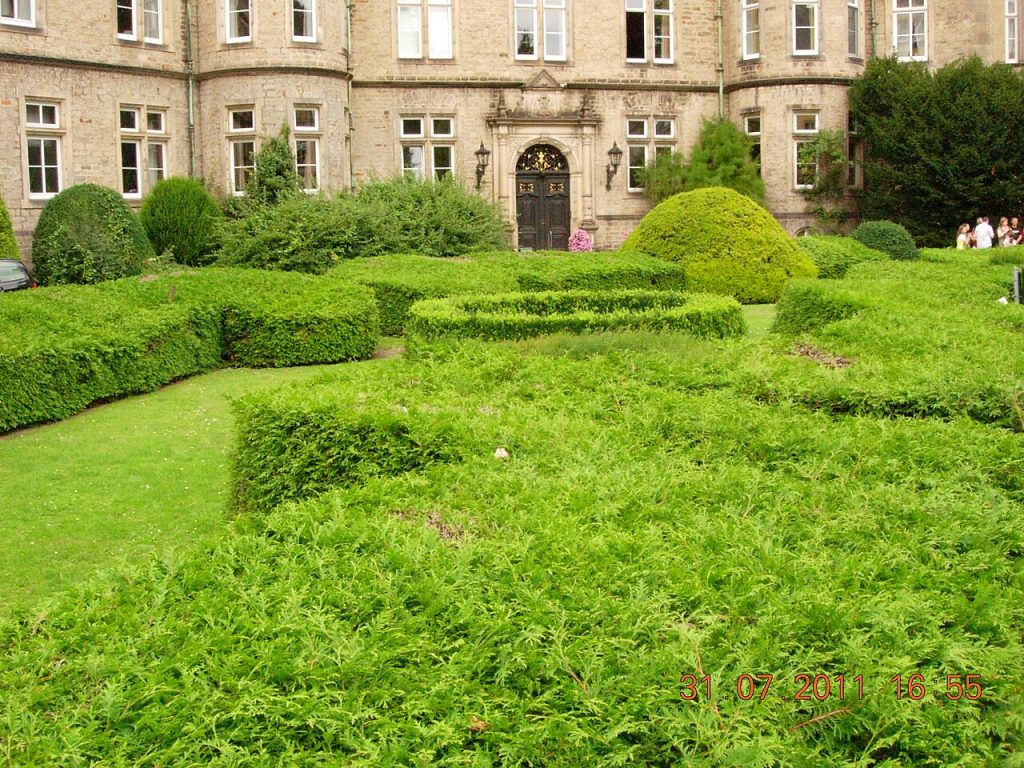
The inner courtyard is surrounded by wings from different periods, creating a varied and picturesque space.
Off the courtyard lies the palace chapel, one of the most richly decorated Protestant chapels in Germany, with carved and painted woodwork from the early seventeenth century.
The chapel’s lavish decoration matches the splendour of the Golden Hall and reflects the piety and wealth of Count Ernst.
The Courtyard Facades
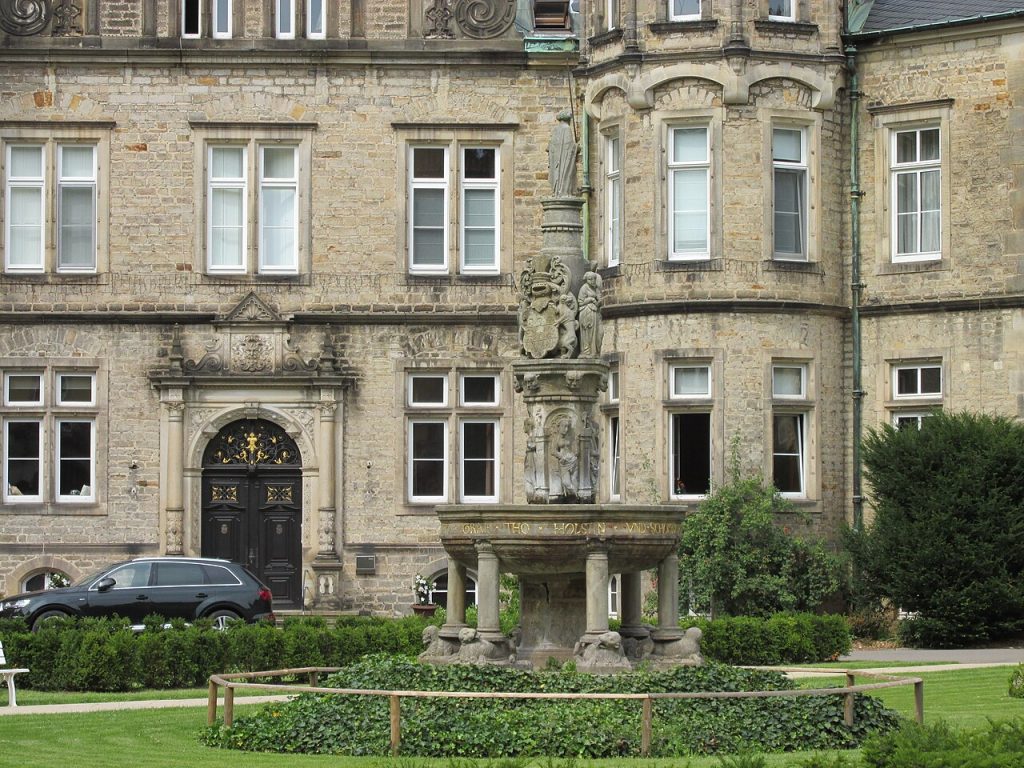
The facades around the courtyard show the transformation of the palace from medieval castle to Renaissance residence.
Gables, windows and doorways of different styles combine into a charming ensemble.
The courtyard is often used for events and festivals, bringing life to the historic setting.
Buckeburg Palace on Video
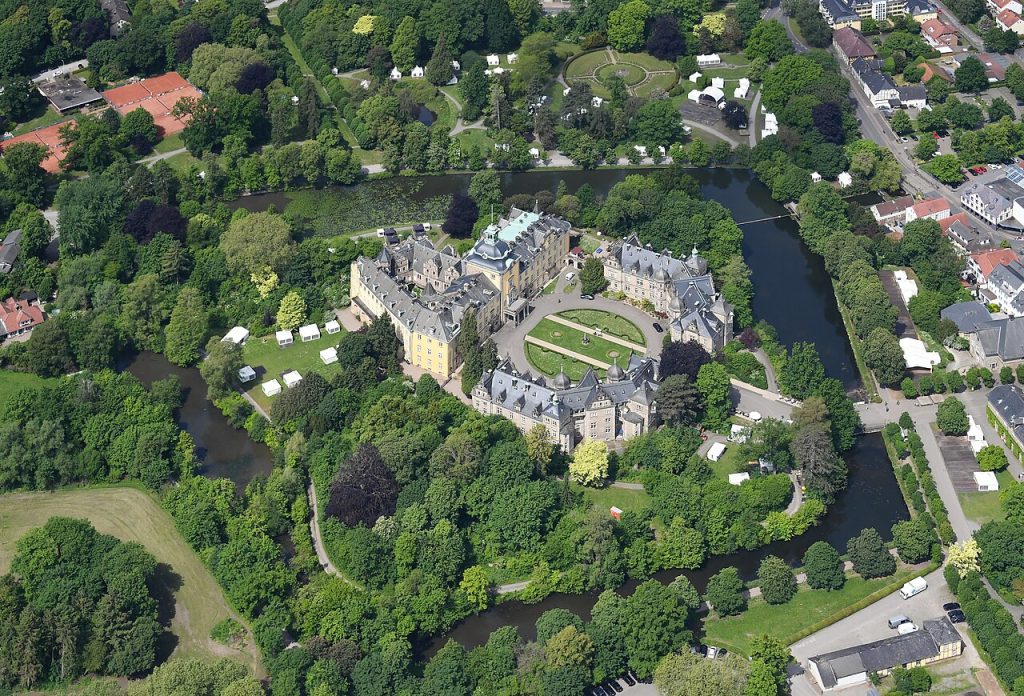
For exclusive views of the palace and its rooms, the video below presents Buckeburg Palace.
Watch for the Golden Hall, the chapel and the courtyard.
If the video inspires you, read on for practical tips.
Visiting Buckeburg Palace Today

Buckeburg Palace is open to visitors on guided tours, which include the Golden Hall, the chapel and the state rooms, while the princely family still lives in other parts of the building.
The Princely Court Riding School presents baroque horsemanship with horses in historic costumes, and the princely mausoleum in the park, with its golden mosaic dome, is one of the largest private mausoleums in the world.
Buckeburg lies between Hanover and Minden and is easy to reach by train.
Combine your visit with Herrenhausen and Celle to explore the princely heritage of Lower Saxony.
View the location on Google Maps
Palaces Nearby
If you have enjoyed this palace, northern Germany holds more remarkable residences. Here are two more well worth adding to your journey:
- Celle Palace – the residence of the dukes of Brunswick Luneburg, home of the oldest baroque theatre in Germany.
- Herrenhausen Palace – the palace and Great Garden of the electors of Hanover.
You May Like
Wolfenbuttel Palace and the Dukes of Brunswick


One thought on “Buckeburg Palace and the Golden Hall of the Princes of Schaumburg Lippe”