Descended from Dutch, German and French Huguenot settlers who came to the Cape of Good Hope from 1652, the Afrikaners are a people of Southern Africa with a language and identity all their own. Known in earlier days as the Boers, they spread from the Cape across the interior as farmers, forging a nation on the frontier.Speakers of Afrikaans, a tongue born of Dutch on African soil, and shaped by a Calvinist faith and a deep attachment to the land, the Afrikaners are remembered for the Great Trek, the Boer republics and the wars against Britain, and for the apartheid era that ended in 1994. Today a minority in a democratic South Africa, they carry a distinctive heritage into a shared nation.
The Afrikaners on Film
Contents
- Origins
- The Name
- The Language
- The Homeland
- The Old Way of Life
- Society and Community
- Religion and Belief
- Traditions
- Crafts
- Food
- Festivals
- History
- Today
Origins

The Afrikaners are a Southern African people descended chiefly from Dutch settlers, together with German and French Huguenot immigrants, who came to the Cape of Good Hope from 1652 onwards under the Dutch East India Company. Over the generations these settlers, mingling at the Cape, developed into a distinct people with their own language and identity.
Known in earlier times as Boers, meaning farmers, the Afrikaners spread inland from the Cape as cattle-herders and cultivators, coming into contact and conflict with the Khoekhoe, the San and the Bantu-speaking peoples of the interior. From this history on the frontier emerged the Afrikaner nation, rooted in the soil of Southern Africa.
The Name

The name Afrikaner means, simply, African, reflecting the people’s sense of belonging to the continent rather than to Europe. The older term Boer, or farmer, is still used, particularly for the rural and frontier tradition, and both names carry a strong sense of identity.
The Afrikaners live throughout South Africa and in neighbouring Namibia, in the great cities such as Pretoria and Bloemfontein and across the farmlands of the interior. Once concentrated in the Boer republics of the north, they are today spread across the whole of the country.
The Language

The Afrikaners speak Afrikaans, a language that grew out of the Dutch of the seventeenth-century settlers and evolved at the Cape into a distinct tongue. In the process it absorbed words and forms from Malay, Portuguese, the Khoekhoe languages and the Bantu languages, becoming simpler in grammar and unmistakably African.
Standardised and promoted from the late nineteenth and early twentieth centuries, Afrikaans became a vehicle of literature, learning and national feeling, honoured by monuments such as the one at Paarl. It is today one of South Africa’s official languages and is also widely spoken in Namibia.
The Homeland

The Afrikaner homeland is the interior of South Africa, from the vineyards and mountains of the Cape to the vast plains of the Highveld and the Karoo. It is a country of great farms, wide horizons and a demanding climate, and the land has always held a central place in Afrikaner life and imagination.
The rural districts of the former Boer republics, the Free State and the old Transvaal, together with the Karoo and the Cape, form the classic Afrikaner country. From these lands came the farming way of life and the deep attachment to the soil that runs through Afrikaner culture.
The Old Way of Life

The Afrikaners were traditionally a farming people, and the figure of the Boer, working the land with ox-wagon and plough, stands at the heart of their self-image. On great farms they raised cattle, sheep and crops, and the isolated farmstead shaped a self-reliant and conservative way of life.
The demands of frontier farming, and the mobility of the trekboer moving in search of new pastures, forged habits of independence and endurance. Even as many Afrikaners moved to the towns and cities in the twentieth century, the farming tradition remained a powerful symbol of who they were.
Society and Community

Afrikaner society was long built around the family, the farm and the church, with a strong emphasis on community, tradition and self-reliance. Close-knit rural communities gathered for worship, markets and social occasions, and family ties reached across the wide distances of the countryside.
In the twentieth century the Afrikaners became increasingly urban and organised, building political, cultural and economic institutions to advance their community. Through periods of hardship and of power, the bonds of language, faith and shared history held Afrikaner society together.
Religion and Belief
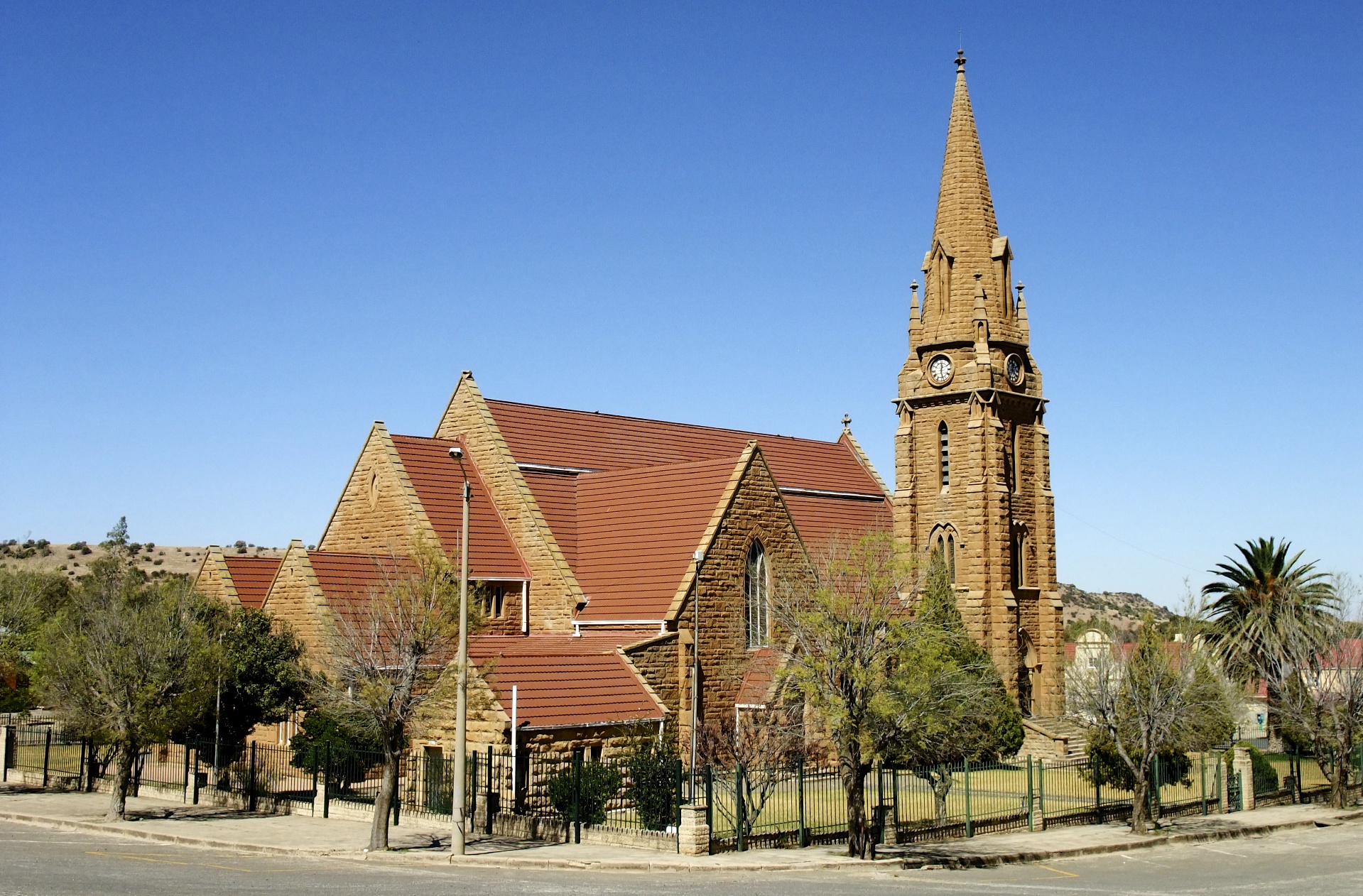
Religion has been central to Afrikaner identity, and the great majority have historically belonged to the Dutch Reformed Church and other Calvinist denominations. The stern Calvinist faith of the early settlers shaped Afrikaner values, and the whitewashed church often stood at the centre of the town and the community.
Calvinism gave the Afrikaners a strong sense of covenant, duty and providence, themes that ran through their history and their view of themselves. Churches remain important in Afrikaner life today, alongside a growing variety of other denominations and beliefs.
Traditions

The defining tradition of Afrikaner memory is the Great Trek of the 1830s and 1840s, when parties of Voortrekkers left the British-ruled Cape to seek independence in the interior. Their journeys by ox-wagon, their clashes and covenants, and events such as the Day of the Vow became central to Afrikaner national tradition.
These memories are honoured in monuments, commemorations and folk tradition, alongside the music, dances and customs of rural life. The story of the trek, of hardship and perseverance, remains a powerful thread in the Afrikaner sense of themselves.
Crafts

Afrikaner craft and material culture are seen most strikingly in Cape Dutch architecture, the elegant, white-gabled homesteads of the Cape winelands that are among South Africa’s most admired buildings. This distinctive style blended European forms with local materials and conditions.
Beyond architecture, the Afrikaners produced fine furniture, wagon-building, leatherwork and the everyday crafts of a self-sufficient farming life. These traditions, born of necessity on the frontier, developed into a recognisable material culture with its own character.
Food

Afrikaner cuisine is hearty and rooted in the farm and the outdoors. Its most beloved institution is the braai, the barbecue over open coals, at which meats such as boerewors, the traditional farmer’s sausage, and grilled sandwiches called braaibroodjies are enjoyed among family and friends.
Other classic dishes include biltong, the dried and spiced meat that sustained travellers on the trek, potjiekos stewed in a three-legged pot, and sweet treats such as koeksisters and melktert. This food, shaped by frontier life and by Malay and other influences at the Cape, is central to Afrikaner gatherings.
Festivals

Afrikaner communal life is marked by festivals and gatherings that celebrate language, culture and the shared meal. Great arts festivals such as those of the Klein Karoo and elsewhere showcase Afrikaans music, theatre and literature, drawing large crowds each year.
The braai, at which families and communities gather around the fire, is itself a kind of everyday festival, central to Afrikaner social life. Together with commemorations of history and the celebrations of church and community, these occasions sustain Afrikaner culture and identity.
History
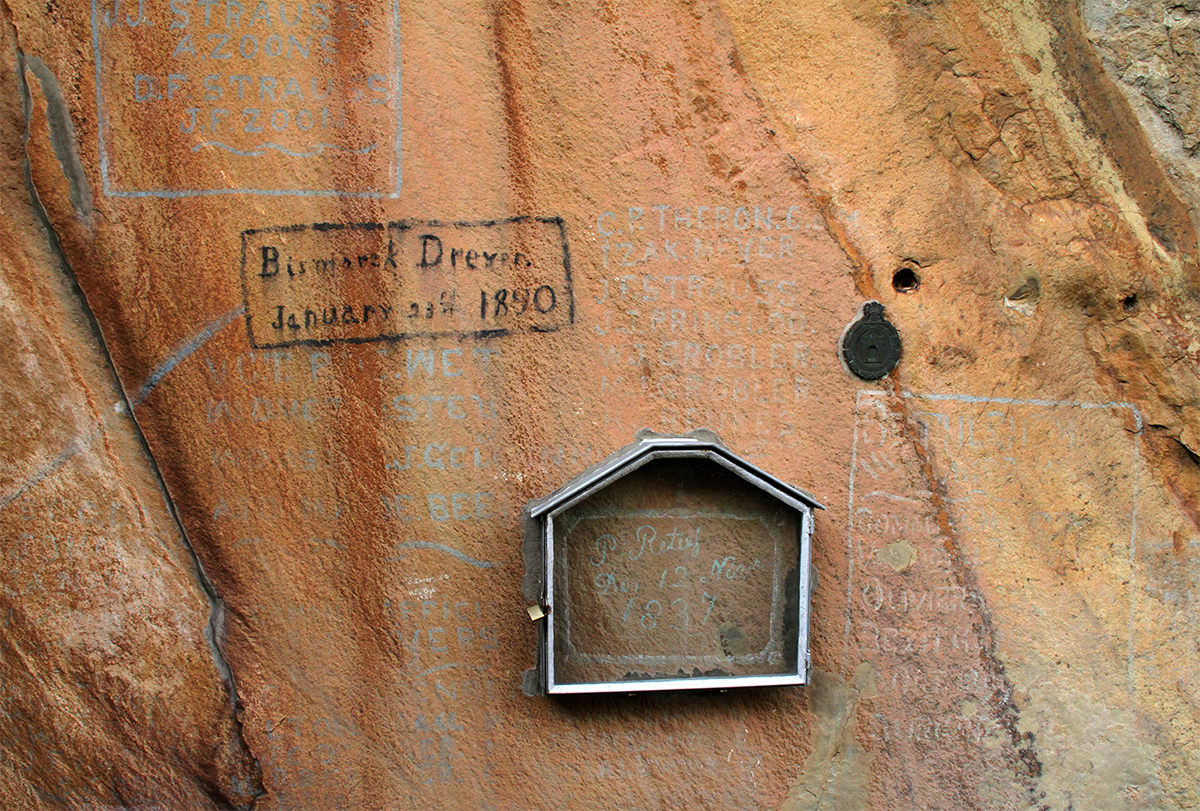
After the British took the Cape in the early nineteenth century, discontented Boers undertook the Great Trek into the interior, founding the republics of the Transvaal and the Orange Free State. The discovery of diamonds and gold drew British power northward, leading to the Anglo-Boer wars, in the greatest of which, from 1899 to 1902, the republics were defeated and thousands died in concentration camps.
In 1910 the territories were united in the Union of South Africa, and Afrikaner nationalism grew until, in 1948, the National Party came to power and instituted apartheid, the system of racial segregation that governed the country until 1994. The peaceful transition to democracy in that year ended Afrikaner political dominance and opened a new chapter for the people within a democratic South Africa.
Today

Today the Afrikaners are a minority within democratic South Africa, numbering some millions, together with communities in Namibia and a growing diaspora abroad. They remain prominent in farming, business, the professions and the arts, and Afrikaans continues as a major language of the country.
Having relinquished the political power they once held, the Afrikaners have sought their place within a diverse and democratic nation, navigating debates over history, land and identity. Rooted in the soil of Southern Africa and bound by language, faith and memory, they carry their distinctive heritage into a changed and shared country.
Related Peoples of the Region
- The Azande, the Kingdom of the Nile-Congo Divide
- The Mangbetu, the Court Artists of the Congo
- The Tumbuka, the Highland People of Northern Malawi
- The Sena, the People of the Lower Zambezi
- The Ndau, the Shona People of the Eastern Frontier
- The Kalanga, Heirs of Great Zimbabwe
- The Damara, an Ancient People of Namibia
- The Comorians, People of the Islands of the Moon
More Peoples of the World
- A Fifth of Humanity, the Story of the Han Chinese
- How the Maori Sailed Across the Pacific to Reach New Zealand
- Zulu of the Green Hills and Their Kingdom Forged by Shaka
- The People Who Never Vanished, the Story of the Maya
- Long Before the Arabs Came, North Africa Belonged to the Amazigh
- The People Who Emerged Into This World, the Story of the Navajo
- Meet the Ainu, an Indigenous People at Japan’s Northern Edge
You May Like

The Choctaw, People of the Sacred Mound


