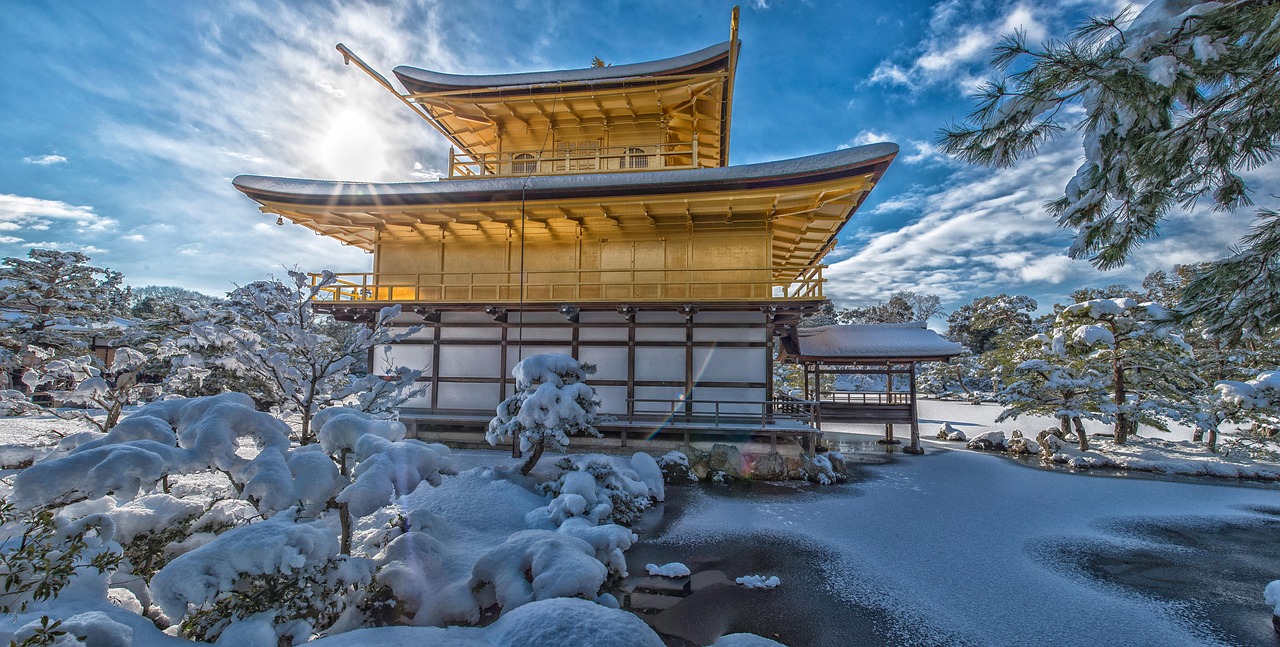
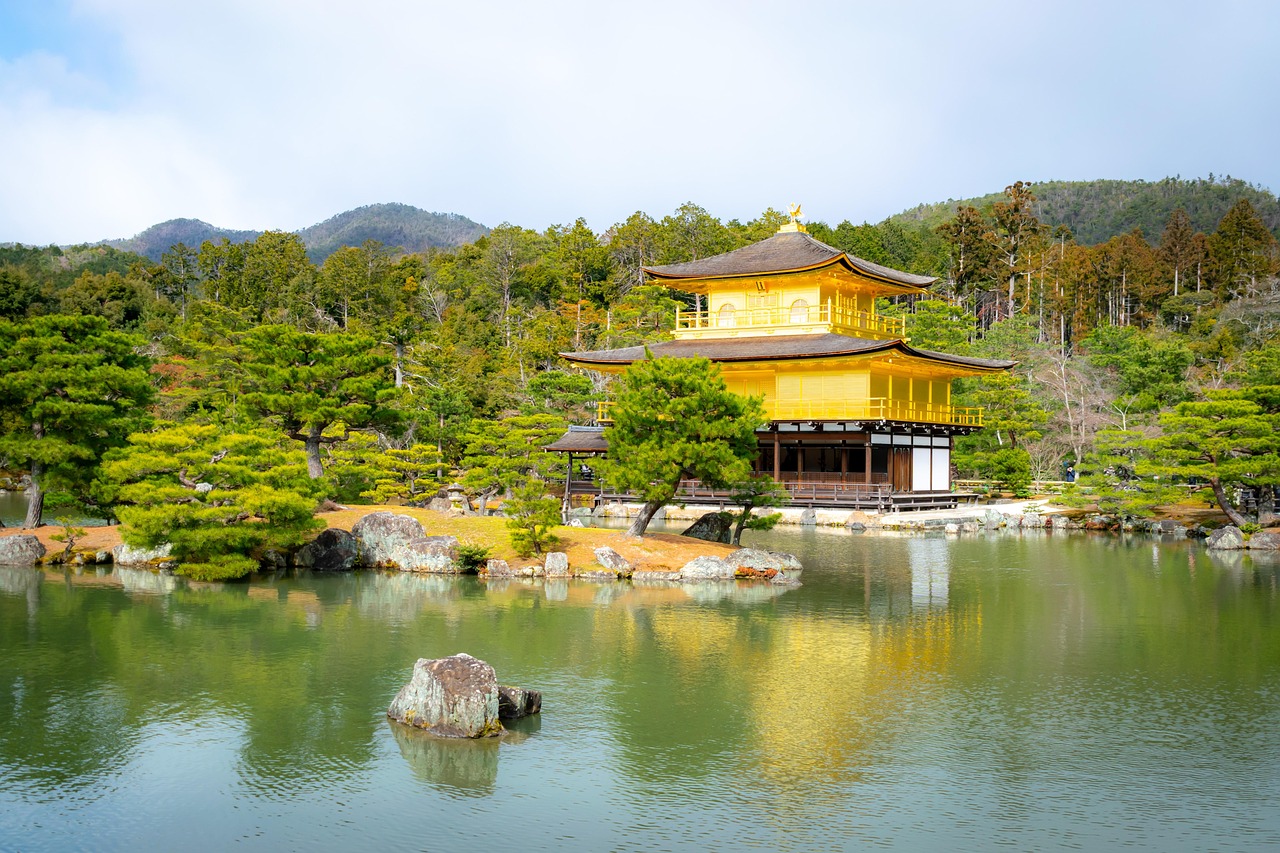
Few sights in Japan are as instantly recognizable as Kinkaku-ji, the Golden Pavilion. Wrapped in brilliant gold leaf and mirrored in a still reflecting pond, this Zen temple in northern Kyoto draws visitors year-round. Whether dusted with winter snow or framed by autumn maples, it ranks among the most photographed places in the country. This guide walks you through its history, what makes the pavilion so special, the garden that surrounds it, and how to plan a smooth visit.
A Brief History of the Golden Pavilion
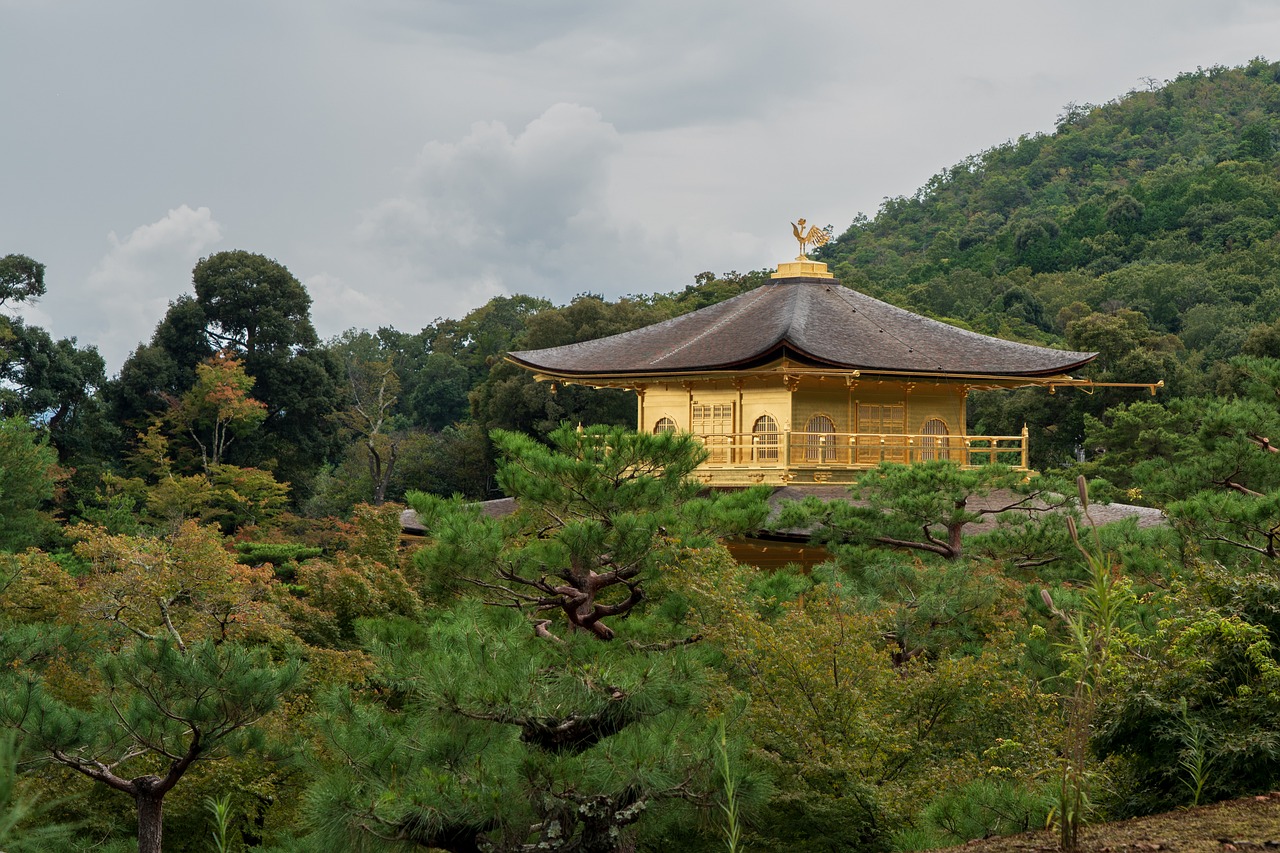
Originally built in the late 14th century as a retirement villa for the shogun Ashikaga Yoshimitsu, the estate was converted into a Zen temple after his death. The pavilion you see today is a faithful reconstruction completed in the 1950s, after the original was lost to fire. Officially named Rokuon-ji, it has become a symbol of Kyoto and a UNESCO World Heritage Site, blending political ambition, Buddhist devotion, and refined aesthetics into a single golden structure.
Gold Leaf, Architecture, and the Phoenix
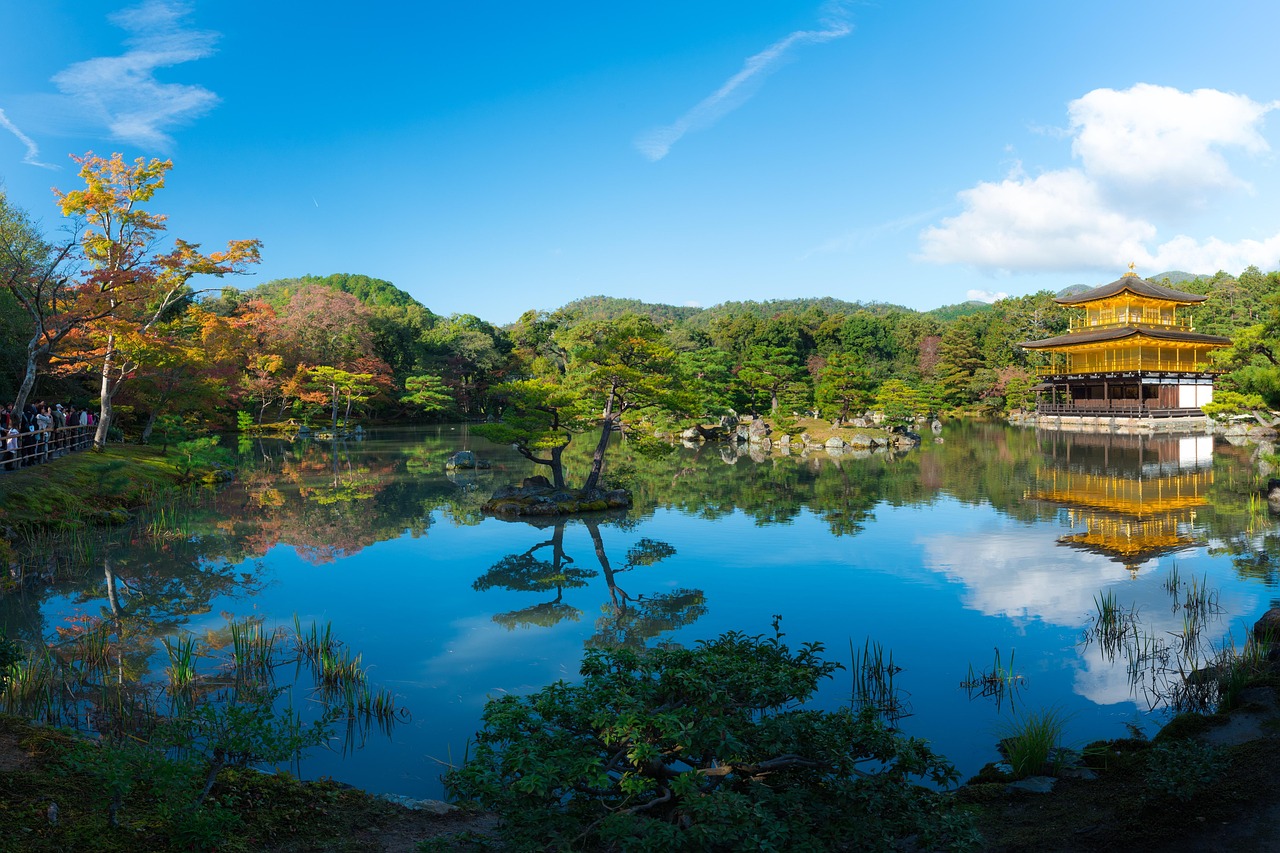
The pavilion’s upper two floors are coated entirely in gold leaf, glowing differently depending on the light and weather. Each of its three stories follows a distinct architectural style, from aristocratic palace design to Zen temple hall, while a golden phoenix crowns the roof. The combination is deliberately layered, meant to reflect harmony between earthly power and spiritual ideals. Seen across the pond, the gilded walls shimmer against the surrounding greenery.
The Mirror Pond and Strolling Garden
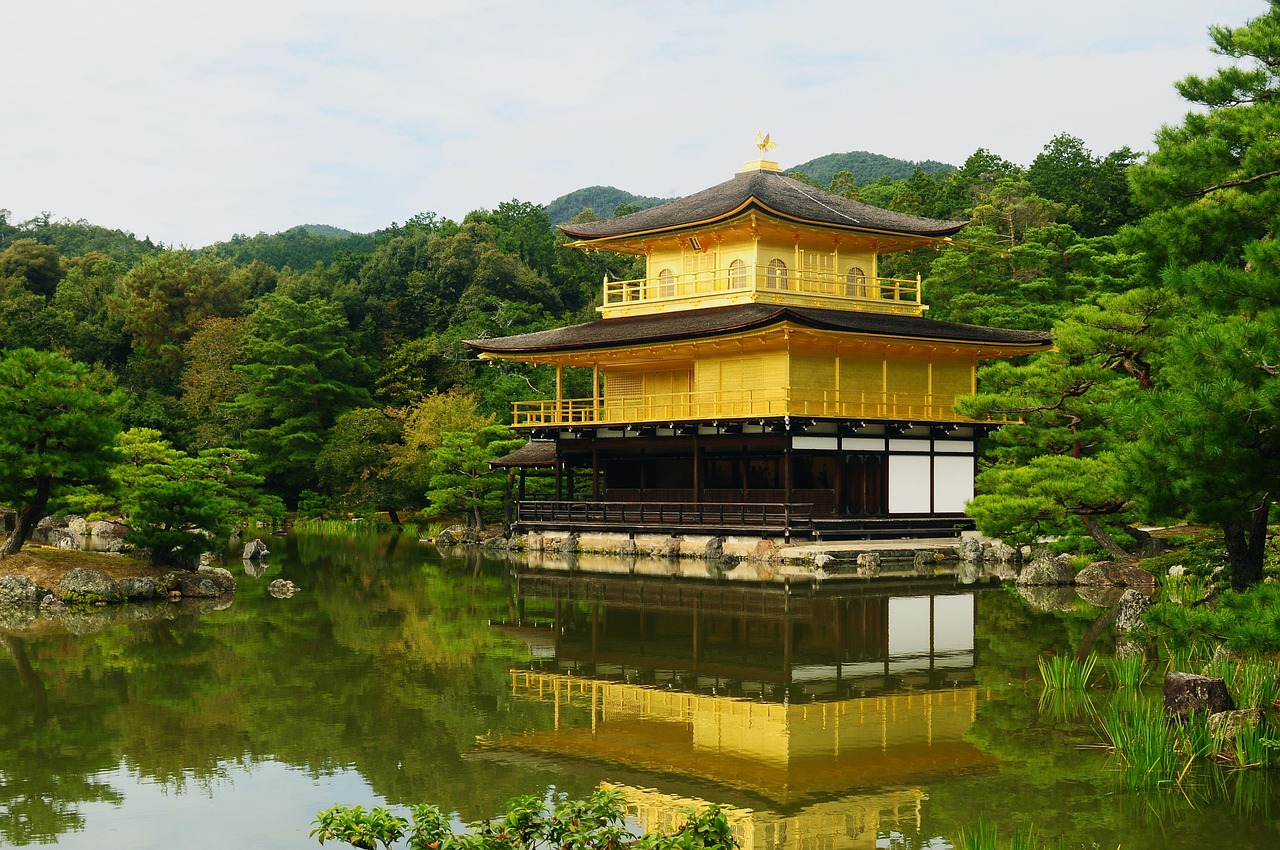
Kinkaku-ji sits beside Kyoko-chi, the Mirror Pond, whose calm surface produces the famous perfect reflection. Small islands dotted with carefully placed stones and pine trees represent scenes from Buddhist cosmology. A gentle walking path leads visitors around the water, past mossy slopes, a small tea house, and a sacred spring, before circling back. The garden is designed to reveal the pavilion from a series of changing viewpoints.
Planning Your Visit
Kinkaku-ji is open daily and sits in northwest Kyoto, easily reached by city bus. Arrive right at opening or late in the afternoon to avoid the largest crowds, and visit on a clear, calm day for the best reflection. The route through the grounds is one-way and takes roughly thirty to forty-five minutes. Combine it with nearby Ryoan-ji and its famous rock garden for a rewarding half-day in this part of the city.
Kinkaku-ji rewards a slow, attentive visit: pause at the main viewpoint, then watch how the gold changes as you move around the pond. It pairs naturally with other landmarks in our growing Kyoto series, and a short trip lets you fold it into a wider day of temple-hopping in Japan’s old capital.
Planning a trip? See our full Kyoto Travel Guide for the best things to see and do.
More Kyoto Travel Guides
- Fushimi Inari Taisha: the Endless Torii Gate Trail
- Arashiyama Bamboo Grove
- Kiyomizu-dera: the Temple on the Wooden Stage
- Gion: the Historic Geisha District
- Ginkaku-ji: the Silver Pavilion
See everything in one place: The Complete Kyoto Guide.


3 thoughts on “Kinkaku-ji, Kyoto: the Golden Pavilion on the Water”