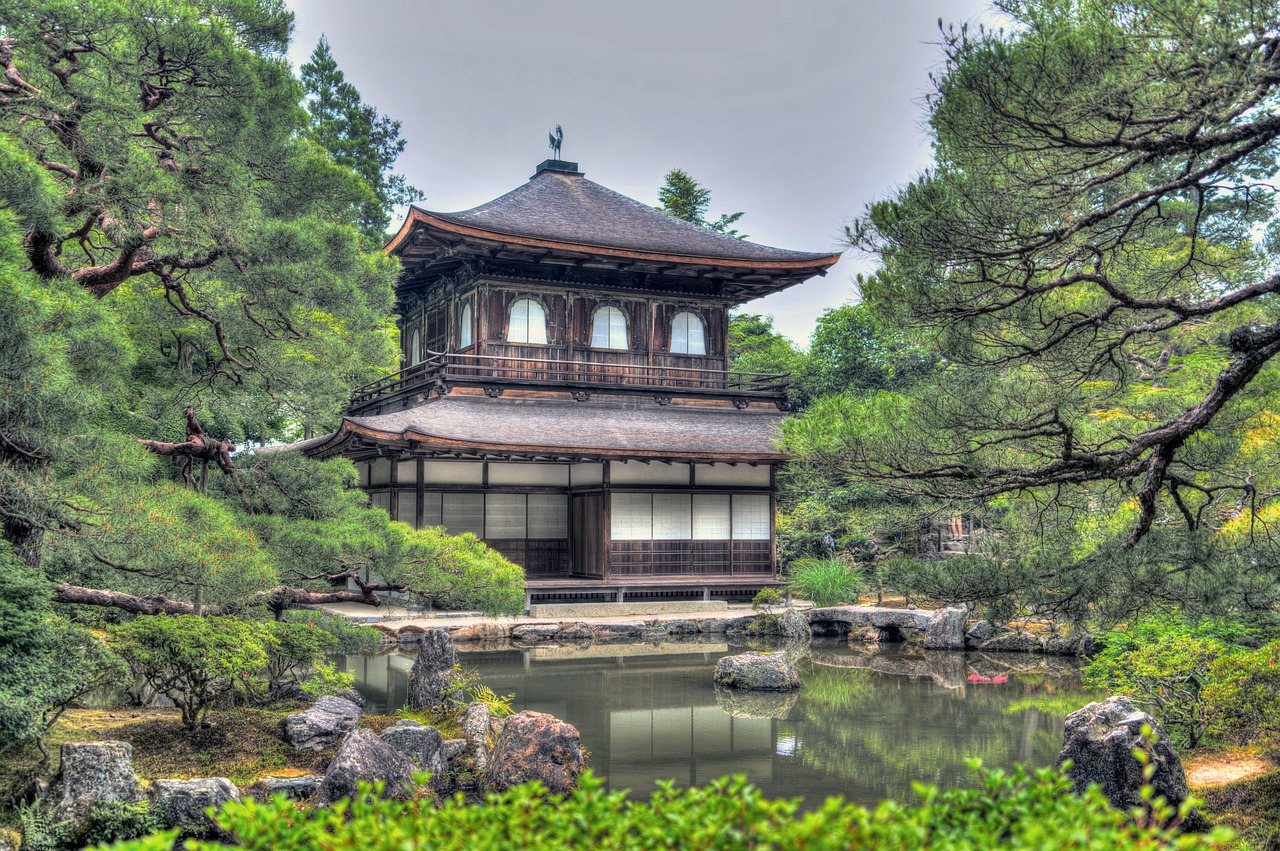
If Kinkaku-ji dazzles with gold, Ginkaku-ji wins visitors over with restraint. Known as the Silver Pavilion, this Zen temple in Kyoto’s eastern hills was never actually clad in silver; its beauty lies in subtle wooden architecture, immaculate sand sculptures, and a moss garden that climbs the hillside. Built as a retirement villa and later turned into a temple, it embodies the refined wabi-sabi aesthetic. This guide covers the pavilion, the famous sand garden, the grounds, and how to visit.
The Silver Pavilion Itself
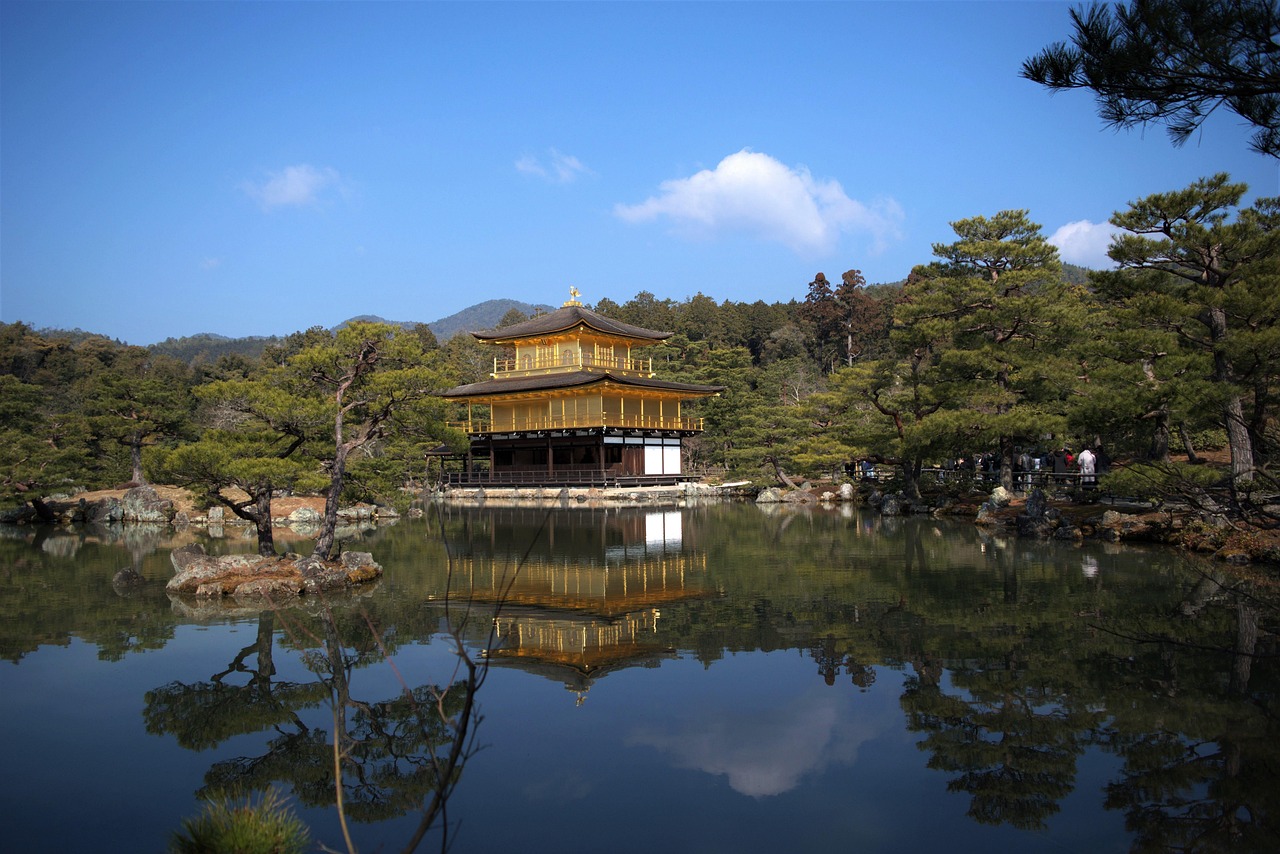
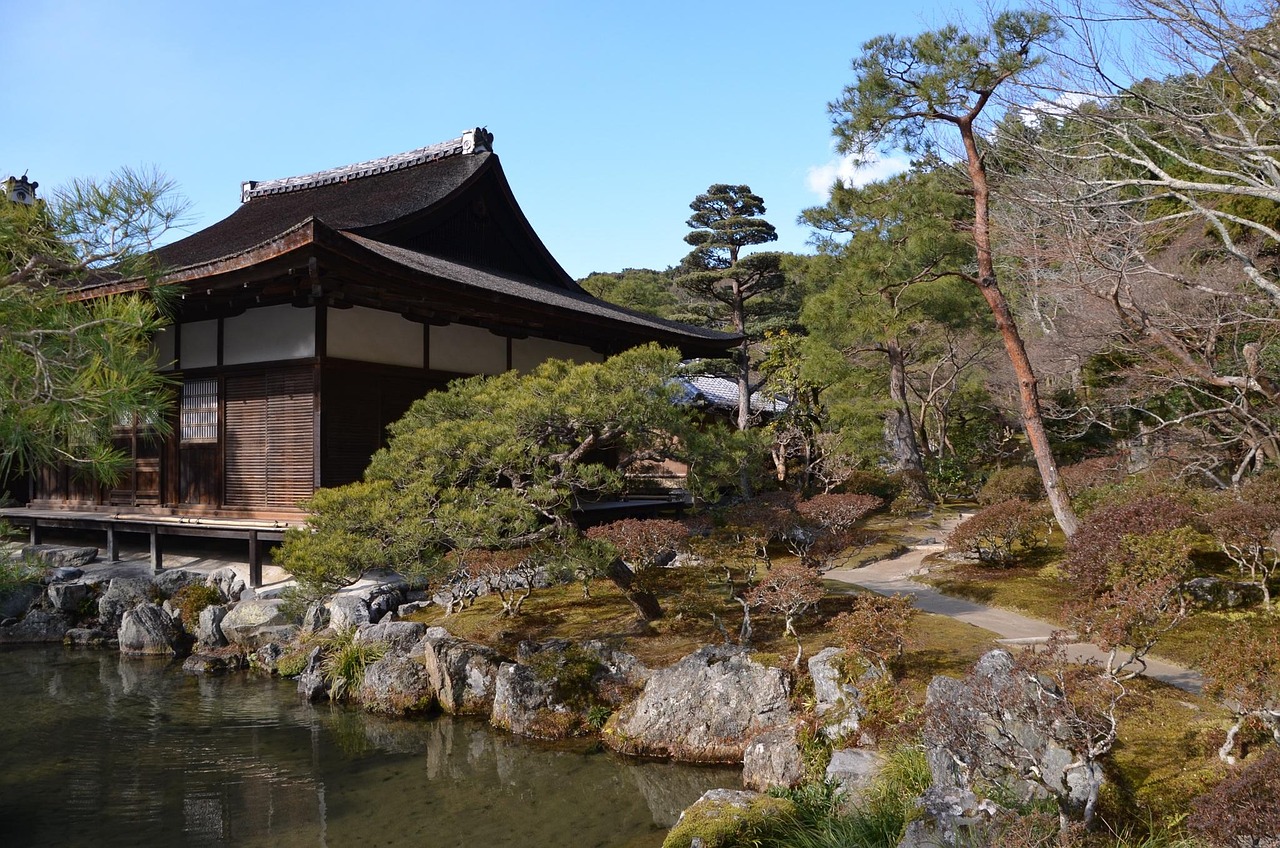
The two-story pavilion overlooks a pond and is widely considered a masterpiece of understated design. Although plans once called for a silver-foil coating that was never applied, the bare dark wood has come to define its quiet elegance. Built in the late 15th century by shogun Ashikaga Yoshimasa, it reflects a culture devoted to tea, poetry, and contemplation rather than display, a deliberate contrast to its golden cousin across the city.
The Sea of Silver Sand
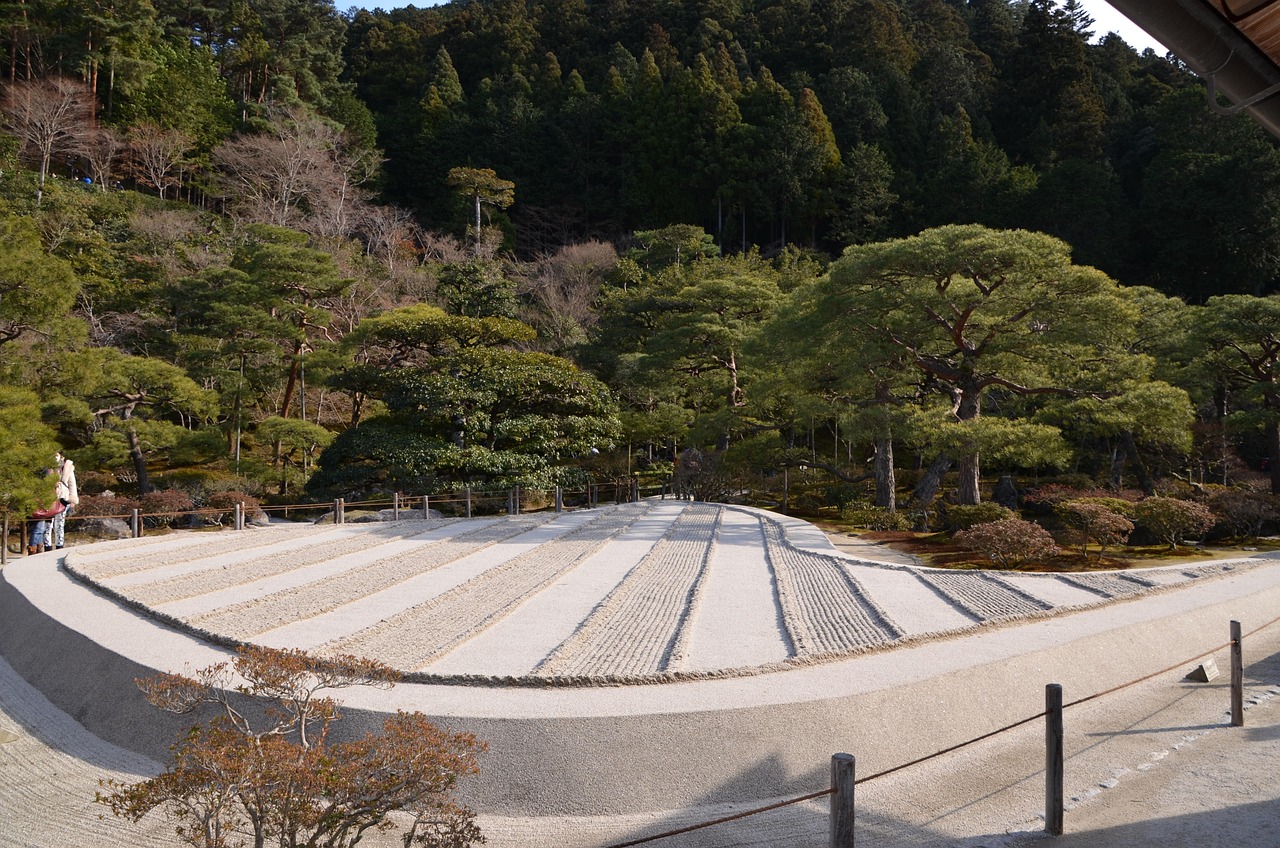
In front of the pavilion lies one of Japan’s most distinctive sand gardens. A carefully raked expanse known as the Sea of Silver Sand sits beside a precise conical mound called the Moon Viewing Platform. These forms are maintained with extraordinary care and are said to reflect moonlight beautifully at night. Their abstract simplicity invites quiet reflection and rewards visitors who pause rather than rush past.
The Moss Garden and Hillside Path
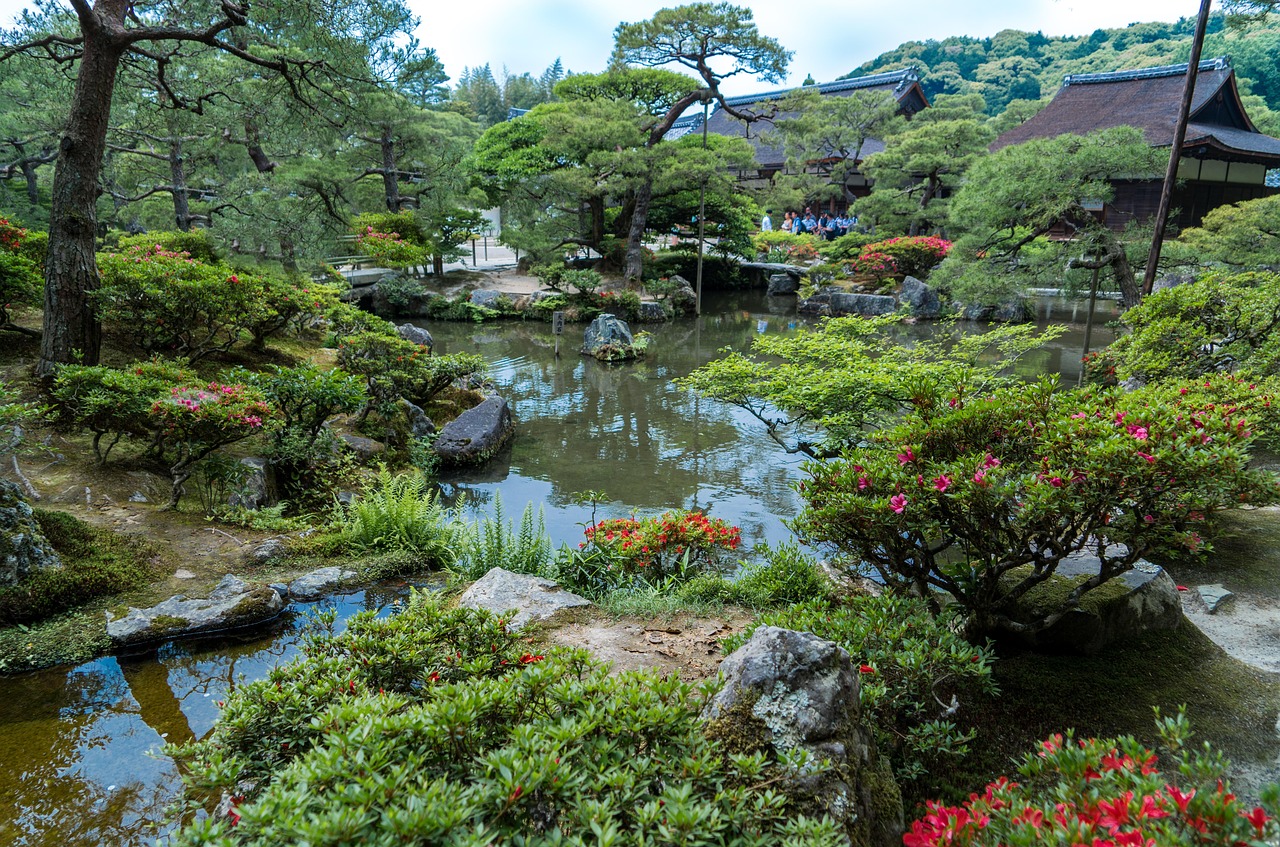
Beyond the sand garden, a circular path leads through a lush moss garden and up the wooded hillside. Streams, ponds, and stone arrangements unfold along the way, and a short climb opens to a viewpoint over the pavilion and the rooftops of Kyoto beyond. The walk is gentle but rich in detail, changing character with each season, from spring green to autumn color.
Visiting and the Philosopher’s Path
Ginkaku-ji sits at the northern end of the Philosopher’s Path, a canal-side walking route lined with cherry trees that connects to other eastern temples. Arrive early to enjoy the gardens in calm light, and allow around an hour for the full loop. A modest admission applies. Combining the temple with a stroll along the path makes for one of Kyoto’s most pleasant half-day outings.
Ginkaku-ji is a study in quiet beauty, best appreciated slowly and ideally paired with a walk along the Philosopher’s Path. It offers a thoughtful counterpoint to Kyoto’s flashier landmarks and fits naturally into the eastern-hills itineraries featured across our growing series on the old capital.
Planning a trip? See our full Kyoto Travel Guide for the best things to see and do.
More Kyoto Travel Guides
- Fushimi Inari Taisha: the Endless Torii Gate Trail
- Kinkaku-ji: the Golden Pavilion
- Arashiyama Bamboo Grove
- Kiyomizu-dera: the Temple on the Wooden Stage
- Gion: the Historic Geisha District
See everything in one place: The Complete Kyoto Guide.


3 thoughts on “Ginkaku-ji, Kyoto: the Silver Pavilion and Its Sand Garden”