Now, stop on the Moika embankment and look at the yellow facade with its six columns. From the street it is a handsome but restrained aristocratic house, one of dozens along the canals.
Inside is the most complete grand private interior in Russia: a private theatre in gold and velvet, a Moorish salon, art galleries, and the apartments of the family whose estate at Arkhangelskoye this series has already visited.
And in the cellar is the room where, one December night in 1916, Felix Yusupov and his fellow conspirators killed Grigori Rasputin, in the event that gives the house its dark fame.
- The Moika Embankment
- The Richest Family in Russia
- The House and Its Architects
- The Staircase and the State Rooms
- The Private Theatre
- The Moorish Salon
- A Private Museum
- Felix and Irina
- Rasputin
- The Night Itself
- Aftermath
- The House After 1917
- Visiting the Palace
The Moika Embankment
The Moika is the innermost of St Petersburg’s canal rings, and its embankments were prime aristocratic territory from the city’s first century.
Pushkin died in a house a few hundred metres upstream; the imperial stables and the Stroganov palace stand on the same water.
The Yusupovs bought their house here in 1830 and spent ninety years perfecting it.
The Richest Family in Russia
The Yusupovs descended from a Nogai khan who entered Muscovite service in the sixteenth century, and by 1900 their fortune, in land, mines and factories, was reckoned larger than the tsar’s personal wealth.
They owned fifty-seven palaces and estates, Arkhangelskoye among them, and this house was their principal residence.
Princess Zinaida, the last matriarch, was famous for beauty, charm and jewels that included the Peregrina pearl.
The House and Its Architects
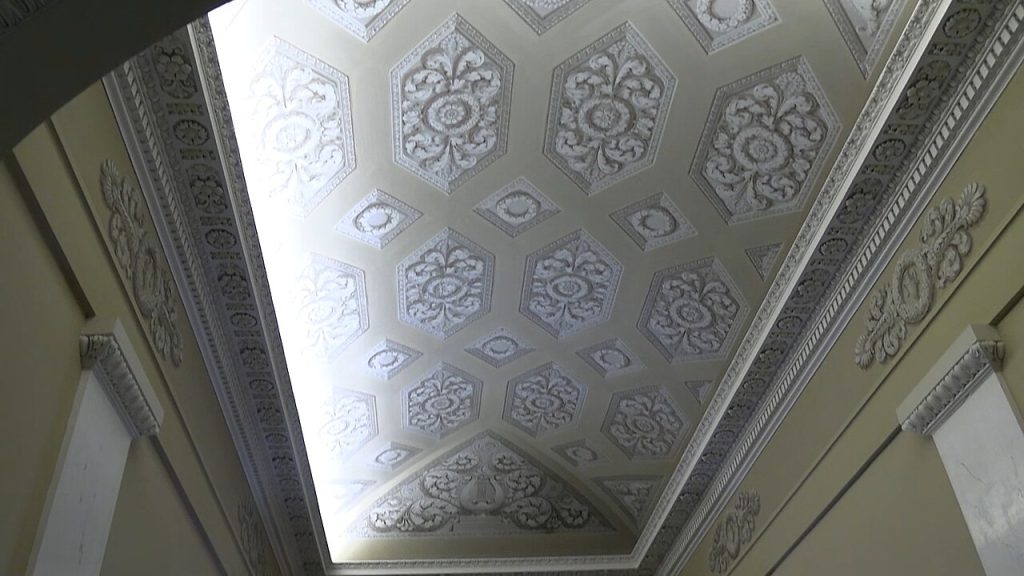
The core is an eighteenth-century palace by Vallin de la Mothe, extended and redecorated through the nineteenth century by a sequence of architects for successive Yusupovs.
Each generation added: galleries for the art, the theatre, new salons in the styles of their decades.
The result is a compendium of Russian interior fashion from classicism to art nouveau, all under one roof.
The Staircase and the State Rooms
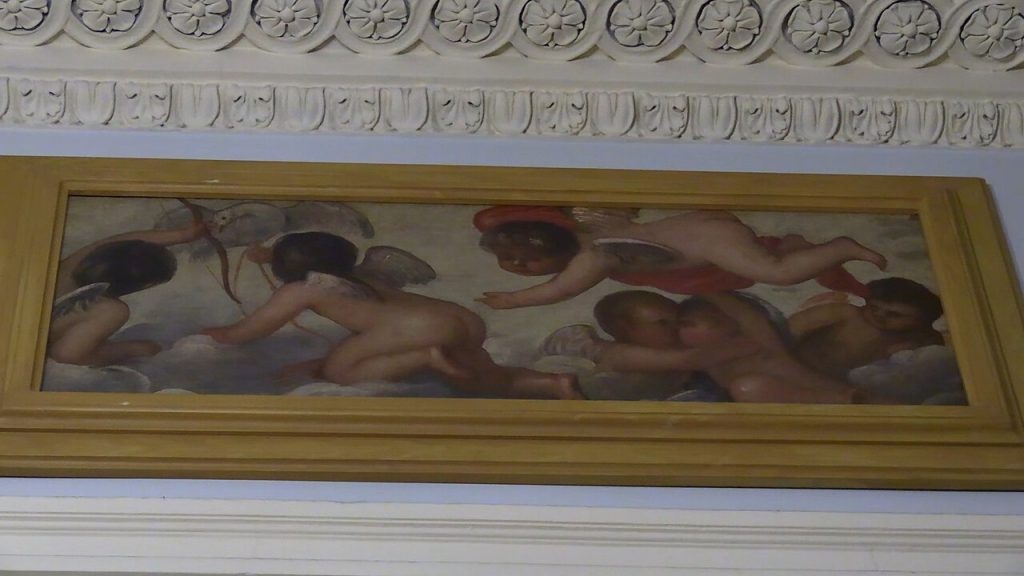
The main staircase rises in white marble under a painted ceiling, bought whole in Italy and shipped to the Moika.
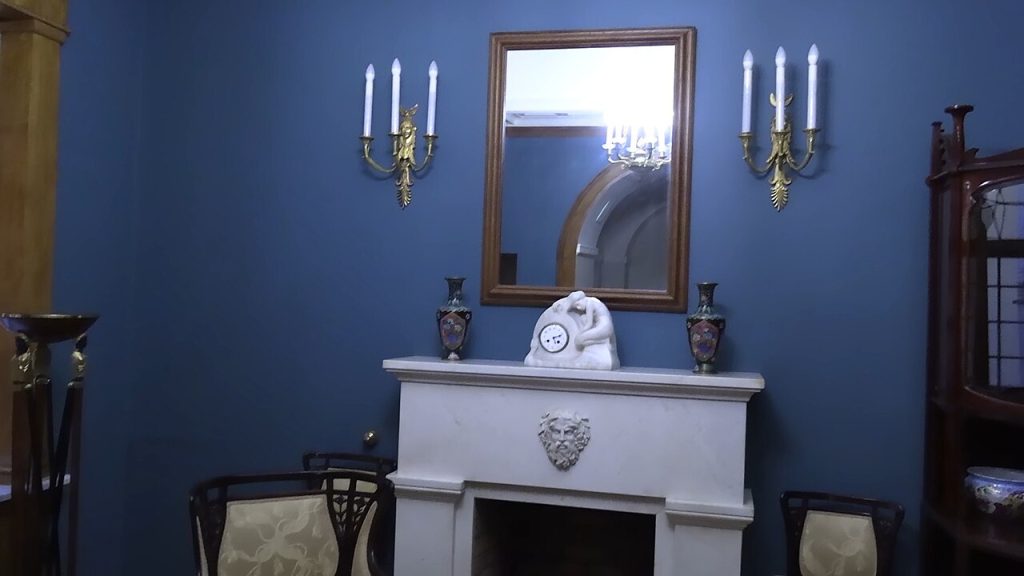
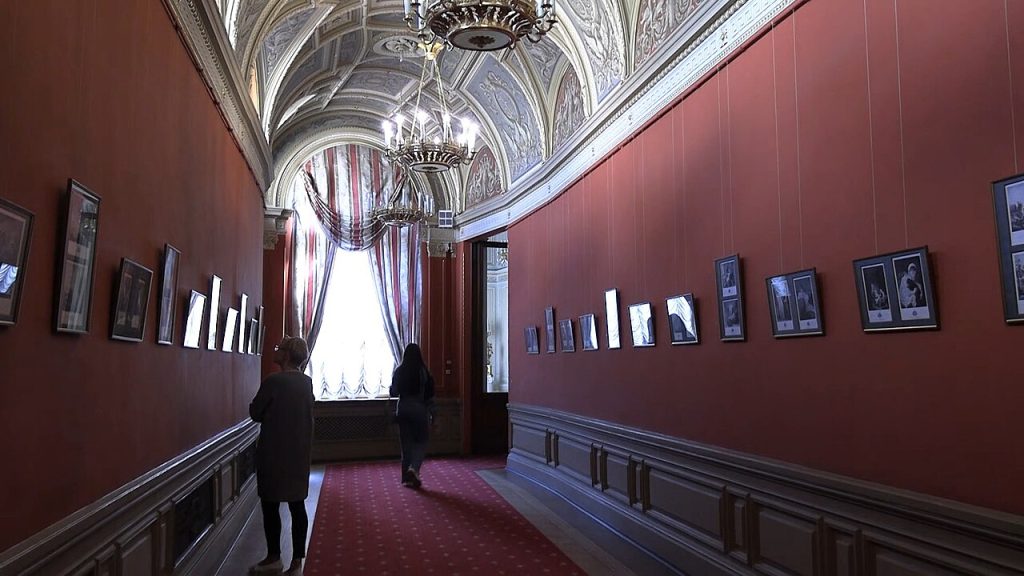
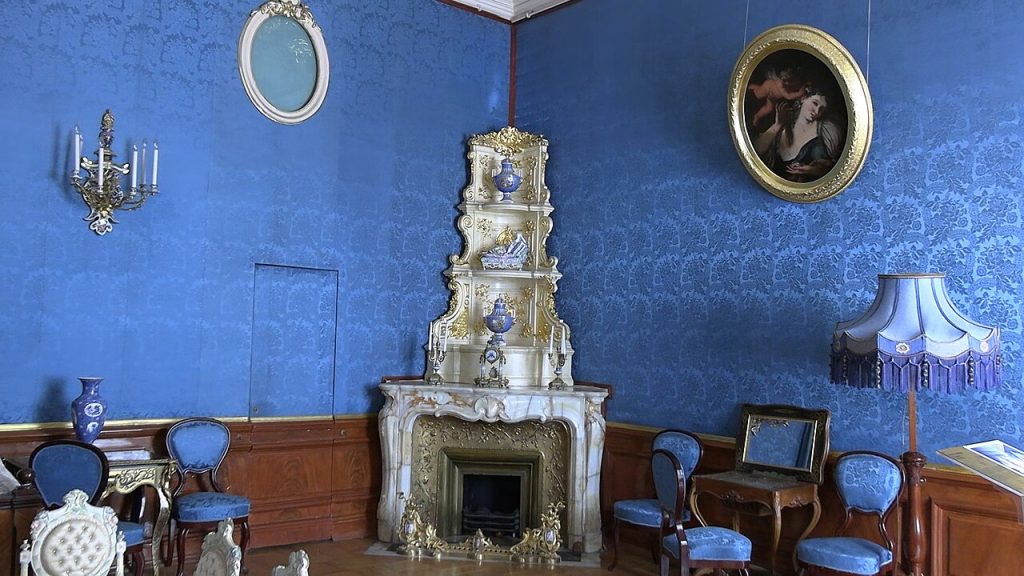
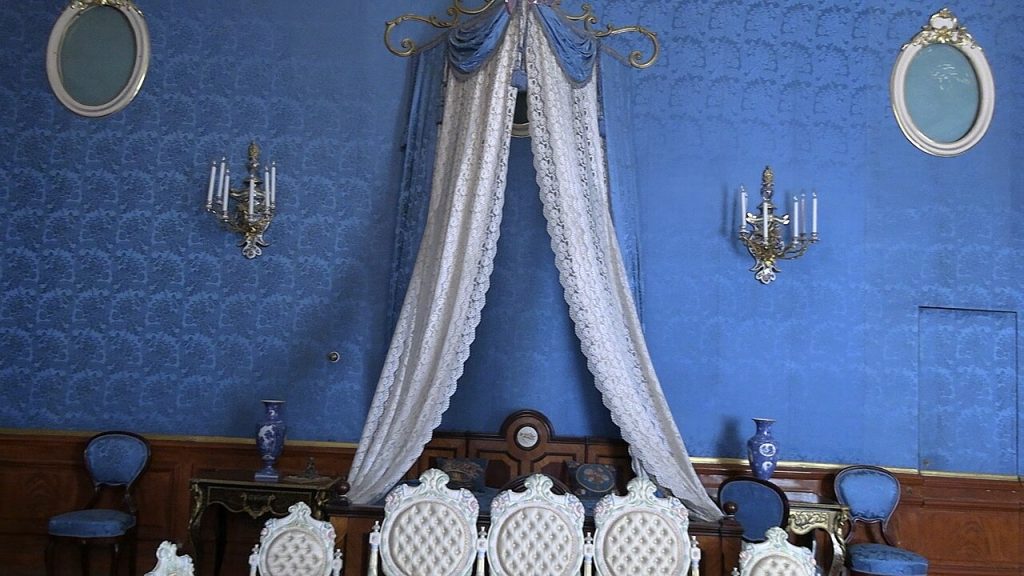
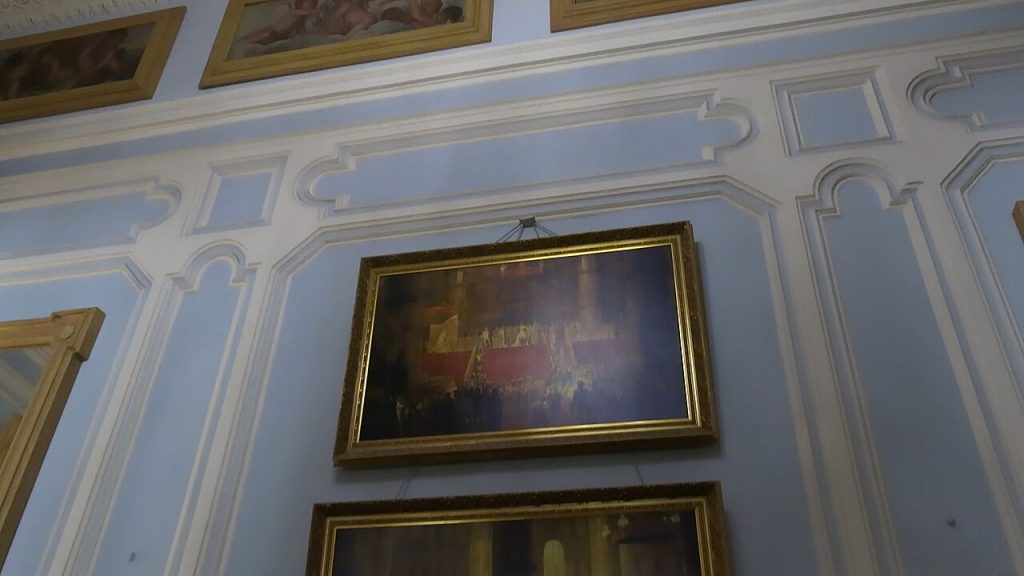
The state rooms run along the canal front: ballroom, banqueting hall, drawing rooms in red, blue and green, each with its chandeliers and parquet.
The scale is domestic compared with the Winter Palace, which is exactly why it communicates wealth more effectively.
The Private Theatre
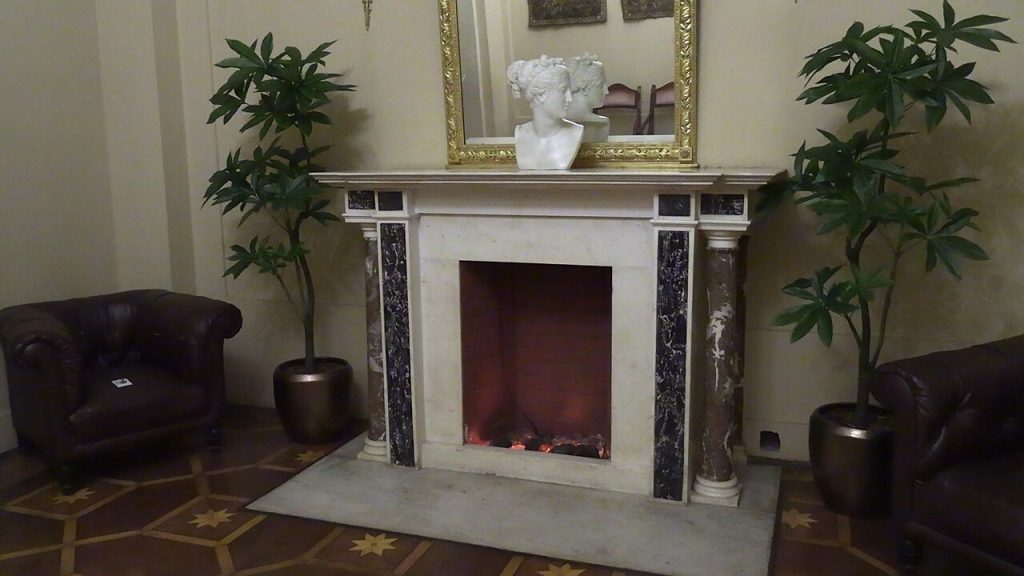
The jewel of the house is the private theatre, a miniature opera house in gold, cream and crimson seating around 180, with its own stage machinery, boxes and painted ceiling.
Chaliapin sang here; Liszt and Chopin played in the house’s salons in earlier generations.
The theatre still works, hosting concerts most weeks, and buying a ticket is the best way to see the palace as a guest rather than a tourist.
The Moorish Salon
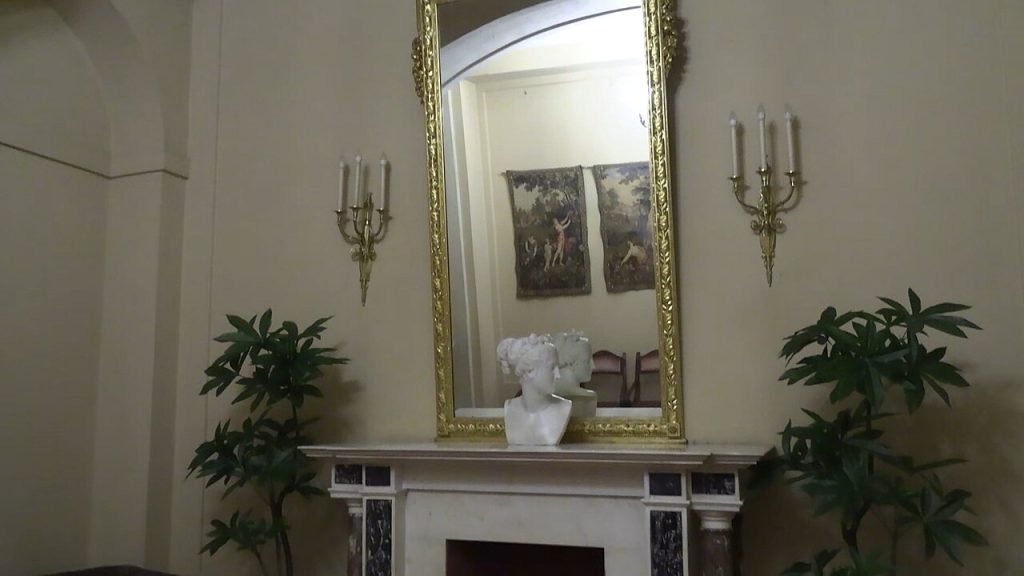
The Moorish salon, with its horseshoe arches, fountain and gilded arabesques, answered the same orientalist fashion this series met at Alupka and Likani.
It was Felix’s favourite room for entertaining, and photographs show it almost unchanged.
The adjoining private apartments preserve art nouveau rooms from the last redecoration before 1917.
A Private Museum
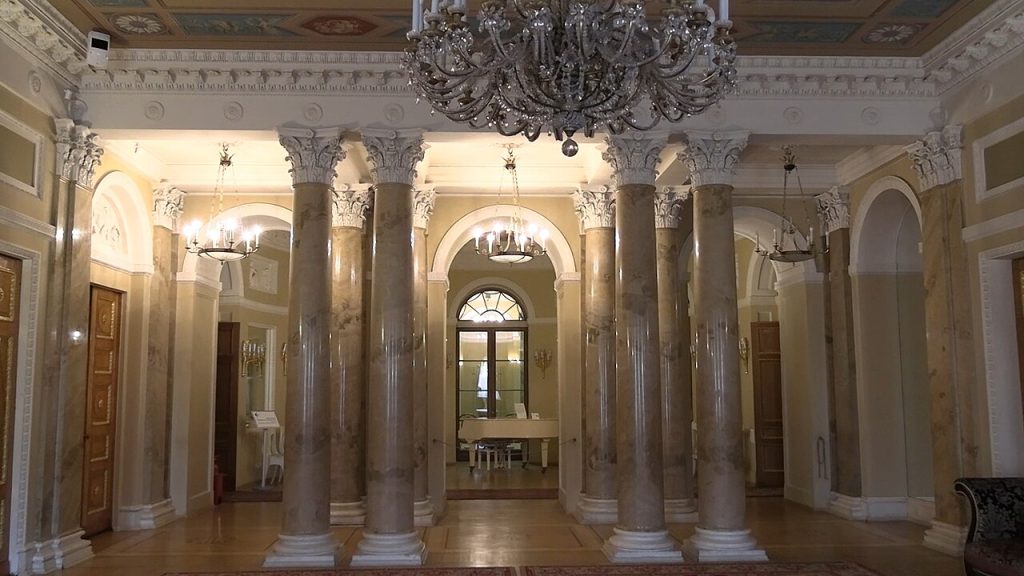
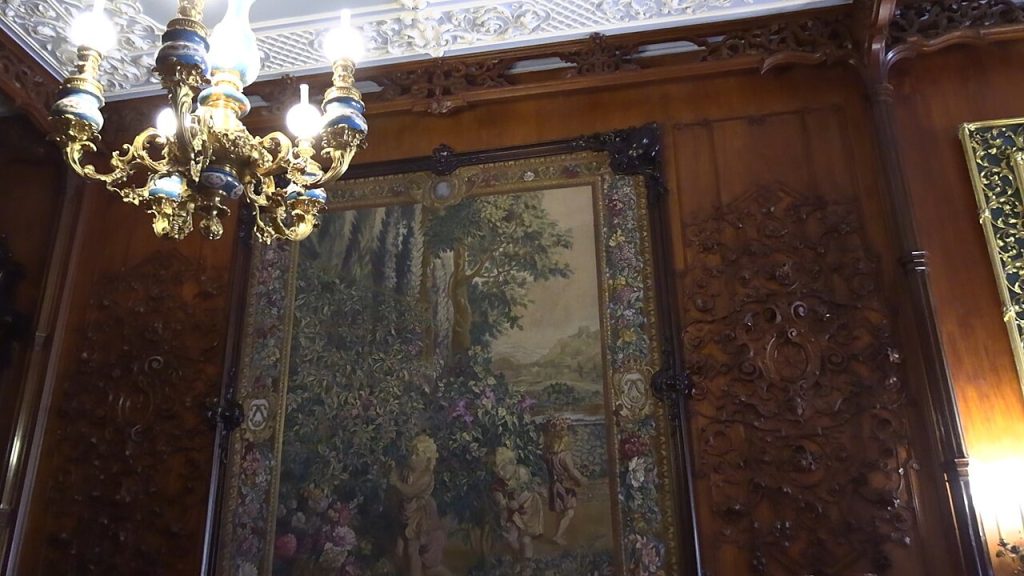
The family’s art collection filled dedicated galleries: Rembrandts bought in Paris, French furniture, tapestries, rock crystal and jewels catalogued like a museum’s.
After 1917 the collection was nationalised; the two Rembrandts, smuggled out and sold, eventually reached Washington’s National Gallery.
Treasures walled up in hiding places were discovered in the 1920s, including diamonds and the Peregrina’s case.
Felix and Irina
Felix Yusupov, the last heir, studied at Oxford, dressed famously, and in 1914 married Princess Irina, the tsar’s niece, uniting the richest family with the imperial house.
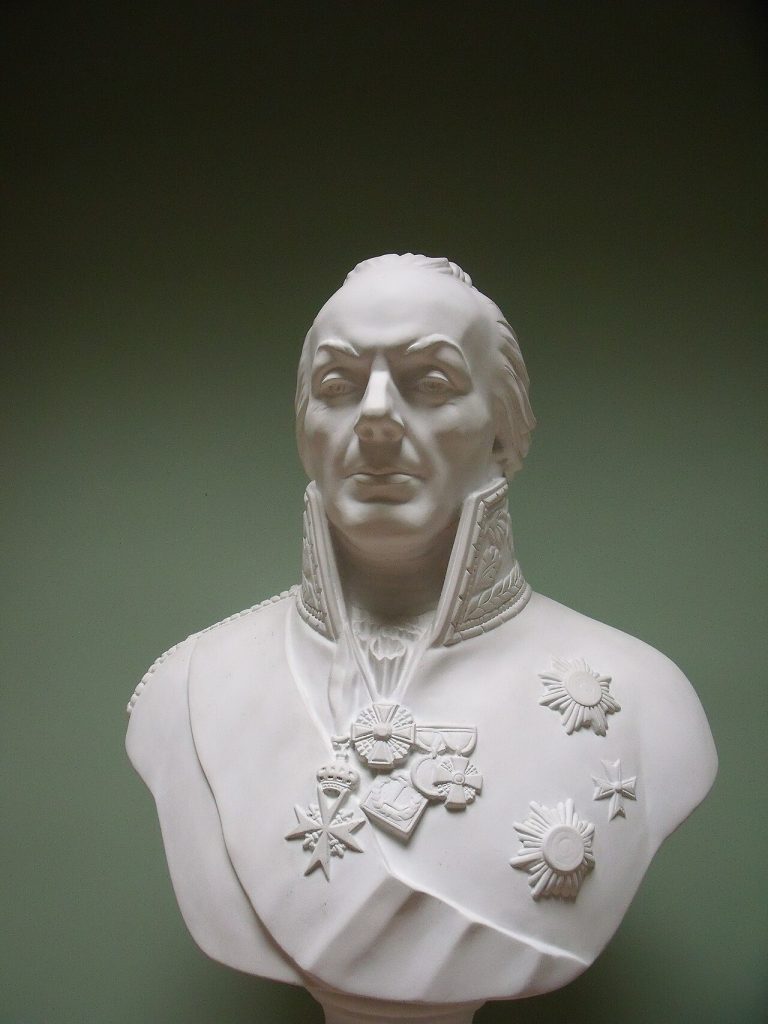
His memoirs, written in exile, are unreliable and irresistible, and they made the palace’s cellar the most famous basement in Russia.
This series met him at Arkhangelskoye; the Moika house is where his story turned.
Rasputin
Grigori Rasputin, a Siberian peasant healer, gained the empress’s confidence through his apparent ability to ease the haemophilia of the heir, Alexei, whom this series met at Livadia.
By 1916, with the tsar at the front, Rasputin’s influence over appointments had become a public scandal that the dynasty’s own defenders considered fatal to its prestige.
A group around Felix decided that removing him would save the monarchy.
The Night Itself
On the night of 16 to 17 December 1916, Felix brought Rasputin to a cellar room prepared with cakes and wine. What followed, poison, shots, and a body recovered from the Malaya Nevka days later, exists in several contradictory tellings, most of them Felix’s own.
The museum presents the cellar with wax figures and weighs the versions, including the forensic findings that complicate the legend.
Whatever the details, the murder changed nothing: the February revolution came ten weeks later.
Aftermath
The conspirators were lightly punished: Felix was exiled to his estates, the grand duke among them to Persia, which likely saved his life when the revolution came.
Felix and Irina escaped in 1919 with two Rembrandts and a bag of jewels, lived on them in Paris for decades, and won the libel case this series mentioned at Arkhangelskoye.
He never expressed regret, and his memoirs funded his old age.
The House After 1917
The nationalised palace became a house of culture for teachers, which preserved it: the theatre hosted lectures and concerts, and the state rooms survived as meeting halls.
Restoration has continued for decades, and the building now operates as a museum and concert venue.
Of all the aristocratic houses of the city, it is the one that most completely kept its interiors.
Visiting the Palace
Entry is by routes: the state rooms, the private apartments, and the Rasputin cellar carry separate or combined tickets, with audio guides in several languages.
Book a concert in the theatre if dates allow; evening visits show the house as it was meant to be seen.
Check current travel guidance for Russia before planning, and pair the visit with the Mariinsky theatre district and St Isaac’s nearby.
Watch the Palace on Film
Visiting the Yusupov Palace Today
The Yusupov Palace stands at Moika 94 in central St Petersburg, fifteen minutes on foot from St Isaac’s Cathedral and the Mariinsky Theatre.
It opens daily with ticketed routes covering the state rooms, theatre, private apartments and the Rasputin rooms; audio guides are available and concerts run most weeks. Check current travel guidance for Russia before planning.
Allow two to three hours. Find it here: https://www.google.com/maps?q=59.9294,30.2989
Palaces Nearby
You May Like
The Winter Palace and the Thousand Rooms of the Tsars