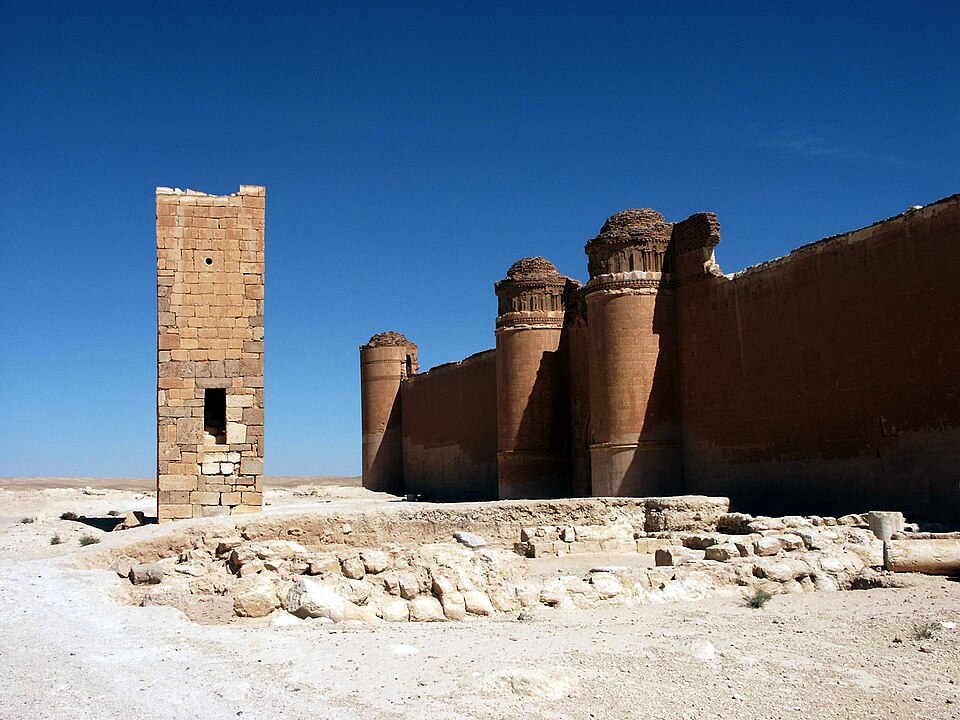
In the Syrian desert, far from the cities, stand the ruins of the great desert palaces of the Umayyad caliphs, the most famous of them the two palaces known as Qasr al-Hayr al-Gharbi and Qasr al-Hayr al-Sharqi, the western and the eastern Qasr al-Hayr. These palaces, built by the Umayyad caliphs in the early eighth century, were the desert residences of the rulers of the first great Islamic empire, the palaces centers of agriculture, hunting, and retreat in the Syrian steppe, Qasr al-Hayr among the supreme monuments of the early Islamic palace architecture.
The desert palaces of the Umayyads are a world of their own. The caliphs of the Umayyad dynasty, who ruled their vast empire from Damascus in the seventh and eighth centuries, built a series of palaces, castles, and estates in the deserts and the steppes of Syria and Jordan, the desert residences centers of the caliphs’ life away from the cities, the palaces the retreats, the hunting lodges, and the agricultural estates of the rulers, Qasr al-Hayr the most famous of these desert palaces, the monuments the jewels of the early Islamic architecture.
This article continues the Syrian series, turning from the medieval citadels and mansions to the desert palaces of the Umayyad caliphs, the residences of the rulers of the first Islamic empire, the palaces of the Syrian steppe, Qasr al-Hayr the jewel of these desert monuments, the palaces the retreats of the caliphs, the desert residences the masterpieces of the early Islamic architecture, Qasr al-Hayr the crown of the Umayyad desert palaces of Syria.
- The Umayyad Caliphs
- The Desert Palaces
- Qasr al-Hayr al-Gharbi
- Qasr al-Hayr al-Sharqi
- The Caliph Hisham
- The Palace Architecture
- The Decoration and the Frescoes
- The Famous Facade
- The Desert Estates
- Hunting and Retreat
- The Other Desert Palaces
- The Excavation and the Museum
- Qasr al-Hayr Today
- Watch on Film
- Visiting Today
- Palaces Nearby
The Umayyad Caliphs
The Umayyads ruled the first great Islamic empire. The dynasty of the Umayyad caliphs, ruling from Damascus from 661 to 750, governed a vast empire stretching from Spain to Central Asia, the Umayyads the rulers of the first great Islamic state, the caliphs the builders of the great mosque of Damascus and the Dome of the Rock in Jerusalem, the Umayyads the founders of the Islamic imperial culture, the caliphs the builders of the desert palaces of Syria.
The Umayyads were a Syrian dynasty: the caliphs ruling their vast empire from Damascus, the Syrian capital the heart of the Umayyad power, the caliphs deeply rooted in the Syrian land, the Umayyads the rulers whose home and heart was Syria, the caliphs the builders of the monuments of Damascus and the desert, the Umayyads the Syrian dynasty that ruled the Islamic world, the caliphs the builders of the palaces of the Syrian steppe.
The caliphs loved the desert: the Umayyad rulers, many of them of the Arab tradition that loved the open steppe, building their palaces and their estates in the deserts of Syria and Jordan, the caliphs retreating from the cities to the desert residences, the Umayyads the builders of the desert palaces, the caliphs the rulers who loved the steppe, the desert residences the expression of the Umayyad culture, the palaces the jewels of the caliphs’ life in the Syrian desert.
The Desert Palaces
The Umayyads built many desert palaces. The caliphs and the princes of the dynasty built a series of palaces, castles, and estates across the deserts and the steppes of Syria and Jordan, the desert residences including Qasr al-Hayr al-Gharbi, Qasr al-Hayr al-Sharqi, Qusayr Amra, Qasr al-Mshatta, Khirbat al-Mafjar, and others, the desert palaces a remarkable group of the early Islamic monuments, the residences the jewels of the Umayyad architecture.
The desert palaces served many purposes: the residences centers of agriculture, hunting, retreat, and the display of the caliphs’ power and culture, the palaces the estates where the rulers managed their lands and enjoyed the desert life, the desert residences the retreats from the cities, the palaces the hunting lodges and the agricultural centers, the desert residences the expression of the Umayyad life, the palaces the jewels of the caliphs’ desert world.
The desert palaces are a treasure of the early Islamic art: the residences, with their architecture, their decoration, their frescoes, and their mosaics, among the supreme monuments of the early Islamic civilization, the palaces the showcase of the Umayyad art and culture, the desert residences the jewels of the early Islamic architecture, the palaces the treasures of the age of the caliphs, the desert residences the masterpieces of the Umayyad world, Qasr al-Hayr among the finest of them.
Qasr al-Hayr al-Gharbi
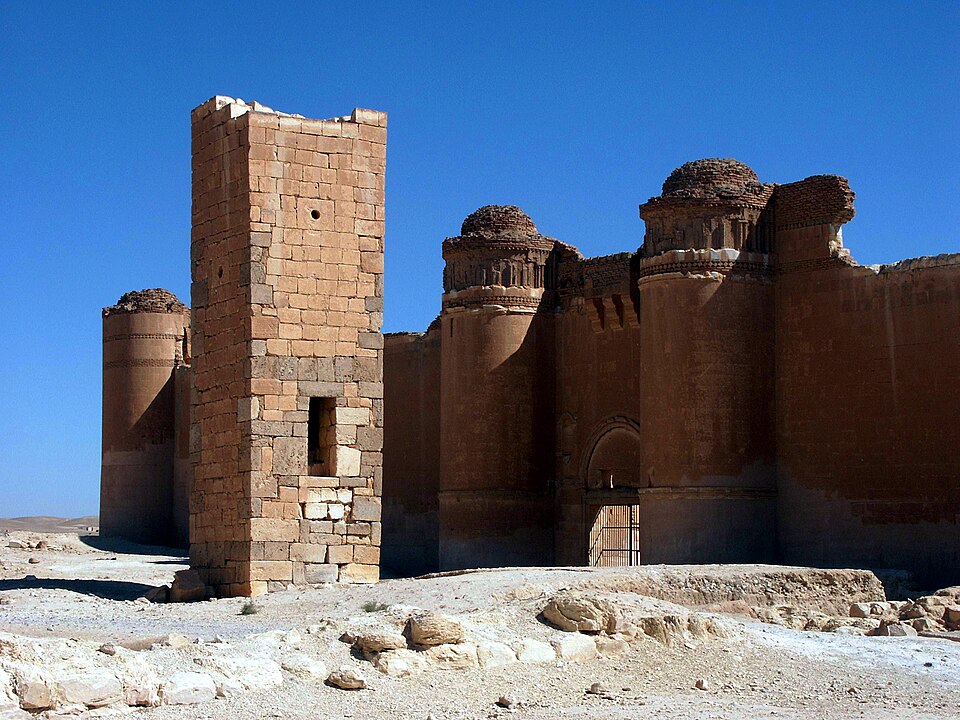
Qasr al-Hayr al-Gharbi is the western palace. The residence, built around 727 by the caliph Hisham in the desert southwest of Palmyra, was a great palace and estate, the palace with its monumental gateway, its decorated facade, and its surrounding agricultural lands, Qasr al-Hayr al-Gharbi one of the finest of the Umayyad desert palaces, the residence the western Qasr al-Hayr, the palace the jewel of the Syrian desert architecture.
The western palace was a great estate: Qasr al-Hayr al-Gharbi a palace at the center of an agricultural estate, the residence with its lands watered by the systems that brought water to the desert, the palace the center of the farming and the life of the estate, the western Qasr al-Hayr the residence of the caliph in the fertile desert, the palace the jewel of the Umayyad desert estates, the residence the center of the agricultural and the courtly life of the steppe.
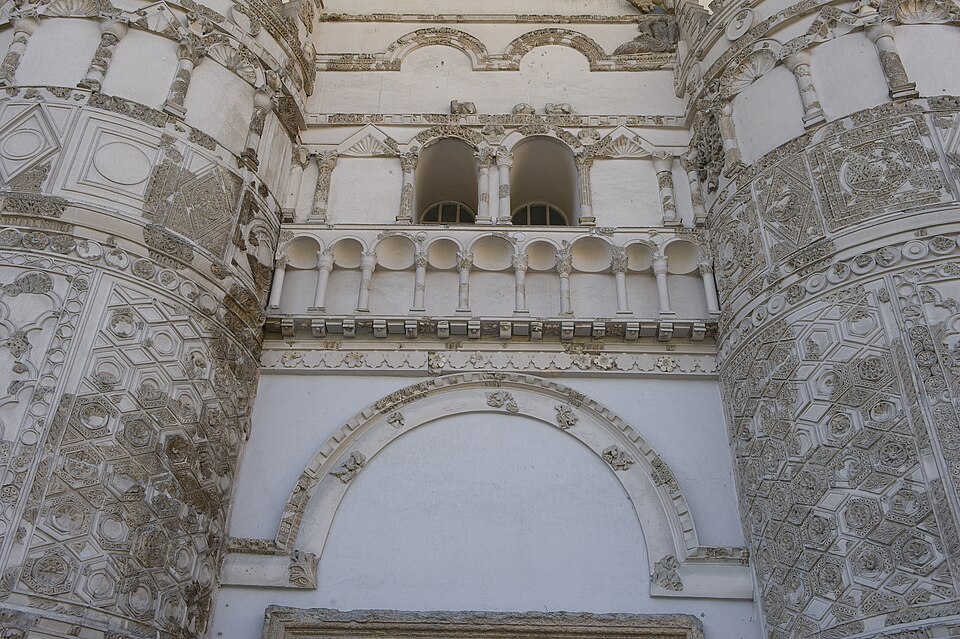
The palace is famous for its facade: Qasr al-Hayr al-Gharbi noted above all for its magnificent decorated facade and gateway, the stucco and the stone decoration of the palace among the treasures of the Umayyad art, the facade the jewel of the western palace, the gateway the masterpiece of the early Islamic decoration, the facade the glory of Qasr al-Hayr al-Gharbi, the decoration the treasure of the Umayyad desert palace, the facade the famous feature of the residence.
Qasr al-Hayr al-Sharqi
Qasr al-Hayr al-Sharqi is the eastern palace. The residence, built around 729 by the caliph Hisham in the desert northeast of Palmyra, was a great complex of palace, estate, and settlement, the eastern Qasr al-Hayr with its enclosures, its buildings, and its surrounding lands, the palace a center of the caliph’s power and the desert life, Qasr al-Hayr al-Sharqi one of the great Umayyad desert residences, the palace the eastern jewel of the Syrian steppe.
The eastern palace was a desert settlement: Qasr al-Hayr al-Sharqi more than a palace, a complex of enclosures, buildings, a mosque, and an estate, almost a small desert town, the residence the center of a settlement in the steppe, the eastern Qasr al-Hayr the hub of the agricultural and the courtly life, the palace the center of the caliph’s desert estate, the residence the jewel of the Umayyad settlement in the Syrian desert.
The two palaces were a pair: Qasr al-Hayr al-Gharbi and Qasr al-Hayr al-Sharqi, the western and the eastern, the two great desert residences of the caliph Hisham in the region of Palmyra, the palaces a pair of the Umayyad jewels, the two Qasr al-Hayr the showcase of the caliph’s desert building, the palaces the twin treasures of the Syrian steppe, the two residences the masterpieces of the Umayyad desert architecture, the palaces the crown of the caliph’s desert world.
The Caliph Hisham
The palaces were built by the caliph Hisham. Hisham ibn Abd al-Malik, the Umayyad caliph who ruled from 724 to 743, was the builder of the two Qasr al-Hayr and a great patron of the desert palaces, the caliph a ruler of long reign and of the love of the desert, Hisham the builder of the great residences of the Syrian steppe, the caliph the patron of the Umayyad desert architecture, Hisham the ruler whose name is linked with Qasr al-Hayr.
Hisham was a great builder: the caliph building the desert palaces, the estates, and the monuments of his long reign, Hisham a patron of the architecture and the agriculture of the desert, the caliph the builder of the residences of the Syrian steppe, Hisham the ruler who developed the desert estates, the caliph the patron of the Umayyad desert world, Hisham the builder whose palaces are among the jewels of the early Islamic architecture.
Hisham’s reign was the height of the Umayyads: the caliph ruling at the height of the Umayyad power, before the troubles that would bring down the dynasty, Hisham a ruler of a long and a relatively stable reign, the caliph the builder of the desert palaces at the peak of the Umayyad greatness, Hisham the ruler of the golden age of the dynasty, the caliph whose desert residences are the monuments of the Umayyad height, Hisham the builder of the jewels of the Syrian desert.
The Palace Architecture
The desert palaces have a distinctive architecture. The Umayyad residences, built of stone and brick, with their enclosing walls, their towers, their courtyards, and their halls, combined the traditions of the late Roman, the Byzantine, the Persian, and the Arab architecture, the palaces the expression of the early Islamic synthesis, Qasr al-Hayr a masterpiece of this architecture, the residences the jewels of the Umayyad building, the palaces the showcase of the early Islamic design.
The palaces drew on many traditions: the Umayyad residences combining the forms of the Roman fort, the Byzantine palace, the Persian estate, and the Arab tradition, the architecture a synthesis of the heritage of the lands the caliphs ruled, the palaces the expression of the early Islamic culture that drew on the ancient worlds, the residences the showcase of the synthesis, Qasr al-Hayr the jewel of this architecture, the palaces the masterpieces of the Umayyad building.
The architecture was monumental: the desert palaces built on a grand scale, with their great enclosures, their monumental gateways, their towers, and their halls, the residences the expression of the caliphs’ power and wealth, the palaces the monumental architecture of the Umayyad desert, Qasr al-Hayr a masterpiece of this grand building, the residences the jewels of the monumental architecture, the palaces the showcase of the Umayyad greatness in the Syrian steppe.
The Decoration and the Frescoes
The desert palaces are famous for their decoration. The Umayyad residences were decorated with the magnificent stucco, the carved stone, the frescoes, the mosaics, and the ornament that are among the supreme treasures of the early Islamic art, the decoration of the palaces a masterpiece of the Umayyad craft, the frescoes and the stucco the glory of the residences, the decoration the jewel of the desert palaces, the ornament the treasure of Qasr al-Hayr.
The frescoes are a treasure: the wall paintings of the Umayyad palaces, including the famous frescoes of Qasr al-Hayr al-Gharbi, among the supreme examples of the early Islamic painting, the frescoes depicting the figures, the scenes, and the ornament of the courtly life, the wall paintings the jewels of the desert palaces, the frescoes the treasures of the Umayyad art, the paintings the glory of Qasr al-Hayr, the frescoes the masterpieces of the early Islamic painting.
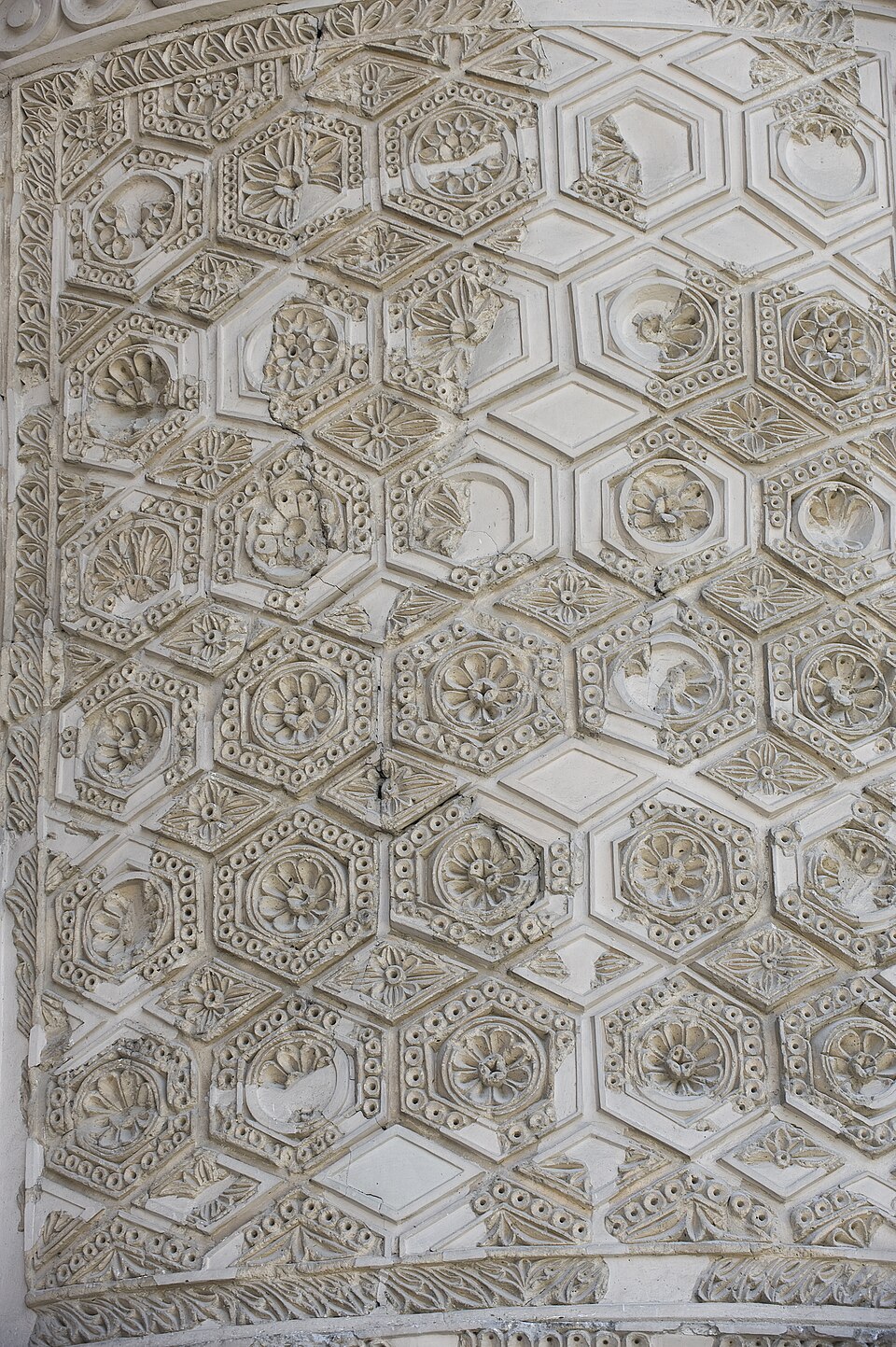
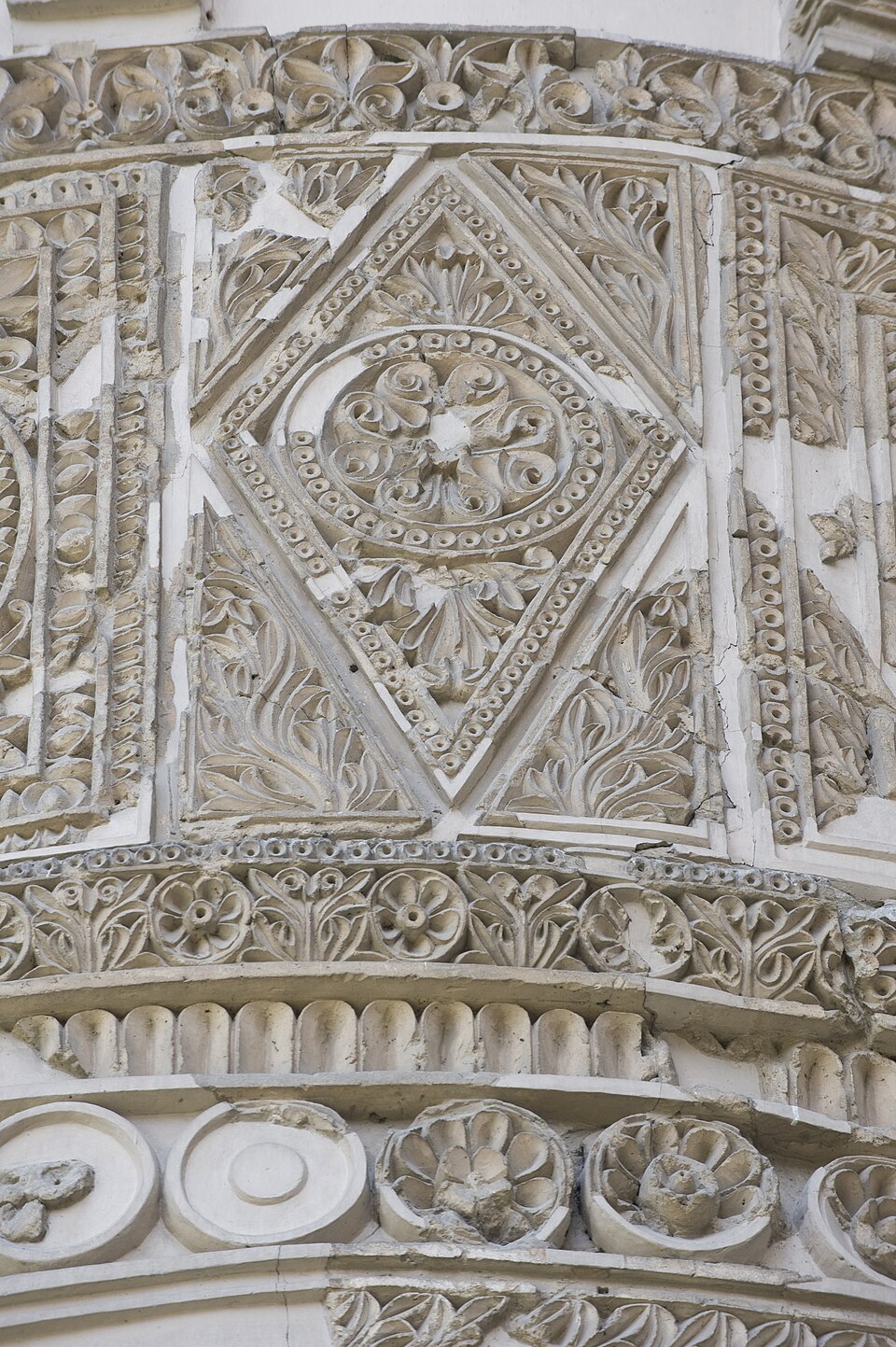
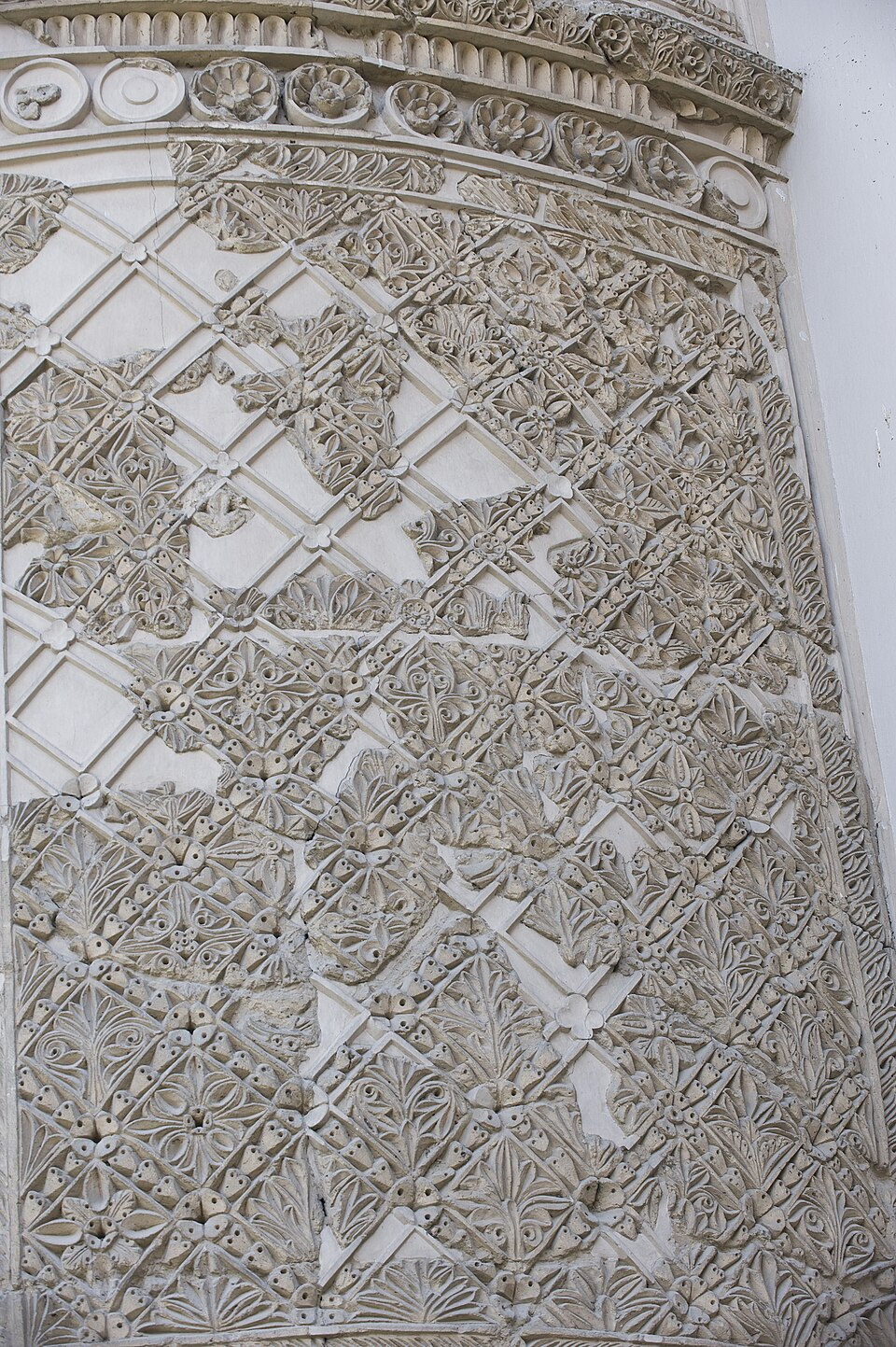
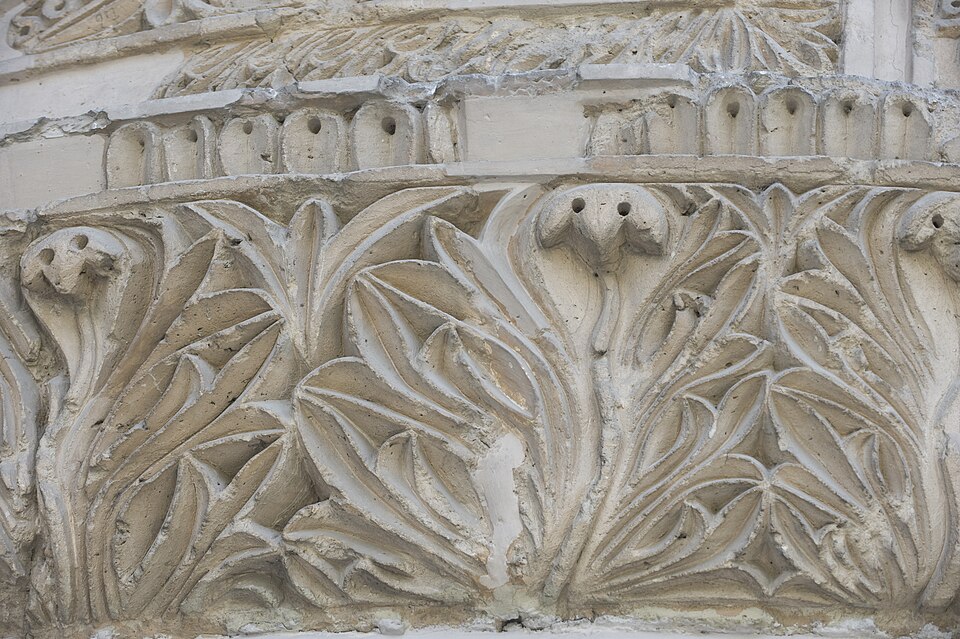
The stucco and the ornament are magnificent: the carved and molded stucco decoration of the Umayyad palaces, with its floral, its geometric, and its figural designs, among the supreme examples of the early Islamic ornament, the stucco the jewel of the decoration, the ornament the glory of the desert palaces, the stucco the treasure of Qasr al-Hayr, the decoration the masterpiece of the Umayyad craft, the ornament the glory of the residences of the Syrian desert.
The Famous Facade
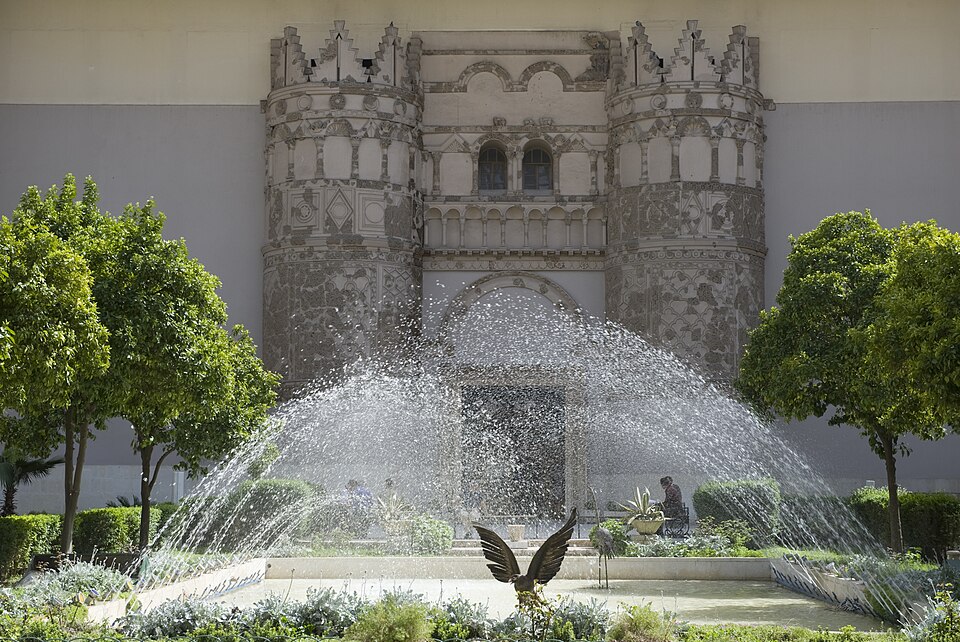
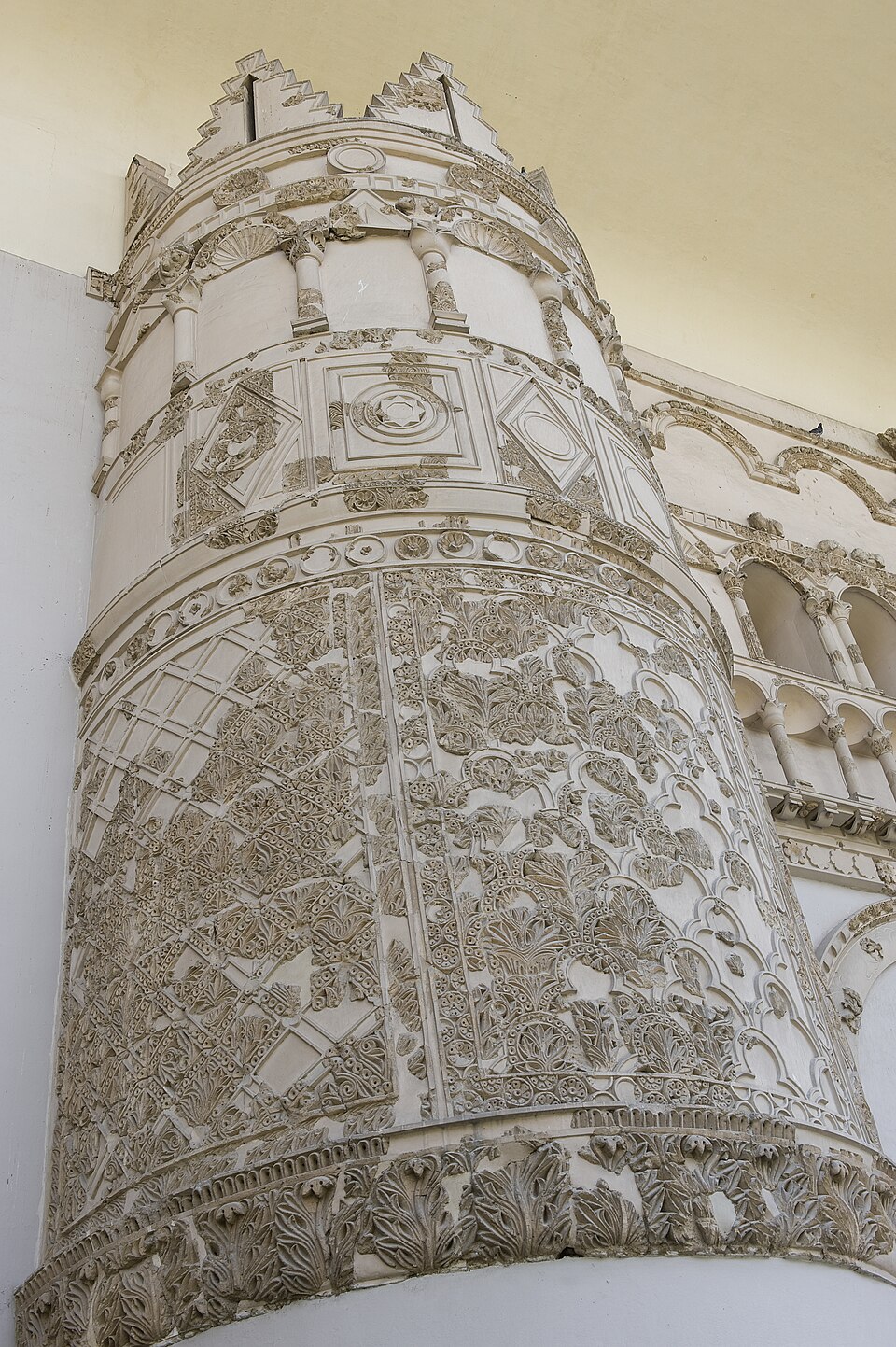
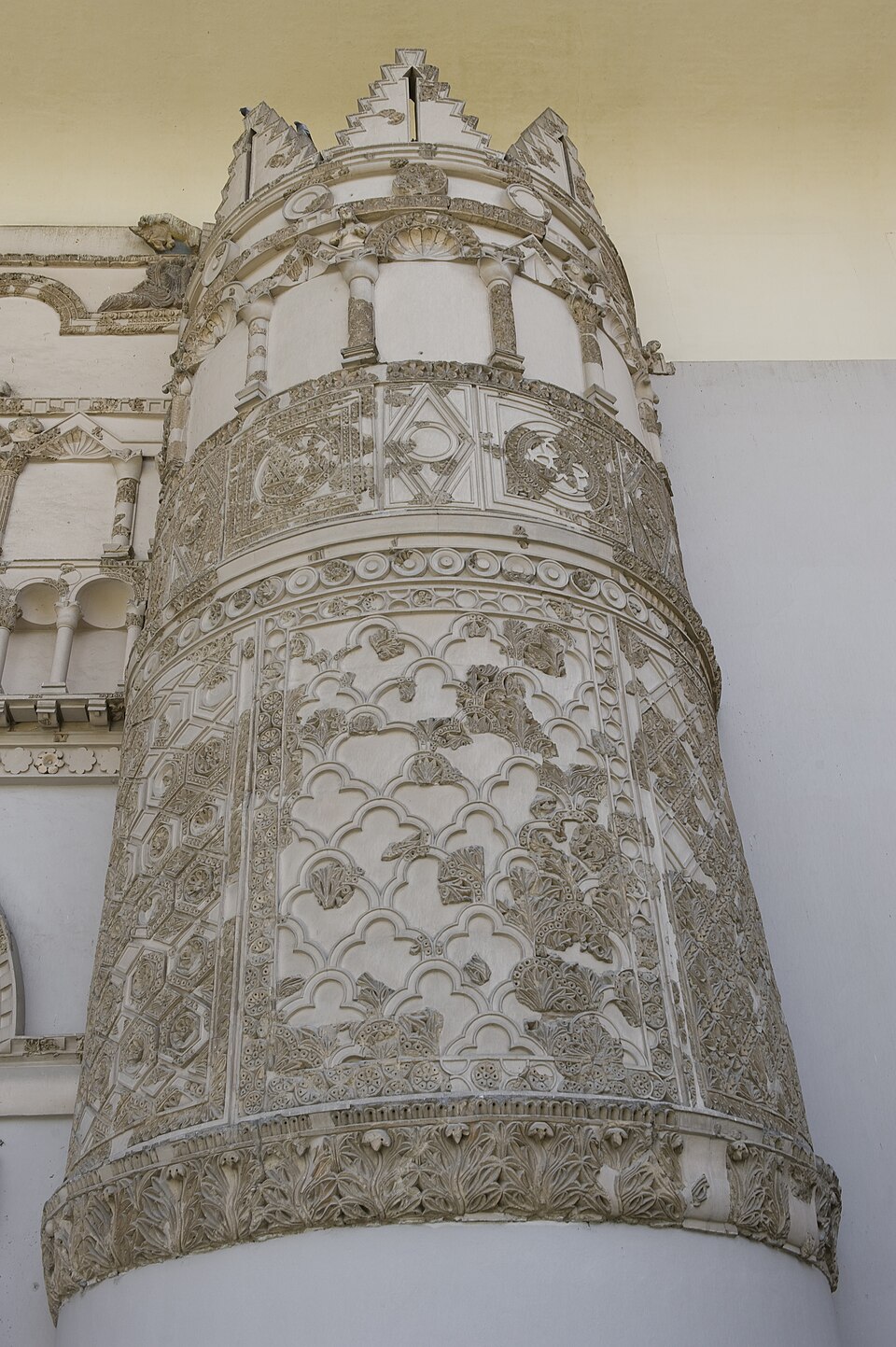
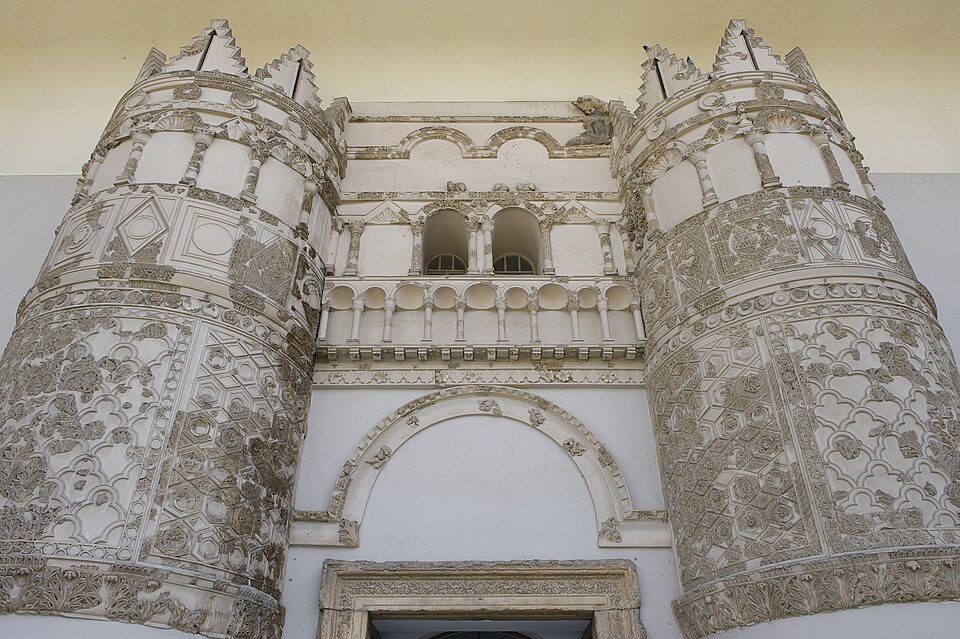
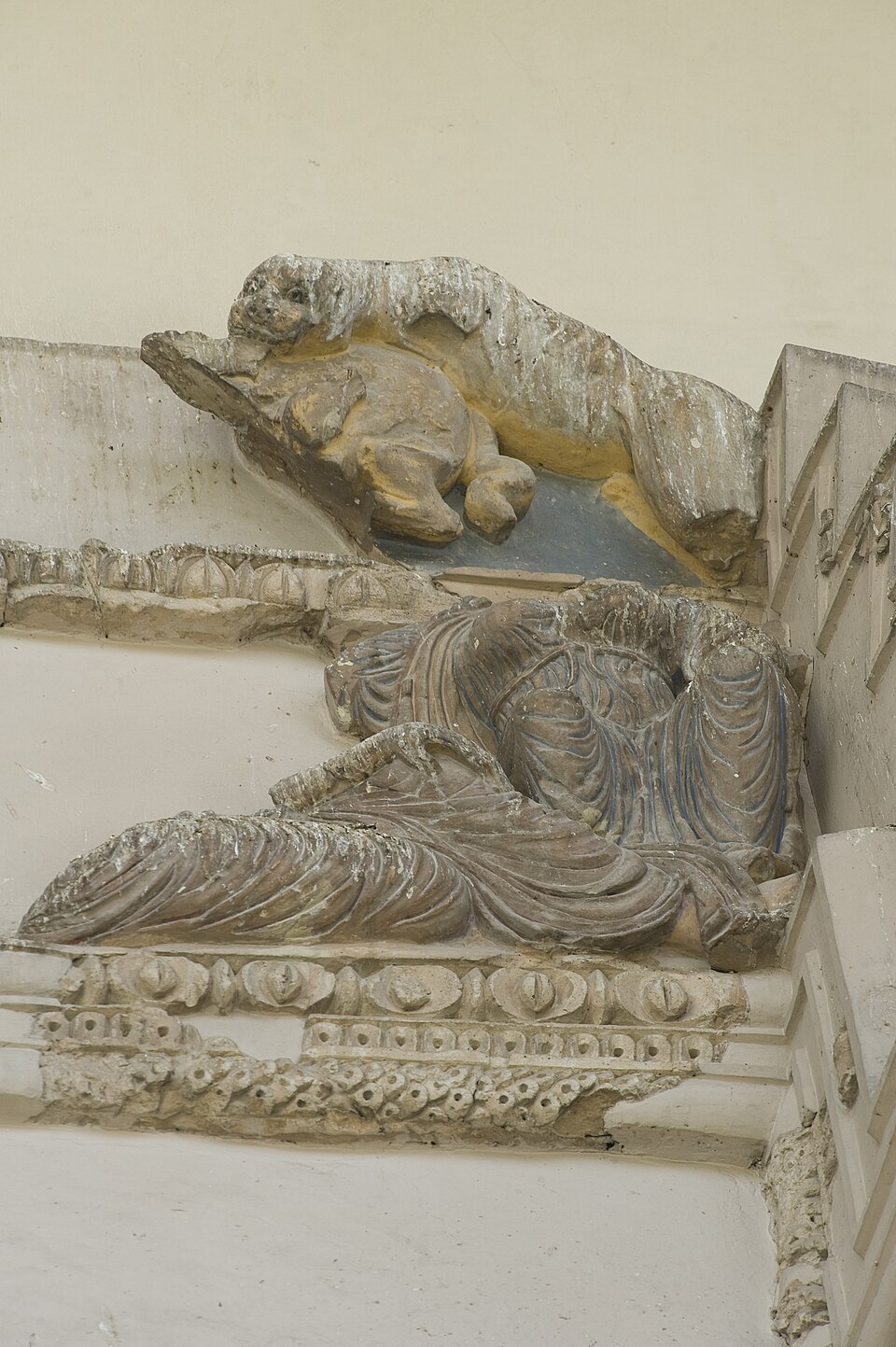
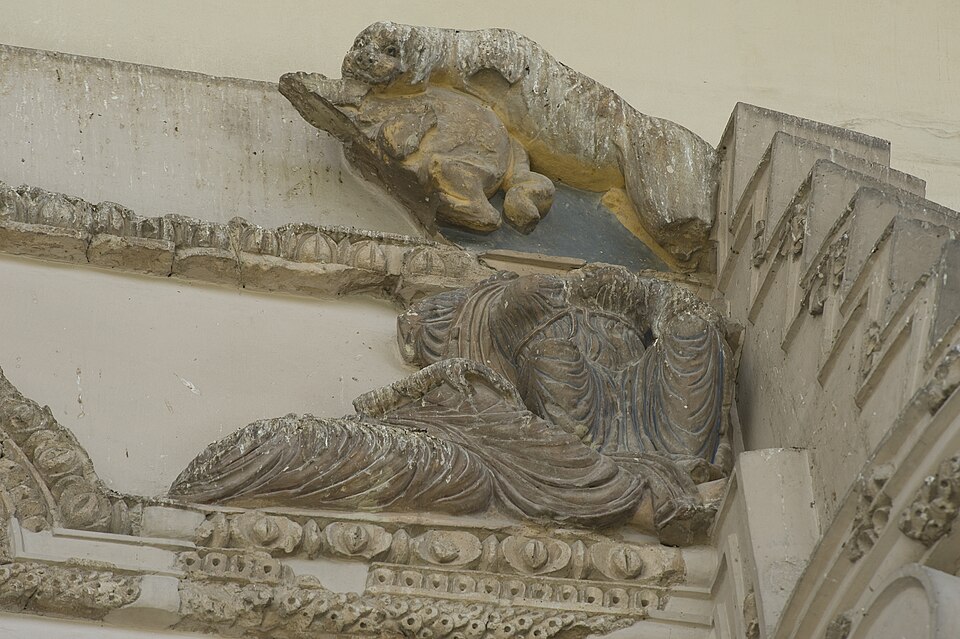
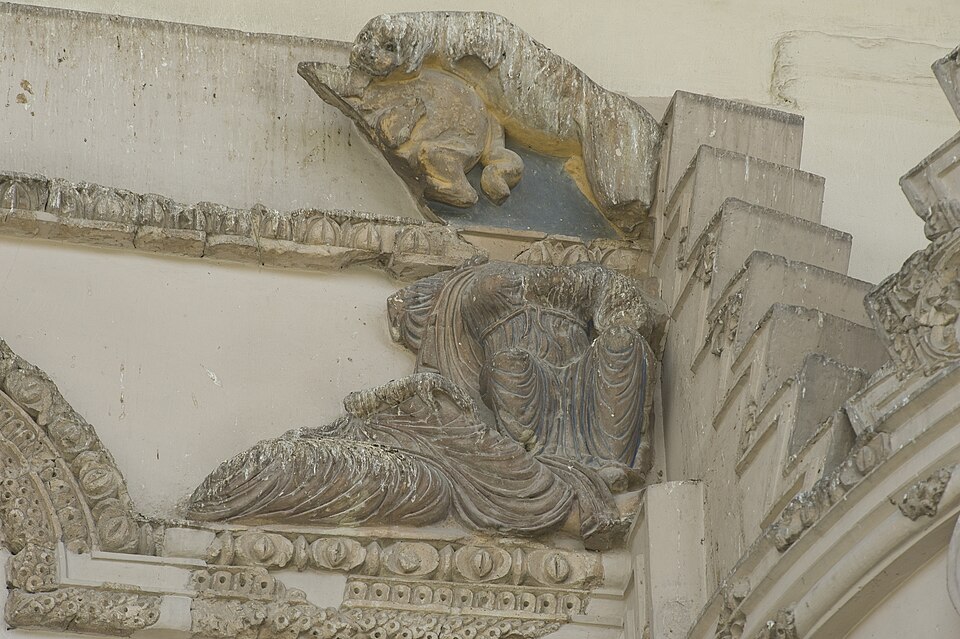
The facade of Qasr al-Hayr al-Gharbi is a famous treasure. The monumental decorated facade and gateway of the western palace, with its stucco and its ornament, is one of the supreme examples of the early Islamic architectural decoration, the facade a masterpiece of the Umayyad art, the gateway the jewel of the western palace, the facade removed and preserved in the National Museum of Damascus, the monumental front the treasure of the early Islamic architecture.
The facade was moved to the museum: the magnificent decorated front of Qasr al-Hayr al-Gharbi removed from the desert and reconstructed as the entrance of the National Museum of Damascus, the facade preserved as one of the treasures of the museum, the monumental front the jewel of the collection, the facade the showcase of the Umayyad decoration, the gateway the treasure moved to the capital, the facade the glory of the museum, the front the masterpiece of the early Islamic architecture preserved in Damascus.
The facade crowns the fame of Qasr al-Hayr: the monumental decorated front the most famous feature of the western palace, the facade the jewel that represents the splendor of the Umayyad desert residences, the gateway the masterpiece of the early Islamic decoration, the facade the treasure of Qasr al-Hayr, the front the glory of the Umayyad art, the facade the famous and the splendid feature of the desert palace, the gateway the crown of the Umayyad architecture of Syria.
The Desert Estates
The palaces were centers of desert agriculture. The Umayyad residences were not only retreats but the centers of great agricultural estates, the lands around the palaces watered by the dams, the channels, and the systems that brought water to the desert, the estates producing the crops and the wealth of the caliphs, Qasr al-Hayr the center of such an estate, the palaces the hubs of the desert agriculture, the residences the centers of the Umayyad farming in the steppe.
The water systems made the desert bloom: the Umayyad engineers building the dams, the channels, and the cisterns that captured and brought water to the desert estates, the systems making the steppe productive, the water works the foundation of the desert agriculture, the engineering the key to the estates, the water systems the achievement of the Umayyad builders, the estates made to bloom by the water that the caliphs brought to the desert of Qasr al-Hayr.
The estates were centers of wealth and power: the agricultural lands around the palaces producing the crops, the herds, and the wealth that supported the caliphs’ life, the estates the economic foundation of the desert residences, the farming the source of the wealth, the estates the centers of the production and the power, the agricultural lands the foundation of the palaces, the estates the hubs of the Umayyad wealth, the desert farms the economic base of Qasr al-Hayr.
Hunting and Retreat
The palaces were places of hunting and retreat. The Umayyad caliphs used the desert residences as the bases for the hunt and the retreats from the cities, the palaces the hunting lodges of the rulers, the residences the places where the caliphs enjoyed the desert life, the sport, and the leisure, Qasr al-Hayr a center of the hunt and the retreat, the palaces the lodges of the Umayyad rulers, the residences the places of the caliphs’ desert pleasure.
The hunt was a royal pastime: the caliphs hunting the gazelle, the oryx, and the game of the desert, the sport a royal pastime and a display of the rulers’ prowess, the desert residences the bases for the hunt, the palaces the lodges where the caliphs pursued the game, the hunt the pleasure of the Umayyad rulers, the sport the pastime of the desert, the palaces the centers of the royal hunt in the Syrian steppe.
The retreat was a part of the caliphs’ life: the desert residences the places where the Umayyad rulers retreated from the cities to the open steppe, the palaces the retreats of the caliphs, the residences the places of the leisure, the hunt, and the desert life, the retreat an expression of the Arab love of the open country, the palaces the retreats of the Umayyad rulers, the desert residences the places of the caliphs’ pleasure, Qasr al-Hayr the jewel of the retreats of the Syrian desert.
The Other Desert Palaces
Qasr al-Hayr is one of many desert palaces. The Umayyad caliphs and princes built a remarkable series of desert residences across Syria and Jordan, including Qusayr Amra with its famous frescoes, Qasr al-Mshatta with its carved facade, Khirbat al-Mafjar with its mosaics, Qasr Kharana, and others, the desert palaces a group of the supreme early Islamic monuments, Qasr al-Hayr among the finest, the residences the jewels of the Umayyad architecture.
The desert palaces form a group of treasures: the Umayyad residences, with their architecture, their frescoes, their mosaics, and their decoration, a group of the supreme monuments of the early Islamic civilization, the palaces the showcase of the Umayyad art and life, the desert residences the jewels of the early Islamic architecture, the palaces the treasures of the age of the caliphs, Qasr al-Hayr among the finest of these desert monuments of Syria and Jordan.
The palaces reveal the Umayyad world: the desert residences, with their art, their architecture, and their estates, a window onto the life and the culture of the Umayyad caliphs, the palaces the expression of the early Islamic civilization, the desert residences the showcase of the Umayyad world, the palaces the treasures that reveal the age of the caliphs, Qasr al-Hayr the jewel of these monuments, the desert palaces the window onto the Umayyad Syria.
The Excavation and the Museum
The palaces have been excavated and their treasures preserved. The sites of Qasr al-Hayr al-Gharbi and al-Sharqi have been excavated by the archaeologists, the ruins, the decoration, and the frescoes uncovered and studied, the famous facade of the western palace reconstructed in the National Museum of Damascus, the frescoes and the treasures preserved, the excavation the recovery of the Umayyad desert palaces, the museum the keeper of the treasures of Qasr al-Hayr.
The treasures are in the museums: the facade, the frescoes, the stucco, and the finds of Qasr al-Hayr preserved in the National Museum of Damascus and the other collections, the treasures the jewels of the museums, the finds the showcase of the Umayyad art, the treasures of the desert palaces preserved for the world, the museum the keeper of the Qasr al-Hayr treasures, the collections the home of the Umayyad art, the treasures the glory of the museums of Syria.
The excavation revealed the Umayyad world: the archaeology of Qasr al-Hayr uncovering the palaces, the estates, the water systems, and the life of the Umayyad desert, the excavation the recovery of the residences, the archaeology the revelation of the caliphs’ world, the excavation the uncovering of the desert palaces, the archaeology the window onto the Umayyad life, the excavation the recovery of the treasures of Qasr al-Hayr, the archaeology the revelation of the Umayyad Syria.
Qasr al-Hayr Today
Qasr al-Hayr today stands as the ruined jewel of the Umayyad desert palaces, the residences of the caliph Hisham in the Syrian steppe, the palaces of the famous facade, the frescoes, and the desert estates, Qasr al-Hayr the crown of the Umayyad desert architecture, the ruins the monuments of the first great Islamic empire, the palaces the treasures of the early Islamic civilization, Qasr al-Hayr the enduring jewel of the desert palaces of Syria.
The palaces endure as ruins and treasures: the sites of Qasr al-Hayr standing in the desert, their treasures preserved in the museums, the palaces the monuments of the Umayyad age, the ruins the memory of the caliphs’ desert world, the facade the jewel of the museum of Damascus, the palaces the enduring treasures of the Umayyad Syria, Qasr al-Hayr the crown of the desert residences, the ruins and the treasures the glory of the early Islamic civilization.
Qasr al-Hayr concludes the Syrian series on the desert palaces of the Umayyad caliphs, the residences of Hisham in the Syrian steppe, the palaces of the famous facade and the frescoes, the centers of the desert agriculture and the royal hunt, the jewels of the early Islamic architecture, Qasr al-Hayr the crown of the Umayyad desert palaces, the residences the treasures of the first great Islamic empire, the palaces the enduring glory of the Umayyad Syria of the age of the caliphs.
Watch Qasr al-Hayr on Film
Visiting Qasr al-Hayr Today
Qasr al-Hayr al-Gharbi and Qasr al-Hayr al-Sharqi stand in the Syrian desert in the region of Palmyra, the western palace southwest and the eastern palace northeast of the ancient city, the ruins reached across the steppe; the famous facade of the western palace is preserved as the entrance of the National Museum of Damascus, where the frescoes and the treasures of the palaces can also be seen. Travel to Syria and access to the desert sites depend on the security and the political situation, which has been very difficult through the years of conflict, and the region of Palmyra saw grave destruction, so current conditions and access should be very carefully checked before any visit; the palaces and their treasures are among the supreme monuments of the early Islamic world. You can find the eastern palace on the map here: Qasr al-Hayr al-Sharqi on Google Maps.
Palaces Nearby
You May Like
The Citadel of Damascus and the Seat of Saladin