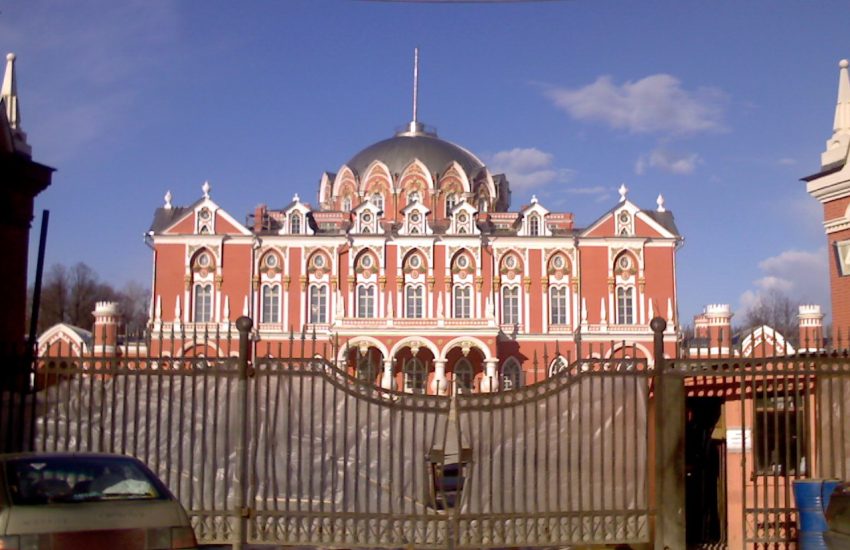
In the cool northern foothills of Tehran, where the Alborz mountains rise above the city and the air is fresh among the old plane trees, spreads a vast royal complex of palaces, gardens, and museums that was the summer court of the shahs of Iran. The Saadabad complex is a park of many palaces, the summer residence first of the Qajar and then of the Pahlavi monarchs, the green retreat where the court escaped the heat of the capital below, a complex of royal buildings in a great wooded park, the summer seat of the Persian monarchy through its last century and a half.
Saadabad grew from a Qajar royal garden into the principal summer residence of the Pahlavi shahs, the complex expanded under Reza Shah and his son Mohammad Reza Shah into a park of palaces, the White Palace and the Green Palace among the grandest, the complex the summer court of the last monarchy, and when the revolution of 1979 ended the dynasty, the palaces were preserved as museums, the Saadabad a complex of royal museums in its mountain park, the summer court of the shahs opened to the people.
This guide tells the complex and its palaces: the Qajar royal garden and the Pahlavi expansion, the great park and its buildings, the White Palace and the Green Palace, the summer court and its life, the art and the furnishings, the revolution and the preservation, the many museums of the complex, and the practical details of visiting the summer court of the shahs.
- The Qajar Royal Garden
- The Pahlavi Expansion
- The Great Park
- The White Palace
- The Green Palace
- The Summer Court
- Life in the Summer Residence
- Art and Furnishings
- Reza Shah and the Complex
- The Revolution and the Palaces
- The Museums of Saadabad
- Saadabad Today
- Watch the Saadabad Palace on Film
- Visiting the Saadabad Palace Today
- Palaces Nearby
The Qajar Royal Garden
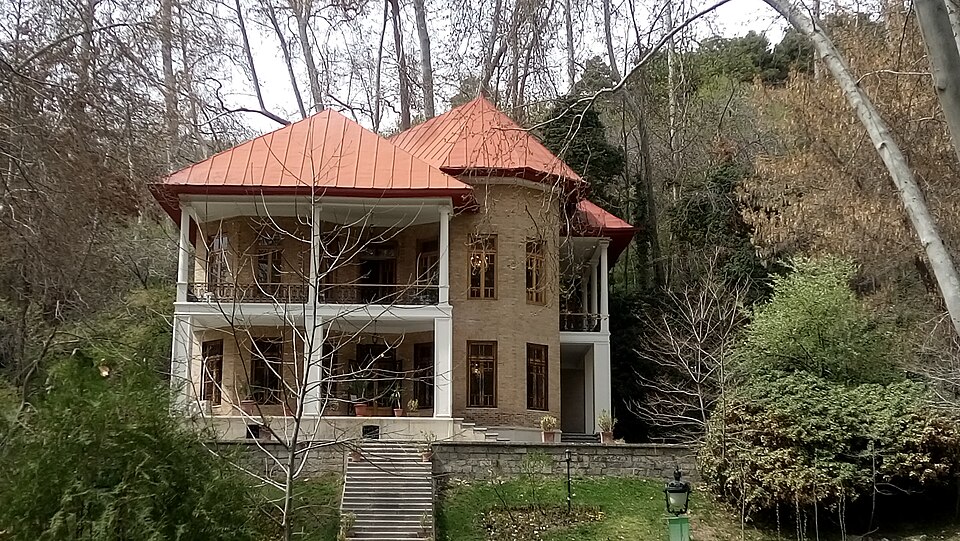
Saadabad began as a Qajar royal garden. The site in the northern foothills of Tehran, cool and green above the hot city, was developed as a royal garden and summer retreat in the Qajar era, the shahs escaping the summer heat of the capital to the fresh air of the foothills, the Saadabad garden a Qajar royal resort, the beginning of the complex that would grow into the summer court of the monarchy, the garden the Qajar seed of the great Pahlavi complex.
The garden served the Qajar court’s summers: the shahs and the court retreating to the foothills in the hot months, the Saadabad a summer residence of the Qajar monarchy, the garden and its pavilions the royal retreat from the heat, the Qajar Saadabad a seasonal court in the cool heights, the garden the summer seat that the later dynasty would expand, the Qajar royal garden the foundation of the Saadabad complex, the summer retreat of the nineteenth-century monarchy.
The garden’s advantages drew the court: the cool air, the fresh water of the mountain streams, the greenery, the escape from the dust and the heat of the city below, the Saadabad foothills the natural summer retreat of the Tehran court, the garden the royal response to the climate, the Qajar shahs establishing the summer residence that the Pahlavis would make into a great complex, the garden the cool refuge that drew the monarchy to the foothills, the Saadabad the summer answer to the capital’s heat.
The Pahlavi Expansion
The Pahlavis made Saadabad a great complex. Reza Shah, the founder of the Pahlavi dynasty, developed the Saadabad into his principal residence, building palaces in the park and making the complex the seat of the new dynasty, and his son Mohammad Reza Shah continued the expansion, the Saadabad growing into a vast complex of many palaces and buildings in its great park, the summer court of the Qajars transformed into the principal royal complex of the Pahlavi monarchy.
The expansion filled the park with palaces: the White Palace, the Green Palace, and the many other buildings raised by the Pahlavis, the complex growing into a royal park of numerous palaces and residences, the Saadabad a complex of royal buildings for the monarch, the family, and the court, the park filled with the palaces of the dynasty, the Pahlavi expansion transforming the Qajar garden into the great royal complex, the Saadabad the park of palaces of the last monarchy.
The complex became the dynasty’s seat: the Saadabad the principal residence of Reza Shah and an important seat of Mohammad Reza Shah, the complex the center of the Pahlavi court in the foothills, the park of palaces the royal heart of the dynasty, the Saadabad the summer and the principal court of the Pahlavis, the complex the seat of the last monarchy in its mountain park, the Saadabad the royal complex of the Pahlavi shahs, the park the center of the dynasty’s life in the Tehran heights.
The Great Park
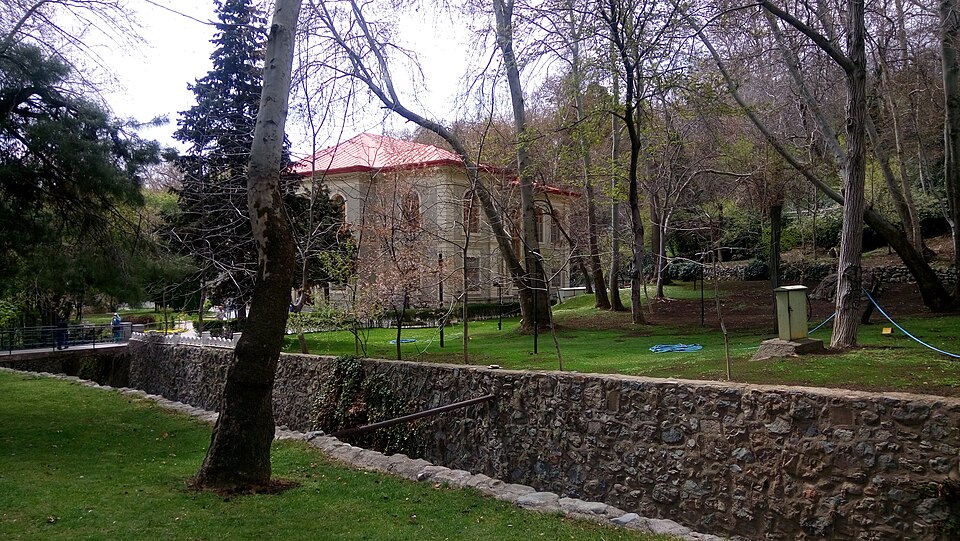
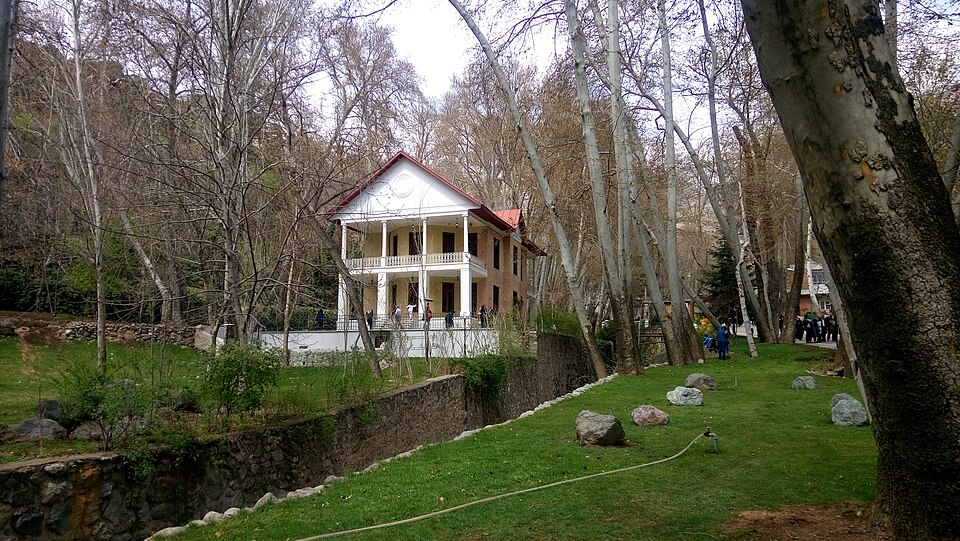
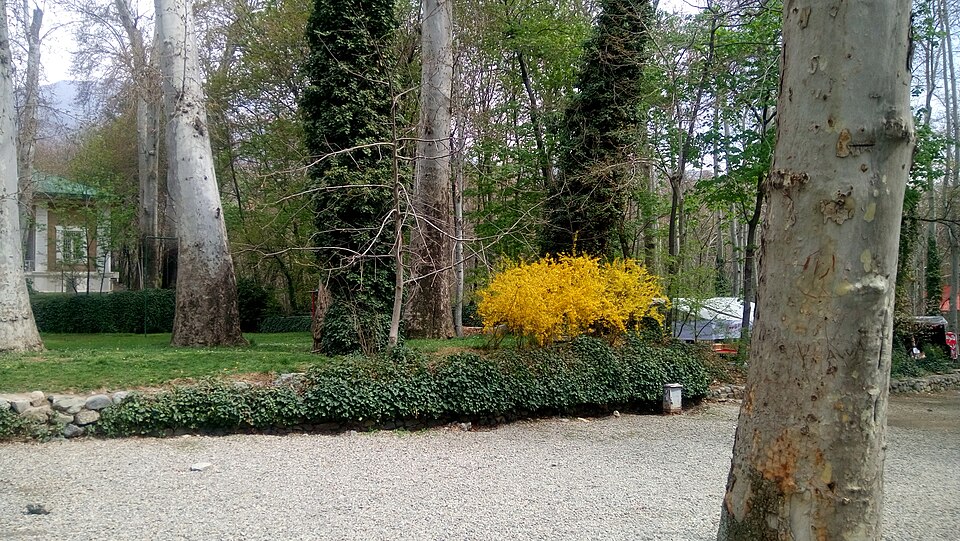
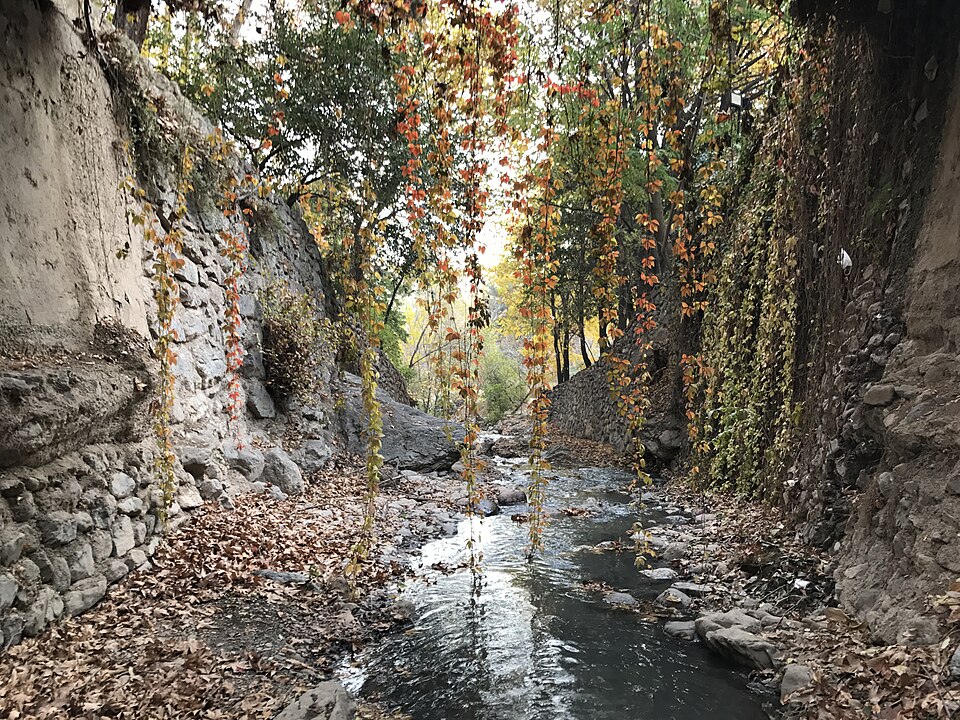
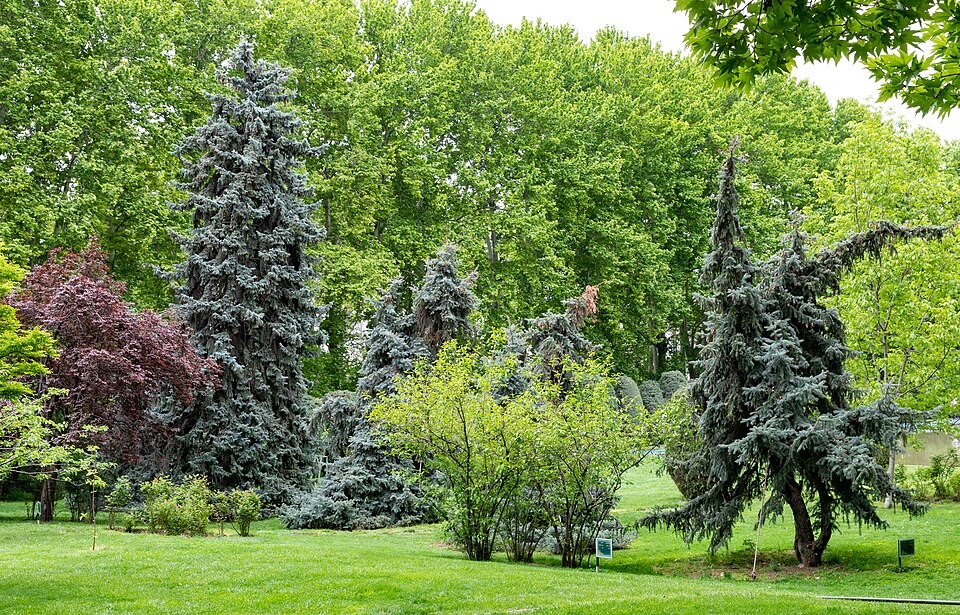
Saadabad is a great park of palaces. The complex spreads over a large wooded park in the foothills, the old plane trees and the gardens, the streams and the paths, the palaces and the buildings scattered through the greenery, the park the setting that unites the many palaces, the Saadabad a royal park in the fullest sense, the complex a landscape of palaces and gardens in the cool foothills, the park the frame of the summer court, the green setting of the royal buildings.
The park’s scale and beauty are its glory: the extensive wooded grounds, the many palaces set among the trees, the gardens and the water, the park a royal landscape of great beauty, the Saadabad a complex where the setting is as important as the buildings, the park the royal paradise in the foothills, the green and watered grounds the setting that makes the Saadabad a summer court, the park the landscape of the royal complex, the beauty of the grounds the frame of the palaces.
The park serves the visitor as it served the court: the wooded grounds, the gardens, the paths among the palaces, the Saadabad a park to be walked and enjoyed as well as a complex of museums, the green setting the pleasure of the modern visitor as of the royal court, the park the enduring attraction of the Saadabad, the royal landscape the setting that draws the people to the foothills, the park the green heart of the complex, the grounds the pleasure of the summer court turned public.
The White Palace
The White Palace is the grandest of the Saadabad. The White Palace, the Mellat Palace, built for Reza Shah in the 1930s, is the largest and most imposing of the complex’s buildings, a great palace of many halls serving the ceremonial and residential functions of the monarch, the White Palace the principal palace of the Saadabad, the grand residence of the Pahlavi shahs, the building the ceremonial heart of the summer court, the White Palace the showpiece of the complex.
The palace’s scale and splendor befit its role: the great halls, the reception rooms, the residential apartments, the palace the setting of the monarch’s official life in the complex, the White Palace a grand royal residence, the building the principal seat of the Pahlavi court at Saadabad, the palace’s splendor the expression of the dynasty’s standing, the White Palace the imposing heart of the royal park, the grand residence of the last monarchy in the foothills.
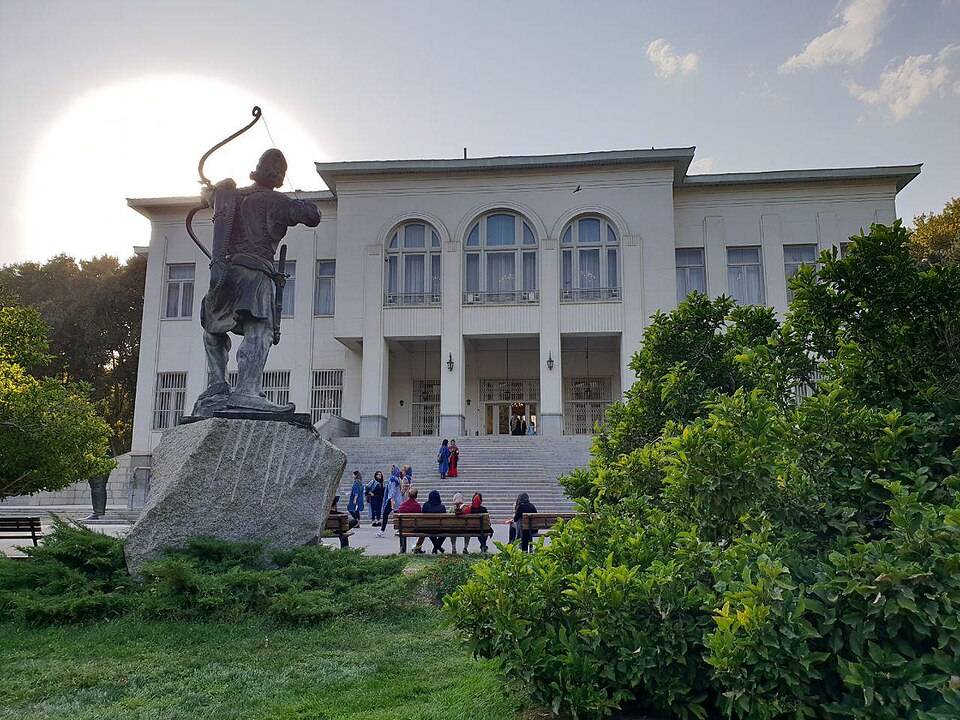
The White Palace is a museum of the monarchy: the building preserved with its halls and furnishings, the great boots of Reza Shah’s statue remaining before it after the statue’s removal in the revolution, the palace a museum of the Pahlavi court, the White Palace the showpiece of the Saadabad museums, the grand palace preserving the splendor of the last monarchy, the building the window on the Pahlavi court’s official world, the White Palace the museum of the dynasty’s grandeur.
The Green Palace
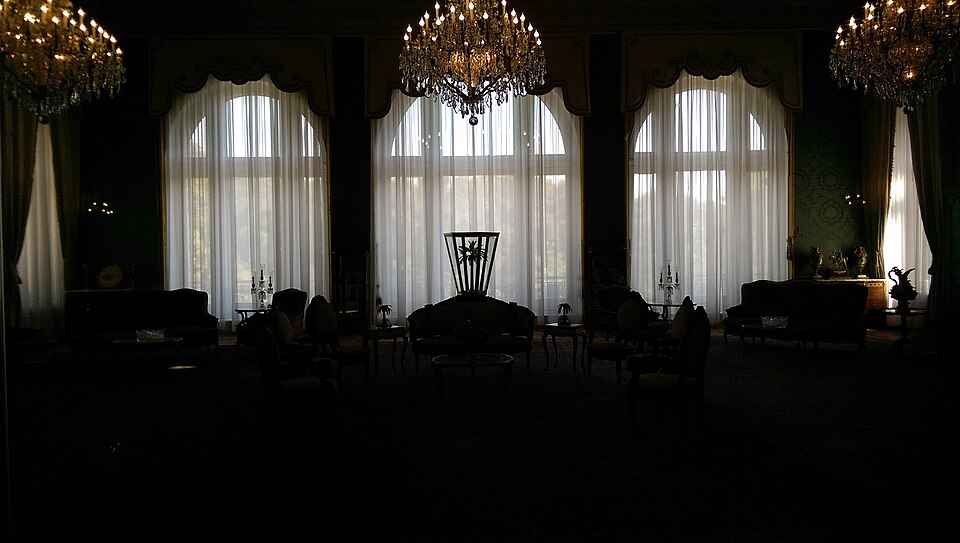
The Green Palace is the complex’s jewel. The Green Palace, the Shahvand Palace, built for Reza Shah in the late 1920s, is a smaller but exquisite palace, faced in green stone, its interiors of great richness, the mirror work, the carpets, the fine decoration, the Green Palace a jewel of the Saadabad, the building a masterpiece of the Pahlavi royal decoration, the palace the exquisite counterpart to the grand White Palace, the Green Palace the treasure of the complex.
The palace’s interiors are a masterpiece: the mirror halls, the fine carpets, the rich decoration, the Green Palace among the finest royal interiors of the Pahlavi era, the building a jewel of the decorative art, the palace’s rooms the showcase of the dynasty’s taste, the Green Palace the exquisite treasure of the Saadabad, the interiors the glory of the small green-stone palace, the building the decorative jewel of the royal complex, the Green Palace the finest interior of the summer court.
The palace’s setting and stone give it its name and charm: the green-faced building set in the park, the palace a jewel of green stone among the trees, the Green Palace a building of distinctive beauty, the green stone and the fine interiors making the palace the charming treasure of the Saadabad, the building the jewel of the royal park, the Green Palace the exquisite small palace of the complex, the green-stone building the treasure of the summer court, the palace the charm of the Saadabad.
The Summer Court
Saadabad was the summer court of the monarchy. The complex, cool and green in the foothills above the hot city, was the summer residence of the shahs, the court retreating to the Saadabad in the hot months, the complex the seasonal seat of the monarchy, the summer court conducted in the palaces and the gardens of the park, the Saadabad the royal response to the climate, the summer residence the cool seat of the court, the complex the warm-season court of the Persian monarchy.
The summer court moved the monarchy’s life to the foothills: the shah, the family, and the court spending the hot months at the Saadabad, the official and the private life of the monarchy continuing in the cool complex, the summer court the seasonal rhythm of the Pahlavi monarchy, the Saadabad the setting of the court’s summer world, the complex the warm-season center of the dynasty’s life, the summer court the royal retreat from the heat, the Saadabad the court of the cool foothills.
The summer court’s life filled the complex: the receptions and the ceremonies, the family’s life, the entertainments and the leisure of the court in the park, the Saadabad the setting of the monarchy’s summer existence, the complex the stage of the court’s warm-season life, the summer court the royal world transferred to the foothills, the Saadabad the center of the dynasty’s summer, the complex the seasonal court of the Pahlavis, the summer residence the cool seat of the monarchy’s life.
Life in the Summer Residence
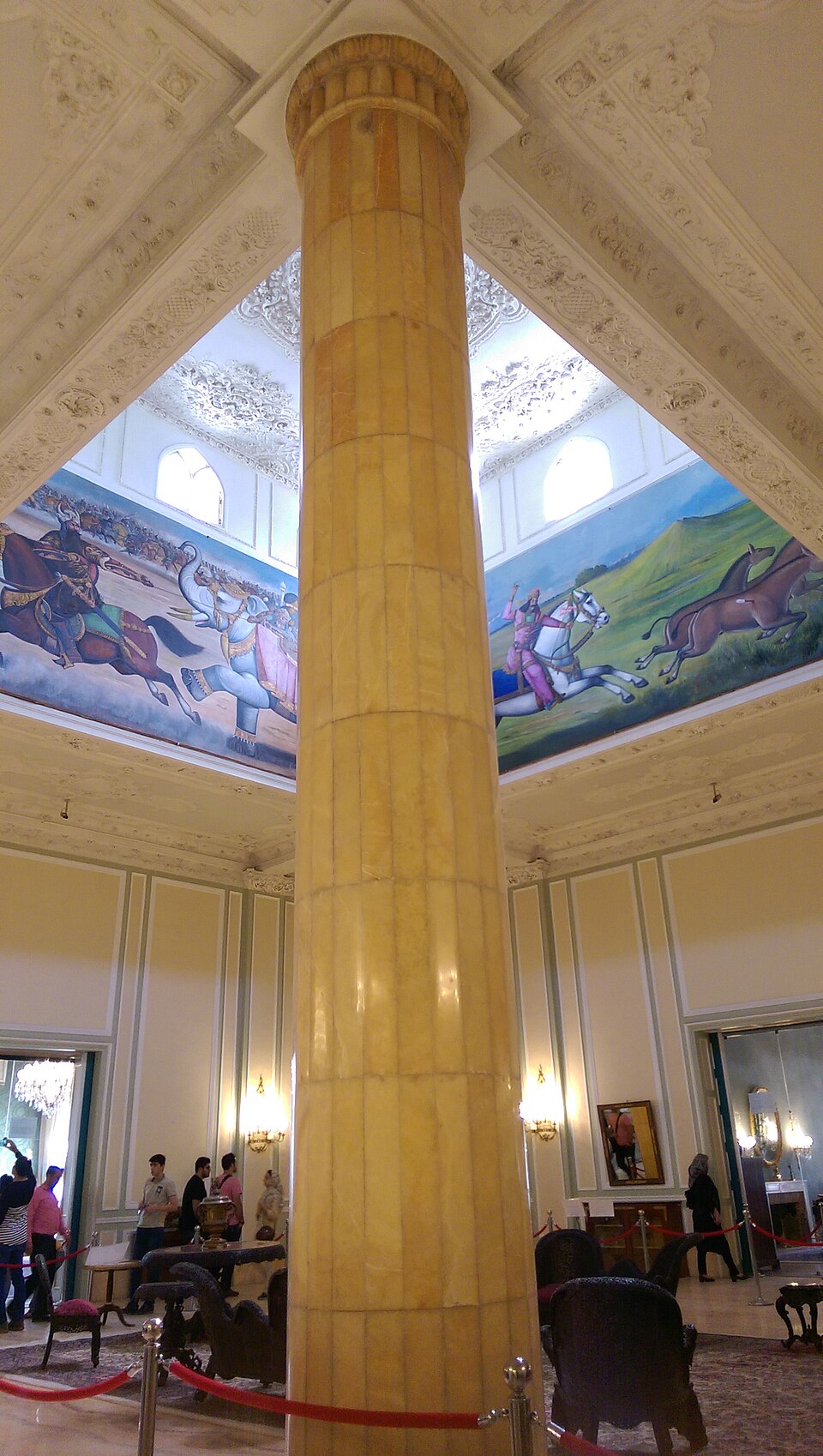
The court’s life at Saadabad combined the official and the private. The complex served both as the setting of the monarch’s official life, the receptions and the ceremonies, and as the family’s summer home, the private world of the dynasty in the cool park, the Saadabad the stage of the court’s public and private existence, the complex the combination of the royal and the domestic, the summer residence the setting of both the monarchy’s business and the family’s leisure, the Saadabad the full life of the court.
The family’s summer world filled the park: the shah and the family enjoying the cool foothills, the gardens and the palaces, the leisure and the pleasures of the summer, the Saadabad the setting of the family’s warm-season life, the complex the royal family’s summer home, the park the setting of the dynasty’s leisure, the Saadabad the family’s cool retreat, the complex the summer world of the Pahlavi family, the park the setting of the court’s seasonal pleasure.
The complex’s life is preserved in its palaces: the museums of the Saadabad preserving the setting of the court’s summer existence, the palaces with their halls and furnishings the record of the monarchy’s life, the complex a window on the world of the Pahlavi court, the Saadabad the preserved stage of the summer court, the palaces the record of the dynasty’s seasonal life, the complex the museum of the court’s summer world, the Saadabad the preserved summer residence of the shahs.
Art and Furnishings
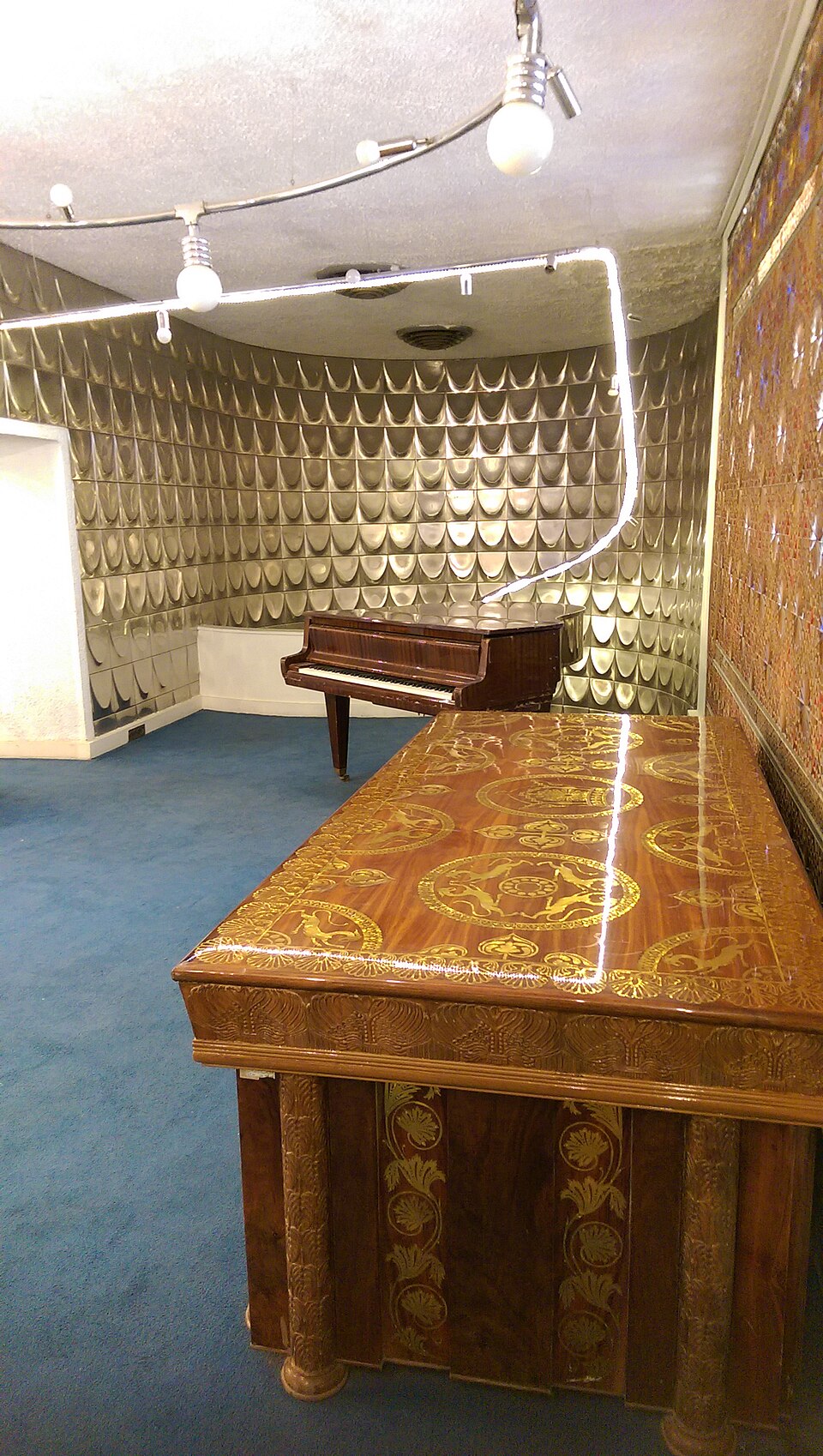
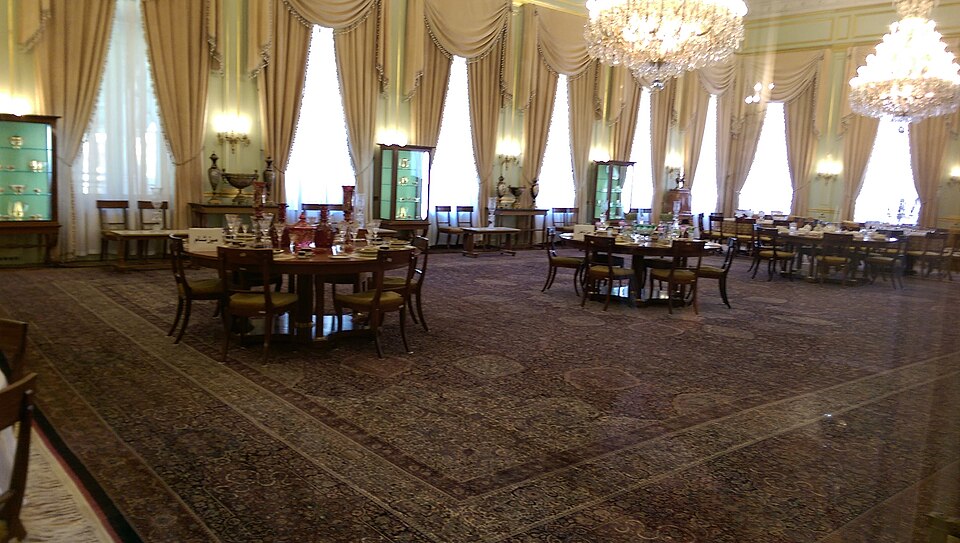
The Saadabad palaces are rich in art and furnishings. The palaces preserve the furniture, the carpets, the art, and the objects of the Pahlavi court, the White Palace and the Green Palace and the other buildings holding the possessions of the dynasty, the Saadabad a treasury of the court’s material world, the palaces’ contents a record of the taste and the life of the monarchy, the art and the furnishings the preserved substance of the summer court, the complex a museum of the Pahlavi possessions.
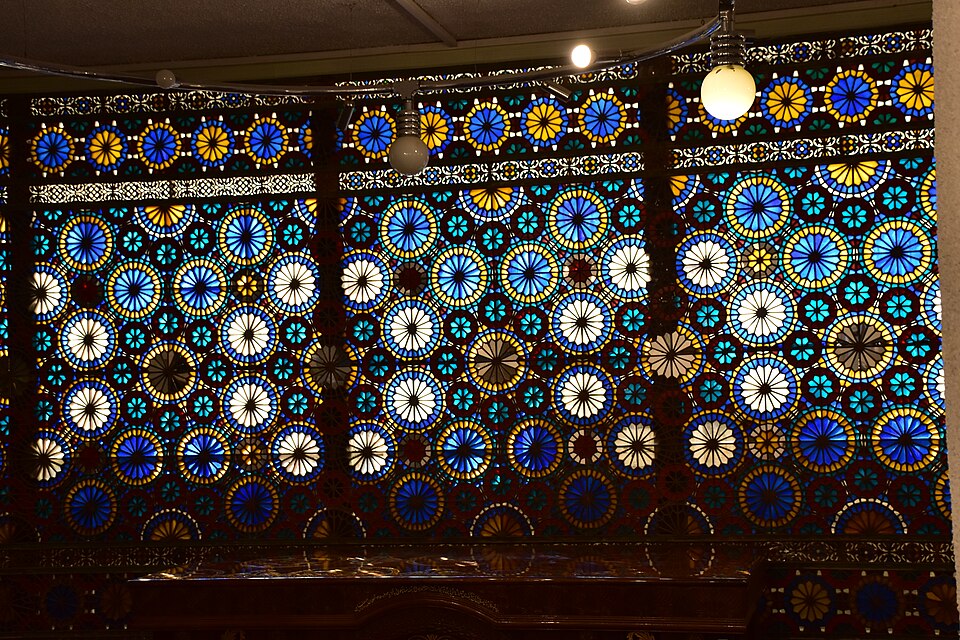
The carpets and the decoration are a treasure: the fine Persian carpets, the mirror work, the furniture, the decoration of the palaces, the Saadabad holding some of the finest furnishings of the Pahlavi era, the palaces’ interiors a record of the royal taste, the carpets and the decoration the glory of the complex’s buildings, the furnishings the treasure of the summer court, the palaces the showcase of the Persian decorative art and the royal collecting, the interiors the record of the dynasty’s splendor.
The art spans the Persian and the international: the Persian carpets and decoration, the European and the modern art and furnishings collected by the court, the Saadabad palaces a record of the cosmopolitan taste of the Pahlavi monarchy, the art the expression of the dynasty’s world, the collections the cultural dimension of the complex, the Saadabad a treasury of the court’s art, the palaces the record of the Pahlavi collecting, the art the glory of the summer court’s interiors.
Reza Shah and the Complex
Reza Shah made Saadabad his seat. The founder of the Pahlavi dynasty, the military commander who took the throne in 1925 and drove the modernization of Iran, developed the Saadabad as his principal residence, building the White and the Green Palaces, the complex the seat of the dynasty’s founder, Reza Shah the maker of the Pahlavi Saadabad, the complex the residence of the shah who founded the dynasty and began the transformation of modern Iran, the Saadabad the seat of the dynasty’s founder.
The complex reflects Reza Shah’s era: the palaces of the 1920s and 1930s, the architecture and the ambition of the founder’s reign, the Saadabad a record of the early Pahlavi monarchy, the complex the seat of the shah who remade Iran, the buildings the expression of the founder’s vision, the Saadabad the monument of Reza Shah’s reign, the complex the record of the dynasty’s foundation, the palaces the seat of the maker of modern Iran, the Saadabad the founder’s royal complex.
Reza Shah’s reign ended in abdication and exile: the founder deposed in 1941 during the Second World War when the Allied powers, distrusting his leanings, forced his abdication in favor of his son, Reza Shah going into an exile in which he died, the founder’s reign ending in the wartime crisis, the Saadabad passing to his son Mohammad Reza Shah, the complex the seat of the founder whose reign ended in exile, the Saadabad the residence of the dynasty through the change from the founder to his son.
The Revolution and the Palaces
The revolution of 1979 ended the monarchy and transformed the Saadabad. The fall of the Pahlavi dynasty, the flight of the last shah, and the establishment of the Islamic Republic ended the complex’s life as a royal seat, the palaces of the Saadabad passing to the new order, the symbols of the monarchy removed, the great boots of Reza Shah’s toppled statue left before the White Palace as a mark of the change, the Saadabad transformed from a royal complex into a public museum by the revolution.
The revolution’s mark remains at the complex: the toppled statue, the removal of the royal symbols, the transformation of the royal seat into a public park and museum, the Saadabad a site where the fall of the monarchy is visible, the complex the record of the revolution’s transformation of the royal world, the palaces the monuments of a monarchy the revolution ended, the Saadabad the preserved and transformed seat of the fallen dynasty, the complex the witness of the revolution.
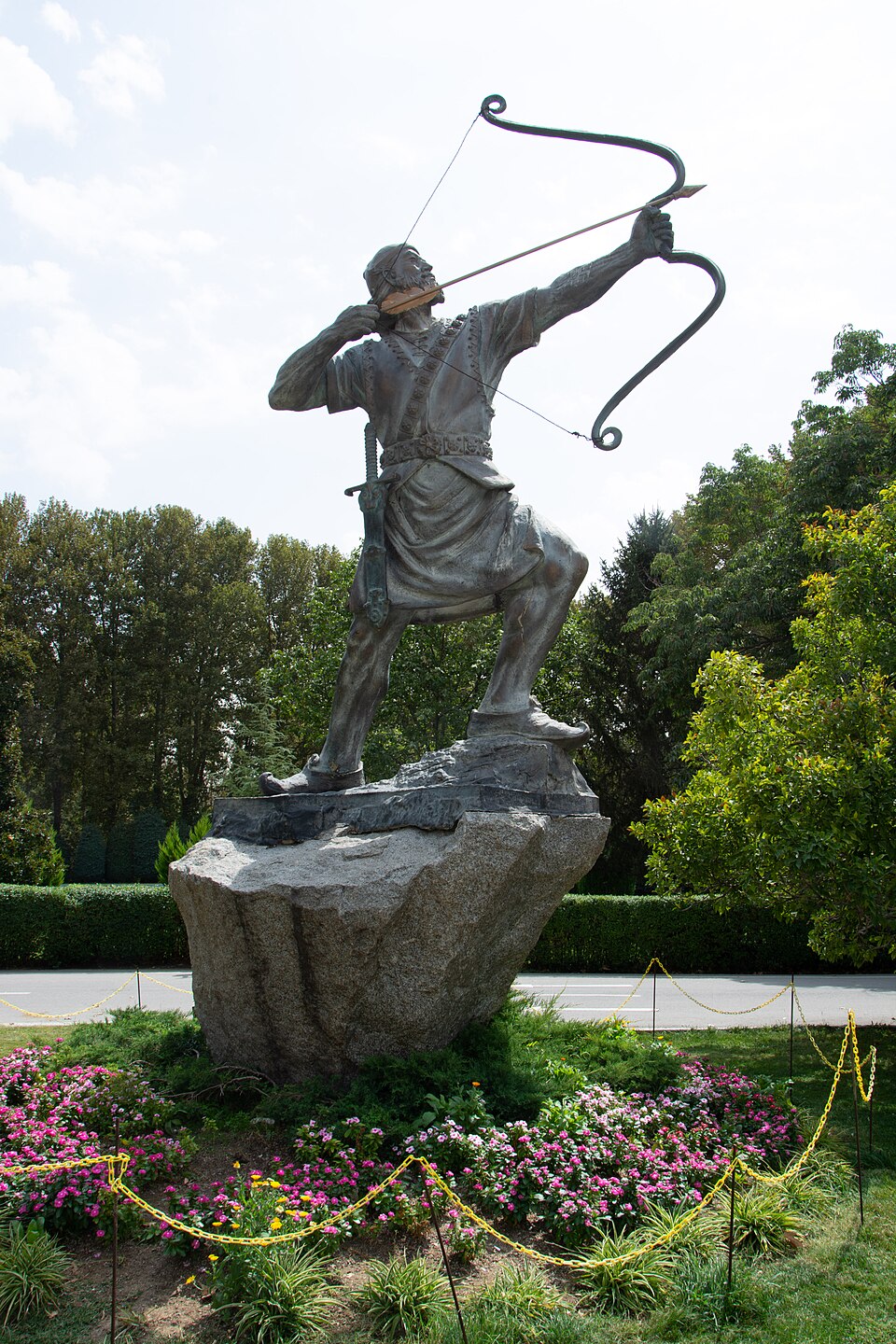
The palaces were preserved as museums: the Saadabad, with its many palaces, opened to the public as a complex of museums, the royal seat of the Pahlavis presented to the people, the palaces preserving the world of the monarchy, the Saadabad a complex of royal museums in its park, the former summer court opened to the nation, the palaces the preserved record of the dynasty, the Saadabad the museum complex of the fallen monarchy, the royal park turned public.
The Museums of Saadabad
Saadabad is a complex of many museums. The palaces of the complex house a variety of museums, the White Palace and the Green Palace preserved as palace-museums of the monarchy, and the other buildings holding museums of fine arts, of royal automobiles, of military history, of water and other themes, the Saadabad a park of diverse museums, the complex offering the visitor not only the royal palaces but a range of collections, the Saadabad a cultural complex in its park.
The variety of the museums is the complex’s modern character: the palace-museums of the monarchy alongside the thematic museums of art, history, and other subjects, the Saadabad a cultural park offering many attractions, the complex a destination for a range of interests, the museums the diverse content of the royal park, the Saadabad a cultural complex as much as a royal monument, the many museums the modern life of the former summer court, the park a cultural destination.
The museums preserve and present the heritage: the royal palaces and the collections maintained and shown, the Saadabad a center for the heritage of the monarchy and of Persian art and history, the museums the preservation of the complex’s treasures, the Saadabad a cultural park serving the nation, the museums the modern purpose of the royal complex, the Saadabad the preserved and public summer court, the complex the cultural park of the former royal seat, the museums the heritage of the Saadabad.
Saadabad Today
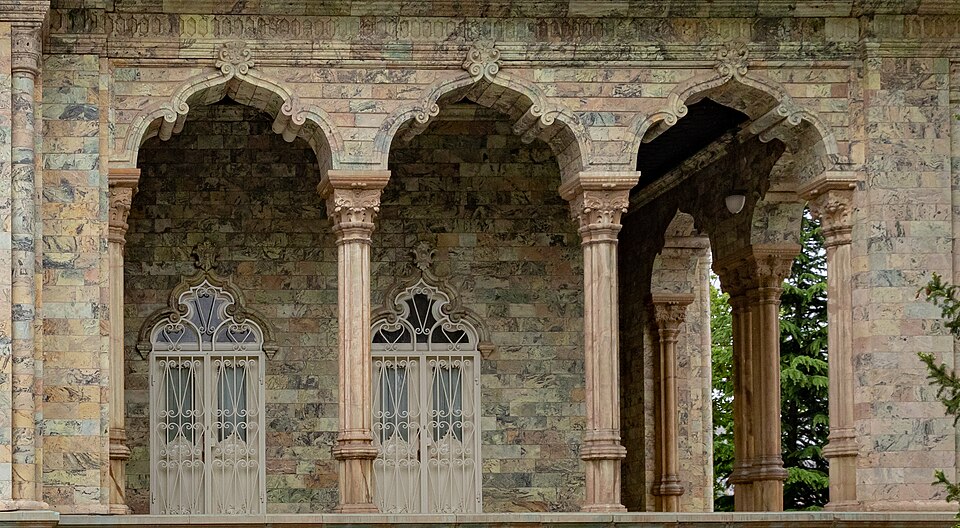
The Saadabad today is a great cultural park of Tehran. The complex, with its palaces, its museums, and its great wooded park, is one of the attractions of the Iranian capital, the former summer court opened to the people as a park of palaces and museums, the Saadabad drawing visitors to its White and Green Palaces, its museums, and its gardens, the complex a highlight of Tehran, the former royal seat the cultural park of the city, the Saadabad the summer court turned public treasure.
The complex serves the city and the visitor: the great park a green retreat in the foothills, the palaces and the museums a cultural destination, the Saadabad a place of both recreation and heritage, the complex the former royal park serving the people of Tehran and the visitors, the Saadabad the green and cultural heart of the northern foothills, the park the enduring pleasure of the former summer court, the complex the royal park turned public garden and museum.
The Saadabad continues the Iranian series on the summer court of the shahs: the great complex of palaces and gardens in the Tehran foothills, the summer seat of the Qajar and the Pahlavi monarchy, the park of the White and the Green Palaces the record of the dynasty’s seasonal court, the Saadabad the cool summer counterpart to the Golestan and the Niavaran, the complex the record of the monarchy’s summer world, the Saadabad the summer court of the shahs of Iran, the royal park of the foothills.
Watch the Saadabad Palace on Film
Visiting the Saadabad Palace Today
The Saadabad complex stands in the Shemiran district in the far northern foothills of Tehran, reached by taxi or the metro to the northern end of the line and a connection; the complex is a large park, entered with a general ticket, with separate tickets for each of the many palaces and museums, so you can choose which to visit, the White Palace and the Green Palace the highlights among the royal buildings. Allow a half day or more for the complex, the great park pleasant to walk and the palaces and museums numerous, and combine it with the Niavaran complex nearby for the full story of the Pahlavi court; the cool northern foothills are a pleasant retreat, especially in the warm months and the temperate seasons. You can find the complex on the map here: Saadabad Palace on Google Maps.
Palaces Nearby
You May Like
Izmaylovo and the Island Estate Where Peter Found His Boat