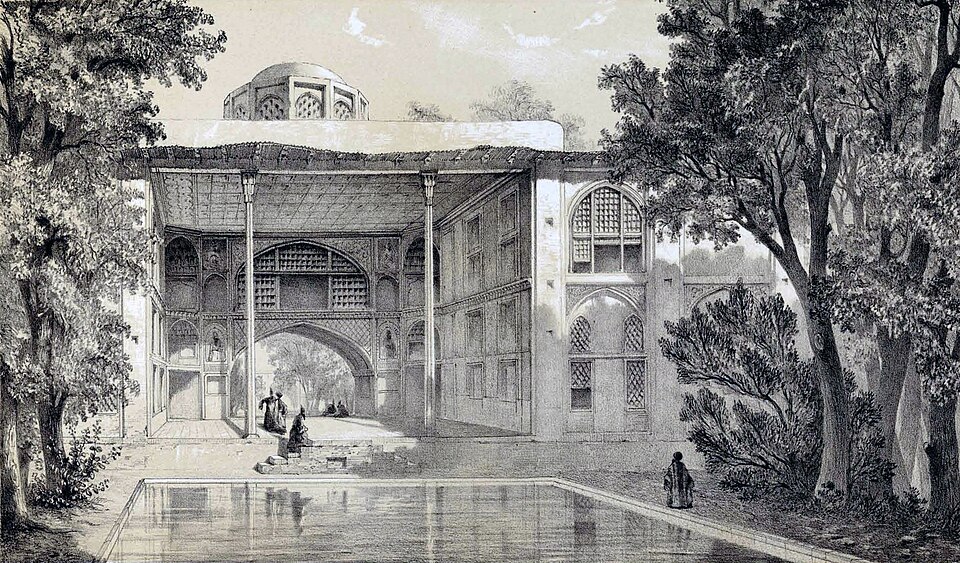
In a garden of nightingales in the heart of Isfahan, between the great avenue of the Chahar Bagh and the royal square, stands a small and exquisite pavilion that the Safavids called the palace of the eight paradises. The Hasht Behesht, a garden pavilion of the later Safavid era, is an octagonal palace of open halls and a central domed chamber, its ceiling a dazzling cascade of muqarnas, its name evoking the eight paradises of the Islamic tradition, the pavilion a jewel of the Persian garden architecture, the small palace of pleasure in its paradise garden.
The Hasht Behesht was built in the seventeenth century as a pleasure pavilion in a royal garden, a palace not of ceremony and state but of leisure and delight, its open halls and its central hall with the muqarnas vault designed for the enjoyment of the garden, the play of water, and the pleasures of the court, the pavilion the most refined expression of the Persian garden palace, the Hasht Behesht the jewel of the Garden of the Nightingales, the palace of the eight paradises.
This guide tells the pavilion and its garden: the later Safavid Isfahan and the garden tradition, the name of the eight paradises, the octagonal plan and the open halls, the central hall and the muqarnas dome, the water and the decoration, the pleasure palace and its life, the decline and the preservation, and the practical details of visiting the Hasht Behesht.
- The Later Safavid Isfahan
- The Eight Paradises
- The Garden of the Nightingales
- The Octagonal Plan
- The Open Halls
- The Muqarnas Dome
- The Water and the Fountains
- The Decoration
- The Palace of Pleasure
- Decline and Survival
- Restoration and Heritage
- The Pavilion Today
- Watch the Hasht Behesht on Film
- Visiting the Hasht Behesht Today
- Palaces Nearby
The Later Safavid Isfahan
The Hasht Behesht belongs to the later Safavid Isfahan. Built in the 1660s, in the reign of Shah Suleiman, the pavilion dates from the later period of the Safavid capital, after the great foundational works of Shah Abbas, the Hasht Behesht a jewel of the mature Safavid Isfahan, the pavilion a product of the dynasty’s continued building and refinement, the palace a treasure of the later golden age of the city that was half the world, the Hasht Behesht the garden jewel of the mature Safavid capital.
The later Safavid era refined the garden tradition: the dynasty continuing to build the gardens and the pavilions that made Isfahan a city of paradise gardens, the Hasht Behesht among the finest of these later garden palaces, the pavilion a refinement of the Persian garden architecture, the later Safavid Isfahan a city of gardens and pleasure pavilions, the Hasht Behesht the jewel of this garden culture, the pavilion the expression of the mature Safavid art of the garden palace.
The pavilion was part of Isfahan’s garden world: the Hasht Behesht set in one of the many gardens that filled the Safavid capital, the city a landscape of paradise gardens and their pavilions, the Hasht Behesht a jewel of this garden Isfahan, the pavilion a part of the ensemble of gardens that made the city half the world, the palace the garden treasure of the Safavid capital, the Hasht Behesht the pleasure pavilion of the city of gardens, the jewel of garden Isfahan.
The Eight Paradises
The name Hasht Behesht means the eight paradises. The name evokes the eight paradises or eight gardens of the Islamic tradition, the eight gates or levels of paradise, the pavilion’s name a reference to the heavenly gardens, the Hasht Behesht a palace named for paradise, the eight paradises the poetic and religious meaning of the pavilion’s name, the palace the earthly image of the heavenly gardens, the Hasht Behesht the palace that bears the name of the eight paradises of the faith.
The name reflects the pavilion’s design and meaning: the octagonal plan with its eight sides and its chambers echoing the eight paradises, the architecture a representation of the heavenly gardens, the Hasht Behesht a building whose form embodies its name, the eight paradises expressed in the eight-sided pavilion, the palace a cosmological design, the architecture the earthly image of the eight gardens of paradise, the Hasht Behesht the palace whose form and name together evoke the heavenly paradise.
The name joins the Persian and the Islamic visions: the paradise garden of the Persian tradition and the eight paradises of the Islamic faith united in the pavilion, the Hasht Behesht the palace where the Persian garden and the Islamic paradise meet, the eight paradises the name that expresses the pavilion’s role as an image of heaven, the palace the earthly paradise named for the heavenly, the Hasht Behesht the garden pavilion of the eight paradises, the palace the meeting of the Persian and the Islamic visions of paradise.
The Garden of the Nightingales
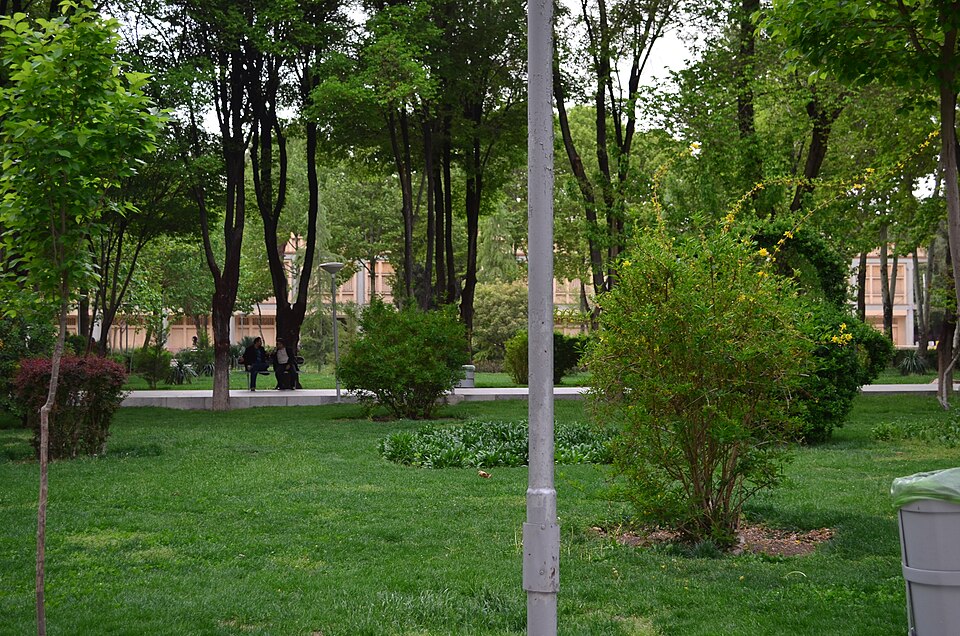
The Hasht Behesht stands in the Garden of the Nightingales. The pavilion was set in a royal garden, the Bagh-e Bolbol, the Garden of the Nightingale, a paradise garden of trees, flowers, and water, the setting that frames the pavilion, the Hasht Behesht a garden palace in the fullest sense, the pavilion and its garden a single composition, the Garden of the Nightingales the paradise setting of the palace of the eight paradises, the garden the frame of the pavilion.
The garden was a paradise of the Persian tradition: the trees and the flowers, the channels and the pools of water, the chahar bagh design, the garden an image of paradise in the Persian manner, the Garden of the Nightingales a jewel of the garden Isfahan, the pavilion set in the paradise of greenery and water, the garden the earthly heaven that framed the palace, the Garden of the Nightingales the paradise setting of the Hasht Behesht, the garden the frame of the pleasure pavilion.
The garden’s name evokes its character: the nightingales singing in the trees, the garden a place of birdsong and beauty, the Bagh-e Bolbol a paradise of the senses, the Garden of the Nightingales a setting of delight, the garden the paradise of birdsong that framed the pavilion of pleasure, the name the evocation of the garden’s beauty, the Garden of the Nightingales the sensory paradise of the Hasht Behesht, the garden of birdsong the setting of the palace of pleasure.
The Octagonal Plan
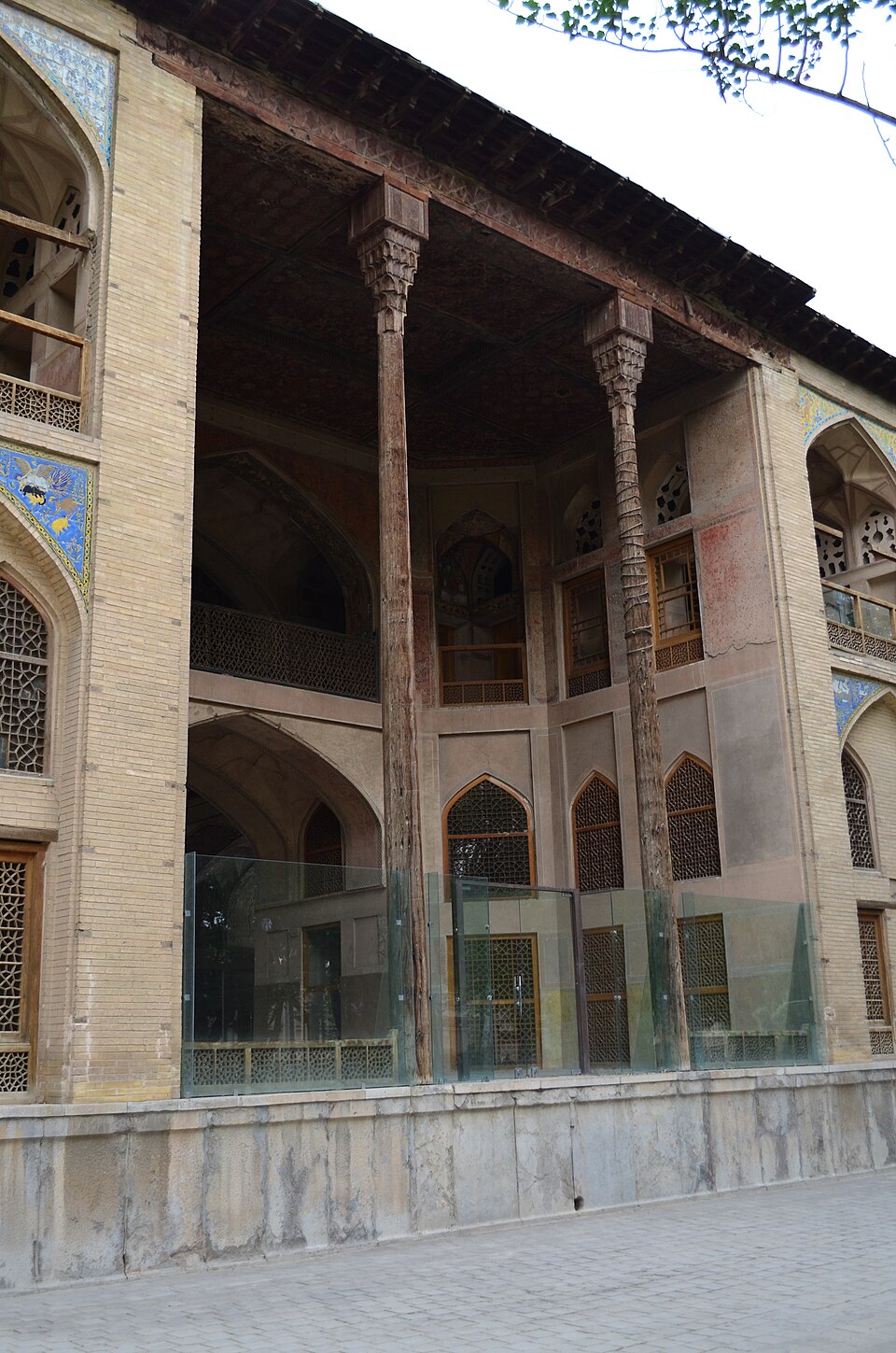
The Hasht Behesht is built on an octagonal plan. The pavilion is an eight-sided building, the octagon the form that echoes the eight paradises of its name, the plan a central hall surrounded by the eight sides with their halls and chambers, the octagonal design the architectural expression of the pavilion’s meaning, the Hasht Behesht a building whose form embodies the eight paradises, the octagon the plan of the palace of the eight gardens, the eight-sided pavilion the form of the paradise palace.
The octagon organizes the pavilion: the central domed hall at the heart, the eight sides holding the open halls, the chambers, and the stairs, the plan a radial composition around the center, the octagonal design giving the pavilion its distinctive form, the Hasht Behesht a building of eight-fold symmetry, the octagon the organizing geometry of the pleasure palace, the eight-sided plan the architecture of the pavilion of the eight paradises, the octagon the form of the garden jewel.
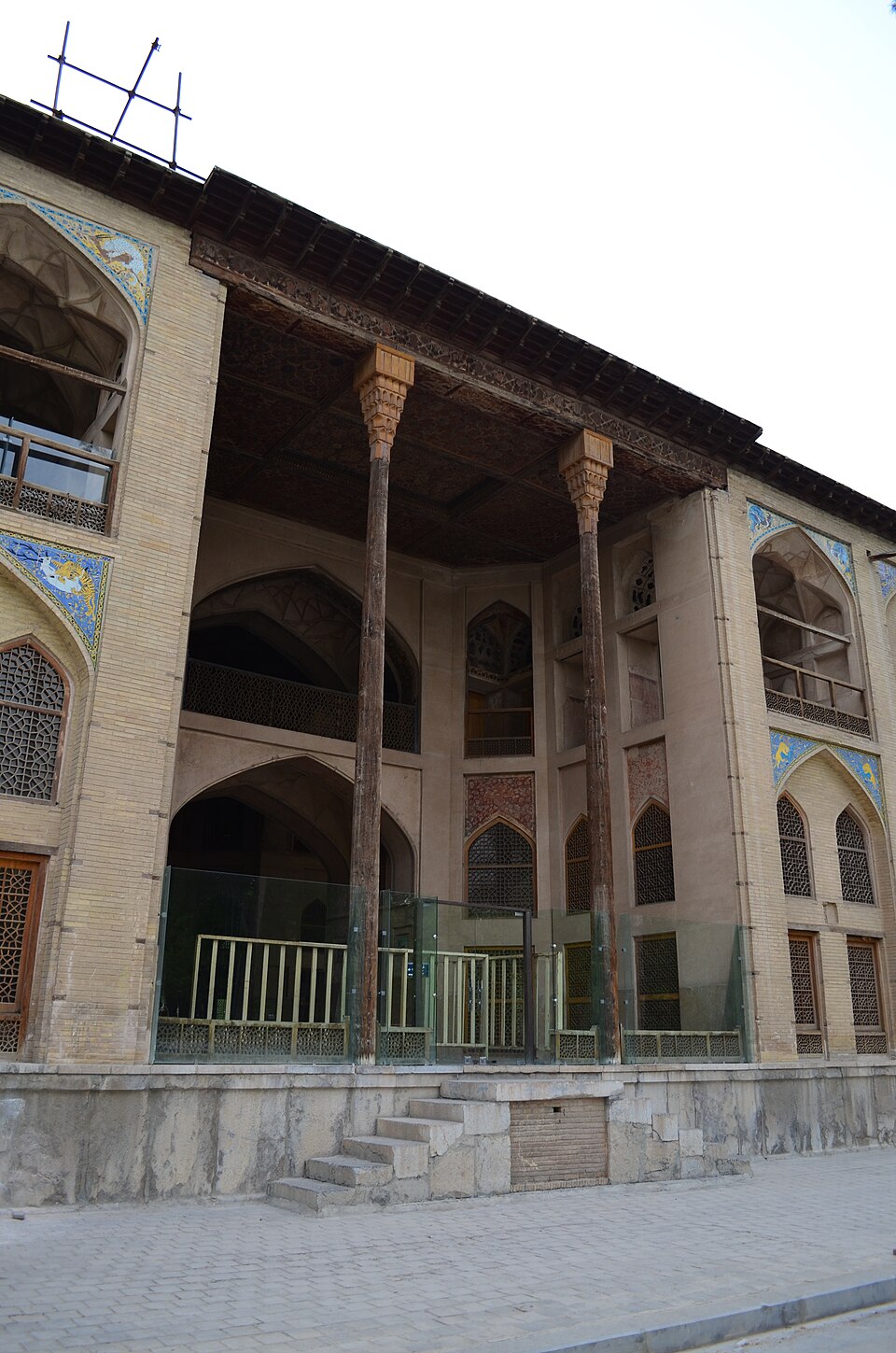
The octagonal form serves the garden life: the eight open sides allowing the pavilion to face the garden in every direction, the building open to the paradise around it, the octagon the form that unites the pavilion with its garden, the Hasht Behesht a palace open to its paradise on all sides, the eight-sided plan the architecture of the garden pavilion open to the beauty around it, the octagon the form that makes the Hasht Behesht a palace of the garden, the eight sides the openings to the paradise.
The Open Halls
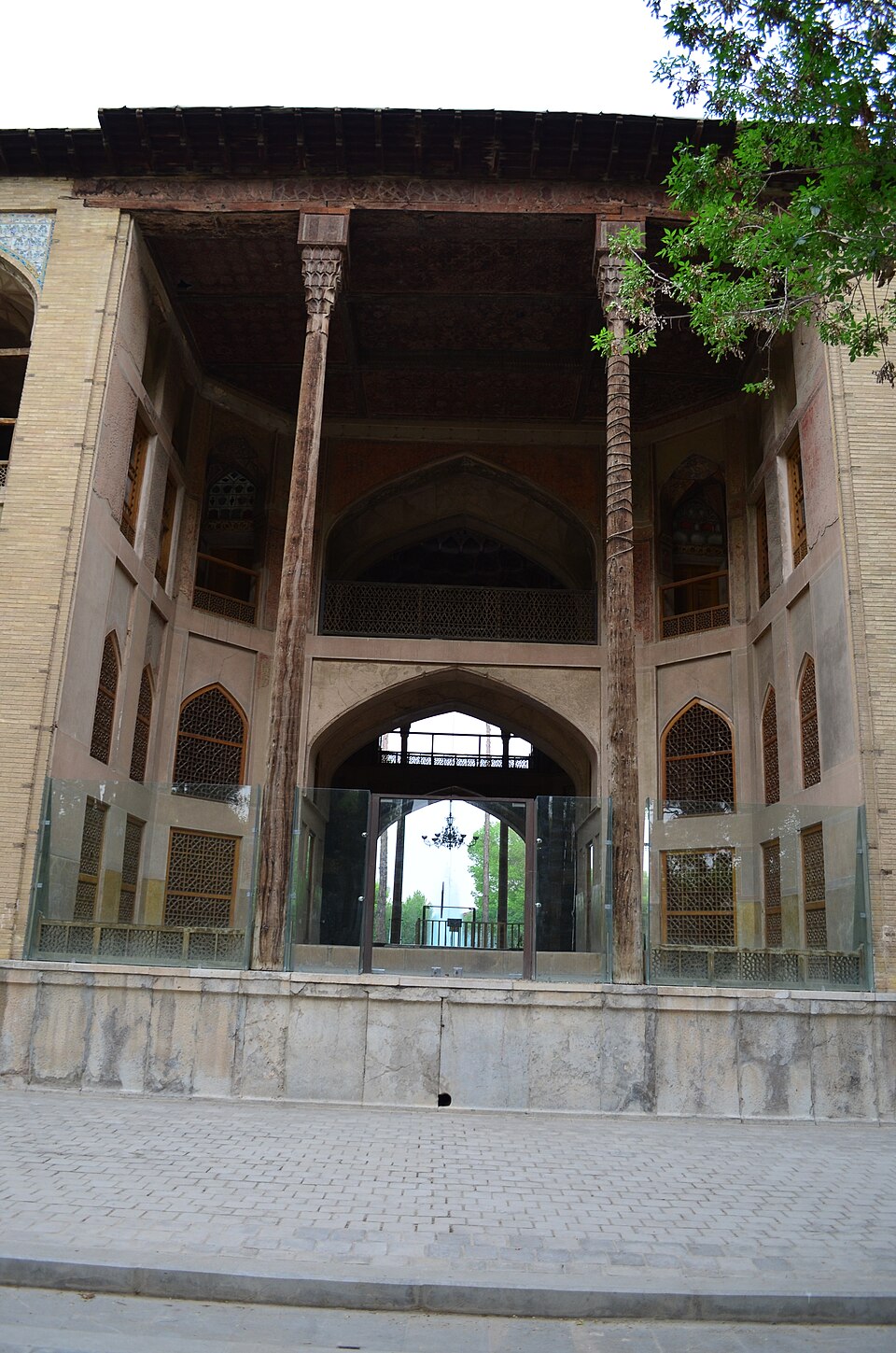
The Hasht Behesht is a pavilion of open halls. The building’s sides hold open halls and verandas, the talars, opening onto the garden, the pavilion a composition of open and sheltered spaces, the halls facing the garden on every side, the Hasht Behesht a palace of openness, the open halls the architecture of the garden pavilion, the verandas the transitions between the garden and the central hall, the open halls the gracious spaces of the palace of pleasure, the pavilion open to its paradise.
The open halls serve the enjoyment of the garden: the verandas facing the garden, the court sitting in the open halls to enjoy the paradise, the play of the water, and the birdsong, the open halls the setting of the pavilion’s pleasure, the Hasht Behesht designed for the enjoyment of the garden from its open spaces, the halls the places of leisure and delight, the open verandas the setting of the court’s garden pleasure, the halls the gracious spaces of the pavilion of the eight paradises.
The openness is the pavilion’s character: the Hasht Behesht a building of air and light and openness, the halls open to the garden, the pavilion a palace that dissolves the boundary between the building and the paradise around it, the open halls the expression of the garden pavilion’s purpose, the Hasht Behesht the architecture of openness and delight, the open halls the gracious character of the pleasure palace, the pavilion the building open to its garden paradise, the halls the spaces of garden pleasure.
The Muqarnas Dome
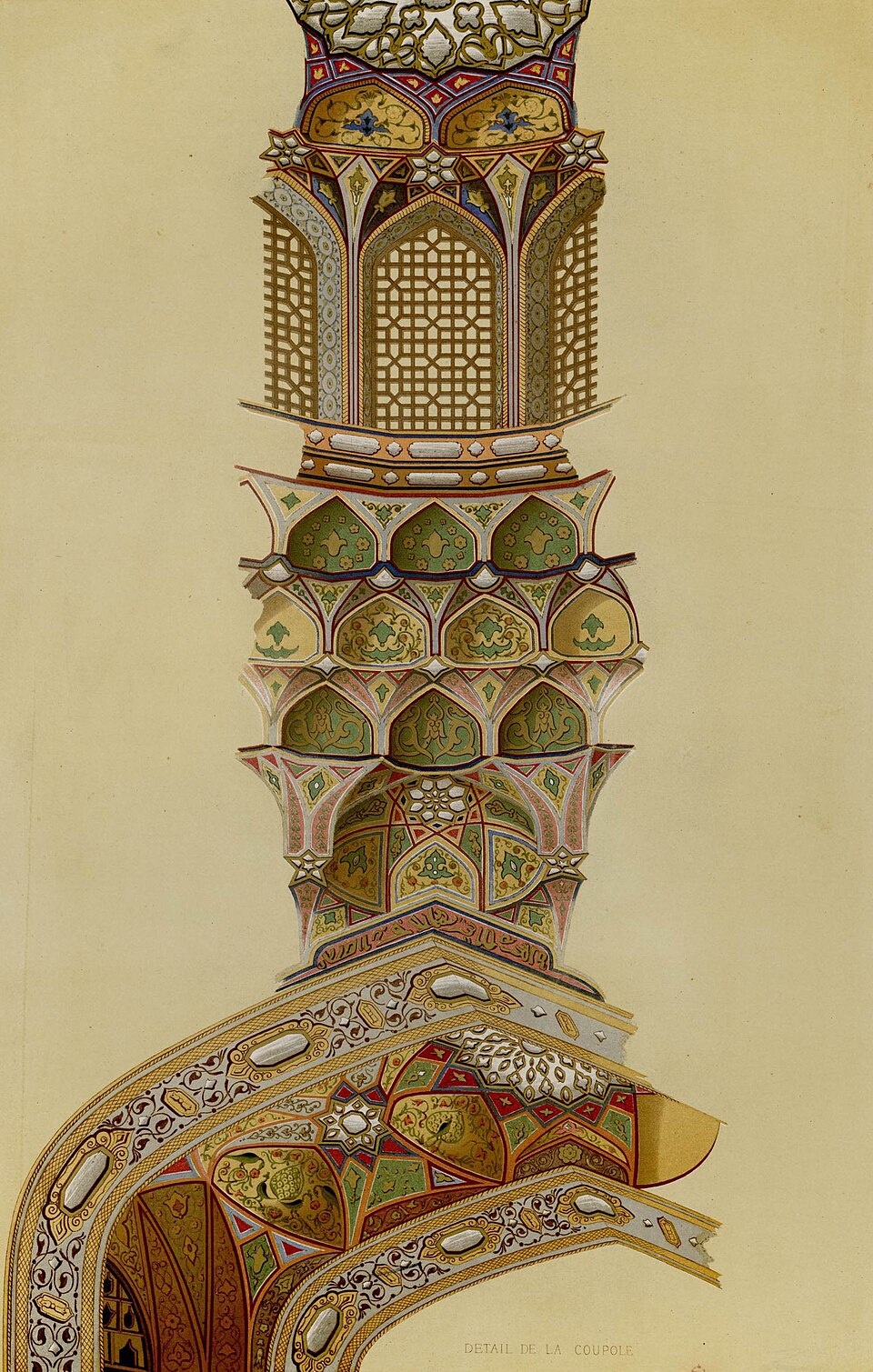
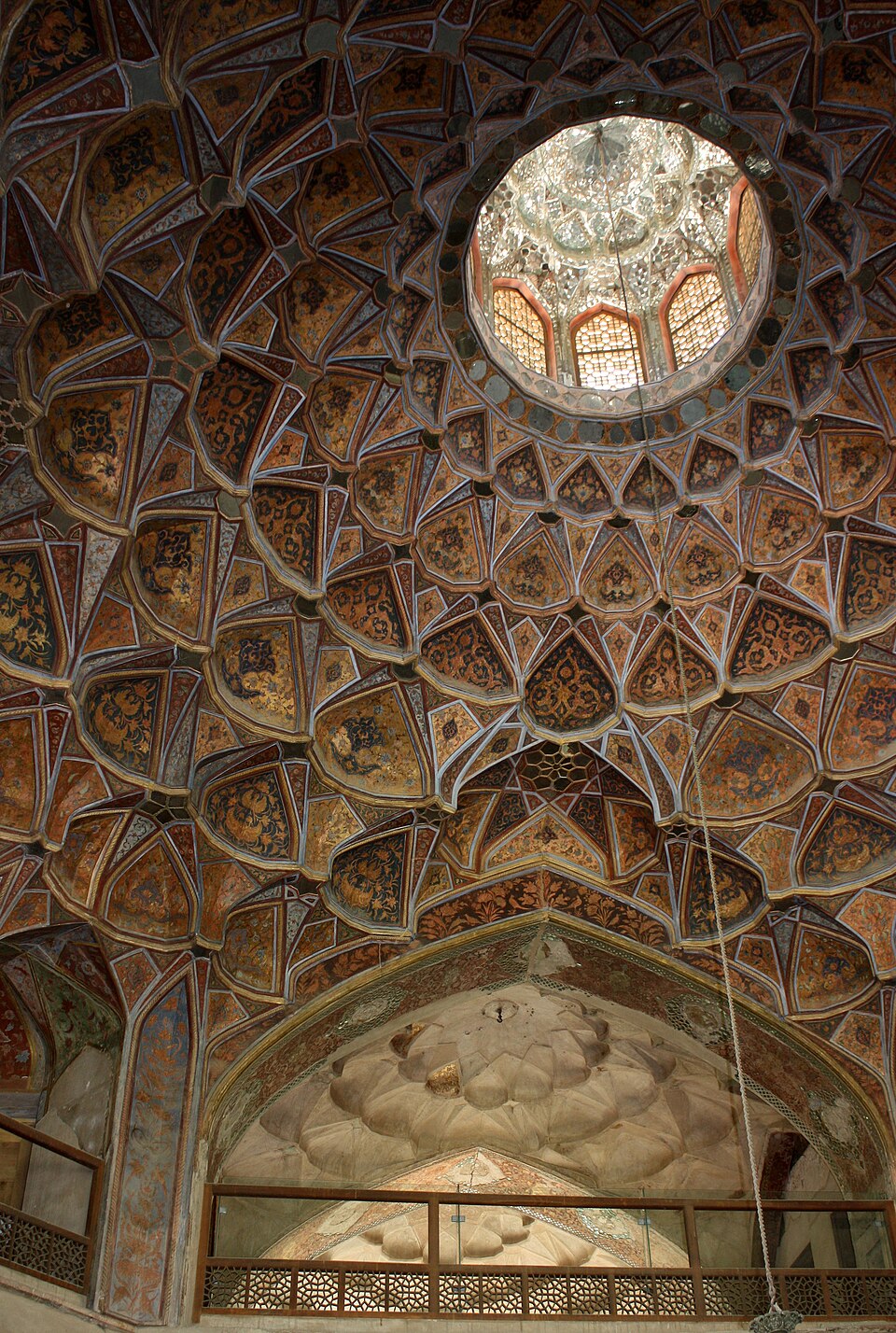
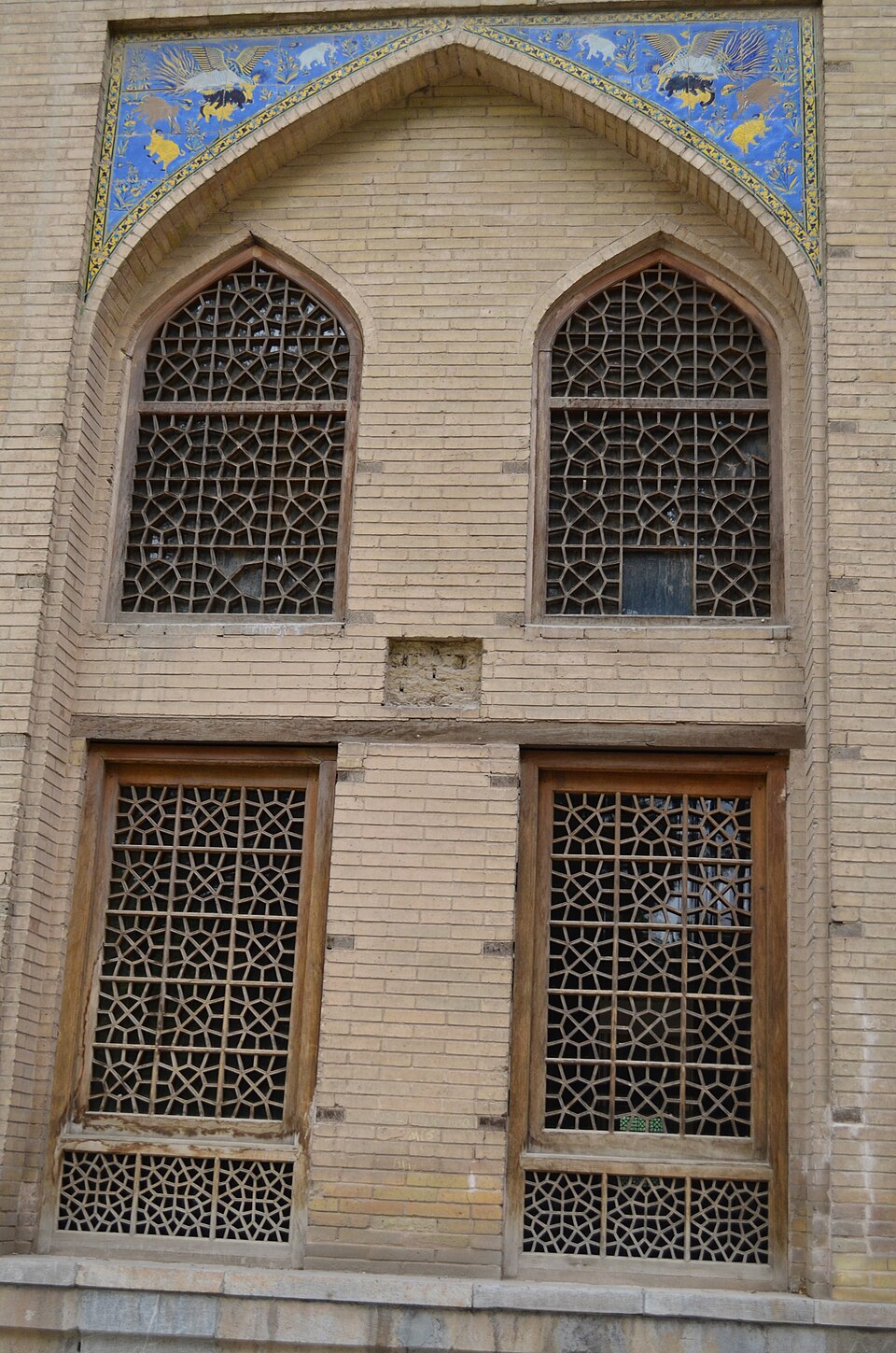
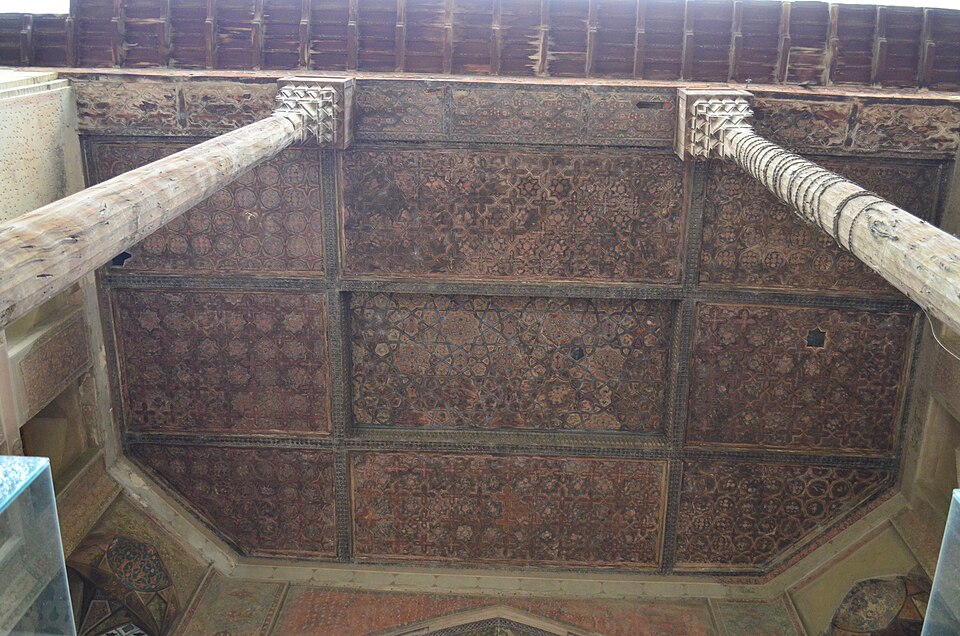
The Hasht Behesht’s glory is its muqarnas dome. The central hall of the pavilion is crowned with a dazzling vault of muqarnas, the Islamic architectural device of the honeycomb or stalactite vaulting, the ceiling a cascade of countless small cells and facets, gilded and painted, catching and scattering the light, the muqarnas dome a masterpiece of the Persian architectural decoration, the vault the crowning glory of the pavilion, the muqarnas ceiling the treasure of the Hasht Behesht.
The muqarnas is a marvel of Islamic art: the honeycomb vaulting, the device that fills the dome with countless small niches and facets, the muqarnas a distinctive achievement of the Islamic architecture, the Hasht Behesht’s dome among the finest examples, the vault a cascade of gilded and painted cells, the muqarnas ceiling the dazzling crown of the central hall, the honeycomb vault the masterpiece of the pavilion, the muqarnas the glory of the Persian decorative architecture at the Hasht Behesht.
The dome crowns the pavilion’s center: the muqarnas vault over the central hall, the dazzling ceiling the focus of the building’s interior, the dome the crowning element of the octagonal plan, the muqarnas the glory that draws the eye upward in the central hall, the vault the treasure of the Hasht Behesht’s architecture, the muqarnas dome the jewel of the pavilion’s interior, the honeycomb ceiling the crowning masterpiece of the palace of the eight paradises, the dome the glory of the garden pavilion.
The Water and the Fountains
Water is central to the Hasht Behesht. The pavilion and its garden are animated by water, the channels and the pools, the fountains that played in the halls and the garden, the central hall itself with its pool and its fountain, the water the element that gave the pavilion its coolness and its delight, the Hasht Behesht a palace of water as of garden, the fountains and the pools the animating element of the pleasure pavilion, the water the soul of the paradise palace.
The water served pleasure and coolness: the fountains cooling the air of the halls, the pools reflecting the architecture, the channels carrying the water through the pavilion and the garden, the water the source of the pavilion’s refreshment and beauty, the Hasht Behesht designed around the play of water, the fountains and the pools the delight of the pleasure palace, the water the element that made the pavilion a paradise of coolness and reflection, the water the pleasure of the garden palace.
The water animated the paradise: the channels and the pools of the garden and the pavilion the image of the rivers of paradise, the water the element that made the Hasht Behesht an earthly heaven, the fountains and the pools the animation of the paradise garden, the water the soul of the pavilion of the eight paradises, the Hasht Behesht a palace where the water made the paradise live, the fountains the delight of the garden palace, the water the animating element of the earthly paradise.
The Decoration
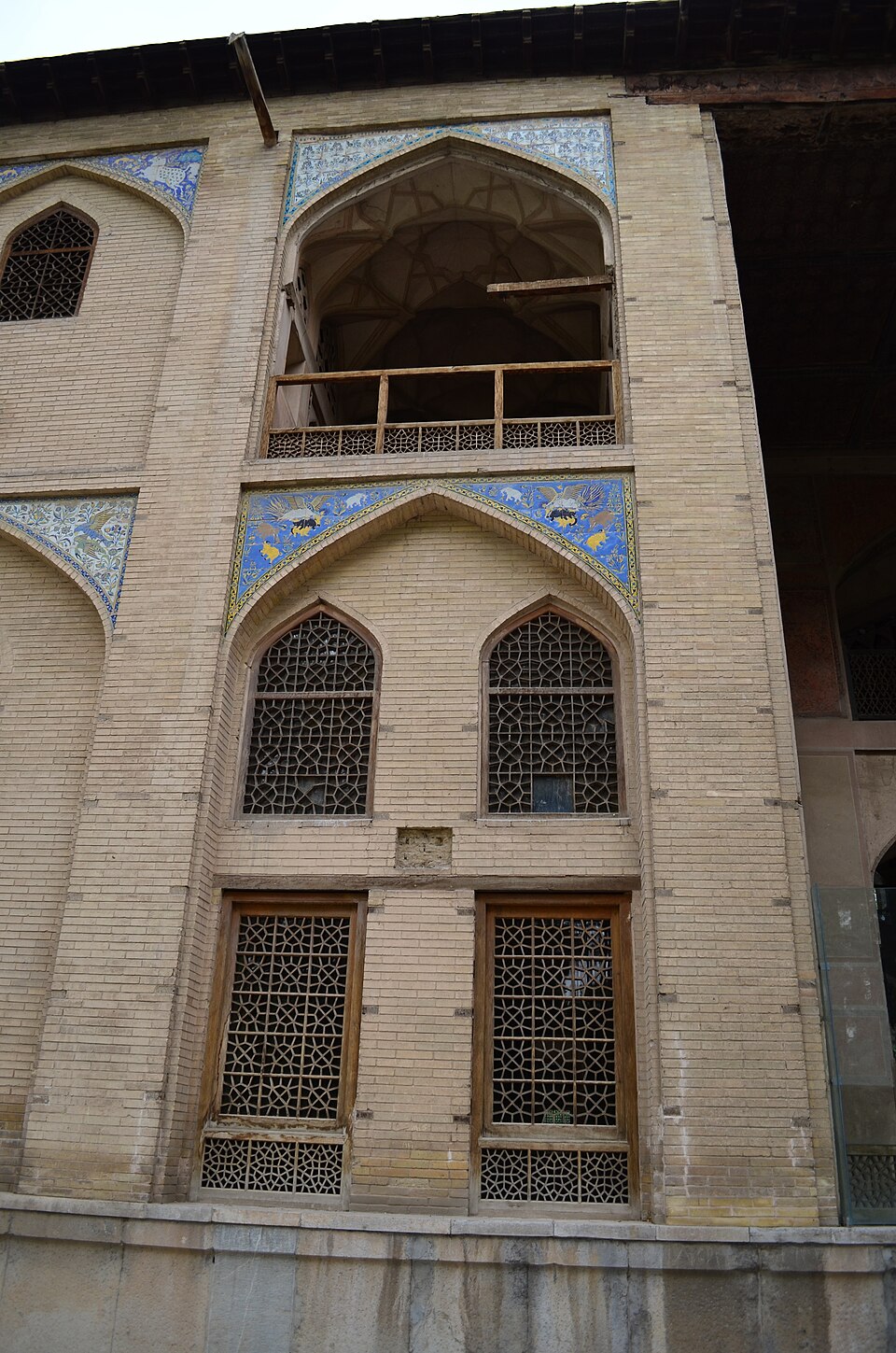
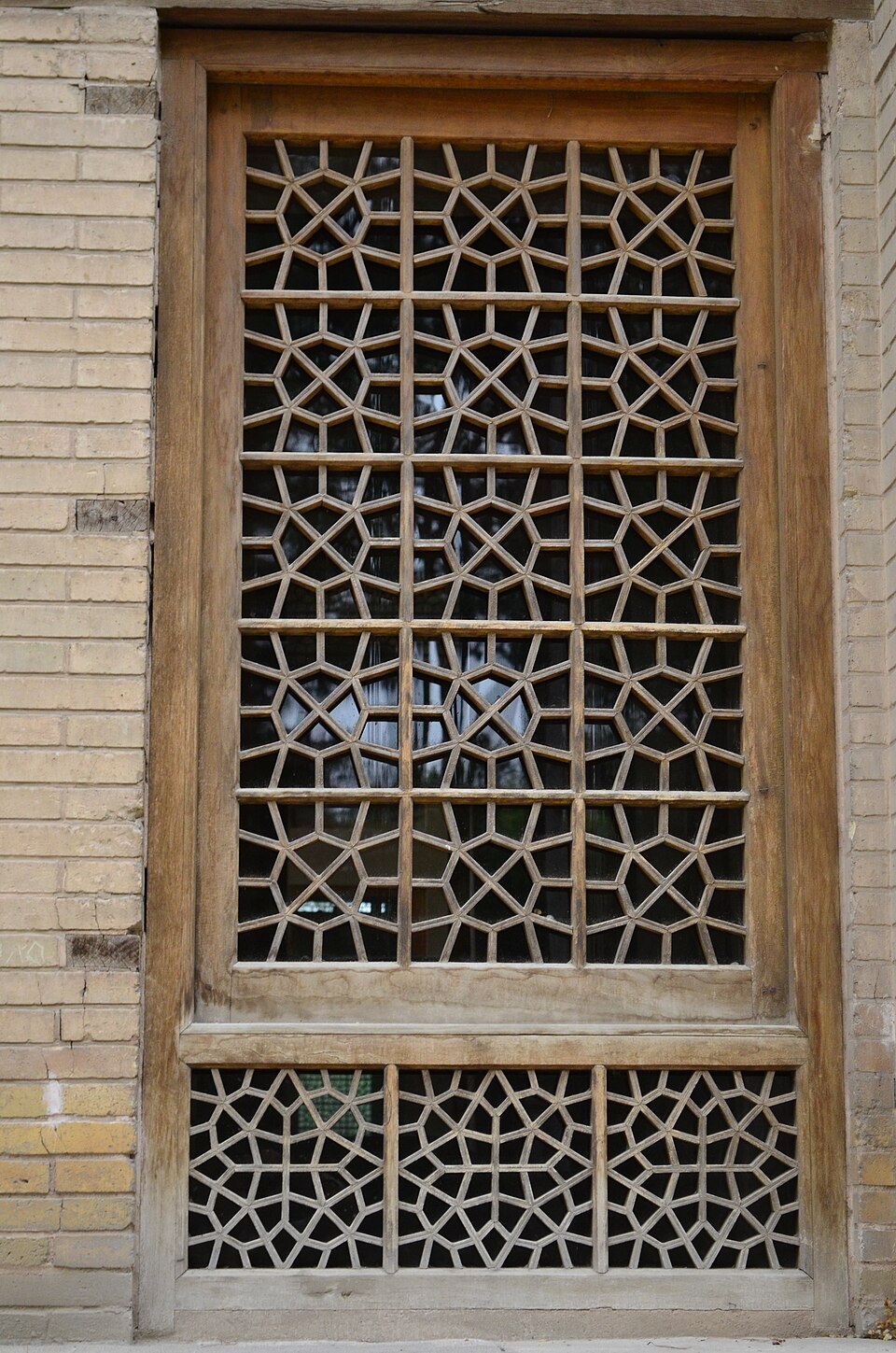
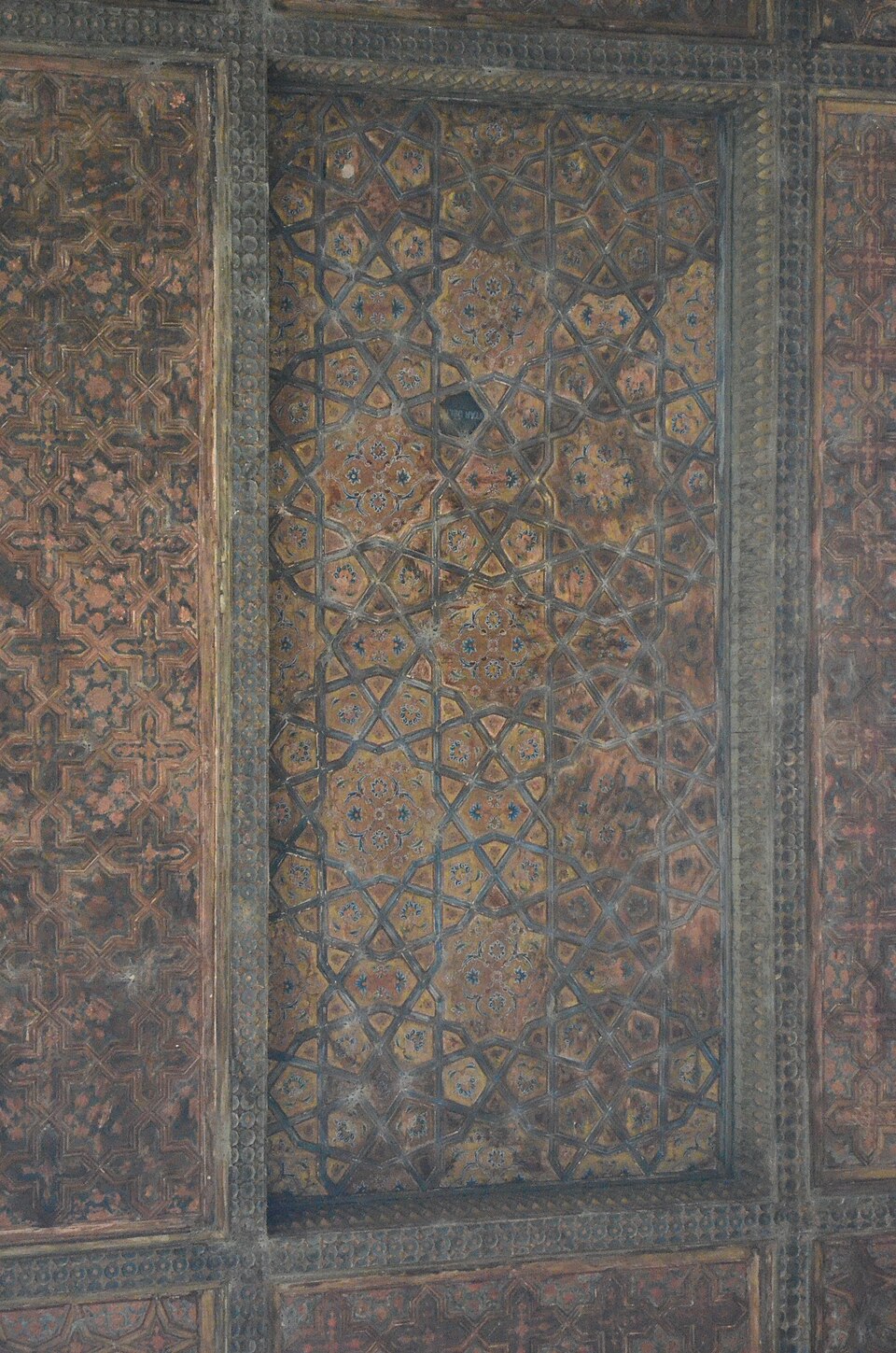
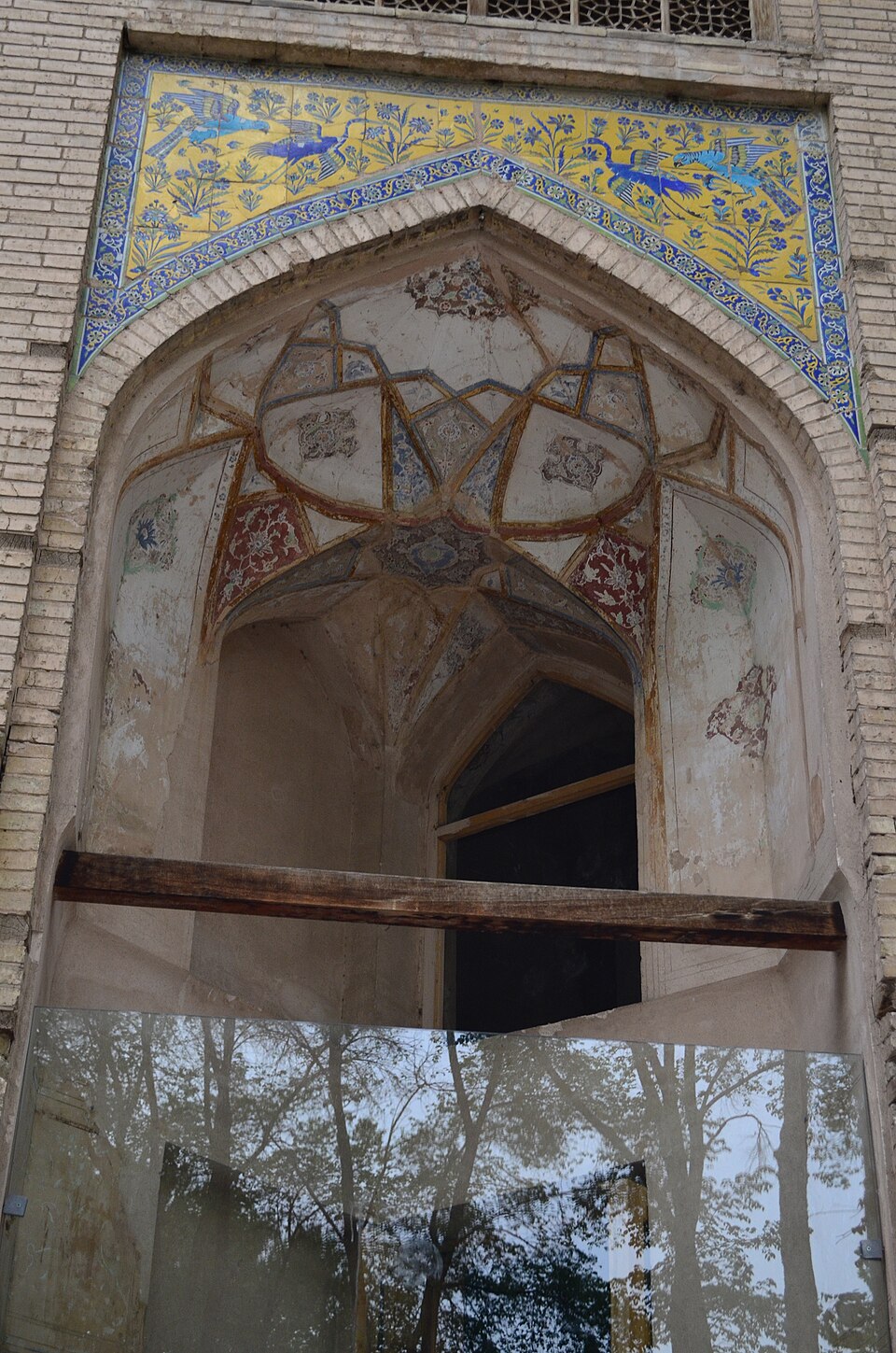
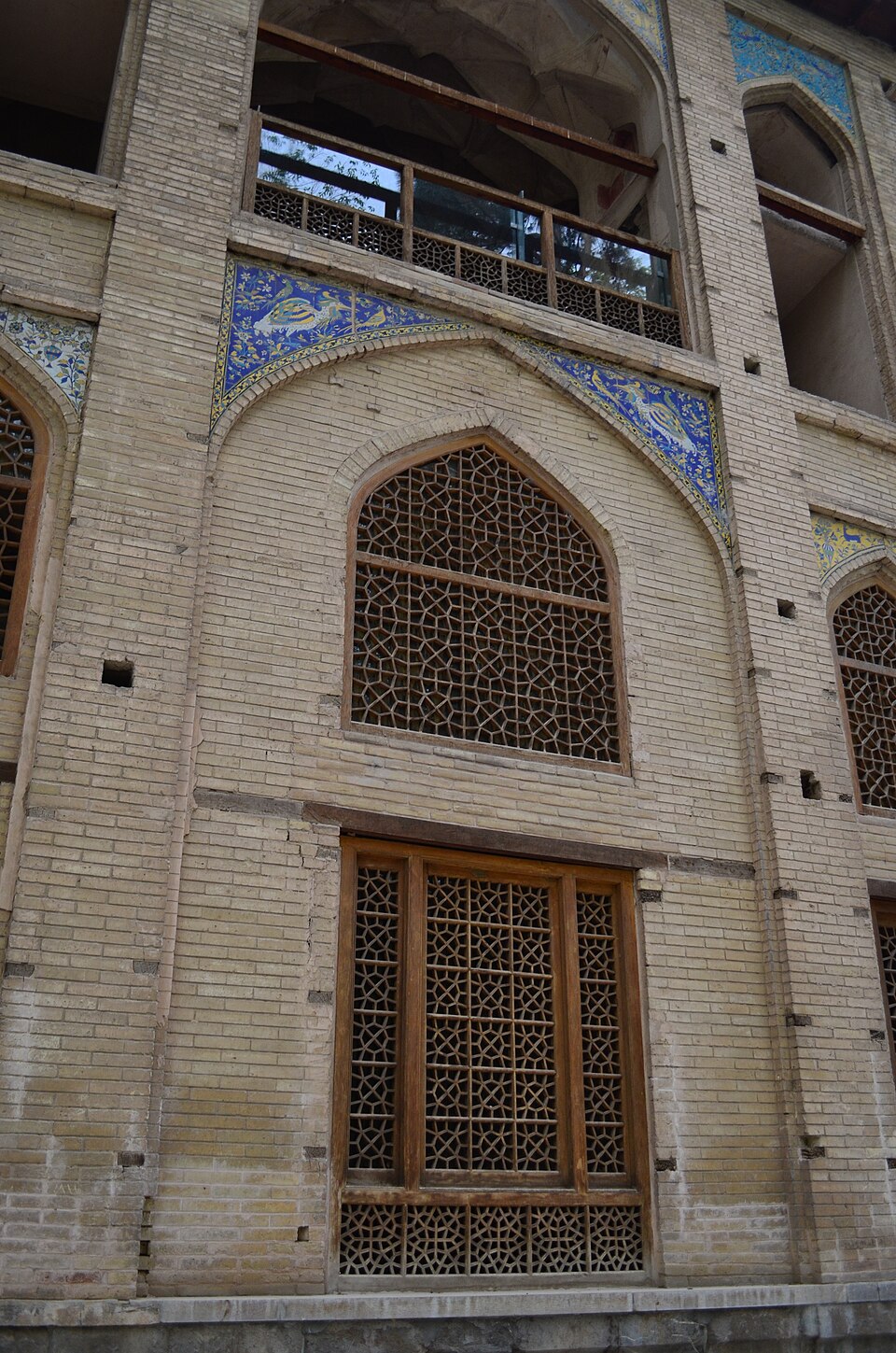
The Hasht Behesht is rich in decoration. The pavilion’s halls and dome are adorned with the fine decoration of the Safavid art, the muqarnas gilded and painted, the walls with their tile and painting, the ceilings with their ornament, the whole a jewel of the Persian decorative tradition, the Hasht Behesht a treasure of the Safavid decorative art, the decoration the glory of the pleasure pavilion, the ornament the richness of the palace of the eight paradises, the decoration the beauty of the garden jewel.
The decoration spans the Persian arts: the muqarnas, the tilework, the painting, the gilding, the fine ornament of the Safavid tradition, the Hasht Behesht a showcase of the decorative arts, the pavilion’s decoration a record of the Persian artistic genius, the ornament the glory of the garden palace, the decoration the treasure of the Safavid art at the Hasht Behesht, the arts combining in the pavilion’s beauty, the decoration the richness of the palace of pleasure, the ornament the jewel of the garden pavilion.
The decoration served the pleasure palace: the beauty of the ornament the delight of the court, the decorated halls and dome the setting of the pavilion’s pleasure, the Hasht Behesht a palace where the decoration completed the paradise, the ornament the beauty that made the pavilion a jewel, the decoration the glory that adorned the garden palace, the Safavid art the richness of the pleasure pavilion, the decoration the beauty of the earthly paradise, the ornament the treasure of the palace of the eight paradises.
The Palace of Pleasure
The Hasht Behesht was a palace of pleasure. Unlike the palaces of state and ceremony, the Hasht Behesht was a pavilion of leisure and delight, a palace for the enjoyment of the garden, the water, the music, and the pleasures of the court, the building designed for pleasure rather than power, the Hasht Behesht the most refined expression of the Persian garden palace of pleasure, the pavilion the jewel of the court’s leisure, the palace of delight in its paradise garden.
The pavilion’s purpose shaped its design: the open halls, the water, the garden, the decoration all serving the enjoyment of the paradise, the Hasht Behesht a building whose every element served pleasure, the pavilion the architecture of delight, the palace designed for the court’s leisure in the garden, the Hasht Behesht the expression of the Persian art of pleasure, the pavilion the jewel of the court’s garden enjoyment, the palace the setting of the court’s delight, the building the architecture of paradise.
The pleasure palace is the Persian ideal: the Hasht Behesht the fullest expression of the Persian vision of the garden palace, the pavilion of pleasure in the paradise garden the ideal of the Persian court, the building the realization of the dream of the earthly paradise, the Hasht Behesht the jewel of the Persian pleasure palace, the pavilion the embodiment of the court’s vision of delight, the palace of the eight paradises the ideal of the garden pleasure, the Hasht Behesht the Persian paradise palace.
Decline and Survival
The Hasht Behesht survived the fall of the Safavids. The dynasty fell in the eighteenth century, Isfahan sacked and its gardens and palaces damaged and neglected, and the Hasht Behesht suffered the decline of the city, the pavilion damaged through the centuries, the garden reduced, the palace enduring the hard times, the Hasht Behesht surviving as a battered but enduring jewel of the Safavid garden art, the pavilion the survivor of the vanished garden Isfahan.
The decline reduced the pavilion and its garden: the Hasht Behesht damaged, the decoration suffering, the great garden diminished through the centuries after the Safavid fall, the pavilion enduring but reduced, the palace of pleasure coming through the decline of Isfahan as a surviving but battered monument, the Hasht Behesht the survivor of the garden world of the Safavid capital, the pavilion enduring through the city’s reduced fortunes, the garden jewel surviving the hard centuries.
The survival preserved a jewel: the Hasht Behesht coming through to the modern age as one of the finest surviving garden pavilions of the Safavid Isfahan, the pavilion and its muqarnas dome preserved despite the damage, the palace surviving as a treasure of the garden art, the Hasht Behesht the enduring jewel of the vanished garden Isfahan, the pavilion the survivor that preserves the Persian art of the garden palace, the palace the monument of the Safavid pleasure pavilion, the Hasht Behesht the survivor of the garden splendor.
Restoration and Heritage
The Hasht Behesht has been restored and preserved. The pavilion, surviving the centuries of neglect, was restored in the modern era, the muqarnas dome conserved, the decoration repaired, the garden maintained, the Hasht Behesht preserved as one of the treasures of Isfahan and of the Persian garden architecture, the restoration recovering the pavilion’s beauty, the garden palace restored as a monument of the Safavid garden art, the Hasht Behesht preserved for posterity as a jewel of the Persian heritage.
The pavilion is recognized as a treasure: the Hasht Behesht among the monuments of Isfahan, the pavilion a jewel of the garden architecture of the Safavid capital, the palace recognized and preserved as a part of the heritage of the city that is half the world, the Hasht Behesht a treasure of the Persian garden tradition, the pavilion the monument of the Safavid pleasure palace, the garden jewel a part of the heritage of Isfahan, the Hasht Behesht the recognized treasure of the garden art.
The pavilion is a jewel of Isfahan’s heritage: the Hasht Behesht one of the garden treasures of the city, the pavilion with the Chehel Sotoun and the other gardens composing the heritage of the garden Isfahan, the palace of pleasure a jewel of the city’s incomparable ensemble, the Hasht Behesht a part of the treasure of Isfahan, the pavilion the garden palace of the Safavid capital, the monument of the dynasty’s garden art in the city of their golden age, the Hasht Behesht the jewel of garden Isfahan.
The Pavilion Today
The Hasht Behesht today is a jewel of Isfahan. The pavilion, restored and preserved in its garden, is one of the treasures of the city, the palace of the eight paradises drawing visitors to its open halls, its muqarnas dome, and its paradise garden, the Hasht Behesht a highlight of any visit to Isfahan, the garden pavilion the embodiment of the Persian art of pleasure, the palace the jewel of the garden Isfahan, the pavilion the treasure of the city that is half the world.
The pavilion is part of the garden heritage of Isfahan: the Hasht Behesht one of the garden palaces that make Isfahan a city of paradise gardens, the pavilion with the Chehel Sotoun, the Naqsh-e Jahan, and the other monuments composing the incomparable ensemble of the Safavid capital, the Hasht Behesht a jewel of this heritage, the garden palace a part of the treasure of Isfahan, the pavilion the record of the Safavid garden art, the palace the garden jewel of the city of their golden age.
The Hasht Behesht closes the Iranian series in the garden of the eight paradises: the pleasure pavilion of the Safavid Isfahan the jewel of the dynasty’s garden art, the palace of the muqarnas dome and the open halls the monument of the Persian vision of the earthly paradise, the pavilion in its garden of nightingales the embodiment of the dream of heaven as a garden, the Hasht Behesht the fitting conclusion to the journey through the palaces of Iran, from the Qajar citadel of Tehran to the Safavid paradise gardens of Isfahan and the summer courts of the shahs, the palace of the eight paradises.
Watch the Hasht Behesht on Film
Visiting the Hasht Behesht Today
The Hasht Behesht stands in a garden near the Chahar Bagh avenue in the center of Isfahan, between the Naqsh-e Jahan square and the river, easily reached on foot in the historic heart of the city; the pavilion and its garden are open to visitors with an entry ticket, the open halls, the muqarnas dome, and the garden the highlights. Allow an hour for the pavilion and its garden, and combine it with the other treasures of Isfahan nearby, the Chehel Sotoun, the Naqsh-e Jahan square with the Ali Qapu and the great mosques, and the historic bridges and gardens; Isfahan rewards several days, and the temperate seasons of spring and autumn are the best times to enjoy the gardens and the pavilions. You can find the pavilion on the map here: Hasht Behesht on Google Maps.
Palaces Nearby
You May Like
Izmaylovo and the Island Estate Where Peter Found His Boat