In the heart of Baghdad, on the eastern bank of the Tigris, stands a fragment of one of the most storied civilizations the world has known, the Abbasid Palace, the last standing palatial monument of the dynasty whose capital was for five centuries the greatest city on earth. The palace, a brick masterpiece of courtyards, iwans, and muqarnas vaults, is a surviving echo of the Baghdad of the caliphs, the city of Harun al-Rashid and the thousand and one nights, the metropolis of the House of Wisdom, the Abbasid Palace the jewel that carries the memory of the golden age of Islam.
Baghdad of the Abbasids was a city of legend. Founded in 762 by the caliph al-Mansur as a perfect round city, the City of Peace, Baghdad grew into the vast capital of an empire that stretched from North Africa to Central Asia, the city of a million souls, the center of learning, commerce, and splendor, the metropolis where the Greek, the Persian, the Indian, and the Arab knowledge met and flowered, Baghdad the greatest city of the medieval world, the capital of the caliphs, the setting of the surviving Abbasid Palace.
This article opens the Iraqi series, turning to the land of Mesopotamia, the cradle of civilization and the seat of the Abbasid caliphate, beginning with the Abbasid Palace of Baghdad, the last standing palace of the dynasty, the jewel that carries the memory of the city of the caliphs, the monument that evokes the golden age of Baghdad, the Abbasid Palace the surviving splendor of the City of Peace on the banks of the Tigris.
- The City of Peace
- Al-Mansur and the Round City
- The Golden Gate Palace
- Harun al-Rashid and the Golden Age
- The House of Wisdom
- The Palaces of the Tigris
- The Palace That Survives
- The Architecture of the Palace
- The Muqarnas and the Iwan
- The Mustansiriya Nearby
- The Catastrophe of 1258
- Rediscovery and Restoration
- The Abbasid Palace Today
- Watch on Film
- Visiting Today
- Palaces Nearby
The City of Peace
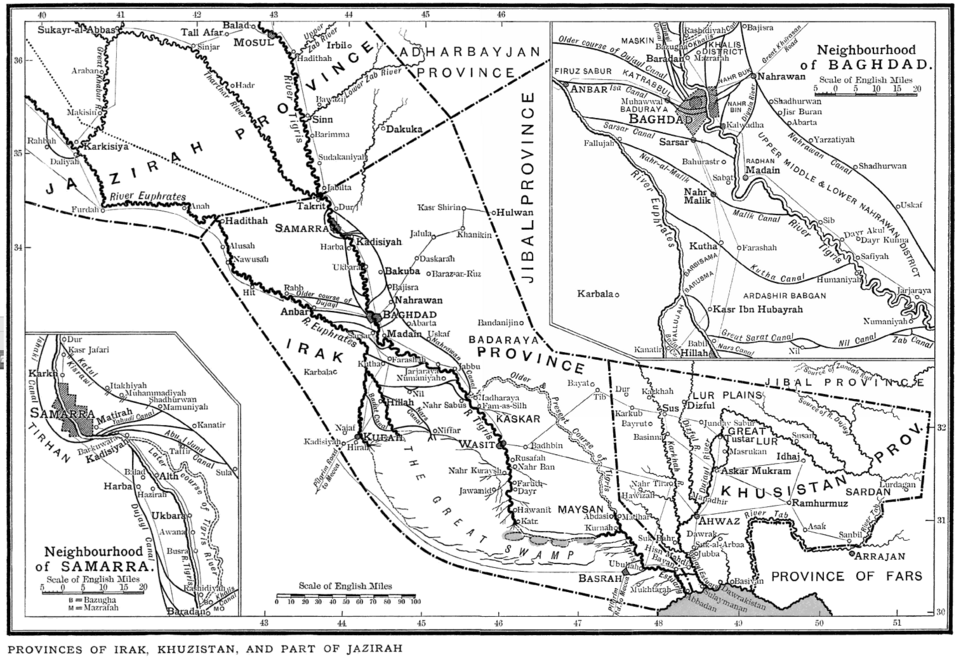
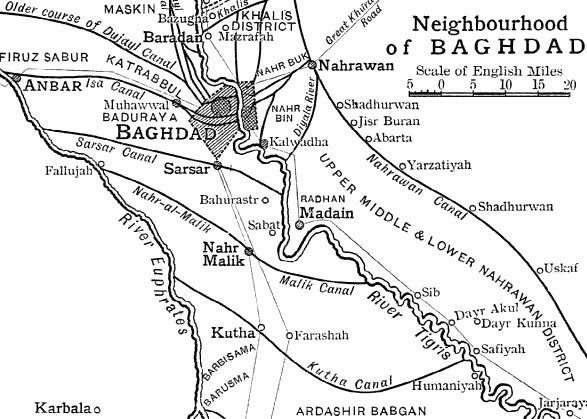
Baghdad was founded as Madinat al-Salam, the City of Peace. The caliph al-Mansur, the second ruler of the Abbasid dynasty, chose a site on the Tigris in 762 for a new capital, a place where the great rivers of Mesopotamia and the caravan routes met, the city laid out as a perfect circle, the City of Peace a planned metropolis of unprecedented scale, Baghdad the new heart of the Islamic empire, the capital that would grow into the greatest city of the medieval world, the City of Peace the setting of the Abbasid splendor.
The site was chosen with care: al-Mansur, it is said, consulted astrologers and engineers, surveyed the land, and selected the spot where the climate, the water, and the routes were most favorable, the caliph reportedly testing the site by having fires lit around the planned walls to judge the air, the City of Peace founded on the most carefully chosen ground, Baghdad planted where the Tigris and the trade of the world converged, the capital laid out on the site al-Mansur judged the finest in his empire.
The name proclaimed the city’s purpose: Madinat al-Salam, the City of Peace, a name drawn from the Quranic vision of paradise, the capital conceived as a city of harmony and splendor, Baghdad the City of Peace by its founding name, the metropolis named for the peace and the prosperity its founder intended, the City of Peace the official name of the capital, Baghdad the city whose very name proclaimed the glory of the Abbasid vision on the banks of the Tigris.
Al-Mansur and the Round City
Al-Mansur built Baghdad as a round city. The caliph laid out his capital as a perfect circle, a form unique among the great cities of the world, the Round City with its concentric walls, its four gates oriented to the roads of the empire, and the caliph’s palace and the great mosque at the very center, the Round City a masterpiece of planning, al-Mansur’s Baghdad a geometric vision of imperial order, the Round City the heart of the new capital of the caliphs.
The construction was a vast undertaking: tens of thousands of workers, architects, and craftsmen gathered from across the empire to build the Round City, the walls raised in brick, the gates built as mighty fortified passages, the city completed in a few years at enormous cost, the Round City a feat of imperial will and organization, al-Mansur’s capital built by the labor of the whole empire, the Round City the greatest building project of its age, the heart of Abbasid Baghdad.
At the center stood the caliph’s palace: the Golden Gate Palace, the residence of al-Mansur, rose at the very heart of the Round City beside the great mosque, the palace crowned by a famous green dome, the caliph’s residence the focus of the circular city, the Golden Gate Palace the seat of the Abbasid power at the center of the Round City, the palace the heart of the heart of Baghdad, the residence of the caliph at the center of the geometric capital of the City of Peace.
The Golden Gate Palace
The Golden Gate Palace was al-Mansur’s residence. The palace at the center of the Round City, known as the Golden Gate or the Palace of the Golden Gate, was the seat of the caliph, crowned by a great green dome that rose above the city, the palace the focus of the Round City and the symbol of the Abbasid power, the Golden Gate the residence of al-Mansur, the palace whose green dome was the landmark of early Baghdad, the Golden Gate Palace the heart of the caliph’s capital.
The green dome was the symbol of Baghdad: the great dome crowning the Golden Gate Palace, visible across the city, surmounted it is said by the figure of a horseman, the dome the landmark and the symbol of al-Mansur’s Baghdad, the green dome the crown of the Round City, the dome that stood for two centuries before it fell in a storm, the green dome the famous symbol of the early Abbasid capital, the crown of the Golden Gate Palace at the center of the City of Peace.
The palace set the pattern for Abbasid splendor: the Golden Gate the first of the great caliphal palaces of Baghdad, the residence that established the tradition of the domed, centrally planned palace, the Golden Gate the model of the Abbasid royal architecture, the palace the beginning of the long line of caliphal residences, the Golden Gate the first and the central palace of Baghdad, the residence whose form and splendor the later palaces would echo, the Golden Gate the foundation of the Abbasid palatial tradition.
Harun al-Rashid and the Golden Age
Harun al-Rashid ruled Baghdad at its height. The fifth Abbasid caliph, who reigned from 786 to 809, presided over the golden age of Baghdad, the city at the peak of its wealth, its learning, and its splendor, Harun al-Rashid the caliph of legend, the ruler whose court is immortalized in the thousand and one nights, the caliph whose Baghdad was the greatest and the richest city of the world, Harun al-Rashid the sovereign of the golden age of the City of Peace.
His court was a legend of splendor: the caliph Harun al-Rashid presiding over a court of unimaginable wealth and refinement, the palaces of Baghdad filled with treasures, poets, musicians, scholars, and envoys, the caliph exchanging embassies with Charlemagne and the emperor of China, Harun al-Rashid’s court the setting of the tales of the thousand and one nights, the caliph the ruler whose splendor became the stuff of legend, the court of Harun al-Rashid the glory of the golden age of Baghdad.
The anecdotes of his reign fill the chronicles: Harun al-Rashid, it is told, walked the streets of Baghdad by night in disguise to learn the state of his people, the caliph a figure of justice and caprice in the tales, the ruler who showered the poet and punished the vizier, Harun al-Rashid the caliph whose reign gathered around it the legends of the golden age, the sovereign whose Baghdad was remembered as the city of wonders, Harun al-Rashid the ruler of the legendary age of the City of Peace.
The House of Wisdom
Baghdad was the home of the House of Wisdom. The Bayt al-Hikma, the great library and academy of the Abbasid caliphs, was the center of a vast enterprise of learning and translation, the scholars of Baghdad translating the works of the Greeks, the Persians, and the Indians into Arabic, preserving and advancing the knowledge of the ancient world, the House of Wisdom the intellectual heart of Baghdad, the academy that made the city the center of learning of the medieval world, the Bayt al-Hikma the glory of the golden age.
The translation movement transformed the world’s knowledge: the scholars of the House of Wisdom rendering Aristotle, Ptolemy, Euclid, and Galen into Arabic, the works of the Greeks preserved and studied, the knowledge of mathematics, astronomy, medicine, and philosophy gathered and advanced, the House of Wisdom the center of a flowering of science, the Bayt al-Hikma the academy where the learning of the world was gathered, the House of Wisdom the intellectual glory of Abbasid Baghdad.
The scholars of Baghdad advanced every science: the mathematician al-Khwarizmi, whose name gives us the word algorithm and whose work gives us algebra, worked in the Baghdad of the House of Wisdom, the astronomers, physicians, and philosophers of the city advancing the knowledge of humanity, the House of Wisdom the setting of a golden age of science, the Bayt al-Hikma the academy of the great scholars, the House of Wisdom the intellectual crown of Baghdad, the center of the learning of the medieval world in the City of Peace.
The Palaces of the Tigris
The caliphs built many palaces along the Tigris. As Baghdad grew beyond the Round City, the caliphs built a succession of great palaces along the banks of the Tigris, the Khuld Palace, the Qasr al-Taj, the palaces of the later caliphs on both banks of the river, the riverside residences a chain of splendor along the Tigris, the palaces of Baghdad the setting of the caliphal court, the riverside palaces the glory of the growing capital, the Tigris lined with the residences of the Abbasid rulers.
The palaces grew ever more splendid: each caliph adding to the palatial splendor of Baghdad, the residences along the Tigris filled with gardens, pavilions, fountains, and treasures, the palaces the setting of the ceremonial and the private life of the caliphs, the riverside residences the showcase of the Abbasid wealth, the palaces of the Tigris the glory of the capital, the residences a chain of magnificence along the great river, the palaces the splendor of the caliphal Baghdad.
A famous reception displayed their magnificence: when the Byzantine envoys came to Baghdad in 917, the caliph al-Muqtadir, it is recorded, received them in a palace of such splendor that the ambassadors were led through courts filled with thousands of guards, with a tree of silver and gold on which mechanical birds sang, the reception a legendary display of the Abbasid wealth, the palaces of the Tigris the setting of such magnificence, the riverside residences the stage of the caliphal splendor that astonished the envoys of the world.
The Palace That Survives
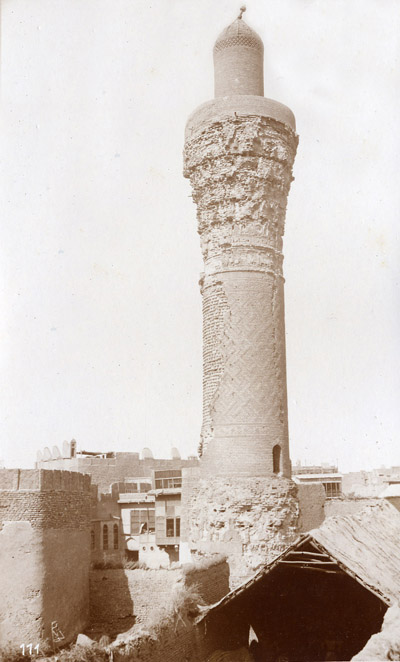
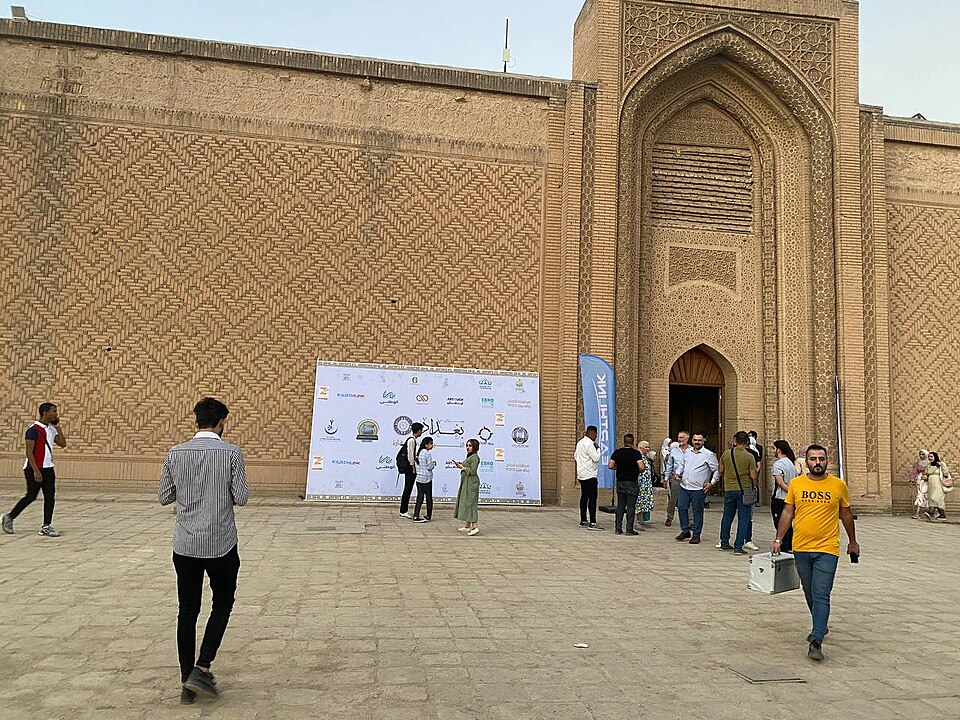
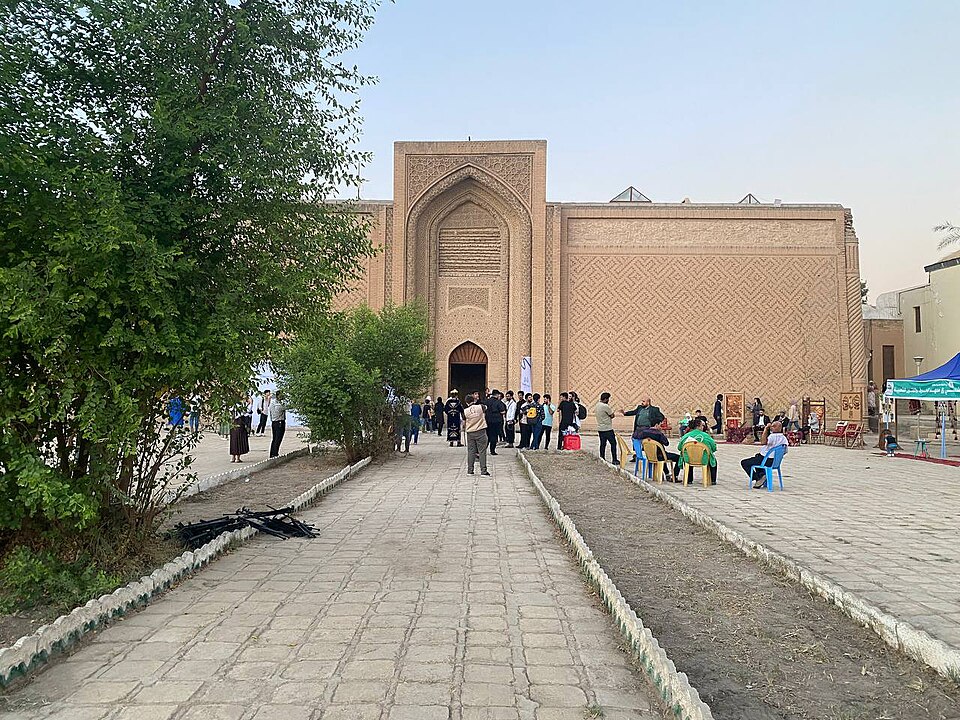
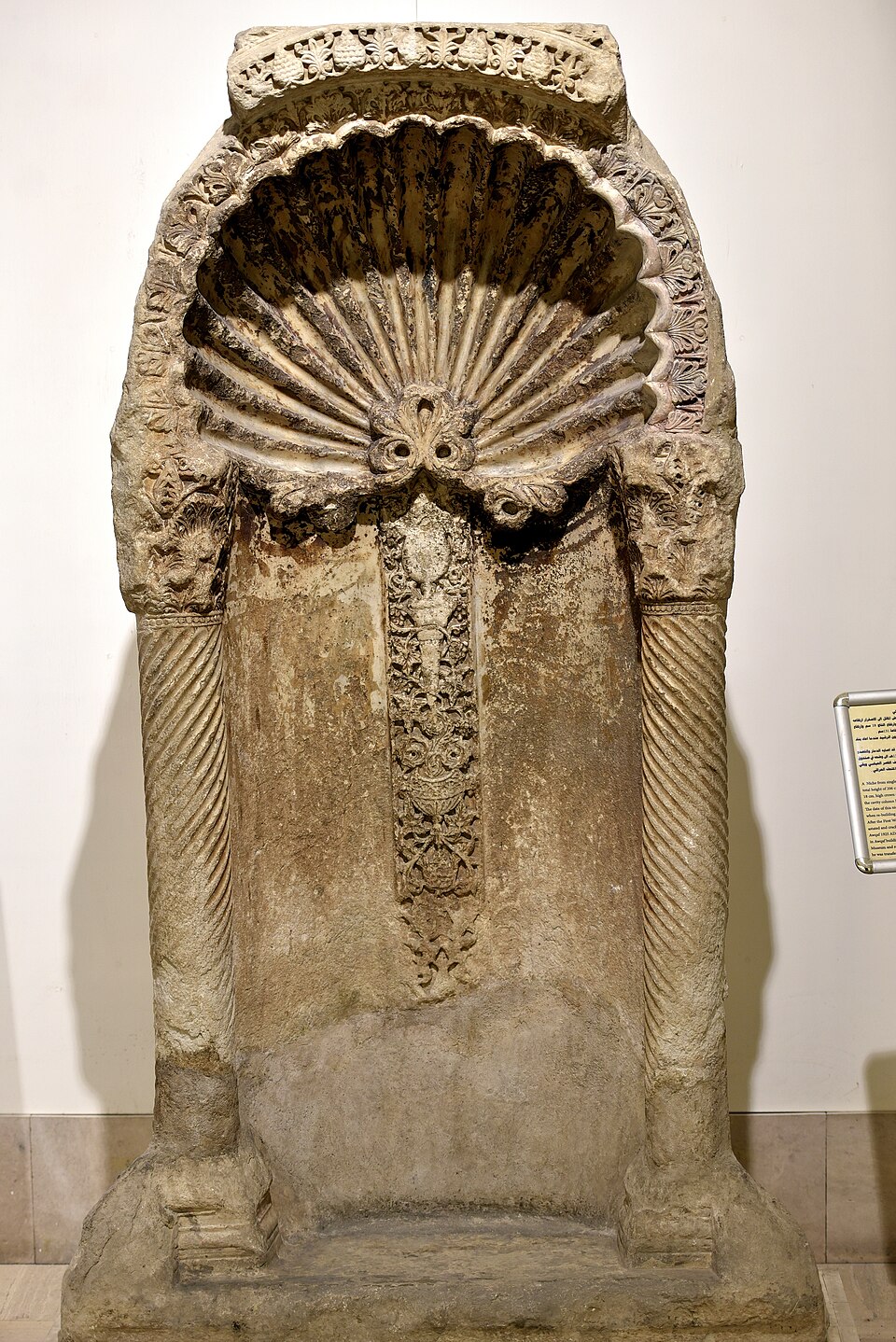
One Abbasid palace survives in Baghdad. Of all the palaces of the Abbasid caliphs, nearly all have vanished, destroyed by time, flood, and war, but one brick palace survives on the eastern bank of the Tigris, the building known today as the Abbasid Palace, a structure of the late Abbasid period, the twelfth or thirteenth century, the last standing palatial monument of the dynasty, the Abbasid Palace the surviving jewel of the caliphal Baghdad, the one palace that endures from the age of the caliphs.
The surviving palace dates from the dynasty’s last age: the Abbasid Palace built in the late period of the caliphate, likely under al-Nasir or al-Mustansir in the twelfth or thirteenth century, the building a residence or a school of the late Abbasid Baghdad, the palace the survivor of the final age of the dynasty, the Abbasid Palace the monument of the twilight of the caliphate, the building that endured when the greater palaces of the golden age had vanished, the surviving jewel of late Abbasid Baghdad.
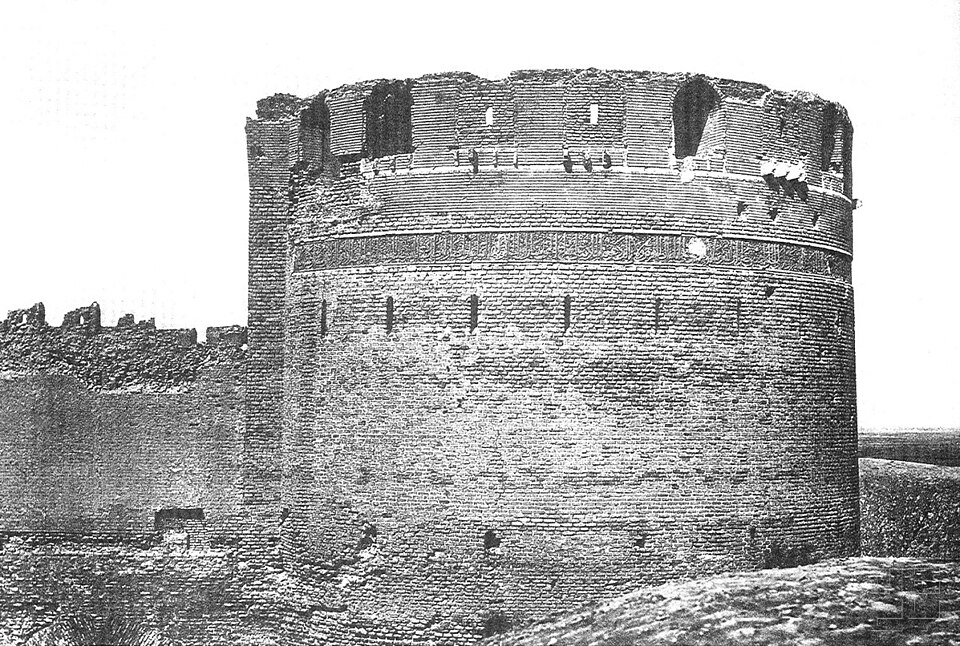
Its survival is a miracle of endurance: the Abbasid Palace surviving the Mongol destruction, the centuries of flood and neglect, the wars and the changes of the city, the building enduring as the last witness of the Abbasid architecture in Baghdad, the palace the miraculous survivor, the Abbasid Palace the one standing monument of the dynasty in its own capital, the building that carries alone the memory of the palatial splendor of the city of the caliphs.
The Architecture of the Palace
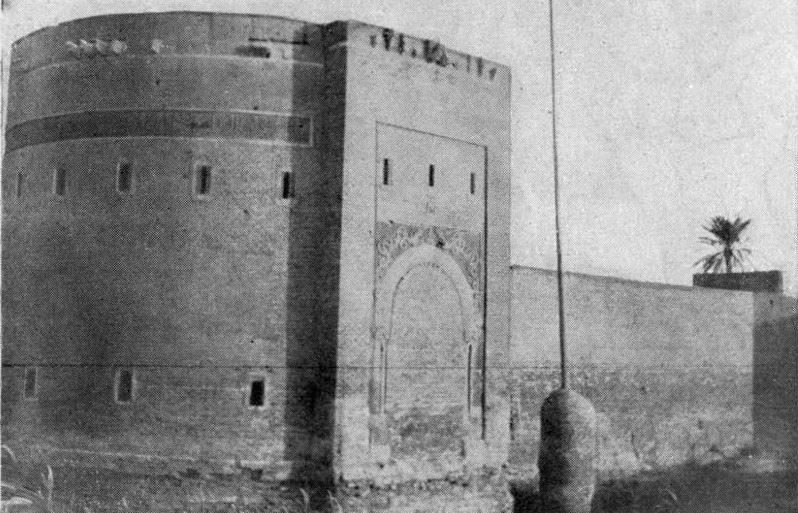
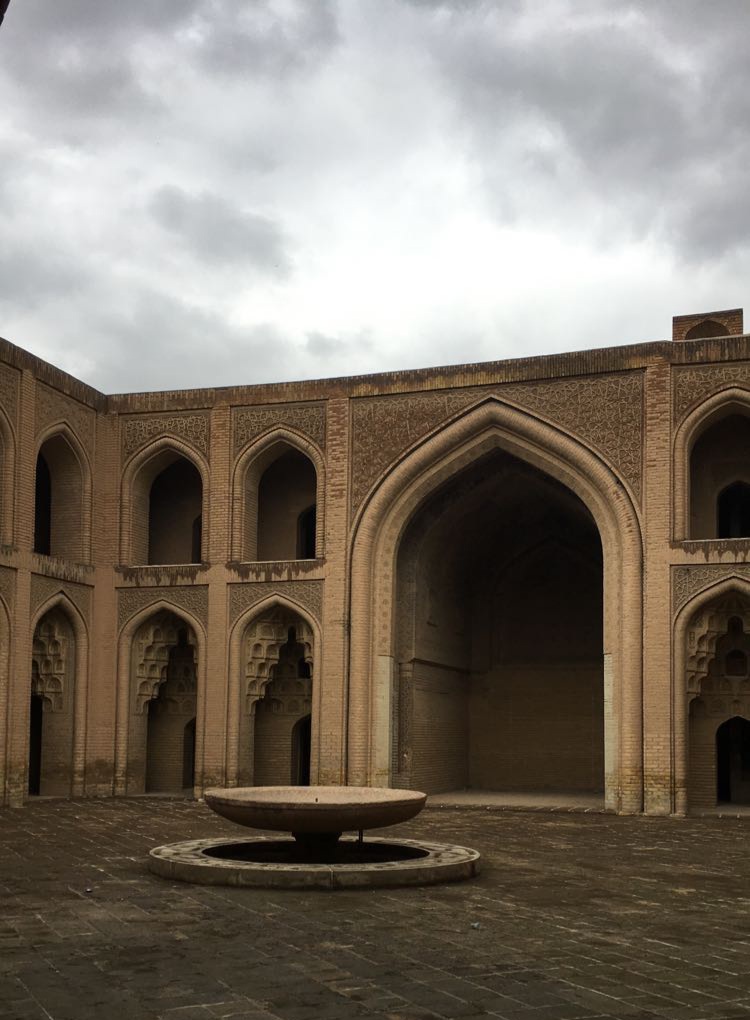
The Abbasid Palace is a masterpiece of brick. The surviving palace, built of the fine brick of Mesopotamia, is arranged around a great courtyard, with two storeys of arcades, iwans opening onto the court, and rooms behind the arcades, the palace a masterpiece of the Abbasid brick architecture, the building a jewel of the courtyard plan, the Abbasid Palace the showcase of the late Abbasid craft, the brick structure the glory of the surviving caliphal architecture of Baghdad.
The courtyard is the heart of the palace: the great court, surrounded by the two-storey arcades and the iwans, the center of the building, the courtyard the private world of the palace, the court the focus of the arrangement, the courtyard the heart of the Abbasid Palace, the great court the setting of the building’s life, the courtyard the jewel of the brick architecture, the heart of the surviving palace of the caliphs.
The brickwork is of the finest craft: the palace built and decorated with the fine brick of Baghdad, the walls, the arches, and the vaults worked in the brick that was the glory of the Mesopotamian building, the brickwork a masterpiece of the Abbasid craft, the building a jewel of the brick architecture, the Abbasid Palace the showcase of the Mesopotamian brick tradition, the fine brickwork the glory of the surviving palace, the craft the treasure of the Abbasid architecture of Baghdad.
The Muqarnas and the Iwan
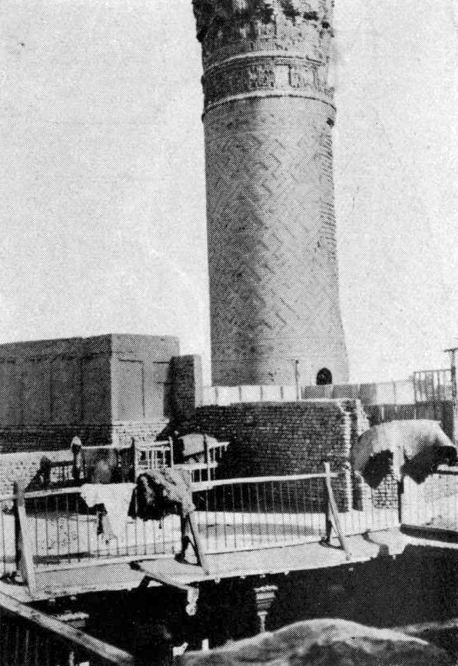
The palace is famous for its muqarnas vaulting. The great iwan of the Abbasid Palace is crowned by a magnificent muqarnas vault, the honeycomb of brick cells that is one of the glories of Islamic architecture, the muqarnas of the palace a masterpiece of the brick craft, the vault a jewel of the Abbasid decoration, the muqarnas the famous feature of the surviving palace, the honeycomb vault the glory of the Abbasid Palace, the muqarnas the treasure of the caliphal architecture of Baghdad.
The muqarnas is a marvel of brick geometry: the vault built up of countless small brick cells in tier upon tier, the honeycomb descending from the ceiling in a cascade of geometric forms, the muqarnas a masterpiece of the mathematical and the decorative craft, the vault a jewel of the Abbasid architecture, the muqarnas the marvel of the palace, the honeycomb vault the glory of the brick craft, the muqarnas the treasure of the Abbasid Palace of Baghdad.
The iwan opens the palace to the court: the great vaulted hall, open on one side to the courtyard, the ceremonial and the living heart of the palace, the iwan crowned by its muqarnas, the hall facing the court the focus of the building, the iwan the ceremonial heart of the Abbasid Palace, the vaulted hall the jewel of the architecture, the iwan the glory of the surviving palace, the hall the splendor of the caliphal Baghdad.
The Mustansiriya Nearby
Near the palace stands the Mustansiriya. The Mustansiriya Madrasa, one of the oldest universities in the world, was founded in 1227 by the caliph al-Mustansir on the bank of the Tigris near the Abbasid Palace, the madrasa a great brick building around a courtyard, the Mustansiriya a masterpiece of the late Abbasid architecture and a monument of the Abbasid learning, the madrasa the sister monument of the Abbasid Palace, the Mustansiriya the glory of the late Abbasid Baghdad on the Tigris.
The Mustansiriya was a great university: the madrasa teaching the four schools of law, medicine, mathematics, and the sciences, the Mustansiriya one of the foremost centers of learning of the medieval Islamic world, the madrasa a monument of the Abbasid devotion to knowledge, the Mustansiriya the great university of late Abbasid Baghdad, the madrasa the heir of the tradition of the House of Wisdom, the Mustansiriya the glory of the learning of the city on the Tigris.
The two monuments are the survivors of Abbasid Baghdad: the Abbasid Palace and the Mustansiriya, both brick masterpieces of the late Abbasid age on the bank of the Tigris, the two buildings the chief survivors of the caliphal architecture of Baghdad, the monuments the witnesses of the splendor and the learning of the Abbasid city, the palace and the madrasa the jewels of the surviving Abbasid Baghdad, the two monuments the memory of the city of the caliphs on the Tigris.
The Catastrophe of 1258
Baghdad fell to the Mongols in 1258. The catastrophe that ended the Abbasid caliphate came in 1258, when the Mongol army of Hulagu Khan besieged and took Baghdad, the city sacked, its people massacred, its palaces burned, its libraries destroyed, the Tigris said to have run black with the ink of the books thrown into it and red with the blood of the slain, the fall of Baghdad one of the greatest catastrophes of history, the end of the golden age of the city of the caliphs.
The destruction was total: the Mongols sacking Baghdad for days, the palaces of the caliphs burned, the House of Wisdom and the libraries destroyed, the last Abbasid caliph al-Mustasim put to death, the population slaughtered in numbers beyond counting, the City of Peace reduced to ruin, the fall of Baghdad the end of five centuries of Abbasid splendor, the catastrophe of 1258 the destruction of the greatest city of the medieval world, the end of the golden age.
The loss to civilization was incalculable: the destruction of the libraries of Baghdad, the burning of countless books, the slaughter of the scholars, a wound in the knowledge of humanity, the fall of Baghdad the end of the Abbasid golden age of learning, the catastrophe of 1258 a loss mourned ever since, the destruction of the City of Peace the greatest cultural catastrophe of the age, the end of the Baghdad of the caliphs and the House of Wisdom.
Rediscovery and Restoration
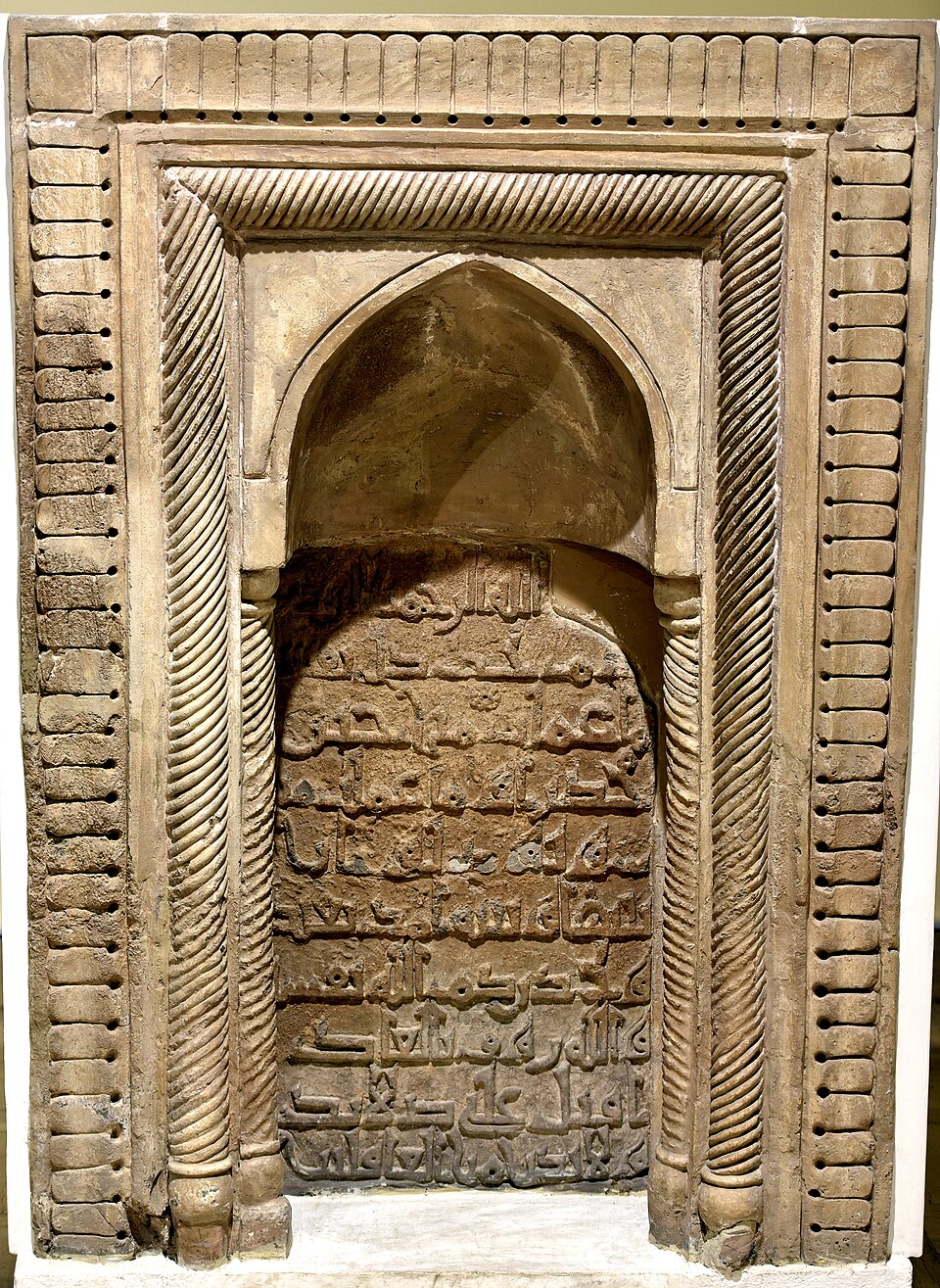
The Abbasid Palace was rediscovered and restored. In the modern age, the surviving Abbasid Palace was studied, excavated, and restored, the building recognized as the last standing palatial monument of the Abbasid dynasty, the palace cleared, repaired, and opened as a monument of the heritage of Baghdad, the restoration the recovery of the jewel of the caliphal architecture, the Abbasid Palace restored as the treasure of the city, the building the recovered memory of the golden age of Baghdad.
The restoration revealed the palace’s splendor: the clearing and the repair of the building uncovering the courtyard, the arcades, the iwan, and the muqarnas vault, the palace revealed as a masterpiece of the Abbasid brick architecture, the restoration the recovery of the building’s glory, the Abbasid Palace restored as a monument and a museum, the building the showcase of the late Abbasid craft, the restoration the recovery of the jewel of caliphal Baghdad.
The palace became a monument of the heritage: the restored Abbasid Palace opened as one of the treasures of Baghdad, the building a monument of the Abbasid heritage and the golden age, the palace the destination for those who seek the memory of the city of the caliphs, the Abbasid Palace the jewel of the surviving caliphal architecture, the building the monument of the Abbasid Baghdad, the palace the recovered treasure of the City of Peace.
The Abbasid Palace Today
The Abbasid Palace today stands as the last witness of caliphal Baghdad, the one surviving palatial monument of the dynasty that made the city the greatest on earth, the brick masterpiece of the courtyard, the iwan, and the muqarnas on the bank of the Tigris, the Abbasid Palace the jewel that carries the memory of the golden age, the building the surviving splendor of the city of Harun al-Rashid and the House of Wisdom, the Abbasid Palace the enduring monument of the caliphal Baghdad.
The palace endures as the memory of the golden age: the building, surviving the Mongol catastrophe and the centuries, standing as the last witness of the Abbasid splendor, the Abbasid Palace the monument that carries alone the memory of the city of the caliphs, the building the jewel of the surviving caliphal Baghdad, the palace the enduring symbol of the golden age, the Abbasid Palace the treasure of the Baghdad of legend on the Tigris.
The Abbasid Palace opens the Iraqi series on the splendor of Mesopotamia, the last standing palace of the caliphs, the brick masterpiece of the city of the golden age, the jewel of the Baghdad of Harun al-Rashid and the House of Wisdom, the Abbasid Palace the surviving monument of the greatest city of the medieval world, the building the memory of the City of Peace, the Abbasid Palace the enduring splendor of the caliphal Baghdad on the banks of the Tigris.
Watch the Abbasid Palace of Baghdad on Film
Visiting the Abbasid Palace Today
The Abbasid Palace stands on the eastern bank of the Tigris in central Baghdad, the capital of Iraq, near the Mustansiriya Madrasa in the old heart of the city; the palace, a brick monument of courtyard, arcades, iwan, and muqarnas vault, is visited as one of the chief surviving monuments of the Abbasid age, the last standing palace of the caliphs. Travel to Iraq and access to the sites depend on the security and the political situation, which has varied greatly through the years, so current conditions and access should be carefully checked before any visit; Baghdad and its Abbasid monuments are among the supreme treasures of the Islamic heritage. You can find the palace on the map here: Abbasid Palace of Baghdad on Google Maps.
Palaces Nearby
You May Like
Izmaylovo and the Island Estate Where Peter Found His Boat