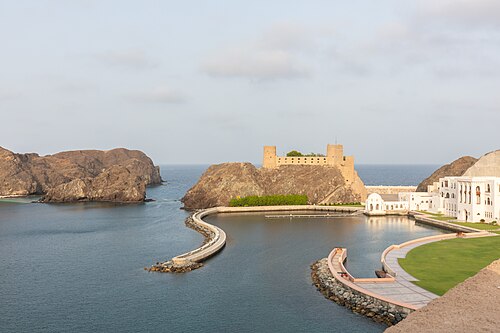
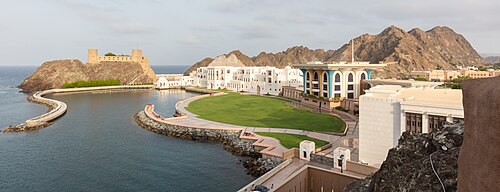
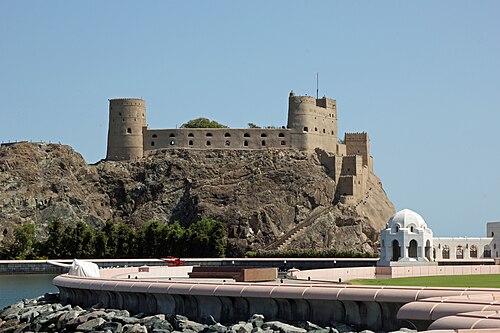
Guarding the harbor of Old Muscat, rising on the rocky heights on either side of the cove, stand two ancient forts, Mirani and Jalali, the Portuguese strongholds that have watched over the port of the Omani capital for more than four centuries. The two forts, built by the Portuguese to hold their colony and later the bastions of the Omani Sultans, flank the Al Alam Palace and crown the dramatic landscape of Old Muscat, Mirani and Jalali the guardians of the harbor, the historic forts of the capital of Oman.
The forts of Mirani and Jalali are the guardians of Muscat. Built by the Portuguese in the sixteenth century to defend their stronghold at Muscat, the two forts command the entrance to the harbor from their rocky heights, the strongholds the key to the defense of the port, Mirani and Jalali the twin fortresses of the harbor, the historic guardians of the capital, the forts that crown the dramatic coast of Old Muscat.
This article continues the Omani palace series, turning to the forts of Mirani and Jalali of Muscat harbour, the Portuguese strongholds that guard the port of the Omani capital, the twin fortresses on the rocky heights, Mirani and Jalali the guardians of the harbor, the historic forts that flank the palace and crown the coast of Old Muscat.
- The Forts of Muscat Harbour
- The Portuguese in Oman
- Mirani Fort
- Jalali Fort
- The Guardians of the Harbor
- The Portuguese Construction
- The Fall of Portuguese Muscat
- The Omani Reconquest
- The Legend of the Merchant
- The Rocks and the Sea
- Jalali as a Prison
- The Forts and the Palace
- The Forts Today
- Watch on Film
- Visiting Today
- Palaces Nearby
The Forts of Muscat Harbour
Mirani and Jalali guard the harbor of Muscat. The two forts rise on the rocky heights on either side of the cove of Old Muscat, commanding the entrance to the harbor and the port below, the forts the twin guardians of the capital, Mirani and Jalali the strongholds of the harbor, the fortresses on the rocks that command the port of Old Muscat on the coast of Oman.
The forts command the harbor entrance: Mirani and Jalali, from their rocky heights, commanding the entrance to the harbor of Muscat, the forts the masters of the approach, the strongholds the key to the port, the twin fortresses the guardians of the entrance, Mirani and Jalali the forts that command the harbor of Old Muscat on the coast of Oman.
The forts crown the dramatic coast: Mirani and Jalali rising on the steep rocks of the cove, the forts crowning the dramatic landscape of Old Muscat, the strongholds the crowns of the heights, the forts the landmarks of the harbor, Mirani and Jalali the fortresses that crown the rocky coast, the guardians of the harbor of the capital of Oman.
The Portuguese in Oman
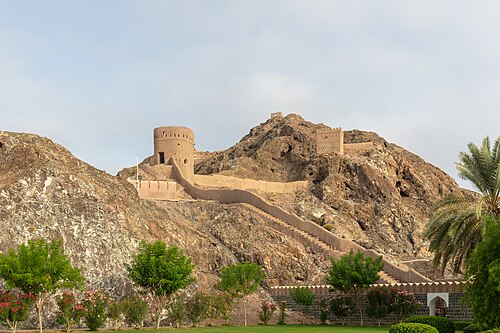
The forts were built by the Portuguese. In the sixteenth century, the Portuguese, in their drive to control the trade of the Indian Ocean, seized Muscat and the coast of Oman, building the forts of Mirani and Jalali to hold their stronghold and defend the harbor, the Portuguese the builders of the forts, the colonizers whose strongholds crown Muscat, the forts the monuments of the Portuguese age in Oman.
The Portuguese sought the Indian Ocean trade: the Portuguese, in their empire of the trade of the Indian Ocean, seizing the ports of the coast of Arabia and India, Muscat among their strongholds, the Portuguese the masters of the sea routes, the colonizers the builders of the forts, the Portuguese whose drive for the trade brought them to Muscat and raised the forts of Mirani and Jalali.
Muscat was a Portuguese stronghold: Muscat, held by the Portuguese for over a century, one of the strongholds of their empire of the Indian Ocean, the port the colony of the Portuguese, the town the stronghold of the colonizers, Muscat the Portuguese port, the harbor whose forts of Mirani and Jalali the Portuguese built to defend their colony in Oman.
Mirani Fort
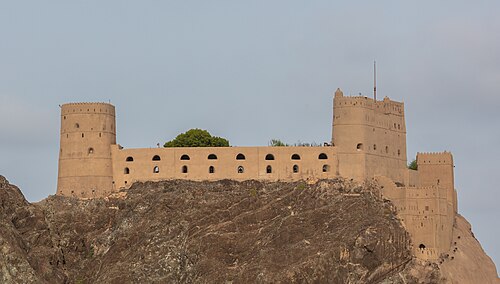
Mirani is the fort on the western height. Al-Mirani, the fort on the western side of the harbor of Muscat, was built by the Portuguese in the late sixteenth century as the chief stronghold of the port, the fort the great bastion of the harbor, Mirani the western fort, the stronghold on the rock that commands the port of Old Muscat on the coast of Oman.
Mirani was the chief stronghold: Al-Mirani the principal fort of the Portuguese and later the Omani defense of Muscat, the stronghold the great bastion of the harbor, the fort the chief defense of the port, Mirani the main fortress, the stronghold whose guns commanded the harbor and the town of Old Muscat.
Mirani commands the harbor: Al-Mirani, on its western height, commanding the harbor, the town, and the approach, the fort the master of the port, the stronghold the guardian of the harbor, Mirani the fort that commands the cove, the western stronghold whose guns watch over the harbor of Old Muscat on the coast of Oman.
Jalali Fort
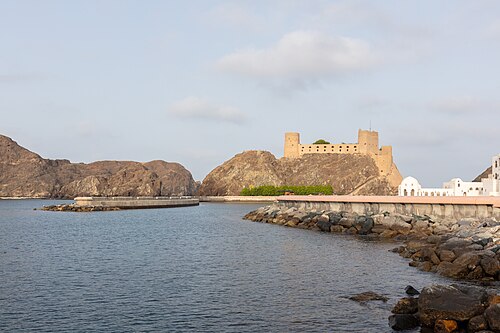
Jalali is the fort on the eastern height. Al-Jalali, the fort on the eastern side of the harbor of Muscat, was built by the Portuguese around the same time as Mirani, the fort the eastern bastion of the harbor, Jalali the eastern stronghold, the fort on the rock that guards the other side of the port of Old Muscat on the coast of Oman.
Jalali guards the eastern side: Al-Jalali, on its eastern height, guarding the eastern side of the harbor and the approach, the fort the bastion of the eastern rock, the stronghold the guardian of the other flank, Jalali the eastern fort, the stronghold whose guns command the harbor from the eastern height of Old Muscat.
Jalali and Mirani are a pair: Al-Jalali and Al-Mirani, on either side of the harbor, a pair of strongholds that together command the entrance and the port, the two forts the twin guardians, the pair the defense of the harbor, Jalali and Mirani the twin fortresses, the pair of strongholds that guard the harbor of Old Muscat on the coast of Oman.
The Guardians of the Harbor
The forts are the guardians of the harbor. Mirani and Jalali, with their guns commanding the entrance and the port from either side, were the chief defense of Muscat against the attack from the sea, the forts the guardians of the harbor, the strongholds the shield of the port, the twin fortresses the defense of Muscat against the fleets and the raiders of the Indian Ocean.
The forts defended against the sea: Mirani and Jalali defending Muscat against the attacks from the sea, the fleets and the raiders who sought the port, the forts the shield of the harbor, the strongholds the defense against the ships, the twin fortresses the guardians against the sea, the forts that protected Muscat from the attacks from the water.
The forts controlled the entrance: Mirani and Jalali, with their guns, controlling the entrance to the harbor of Muscat, the forts the masters of the approach, the strongholds the keys to the port, the twin fortresses the controllers of the entrance, the forts whose guns could close or open the harbor of Old Muscat to the ships of the sea.
The Portuguese Construction
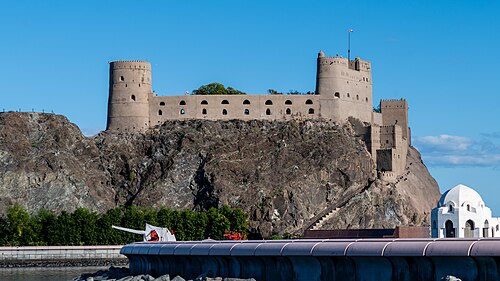
The forts are works of Portuguese military architecture. Mirani and Jalali were built in the style of the Portuguese fortresses of the Indian Ocean, with their bastions, their walls, their gun positions, and their batteries adapted to the rocky heights, the forts the works of the Portuguese engineers, the strongholds the examples of the colonial military architecture, Mirani and Jalali the Portuguese fortresses of Muscat harbour.
The forts were adapted to the rocks: Mirani and Jalali built to follow the form of the rocky heights, the walls and the batteries shaped to the cliffs, the forts the strongholds of the rock, the fortresses adapted to the terrain, the forts the works shaped to the heights, Mirani and Jalali the strongholds built upon the rocks of the harbor of Old Muscat.
The forts were strongholds of the Portuguese empire: Mirani and Jalali part of the chain of fortresses by which the Portuguese held their empire of the Indian Ocean, the forts the strongholds of the colonial power, the fortresses the links in the chain of the empire, the forts the monuments of the Portuguese power, Mirani and Jalali the strongholds of the empire at Muscat in Oman.
The Fall of Portuguese Muscat
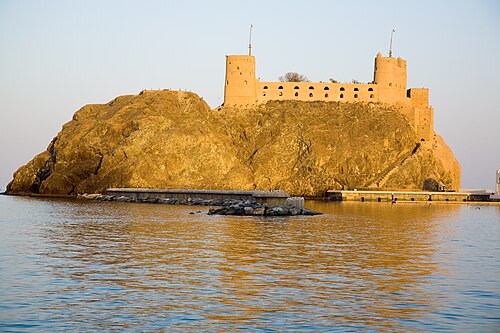
The Portuguese held Muscat until 1650. The Portuguese held Muscat and its forts for over a century, until the Omanis, under the Ya’ariba imams, drove them out in 1650, the fall of Portuguese Muscat the triumph of the Omani liberation, the end of the colonial rule, the forts passing to the Omanis, the fall of 1650 the end of the Portuguese age at Muscat in Oman.
The Omanis drove out the Portuguese: the Omanis, under the Ya’ariba imam Sultan bin Saif, driving the Portuguese from Muscat in 1650, the Omanis the liberators of the port, the imams the expellers of the colonizers, the Omanis the victors who took the forts, the liberation of 1650 the triumph of Oman over the Portuguese at Muscat.
The fall ended the colonial age: the expulsion of the Portuguese from Muscat in 1650 ending the colonial age and beginning the rise of Oman as a sea power, the fall the end of the colony, the liberation the dawn of the Omani greatness, the fall of 1650 the turning point that freed Muscat and gave the forts of Mirani and Jalali to Oman.
The Omani Reconquest
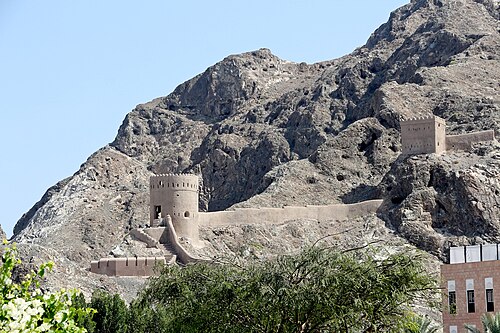
The Omanis took the forts and rose as a sea power. After the expulsion of the Portuguese, the Omanis took the forts of Mirani and Jalali and rose as a great naval power of the Indian Ocean, building an empire that reached to East Africa and the coast of India, the forts the bastions of the Omani power, the strongholds the base of the sea empire, Mirani and Jalali the forts of the rising Oman.
Oman rose as a naval power: Oman, after the liberation of Muscat, rising as a great naval and commercial power of the Indian Ocean, the Omani fleet driving the Portuguese from their strongholds and building an empire, the forts the bastions of the sea power, Mirani and Jalali the strongholds of the rising Oman, the forts of the empire of the Indian Ocean.
The forts became Omani strongholds: Mirani and Jalali, taken from the Portuguese, becoming the bastions of the Omani Sultans, the forts the strongholds of the Omani power at Muscat, the fortresses the defenses of the capital, the forts the guardians of the port under the Omanis, Mirani and Jalali the strongholds of Oman at the harbor of Muscat.
The Legend of the Merchant
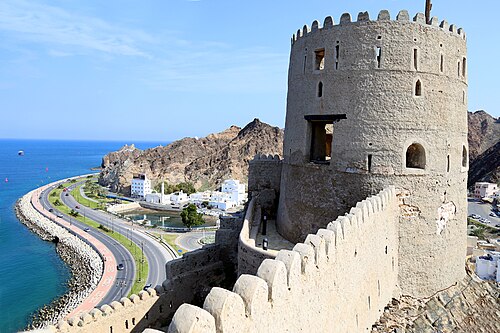
A famous legend surrounds the fall of Mirani. By tradition, the fall of Portuguese Muscat is linked to a legend of the commander of Mirani and a Hindu merchant, Narutem, who, promised the hand of the merchant’s daughter, was persuaded to let the fort’s stores of powder and food run down before the wedding, so that the fort was weak when the Omanis attacked, the legend the famous tale of the fall of Mirani, the story of the merchant and the commander.
The merchant tricked the commander: the legend telling how the merchant Narutem, to avoid giving his daughter to the Portuguese commander, advised him to clear out the old stores of powder and provisions before the wedding, leaving the fort unprovisioned, the trick the ruse of the merchant, the legend the tale of the cunning that weakened Mirani before the Omani attack.
The legend explains the fall: the tale of the merchant and the commander explaining, in the tradition, how the fort of Mirani was caught unprepared and fell to the Omanis, the legend the famous story of the fall, the tale the lore of the liberation, the legend the romantic explanation of the fall of Mirani and the end of Portuguese Muscat in the folklore of Oman.
The Rocks and the Sea
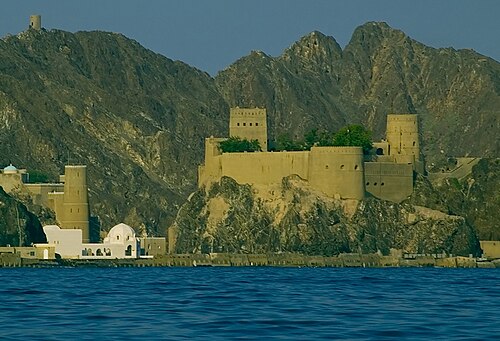
The forts rise from the rocks above the sea. Mirani and Jalali crown the steep rocky heights that rise straight from the sea on either side of the harbor of Muscat, the forts the strongholds of the cliffs, the rocks the dramatic base of the fortresses, the sea the frame of the forts, the rocks and the sea the magnificent setting of Mirani and Jalali at the harbor of Old Muscat.
The rocks make the forts strongholds: the steep rocky heights of Mirani and Jalali making the forts natural strongholds, the cliffs the defense of the fortresses, the rocks the base of the strength, the heights the natural fortresses, the rocks the ally of the defense, the cliffs the strength of Mirani and Jalali above the harbor of Old Muscat.
The setting is dramatic and beautiful: Mirani and Jalali, on their rocks above the sea, set in the dramatic and beautiful landscape of the cove of Old Muscat, the forts the crowns of the heights, the rocks and the sea the magnificent frame, the setting the drama of the forts, the rocks and the water the beautiful setting of the fortresses of Muscat harbour.
Jalali as a Prison
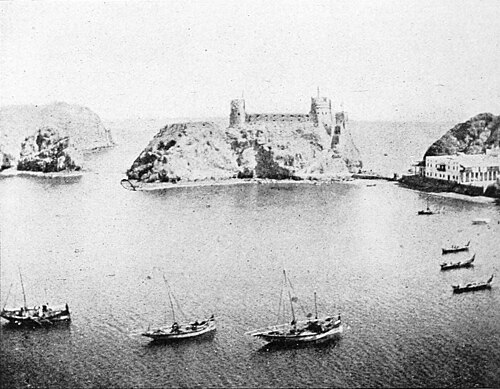
Jalali served for a time as a prison. The fort of Al-Jalali, in the later age, served as the chief prison of Oman, the stronghold on its rock holding the prisoners of the state, the fort the famous prison of Muscat, Jalali the prison fortress, the stronghold that served as the jail of the country before it was restored as a monument of the heritage.
The fort held the prisoners of the state: Al-Jalali, as a prison, holding the prisoners of the state on its rock above the sea, the fort the jail of Muscat, the stronghold the prison of the country, the fort the famous jail, Jalali the prison fortress, the stronghold that served as the prison of Oman in the later age.
The prison was closed and the fort restored: Al-Jalali, after its age as a prison, closed as a jail and restored as a monument and a museum of the Omani heritage, the fort the restored stronghold, the prison the fortress given new life, Jalali the restored fort, the stronghold that passed from the prison to the monument of the heritage of Muscat in Oman.
The Forts and the Palace
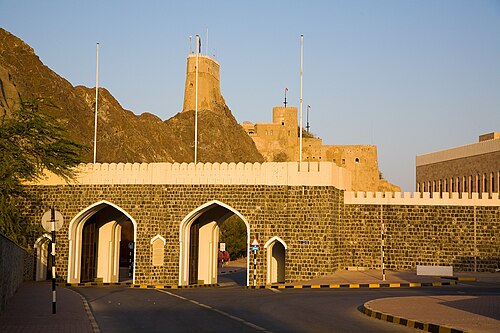
The forts flank the Al Alam Palace. Mirani and Jalali rise on either side of the harbor, flanking the Al Alam Palace of the Sultan, the two historic forts and the modern palace forming the dramatic heart of Old Muscat, the forts the guardians beside the palace, the strongholds the flanks of the ceremonial seat, Mirani and Jalali the historic guardians of the palace of the Sultan of Oman.
The forts and the palace form one scene: Mirani and Jalali and the Al Alam Palace together forming the dramatic and famous scene of Old Muscat, the forts the historic flanks and the palace the ceremonial heart, the three the heart of the old city, the forts and the palace the united scene, Mirani and Jalali the guardians of the ceremonial palace of the Sultan in Muscat.
The forts guard the royal heart: Mirani and Jalali, flanking the Al Alam Palace, guarding the royal and the ceremonial heart of Old Muscat, the forts the historic guardians of the palace, the strongholds the flanks of the royal seat, the forts the sentinels beside the ceremonial palace, Mirani and Jalali the guardians of the royal heart of the capital of Oman.
The Forts Today
Mirani and Jalali today stand as the guardians of Old Muscat, the Portuguese forts on the rocky heights that have watched over the harbor for more than four centuries, the strongholds of the colonial age and the Omani Sultans, the forts that flank the Al Alam Palace, Mirani and Jalali the historic guardians of the capital, the enduring fortresses of the harbor of Muscat in Oman.
The forts endure as the guardians of the harbor: Mirani and Jalali, restored and preserved, standing as the enduring guardians and the symbols of the harbor of Old Muscat, the forts the historic strongholds, the fortresses the crowns of the rocks, Mirani and Jalali the enduring guardians, the forts that have watched over the harbor of the capital of Oman for centuries.
Mirani and Jalali continue the Omani palace series, the Portuguese forts that guard the harbor of Old Muscat, the strongholds on the rocky heights that flank the Al Alam Palace, the twin fortresses of the colonial age and the Omani Sultans, Mirani and Jalali the guardians of the harbor, the historic forts that crown the dramatic coast of the capital of Oman.
Watch the Forts of Muscat on Film
Visiting the Forts of Muscat Today
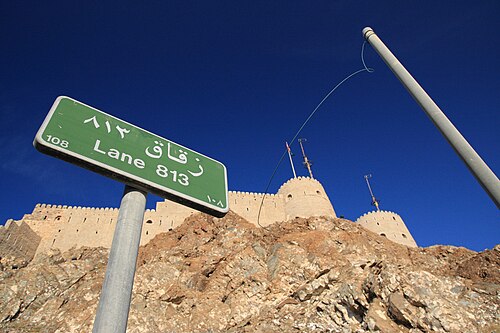
The forts of Mirani and Jalali stand on the rocky heights on either side of the harbor of Old Muscat, the historic walled city of the capital of Oman, flanking the Al Alam Palace; the forts, working military and heritage sites, are admired above all from the harbor, the corniche, and the palace forecourt for their dramatic position on the cliffs, and access inside depends on official arrangements. Travel in Oman is generally safe and accessible, and Old Muscat with its forts and palace is a chief sight of the capital; current conditions and any access arrangements should be checked before a visit. You can find the forts on the map here: Mirani and Jalali Forts on Google Maps.


