In the heart of modern Abu Dhabi, surrounded by the glittering towers of one of the world’s richest cities, stands a white fort that is the oldest building in the city and the birthplace of the capital of the United Arab Emirates, Qasr Al Hosn. The fort, which began as a simple watchtower guarding a precious well of fresh water and grew into the palace and the seat of the ruling Al Nahyan family, is the cradle of Abu Dhabi, Qasr Al Hosn the White Fort, the historic heart of the Emirati capital.
Qasr Al Hosn is the oldest and most storied building of Abu Dhabi. From the watchtower raised in the eighteenth century to guard the island’s water, the fort grew into the stronghold, the palace, and the seat of government of the rulers of Abu Dhabi, the building the witness of the whole history of the city from the pearling age to the oil age, Qasr Al Hosn the White Fort, the cradle of Abu Dhabi and the United Arab Emirates.
This article continues the palace series in the United Arab Emirates, the next country along the Arabian Peninsula, beginning with Qasr Al Hosn, the White Fort of Abu Dhabi, the oldest building and the birthplace of the city, the watchtower that became the palace of the Al Nahyan, Qasr Al Hosn the historic heart of the capital of the Emirates.
- The Oldest Building of Abu Dhabi
- The Watchtower by the Sea
- The Al Nahyan Dynasty
- The White Fort
- The Discovery of Water
- The Inner Fort and the Palace
- The Seat of the Rulers
- The Oil Age
- The Cultural Foundation
- The House of Documents
- The Restoration
- A Symbol of Abu Dhabi
- Qasr Al Hosn Today
- Watch on Film
- Visiting Today
- Palaces Nearby
The Oldest Building of Abu Dhabi
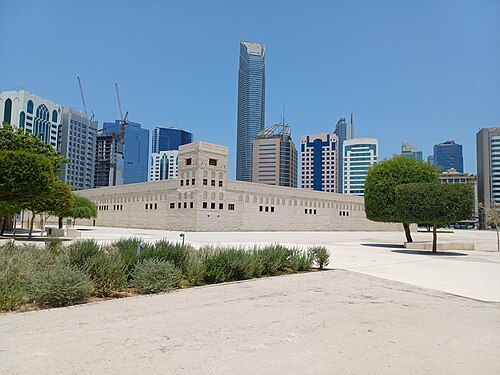
Qasr Al Hosn is the oldest building in Abu Dhabi. The fort is the oldest stone building in the city, the structure around which the capital of the United Arab Emirates grew, the building the witness of the whole history of Abu Dhabi, Qasr Al Hosn the oldest building, the historic core of the city, the fort around which the modern metropolis of the Emirati capital has risen.
The fort is the core of the city: Qasr Al Hosn, the oldest building, the historic core around which Abu Dhabi grew from a small settlement into a great city, the fort the heart of the old town, the stronghold the origin of the capital, Qasr Al Hosn the core of the city, the building whose growth the modern Abu Dhabi has risen around.
The fort witnessed the whole history: Qasr Al Hosn the building that witnessed the whole history of Abu Dhabi, from the pearling and the fishing of the early days to the oil wealth and the modern metropolis, the fort the witness of the ages, the stronghold the record of the history, Qasr Al Hosn the oldest building and the witness of the transformation of Abu Dhabi.
The Watchtower by the Sea
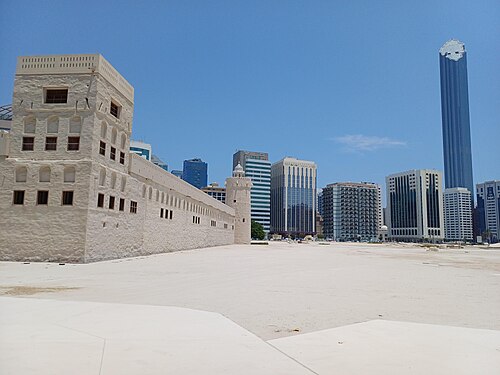
Qasr Al Hosn began as a watchtower. The fort had its origin in a simple round watchtower, raised in the eighteenth century on the island of Abu Dhabi to guard the settlement and the precious well of fresh water, the watchtower the seed of the fort, the round tower the origin of Qasr Al Hosn, the first building of the stronghold that would become the palace of Abu Dhabi.
The tower guarded the settlement: the watchtower of Abu Dhabi raised to guard the early settlement and the approaches to the island, the tower the lookout over the sea and the land, the round tower the sentinel of the settlement, the watchtower the guardian of the early Abu Dhabi, the round tower that was the first building of Qasr Al Hosn.
The tower grew into the fort: the watchtower of Abu Dhabi growing, over the generations, into the fort and the palace of Qasr Al Hosn, the round tower the seed of the stronghold, the watchtower the origin of the great building, the round tower the first of the structures that would become the White Fort and the palace of the rulers of Abu Dhabi.
The Al Nahyan Dynasty
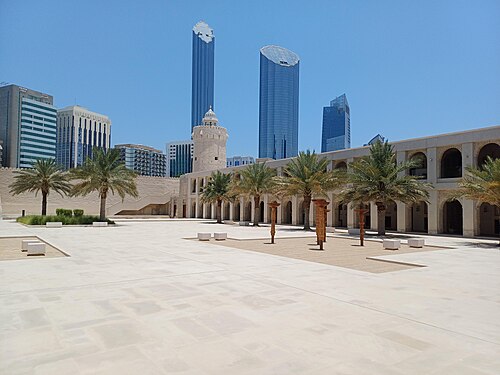
Qasr Al Hosn is the seat of the Al Nahyan. The fort became the stronghold and the palace of the Al Nahyan, the ruling family of Abu Dhabi, the dynasty that has led the emirate from the eighteenth century to the present and that gave the United Arab Emirates its founding president, the Al Nahyan the rulers of Qasr Al Hosn, the dynasty whose seat was the White Fort of Abu Dhabi.
The Al Nahyan ruled from the fort: the Al Nahyan family ruling Abu Dhabi from Qasr Al Hosn, the fort the seat of the dynasty, the palace the home of the rulers, the Al Nahyan the lords of the White Fort, the dynasty whose power and whose history are bound to the stronghold, the rulers whose seat was Qasr Al Hosn in Abu Dhabi.
The dynasty founded the United Arab Emirates: the Al Nahyan, and above all Sheikh Zayed bin Sultan, the founder and first president of the United Arab Emirates, leading the emirate and the federation, the dynasty the founders of the modern state, the Al Nahyan the rulers of Abu Dhabi, the family whose historic seat was the Qasr Al Hosn, the cradle of the Emirates.
The White Fort
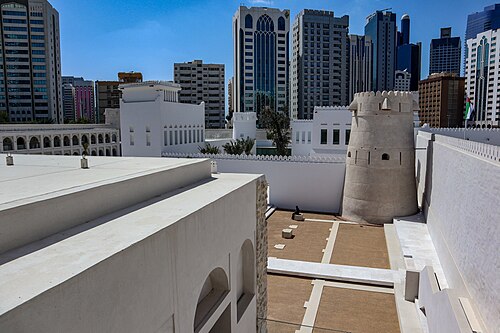
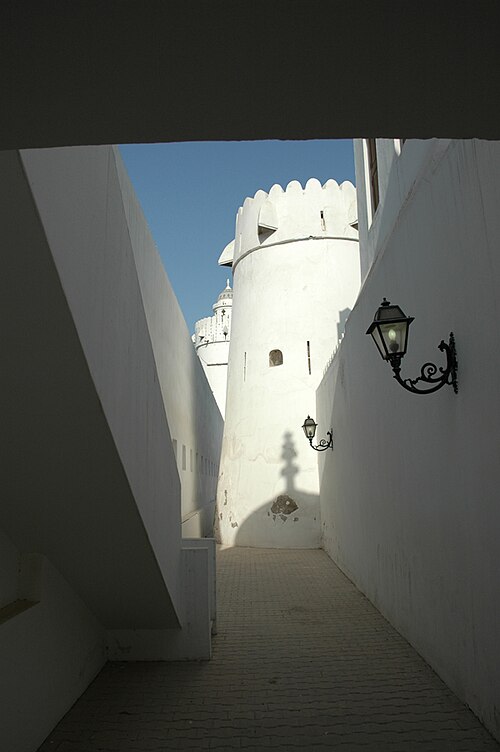
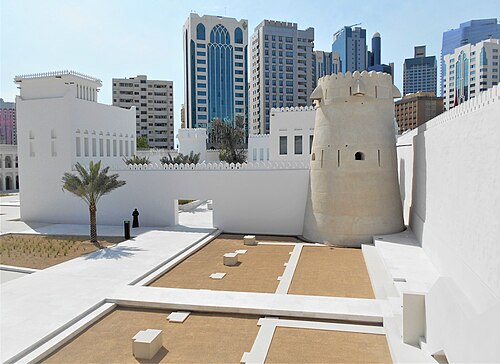
Qasr Al Hosn is known as the White Fort. The building, washed in a brilliant white that gleams against the sky and the towers of the city, is known as the White Fort, the white walls the distinctive and the beautiful face of the stronghold, Qasr Al Hosn the White Fort, the gleaming building of Abu Dhabi, the white palace at the heart of the modern city.
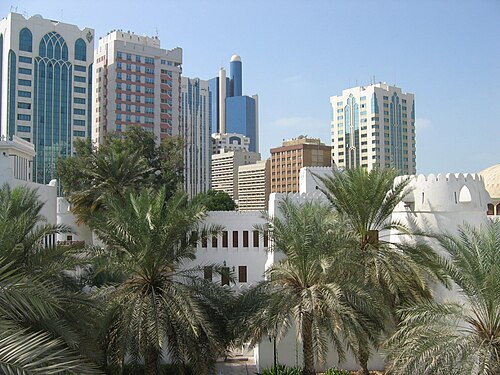
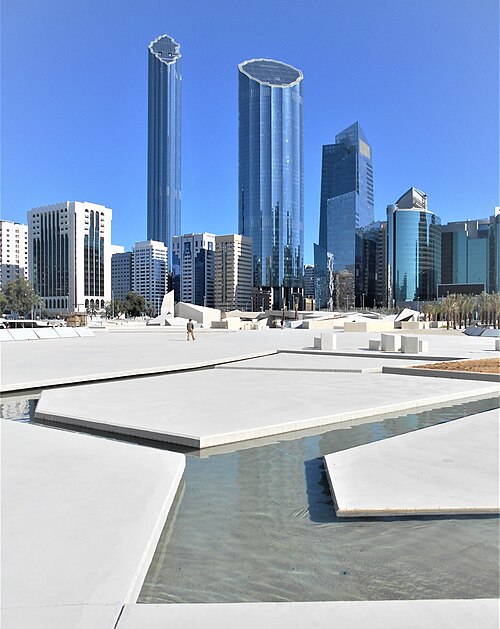
The white walls gleam in the city: the brilliant white of Qasr Al Hosn gleaming against the glass towers of modern Abu Dhabi, the white walls the beauty of the fort, the gleaming building the landmark of the old city, the White Fort the historic jewel among the modern towers, Qasr Al Hosn the white palace at the heart of the Emirati capital.
The white is the signature of the fort: the white of Qasr Al Hosn the signature and the symbol of the building, the white walls the recognized face of the fort, the gleaming surface the mark of the stronghold, the White Fort the name and the symbol, Qasr Al Hosn the white palace that gleams at the heart of Abu Dhabi.
The Discovery of Water
Qasr Al Hosn guarded the water of Abu Dhabi. The fort owed its origin to the discovery of fresh water on the island of Abu Dhabi, the precious well that made the settlement possible, the watchtower raised to guard the water, the well the reason for the fort, the discovery of water the origin of Abu Dhabi and the seed of Qasr Al Hosn.
The water made the settlement possible: the discovery of fresh water on the island of Abu Dhabi making the settlement possible in the dry land, the well the lifeline of the early town, the water the foundation of the settlement, the spring the reason for Abu Dhabi, the water whose discovery founded the city and raised the watchtower of Qasr Al Hosn.
The fort protected the precious well: the watchtower and the fort of Qasr Al Hosn built to guard the precious well of fresh water, the fort the protector of the water, the stronghold the guardian of the lifeline, the fort the defense of the well, Qasr Al Hosn the guardian of the water that made Abu Dhabi possible in the dry land of the Gulf.
The Inner Fort and the Palace
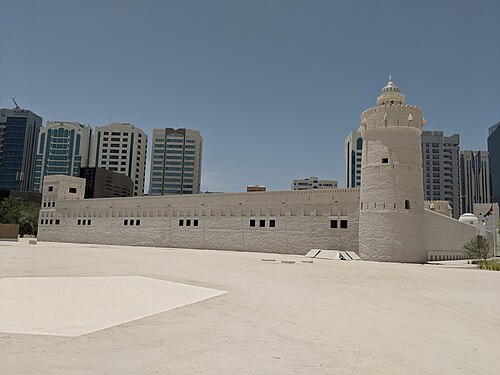
Qasr Al Hosn has an inner fort and an outer palace. The building grew over time into two main parts, the older inner fort, the original stronghold with its towers, and the larger outer palace, added in the twentieth century as the residence and the seat of government, the two parts the structure of Qasr Al Hosn, the inner fort and the outer palace the layers of the history of the White Fort of Abu Dhabi.
The inner fort is the older stronghold: the inner fort of Qasr Al Hosn, with its watchtowers and its walls, the older and the original stronghold, the core the seed of the building, the inner fort the historic heart, the old stronghold the origin of the palace, the inner fort the ancient core of Qasr Al Hosn in Abu Dhabi.
The outer palace was added later: the outer palace of Qasr Al Hosn, the larger building added in the twentieth century, the residence and the seat of government of the rulers, the palace the later addition, the outer building the grand residence, the outer palace the twentieth-century addition that enlarged the White Fort into the seat of the rulers of Abu Dhabi.
The Seat of the Rulers
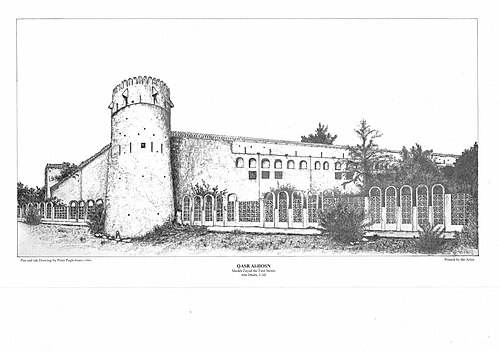
Qasr Al Hosn was the seat of the rulers of Abu Dhabi. The fort was for two centuries the home of the ruling sheikhs, the seat of government, and the center of the life of the emirate, the rulers living and ruling from the White Fort, the building the seat of the power, Qasr Al Hosn the home of the sheikhs, the center of the government of Abu Dhabi through the generations.
The sheikhs ruled from the fort: the ruling sheikhs of Abu Dhabi living in and ruling from Qasr Al Hosn, the fort the seat of the government, the palace the home of the rulers, the sheikhs the lords of the White Fort, the rulers whose home and whose seat of power was Qasr Al Hosn in Abu Dhabi for two centuries.
The fort was the center of the emirate: Qasr Al Hosn the center of the life, the government, and the power of the emirate of Abu Dhabi, the fort the heart of the state, the palace the seat of the rule, the building the center of the emirate, Qasr Al Hosn the heart of Abu Dhabi, the seat of the rulers and the center of the life of the emirate.
The Oil Age
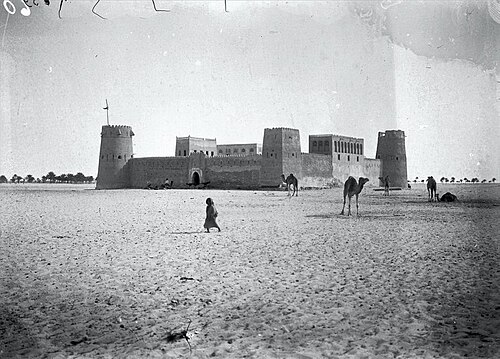
Qasr Al Hosn witnessed the coming of the oil age. The fort, from its walls, witnessed the transformation of Abu Dhabi from a poor settlement of pearling and fishing into one of the richest cities in the world with the discovery of oil in the twentieth century, the fort the witness of the change, Qasr Al Hosn the building that saw the oil age dawn over Abu Dhabi.
The oil transformed Abu Dhabi: the discovery of oil transforming Abu Dhabi from a poor settlement into a city of immense wealth, the emirate the home of great oil riches, the discovery the dawn of the new age, the oil the source of the transformation, the wealth that rose around Qasr Al Hosn as the old pearling town became the modern metropolis of Abu Dhabi.
The fort stood through the transformation: Qasr Al Hosn standing through the transformation of Abu Dhabi, the old fort remaining as the city of towers rose around it, the building the witness of the change, the fort the constant amid the transformation, Qasr Al Hosn the old heart that endured as the modern Abu Dhabi rose around the White Fort.
The Cultural Foundation
Qasr Al Hosn became a cultural center. After the rulers moved to new palaces, the old fort was given a new life as a cultural center, the home of the national archives, the cultural foundation, and the institutions that preserve the heritage of Abu Dhabi, the fort the cultural heart of the city, Qasr Al Hosn the center of the heritage, the old stronghold the home of the culture of Abu Dhabi.
The fort housed the cultural institutions: Qasr Al Hosn, in the later twentieth century, housing the cultural foundation, the archives, and the institutions of the heritage of Abu Dhabi, the fort the center of the culture, the building the home of the institutions, the old stronghold the seat of the cultural life, Qasr Al Hosn the cultural heart of the emirate.
The fort preserved the heritage: Qasr Al Hosn, as a cultural center, preserving the heritage, the documents, and the memory of Abu Dhabi, the fort the keeper of the heritage, the building the guardian of the memory, the old stronghold the preserver of the past, Qasr Al Hosn the keeper of the heritage of Abu Dhabi in the heart of the modern city.
The House of Documents
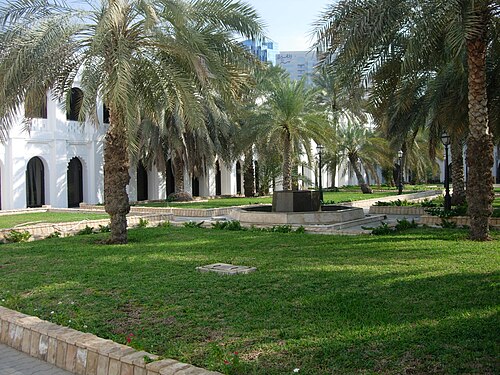
Qasr Al Hosn held the documents of the nation. The fort served as the home of the national archives and the documents of Abu Dhabi, the records of the history, the treaties, and the memory of the emirate kept within its walls, the fort the house of the documents, the building the archive of the nation, Qasr Al Hosn the keeper of the records and the memory of Abu Dhabi.
The archives preserved the nation’s memory: the documents and the records kept at Qasr Al Hosn preserving the memory and the history of Abu Dhabi and the United Arab Emirates, the archives the record of the past, the documents the memory of the nation, the fort the house of the records, Qasr Al Hosn the keeper of the documents and the history of the Emirates.
The fort was the memory of the nation: Qasr Al Hosn, as the house of the documents, the keeper of the memory and the history of Abu Dhabi, the fort the archive of the nation, the building the record of the past, the old stronghold the memory of the emirate, Qasr Al Hosn the keeper of the documents and the history of the people of Abu Dhabi.
The Restoration
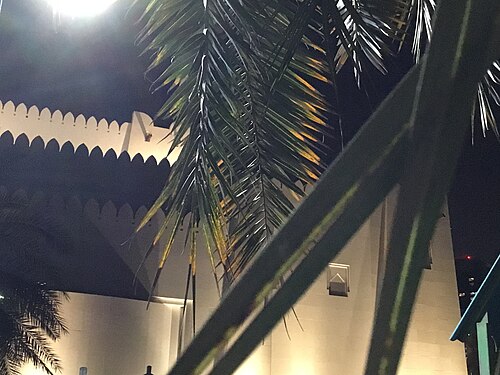
Qasr Al Hosn has been magnificently restored. The fort, in recent years, was the subject of a great restoration and conservation, the white walls, the towers, the inner fort, and the palace repaired and preserved, the building opened as a museum and a cultural landmark, the restoration the care of Qasr Al Hosn, the fort the treasure of the heritage, the White Fort restored as the jewel of Abu Dhabi.
The restoration preserved the White Fort: the restoration of Qasr Al Hosn preserving the white walls, the towers, and the historic fabric of the fort, the work the care of the stronghold, the restoration the recovery of the building, the White Fort the jewel preserved, the restoration the care of Qasr Al Hosn, the oldest building of Abu Dhabi.
The fort opened as a museum and landmark: Qasr Al Hosn, restored, opened as a museum and a cultural landmark presenting the history of Abu Dhabi, the fort the keeper of the story, the museum the home of the heritage, the White Fort the landmark of the city, Qasr Al Hosn the restored jewel and the museum of the history of Abu Dhabi.
A Symbol of Abu Dhabi
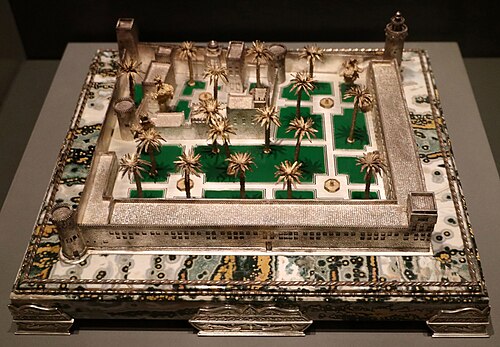
Qasr Al Hosn is a symbol of Abu Dhabi. The White Fort, as the oldest building and the birthplace of the city, is a symbol of the identity, the history, and the roots of Abu Dhabi, the fort the emblem of the heritage, the building the symbol of the origins, Qasr Al Hosn the symbol of Abu Dhabi, the White Fort that represents the roots of the modern city.
The fort represents the roots of the city: Qasr Al Hosn, amid the towers of the modern city, representing the roots and the history of Abu Dhabi, the fort the reminder of the origins, the White Fort the symbol of the past, the building the emblem of the heritage, Qasr Al Hosn the symbol that represents the roots of the modern Abu Dhabi.
The fort embodies the story of Abu Dhabi: Qasr Al Hosn embodying the whole story of Abu Dhabi, from the watchtower by the well to the capital of the Emirates, the fort the summary of the history, the White Fort the emblem of the journey, the building the symbol of the transformation, Qasr Al Hosn the symbol that embodies the story of Abu Dhabi.
Qasr Al Hosn Today
Qasr Al Hosn today stands as the White Fort of Abu Dhabi, the oldest building and the birthplace of the city, the watchtower that became the palace of the Al Nahyan, the gleaming white fort amid the towers of the modern metropolis, Qasr Al Hosn the cradle of Abu Dhabi, the museum of the heritage, the enduring symbol of the roots and the history of the capital of the United Arab Emirates.
The fort endures as the heart of the city’s history: Qasr Al Hosn, restored, standing as the historic heart and the symbol of Abu Dhabi, the White Fort the oldest building, the cradle of the city, Qasr Al Hosn the enduring symbol, the gleaming fort that embodies the roots of Abu Dhabi amid the towers of the modern capital of the Emirates.
Qasr Al Hosn opens the Emirati palace series, the White Fort of Abu Dhabi, the oldest building and the birthplace of the city, the watchtower that became the palace of the Al Nahyan, Qasr Al Hosn the cradle of Abu Dhabi, the museum of the heritage, the enduring symbol of the roots and the history of the capital of the United Arab Emirates.
Watch Qasr Al Hosn on Film
Visiting Qasr Al Hosn Today
Qasr Al Hosn stands in the heart of the city of Abu Dhabi, the capital of the United Arab Emirates, surrounded by the modern towers of the central district; the White Fort, magnificently restored, is open as a museum and a cultural landmark, visited for its white walls and towers, the inner fort, the palace, and the exhibits on the history of Abu Dhabi from the pearling age to the present. Travel in the United Arab Emirates is safe and very accessible, and Qasr Al Hosn is a chief cultural site of the capital; current opening hours should still be checked before a visit. You can find the fort on the map here: Qasr Al Hosn on Google Maps.


