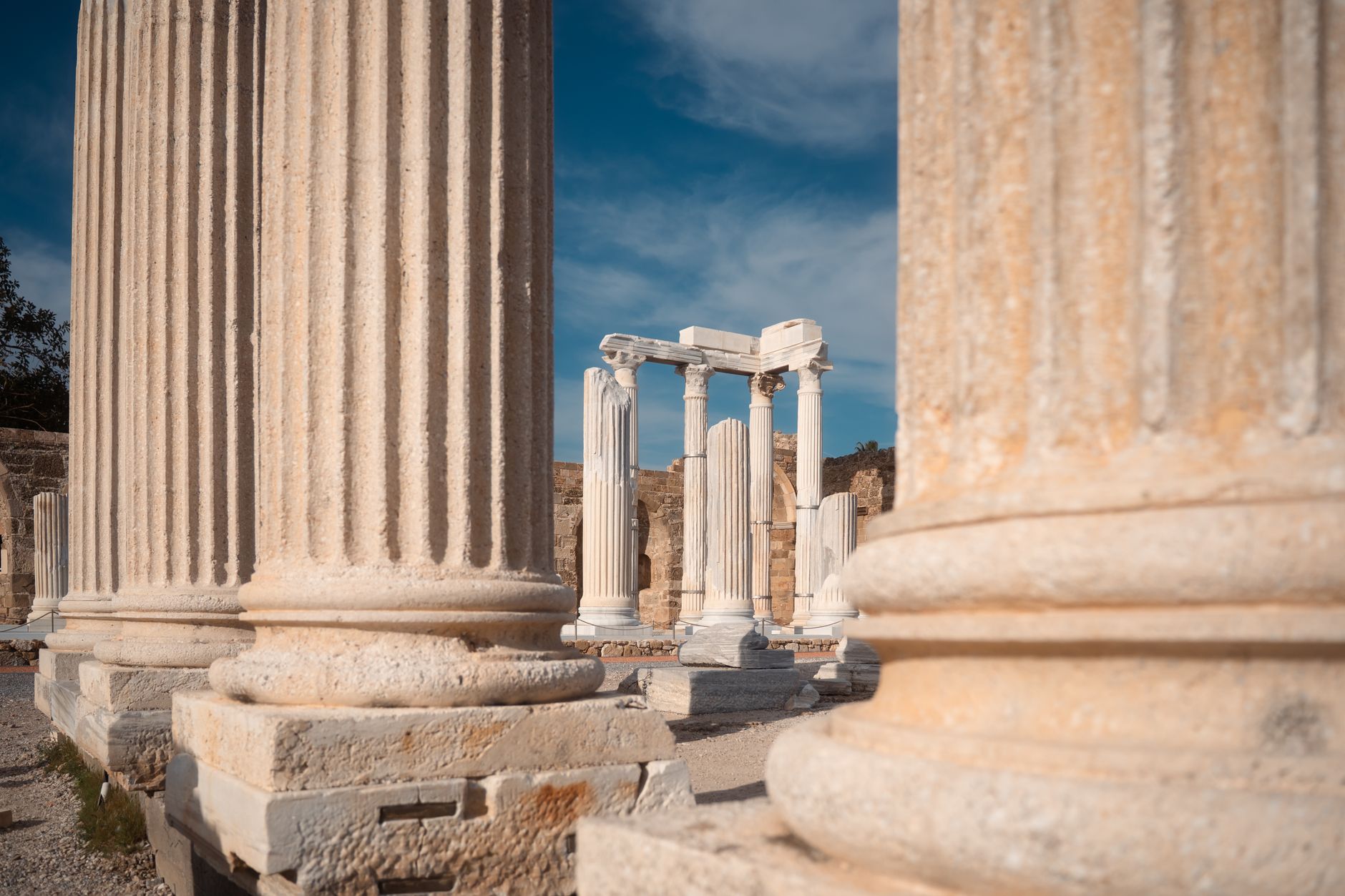
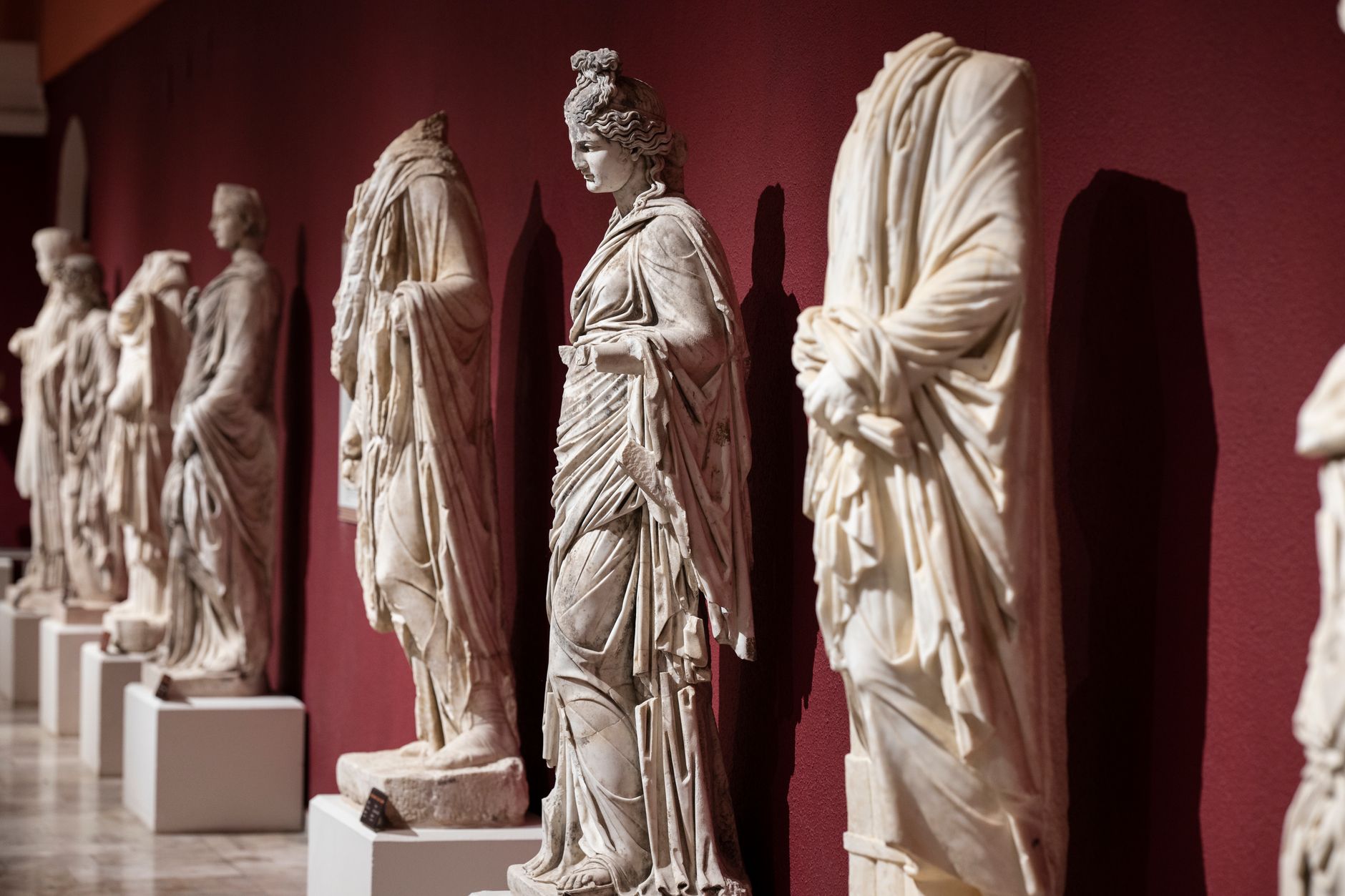
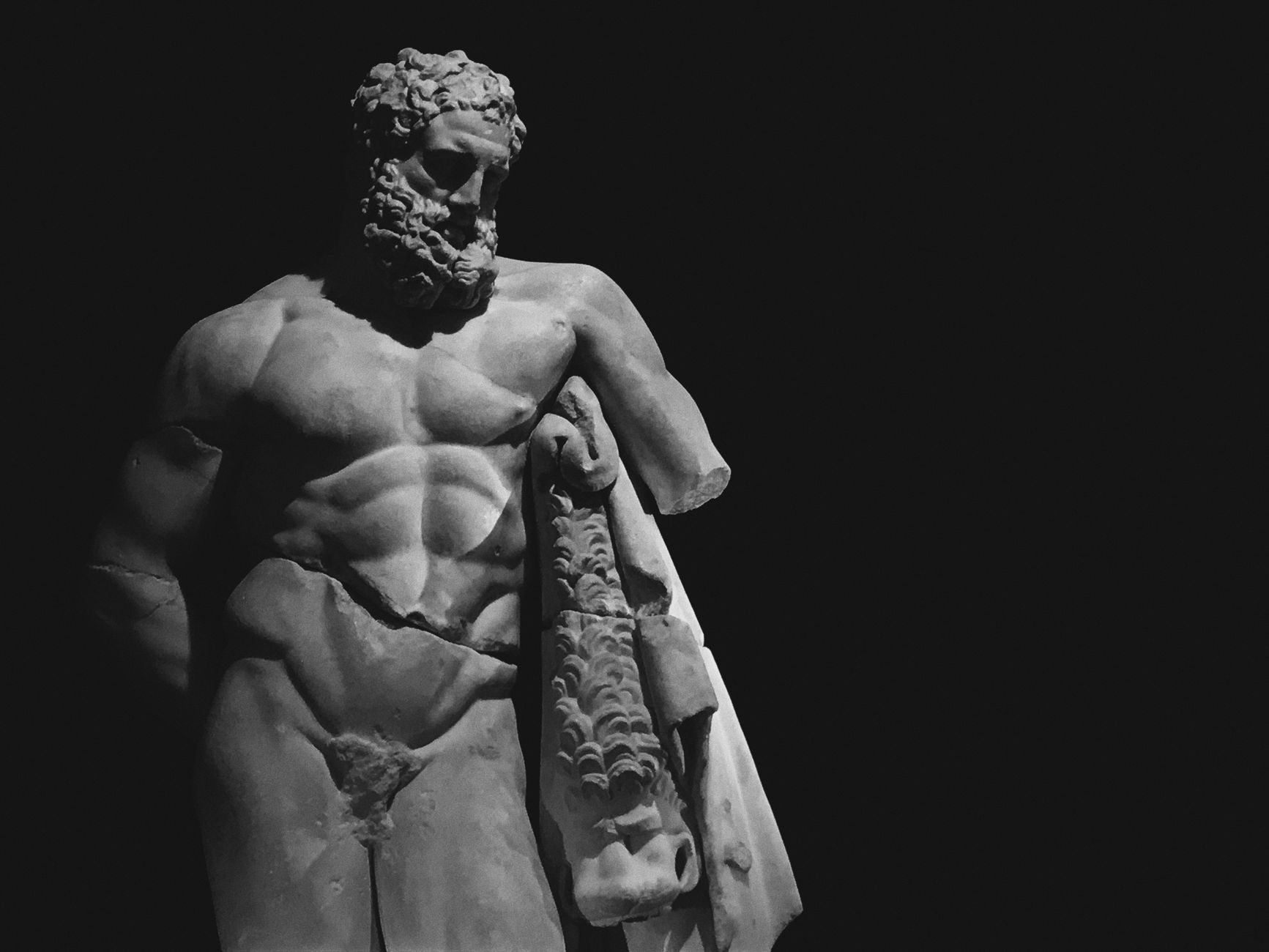
Antalya Museum was founded in 1922 by Süleyman Fikri Erten to protect the works saved from the plunder of the occupation forces that came to the region after the First World War. The Museum, which was first located in the Alaaddin Mosque in Kaleiçi and later in the Yivli Mosque, was moved to its current building in 1972.
Today, Antalya Museum consists of 14 exhibition halls on an area of 30 thousand square meters, open-air galleries and a garden where sculptures and various works are exhibited. A significant part of the three ancient cultural regions of Lycia, Pamphylia and Pisidia, located within the borders of the Antalya Region, falls within the area of responsibility of the Antalya Museum.
Antalya Museum is an archeology and history museum and can also be described as a regional museum.
Most of the works in the collection were obtained from excavations in the region. In the halls, works reflecting the thousands of years of history of Antalya can be seen, exhibited chronologically and sometimes according to subject. Antalya Museum is considered among the most important museums in the world, especially with the Roman Period artifacts found in Perge and the interesting and unique finds unearthed from the museum’s rescue excavations.
The museum was awarded the “Council of Europe Museum of the Year” award in 1988.
You May Like
Aspendos Ancient Theater Travel Guide