Across the vast grasslands of Central Asia, from the shores of the Caspian Sea to the foothills of the Altai, range the Kazakhs, one of the great Turkic peoples of the steppe and the heirs to a nomadic civilisation thousands of years old. Masters of the horse and the open grassland, the Kazakhs built a culture on movement, herding, and the freedom of the steppe, and they give their name to the largest landlocked country on earth.
With the Kazakhs this series leaves the Himalaya and crosses into the world of the Central Asian and Turkic peoples. Where the hill peoples of Nepal farmed terraced slopes, the Kazakhs roamed an ocean of grass, and their language, descended from the speech of the old Turkic empires, links them to a family of peoples stretching across the heart of the continent.
This profile follows the Kazakhs along the lines of the series: their origins on the steppe, the name and the three hordes, the Turkic language, the homeland from Caspian to Altai, the nomadic life and the yurt, the Islam and older beliefs, the horse and the hunting eagle, the music of the dombra, the food, and the imperial and Soviet history that reshaped their world.
- Origins on the Great Steppe
- The Name and the Three Hordes
- Language, a Turkic Tongue of the Steppe
- The Homeland, from the Caspian to the Altai
- The Nomadic Way of Life
- The Yurt and the World of the Herder
- Religion, Islam and the Older Beliefs
- Horses, Hunting and the Golden Eagle
- Music, the Dombra and the Epic
- Food of the Steppe
- History, the Russian Empire and the Soviet Century
- The Kazakh Today
Origins on the Great Steppe
The Kazakhs are heirs to the long history of the Eurasian steppe, the great belt of grassland that stretches across the heart of the continent and that has been home to nomadic horse peoples for thousands of years. Their ancestry blends the many Turkic and Mongol groups who ruled and ranged across this land over the centuries.
The Kazakh people as such took shape in the late medieval period, emerging from the breakup of the Mongol successor states that ruled the steppe after the empire of Genghis Khan. In the fifteenth century groups of nomads who broke away to form their own union became the nucleus of the Kazakh nation.
Their roots, however, reach far deeper, into the world of the ancient Turkic khaganates and the still older nomadic cultures of the steppe, whose horse-borne way of life the Kazakhs inherited and carried into modern times. The Kazakhs are in this sense among the last great representatives of steppe nomadism.
What defined the emerging Kazakh people was less a single origin than a shared language, a shared nomadic way of life, and a shared political union on the grasslands between the settled civilisations to the south and the forests to the north.
To understand the Kazakhs is to understand the steppe itself, the immense corridor of grass along which horse peoples have moved, fought, and traded since the dawn of mounted nomadism. The Kazakhs gathered into themselves the human legacy of that long history, from the ancient Scythian and Turkic riders to the armies of the Mongol khans, and carried the steppe’s ancient way of life almost intact into the modern age.
The Name and the Three Hordes

The name Kazakh is often understood to carry the sense of a free, independent wanderer or a breakaway, fitting for a people formed when nomadic groups split off to live freely on the open steppe. The name thus captures the spirit of independence central to the Kazakh self-image.
Historically the Kazakhs were organised into three great divisions known as the hordes or zhuz—the Great, Middle, and Lesser—each occupying a broad region of the steppe and made up of a confederation of tribes and clans. This threefold division structured Kazakh society and politics for centuries.
The zhuz were not states but kinship-based confederations, and each Kazakh knew his place within the system of horde, tribe, and clan, a genealogical framework that ordered alliance, marriage, pasture rights, and identity across the vast grasslands.
This structure of hordes and clans, with its careful reckoning of descent, remained a powerful element of Kazakh identity and social organisation, shaping the history of the people through the centuries of empire and even into modern times.
The system of the three hordes was a remarkable solution to the problem of organising a far-flung nomadic society without cities or fixed institutions, binding scattered clans into a single people through a shared genealogy reaching back to common ancestors. Even today many Kazakhs can recite their descent and name the horde, tribe, and clan to which they belong, a living link to the social order of the steppe.
Language, a Turkic Tongue of the Steppe

The Kazakh language belongs to the Turkic family, within its Kipchak branch, and is closely related to the languages of several neighbouring Central Asian peoples. It is the tongue of the steppe nomads, carried across the grasslands by the Kazakhs and their ancestors.
Like other Turkic languages, Kazakh links its speakers to a wide family stretching from Anatolia and the Caucasus across Central Asia to Siberia, a family descended from the speech of the old Turkic empires. A Kazakh shares much with the Kyrgyz, the Tatars, and other Kipchak-speaking peoples.
The language has been written in several scripts over the past century, reflecting the turbulent political history of the region—in Arabic script in earlier times, then in Latin and Cyrillic under Soviet rule, with a return toward the Latin script promoted in recent years.
Kazakh carries a rich oral literature of epic, song, and the eloquent verbal art prized on the steppe, and it remains central to Kazakh identity, its status reasserted strongly after a long period in which Russian dominated public life.
The succession of scripts through which Kazakh has been written—Arabic, then Latin, then Cyrillic, and now Latin again—reads almost as a history of the political forces that swept over the steppe in the twentieth century. Each change reflected a shift of power and orientation, and the current return to a Latin alphabet is itself a deliberate assertion of national independence and a turning toward the wider Turkic world.
The Homeland, from the Caspian to the Altai
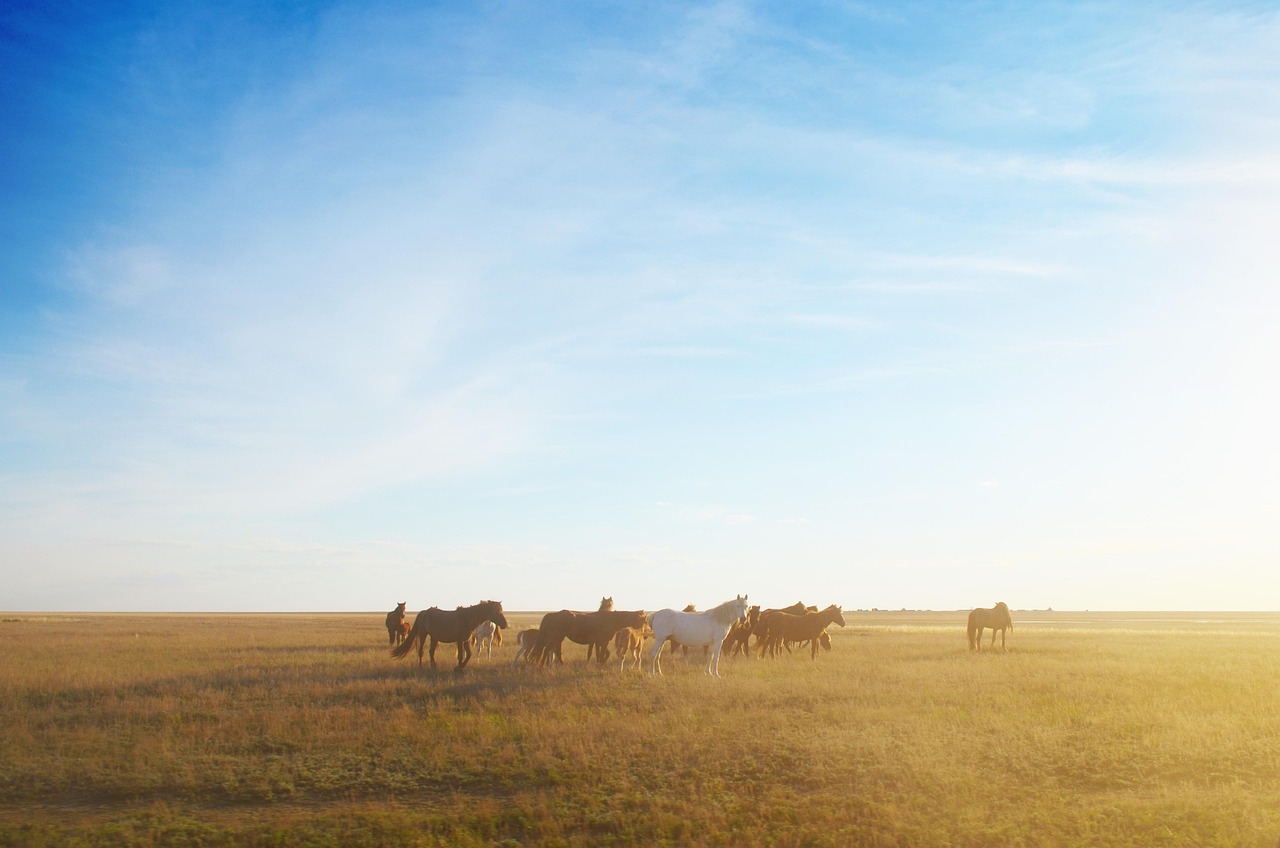
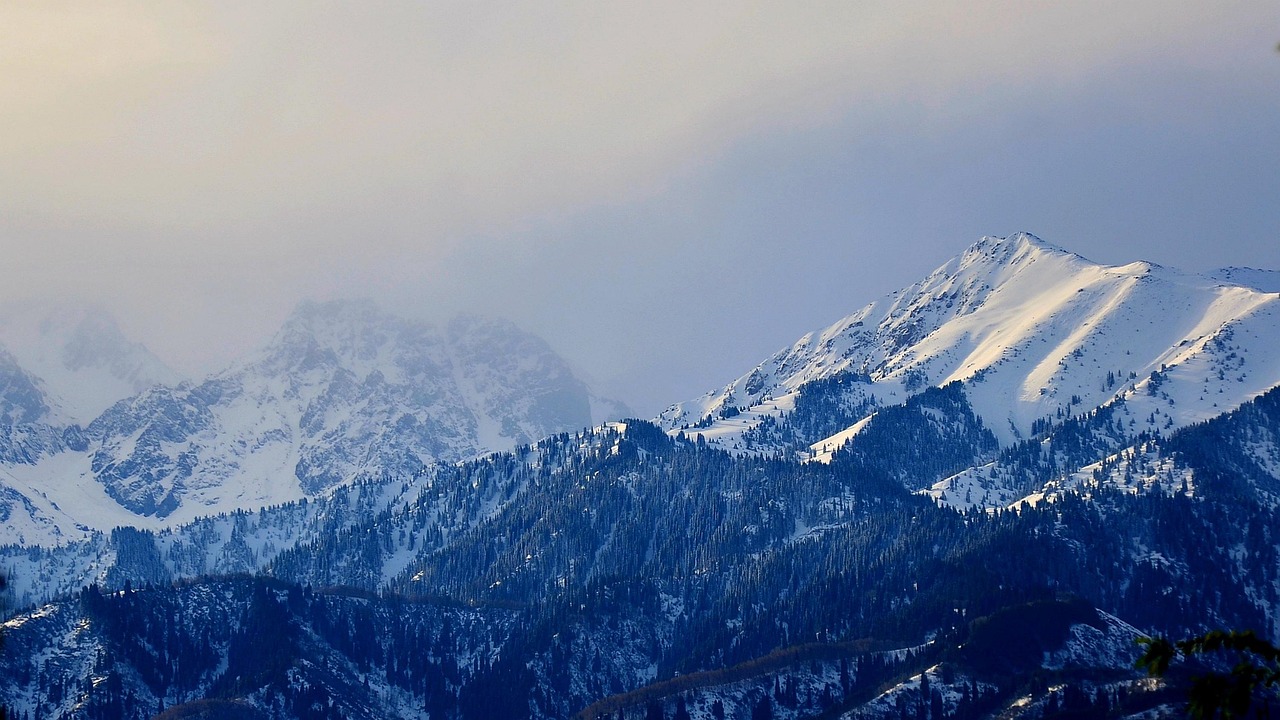
The Kazakh homeland is the vast steppe and semi-desert of Central Asia, an immense expanse of grassland, desert, lake, and mountain stretching from the Caspian Sea and the lower Volga in the west to the Altai and Tian Shan ranges in the east, and from the Siberian forests in the north to the deserts and oases of the south.
This is one of the largest and most open landscapes on earth, the heart of the Eurasian steppe, a land of extreme continental climate with burning summers and bitter winters. Across it the Kazakhs and their herds moved with the seasons, following the grass.
Beyond the borders of modern Kazakhstan, large Kazakh populations live in neighbouring regions and countries, the legacy of a people whose grazing lands and migrations long ignored modern frontiers. The Kazakh world is thus wider than any single state.
The steppe is not merely the place the Kazakhs live but the foundation of their entire civilisation, the grassland ocean across which a horse-borne, herding people built a way of life perfectly adapted to its vast distances and harsh seasons.
The sheer scale of the Kazakh homeland, spanning climatic zones from desert to mountain and covering a territory larger than all of Western Europe, helps explain both the mobility of the traditional way of life and the diversity of the regions the Kazakhs inhabit. No people could hold so vast a land by settlement alone; only the mobile, far-ranging life of the herder could turn such an expanse into a single homeland.
The Nomadic Way of Life
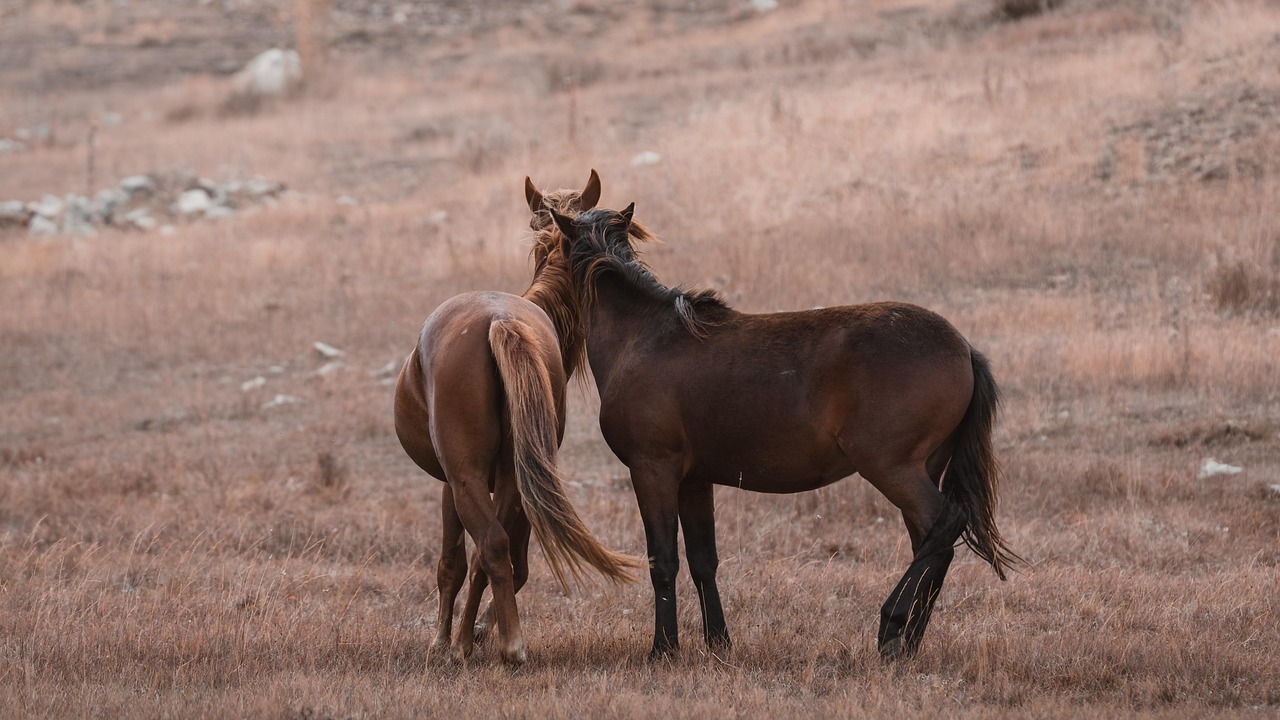
For most of their history the Kazakhs were pastoral nomads, moving with their herds of horses, sheep, goats, cattle, and camels across the steppe in a seasonal cycle, seeking fresh pasture and water and avoiding the worst of the climate. This mobile herding life was the essence of Kazakh civilisation.
The seasonal migration between summer and winter pastures, the management of great herds, and the deep knowledge of grassland, weather, and water defined the rhythm of Kazakh existence. Wealth was measured in livestock, above all in horses, and the whole of life was organised around the herd.
This nomadism shaped everything—the portable yurt dwelling, the diet of meat and milk, the centrality of the horse, the social structure of clan and pasture, and the values of hospitality, endurance, and freedom prized on the open steppe.
The nomadic way of life, sustained for millennia, was shattered in the twentieth century by forced settlement, but its legacy endures in Kazakh identity, in the persistence of herding, and in the powerful cultural memory of the free life of the steppe.
The seasonal round of the Kazakh nomad, moving herds from sheltered winter quarters to rich summer pastures and back, demanded an intimate, inherited knowledge of grass, water, weather, and animal that amounted to a whole science of the steppe. This expertise, built up over countless generations, made it possible to wring a living from a land of harsh extremes, and its loss under forced settlement was a cultural as well as an economic catastrophe.
The Yurt and the World of the Herder
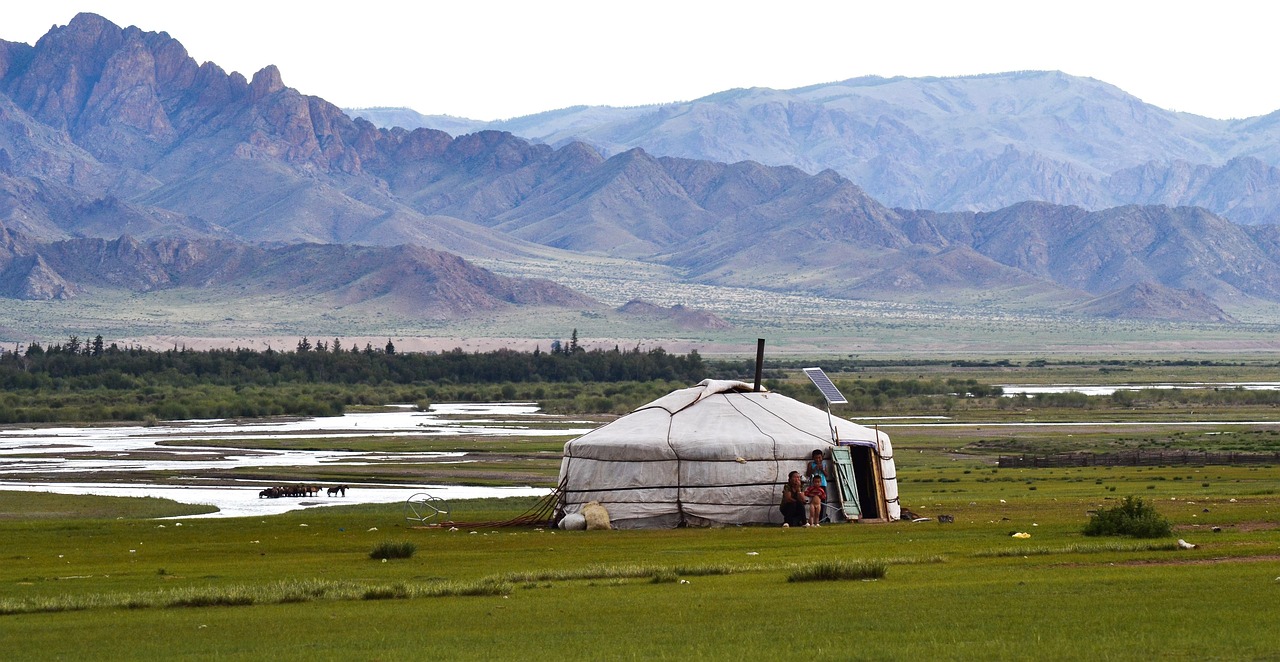
The classic dwelling of the Kazakh nomad is the yurt, a round, portable tent of felt stretched over a collapsible wooden frame, perfectly suited to the mobile life of the steppe. Light enough to be dismantled, carried, and reassembled, yet strong enough to withstand the fierce steppe winds, the yurt is a masterpiece of nomadic design.
Inside, the yurt was a complete domestic world, its space ordered by custom, hung with woven and felt textiles, and centred on the hearth. The making of felt, the weaving of decorative bands and carpets, and the crafting of the wooden frame were highly developed arts.
The yurt remains a powerful symbol of Kazakh identity and of the nomadic heritage, its image woven into the national culture and its form still raised at festivals, in summer pastures, and as a mark of tradition and hospitality.
Around the yurt revolved the crafts of the nomad—felt-making, weaving, leatherwork, and the decorative arts that turned the practical goods of herding life into objects of beauty, carrying the patterns and symbols of the steppe.
The genius of the yurt lies in its perfect marriage of portability and comfort, a home that could be struck and loaded onto animals in an hour yet kept its dwellers warm through the steppe winter and cool through the summer heat. As both a practical shelter and a richly decorated symbolic space, it concentrated the whole art and order of nomadic life within its round felt walls.
Religion, Islam and the Older Beliefs
The Kazakhs are predominantly Muslims, following Sunni Islam, which spread among the steppe peoples over many centuries. Islam came to the Kazakhs gradually and blended with the older traditions of the nomads rather than wholly replacing them.
Beneath and alongside Islam survive elements of the older beliefs of the steppe, including reverence for the sky and nature, the veneration of ancestors, and practices associated with the pre-Islamic shamanism and Tengrism of the Turkic and Mongol world. This blend gives Kazakh Islam its distinctive character.
The mobile life of the nomad, far from the mosques and scholars of the settled towns, meant that Islam among the Kazakhs was often practised in a form interwoven with custom, ancestor reverence, and the spiritual world of the steppe.
Under Soviet rule religion was suppressed, but Islam and the older traditions survived, and since independence there has been a revival of religious practice alongside the reassertion of Kazakh cultural and national identity.
The character of Kazakh Islam, layered over an older reverence for the eternal blue sky, the spirits of nature, and the ancestors, reflects the way faith travelled and settled across the open steppe. Far from the scholarly centres of the settled south, the nomads wove the new religion into the fabric of their inherited beliefs, producing a distinctive spiritual world in which mosque and ancestral custom coexisted.
Horses, Hunting and the Golden Eagle
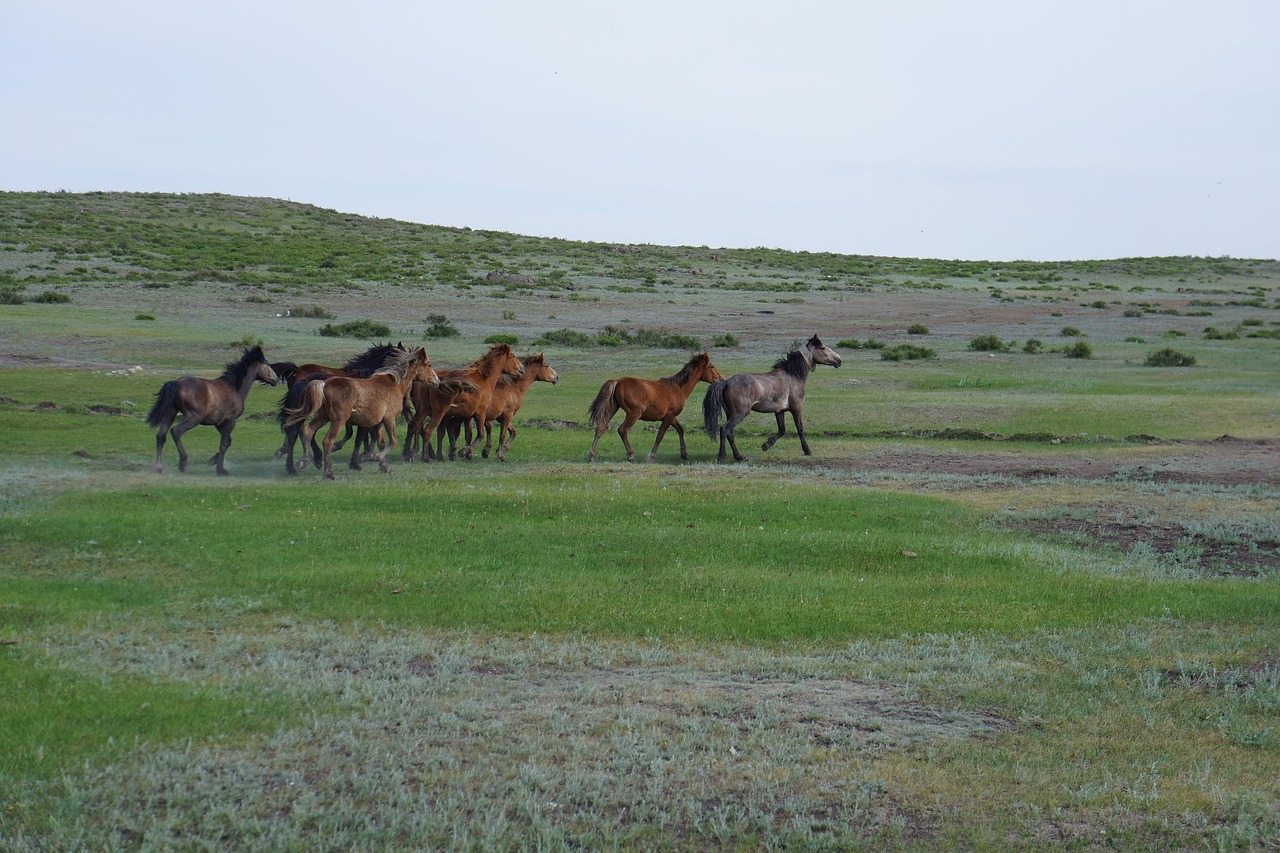
No animal is more central to Kazakh life than the horse, the foundation of nomadic mobility, warfare, wealth, and diet. The Kazakhs are among the great horse peoples of history, and skills of riding, herding, and horsemanship are woven deep into the culture, celebrated in games, sport, and song.
Among the most famous of Kazakh traditions is hunting with the golden eagle, in which trained eagles are flown from the hunter’s arm to take foxes and other game across the winter steppe and mountain. This ancient art, demanding a deep bond between hunter and bird, is one of the most striking expressions of Kazakh nomadic culture.
Horseback games and contests, from racing to the rough equestrian sports of the steppe, remain popular and express the centrality of the horse to Kazakh identity. The horse provided transport, meat, milk, and the fermented mare’s milk that is a national drink.
Hunting with eagles and the equestrian traditions of the Kazakhs have become celebrated symbols of the nomadic heritage, kept alive in festival and competition and recognised as treasures of the culture of the steppe.
The bond between the Kazakh hunter and his golden eagle, a partnership built over years of patient training and trust, stands among the most extraordinary relationships between human and animal anywhere in the world. To watch an eagle hunter ride the winter steppe with the great bird on his arm is to glimpse a tradition that reaches back into the deep nomadic past and that the Kazakhs have made peculiarly their own.
Music, the Dombra and the Epic
Kazakh culture is rich in music, above all in the playing of the dombra, a two-stringed long-necked lute that is the national instrument and the soul of Kazakh music. The dombra accompanies song, instrumental pieces, and the recitation of epic, its sound inseparable from the cultural life of the steppe.
The Kazakhs preserve a great tradition of oral epic and of the improvising poet-singers who, in contests of verbal art, composed and performed verse to the dombra. This eloquence and love of the spoken and sung word are deeply prized in Kazakh culture.
Instrumental pieces known as kuy, evoking landscapes, legends, and emotions through the dombra, form a celebrated part of the musical heritage, alongside song traditions that carry the history, values, and feeling of the people.
Music, poetry, and epic are vehicles of memory and identity for the Kazakhs, carrying the deeds of ancestors and heroes, the beauty of the steppe, and the values of the nomad across the generations, and they remain central to the national culture today.
The improvising poet-singers of the Kazakhs, who could compose verse on the spot and duel one another in contests of wit and eloquence to the sound of the dombra, embodied a culture that prized the spoken and sung word above almost all else. Through their epics and songs the history, genealogy, and values of the people were carried across the trackless steppe far more durably than any written record.
Food of the Steppe
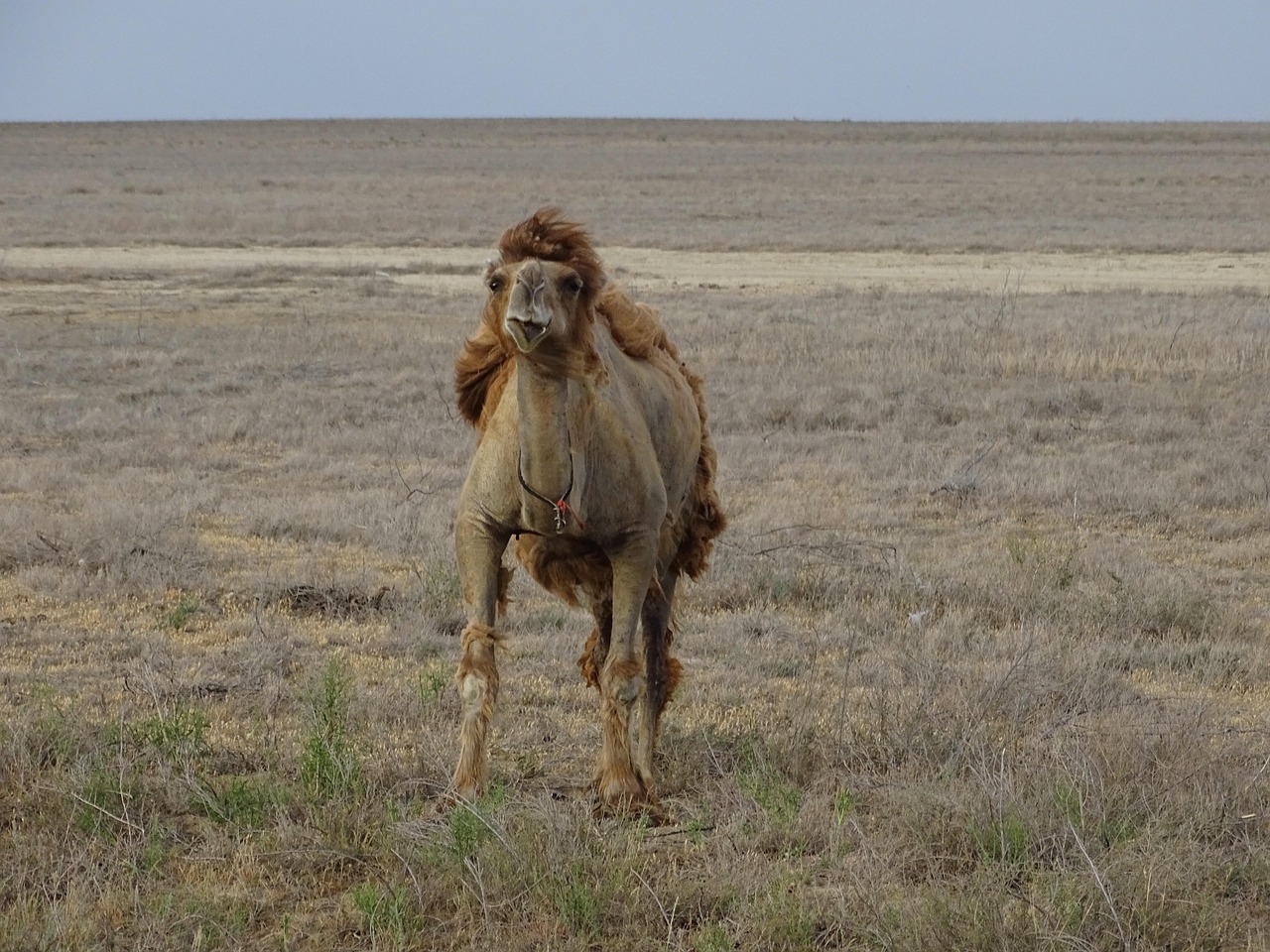
The Kazakh table reflects the nomadic, pastoral life, built on meat and milk from the herds. Horse meat and mutton are central, and the national dish of boiled meat with flat noodles is a celebrated feature of the cuisine, served at gatherings and feasts with ceremony.
Dairy is fundamental, including the fermented mare’s milk known as kumis, a prized traditional drink, and fermented camel’s milk and various cheeses and curds that preserved the bounty of the herd. These foods sustained the nomad through the harsh seasons of the steppe.
Hospitality is a sacred value among the Kazakhs, and the offering of food and drink to guests, the ceremonial division of the meat, and the rituals of the table express the deep traditions of the steppe, where a traveller must always be welcomed.
The cuisine reflects directly the pastoral economy of the herd and the conditions of steppe life, a diet of meat, milk, and grain adapted to a mobile people in a land of extremes.
The ceremony surrounding food among the Kazakhs, above all the formal serving and division of a boiled sheep’s head and the choicest cuts among honoured guests, reveals how deeply hospitality is woven into the culture of the steppe. In a land where a traveller’s survival might depend on the welcome of strangers, the duty to feed and shelter the guest became a sacred and elaborately observed value.
History, the Russian Empire and the Soviet Century
The Kazakh khanate that formed in the fifteenth century ruled the steppe for centuries, organised through the three hordes, until the pressure of neighbouring powers and internal division opened the way to conquest. From the eighteenth century the Russian Empire steadily extended its control over the Kazakh lands.
Russian and then Soviet rule transformed the Kazakh world profoundly. The settlement of farmers on the steppe, the seizure of grazing land, and above all the forced collectivisation and settlement of the nomads under Soviet rule brought catastrophe, including a terrible famine that killed a vast proportion of the Kazakh people in the early twentieth century.
The Soviet century reshaped Kazakhstan with industry, agriculture, nuclear testing, and large-scale in-migration that for a time made Kazakhs a minority in their own land. Yet it also brought education and modernisation, and preserved a Kazakh republic that became the basis for later independence.
With the collapse of the Soviet Union, Kazakhstan became an independent state, and the Kazakhs set about reasserting their language, culture, and national identity after centuries of imperial and Soviet rule, in one of the great transitions of modern Central Asian history.
The famine that accompanied forced collectivisation in the early twentieth century ranks among the great catastrophes of the era, destroying the herds on which the nomads depended and killing a vast share of the Kazakh people, while driving many others into flight across the borders. It marked the violent end of free nomadism and left a wound in the national memory that independence has only begun to address.
The Kazakh Today
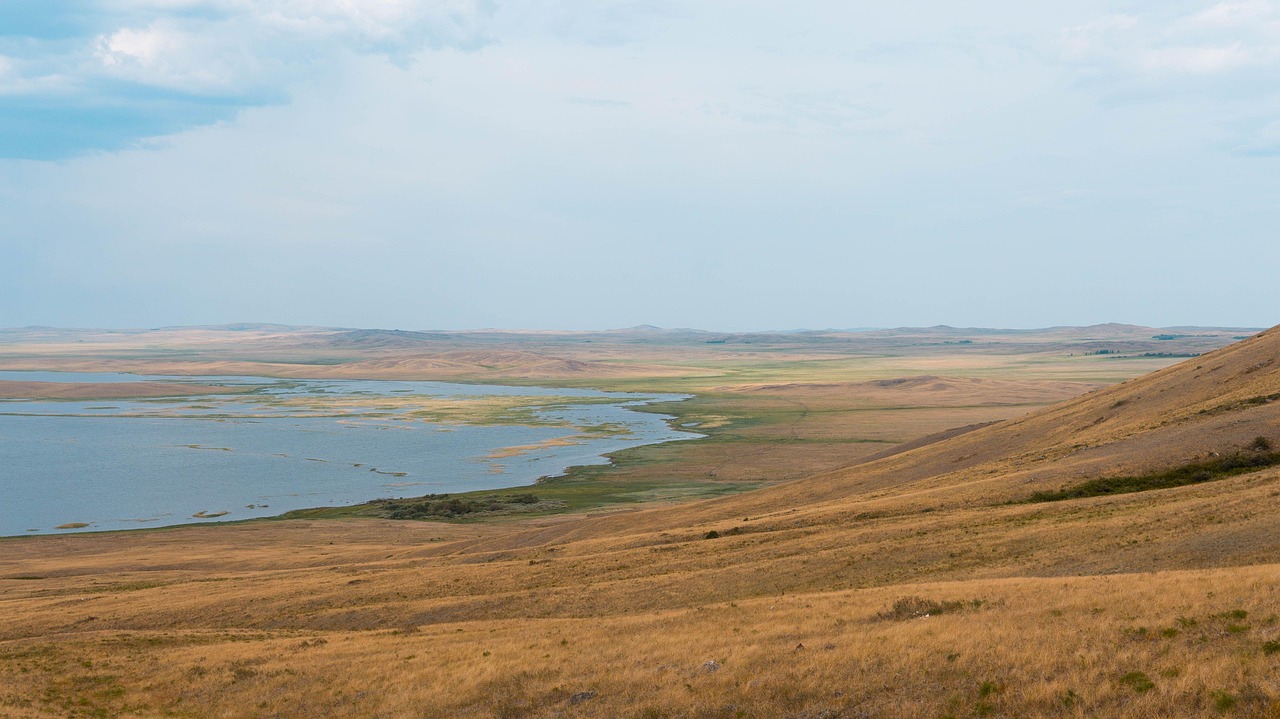
Today the Kazakhs are the titular people of Kazakhstan, the largest landlocked country on earth, a state rich in oil, gas, and mineral wealth that has become a significant power in Central Asia. Large Kazakh communities also live in neighbouring countries and regions across the wider steppe.
Cultural revival has been vigorous since independence, with the reassertion of the Kazakh language and its move toward the Latin script, the revival of nomadic traditions such as eagle hunting and equestrian sport, the celebration of the dombra and the epic, and a renewed pride in the heritage of the steppe.
The challenges ahead are those of a nation balancing its nomadic past with a modern, urban, industrial present, managing the legacy of the Soviet century, the diversity of its population, and the pressures of a globalised world while keeping alive the language and traditions of the Kazakh people.
In the music of the dombra, the raising of the yurt, the flight of the hunting eagle, and the vast memory of the open steppe, the Kazakhs continue to tell a story as wide as the grasslands themselves—the story of a free people of the horse who built a nation at the heart of Eurasia.
The Kazakhstan that emerged from the Soviet collapse faced the delicate task of building a modern, multi-ethnic state while reasserting a Kazakh national identity long suppressed, and of converting vast natural wealth into lasting prosperity. Its story since independence has been one of rapid change, of new cities rising on the old steppe, and of a people consciously reclaiming the language, faith, and traditions of their nomadic forebears.