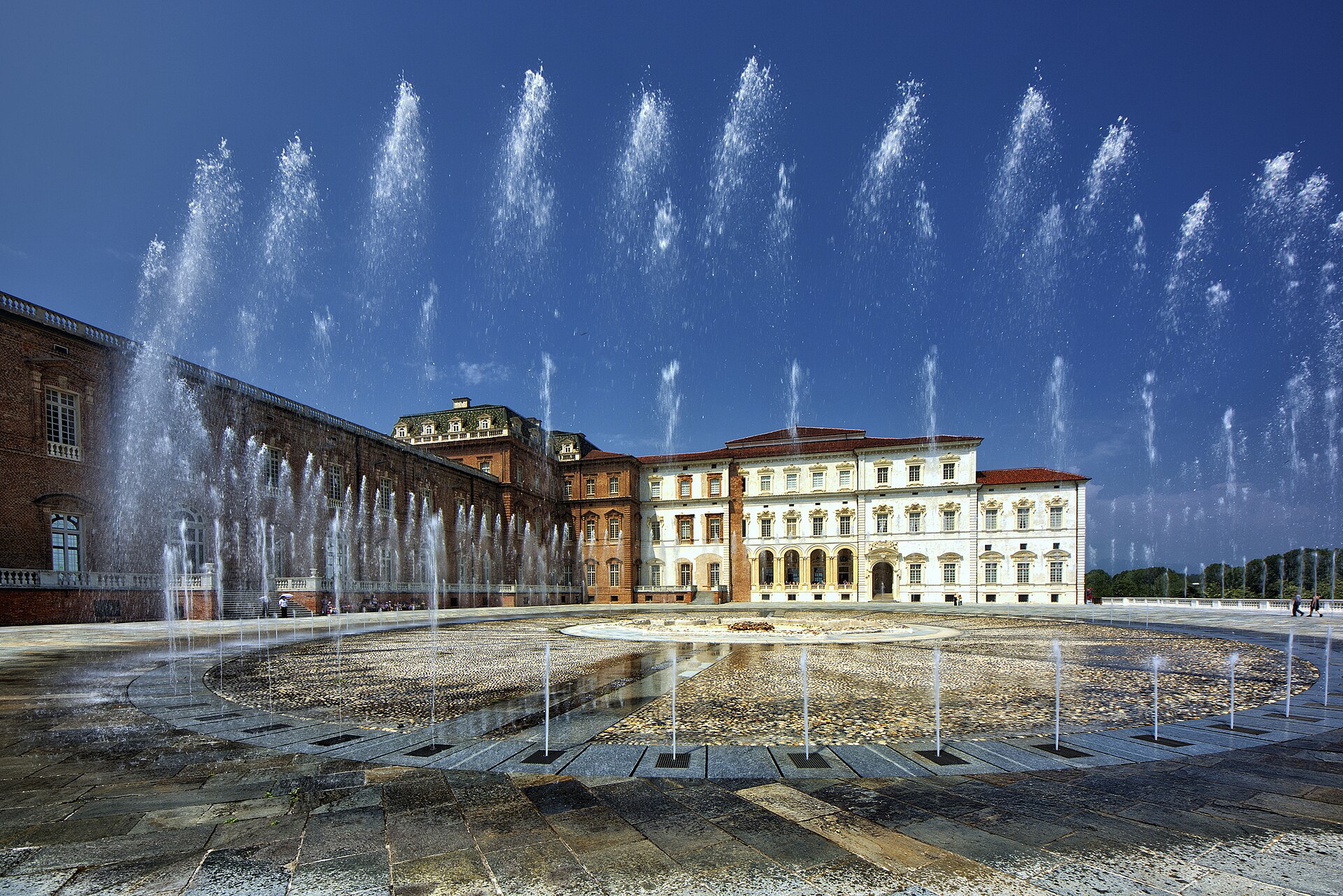
On the edge of Turin, at the foot of the Alps in the region of Piedmont, stands one of the grandest and most spectacular of all the palaces of Italy. The Reggia di Venaria Reale was built by the dukes of Savoy as a great hunting residence, a place of pleasure and display set amid vast gardens and hunting grounds, and it grew into one of the most magnificent royal residences in Europe. After centuries of neglect and near-total ruin, it has been triumphantly restored, and it stands today as a monument to both the splendour of the House of Savoy and one of the greatest feats of restoration in modern times.
The very name of Venaria proclaims its origin, for it derives from the Latin for hunting, and the palace was created as the centre of a great domain devoted to the chase, the favourite pastime of the Savoyard court. Yet it was far more than a hunting lodge, for successive dukes and kings transformed it into a palace of the utmost grandeur, adorned by some of the finest architects of the age, above all the great Filippo Juvarra, whose luminous gallery is one of the masterpieces of the European Baroque.
The story of Venaria is one of glory, decline, and rebirth. Built and embellished across the seventeenth and eighteenth centuries, it fell, after the Napoleonic era, into a long decline, used as a military barracks and left to decay until it was little more than a ruin. Its restoration, one of the largest cultural projects ever undertaken in Europe, brought the palace back to life, and it reopened in the twenty-first century to take its place once more among the great palaces of the world.
To visit Venaria is to encounter the magnificence of the House of Savoy, the dynasty that would one day unite Italy, and to walk through one of the supreme achievements of Baroque architecture, set amid vast and beautiful gardens. This is the story of the great hunting palace of the Savoys, of the architects who made it magnificent, of its fall into ruin, and of the remarkable restoration that has made it one of the wonders of Italy once more.
In This Article
- The Grand Hunting Palace of the Savoys
- Charles Emmanuel II and the Birth of Venaria
- The First Design
- Filippo Juvarra Transforms Venaria
- The Great Gallery
- The Church of Sant’Uberto
- The Citroniera and the Great Stables
- The State Apartments
- The Great Gardens
- The Fountain of the Stag and the Waters
- The Long Decline
- The Great Restoration
- Venaria Reale Today
The Grand Hunting Palace of the Savoys
The Reggia di Venaria Reale was created as the great hunting residence of the dukes of Savoy, the ancient dynasty that ruled Piedmont and Savoy from their capital at Turin and that would, centuries later, become the royal house of a united Italy. Set a short distance from Turin, at the edge of a great expanse of hunting grounds, the palace was conceived as a place where the court could pursue its favourite sport amid surroundings of the utmost magnificence.
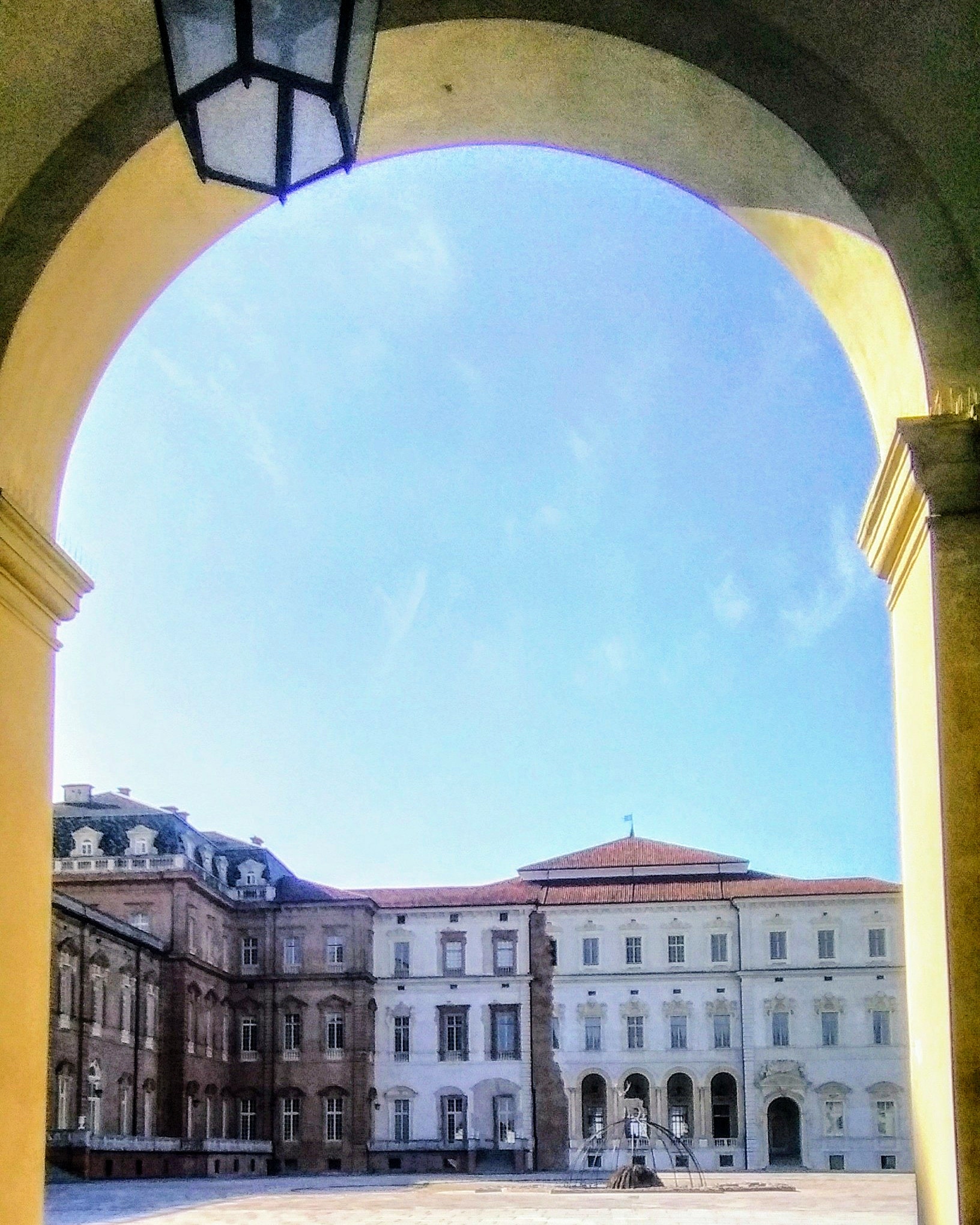
Though built for the chase, Venaria was no mere lodge but a palace of enormous scale and grandeur, one of the largest and most magnificent of all the residences of the House of Savoy. Its vast buildings, its great gallery, its church, its stables, and its enormous gardens together formed a royal domain of extraordinary ambition, designed to proclaim the power and the splendour of the Savoyard dynasty.
The palace forms part of a wider group of residences built by the House of Savoy in and around Turin, a constellation of palaces and hunting lodges that together have been recognised as a treasure of world heritage. Among these, Venaria is perhaps the grandest and most spectacular, the supreme expression of the Savoyard love of magnificence and of the chase.
Set against the backdrop of the Alps, with its great gardens stretching away toward the mountains, Venaria occupies a magnificent situation, and the combination of its grand architecture with its vast landscaped grounds makes it one of the most impressive royal ensembles in Europe. It stands as the crowning achievement of the building ambitions of the dukes and kings of Savoy.
The House of Savoy would rise, in the course of its long history, from dukes of a modest Alpine state to kings of Sardinia and finally to the sovereigns of a united Italy, and the palaces they built around Turin reflect that growing ambition. Venaria, the grandest of their hunting residences, embodies the moment when the dynasty was reaching for royal status, and its magnificence was intended to proclaim that the House of Savoy belonged among the great ruling families of Europe.
Charles Emmanuel II and the Birth of Venaria
The creator of Venaria was Duke Charles Emmanuel II of Savoy, who in the middle of the seventeenth century resolved to build a great hunting residence worthy of his dynasty. A ruler with a taste for magnificence and a love of the chase, he chose a site amid good hunting country near Turin and set about creating not merely a lodge but a whole royal complex devoted to the pleasures of the hunt.

The duke’s ambition was to create a residence that would rival the great palaces being built by other European rulers, a place that would display the wealth and the standing of the House of Savoy. The project he began was on a grand scale from the outset, encompassing the palace, its gardens, and a planned town, all conceived as a single magnificent composition dedicated to the hunt and to the glory of the dynasty.
Hunting was far more than a pastime for the rulers of the age; it was a courtly ritual, a display of power and prestige, and an essential part of the life of the nobility. In building Venaria, Charles Emmanuel II created a stage for this ritual on the grandest scale, a domain where the court could gather to hunt amid surroundings designed to impress and to delight.
The residence begun by Charles Emmanuel II would be added to and transformed by his successors over the following century, but the essential conception of Venaria as a great hunting palace of the House of Savoy dated from his reign. He set in motion the creation of one of the most magnificent royal residences in Europe, and the palace remains his enduring monument.
The First Design
The task of designing the new residence for Charles Emmanuel II fell to the architect Amedeo di Castellamonte, who created the original conception of the palace and its grounds. His design established the essential form of Venaria, with the palace at the centre of a great axial composition of courts, gardens, and the planned town beyond, all arranged along a grand central line.

Castellamonte’s plan was ambitious and coherent, uniting the palace, the gardens, and the settlement into a single grand design that expressed the order and the magnificence of the Savoyard state. The residence he created was among the most impressive of its day, and it set the pattern for the later development of Venaria, providing the framework within which subsequent architects would work.
The original palace was richly decorated and surrounded by elaborate gardens, and it quickly became a favourite residence of the Savoyard court, the setting for hunts, festivities, and the display of ducal magnificence. Castellamonte’s Venaria was a triumph of the early Baroque, a worthy expression of the ambitions of the dynasty that had created it.
Yet the palace as first built was not to survive unaltered, for the following decades would bring both destruction and transformation. War and changing tastes would lead to the remodelling and enlargement of Venaria, and the residence created by Castellamonte would be magnificently transformed by the greatest architect ever to work upon it, in the early eighteenth century.
Filippo Juvarra Transforms Venaria
The supreme phase in the history of Venaria came in the early eighteenth century, when the House of Savoy, newly elevated to royal rank, employed the greatest architect of the age to transform and enlarge the palace. Filippo Juvarra, one of the towering geniuses of the European Baroque, brought to Venaria a brilliance and a grandeur that raised it to the first rank of royal residences.

Juvarra was an architect of extraordinary imagination and skill, whose work in and around Turin helped to make the Savoyard capital one of the great centres of Baroque architecture. At Venaria he added a series of magnificent new structures, including a great gallery, a church, and vast stables, each a masterpiece of the Baroque, transforming the palace into one of the most splendid in Europe.
The genius of Juvarra lay in his command of scale, light, and drama, and his additions to Venaria display these qualities at their highest. His buildings are marked by a luminous grandeur, by a masterly handling of space and light, and by an elegance that lifts them above the merely magnificent into the realm of the sublime. They are among the finest achievements of his career.
The transformation of Venaria by Juvarra gave the palace the character it retains today, and his great gallery, church, and stables remain the glories of the residence. Working for the newly royal House of Savoy, he created at Venaria a palace worthy of a king, and his work stands as one of the supreme monuments of the Italian Baroque and of one of its greatest masters.
Juvarra’s presence in Turin was one of the great strokes of fortune in the history of the city, for over little more than a decade he transformed it and its surrounding residences with a series of masterpieces. Called from his native Sicily to serve the newly royal House of Savoy, he brought an imagination of extraordinary range and daring, and at Venaria, as elsewhere, he created works that place him among the supreme architects of the eighteenth century.
The Great Gallery
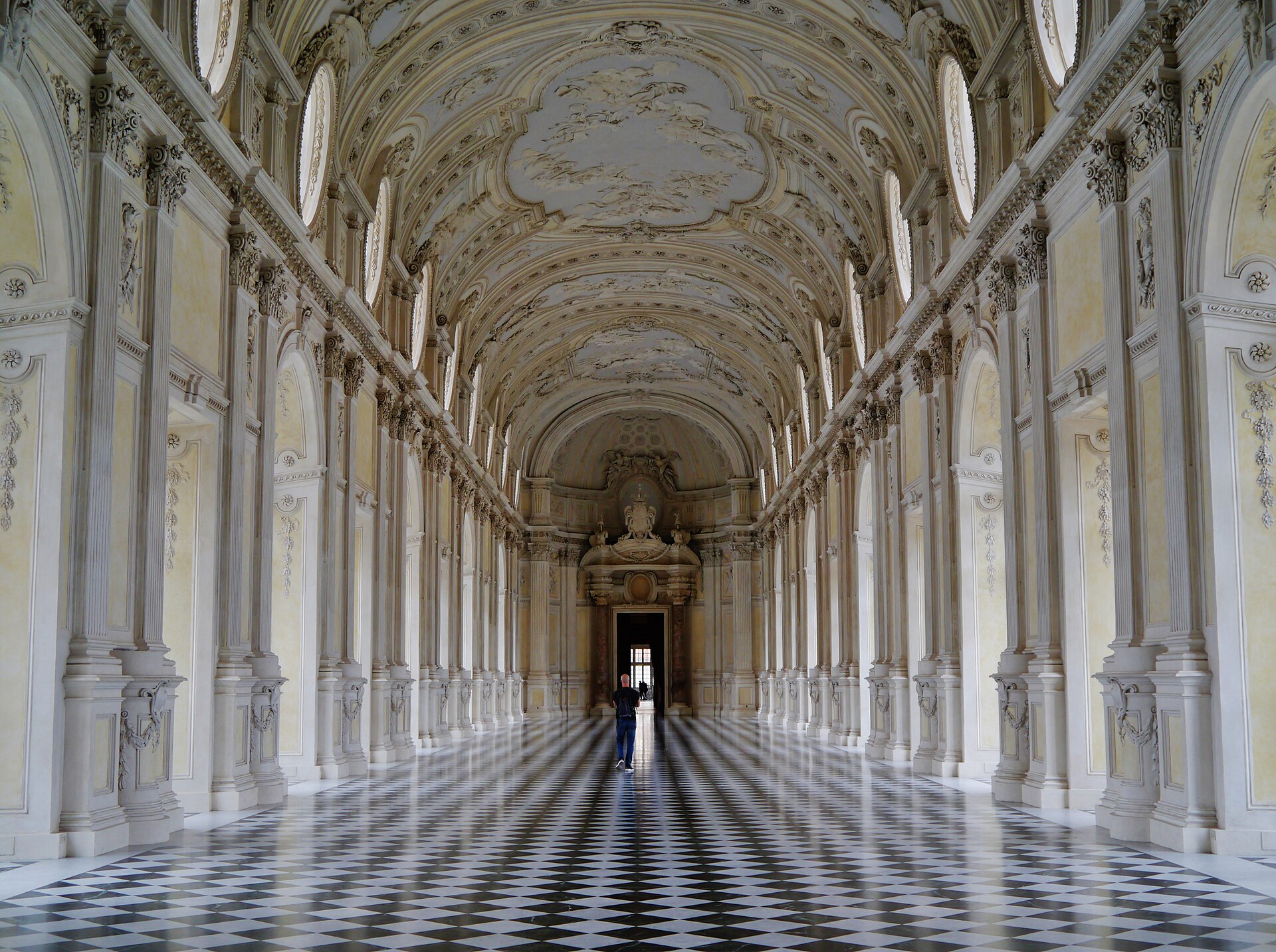
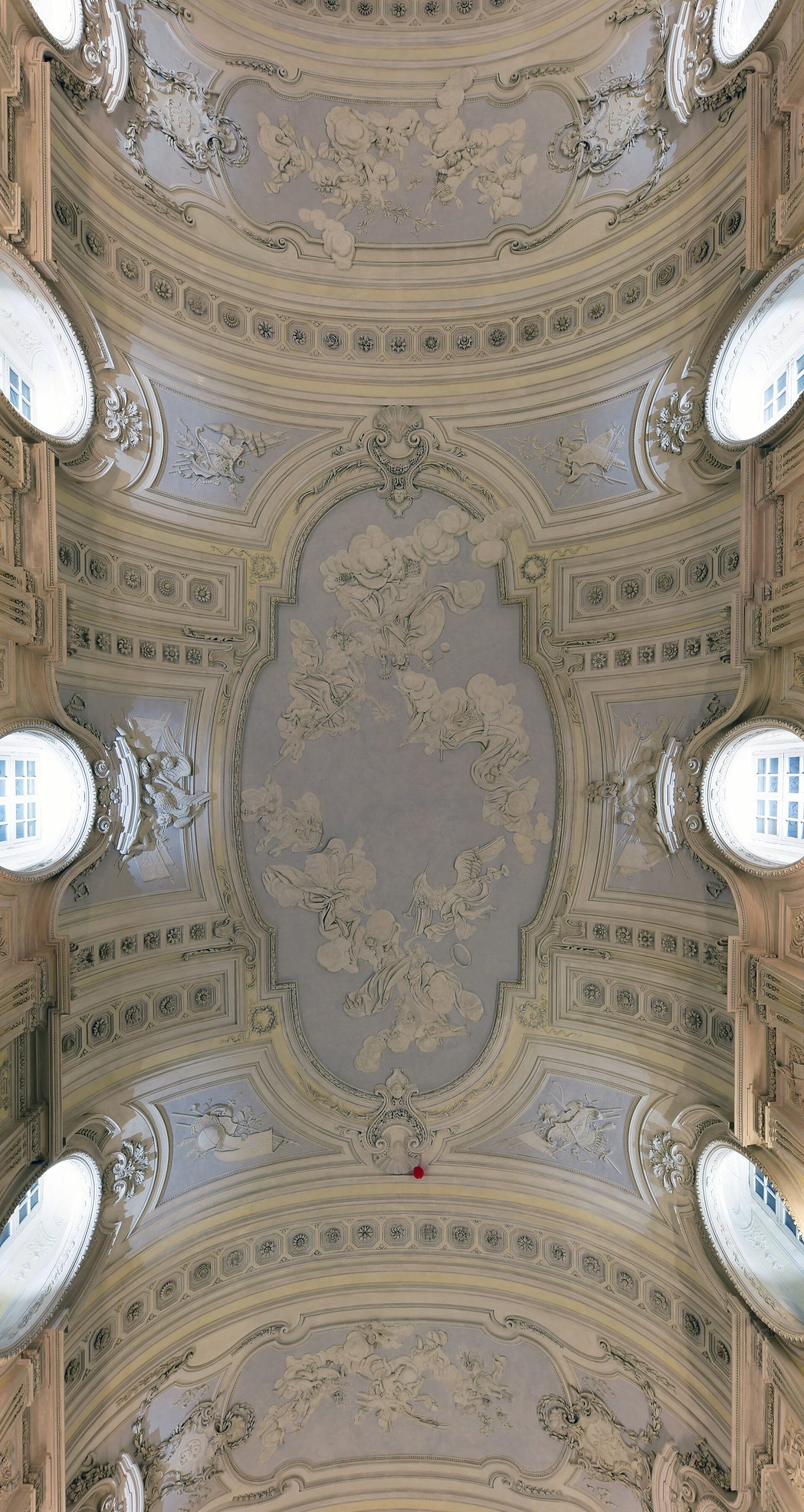
The masterpiece of Juvarra at Venaria, and one of the supreme achievements of Baroque architecture, is the Great Gallery, known also as the Gallery of Diana. This immense and luminous hall, stretching for a great length through the palace, is a space of breathtaking beauty, its walls pierced by great windows that flood it with light and its surfaces adorned with elegant stucco decoration.
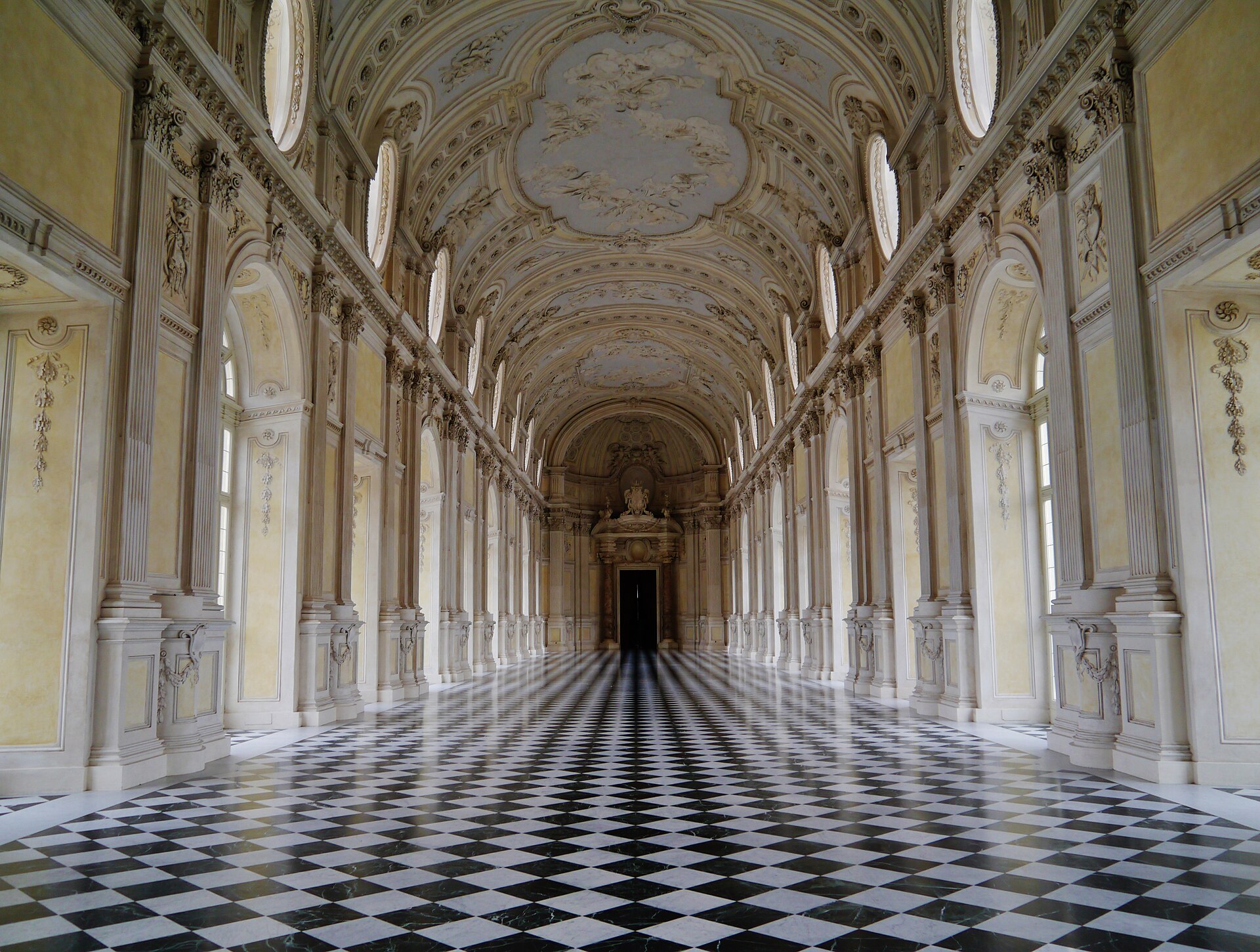
The gallery is a triumph of light and space, its long perspective drawing the eye onward between the rows of tall windows, its white and luminous interior filled with the changing light of the day. Juvarra designed it as a grand connecting space within the palace, but it is far more than a corridor; it is one of the most beautiful rooms in Europe, a masterpiece of the architecture of light.
The decoration of the gallery is a marvel of elegant stucco work, its surfaces enlivened with ornament that catches the light without overwhelming the purity of the architecture. The effect is one of extraordinary refinement and grandeur, a space at once monumental and serene, and it demonstrates Juvarra’s mastery of the interplay of architecture, light, and decoration.
The Great Gallery is the centrepiece of any visit to Venaria, a space whose beauty has few rivals anywhere in the world. Its luminous grandeur, its perfect proportions, and its elegant decoration make it a masterpiece of the Baroque, and it stands as the supreme expression of Juvarra’s genius and of the magnificence of the palace of the House of Savoy.
The gallery was conceived not merely as a passage but as the ceremonial spine of the palace, linking its wings and providing a magnificent setting for the processions and gatherings of the court. Its extraordinary length, running for the better part of a hundred metres, and the rhythm of its great windows and paired pilasters create an effect of measured grandeur that unfolds as one moves through it, a masterpiece of architectural theatre as well as of light.
The Church of Sant’Uberto
Among the great buildings that Juvarra added to Venaria is the Church of Sant’Uberto, dedicated to Saint Hubert, the patron saint of hunters, a fitting dedication for the chapel of a great hunting palace. The church is one of Juvarra’s finest religious buildings, a masterpiece of Baroque architecture that forms an integral part of the great complex of the residence.

The church is a building of great beauty and sophistication, its interior a masterly composition of space and light, adorned with fine sculpture and decoration. Juvarra brought to it the same genius for architecture that he displayed in his secular buildings, creating a sacred space of luminous grandeur worthy of the great palace to which it belonged.
The dedication to Saint Hubert, the patron of hunters, links the church directly to the purpose of Venaria as a hunting palace, and it reflects the deep connection between the chase, the court, and religion in the culture of the age. The church served the devotions of the court during its sojourns at the palace, and it added a sacred dimension to the great hunting residence.
The Church of Sant’Uberto stands as one of the masterpieces of Juvarra and one of the glories of Venaria, its elegant facade and luminous interior counting among the finest examples of Baroque religious architecture in Piedmont. It completes the great ensemble of buildings that Juvarra created at the palace, uniting the sacred and the magnificent in a single harmonious composition.
The genius of the church lies in Juvarra’s handling of its complex geometry and his mastery of the fall of light, which together create an interior of remarkable spatial drama within a relatively compact space. The building demonstrates how completely he had absorbed the lessons of the great Roman Baroque while transforming them into something entirely his own, and it ranks among the finest churches of its century in all of northern Italy.
The Citroniera and the Great Stables
Among the most impressive of Juvarra’s creations at Venaria are the great buildings that housed the orangery and the stables, the Citroniera and the Grande Scuderia. These enormous structures, built on a monumental scale, reflect the importance of horses and of the hunt in the life of the palace, and they are masterpieces of architecture in their own right.

The Citroniera was designed to shelter the citrus trees and delicate plants of the gardens through the winter, a vast hall of light and elegance, while the adjoining great stables provided magnificent accommodation for the horses that were so central to the hunting life of the court. Both were conceived on a grand scale, worthy of the great palace they served.
These buildings demonstrate the way in which even the functional structures of Venaria were treated as opportunities for architectural magnificence. Juvarra brought to the stables and the orangery the same genius that he displayed in the gallery and the church, creating vast and elegant spaces that rank among the finest of their kind anywhere.
Today these great buildings, restored to their original splendour, serve as spectacular exhibition spaces, their enormous halls providing magnificent settings for displays and events. They stand as a reminder of the scale and the ambition of Venaria, and of the way in which the whole palace, down to its stables and orangery, was conceived as a unified work of architectural art.
The scale of these buildings is difficult to convey in words, for the great gallery of the stables and the vast hall of the orangery are among the largest such spaces of their kind ever built, their sheer size a testament to the wealth and ambition of the House of Savoy. That structures built merely to house horses and plants should rank among the architectural masterpieces of their age speaks eloquently of the extraordinary standards that governed every part of Venaria.
The State Apartments
Within the palace, beyond the great gallery, extend the state apartments of Venaria, the richly decorated rooms that served as the residence of the dukes and kings of Savoy during their sojourns at the palace. These apartments, adorned with frescoes, stucco, and fine decoration, reflect the magnificence of the Savoyard court and the tastes of the successive rulers who inhabited the residence.
The apartments were the setting for the courtly life of the palace, for the receptions, ceremonies, and entertainments that accompanied the great hunts. Their decoration, carried out over the long period of the palace’s development, ranges from the earlier Baroque of Castellamonte’s day to the more refined splendour of the age of Juvarra, so that the rooms trace the evolution of the palace.
Among the themes of the decoration, the hunt naturally featured prominently, celebrating the purpose of the palace and the prowess of its rulers, alongside the mythological and allegorical subjects favoured by the age. The apartments thus united the magnificence of a royal residence with the particular character of Venaria as a great hunting palace.
Though much was lost during the long centuries of the palace’s decline, the restoration has recovered a great deal of the splendour of the apartments, and they once more display the magnificence of the Savoyard court. Together with the gallery, the church, and the stables, they form part of the great sequence of spaces that make Venaria one of the most magnificent palaces in Italy.
The recovery of the apartments during the restoration was a painstaking process of conservation and, where necessary, careful recreation, guided by surviving fragments and historical records. Where once there had been decay and loss, the visitor now finds rooms that once more evoke the splendour of the Savoyard court, allowing the atmosphere of the great hunting palace in its heyday to be experienced again after centuries of ruin.
The Great Gardens
The palace of Venaria is set amid vast gardens, laid out on a grand scale to match the magnificence of the buildings and to provide a setting for the pleasures of the court. Extending over an enormous area, the gardens were conceived as an integral part of the great design of the residence, uniting architecture and landscape in a single monumental composition.
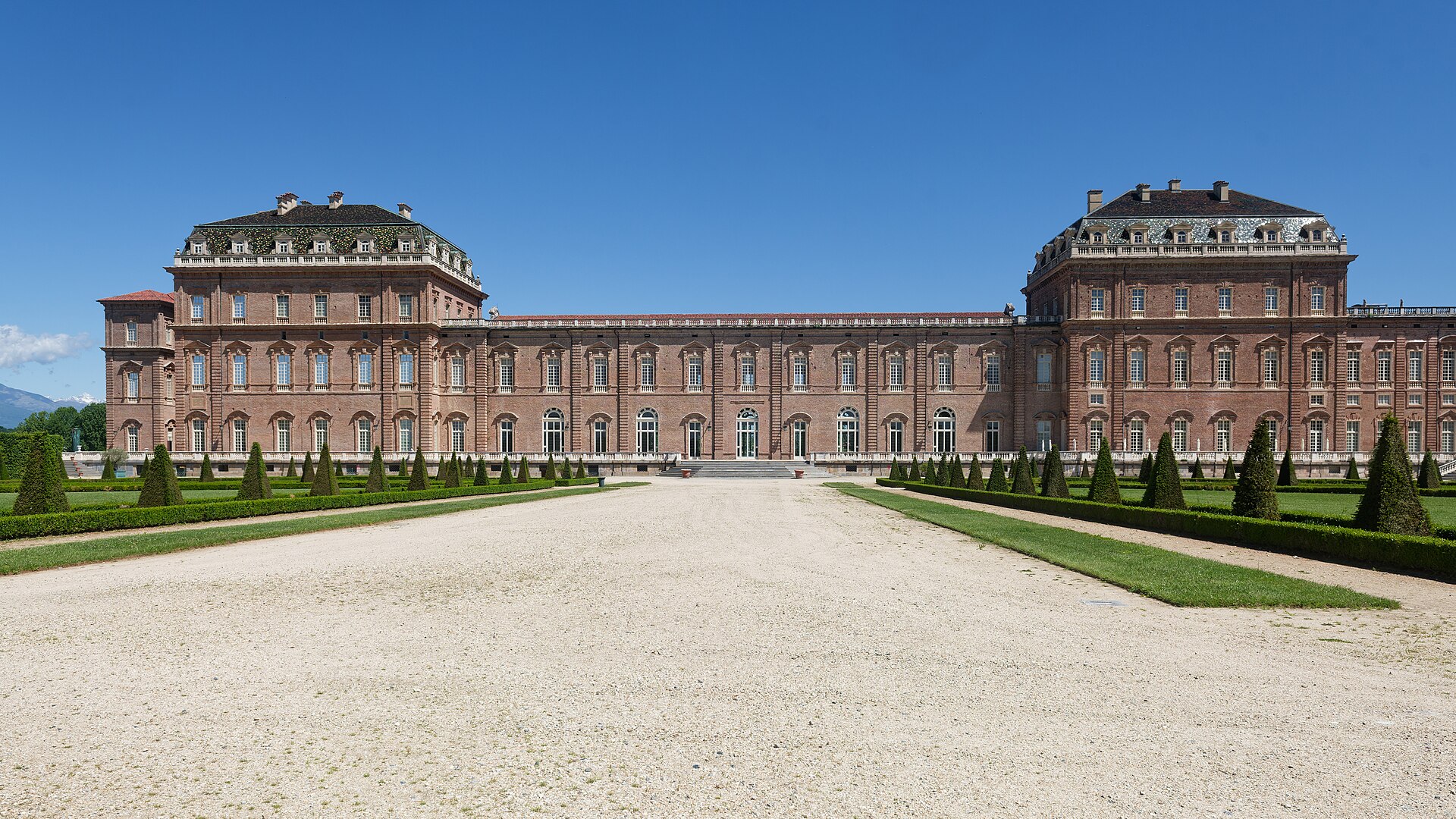
The gardens were laid out in the formal manner of the age, with grand axial vistas, parterres, avenues, and ornamental waters, arranged to be admired from the palace and to provide settings for the outdoor life of the court. Their scale was immense, befitting a palace devoted to the hunt, and they blended the ornamental gardens near the palace with the wider hunting grounds beyond.
Like the palace itself, the gardens suffered greatly during the long centuries of decline, and much of the original planting was lost. But the great restoration of Venaria included the recreation of the gardens, which have been brought back to life on their original grand scale, combining a recovery of their historic design with contemporary interpretations.
Today the gardens of Venaria are once more among the finest in Italy, a vast and beautiful landscape stretching away from the palace toward the Alps. They provide a magnificent setting for the great buildings, and they allow the visitor to experience something of the grandeur of the domain that the dukes and kings of Savoy created for their pleasure and their glory.
The recreation of the gardens was among the most ambitious aspects of the whole restoration, for almost nothing of the original planting had survived the centuries of neglect. The designers chose to combine a recovery of the historic geometry of the gardens with contemporary landscape design, creating a scheme that evokes the grandeur of the past while acknowledging that a literal reconstruction of the vanished gardens was impossible.
The Fountain of the Stag and the Waters
Among the features of the gardens of Venaria, the ornamental waters hold a special place, and chief among them is the Fountain of the Stag, a great composition that recalls the hunting purpose of the palace. Set within the gardens, the fountain and its surrounding basin form a magnificent centrepiece, its imagery evoking the chase that was the very reason for the palace’s existence.

The great basin known as the Peschiera and the other waters of the gardens were designed as both ornamental features and settings for the entertainments of the court, and they added the beauty and the coolness of water to the great landscape of the gardens. The play of water was an essential element of the Baroque garden, and at Venaria it was deployed on a grand scale.
The Fountain of the Stag, with its evocation of the hunt, links the gardens directly to the purpose of the palace, just as the Church of Sant’Uberto did within the buildings. The imagery of the hunt runs through the whole design of Venaria, from the fountains of the gardens to the decoration of the apartments, unifying the great residence around its central theme.
Restored along with the rest of the gardens, the fountains and waters of Venaria once more bring the beauty of moving water to the great landscape. They form one of the highlights of the gardens, and they preserve, in their imagery and their grandeur, the memory of the hunting palace that the House of Savoy created amid the plains of Piedmont.
The Long Decline
After the great age of its creation, Venaria entered upon a long and melancholy decline. In the turbulent years around the end of the eighteenth century and the Napoleonic era, the palace suffered greatly, and thereafter it was put to uses far removed from its original magnificence, above all as a military barracks, a role it would fill for many years.
The transformation of the great palace into a barracks was disastrous for its fabric and its decoration. The magnificent rooms were adapted to military use, the gardens were largely destroyed, and the palace was allowed to fall into a state of severe neglect and decay. Over the course of the nineteenth and twentieth centuries, Venaria declined from one of the great palaces of Europe into a ruin.
For a long time it seemed that the palace might be lost altogether, so severe was its deterioration. The buildings crumbled, the decoration decayed, and the gardens vanished, and the great residence of the House of Savoy became a byword for neglect, a magnificent monument abandoned to ruin. Few would have imagined that it could ever be restored.
The decline of Venaria was a tragedy for the cultural heritage of Italy, the near-loss of one of the supreme achievements of the Baroque. Yet the very depth of its ruin would, in time, make its restoration all the more remarkable, and the palace that had fallen so low would be raised again in one of the greatest cultural recovery projects ever undertaken.
The fate of Venaria in these years reflected the wider upheavals that swept away so much of the old order in Europe, as palaces built for the pleasure of princes were turned to the harsh uses of a new age of mass armies and revolution. That so magnificent a creation could be reduced to a barracks and left to decay is a measure of how completely the world that had built it had passed away, and of the fragility even of the greatest works of art.
The Great Restoration
The rescue of Venaria was one of the largest and most ambitious cultural restoration projects ever undertaken in Europe. Beginning in the late twentieth century, an enormous effort was mounted to save the ruined palace, to repair its fabric, to restore its interiors, and to recreate its gardens, a task of vast scale and complexity that occupied many years and great resources.

The restoration required the repair of buildings that had fallen into severe decay, the conservation of what survived of the original decoration, and the recreation of what had been lost, all carried out to the highest standards. The gardens, which had almost entirely vanished, were brought back to life, and the great buildings of Juvarra were restored to their original splendour.
The project was a triumph of skill, patience, and dedication, and it transformed the ruined palace back into one of the great residences of Europe. When Venaria at last reopened to the public in the early twenty-first century, after decades of work, it was hailed as one of the greatest achievements of cultural restoration of modern times.
The recognition of Venaria and the other residences of the House of Savoy as a World Heritage Site underlined the importance of what had been saved. The restoration not only recovered a great monument of the Baroque but demonstrated what could be achieved through determination and skill, and it gave back to Italy and the world one of its supreme palaces, raised again from ruin.
The restoration of Venaria was as much an act of cultural faith as of technical skill, a decision by modern Italy to reclaim a masterpiece that earlier generations had abandoned. It required not only the physical repair of the buildings and gardens but a scholarly effort to recover their lost appearance, drawing on old records, drawings, and surviving fragments to guide the recreation of what had vanished.
Venaria Reale Today
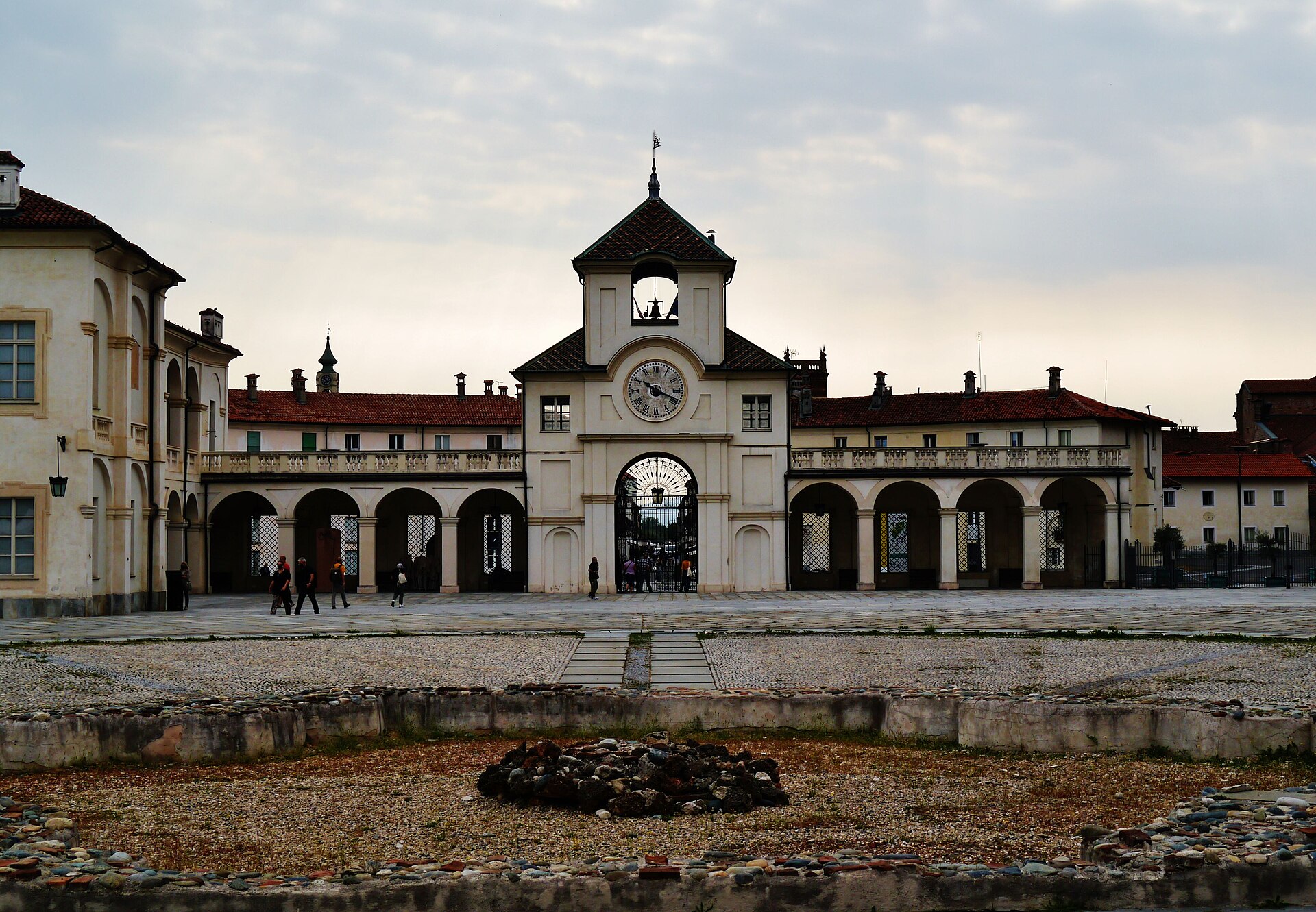
Today the Reggia di Venaria Reale is one of the most visited cultural sites in Italy, a magnificent palace restored to its former splendour and open to the public throughout the year. Visitors can walk through the great gallery of Juvarra, admire the Church of Sant’Uberto, explore the state apartments, and wander the vast restored gardens, experiencing the grandeur of the great hunting palace of the House of Savoy.
View the exact location on Google Maps
The palace serves not only as a monument to be admired but as a great cultural centre, hosting major exhibitions, events, and displays in its magnificent spaces, above all the enormous halls of the former stables and orangery. In this way Venaria has taken on a vibrant new life, combining the preservation of its historic splendour with a dynamic role in the cultural life of Italy.
Set near Turin, at the foot of the Alps, the palace is easily reached and forms, with the other residences of the House of Savoy in and around the city, one of the great concentrations of royal architecture in Europe. Its combination of magnificent buildings, luminous interiors, and vast gardens makes it one of the most rewarding of all Italian palaces to visit.
From its origins as a great hunting residence of the dukes of Savoy, through its transformation by the genius of Juvarra, its long decline into ruin, and its triumphant restoration, Venaria Reale has lived many lives. Restored and reborn, it stands today as a monument to the splendour of the House of Savoy, to the genius of the Baroque, and to the power of restoration to bring even the most ruined of masterpieces back to magnificent life.
The success of Venaria since its reopening, drawing great numbers of visitors and hosting major cultural events, has made it a model of how a ruined heritage site can be given a vibrant new life. It stands not only as a restored monument of the past but as a living cultural institution, demonstrating that the preservation of the great works of history can go hand in hand with a dynamic role in the cultural life of the present.
Palaces Nearby
Venaria is one of the supreme palaces of Italy; these two are especially worth discovering:
You May Like