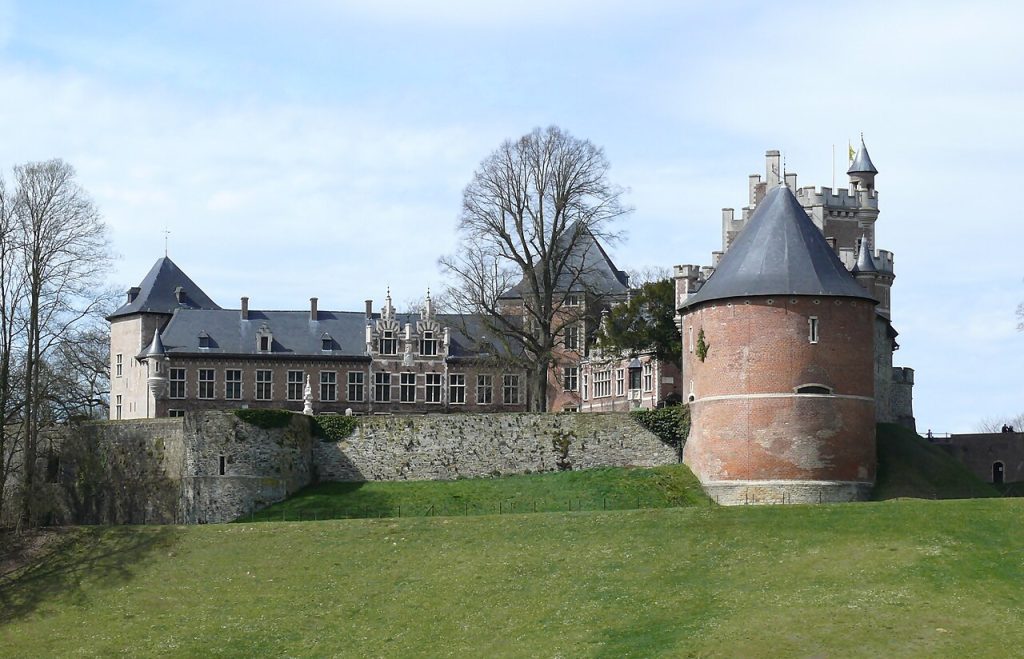
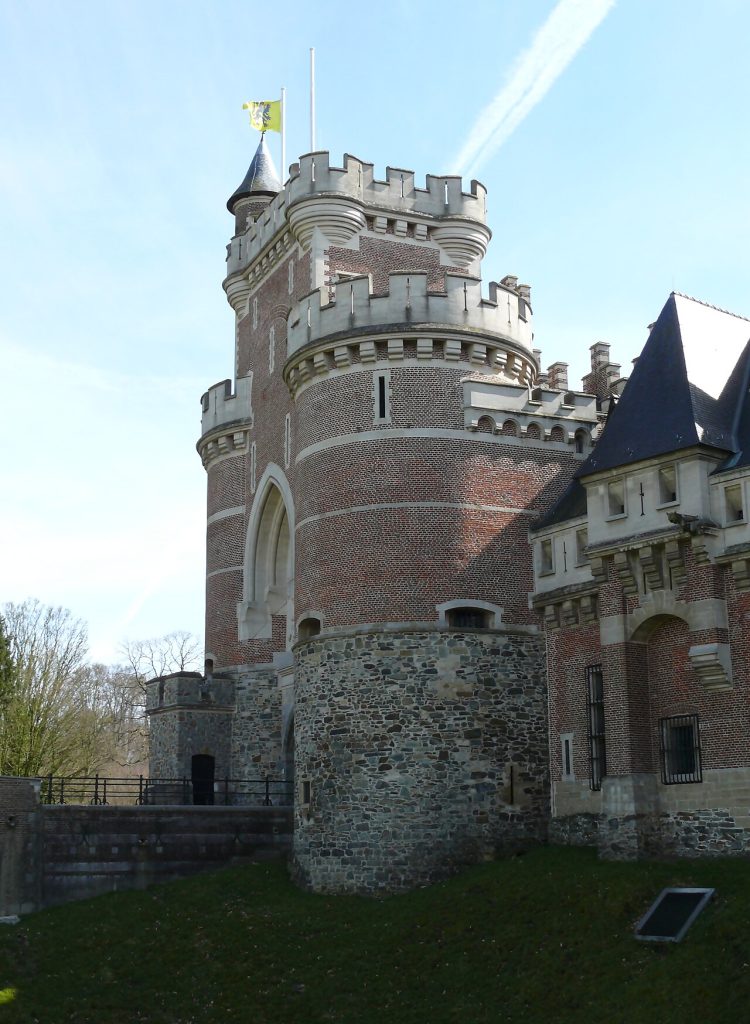
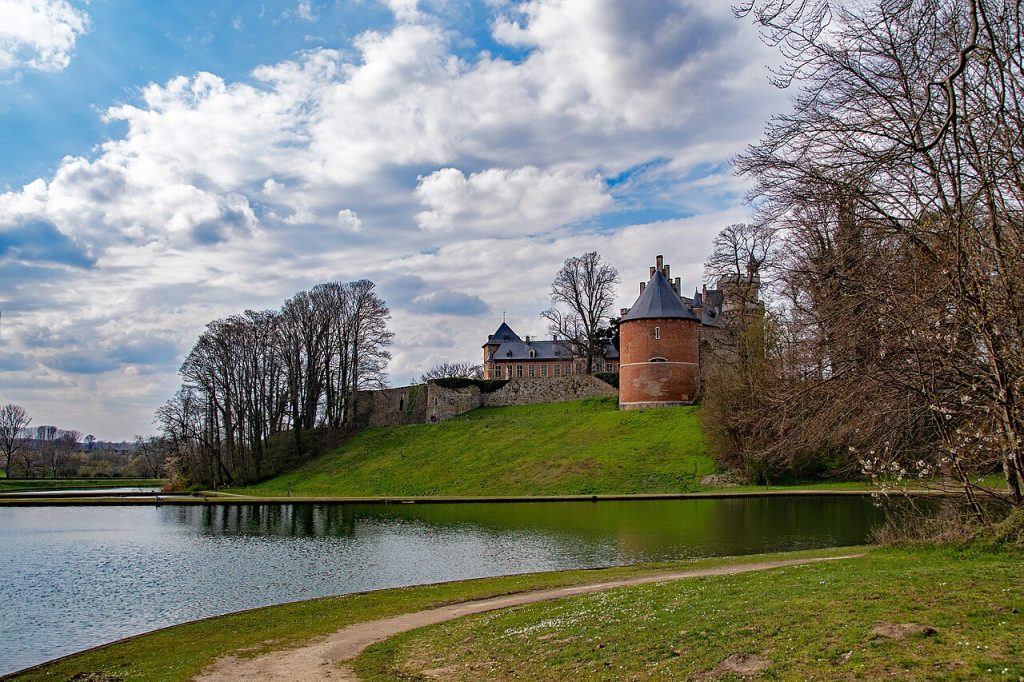
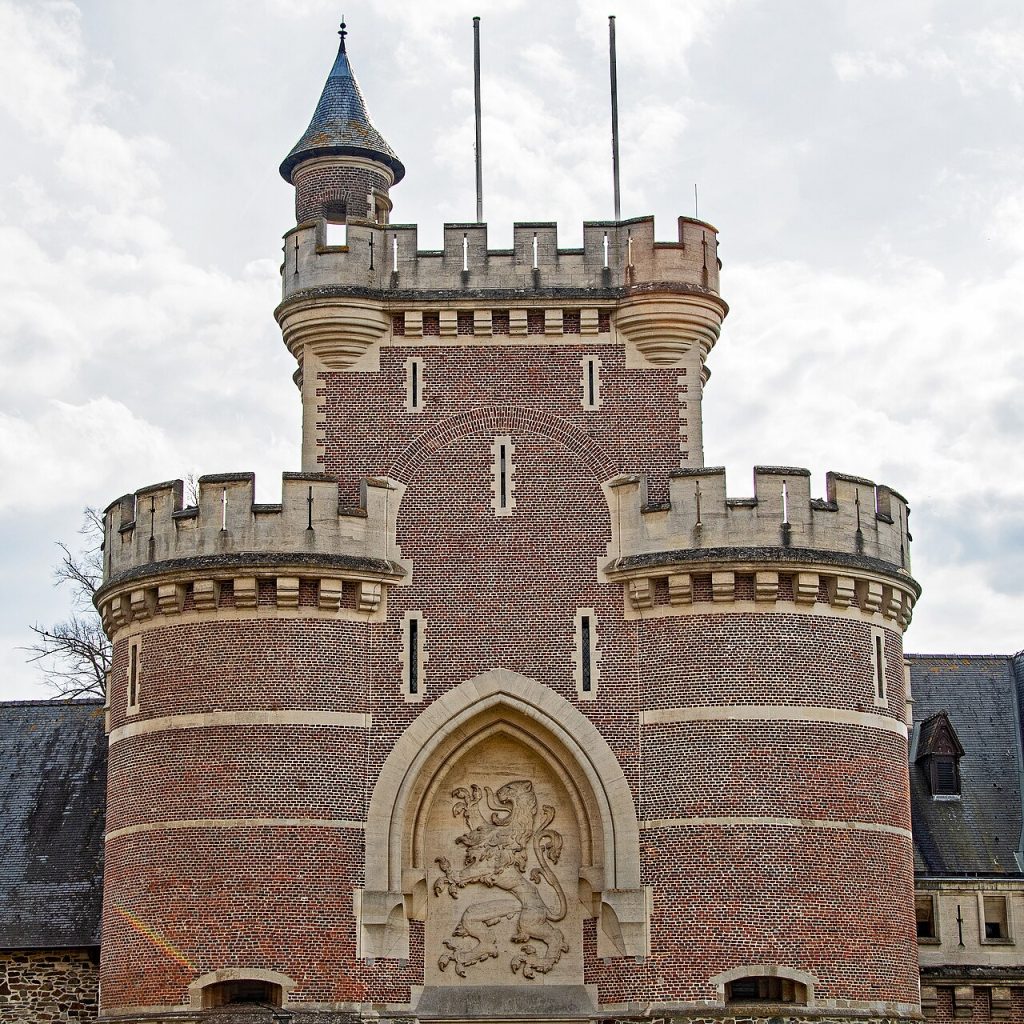
Now, stop at the top of the drive and look at the towers, and then distrust them. Gaasbeek looks like a medieval castle that survived by luck. It is not. It is a medieval castle that was systematically rebuilt in the late nineteenth century to look the way a wealthy romantic thought the Middle Ages should have looked.
That makes it a more interesting building, not a less interesting one. Honest restoration tells you about the past. A fantasy restoration tells you about the people who paid for it, and the people who paid for this one were among the most fascinating of their generation.
The fortress is real, the history is real, the collections are real. The silhouette is a dream. Learning to see both at once is the whole pleasure of a visit here.
- A Fortress on the Brabant Border
- The Count Who Lost His Head
- Burned, Besieged and Rebuilt
- The Arconati Visconti Inheritance
- The Marquise and Her Idea of the Past
- The Great Rebuilding
- Collections Assembled with Purpose
- The Rubens Connection
- A Radical in a Castle
- The Gift to the Nation
- The Park and the Museum Garden
- Conserving a Fantasy
- How to Read the Building
A Fortress on the Brabant Border
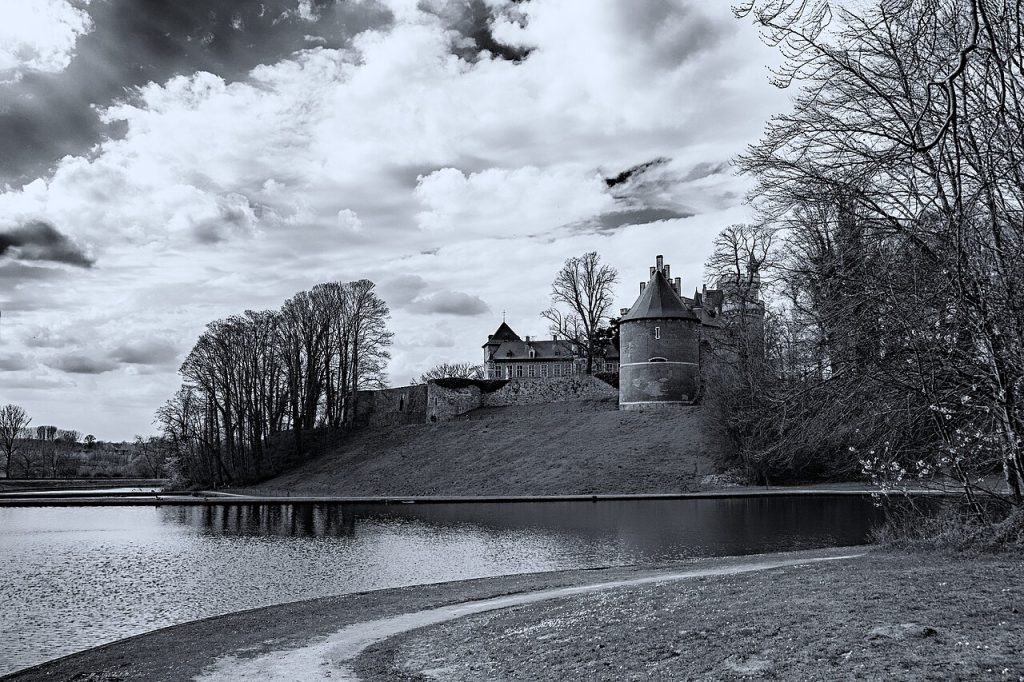
Gaasbeek stands about fifteen kilometres southwest of Brussels, in the green hills of the Pajottenland, and it was built in the thirteenth century to guard the duchy of Brabant against the county of Hainaut and the lords of Flanders.
Border castles live hard lives. This one was sacked by the people of Brussels in 1388 after the lord of Gaasbeek was implicated in the murder of a popular alderman, and the ruins stood for years before rebuilding. That pattern of destruction and reconstruction repeats across six centuries.
Look at the hill rather than the walls. The siting is medieval logic: high ground, long views, control of a route. Everything else has been replaced at least once.
The Count Who Lost His Head
In the sixteenth century the estate came into the hands of Lamoral, count of Egmont, one of the great nobles of the Netherlands and a general who had won victories for the Spanish crown before becoming a leader of the opposition to its religious policy.
In 1568 the duke of Alba had him arrested, tried and beheaded in the Grand Place at Brussels along with the count of Hoorn. The executions turned both men into martyrs and helped ignite the revolt that created the Dutch Republic. Goethe wrote a play about him and Beethoven wrote the overture.
Gaasbeek keeps the memory. Objects and portraits connected to Egmont are part of what the castle shows, and the association gave the later owners a historical weight they were keen to use.
Burned, Besieged and Rebuilt
The seventeenth century was no kinder. Armies crossed this ground repeatedly during the wars between France and Spain and later between France and the Habsburg empire, and the castle was damaged, repaired, partly dismantled and adapted into something closer to a country residence.
By the eighteenth century it had lost most of its military character. Walls were lowered, windows enlarged, comfort prioritised over defence. This is the normal life cycle of a castle in the Low Countries, and most ended either as farm buildings or as ruins in a park.
Gaasbeek escaped both fates because of a nineteenth-century inheritance that arrived with money and an idea.
The Arconati Visconti Inheritance
In 1796 the estate passed to the Arconati Visconti family, Milanese nobles with liberal politics and Italian money. Through the nineteenth century they held it as one property among several, and it might have remained a comfortable minor seat.
Then in 1873 Giammartino Arconati Visconti married Marie Peyrat, the daughter of a French republican journalist. He died in 1876, three years into the marriage, leaving her the castle and the fortune. She was thirty-six and had no intention of living quietly.
Everything that makes Gaasbeek remarkable follows from that widowhood.
The Marquise and Her Idea of the Past
Marie, marquise Arconati Visconti, was a republican, an anticlerical, a friend of Dreyfusards and a serious collector. She held a salon in Paris attended by historians, politicians and curators, and she spent decades turning Gaasbeek into the physical expression of her view of history.
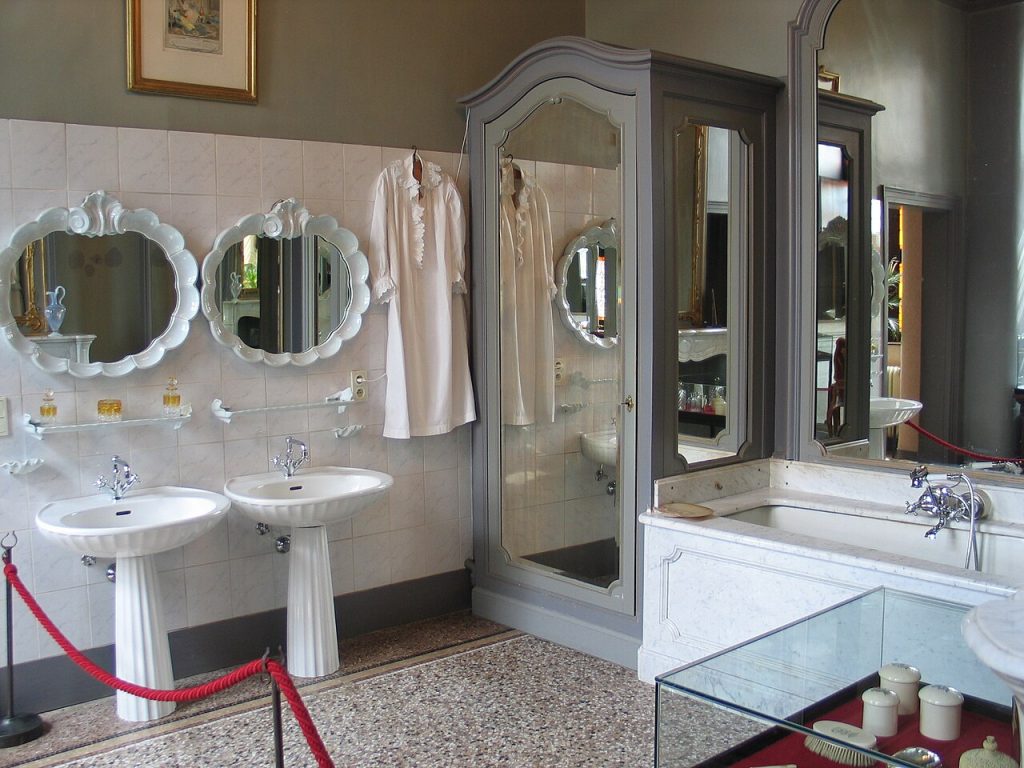
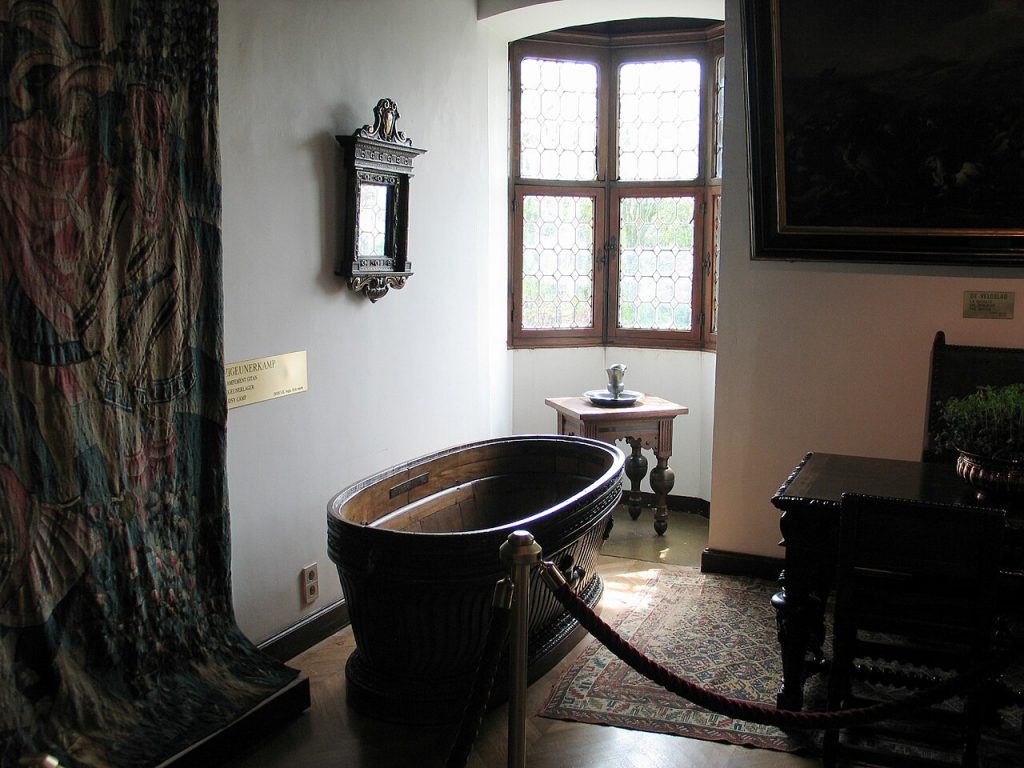
That view was romantic in the nineteenth-century sense. She wanted a castle that looked medieval and felt inhabited by the past: dark panelling, armour, tapestries, Gothic woodwork, heavy furniture, stained glass. Where originals could be bought, she bought them. Where they could not, she commissioned.
Judging her by modern conservation standards misses the point. She was not restoring a monument; she was composing one.
The Great Rebuilding
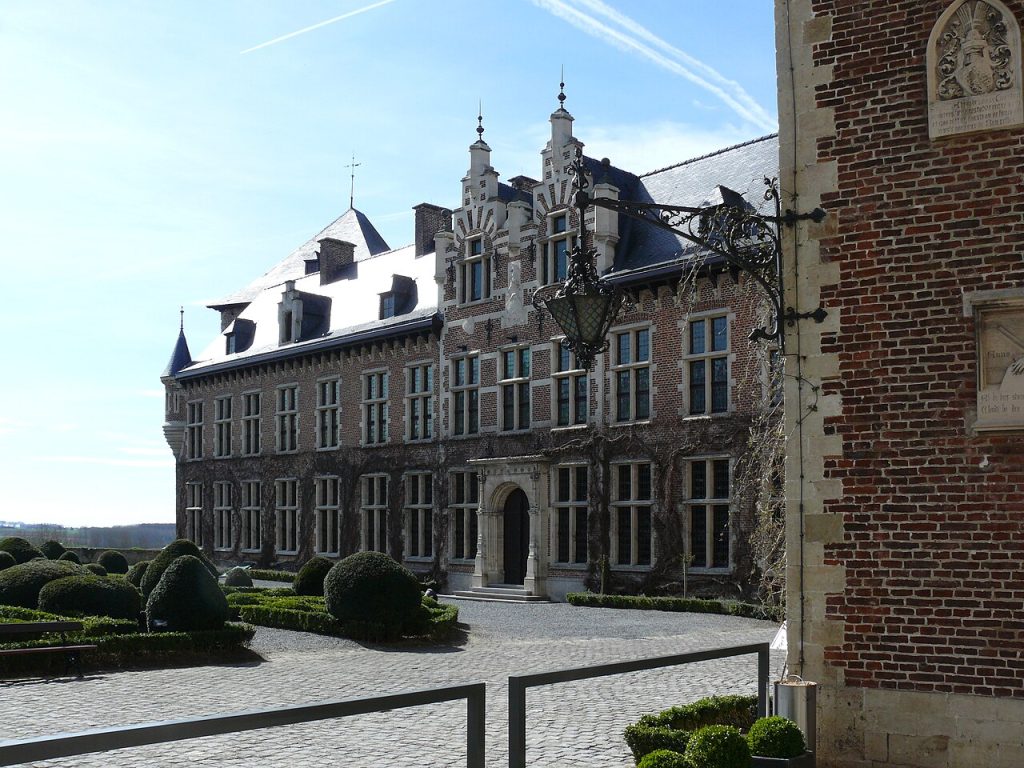
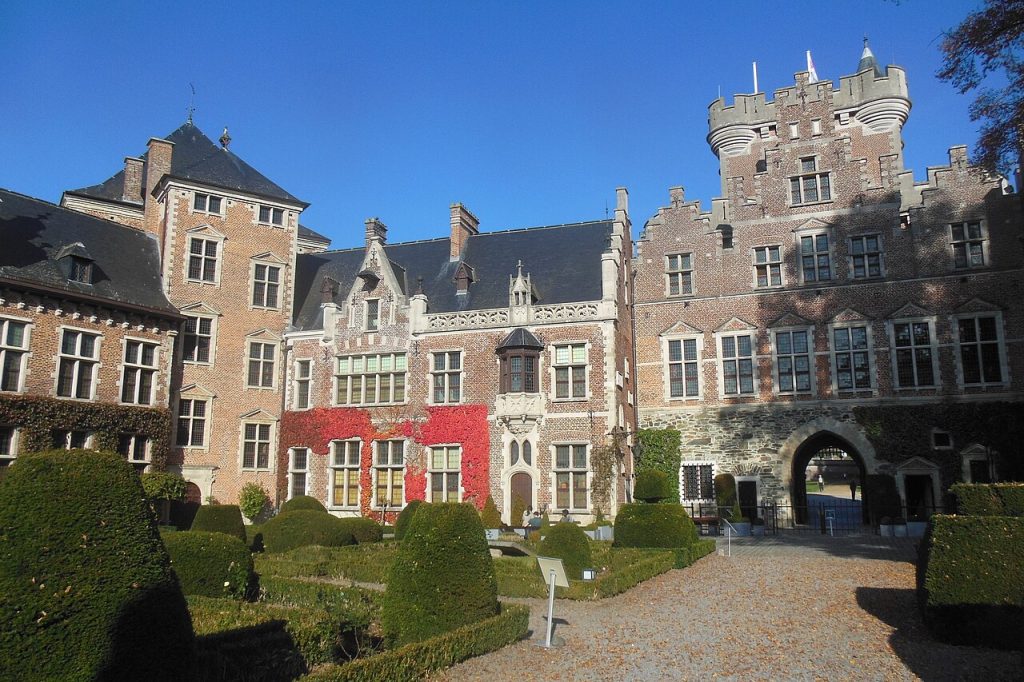
From the late 1880s she employed architects, chiefly Charles Albert, to rebuild the castle in a neo-Gothic and neo-Renaissance manner. Towers were raised and reshaped, roofs steepened, windows redesigned, interiors reconstructed around the collections she was buying.
The work continued for roughly two decades and produced the building you see. It is coherent, theatrical and extremely confident, which is exactly what a composed building should be.
Compare old photographs with the present silhouette if you can find them in the museum displays. The difference is startling, and it makes the visit far more interesting than a straightforward castle tour.
Collections Assembled with Purpose
The collections run from medieval sculpture and Flemish tapestry to furniture, ceramics, metalwork, manuscripts and archives. The marquise bought at a time when such things were still available in quantity, and she bought with advice from the best scholars of her day.
The result is not a random accumulation. There are themes: the Netherlandish past, the Egmont association, the Renaissance, the craft traditions of Flanders and Italy. She was building an argument about European culture, with herself as its heir.
Take time in the rooms rather than photographing them. Many objects are individually significant and would carry a gallery of their own elsewhere.
The Rubens Connection
Among the holdings is material connected to Rubens, including a celebrated testament and documents relating to the painter’s circle, and the castle also holds works and objects linked to the artistic world of seventeenth-century Antwerp.
It is worth remembering that Rubens himself bought a country house, Het Steen, not far from here, and lived the life of a landed gentleman as well as a painter. The Pajottenland and the Brabant countryside are the landscape behind much Flemish painting.
Bruegel painted this same country. If you drive the lanes around Gaasbeek you will recognise the hills, the hedges and the church towers immediately.
A Radical in a Castle
The contradiction is obvious and the marquise enjoyed it. She was a committed republican who despised inherited privilege, and she lived in a tower with a drawbridge. She funded universities, scholarships and museums with the money that came from aristocratic property.
Her Paris salon mixed professors with politicians, and she gave substantial sums to the Sorbonne, the Louvre and other institutions. She supported Dreyfus when that cost social standing. She also dressed, on occasion, in a style that visitors found eccentric and theatrical.
Castles usually record the tastes of conservatives. This one records the tastes of a radical, which is one of the reasons it feels different from similar houses.
The Gift to the Nation
In 1921 she gave Gaasbeek, with its collections, to the Belgian state. She died in 1923. The castle opened as a museum and has remained one since, now under the Flemish authorities.
Giving away a property of this size was consistent with everything else she had done. She had already given paintings to the Louvre and funds to French universities, and she treated her inheritance as something to be converted into public benefit rather than passed down.
The gift is also why the interiors survive as she left them. Private heirs would almost certainly have sold, redecorated or dispersed. A state museum freezes the moment of the gift.
The Park and the Museum Garden
The estate includes an English landscape park of around fifty hectares, open freely, with meadows, mature trees, water and long views back to the castle. It is a genuine local amenity and on a sunny weekend it fills with families from Brussels.
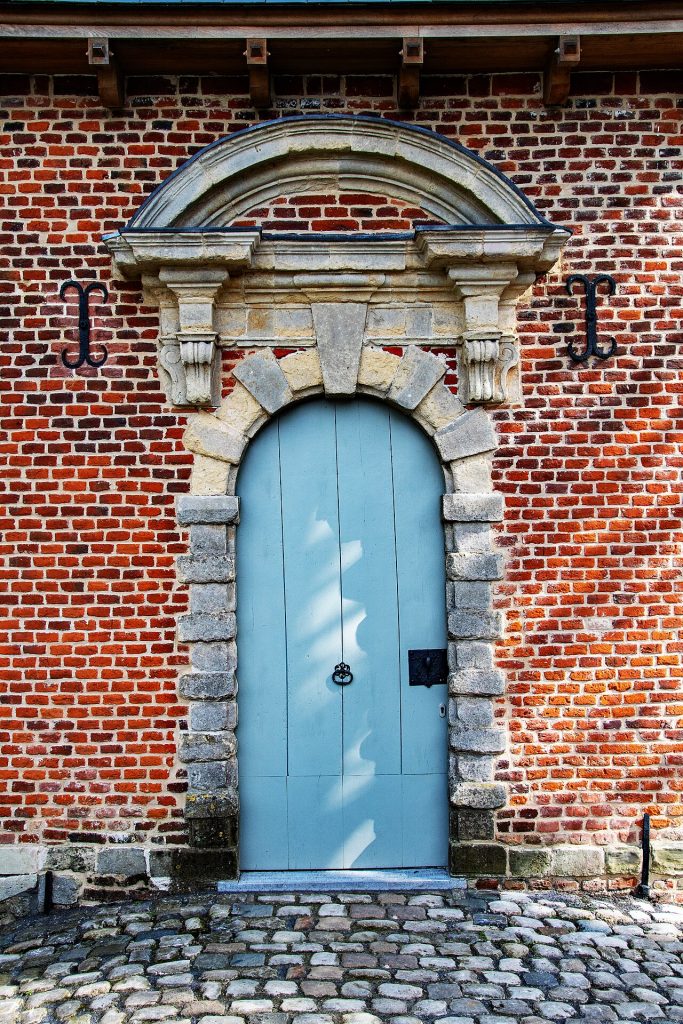
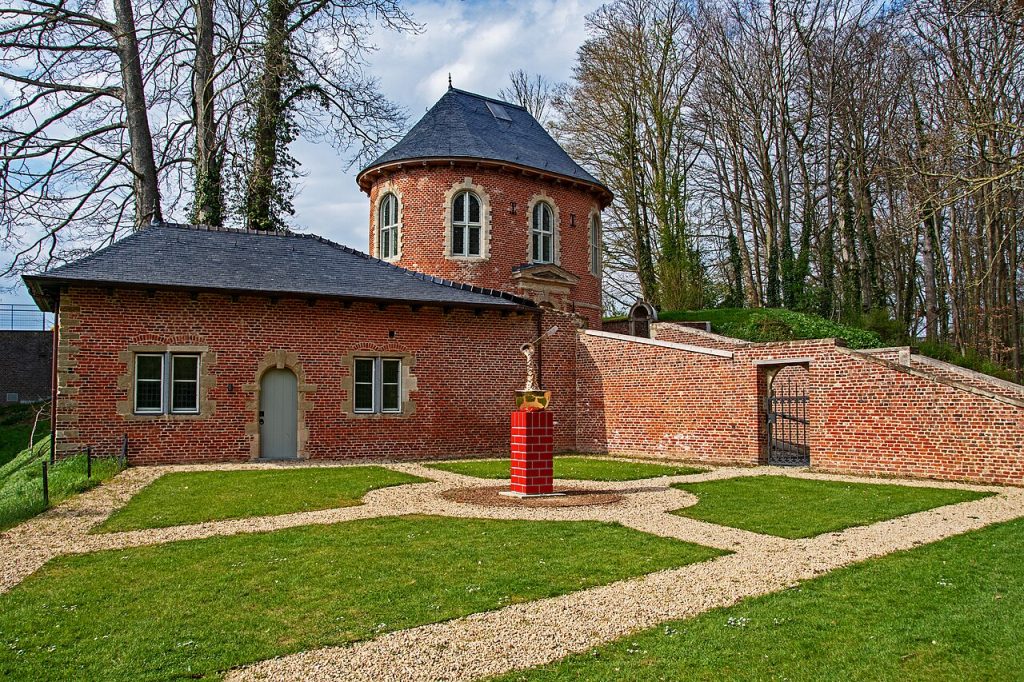
Beyond the park lies the walled museum garden, a restored historic kitchen and ornamental garden with heritage fruit varieties, vegetables, flowers and glasshouses. It is beautifully kept and often hosts art installations.
Many visitors come only for the park and never buy a ticket. That is a reasonable way to spend an afternoon, but the interiors are the reason the place exists.
Conserving a Fantasy
Modern conservators face an unusual problem here. Normally you strip later additions to reach an original. At Gaasbeek the later additions are the heritage, so the task is to conserve a nineteenth-century vision of the Middle Ages without either purifying it or letting it decay.
Recent restoration campaigns have worked on roofs, structure, interiors and the garden, and the museum has leaned into the ambiguity by programming contemporary art alongside the historic rooms.
That choice divides visitors. Some find the juxtaposition clarifying; others want the castle left alone. Either way, it keeps the building in conversation rather than in storage.
How to Read the Building
Here is a method for the visit. First, look for the real medieval fabric, lower down and plainer. Then look at what was added in the 1890s, higher up and more dramatic. Then look at what the collections are arguing about European history.
Three buildings occupy the same site: a fortress, a country house and a museum of ideas. The marquise wanted you to see only the first, and the honest pleasure of Gaasbeek today is seeing all three.
Walk back down the drive at the end and turn around once. The silhouette is a lie, and it is a magnificent one.
Visiting Gaasbeek Castle Today
Gaasbeek lies in the municipality of Lennik, about fifteen kilometres southwest of Brussels. Bus services run from Brussels toward Lennik and Gaasbeek, and the journey by car takes around half an hour from the city centre.
The castle museum opens seasonally, generally from spring through autumn, with closures on Mondays and in winter; the park is open all year and free. Check the museum calendar before travelling, since exhibitions and events change the opening pattern.
Allow three to four hours for castle, museum garden and a walk in the park. The Pajottenland lanes nearby are excellent for cycling if you have more time. Find it here: https://www.google.com/maps?q=50.8008,4.1569
Palaces Nearby
You May Like
Beloeil Castle and the Versailles of Belgium