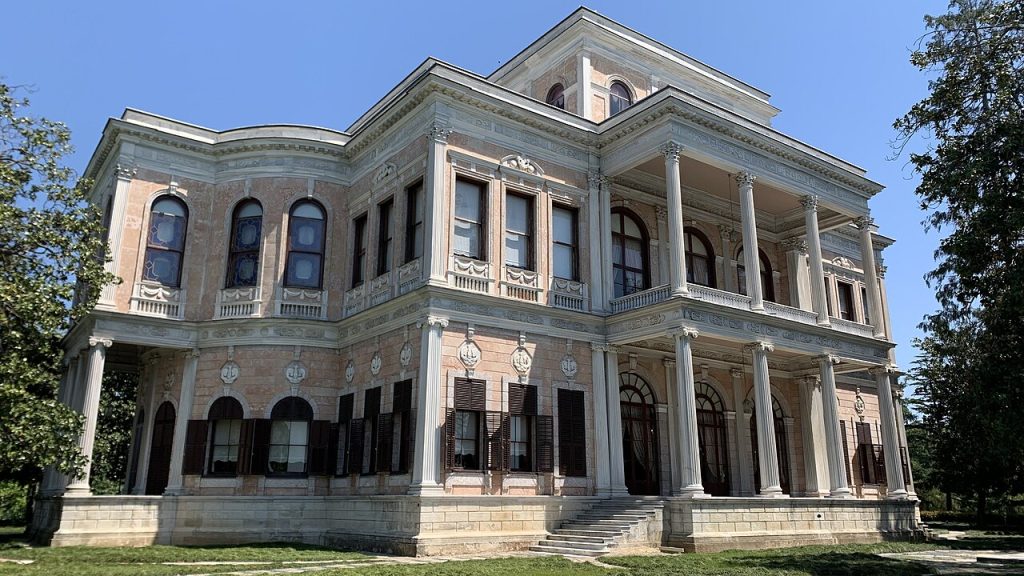
Now, stop on the lawn in front of the portico and consider who paid for this. The pavilion was begun by Mehmed Ali Pasha, the Albanian soldier who made himself ruler of Egypt, broke the Ottoman army twice, and nearly destroyed the empire he nominally served.
He died before it was finished. His son completed it and presented it to Sultan Abdulmecid, the man his father had almost overthrown, as a gift.
That sequence, rebellion followed by marble diplomacy, is one of the stranger stories on the Bosphorus, and this quiet building in the woods above Beykoz is its monument.
- The Upper Bosphorus
- Mehmed Ali Pasha of Egypt
- The Egyptian Crisis
- Building Begins
- The Gift to the Sultan
- A Marble Box in the Woods
- The Interiors
- Guests and Ceremonies
- The Hospital Years
- Restoration
- The Grove and the Shore
- Egyptian Istanbul
- Visiting Beykoz
The Upper Bosphorus
Beykoz lies on the Asian shore near the northern end of the Bosphorus, where the strait widens toward the Black Sea and the hills are steeper and greener.
This was always the least urbanised stretch, with villages, meadows, glass and leather workshops, and the wooden mansions of the elite along the water.
It remains the quietest part of the strait, with forest running down to the shore.
Mehmed Ali Pasha of Egypt
Mehmed Ali, born in Kavala in what is now Greece, arrived in Egypt with Ottoman forces in 1801, manoeuvred his way to the governorship by 1805, destroyed the Mamluk elite, and built a modern army, navy, industry and education system.
He is regarded as the founder of modern Egypt, and his dynasty ruled there until 1952.
He was also, formally, a servant of the sultan, which became a problem for both of them.
The Egyptian Crisis
In the 1830s Mehmed Ali’s armies, commanded by his son Ibrahim, took Syria, defeated the Ottoman army twice and advanced into Anatolia. In 1833 and again in 1839 the empire faced destruction by its own governor.
It survived because the European powers intervened, Britain and Austria militarily in 1840, to prevent Russia from becoming the empire’s protector.
The settlement gave Mehmed Ali hereditary rule in Egypt and required him to withdraw everywhere else.
Building Begins
Mehmed Ali owned property in Istanbul, as powerful provincial governors did, and began building a pavilion at Beykoz in the mid-1840s, after the settlement that confirmed his dynasty in Egypt.
Building a marble pavilion in the sultan’s capital, years after nearly conquering it, was itself a political statement about reconciliation and status.
He died in 1849 with the work unfinished.
The Gift to the Sultan
His son Abbas Pasha completed the building and presented it to Sultan Abdulmecid in 1855, during the Crimean War, when Ottoman and Egyptian forces were fighting on the same side against Russia.
The gift was accepted, and the pavilion entered the imperial estate under the name Mecidiye, after the sultan.
Gifts of buildings between rulers were rare and expensive diplomacy, and the timing was carefully chosen.
A Marble Box in the Woods
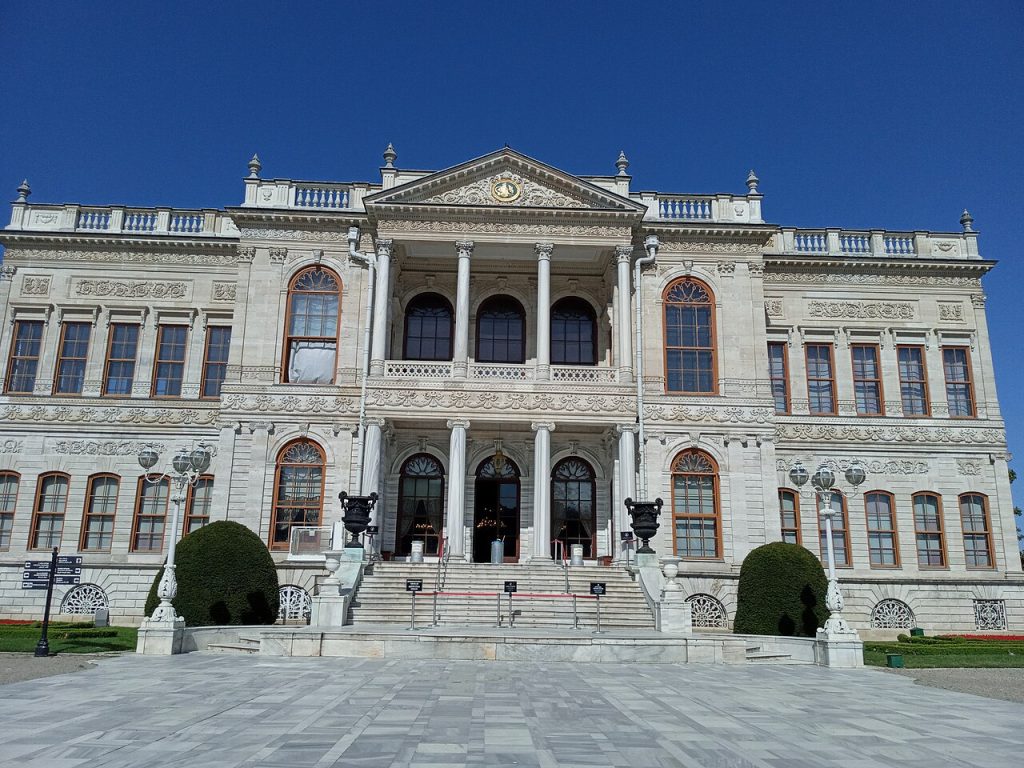
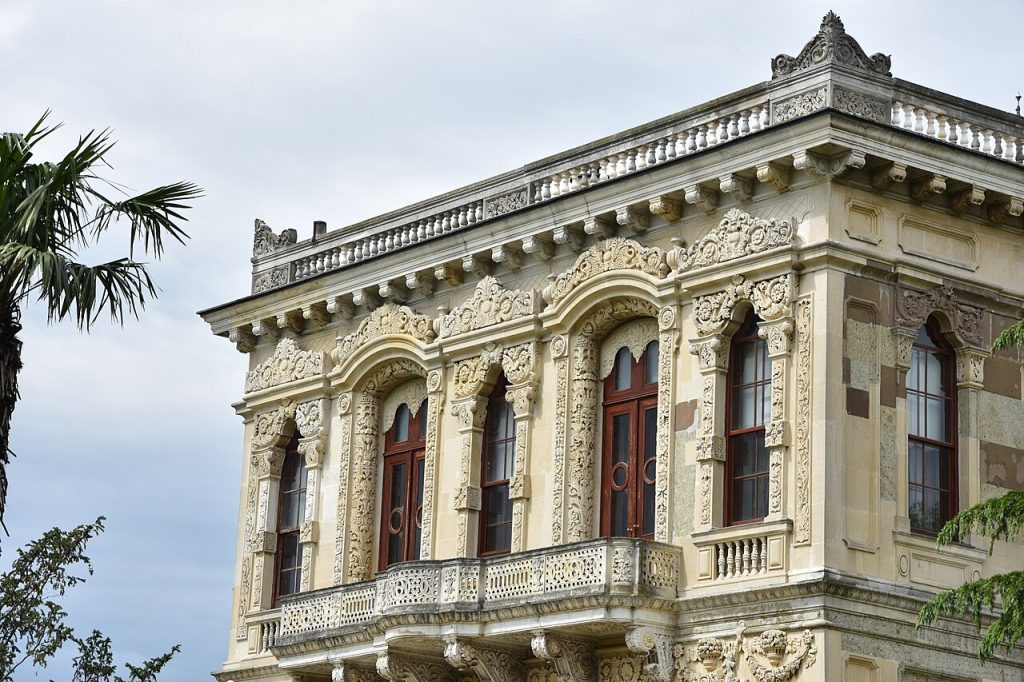
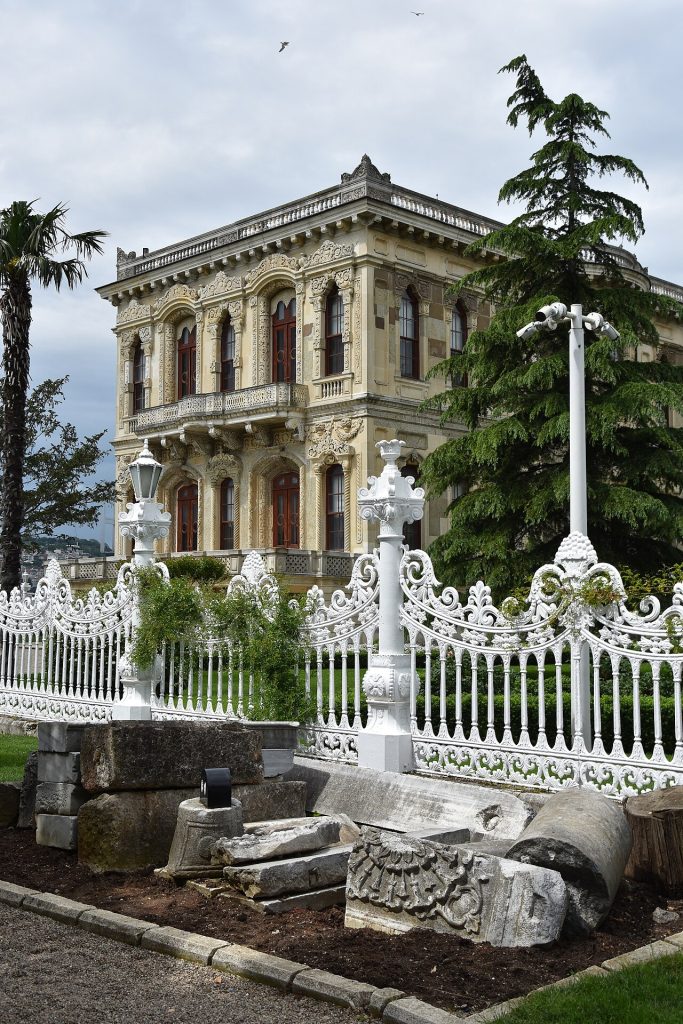
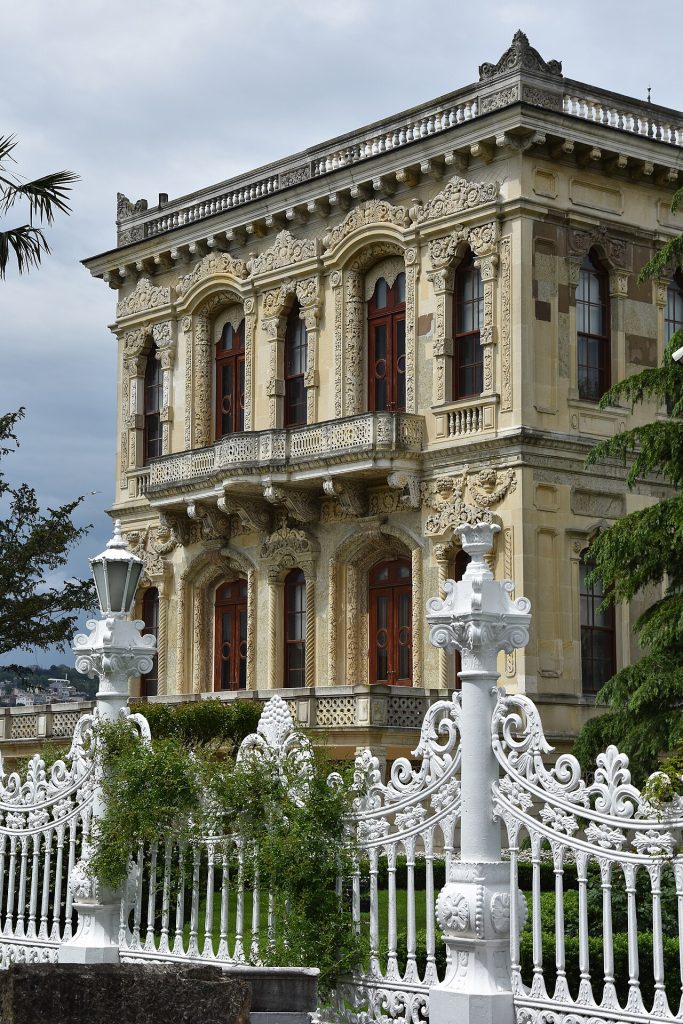
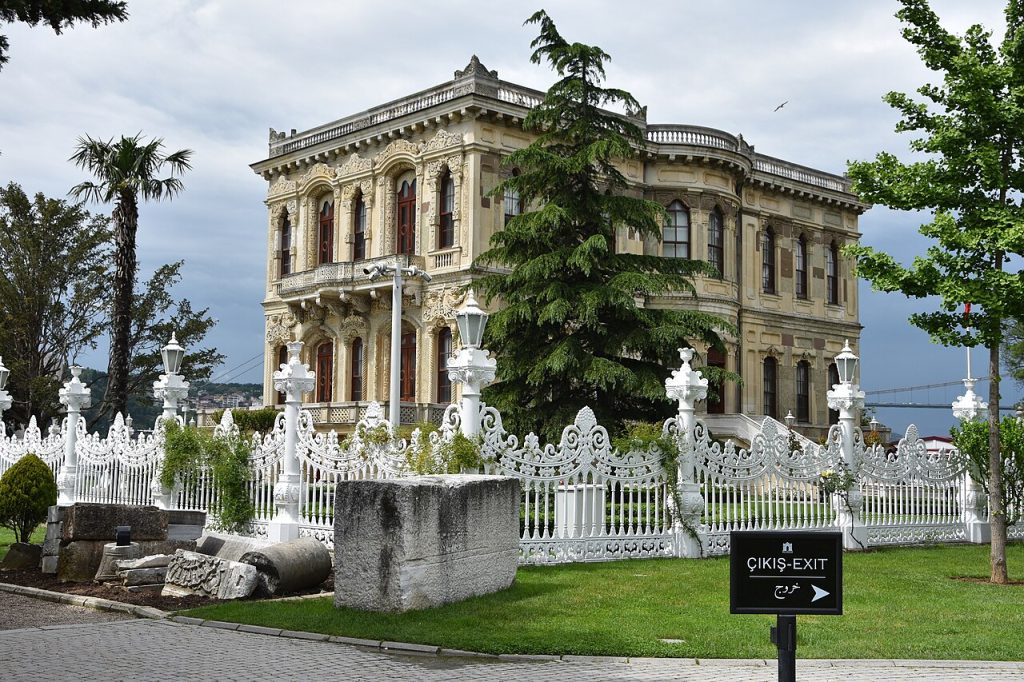
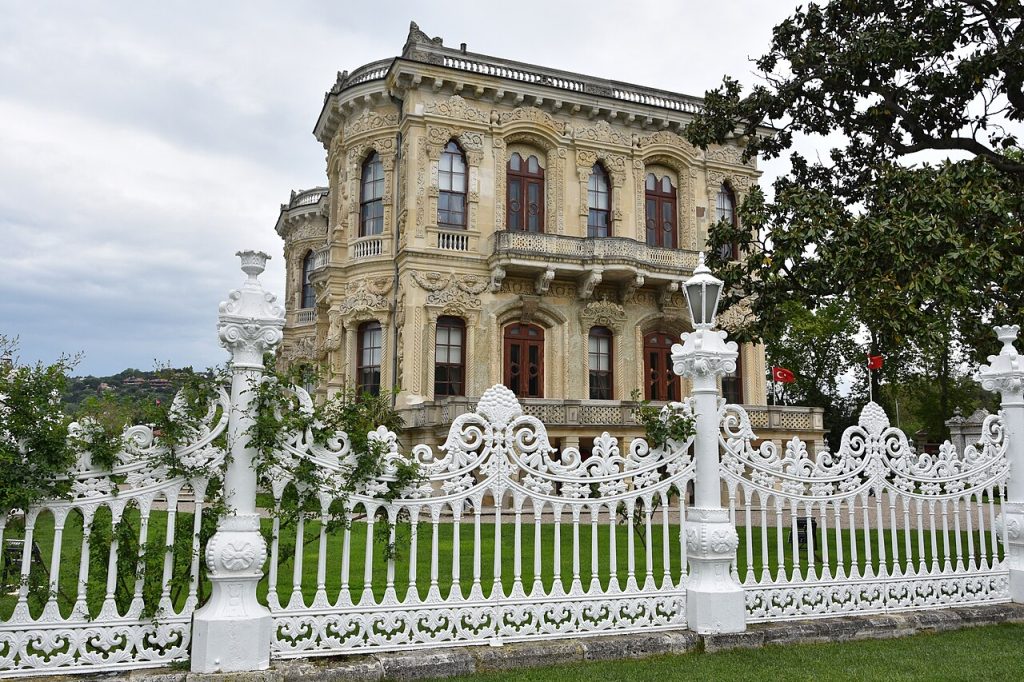
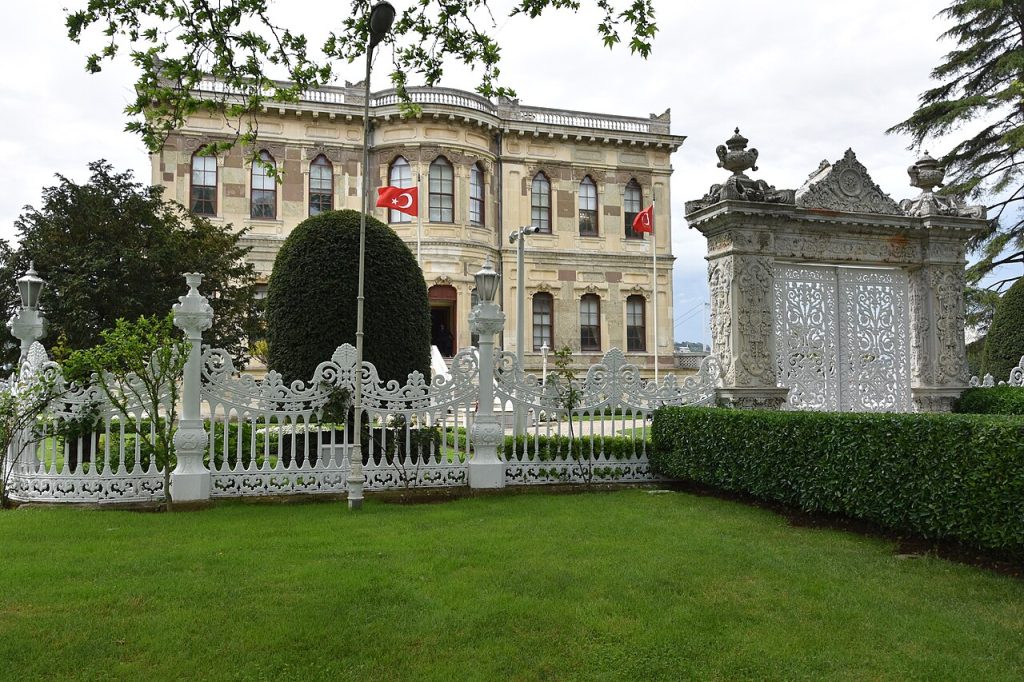
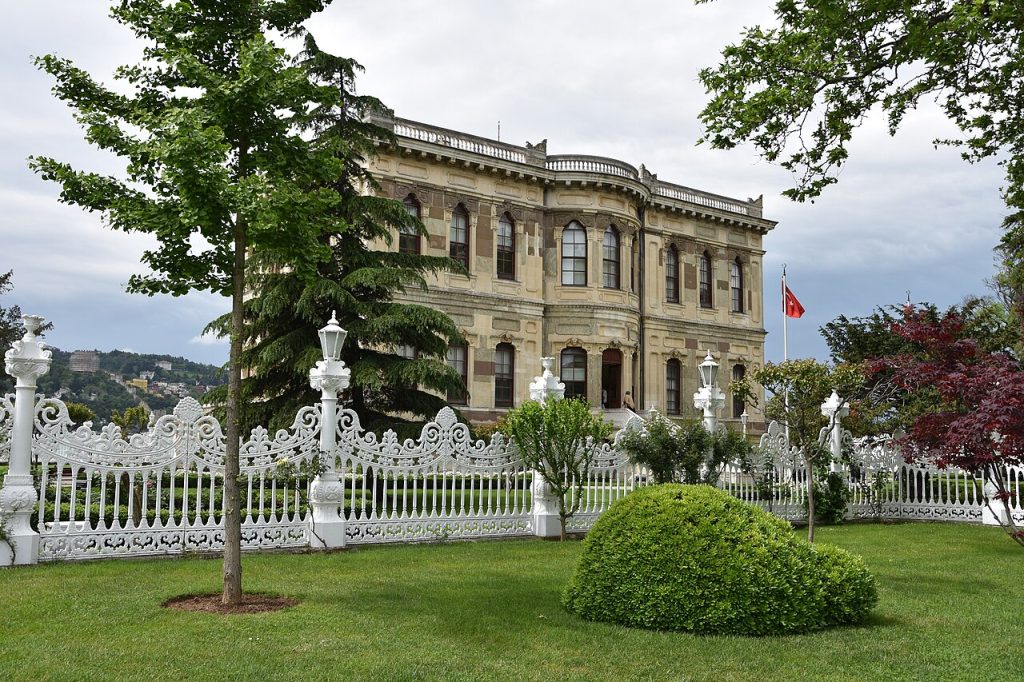
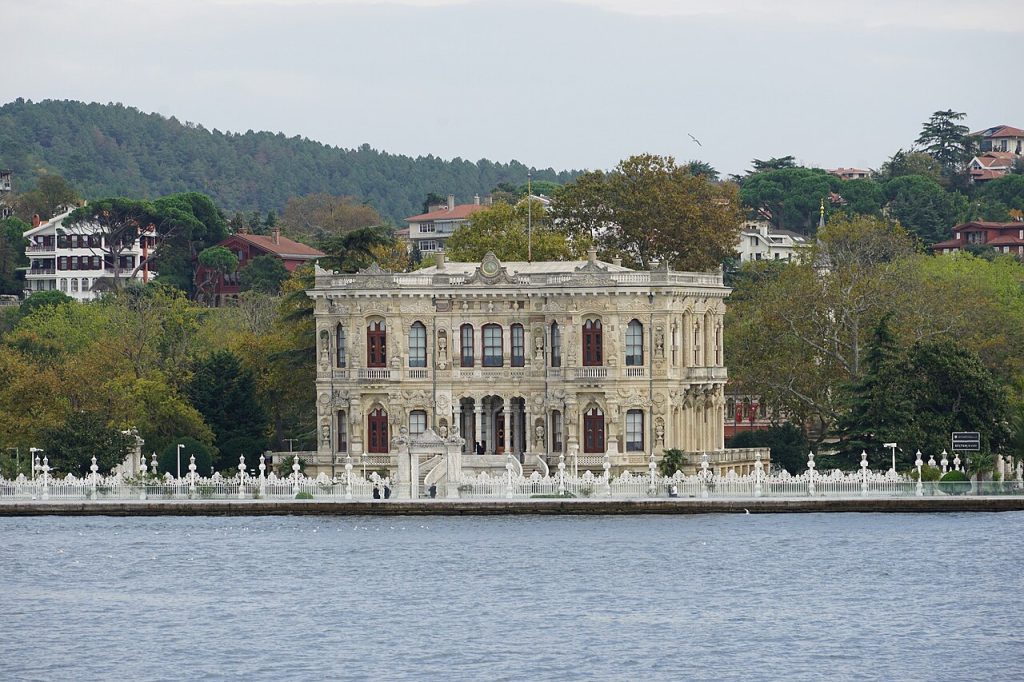
The pavilion is a compact rectangular building in white marble with a columned portico, set on a slope above the shore with woodland around it.
Its architect is usually given as Serkis Balyan or associates of the family, in a neoclassical manner with Ottoman elements, built when Dolmabahce was finishing a few kilometres south.
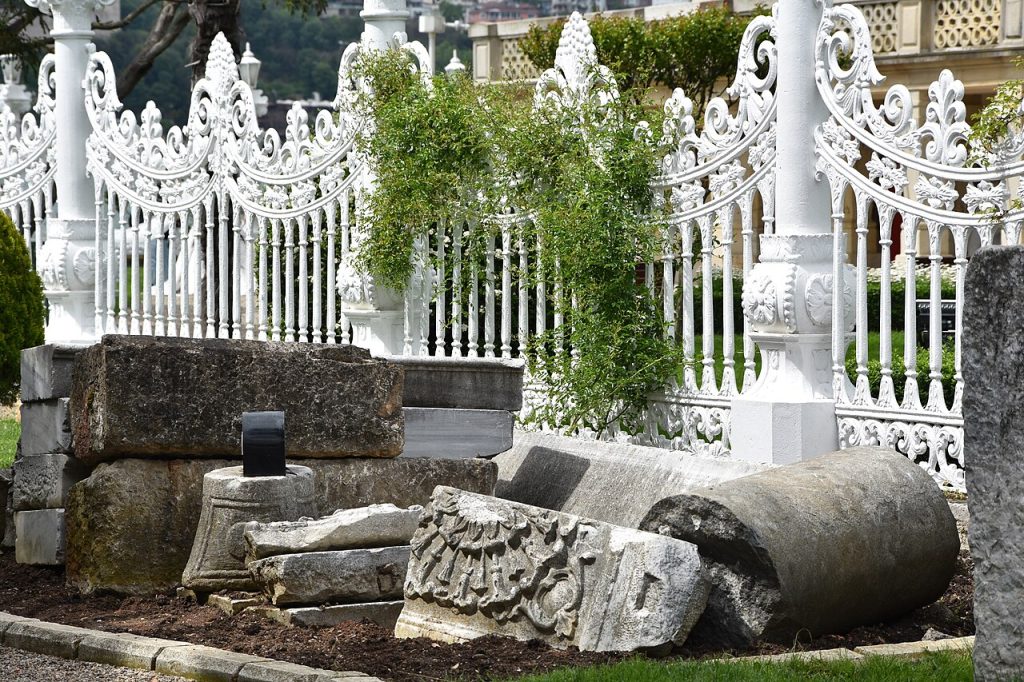
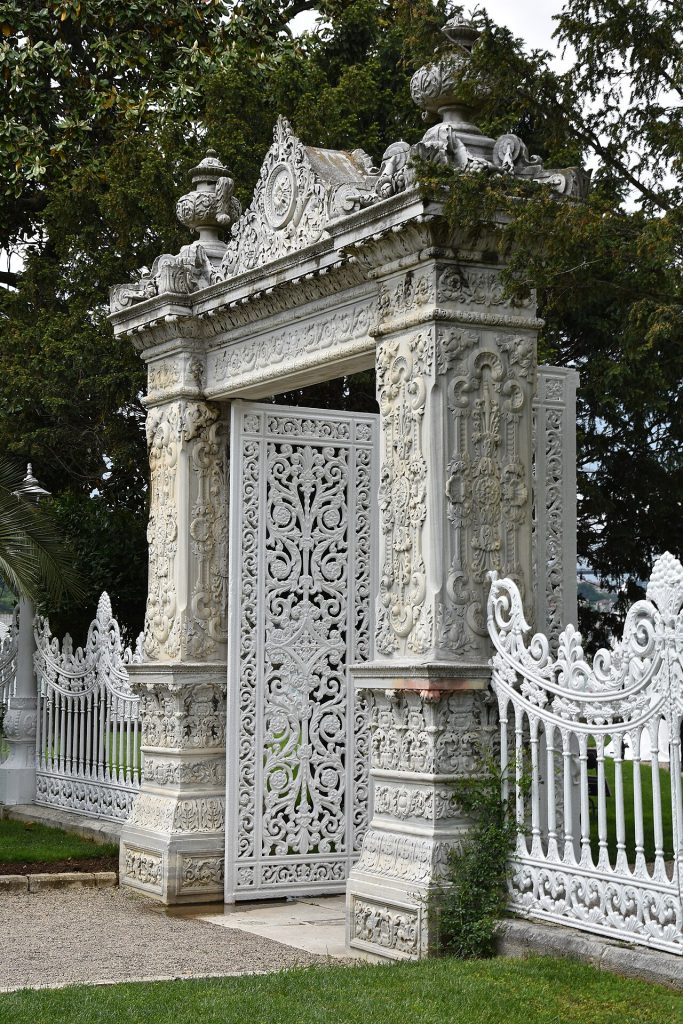
The restraint is notable. There is no excess carving, no gilded gates, no theatrical staircase.
The Interiors
Inside are a central hall and surrounding rooms over two floors, with painted ceilings, marble fireplaces, parquet floors and period furniture, restored in recent decades.
The decoration is high quality but modest in quantity, matching the exterior.
Because few people visit, you can usually have rooms to yourself.
Guests and Ceremonies
The pavilion was used for hunting parties, summer stays and receiving guests, including foreign visitors brought up the Bosphorus by boat.
Its distance from the city made it suitable for occasions the court wanted to keep private.
Sultans from Abdulmecid to Abdulhamid used it intermittently, and like most of these smaller properties it was never a principal residence.
The Hospital Years
In the twentieth century the building served as a hospital and later as a children’s institution, uses that kept it maintained while damaging the interiors.
That pattern recurs across this series: survival through institutional use, at the cost of original fabric.
By the 1980s it was in poor condition and closed.
Restoration
A long restoration through the 1990s and 2000s returned the building to its nineteenth-century appearance, treating the marble, the ceilings and the floors, and it reopened as a museum.
The gardens were replanted and the terraces repaired.
It is now one of the best-presented small properties in the national palaces collection.
The Grove and the Shore
The pavilion sits in the Beykoz grove, a large wooded park running down toward the water, used by families at weekends and almost empty during the week.
Below it, the Beykoz waterfront has fish restaurants, a ferry pier and the remains of the old glass and leather industries that gave the town its name in Turkish manufacturing history.
Beykoz paça, a tripe soup, is a local speciality that people drive across the city for.
Egyptian Istanbul
The Egyptian dynasty left several buildings in Istanbul: this pavilion, the Khedive’s palace at Cubuklu, which is the next in this series, the Egyptian consulate mansion at Bebek and several yali houses.
Members of the family lived in the city, married into the Ottoman elite, and some were buried here.
Following that trail along the Bosphorus is an unusual and rewarding way to spend a day.
Visiting Beykoz
Take a ferry to Beykoz or a bus along the Asian shore, then walk up through the grove. The pavilion is set back and signposted.
Combine it with the Khedive Palace at Cubuklu, twenty minutes south, and with lunch on the Beykoz waterfront.
Few visitors make it this far up the Bosphorus, which is the main argument for going.
Watch the Pavilion on Film
Visiting Beykoz Mecidiye Pavilion Today
The pavilion stands in the Beykoz grove on the Asian shore of the upper Bosphorus, reachable by ferry to Beykoz and a walk uphill, or by bus and taxi from Uskudar in about forty minutes.
It opens as a museum under the national palaces directorate, closed on Mondays, with ticketed entry; the surrounding grove is a public park and free.
Allow an hour or two, and combine it with the Khedive Palace at Cubuklu. Find it here: https://www.google.com/maps?q=41.1217,29.0861
Palaces Nearby
You May Like
Maslak Pavilions and the Hunting Woods of the Sultans