Now, stop at the gate and listen. Ihlamur sits in a valley a few hundred metres behind the traffic of Besiktas, and once you are through the gate the city noise drops away almost completely. There are linden trees, a stream bed, lawns and two small ornate buildings.
This was a hunting ground and a retreat, not a residence. Sultans came here for an afternoon, as they did at Kucuksu, and the two pavilions in the valley are the architectural leftovers of that habit.
It is now the easiest piece of imperial Istanbul to visit on an ordinary afternoon, and one of the least visited.
- The Valley of Linden Trees
- A Hunting Ground Behind the City
- Abdulmecid Builds Two Pavilions
- The Ceremonial Pavilion
- The Retinue Pavilion
- Decoration on a Small Scale
- The Visit of Lamartine
- Sultans Who Wrote
- The Gardens and the Pool
- After the Empire
- The Cafe in the Garden
- Besiktas Around It
- Visiting Ihlamur
The Valley of Linden Trees
Ihlamur means linden, and the valley was named for the trees that grew along the stream running down toward the Bosphorus at Besiktas.
Before the nineteenth century this was countryside: orchards, market gardens and woods, with the city some distance away across open ground.
Istanbul grew around it in the twentieth century, and the valley survived because it was imperial property and then state property.
A Hunting Ground Behind the City
Sultans hunted here from at least the eighteenth century, and the land belonged to the crown. A vizier’s property was absorbed into the imperial estate under Ahmed III, and wooden kiosks were built for rest and refreshment.
Hunting, in Ottoman practice as in European, was less about meat than about display, exercise and the management of a court.
By the nineteenth century the game was largely gone and the valley became a garden.
Abdulmecid Builds Two Pavilions
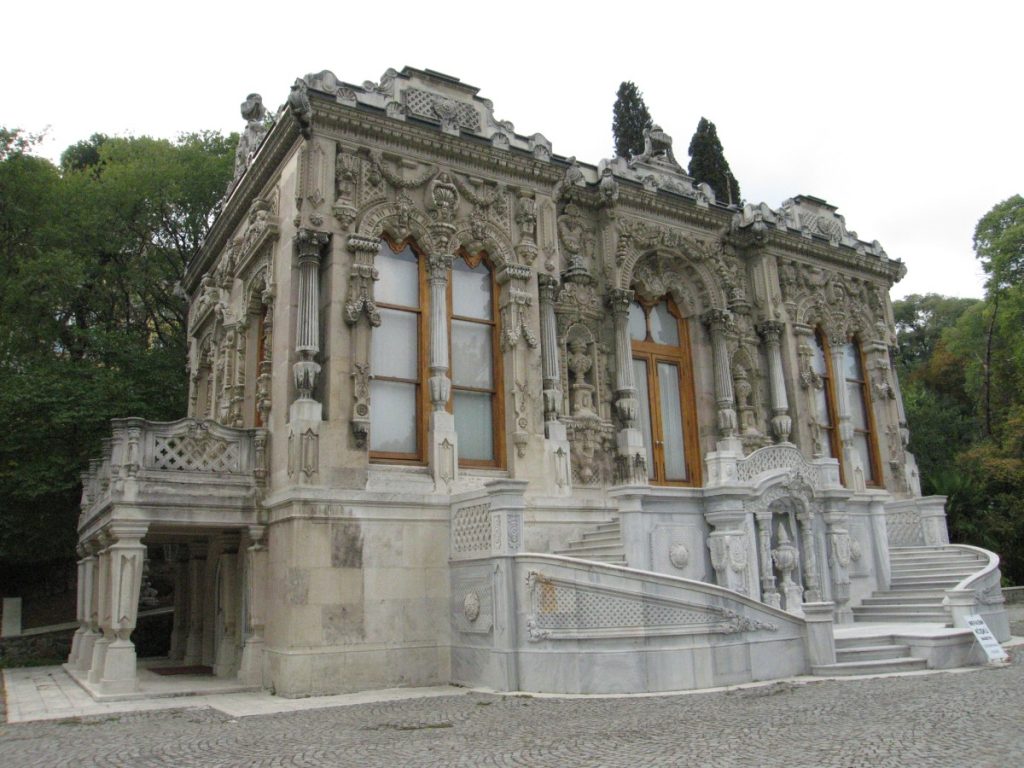
Between 1849 and 1855 Abdulmecid replaced the wooden kiosks with two small stone pavilions designed by Nigogayos Balyan, in the same years that Dolmabahce was rising on the shore below.
One was for ceremony, the other for the retinue and the harem, a division that mirrors the larger palaces in miniature.
The pair cost a fraction of a full palace and gave the court a usable retreat fifteen minutes from the water.
The Ceremonial Pavilion
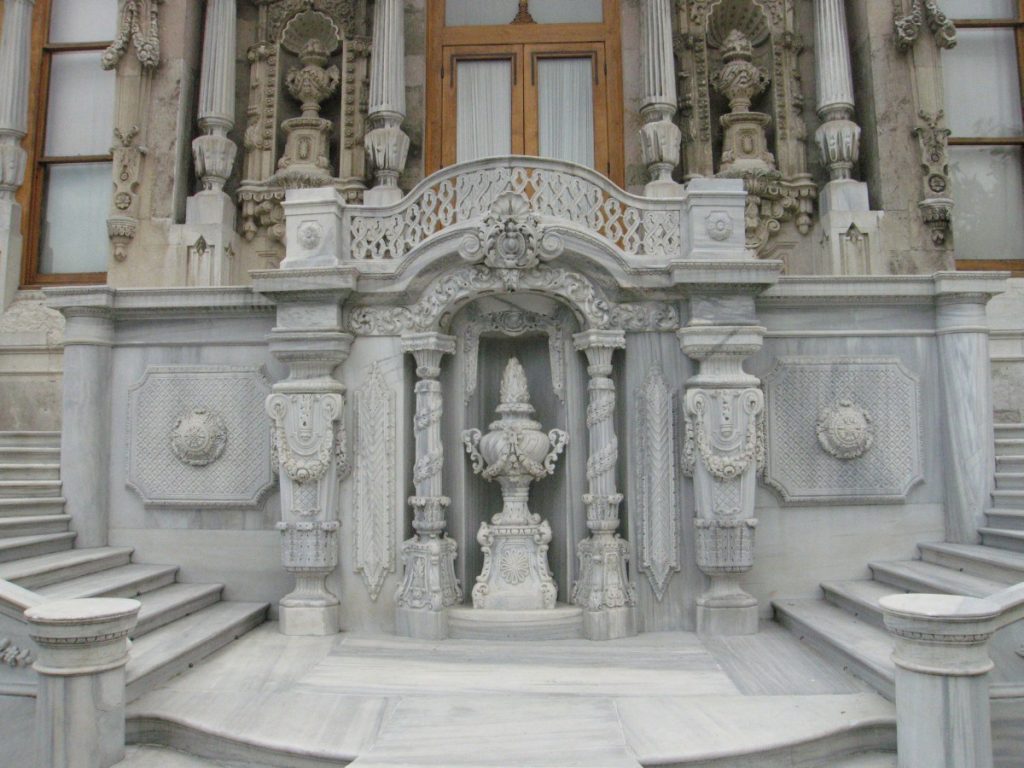
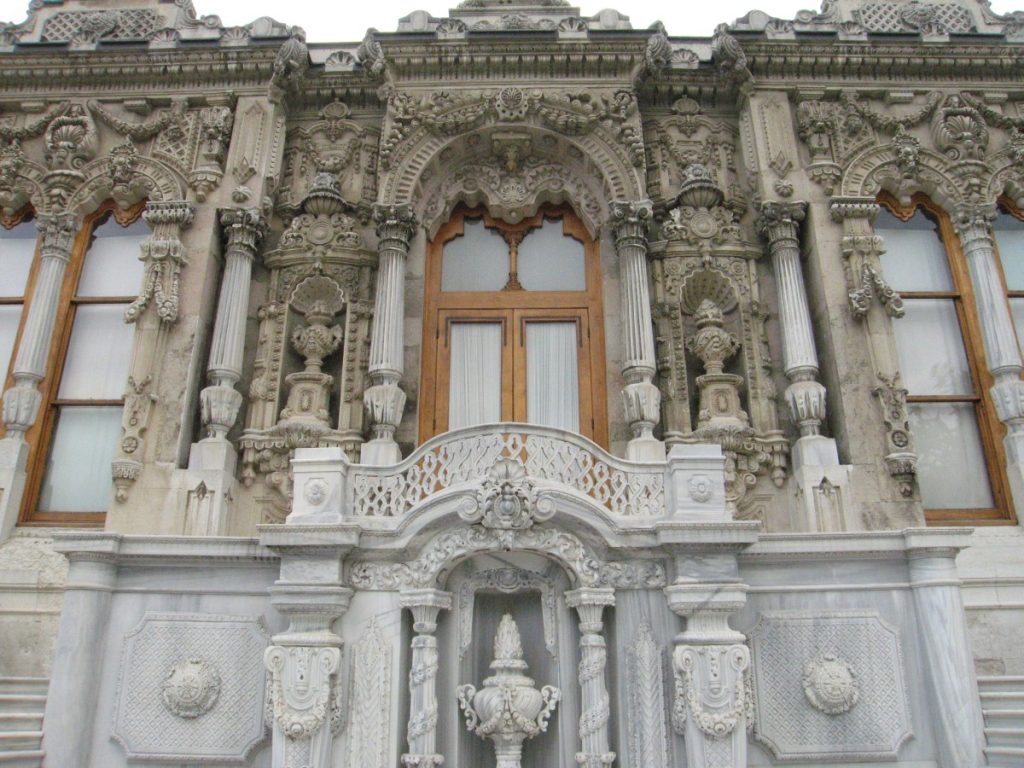
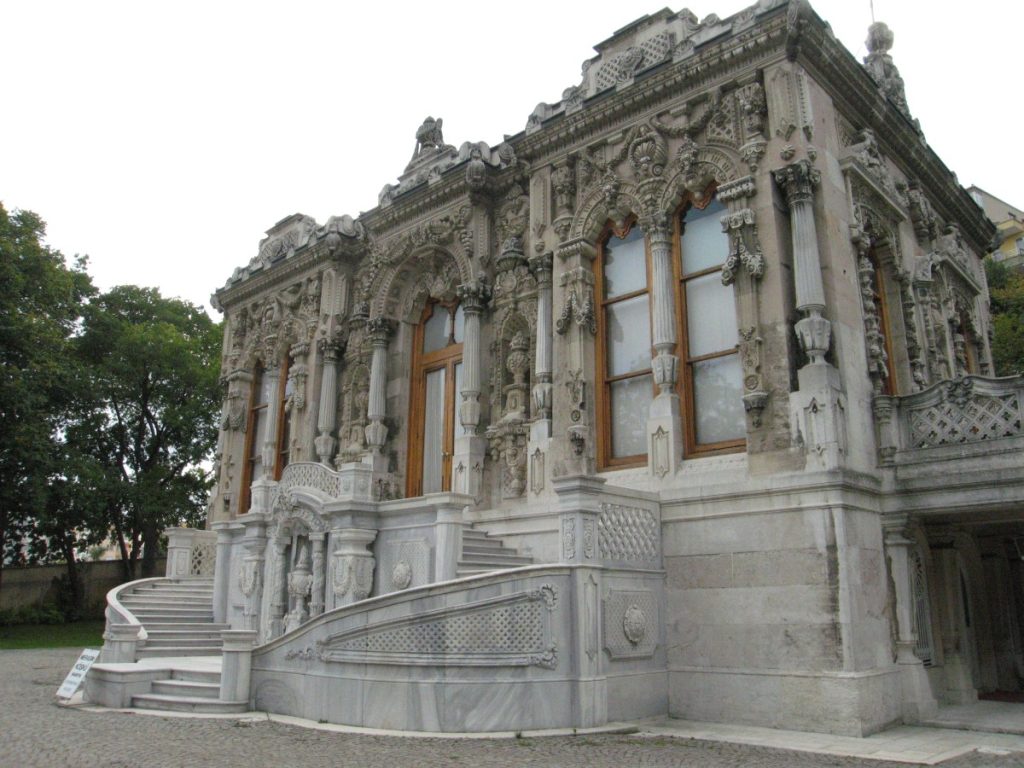
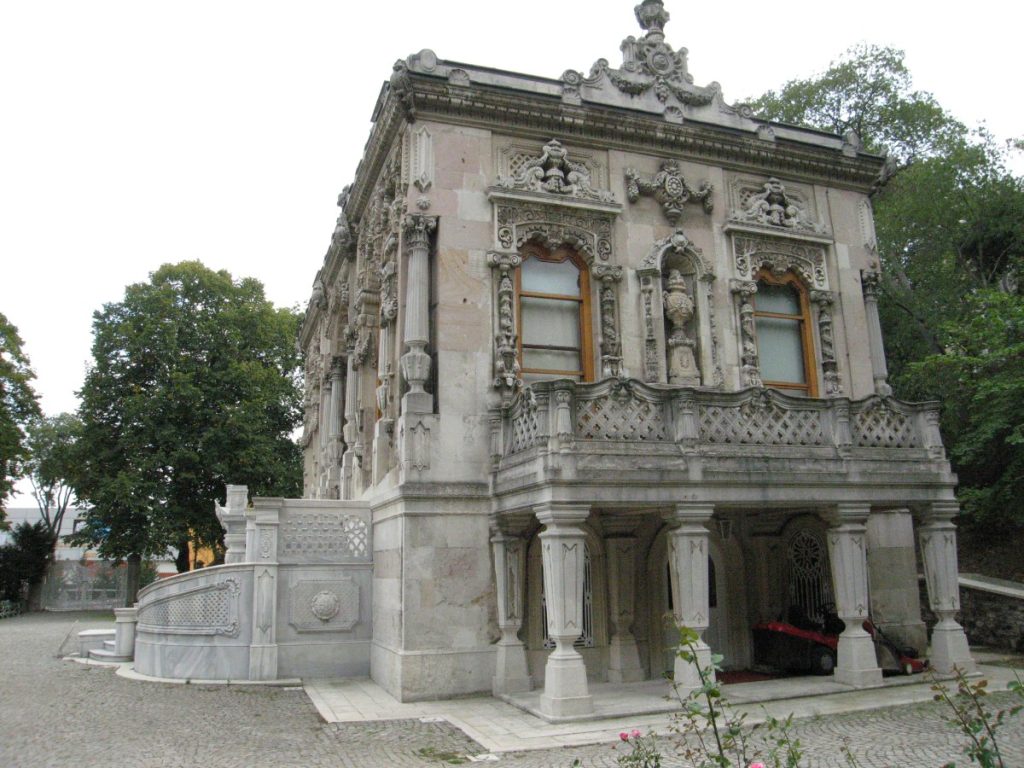
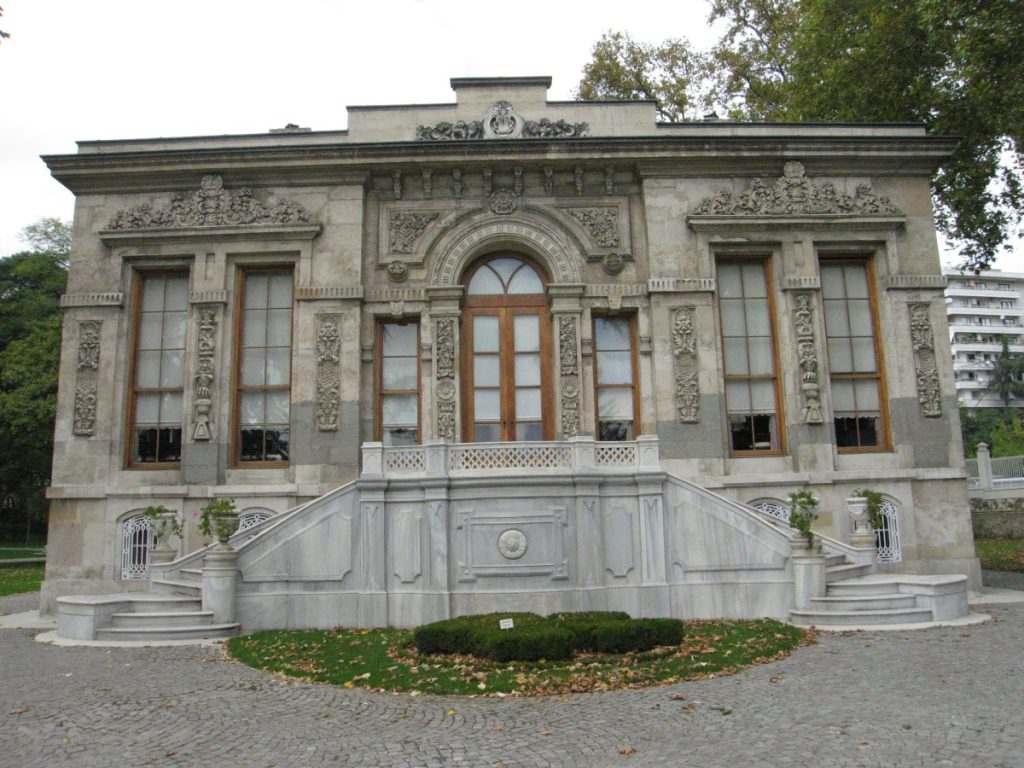
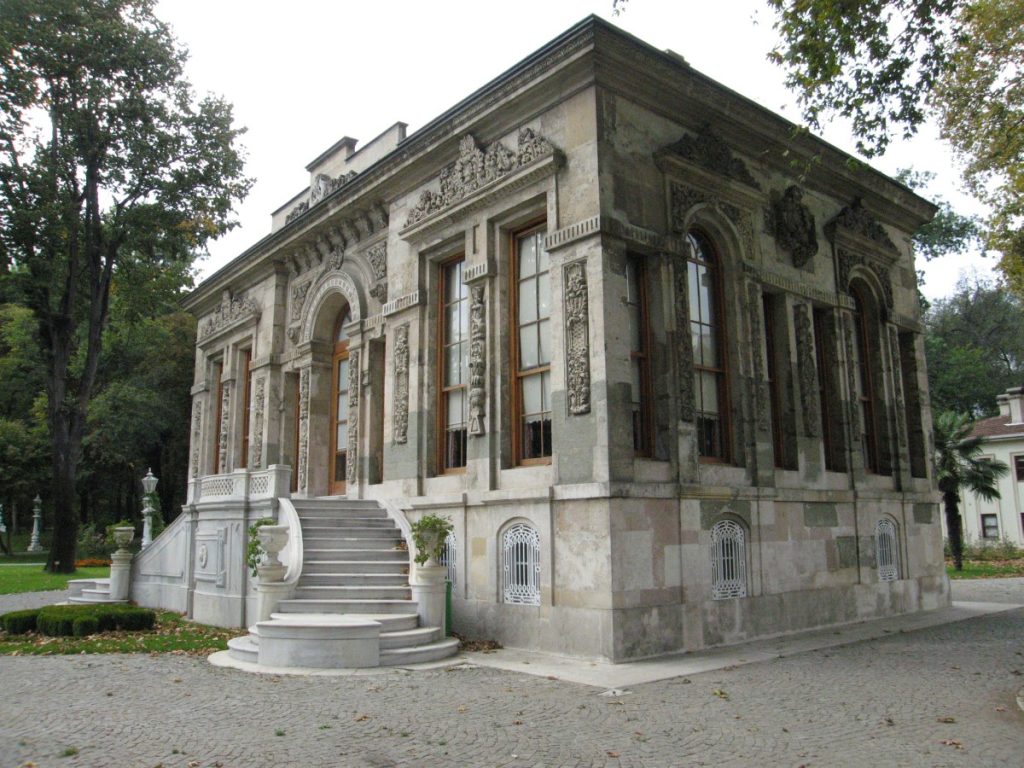
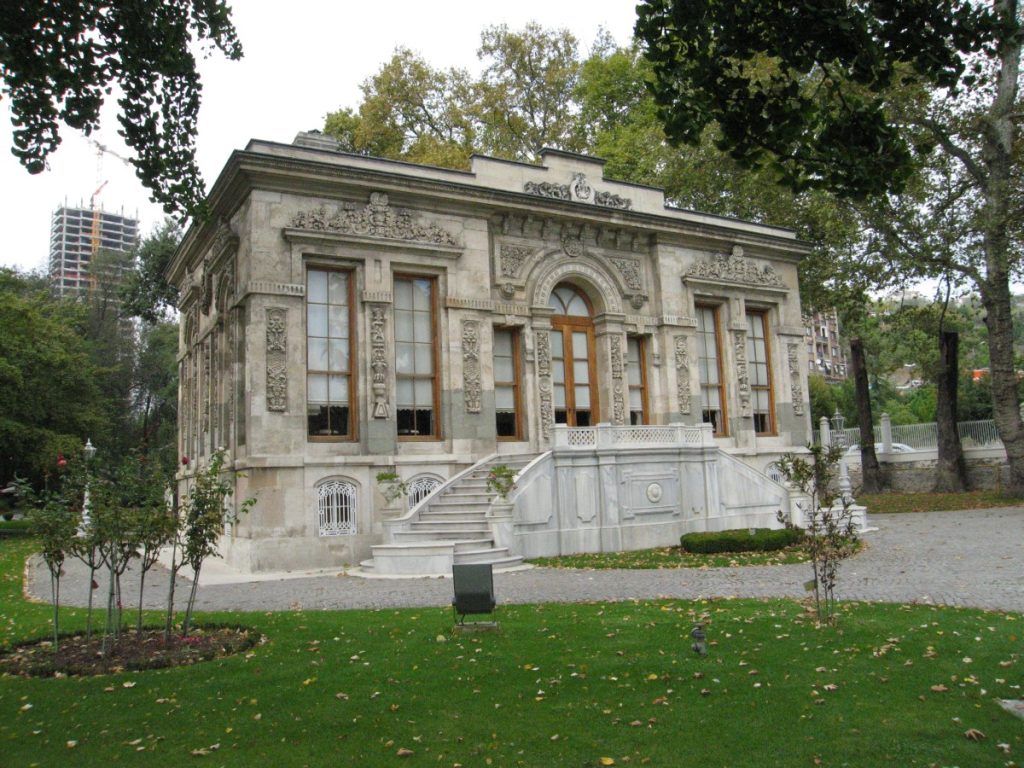
The Merasim Kosku, the ceremonial pavilion, is the more elaborate of the two: a double staircase, a carved facade, a central hall with rooms on either side, and interiors furnished for receiving guests.
The decoration is baroque and rococo in flavour, heavier per square metre than any large palace would attempt, because the building had to make its impression in a few rooms.
It is used for exhibitions and occasional events as well as museum visits.
The Retinue Pavilion
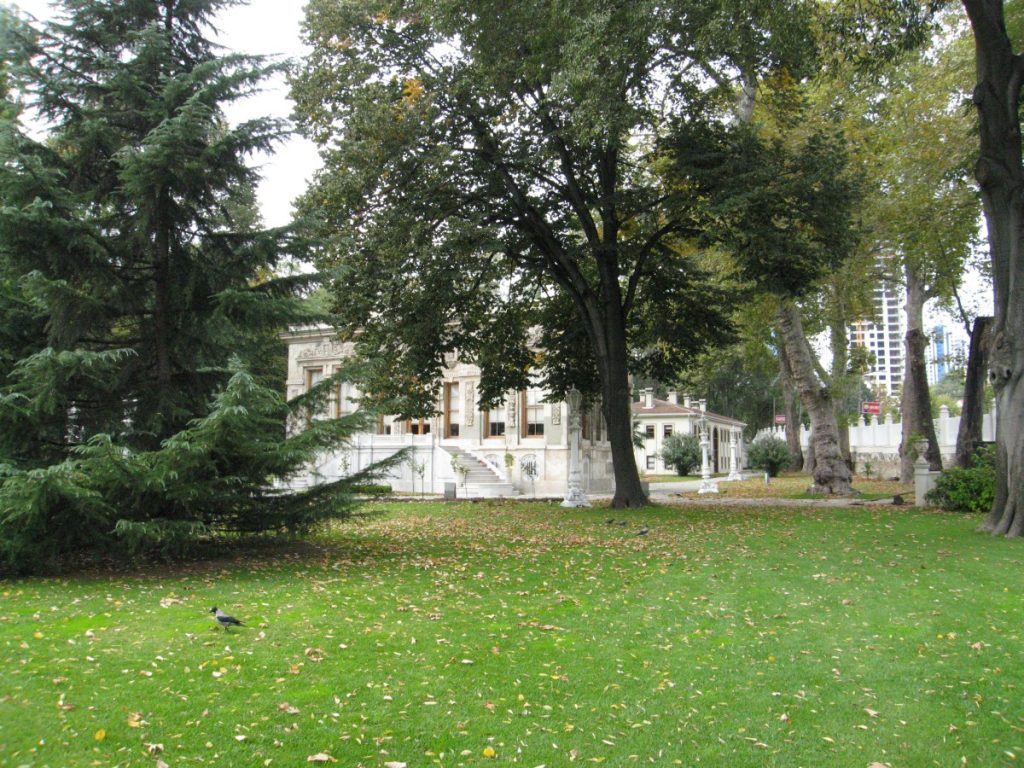
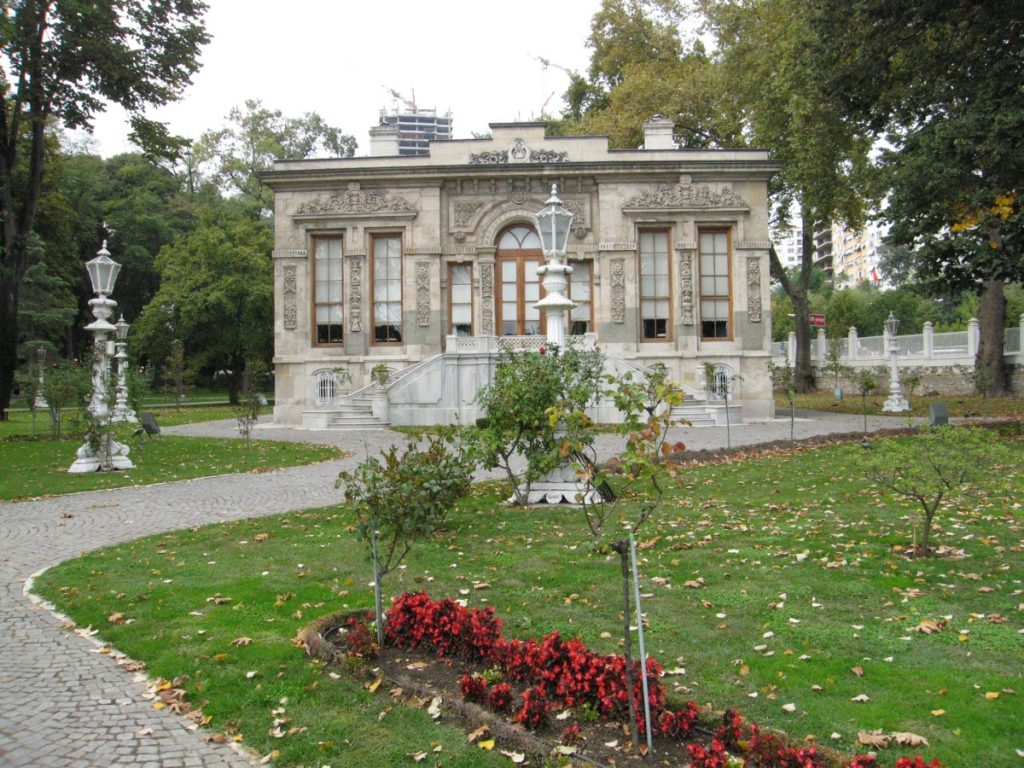
The Maiyet Kosku, the retinue pavilion, is plainer and was used by the household, the harem and attendants. It now serves as a cafe and exhibition space.
The pairing of a show building and a service building is the fundamental organising principle of Ottoman court architecture, repeated from Topkapi down to these two small houses.
Its garden terrace is the nicest place to sit in the whole valley.
Decoration on a Small Scale
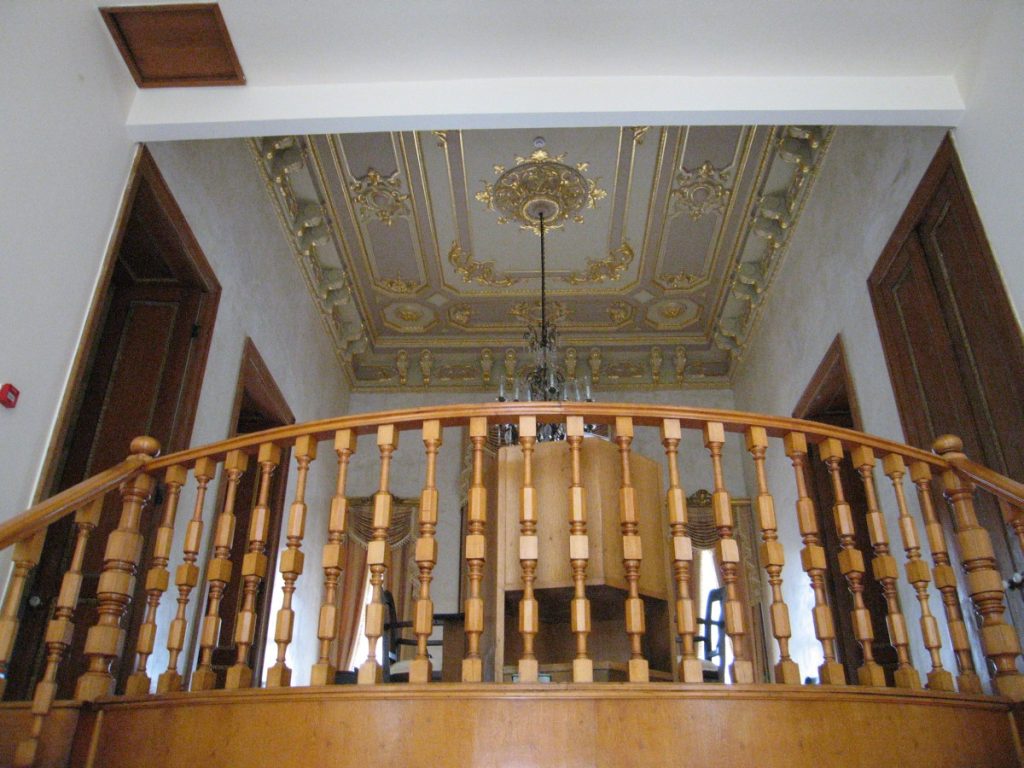
The carving on the ceremonial pavilion includes shells, garlands, cartouches and foliage, and the interiors carry painted ceilings, gilded mirrors and marble fireplaces.
Because the rooms are small, you can examine the craftsmanship at close range in a way that is impossible at Dolmabahce.
For anyone interested in nineteenth-century Ottoman decorative work, Ihlamur is the best classroom in the city.
The Visit of Lamartine
The French poet and politician Alphonse de Lamartine, who travelled extensively in the Ottoman lands and wrote a famous account of the journey, was received by Abdulmecid at Ihlamur in 1849.
Lamartine was admired at the Ottoman court for his sympathetic writing about the empire, and he was given an estate in Anatolia, which he tried and failed to farm.
The meeting is the pavilion’s main claim on European literary history.
Sultans Who Wrote
Several Ottoman sultans were serious poets, writing under pen names in the classical tradition, and the court produced a continuous literary culture over centuries.
Retreats like this one were where that writing happened, away from ceremony, and the valley appears in nineteenth-century verse.
Murad V, the deposed sultan of Ciragan, composed music; Abdulaziz painted and composed; Abdulhamid did carpentry. The dynasty was unusually productive in private.
The Gardens and the Pool
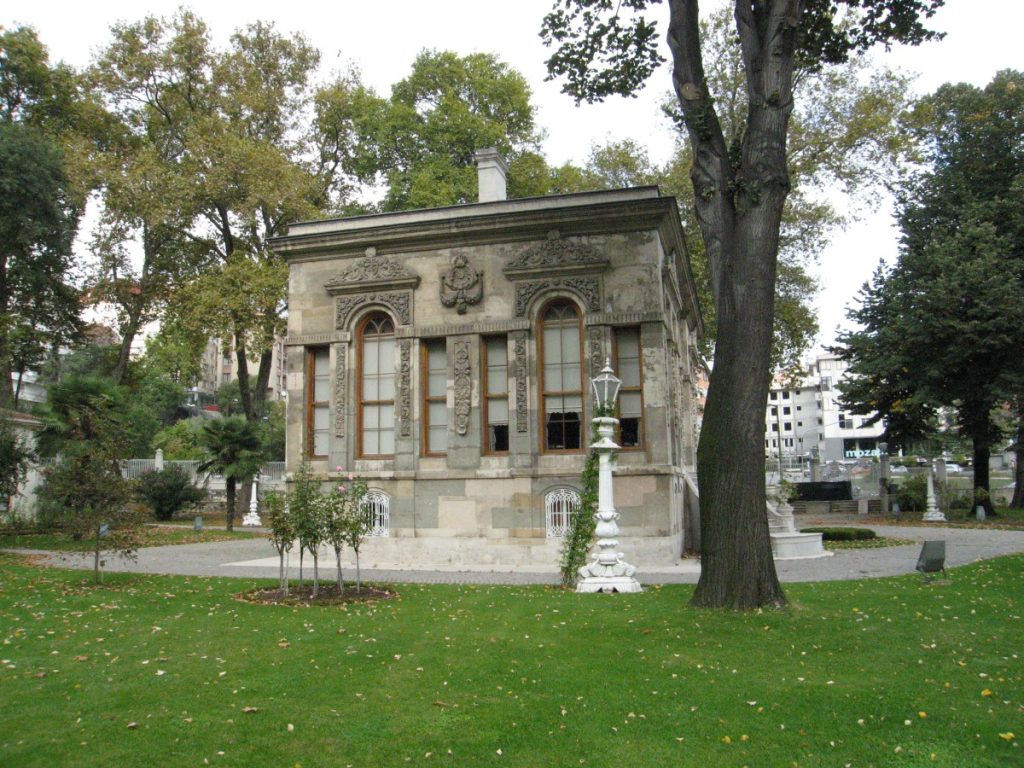
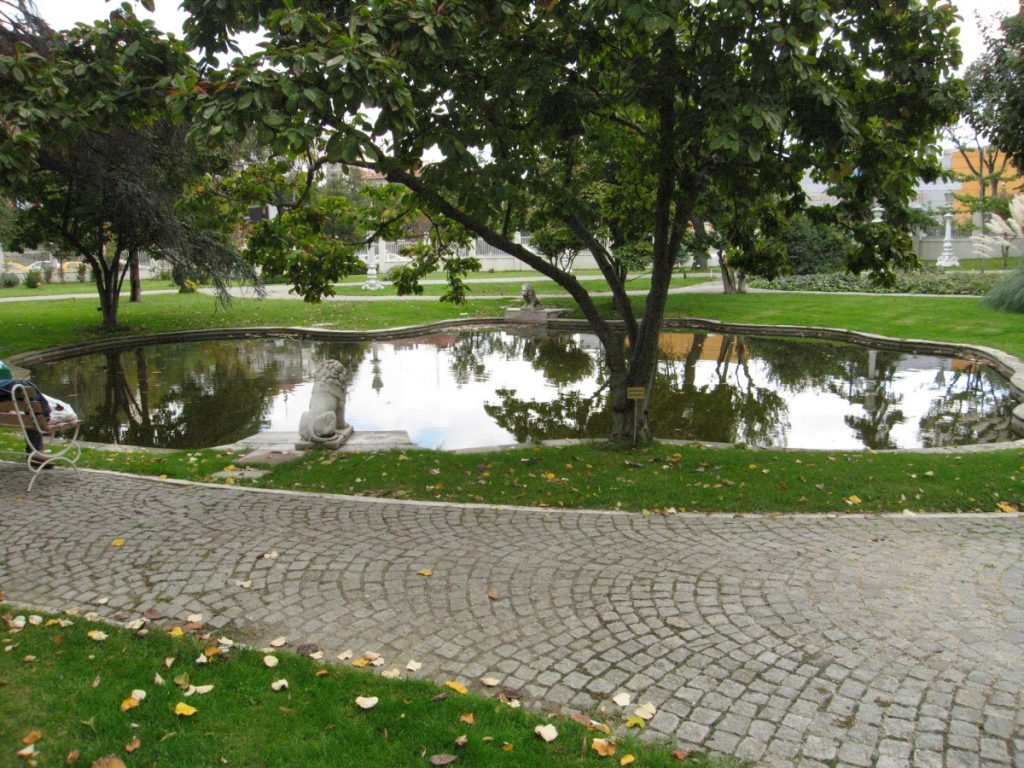
The grounds are small, about twenty-five thousand square metres, with lawns, specimen trees, a pool and a stream bed, enclosed by walls that keep the city out.
Magnolias, planes, lindens and cedars grow here, several of them dating from the pavilions’ construction.
In April the garden is at its best, and it is almost always empty on a weekday.
After the Empire
After 1923 the pavilions passed to the state and were used variously before opening as museums under the national palaces directorate in the 1980s.
Restoration campaigns have treated the facades, roofs and interiors, and the grounds are maintained as a public garden with ticketed entry.
The buildings survived because they were small and never valuable enough as real estate to be contested.
The Cafe in the Garden
The cafe in the retinue pavilion serves tea and cake on a terrace under the trees, and it is one of the genuinely peaceful places to sit in central Istanbul.
Locals from Besiktas use it. Tourists rarely find it, because it is five minutes off every standard route.
Bring a book. There is no better value hour in the district.
Besiktas Around It
Besiktas below is one of the liveliest districts in the city: a fish market, ferry piers, a football stadium, student bars and the Naval Museum with its imperial caiques.
The caique collection is directly relevant to these palaces, since that is how the court travelled between them along the Bosphorus.
Combine Ihlamur, the Naval Museum and Dolmabahce for a coherent half-day.
Visiting Ihlamur
Walk up from Besiktas in about fifteen minutes through residential streets, or take a taxi. The entrance is easy to miss, set back from the road.
Allow an hour for the pavilions and as long as you like in the garden.
Then go back down the hill into the noise, and notice how abrupt the change is. That contrast is what the sultans came here for.
Watch the Pavilion on Film
Visiting Ihlamur Pavilion Today
Ihlamur lies in a valley above Besiktas, about fifteen minutes on foot from the ferry piers and Dolmabahce, with the entrance on Ihlamur Yildiz Caddesi.
The pavilions open as museums under the national palaces directorate, closed on Mondays, with a single ticket covering both buildings and the garden; the cafe is open to visitors.
Allow an hour or two and combine it with Dolmabahce and the Naval Museum. Find it here: https://www.google.com/maps?q=41.0481,29.0036
Palaces Nearby
You May Like
Kucuksu Pavilion and the Meadow of the Sweet Waters