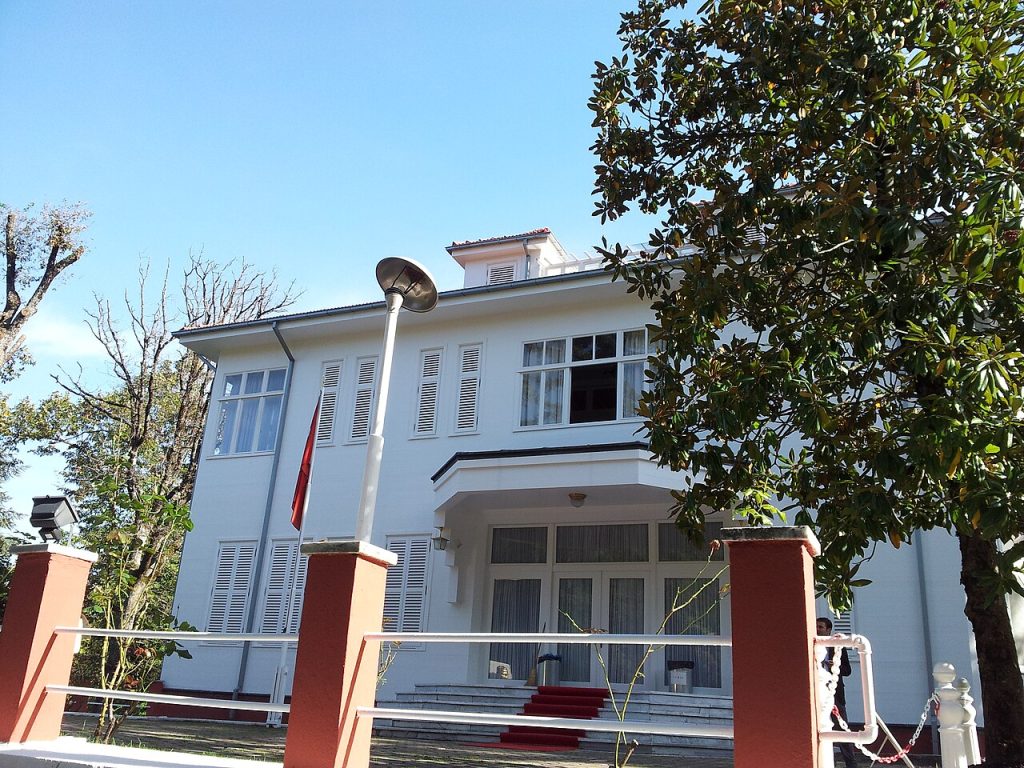
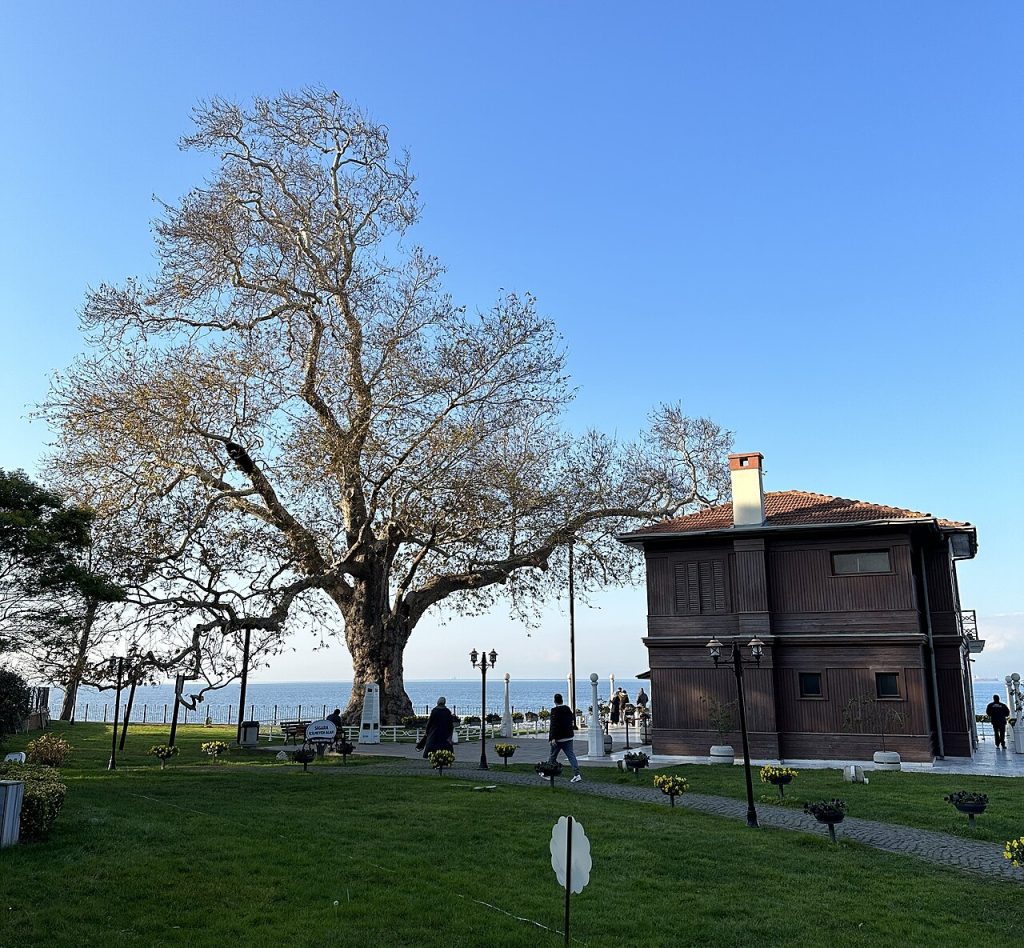
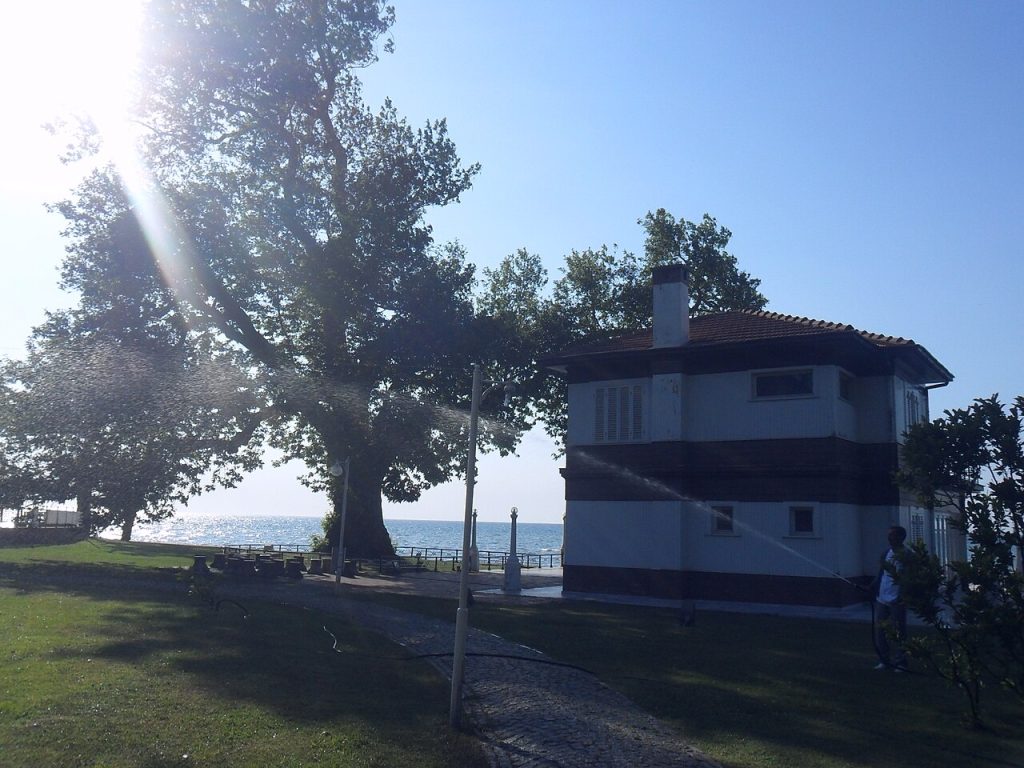
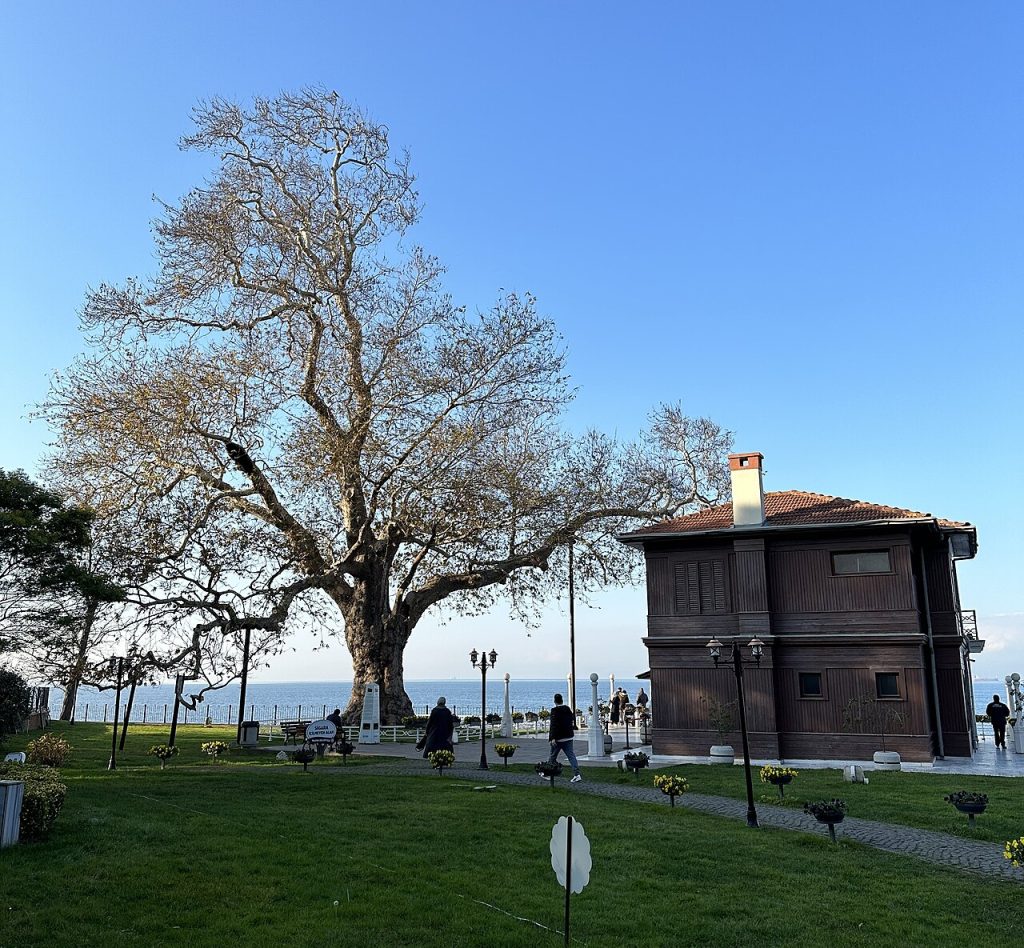
Now, stop between the house and the tree and look at the gap. It is about four and a half metres wide. In August 1930 this house stood where that gap is, and the branch of the plane tree beside it was pressing against the roof.
The usual solution was obvious: cut the branch. Instead the president of the republic had the entire two-storey wooden house lifted onto rails and moved sideways so that the tree could keep growing.
That is the whole story, and it is why this small building is one of the most visited houses in Turkey. It is also, in the context of this series of palaces, the most unexpected ending possible.
- Yalova and Its Springs
- The Model Farm
- The House Itself
- The Plane Tree
- The Decision
- How the House Was Moved
- What People Made of It
- A Symbol That Grew
- Inside the Mansion
- The Thermal Springs
- The 1999 Earthquake
- The House Today
- Visiting Yalova
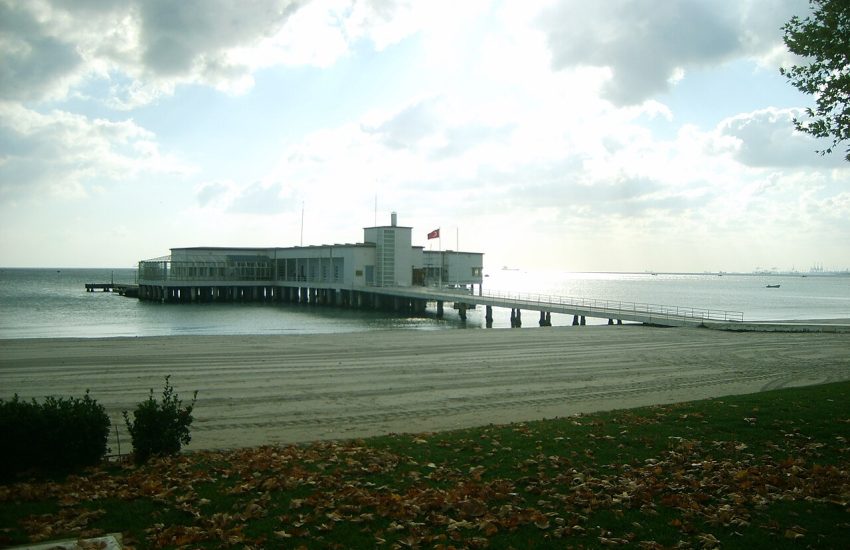
Yalova and Its Springs
Yalova lies on the southern shore of the Sea of Marmara, about two hours from Istanbul including the ferry, and has been known since Roman times for its hot springs.
The thermal baths at Termal, in the hills above the town, were used by Byzantines and Ottomans and were developed as a modern spa in the republican period.
Ataturk came here regularly for the waters and for rest, particularly in his last years.
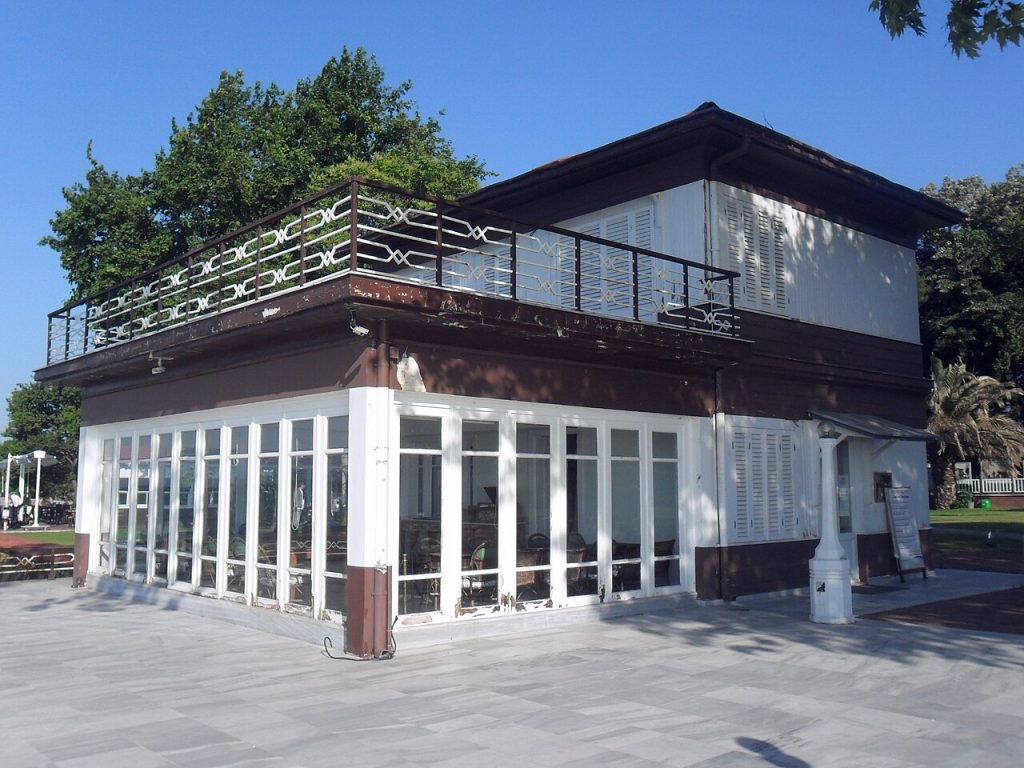
The Model Farm
In 1929 a farm at Millet Ciftligi near Yalova was given to Ataturk, and he developed it as a model agricultural enterprise, as he did at Ankara with the Forest Farm.
These farms were demonstration projects: modern methods, new crops, machinery, research, intended to show Turkish farmers what was possible.
He later donated them to the state. The house stands on that farm.
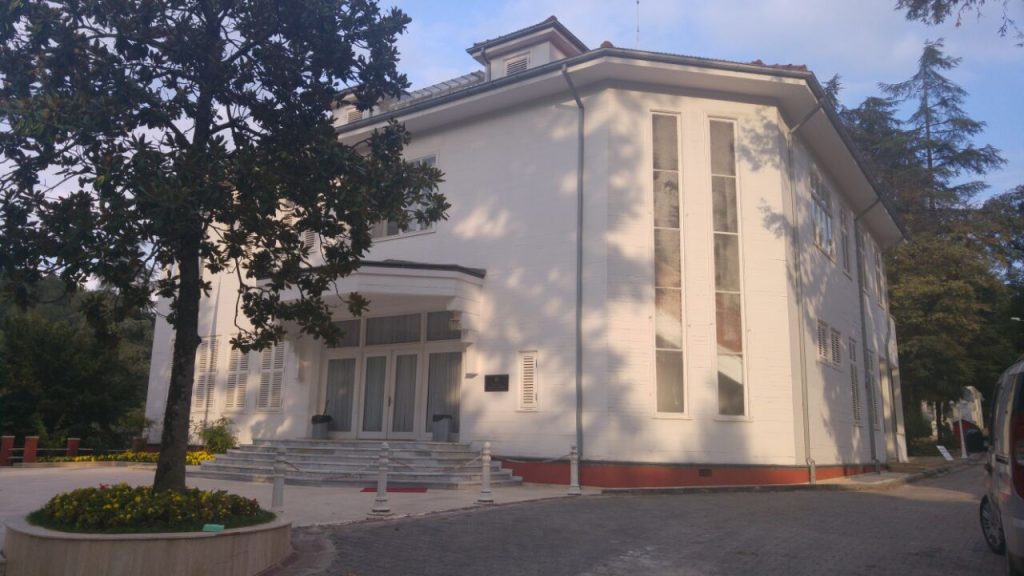
The House Itself
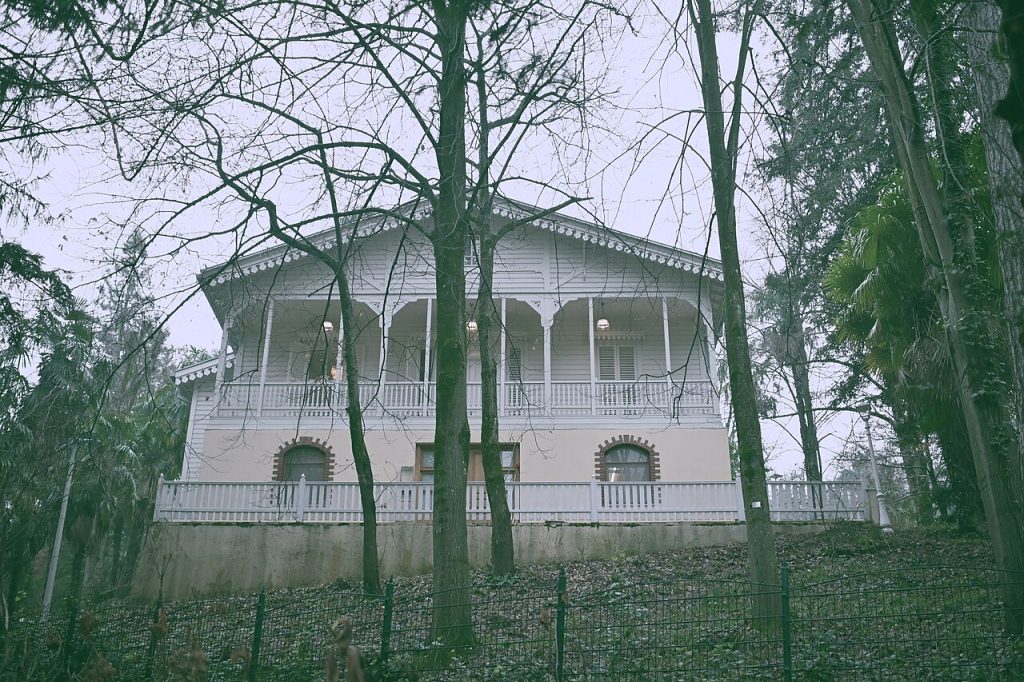
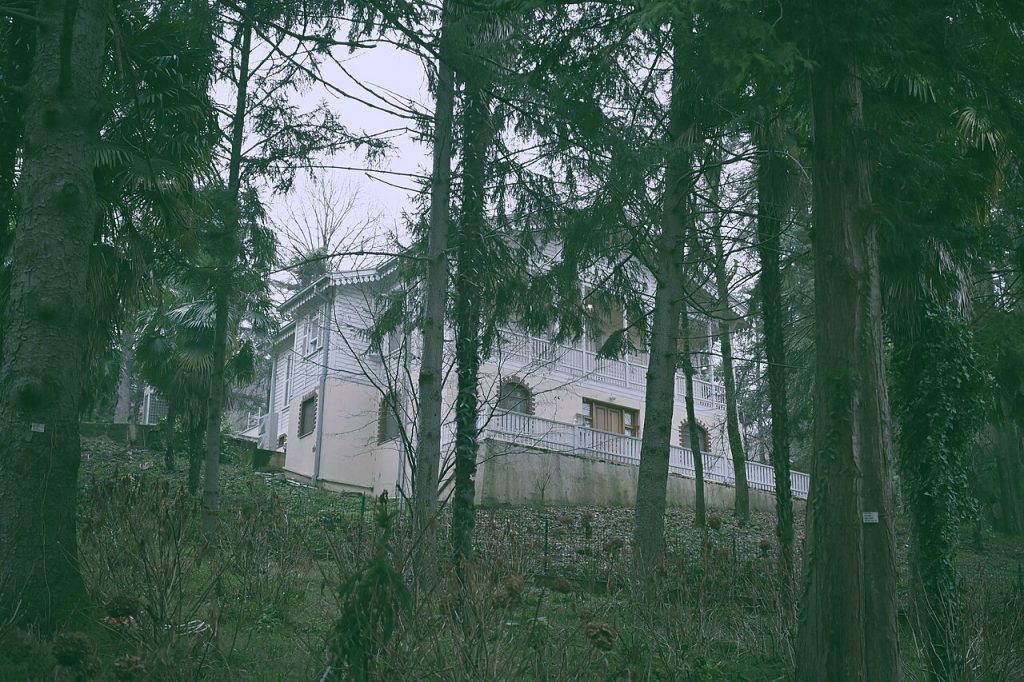
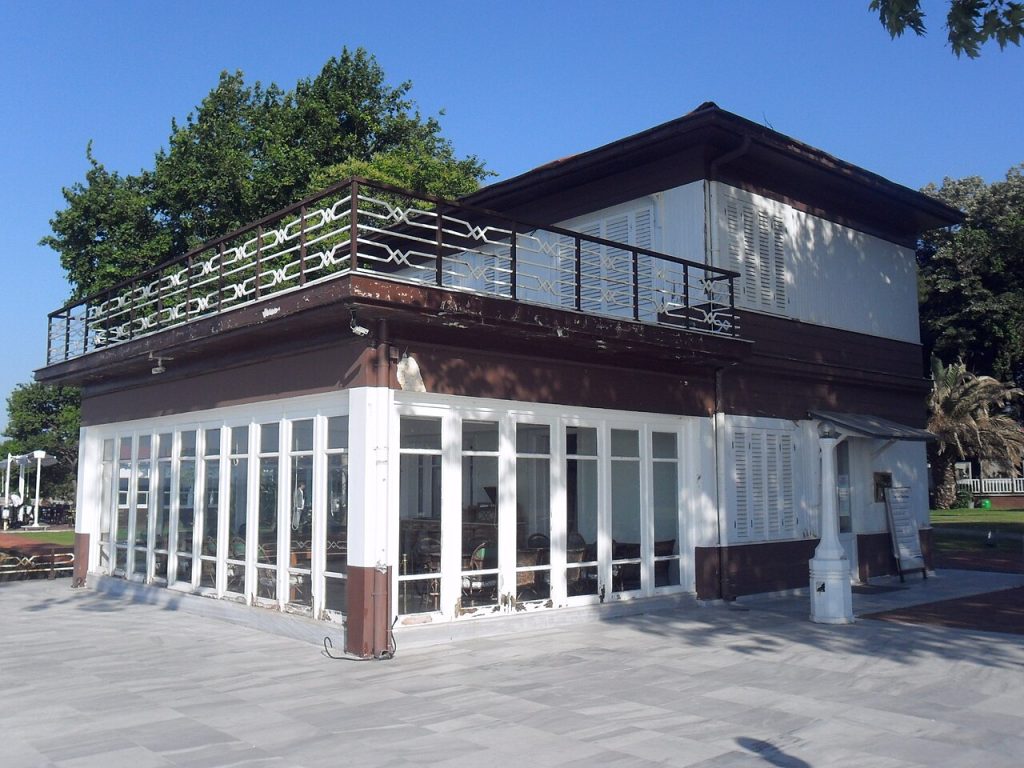
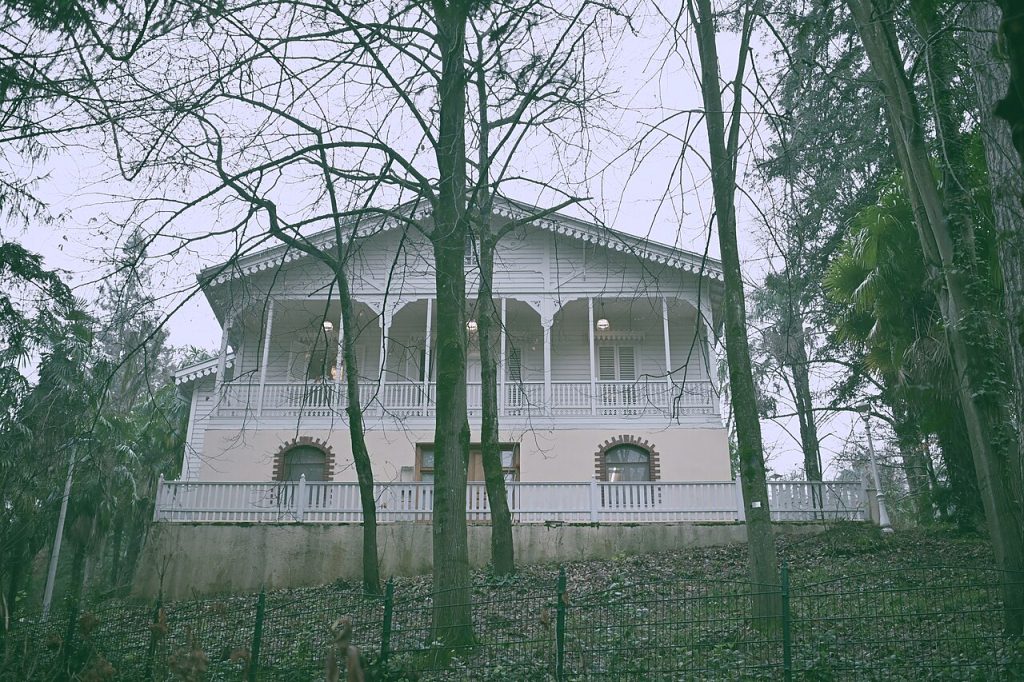
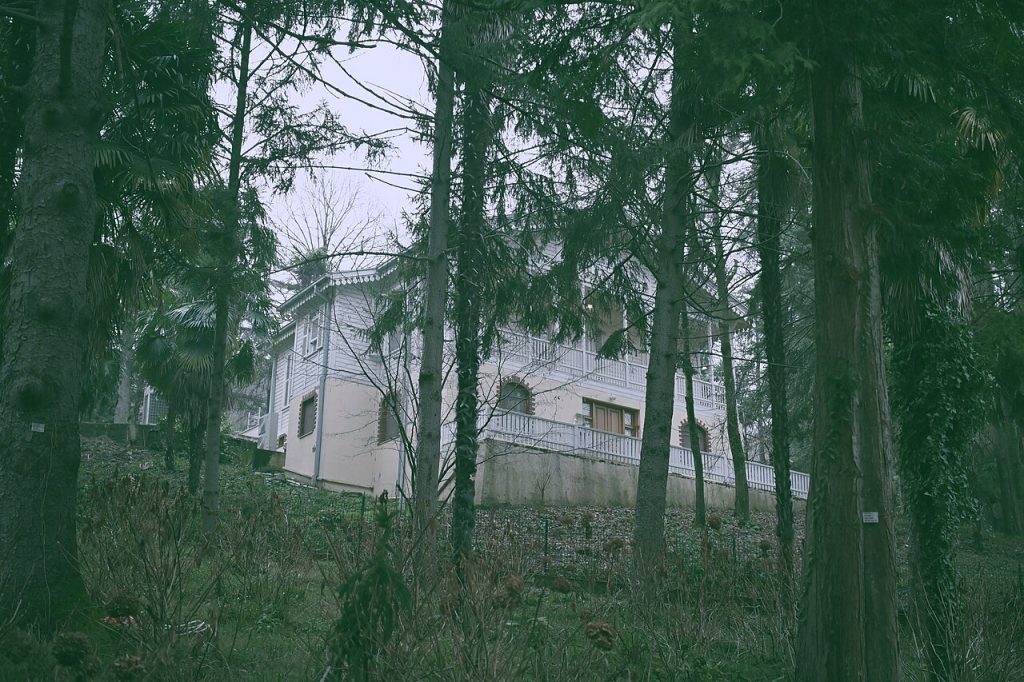
It is a two-storey wooden building of about seventy square metres per floor, built in 1929, with a veranda, simple rooms and a tiled roof. By any measure it is a modest house.
Nothing about its architecture is remarkable. It is a comfortable farmhouse of its period, well built in timber.
Everything interesting about it concerns what happened next.
The Plane Tree
Beside the house stands an oriental plane, a species that can live for centuries and grows to enormous size. This one was already old in 1930 and is believed to be several hundred years old now.
Plane trees have a particular place in Turkish landscape and literature: village squares, coffee houses and mosque courtyards are built around them, and cutting a mature plane is regarded as a serious act.
By 1930 one of its branches was touching the roof of the house.
The Decision
The standard options were to cut the branch or to cut the tree. Ataturk, who had planted trees at his farms on a large scale and was personally interested in forestry, rejected both.
He asked whether the house could be moved instead. Engineers said it could.
The decision is usually told as an anecdote about a leader’s love of nature. It also happens to be a precise demonstration of priorities: the tree was older and harder to replace than the house.
How the House Was Moved
In August 1930 the house was raised on jacks, placed on rails, and pulled sideways by a crew using a locomotive winch and manual labour, over a distance of four and a half metres.
The operation was carried out by railway engineers and took several days. The building was not dismantled; it moved intact.
It was then renamed the Yuruyen Kosk, the Walking Mansion, and the name stuck permanently.
What People Made of It
The move was reported in the press and became a popular story immediately. Photographs of the house on rails circulated widely.
In a period when the state was pushing modernisation, machinery and engineering, an operation like this combined technical display with a human story, which made it unusually effective propaganda without being untrue.
It has been taught in Turkish schools ever since.
A Symbol That Grew
The house is now cited constantly in Turkish environmental discussion, by every side of the argument, whenever trees and construction come into conflict.
That is a considerable afterlife for a four-and-a-half-metre move in 1930, and it shows how a small concrete act can outlast large abstract declarations.
Whatever one thinks of the period’s politics, the tree is still standing.
Inside the Mansion
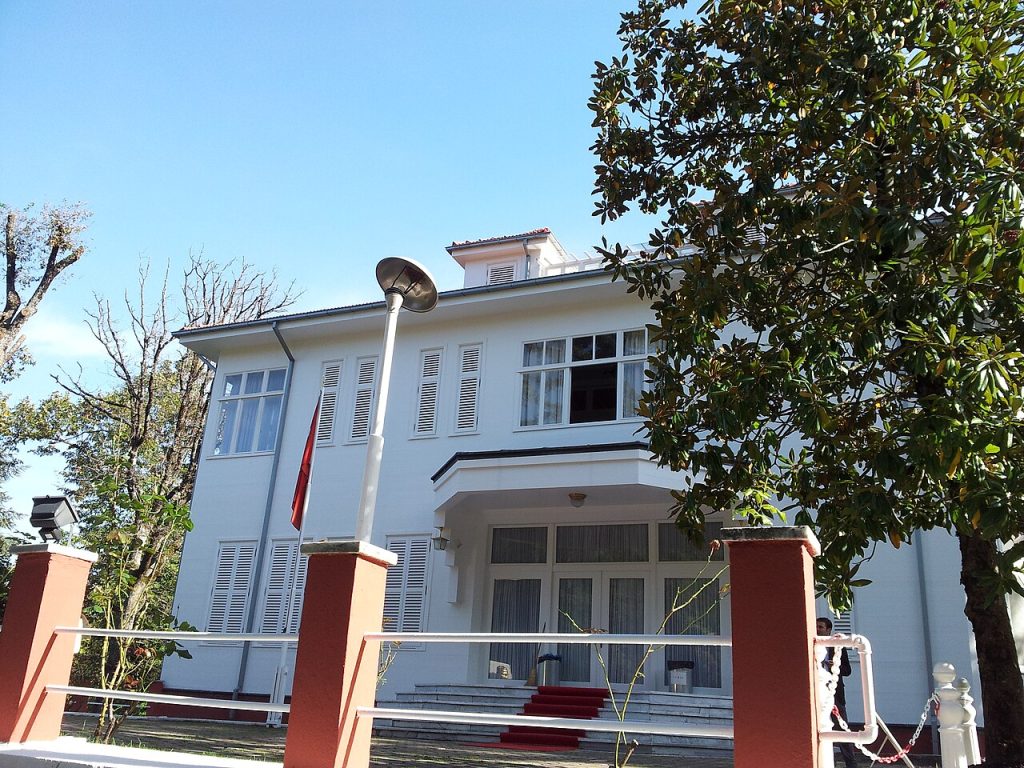
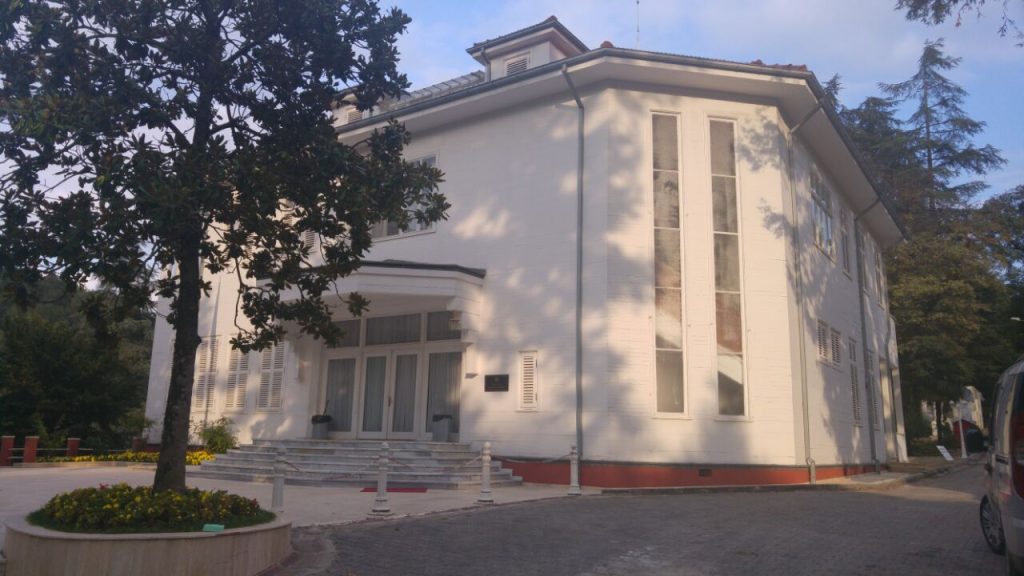
The interior is preserved as a museum: a sitting room, a dining room, a study, bedrooms, with furniture, photographs and personal objects of the period.
The rooms are small and plainly furnished. After Dolmabahce and Topkapi the scale is almost startling.
Photographs on the walls show the move itself, which is the main reason to go inside.
The Thermal Springs
A few kilometres away at Termal are the thermal baths, with Ottoman-era structures, a republican-period hotel and bathing facilities still in use.
Ataturk had a small house there too, and the valley is planted with plane trees and cypresses.
A visit combining the Walking Mansion and the baths is the standard Yalova day trip, and the water is genuinely hot.
The 1999 Earthquake
The Marmara earthquake of August 1999, which killed more than seventeen thousand people, had its epicentre near Golcuk, not far from here, and Yalova was severely damaged.
The timber house survived, as timber buildings often do in earthquakes, because wood flexes where masonry cracks.
The region rebuilt, and building standards in Turkey changed significantly after that year.
The House Today
The mansion is a museum under the national palaces directorate, open to visitors, with the grounds landscaped and the tree protected and monitored.
Visitor numbers are high for a building of this size, especially among Turkish school groups.
The entrance fee is small and the visit takes half an hour.
Visiting Yalova
Take a fast ferry from Istanbul to Yalova, about an hour and a quarter, then a short taxi or bus ride. Driving around the bay takes considerably longer.
Combine the mansion with the Termal baths and lunch in the hills.
And before you leave, stand under the plane tree, which is the actual monument here, and which has now outlived the house’s owner by nearly ninety years.
Watch the Mansion on Film
Visiting the Walking Mansion Today
The Walking Mansion stands at Baltaci Ciftligi near Yalova on the southern shore of the Sea of Marmara, reachable by fast ferry from Istanbul in about an hour and a quarter plus a short taxi ride.
It opens as a museum under the national palaces directorate, closed on Mondays, with a small entrance fee; the grounds and the tree are the main attraction alongside the house.
Allow an hour, and combine it with the Termal thermal baths nearby. Find it here: https://www.google.com/maps?q=40.6453,29.2342
Palaces Nearby
You May Like
The Irkutsk White House and the Merchant Princes of the East