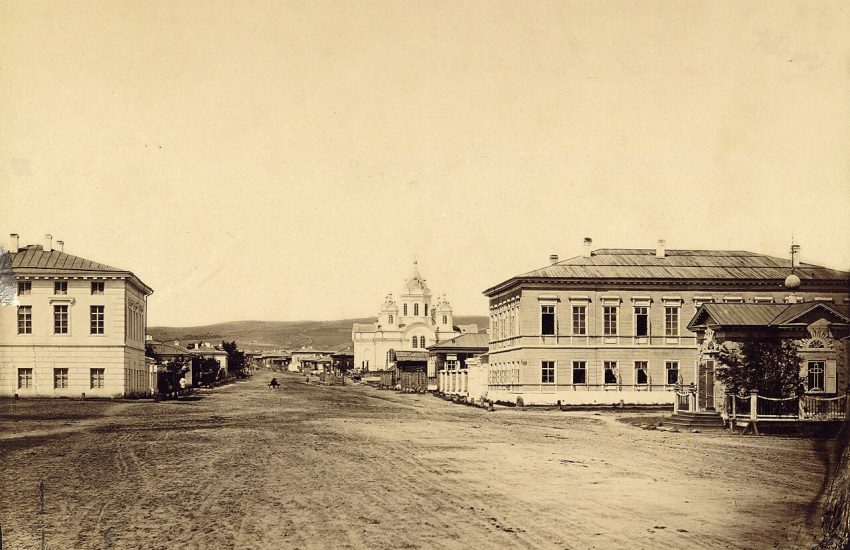
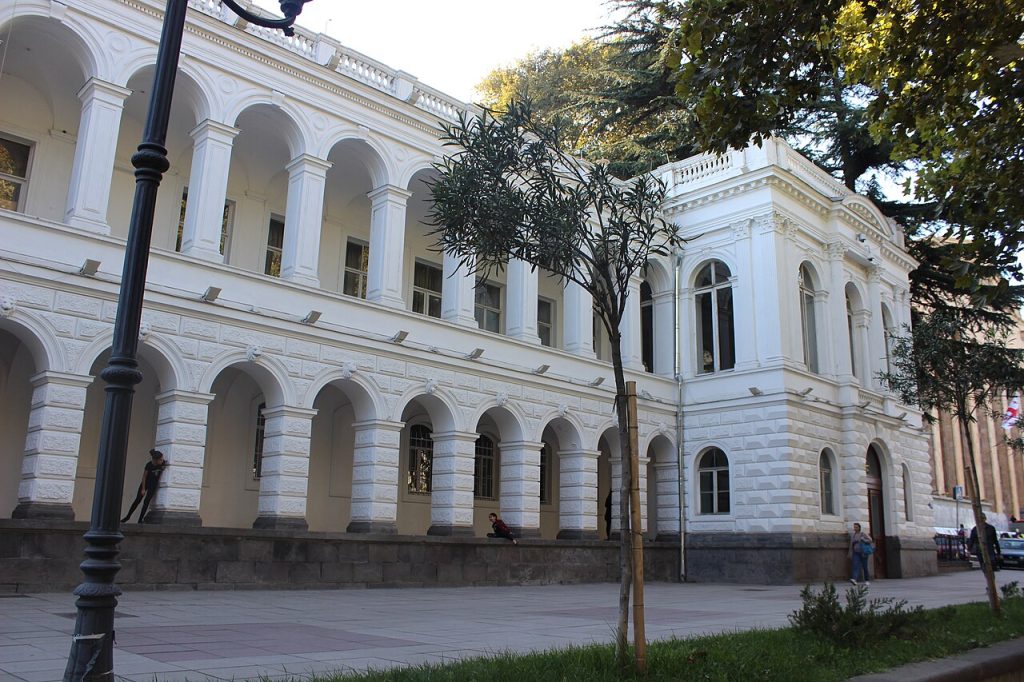
Now, stop on Rustaveli Avenue and look through the railings at the white palace set back from the street. Every government that has ruled Georgia since 1845 has used this building or stood in its shadow.
It was built as the residence of the Russian viceroy of the Caucasus, the man who governed everything from the Black Sea to the Caspian. In 1918 Georgia’s independence was declared in its hall. The Soviet years made it a palace for children, and the republic has kept it close ever since.
If you want one building that holds modern Georgian history, this is it, and most tourists walk straight past.
- Tbilisi in the Russian Century
- Vorontsov Again
- Building the Palace
- The Viceroys and Their Court
- A Capital Transformed
- Imperial Guests
- May 1918
- The First Republic’s House
- The Palace of Pioneers
- The Interiors
- Rustaveli Avenue Around It
- The Palace Today
- Visiting the Palace
Tbilisi in the Russian Century
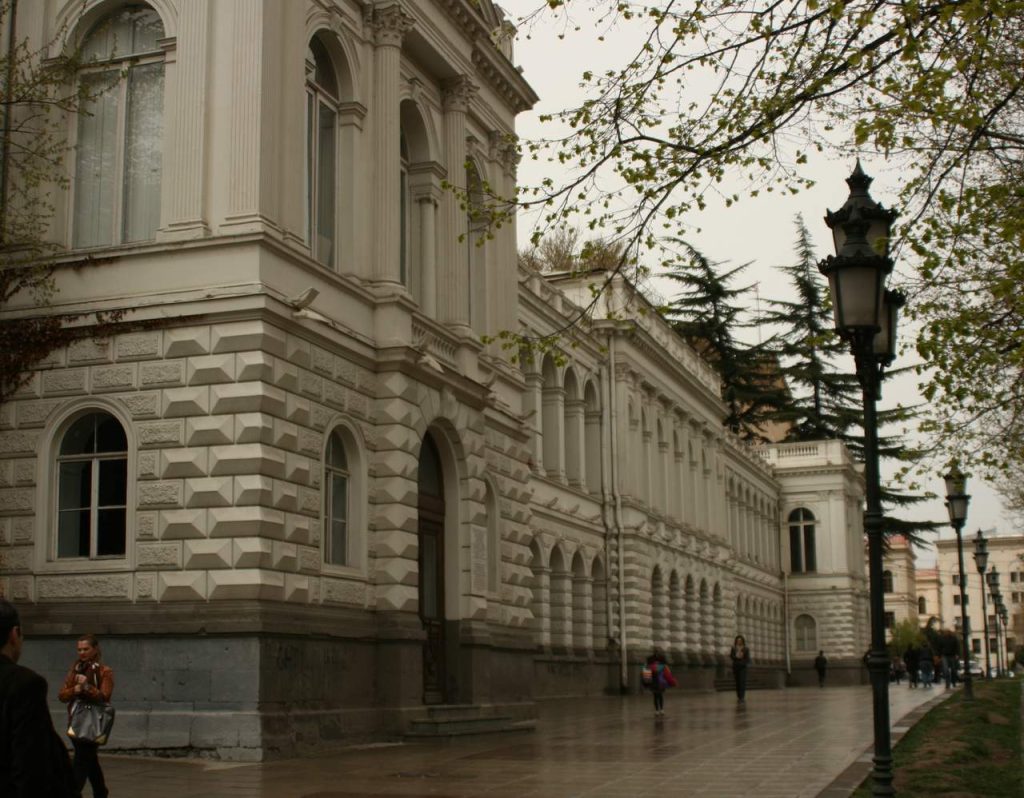
After the annexation of 1801, Tbilisi became the capital of Russian administration in the Caucasus, a garrison town that grew into the region’s metropolis: Georgian, Armenian, Russian, Persian and European at once.
The city the Persians had burned in 1795 was rebuilt in a new image, with the avenue later named for Rustaveli as its spine.
The viceroy’s palace anchored that avenue from the start.
Vorontsov Again
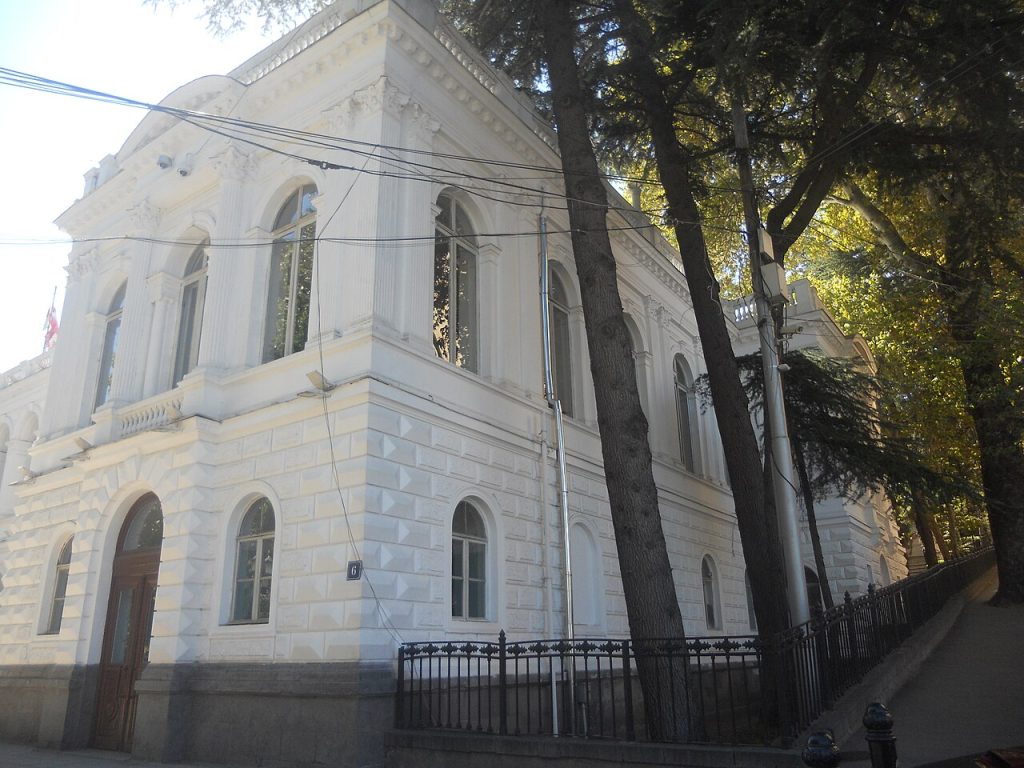
Mikhail Vorontsov, whose palace at Alupka appeared earlier in this series, became the first viceroy of the Caucasus in 1844, with near-sovereign powers and a mandate to win the long war with the mountaineers.
He governed with unusual sophistication: courting the Georgian nobility, founding theatres and schools, and treating the Caucasus as something to be developed rather than merely held.
His name in Tbilisi marks a bridge, this palace and an era.
Building the Palace
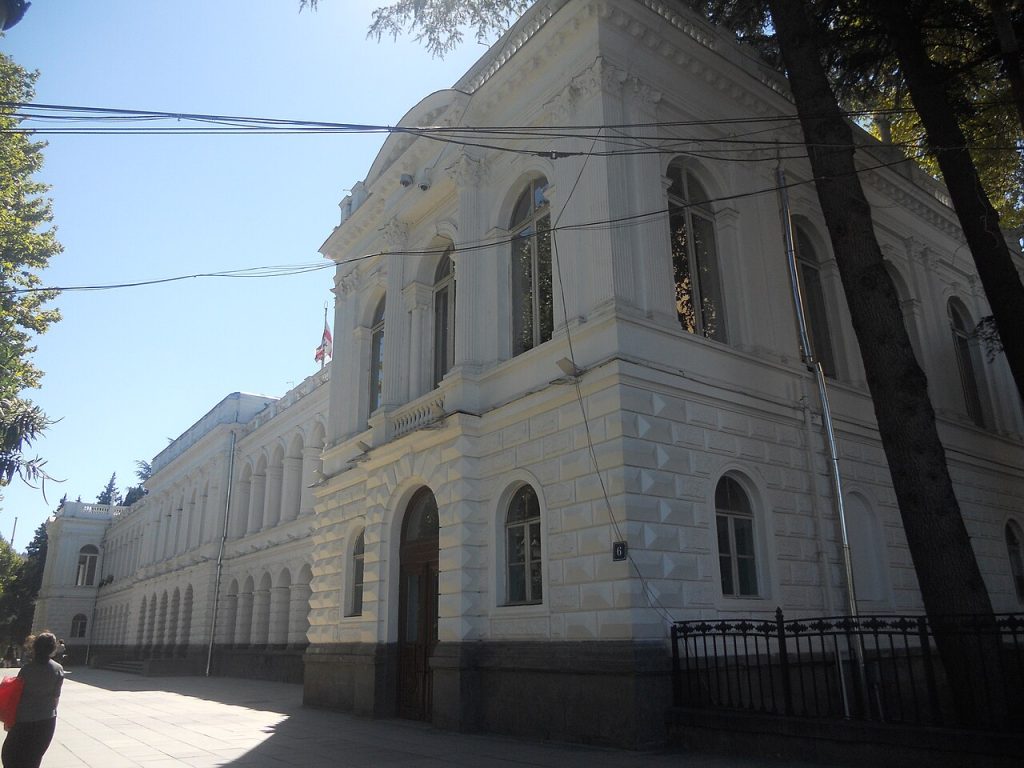
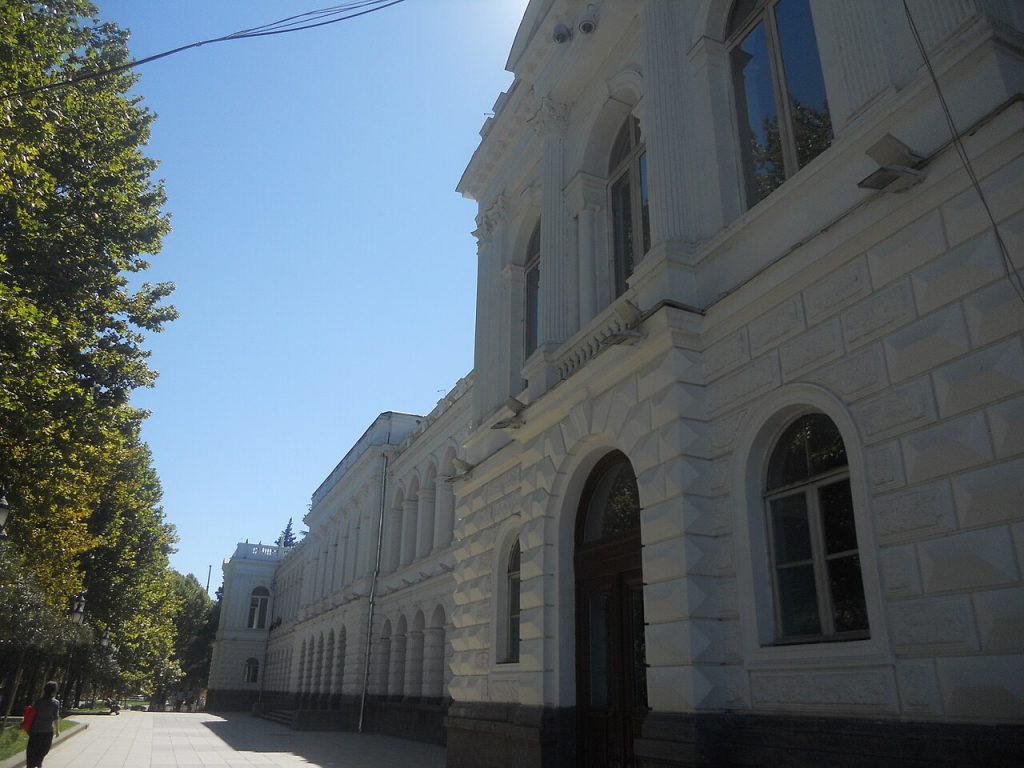
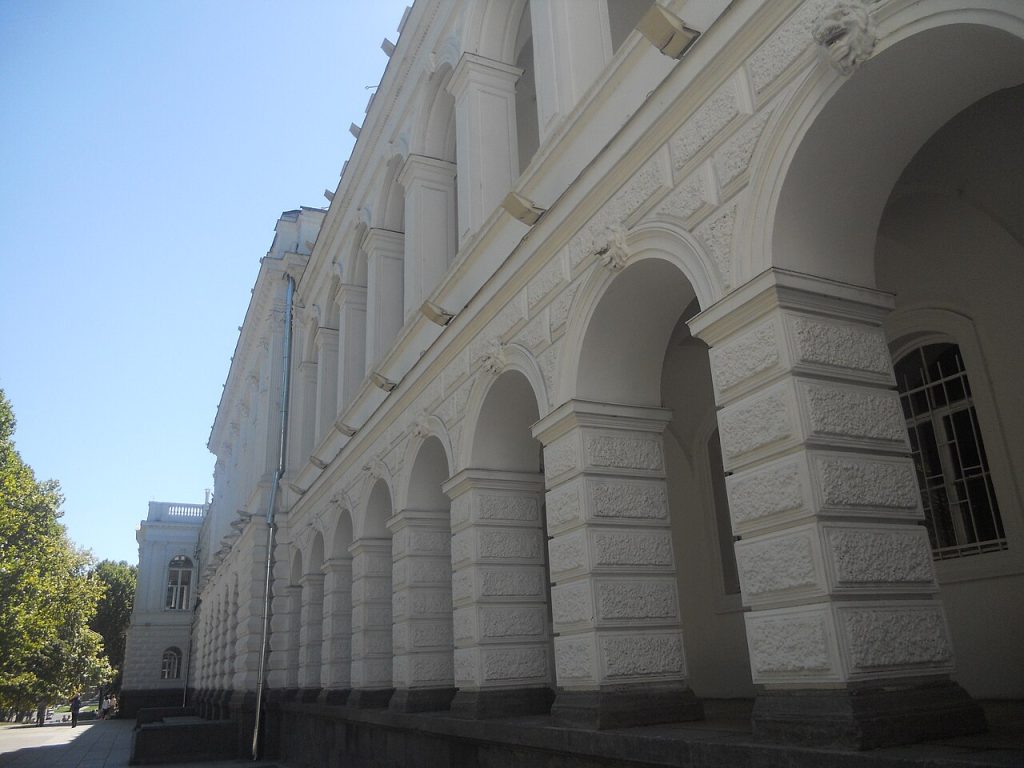
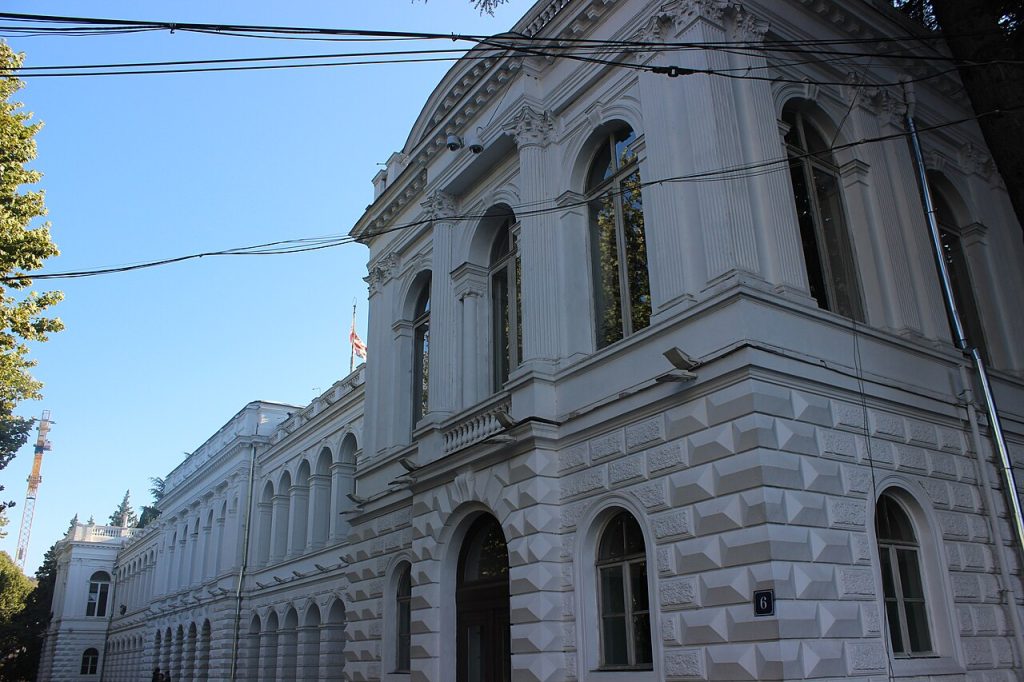
An earlier government house on the site was rebuilt from 1845 under Vorontsov and enlarged repeatedly, with the architect Otto Simonson giving it its main mid-century form: a classical palace with later eclectic additions, a garden court behind and a famous white hall.
Further reconstructions under later viceroys added wings and redecorated interiors through the 1860s and beyond.
The building you see is therefore several palaces in one envelope, like most working residences.
The Viceroys and Their Court
The viceroys governed an enormous and varied territory from this building, maintaining their own chancellery and ceremonial life, and receiving delegations from every community of the region in its halls.
Grand Duke Mikhail Nikolaevich held the office for over two decades and raised his family in the palace, including the future builder of Likani.
Under the viceroys the city gained an opera house, schools, learned societies and a press.
A Capital Transformed
The palace’s receptions set Tbilisi’s social calendar, and the Georgian nobility moved between their estates and this court as officers and officials of the empire.
In the same streets, meanwhile, the writers of the national revival were building modern Georgian culture in print.
Empire and nation matured side by side on one avenue, which is the central tension of the city’s nineteenth century.
Imperial Guests
Several emperors stayed at the palace during tours of the region, and the building was refreshed for each occasion, with the white hall serving for the formal receptions.
Contemporary accounts describe the notables of the region’s many communities presented there in turn.
The final such visit took place in 1914, on the eve of the war.
May 1918
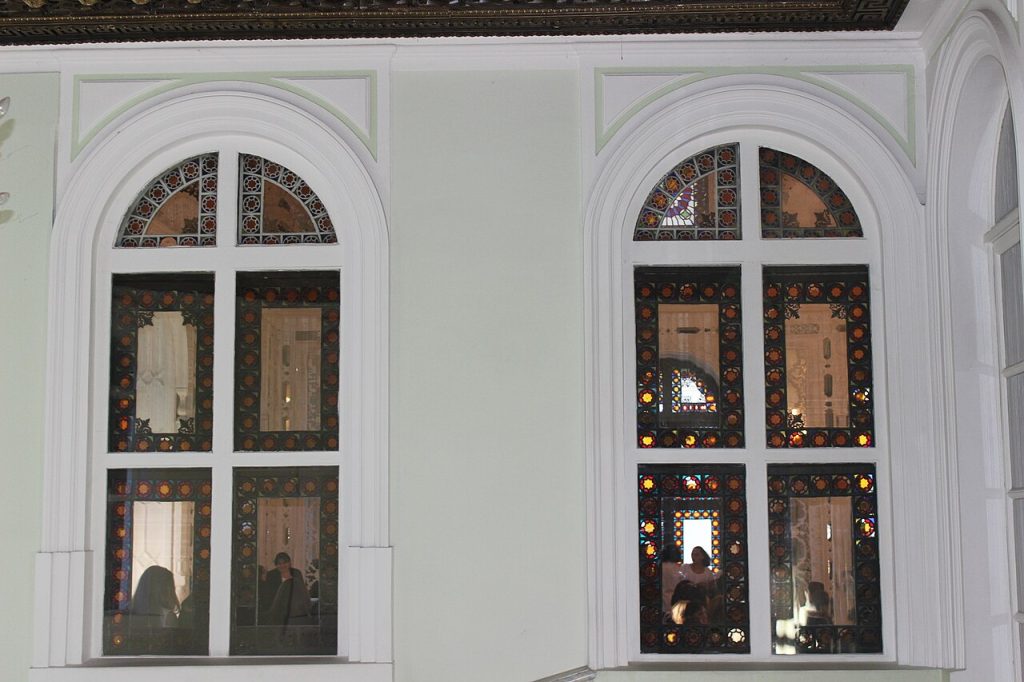
On 26 May 1918, in the hall of this building, the National Council proclaimed the independence of the Democratic Republic of Georgia, ending more than a century of imperial rule.
Armenia’s declaration followed days later, made in the same city, and Azerbaijan’s in the same week, as the short-lived Transcaucasian federation separated into three states.
The date is Georgia’s national day, and the hall where it happened still exists inside the palace.
The First Republic’s House
The government of the first republic worked in and around the palace during its three years of existence, hosting the diplomats and delegations of a new state seeking recognition.
In February 1921 the Red Army entered Georgia and the republic fell; its government left for exile from Batumi.
The palace changed masters once more, as it had in 1801 and 1918.
The Palace of Pioneers
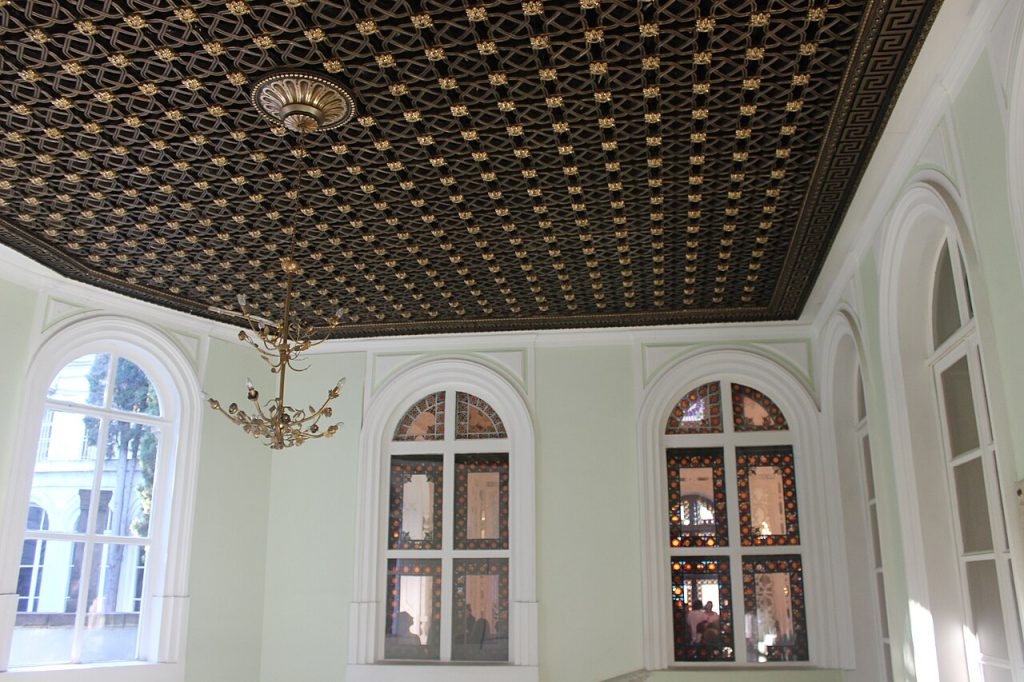
In Soviet Georgia the building became the Palace of Pioneers, the children’s organisation’s centre, filled with clubs, workshops, choirs and model railways.
Generations of Tbilisi children learned chess, dance and engineering in the viceroy’s halls, and many Georgians still call it the Children’s Palace.
The reuse preserved the building and gave it an affection no government office could have earned.
The Interiors
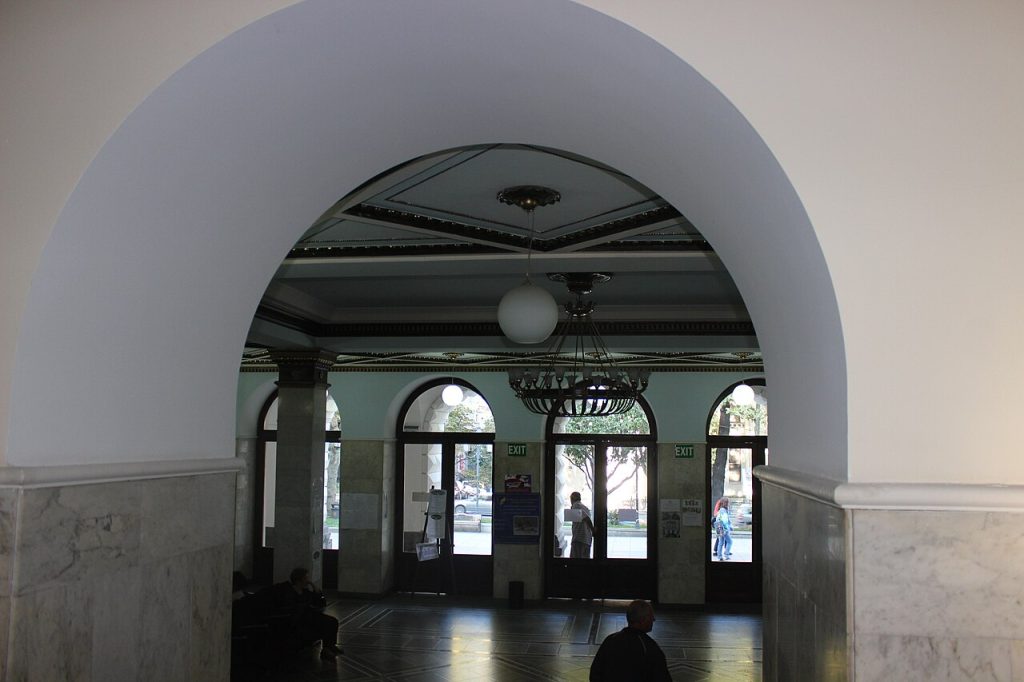
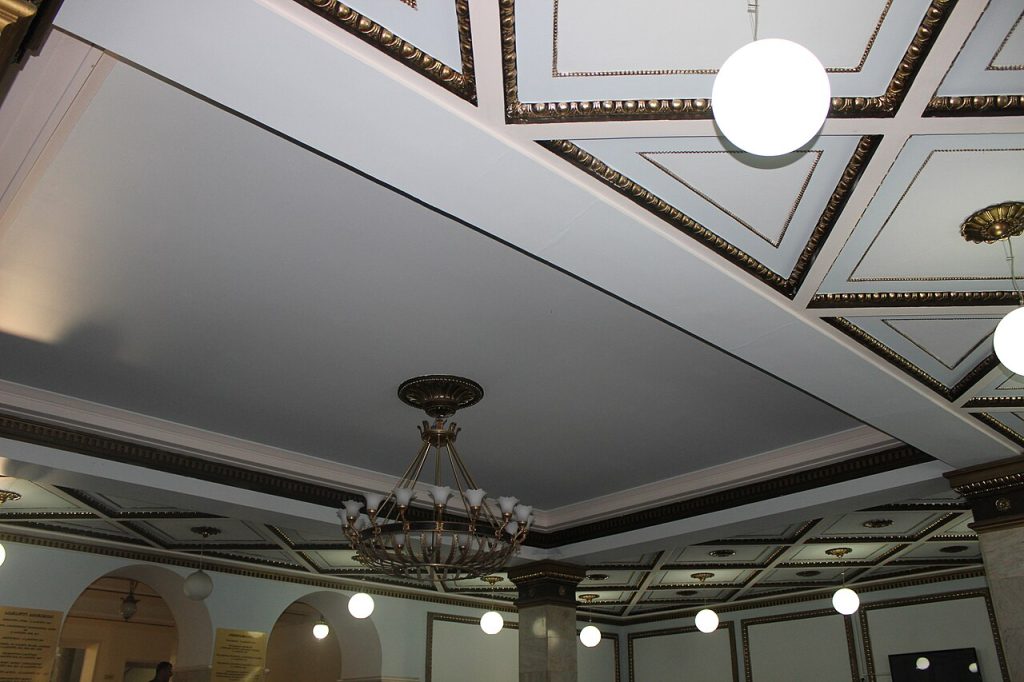
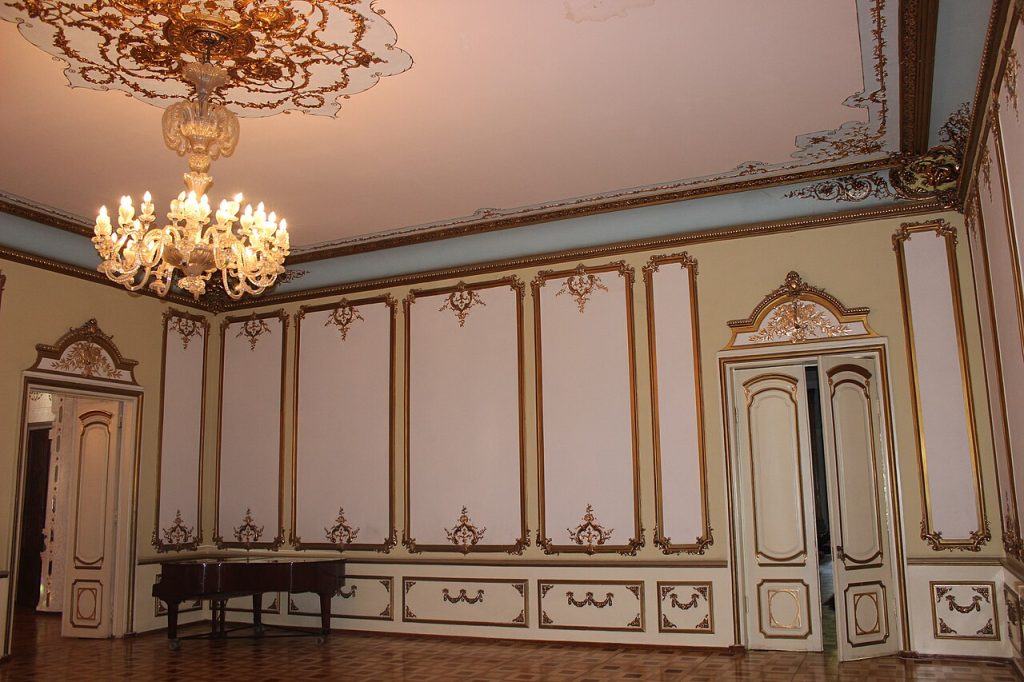
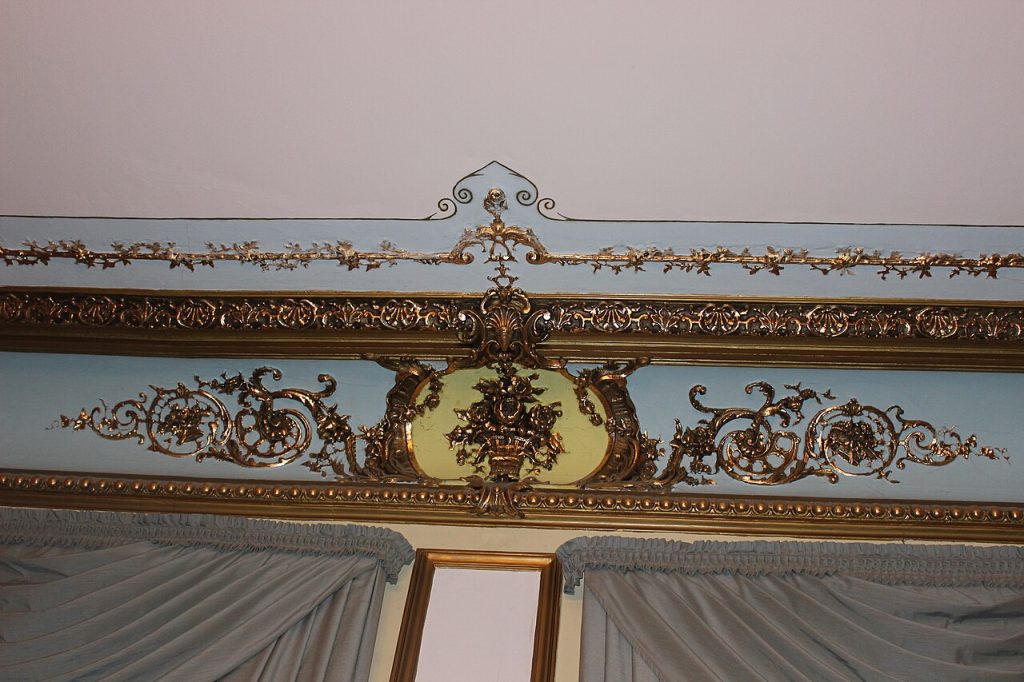
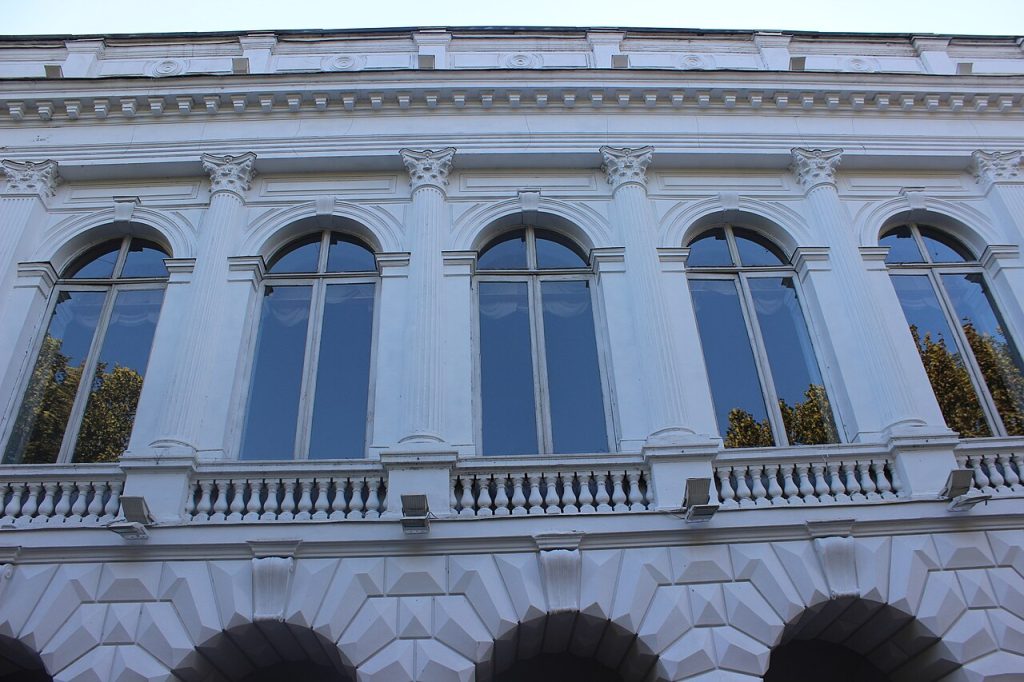
The interiors preserve the white hall, a Persian-style room, galleries and staircases, redecorated across the building’s many lives but keeping their nineteenth-century bones.
The mixture of European classical rooms and oriental-style salons mirrors the double audience the viceroys addressed.
Access depends on the building’s current use, and tours have been intermittent.
Rustaveli Avenue Around It
The avenue outside holds the opera house, the Rustaveli theatre, the parliament, the national museum and the old seminary, with the palace midway along.
Rustaveli has also been the stage of Georgia’s political drama: demonstrations, tragedies and celebrations from 1989 to the present have all passed this facade.
Walking its length is the quickest education in the country’s modern history.
The Palace Today
The building continues as a youth and cultural centre with state functions alongside, and its gardens open to the avenue.
Restoration work has proceeded in stages, and the white hall is used for ceremonies.
Its future use is periodically debated, as such buildings’ futures always are.
Visiting the Palace
Check locally whether the interiors are open; the gardens and exterior can be seen from the avenue at any time.
Combine it with the national museum opposite, the old town below and the funicular up Mtatsminda.
And when you pass the railings, remember that one hall inside has seen a viceroyalty, a declaration of independence, and seventy years of children’s chess clubs.
Watch the Palace on Film
Visiting the Vorontsov Palace Today
The palace stands on Rustaveli Avenue in central Tbilisi, between Freedom Square and the opera house, with the Rustaveli metro station a short walk away.
It operates as a youth and cultural centre; interior access varies with events and restoration, while the gardens and facade are visible from the avenue daily.
Combine it with the Georgian National Museum and the old town. Find it here: https://www.google.com/maps?q=41.6975,44.7997
Palaces Nearby
You May Like
Batonis Tsikhe and the Last Court of Kakheti