On the very edge of Russia, where the Siberian forest gives way to the Mongolian steppe and the border runs through a dusty frontier town, stands one of the strangest monuments of imperial wealth on earth. In Kyakhta, a remote settlement of the Buryat republic a thousand kilometers from any great city, the merchants built a cathedral whose iconostasis, by the legend the town has never wanted corrected, was made of silver and whose columns were wrapped in crystal, raised in the steppe by traders so rich that Kyakhta was known across Russia as the town of millionaires. The source of the fortune was a single commodity carried across a single frontier: tea.
For a century and a half, from the 1720s treaty that opened it until the railway and the sea routes undid it, Kyakhta was the sole official gateway for the overland tea trade between China and Russia, the point where the caravans from Peking met the sledges for Moscow, and every chest of tea that Russia drank, and it drank oceans, passed through this one border town’s warehouses and paid its toll to this one town’s merchants. The wealth that accumulated was fantastic and the display it funded, in a town of a few thousand souls at the empire’s farthest edge, was among the most improbable spectacles of nineteenth-century Russia.
This guide tells the tea road’s capital: the Kyakhta treaty and the opening of the China trade, the caravan route and the barter of furs and cloth for tea, the merchant millionaires and their fantastic philanthropy, the cathedrals and mansions of the steppe, the explorers who staged from Kyakhta into inner Asia, the trade’s collapse and the town’s long afterlife, and the practical details of reaching the tea road’s astonishing frontier monument.
- The Treaty on the Frontier
- The Only Gate for Tea
- The Caravan Road
- Furs for Tea
- The Town of Millionaires
- The Silver Iconostasis
- The Merchant Mansions
- Fantastic Philanthropy
- Gateway to Inner Asia
- The Railway Ends the Road
- Border Town of the Soviet Century
- The Kyakhta Museum
- Kyakhta Today
- Watch Kyakhta on Film
- Visiting Kyakhta Today
- Palaces Nearby
The Treaty on the Frontier
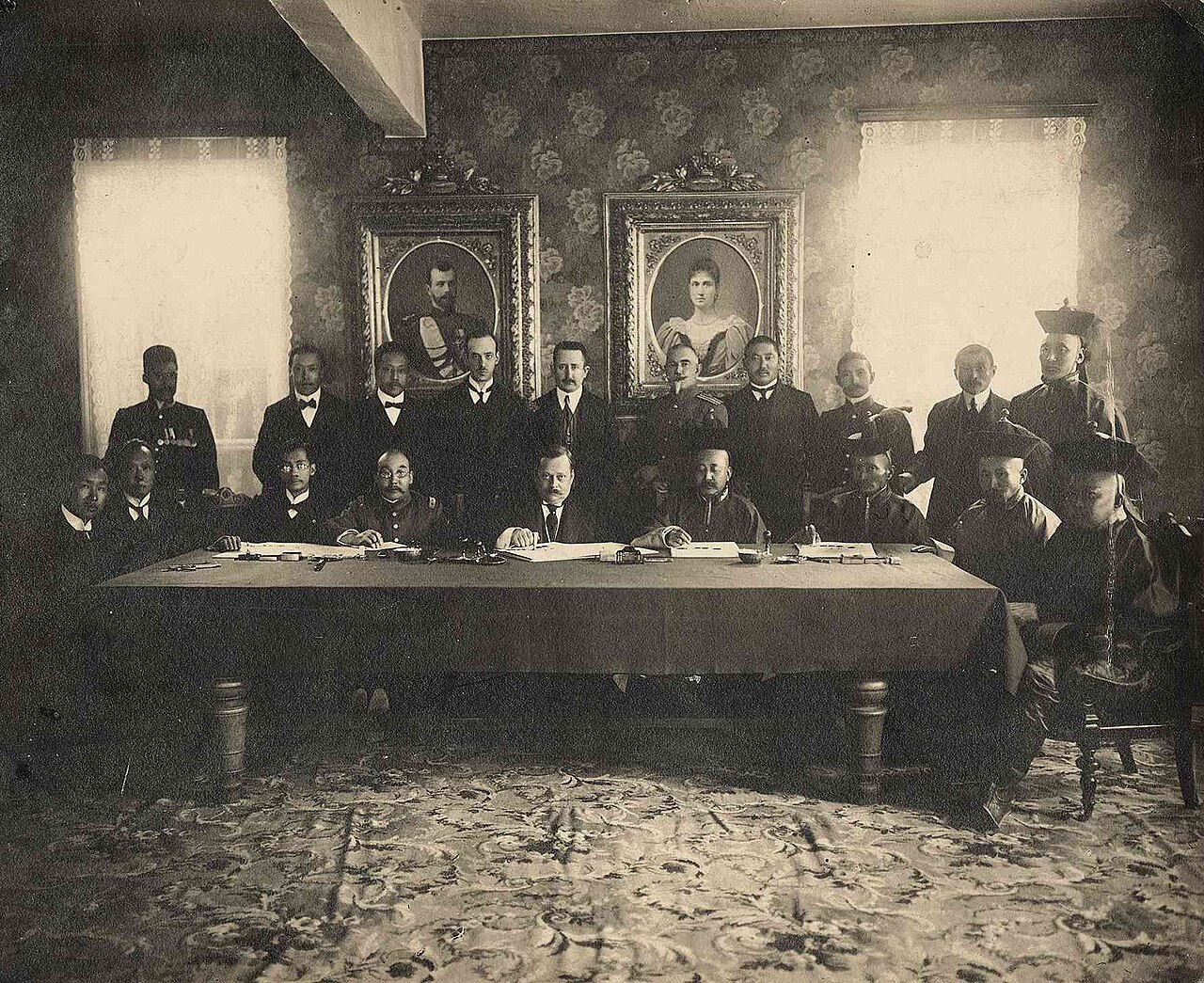
Kyakhta was born of diplomacy. The Treaty of Kyakhta, negotiated in 1727 between the Russian empire and Qing China, settled the long frontier between the two empires across Mongolia and, crucially, established the regulated border trade, fixing Kyakhta and the neighboring Chinese post of Maimaicheng as the official point of exchange, the single authorized gateway for the commerce between the two largest land empires on earth, the frontier town created by treaty as a customs and trade post.
The treaty’s logic suited both empires: China, wary of foreign contact, confined the Russian trade to one controllable frontier point, and Russia, seeking the China commerce, accepted the restriction for the monopoly’s security, the two powers’ mutual caution channeling a continent’s trade through one steppe crossing, Kyakhta and Maimaicheng facing each other across the border like a single divided market town, Russian and Chinese merchants trading across the line under both empires’ strict regulation.
The arrangement held, with interruptions, for a century and a half, and it made Kyakhta: the town grew from a frontier fort into the trade’s capital, its customs house the funnel through which the China commerce flowed, its merchants the beneficiaries of a treaty-granted monopoly that concentrated the wealth of a continental trade in one small, remote, and improbably rich border settlement.
The Only Gate for Tea
Tea made Kyakhta extraordinary. As the Russian taste for tea grew through the eighteenth and nineteenth centuries into a national passion, the demand became colossal, and because Kyakhta was the sole official overland gateway, every chest of China tea entering Russia by land passed through the town, the volume swelling to enormous proportions, Kyakhta handling the tea supply of the world’s largest tea-drinking nation through its single frontier, a monopoly of breathtaking scale.
The overland tea had a special cachet and a premium price: the caravan tea, carried dry across the Mongolian and Siberian land routes rather than by the humid sea voyage, was held to be superior, the Russian caravan tea a connoisseur’s product commanding high prices, and the overland trade’s very difficulty and length, the chests travelling months across deserts and forests, added to the cost and the romance, the tea road a byword for the exotic commerce of the inner-Asian frontier.
The trade’s scale measured in the town’s wealth: at its peak Kyakhta’s commerce accounted for a significant share of all Russia’s foreign trade by value, an astonishing fact for a remote border town, the tea and the goods exchanged for it flowing in quantities that made the handful of Kyakhta merchant houses into some of the richest commercial fortunes in the empire, the monopoly’s wealth concentrated in few hands at the far frontier.
The Caravan Road
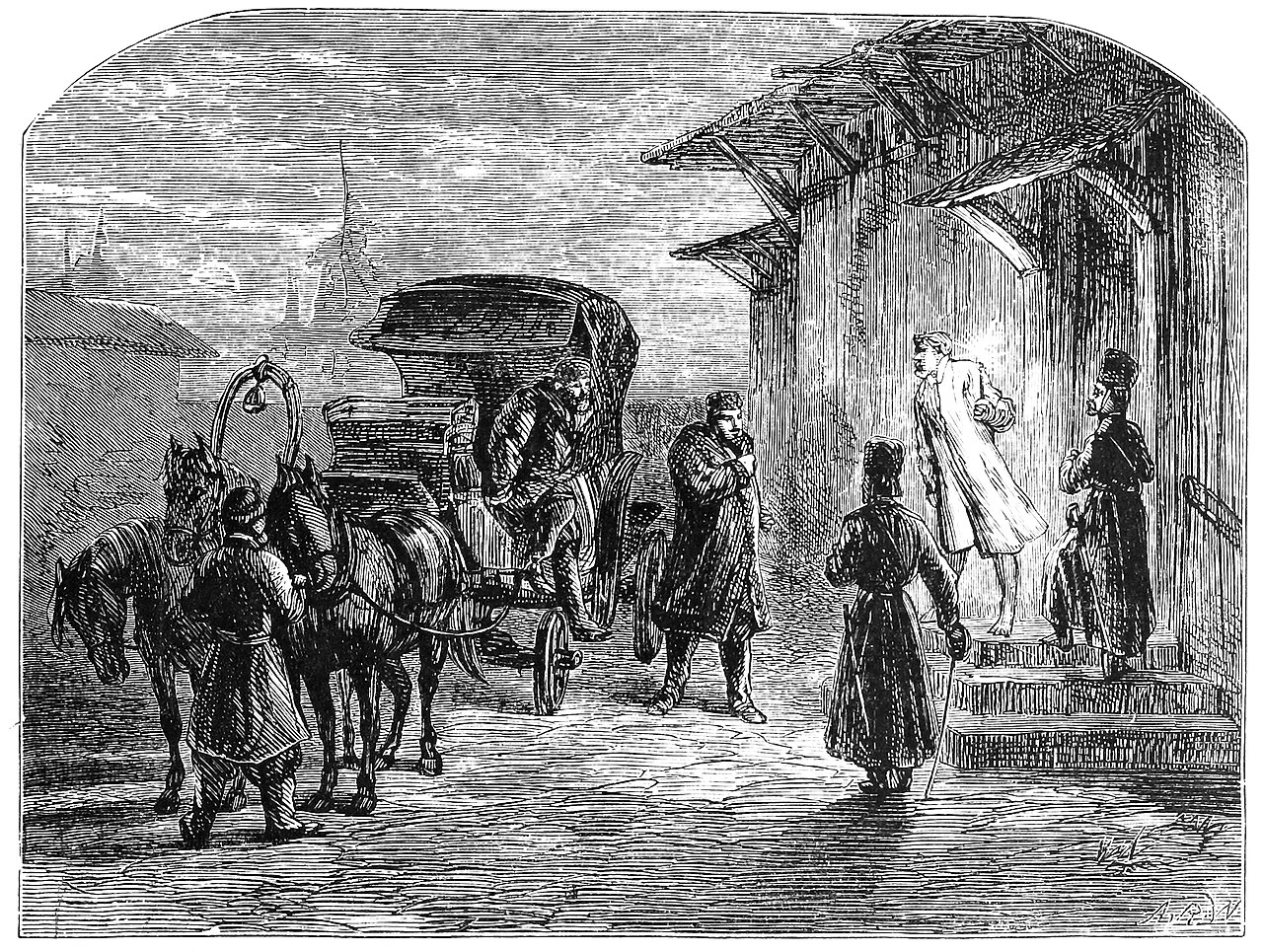
The tea came by one of history’s great trade routes, the tea road, the overland artery running from the tea provinces of southern China up through Peking, across the Gobi and the Mongolian steppe to the frontier at Kyakhta, and onward across Siberia by the great post road to the fairs of European Russia, a journey of thousands of kilometers taking many months, the chests carried by camel, cart, and sledge across deserts, mountains, forests, and the Siberian winter, one of the longest and hardest commercial routes ever regularly worked.
The route’s Siberian leg threaded the cities this series has walked: from Kyakhta the tea moved through Irkutsk, where the merchants financed it, past Baikal, up the Yenisei and the Ob, through Krasnoyarsk, Tomsk, and the Siberian trakt to the great fair at Nizhny Novgorod and the markets of Moscow, the tea road the economic spine that linked the Siberian cities, the fortunes it generated building the opera houses, the wooden palaces, and the cathedrals from Irkutsk to the Volga.
The caravans were epics of logistics: the camel trains across Mongolia, the transfer at the frontier, the sledge convoys across the Siberian snow timed to the rivers’ freezing, the whole a vast seasonal machine moving a continent’s tea on muscle and ice, the caravan masters, the Buryat and Mongol carriers, the Siberian carters, the human infrastructure of a trade that ran on the oldest transport across the newest commercial scale, the tea road a wonder of pre-railway commerce.
Furs for Tea
The trade was barter, and its other half built Siberia too. The Chinese took, in exchange for their tea, Russian and Siberian goods above all furs, the sable, squirrel, and fox of the Siberian forests, and manufactured cloth, the woolens and later the cottons of Russian and European mills, the Kyakhta exchange a two-way engine drawing furs from the Siberian north and cloth from the European west and sending them south for the tea that went north, the frontier market balancing a continent’s goods.
The barter’s terms and the goods shifted over the decades, the fur supply declining and the cloth trade growing, the Chinese demand and the Russian supply negotiated across the border in the elaborate frontier commerce, the Kyakhta merchants mastering the trade’s intricacies, the qualities of tea, the grades of fur, the bolts of cloth, the whole a specialized commercial culture that made the frontier town’s merchants expert middlemen of the Sino-Russian exchange.
The trade’s structure concentrated the wealth: the official monopoly, the capital required to finance the long caravans and the slow turnover, and the expertise needed to work the frontier market limited the trade to a few substantial houses, the Kyakhta merchants a small, rich, and interrelated elite, their fortunes built on the spread between the Chinese tea price and the Russian, multiplied by the colossal volume, the barter’s profits pooling in the steppe town’s counting houses.
The Town of Millionaires
Kyakhta’s wealth became proverbial. The town of a few thousand inhabitants held, at its peak, a concentration of millionaire merchants unmatched anywhere for its size, the tea fortunes making Kyakhta a byword across Russia for improbable riches, the golden Kyakhta, the Venice of the sands, the town where, the legends ran, the merchants’ wealth was counted not in rubles but in the grander units, the frontier settlement’s commercial elite among the empire’s richest men.
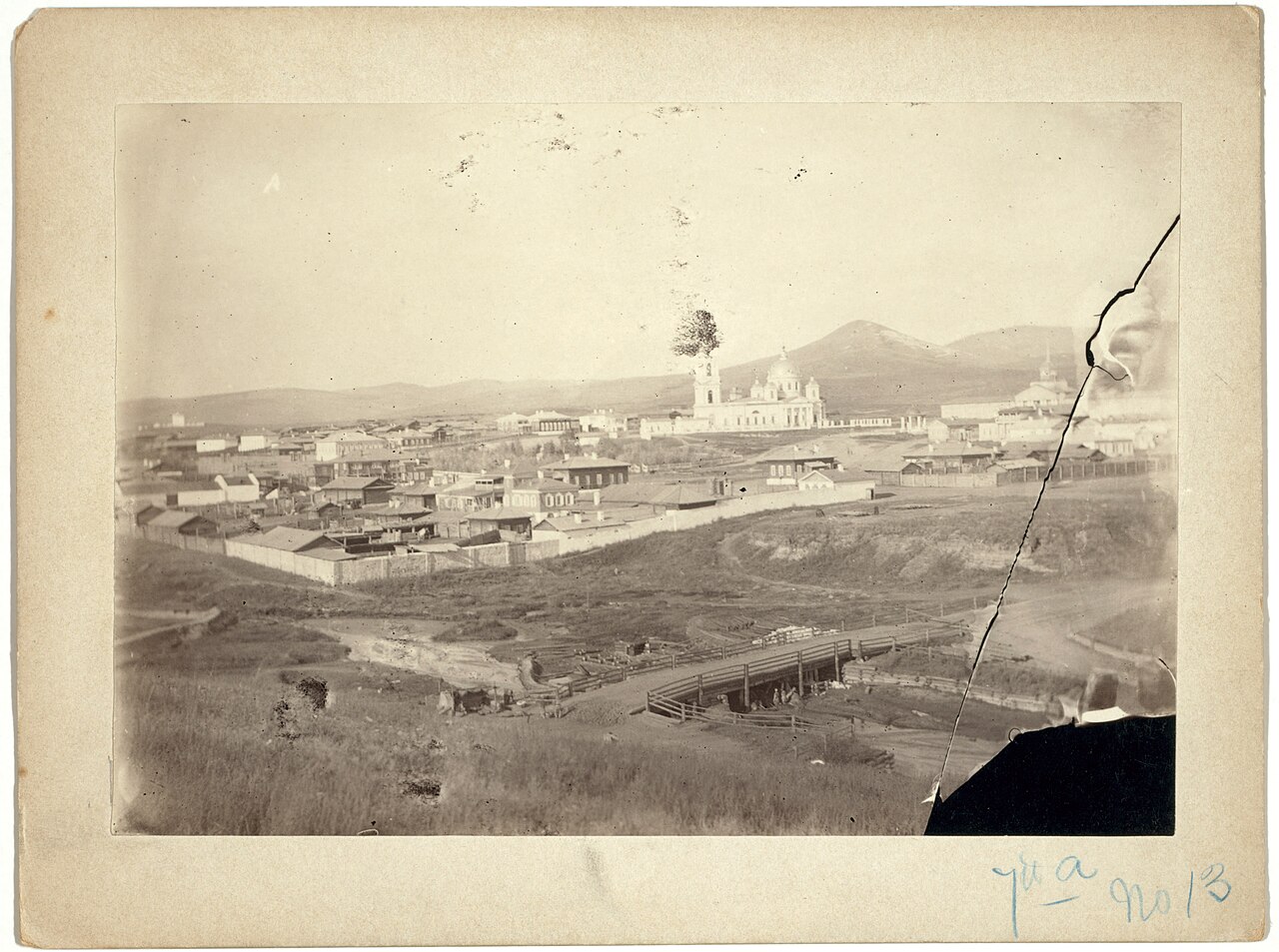
The display matched the wealth and the isolation sharpened its strangeness: the merchant mansions of the Troitskosavsk and Kyakhta settlements furnished with Petersburg and European luxury hauled across Siberia, the champagne and the pianos, the French tutors and the fashionable clothes, the tea magnates living in metropolitan splendor at the empire’s dustiest edge, the contrast between the frontier setting and the cosmopolitan wealth the town’s defining spectacle.
The millionaires’ world was small and intense: a few interrelated families, the Lushnikovs, the Nemchinovs, and their peers, dominating the trade and the town, their rivalries and marriages the local history, their fortunes and their philanthropy the town’s substance, the Kyakhta elite a frontier aristocracy of commerce whose wealth, concentrated and displayed, made the remote steppe town one of the strangest rich places in the world.
The Silver Iconostasis
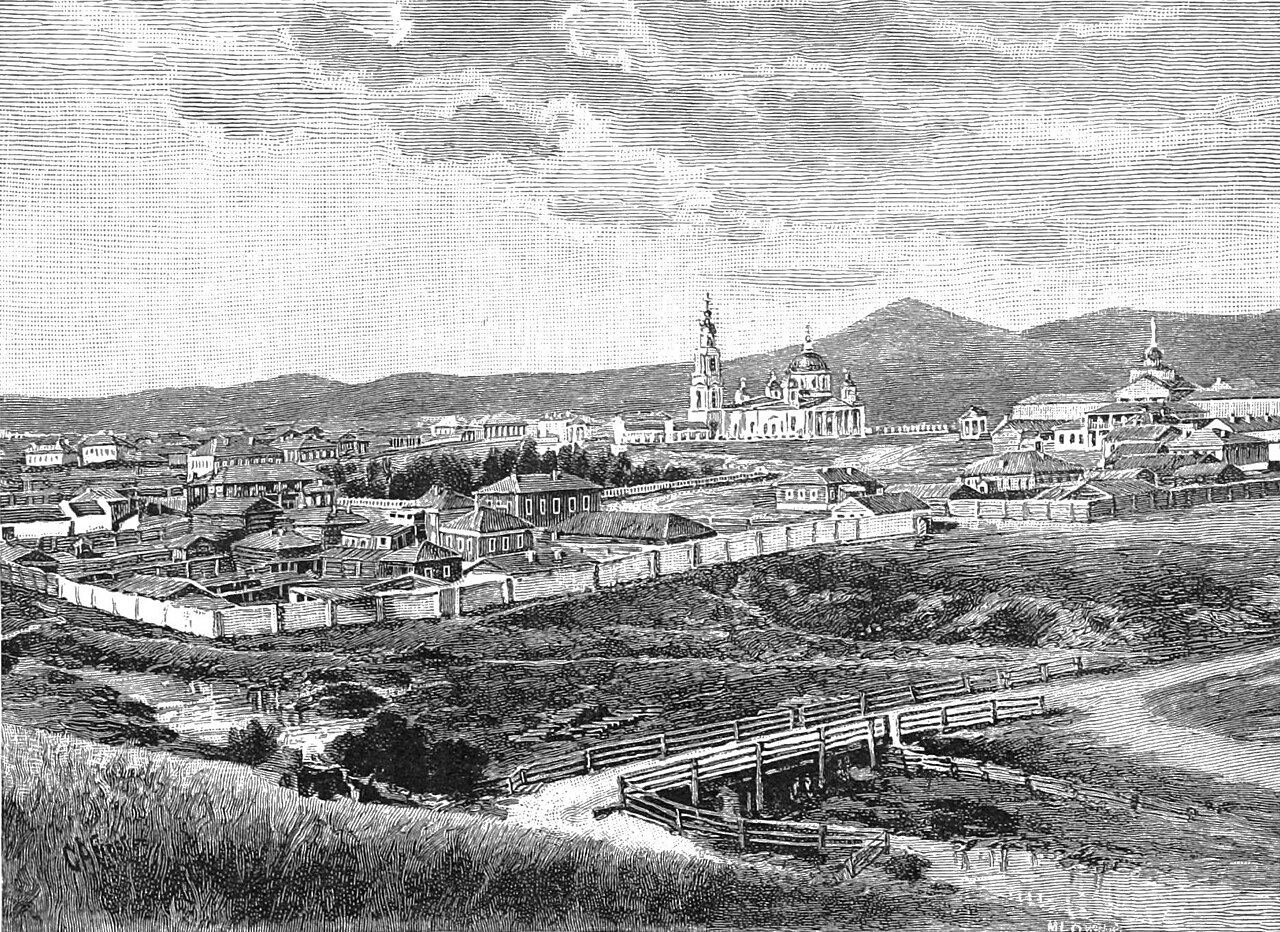
The merchants’ wealth raised the town’s astonishing churches, above all the Trinity Cathedral and the Resurrection Church of the neighboring Troitskosavsk, whose splendor passed into national legend. The Resurrection Church, funded by the tea fortunes, was famous for an iconostasis of extraordinary richness, the legend holding its columns wrapped in crystal and its fittings in silver, the merchants pouring their tea profits into a frontier church of a magnificence that stunned every traveler who reached the remote town.
The reality, rich enough, fed the legend: the churches’ fittings of silver, crystal, fine icons, and imported marble, the merchants competing in devotion and display, the frontier cathedrals furnished to a standard that rivaled the capitals’, the improbability of such splendor in a dusty border town the point of every astonished account, the tea money made visible in the glitter of the steppe sanctuaries, the millionaires’ piety and pride fused in crystal and silver.
The churches’ fate followed the trade’s and the century’s: the Soviet closures stripped the fittings, the famous iconostasis dispersed or destroyed, the buildings decayed, and the Resurrection Church stands today a melancholy ruin, its roof open, its splendor a memory, the shell on the steppe a monument to the vanished wealth, the crystal and silver gone but the legend and the walls remaining, the tea road’s grandest gesture surviving as a haunting fragment.
The Merchant Mansions
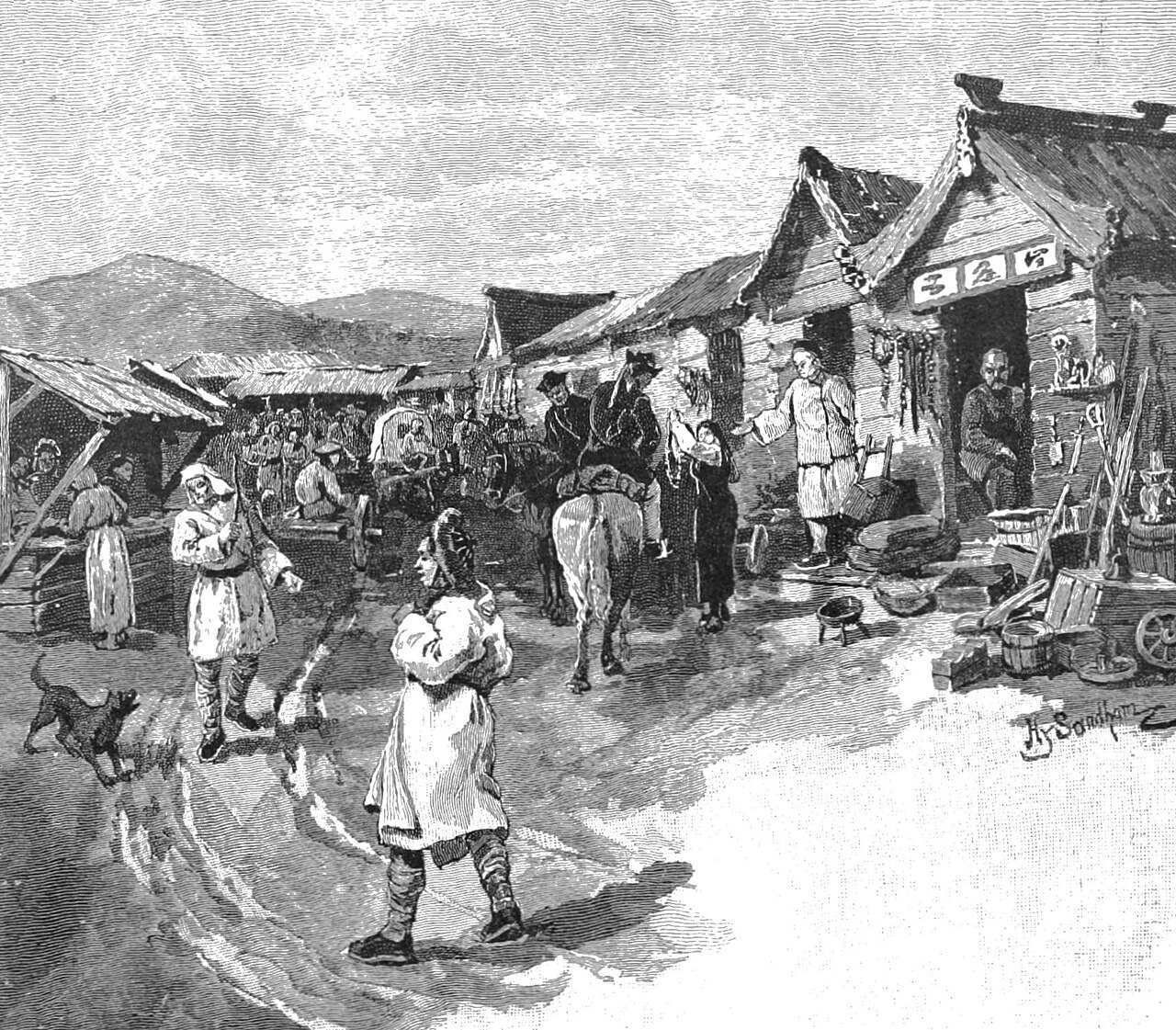
The town’s domestic architecture matched its churches: the merchant mansions of Kyakhta and Troitskosavsk, stone and timber houses furnished to metropolitan standards, the trade’s offices and warehouses, the gostiny dvor trading rows, the whole a frontier town built to a wealth its size could never otherwise have commanded, the streets of substantial houses a surprise in the steppe, the tea money’s architecture, the counting houses and the mansions of a trade capital in miniature.
The mansions’ interiors carried the cosmopolitan wealth: the imported furniture and the libraries, the European and Chinese luxury that the trade itself brought, the cultivated life of merchant families who, for all their frontier isolation, lived in contact with two empires’ goods and ideas, educated their children, and patronized culture, the Kyakhta elite a frontier bourgeoisie of unusual sophistication, their houses the setting of a surprisingly rich provincial society.
The surviving mansions and trade buildings, weathered and partly ruined, give the modern town its historic texture: the stone houses and the church shells, the old customs and warehouse structures, the fragments of the trade capital standing among the modern border town, the visitor reading the vanished wealth in the surviving stones, the improbable grandeur of the tea road’s capital legible still in its decayed but eloquent architecture.
Fantastic Philanthropy
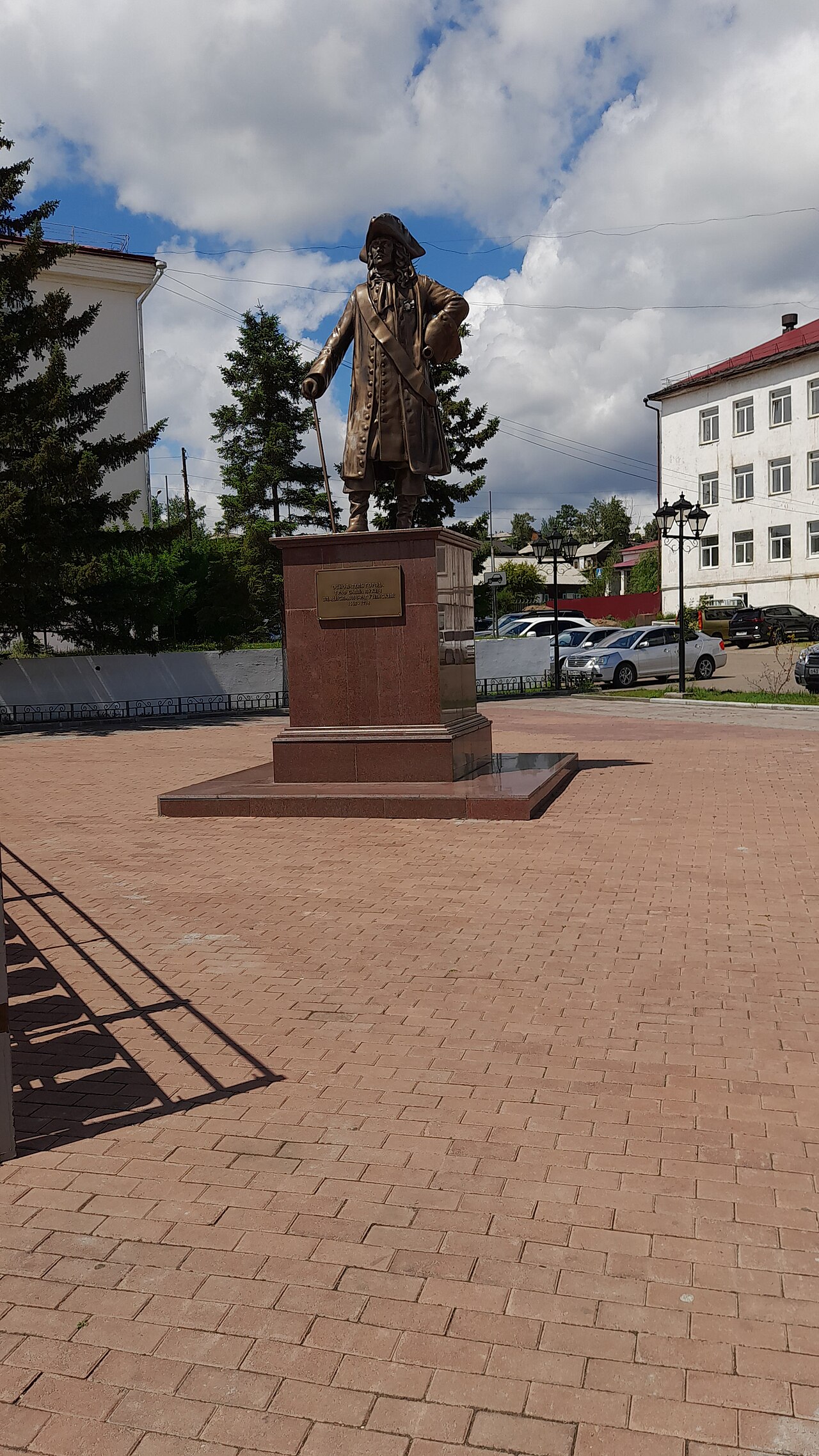
The Kyakhta millionaires gave as spectacularly as they earned. The tea fortunes funded, in the frontier town and far beyond, a philanthropy of remarkable scale and ambition: schools and the famous Kyakhta girls’ gymnasium, libraries, the hospital, the churches, and, strikingly, the support of science and exploration, the merchants’ money reaching from the border town into the Russian geographical society’s expeditions and the cultural institutions of Siberia, the tea wealth a patron of learning.
The town’s own institutions were extraordinary for its size and remoteness: Kyakhta boasted a public library, a learned society, a museum, and schools of a standard that astonished visitors to the frontier, the merchants’ philanthropy creating, in the dusty border settlement, a center of culture and science that punched absurdly above its weight, the tea money civilizing its own capital with a thoroughness that outlasted the trade that funded it.
The philanthropic tradition reflected the merchants’ self-image and their era’s: the Siberian merchant philanthropy that built Tomsk’s university and Irkutsk’s galleries expressed in Kyakhta too, the tea magnates, like their peers across Siberia, converting commercial wealth into civic and cultural legacy, their gifts the lasting monument of fortunes otherwise dispersed, the frontier town’s improbable cultural richness the millionaires’ enduring bequest.
Gateway to Inner Asia
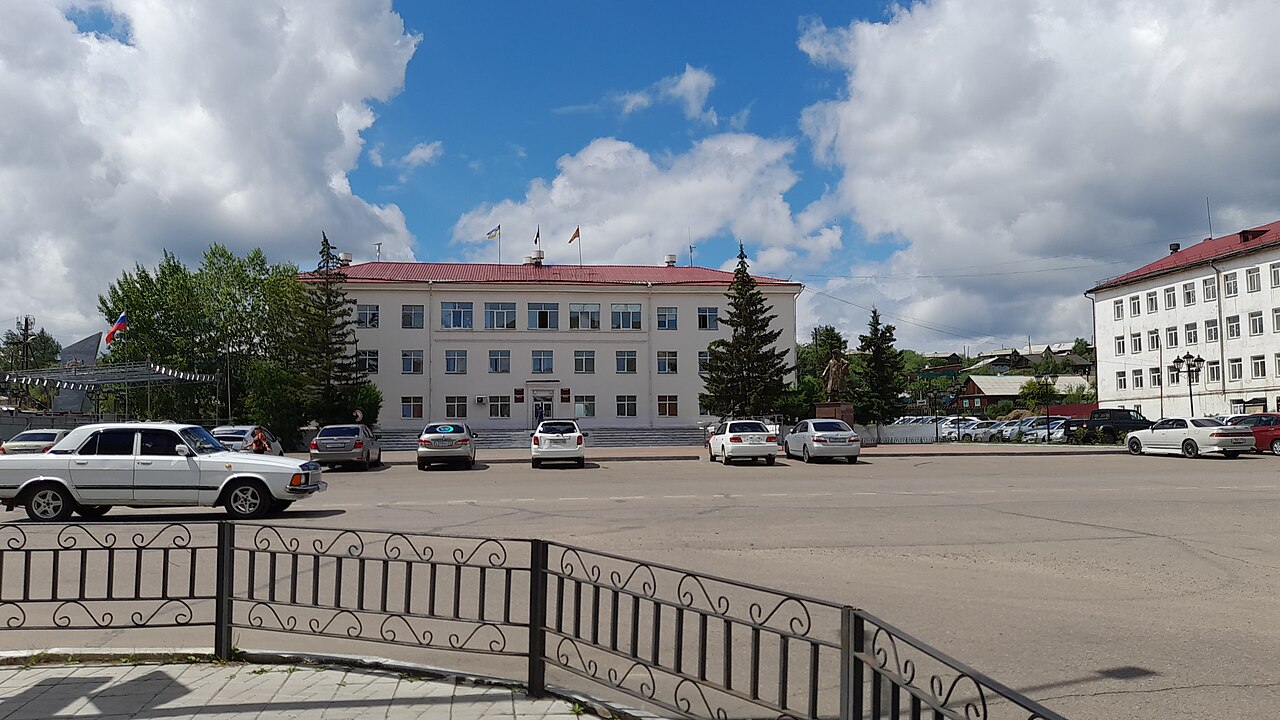
Kyakhta was science’s door to inner Asia. As the frontier point toward Mongolia and China, the town was the staging post for the great Russian expeditions into central Asia, the explorers of the geographical society, Przhevalsky, Potanin, the Kozlov expeditions, outfitting and departing from Kyakhta into the Gobi, Mongolia, Tibet, and the unmapped heart of the continent, the tea road’s capital the base camp of the age’s greatest inner-Asian exploration.
The town’s position and its merchant wealth made it ideal: the caravan expertise, the frontier contacts, the supplies, and the merchant funding all available at Kyakhta, the explorers drawing on the trade’s infrastructure and the millionaires’ patronage, the expeditions that mapped central Asia and brought back its treasures, Kozlov’s discoveries of the dead city of Khara-Khoto among them, staged through the tea town, the commercial frontier doubling as the scientific one.
The exploration heritage enriches the town’s museum and its memory: the expeditions’ records, the explorers’ association with the town, the specimens and the maps, the Kyakhta that was not only the tea capital but the gateway through which Russia reached into the Asian interior, the dusty border settlement a crossroads of commerce and discovery, its museum preserving both the tea trade and the great expeditions it helped launch.
The Railway Ends the Road
The tea road died by technology. Two developments undid Kyakhta’s monopoly: the opening of the sea routes and the treaty ports that let China tea reach Russia by ship, and, decisively, the railways, the Suez Canal and the steamship bringing tea by sea, and the Trans-Siberian railway of the 1890s bypassing the caravan route entirely, the tea that had crept across the Gobi for months now carried by rail and sea in days, the overland trade’s premium and its reason for being evaporating.
Kyakhta’s decline was swift and total: the monopoly broken, the caravan trade collapsing, the tea now flowing by faster and cheaper routes, the millionaire merchants’ fortunes undermined and their town’s reason for existence removed within a generation, the golden Kyakhta fading from the richest border town in Russia to a remote and shrinking frontier settlement, the trade that had made it gone, the spectacular wealth dispersing.
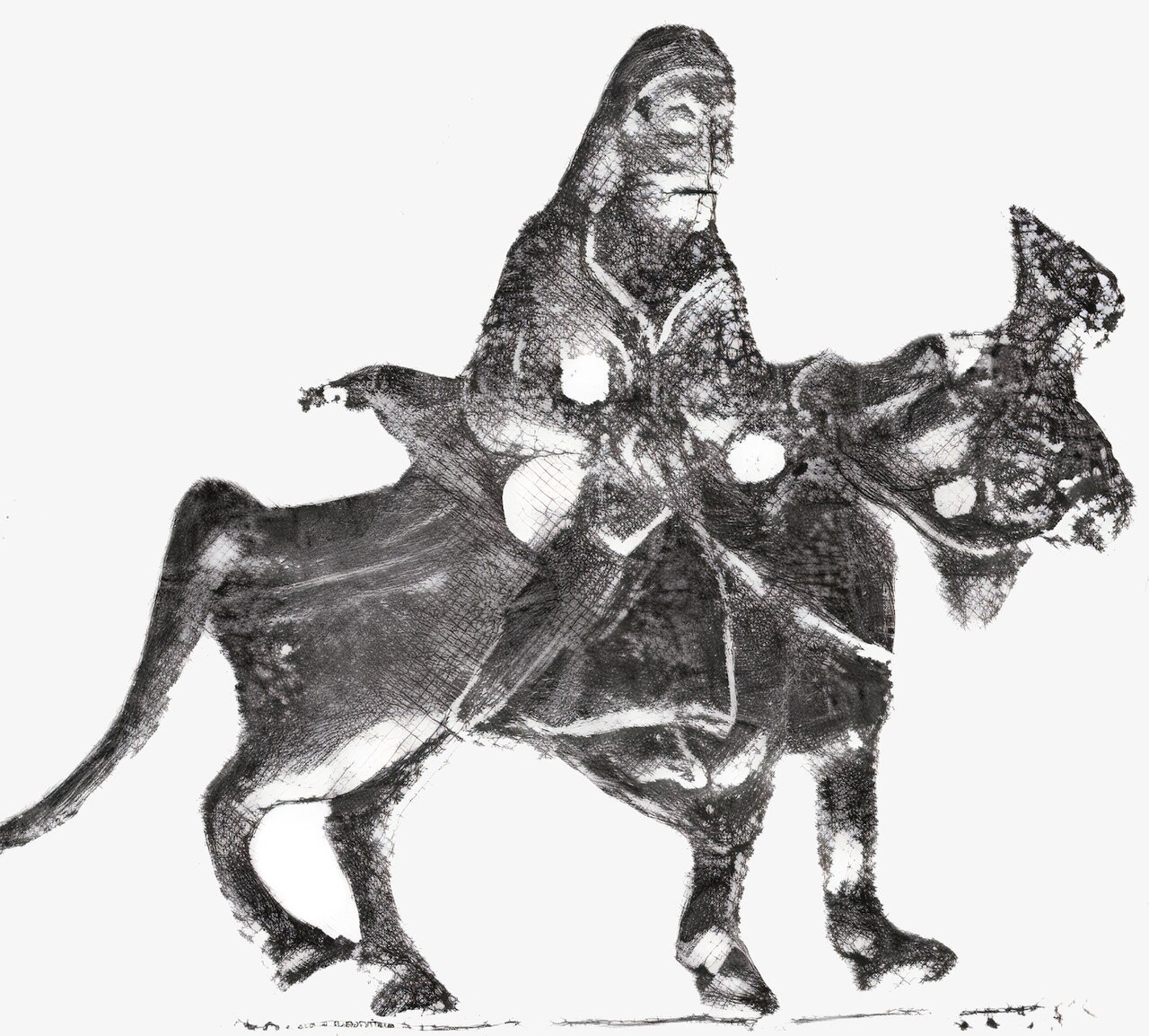
The collapse left the monuments stranded: the cathedrals, the mansions, the institutions built by a wealth that no longer existed, the splendid frontier town suddenly without its economy, the buildings too grand for the settlement that remained, the stranded magnificence that gives Kyakhta its melancholy fascination, a trade capital outliving its trade, its grand shell standing on the steppe as the monument to a vanished commercial world.
Border Town of the Soviet Century
The twentieth century made Kyakhta a frontier again, of a new kind. The town’s position on the Mongolian border gave it a role in the revolutionary and Soviet decades: the base for Soviet involvement in Mongolia’s revolution, the frontier post of the Soviet-Mongolian relationship, the garrison town of a sensitive border, the old tea road’s capital repurposed as a military and diplomatic frontier point, its commercial glory a memory beneath its strategic function.
The Soviet decades treated the heritage by the standard pattern: the churches closed and decayed, the merchant mansions nationalized and subdivided, the trade’s monuments neglected, but the remoteness that had stranded the town also spared it redevelopment, the historic fabric surviving in decay rather than demolition, the ruined cathedral and the weathered mansions enduring as the frontier town went about its Soviet border business, the tea road’s monuments preserved by the same isolation that had ended the trade.
The museum tradition, remarkably, survived and thrived: the Kyakhta local history museum, descended from the merchants’ learned society’s collections, continued through the Soviet decades as one of Siberia’s notable regional museums, its holdings of the tea trade, the expeditions, and the frontier’s history preserved, the town’s cultural memory kept alive in the institution the millionaires had founded, the philanthropy outlasting the philanthropists by a century.
The Kyakhta Museum
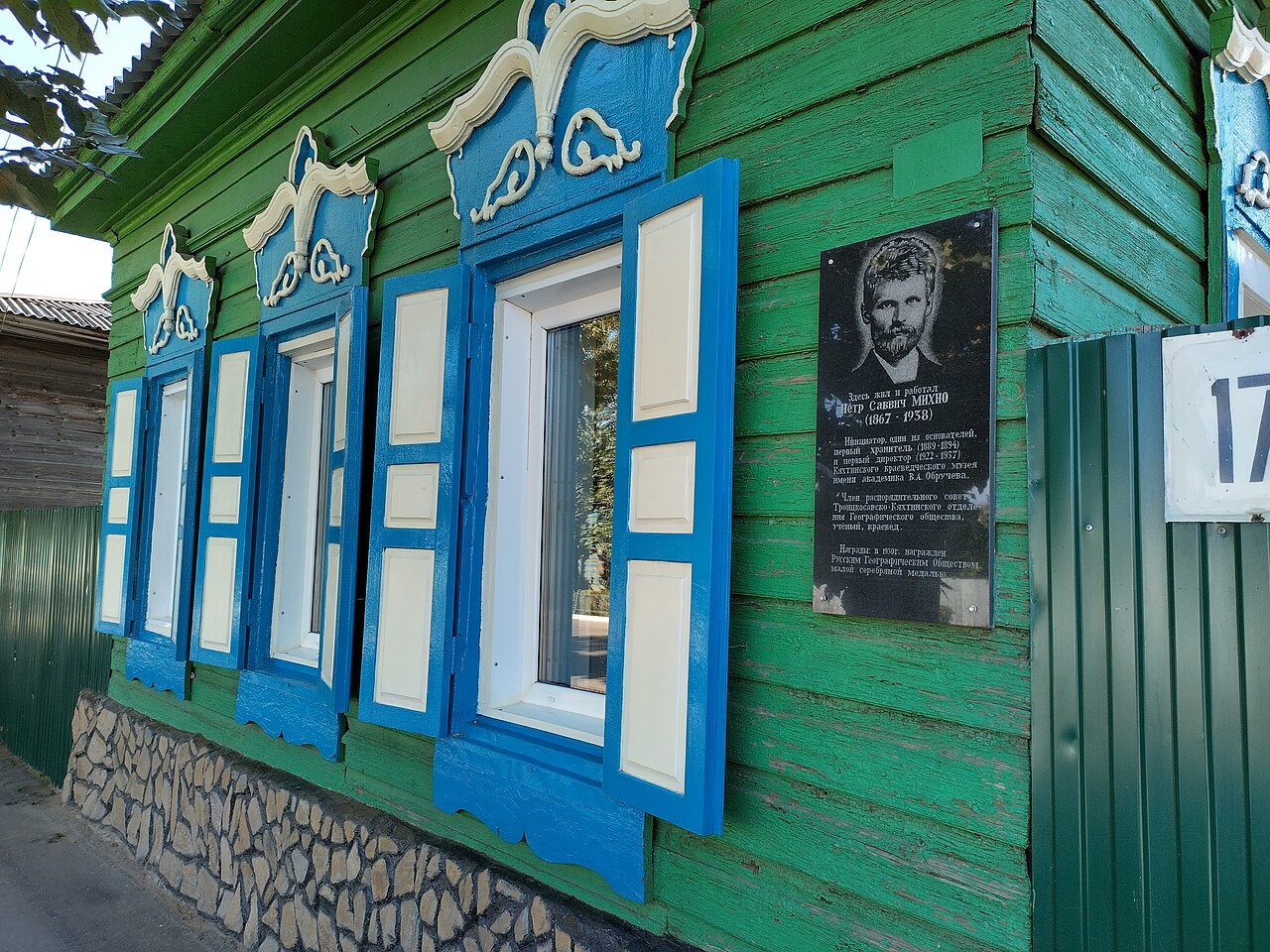
The Kyakhta Local History Museum is the town’s treasure and the tea road’s memory. Founded in 1890 by the merchants’ and the exiles’ learned society, it is one of the oldest and richest regional museums in Siberia, its collections spanning the tea trade’s history, the great central Asian expeditions it launched, the natural history of the frontier, and the Buryat and Mongol cultures of the borderland, a museum of surprising depth in the remote town, the millionaires’ cultural legacy made institution.
The museum’s holdings tell the whole story this article traces: the tea trade’s goods and records, the merchant families’ histories, the expeditions’ specimens and maps, Kozlov’s and Przhevalsky’s materials, the frontier’s ethnography, the whole a dense record of the astonishing town, the visitor finding in the museum the key to reading the ruined cathedral and the weathered mansions outside, the collection the interpreter of the stranded grandeur.
The museum’s survival and quality make Kyakhta rewarding despite its remoteness: the serious traveler reaching the border town finds not merely picturesque ruins but a fully interpreted historical site, the museum explaining the tea road, the millionaires, the explorers, and the frontier, the improbable richness of the town’s past made legible, the long journey to the edge of Russia repaid by one of Siberia’s most fascinating and least visited historical ensembles.
Kyakhta Today
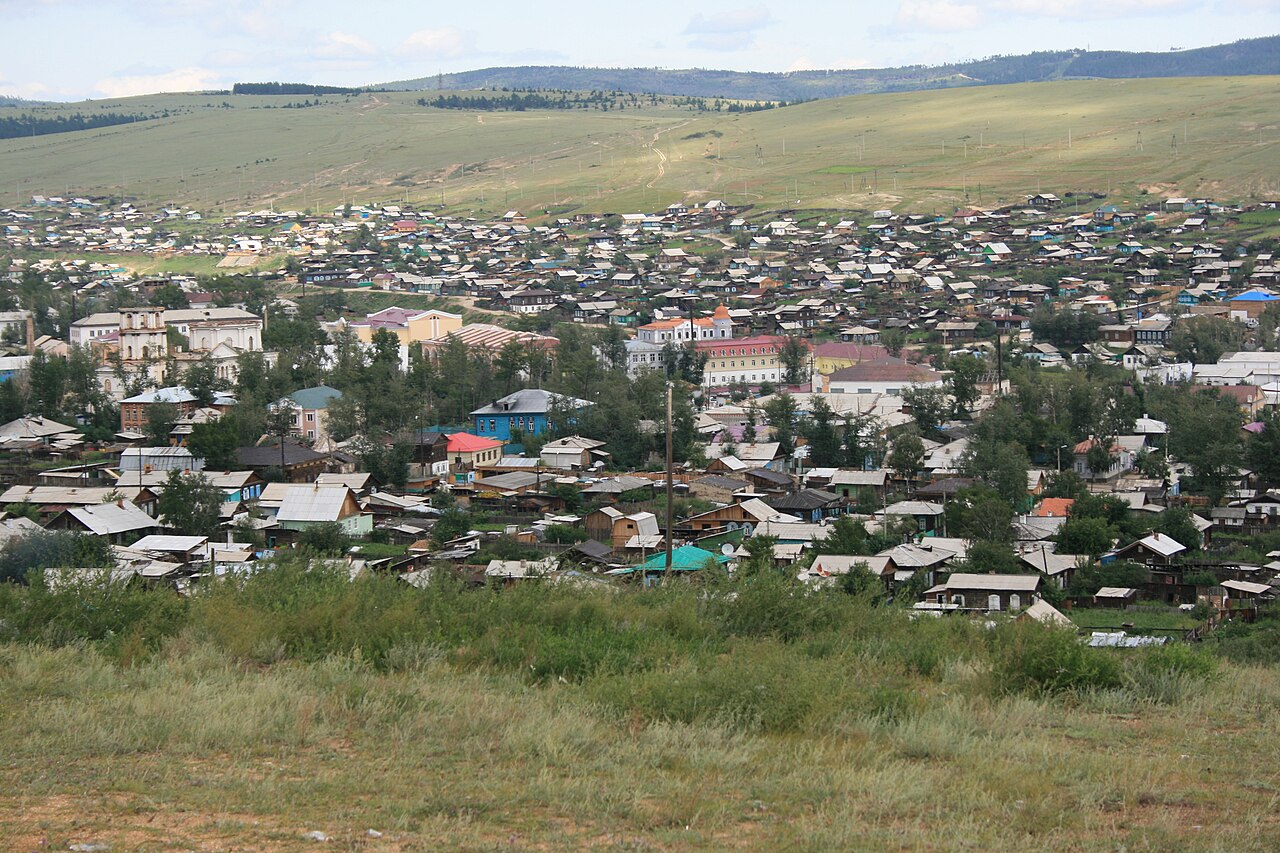
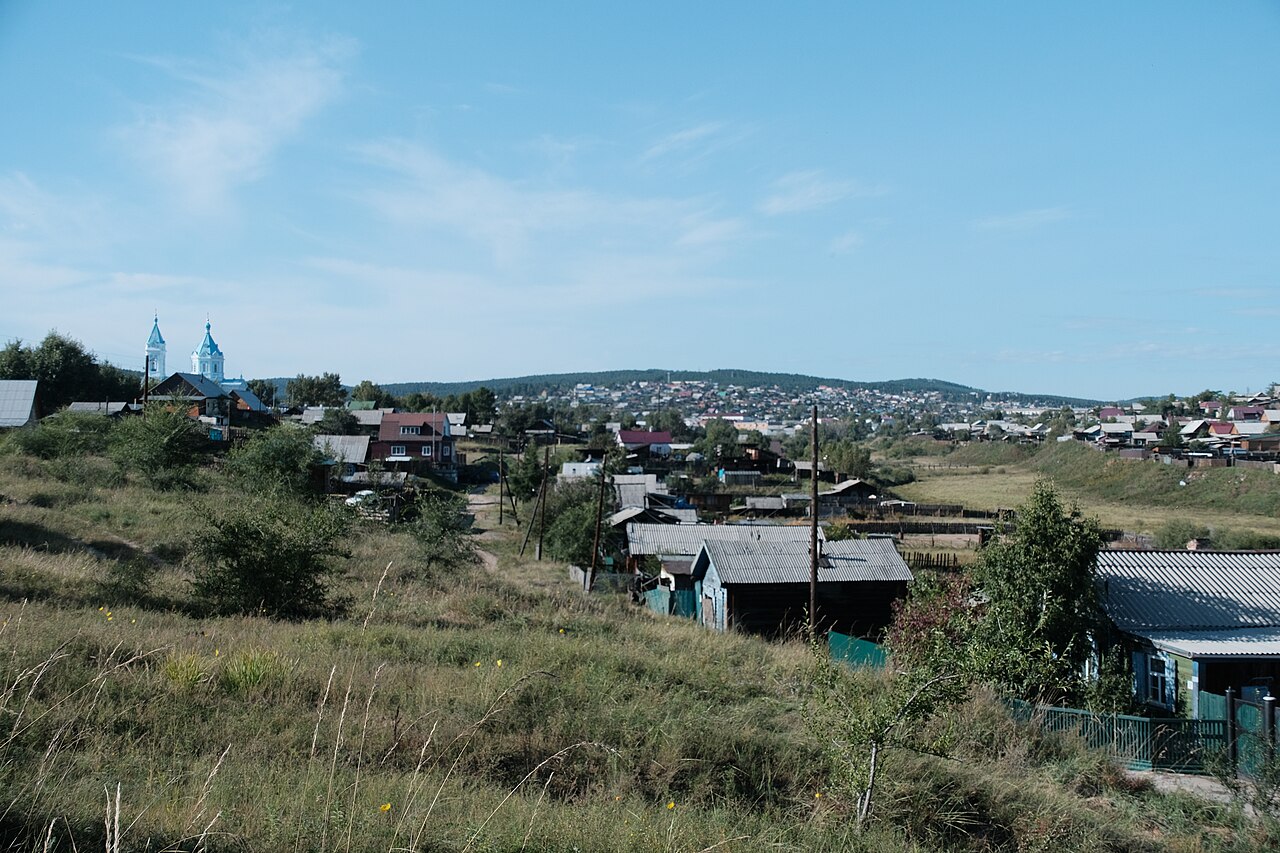
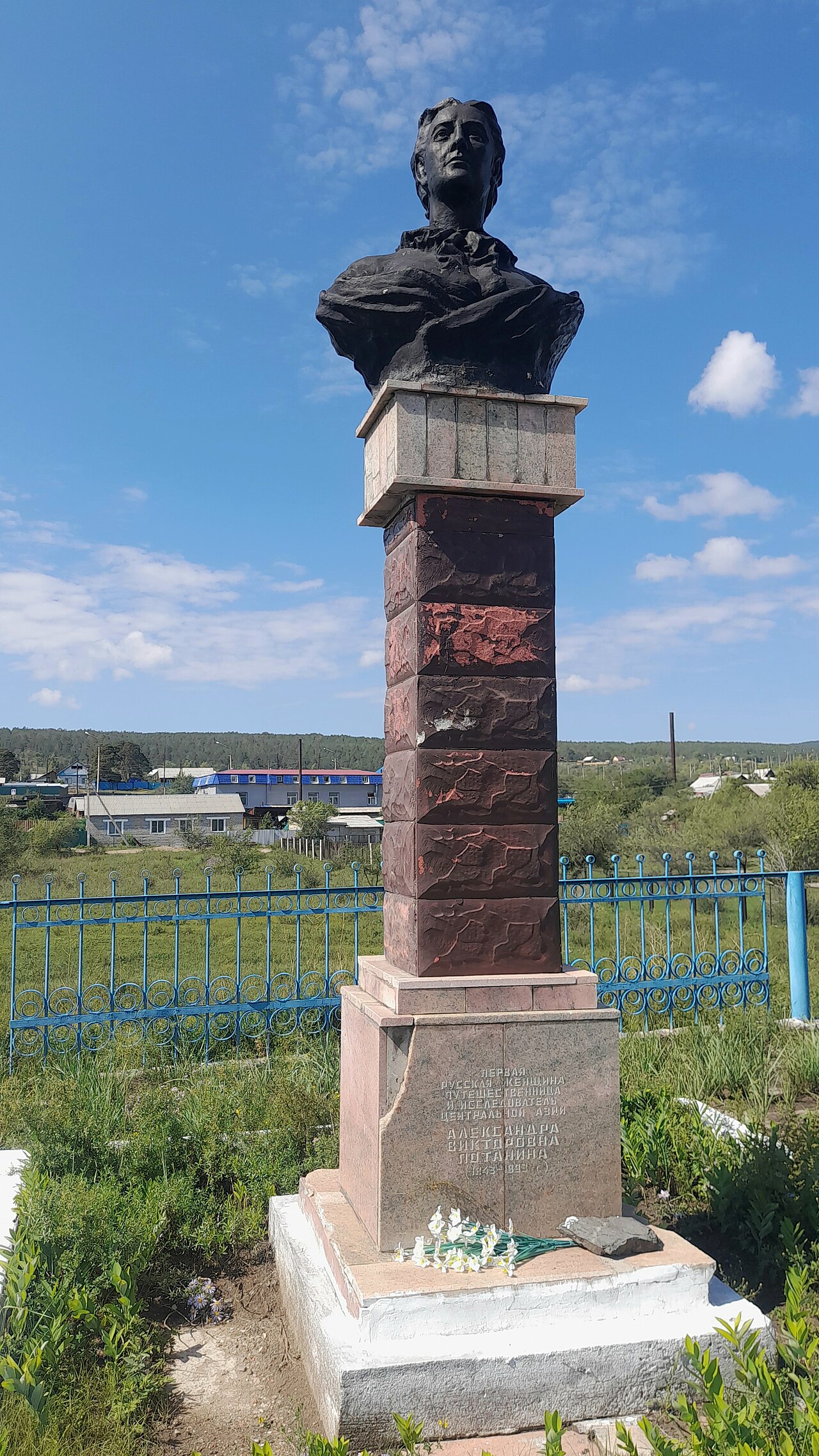
Modern Kyakhta is a quiet border town in the Buryat republic, the Russian crossing point for the road to Ulaanbaatar, its life the modest commerce and traffic of a frontier post, its grandeur a memory preserved in the museum, the ruined Resurrection Church, and the weathered merchant streets, the golden Kyakhta of the tea millionaires a historical wonder surviving in fragments among the ordinary present of a remote border settlement.
The town rewards the traveler who makes the effort: the melancholy magnificence of the church ruin, the surviving mansions and trade buildings, the exceptional museum, and the frontier setting where Russia meets Mongolia, the whole an unusual and moving destination, the stranded capital of a vanished trade, the place where, improbably, the wealth of a continental commerce once built crystal cathedrals in the steppe, the tea road’s astonishing memorial at the empire’s edge.
Kyakhta closes the Siberian series where the land itself ends: the tea road’s capital on the Mongolian border, the last of the eastern palaces this journey has traced from the Kremlin’s walls to the frontier’s steppe, the improbable wealth and the fantastic display of the tea millionaires a fitting conclusion to the story of how commerce, conquest, and ambition built, across the vastness of Siberia, a chain of monuments as extraordinary as any in the empire’s European heart.
Watch Kyakhta on Film
Visiting Kyakhta Today
Kyakhta lies on the Mongolian border some 230 kilometers south of Ulan-Ude, the capital of Buryatia, reached by road from Ulan-Ude in around four hours, the nearest rail and air hub; the town is the Russian crossing point for travelers between Siberia and Ulaanbaatar, and many reach it on the overland route to Mongolia. The Kyakhta Local History Museum is the essential stop, open daily except Mondays with modest tickets, its tea-trade and expedition collections the highlight; the ruined Resurrection Church, the surviving merchant mansions, and the old trade quarter reward a walk, and the border setting adds its own interest. Give the town a half to full day, combine it with Ulan-Ude and the Baikal region, or break a Mongolia overland journey here; summer suits the steppe, and the frontier’s history rewards the long trip south. You can find the town on the map here: Kyakhta on Google Maps.
Palaces Nearby
You May Like
Likani Palace and the Romanov Summers at Borjomi