In the heart of the old city of Damascus, a few steps from the great Umayyad Mosque and the covered souks, lies a palace that is the very image of Ottoman-Arab domestic splendor. The Azm Palace was built in the middle of the eighteenth century as the residence of the Ottoman governor of Damascus, and its courtyards of striped stone, its fountains and citrus trees, its reception halls of carved and painted wood, and its intimate private quarters make it one of the most beautiful houses in the Arab world, a masterpiece of the Damascene courtyard palace and today a museum of the arts and traditions of Syria.
The palace was the seat of the Azm family, a dynasty of Ottoman governors who ruled Damascus and much of Syria for much of the eighteenth century, and the building they raised is the supreme expression of the Damascene domestic architecture, the tradition of the inward-turning courtyard house that hid, behind plain walls on narrow lanes, worlds of paradise within, the Azm Palace the grandest and loveliest of these hidden paradises, the governor’s residence of Ottoman Damascus.
This guide tells the palace and its city: Damascus the oldest capital and its Ottoman age, the Azm family of governors, the building of the palace, the courtyards and the fountains, the striped ablaq stonework, the reception halls and the painted ceilings, the private quarters and the hammam, the museum of Syrian arts, the wars and the preservation, and the practical details of visiting the Azm Palace of Damascus.
- The Oldest Capital
- Ottoman Damascus
- The Azm Governors
- Building the Palace
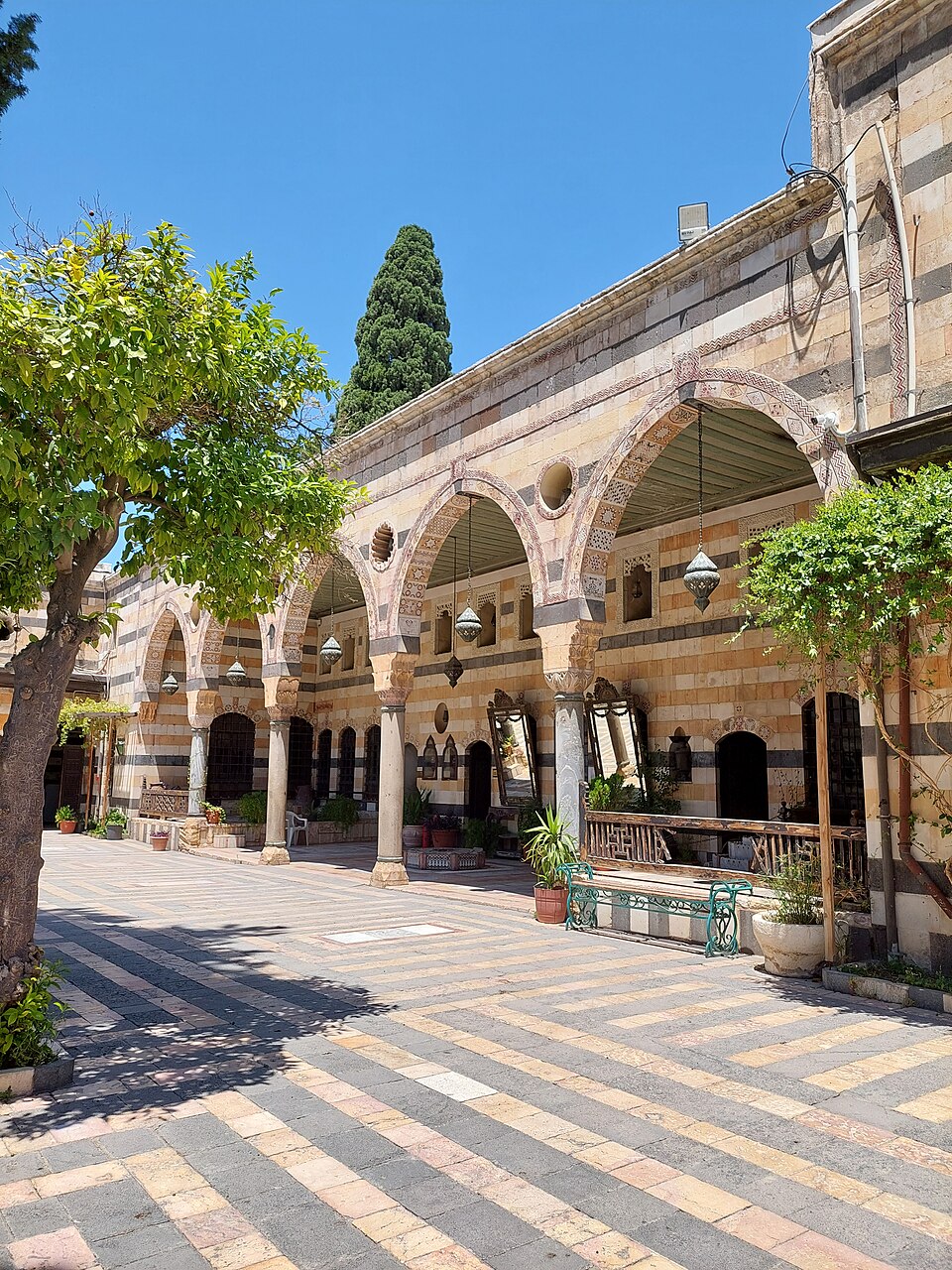
- The Courtyards
- The Striped Stone
- The Reception Halls
- The Painted Ceilings
- The Private Quarters
- The Palace Hammam
- The Museum of Arts and Traditions
- Wars and Preservation
- The Palace Today
- Watch the Azm Palace on Film
- Visiting the Azm Palace Today
- Palaces Nearby
The Oldest Capital
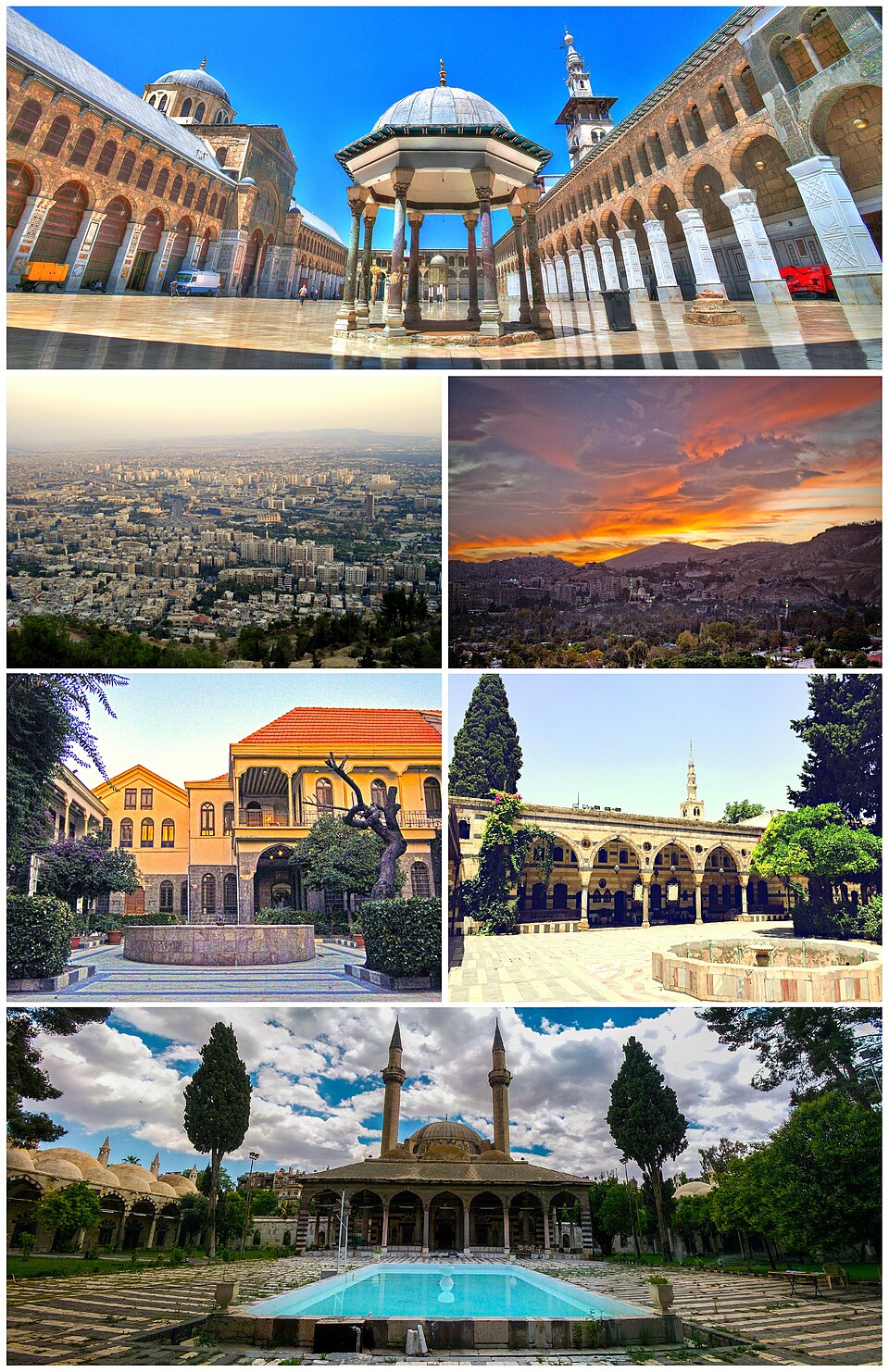
Damascus claims to be the oldest continuously inhabited capital on earth. The city in its oasis, the Ghouta watered by the Barada river, has been inhabited for thousands of years, a center of the ancient Aramean kingdoms, a great city of the Roman and Byzantine worlds, and, after the Arab conquest, the capital of the Umayyad caliphate that ruled the Islamic world from the Atlantic to Central Asia, Damascus a city of immense antiquity and continuous importance, the oldest capital and one of the holiest cities of Islam.
The city’s heart is its old walled core: the great Umayyad Mosque, one of the oldest and greatest monuments of Islam, the covered souks, the Straight Street of the Roman city and the Christian tradition, the ancient lanes and the courtyard houses, the old city of Damascus a UNESCO World Heritage site, a dense and layered historic fabric of extraordinary richness, the setting of the Azm Palace in the heart of the oldest capital.
The courtyard house was the city’s domestic genius: the Damascene house turning inward, presenting plain walls to the lane and hiding within a courtyard of fountains, trees, and richly decorated rooms, the paradise garden brought into the house, the tradition that reached its height in the great mansions of the Ottoman age, the Azm Palace the supreme example, the governor’s residence the grandest of the hidden paradises of Damascus.
Ottoman Damascus
Damascus was a great city of the Ottoman Empire. After the Ottoman conquest of Syria in 1516, Damascus became the capital of an Ottoman province and one of the most important cities of the empire, the great assembly point of the annual pilgrimage caravan to Mecca, the Damascus caravan one of the two main pilgrim routes, the city a center of trade, religion, and administration, Ottoman Damascus a prosperous and significant provincial capital of the empire.
The pilgrimage gave the city a special role: Damascus the gathering place of the pilgrims from Anatolia and the north, the caravan setting out each year under the leadership of the governor, the amir al-hajj, the organization and the protection of the pilgrimage a major responsibility and a source of prestige and profit, the city’s Ottoman governors the leaders of the pilgrimage, the role central to the standing of the Azm governors who built the palace.
The Ottoman centuries shaped the city’s fabric: the mosques and the madrasas, the khans and the souks, the public buildings and the great courtyard mansions of the notables and the governors, Ottoman Damascus a city of fine Islamic architecture, the Azm Palace the grandest of its domestic monuments, the governor’s residence the supreme expression of the wealth and the taste of the Ottoman provincial elite, the palace the jewel of Ottoman Damascus.
The Azm Governors
The Azm family ruled Damascus for much of the eighteenth century. The Azms, a family that rose to prominence in the Ottoman administration of Syria, provided governors of Damascus and other Syrian provinces through much of the eighteenth century, the family a dynasty of Ottoman provincial rulers, the most powerful of the local notable families that came to dominate the government of Syria in the age, the Azms the great governing house of eighteenth-century Damascus.
The palace’s builder was Asad Pasha al-Azm, the most famous of the family, governor of Damascus in the mid-eighteenth century, the ruler who built the great palace and whose long and powerful governorship was the height of the family’s fortunes, Asad Pasha a figure of great wealth and authority, the leader of the pilgrimage, the builder of the palace that bears the family’s name, the governor whose residence is the masterpiece of Ottoman Damascus.
The family’s power rested on the governorship and the pilgrimage: the Azms controlling the government of Damascus and the leadership of the hajj caravan, the wealth and the prestige of the office the foundation of the family’s standing, the Azms the dominant power of eighteenth-century Syria, the palace the expression of their wealth and their rule, the governor’s residence the monument of the family that governed Damascus in its Ottoman golden age, the Azm Palace the seat of the Azm dynasty.
Building the Palace
Asad Pasha al-Azm built the palace in the mid-eighteenth century. The governor raised the palace around 1750, employing the finest craftsmen and the best materials, the building said to have used stone, marble, and timber gathered from across the region, the construction a major undertaking that produced the grandest private residence of the city, the palace built to the standard of the governor’s wealth and power, the Azm Palace the masterpiece of the mid-eighteenth-century Damascene architecture.
The palace was built in the Damascene tradition: the courtyard house raised to palatial scale, the complex of courtyards and halls, the finest decoration of the Damascene craft, the building the supreme expression of the local domestic architecture, the Azm Palace not a foreign import but the perfection of the Damascene courtyard house, the governor’s residence the culmination of the city’s own building tradition, the palace the jewel of the Damascene architecture.
The palace’s scale and splendor announced the governor’s standing: the grand complex of courtyards, the reception halls, the private quarters, the hammam, the service areas, the whole a palace in the fullest sense, the Azm residence the grandest house of Damascus, the building the material expression of the Azm power and wealth, the palace the monument of the family’s rule, the governor’s residence the showpiece of Ottoman Damascus, the Azm Palace the city’s domestic masterpiece.
The Courtyards
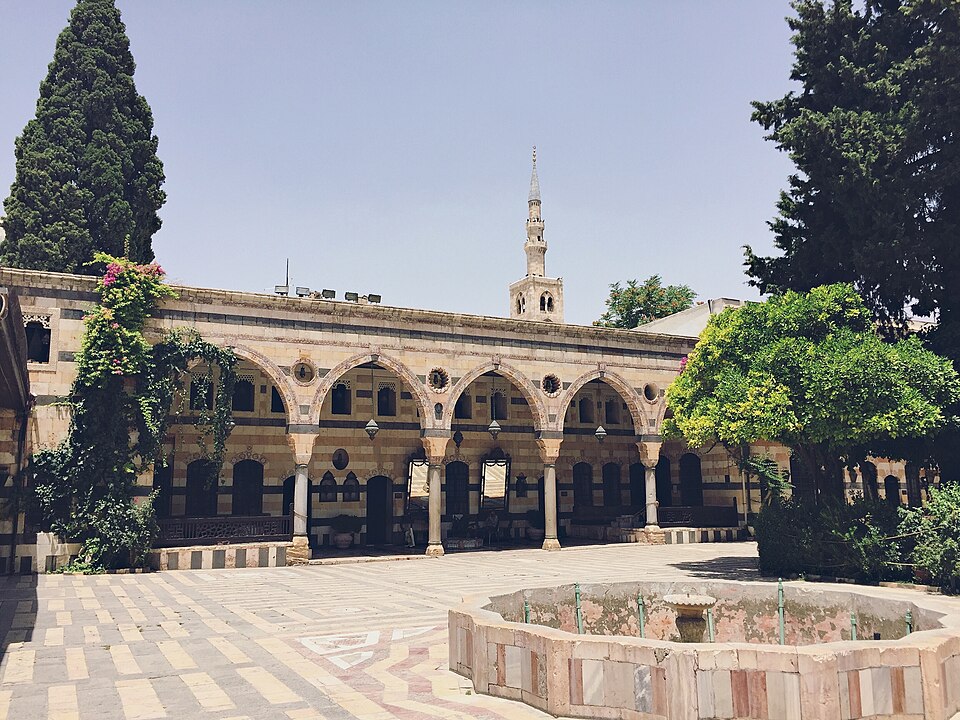
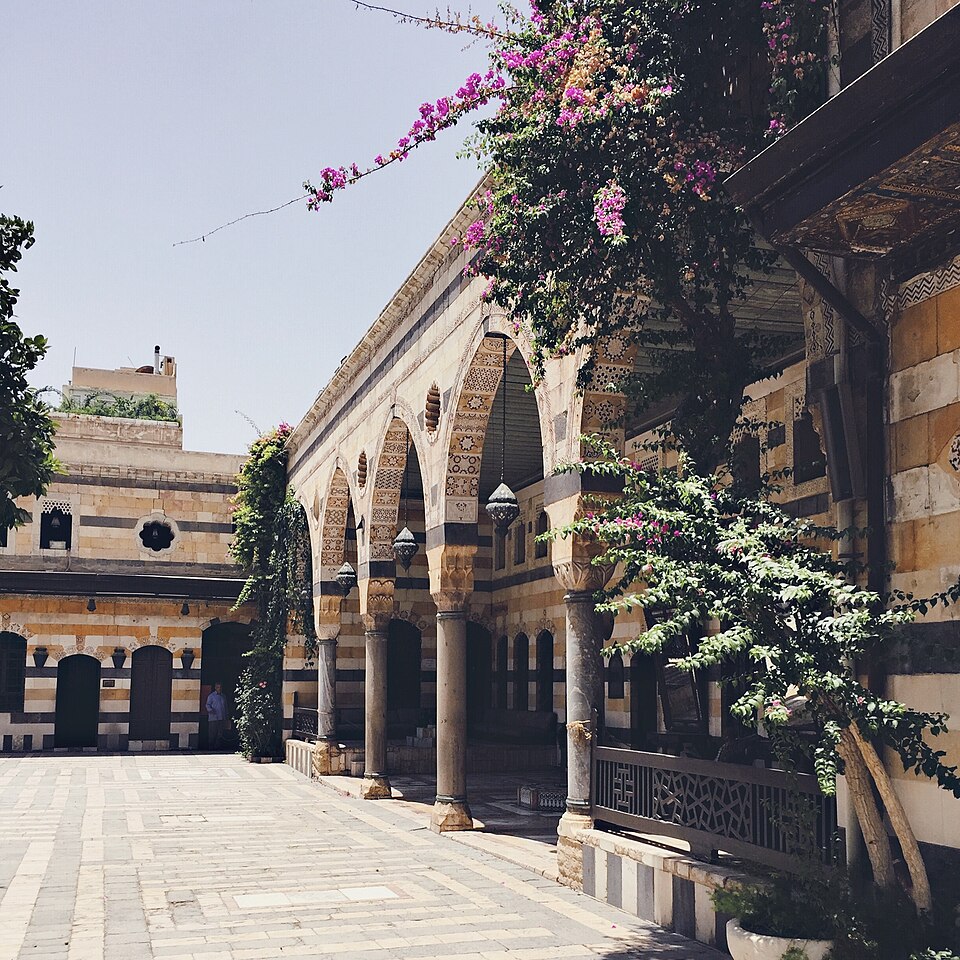
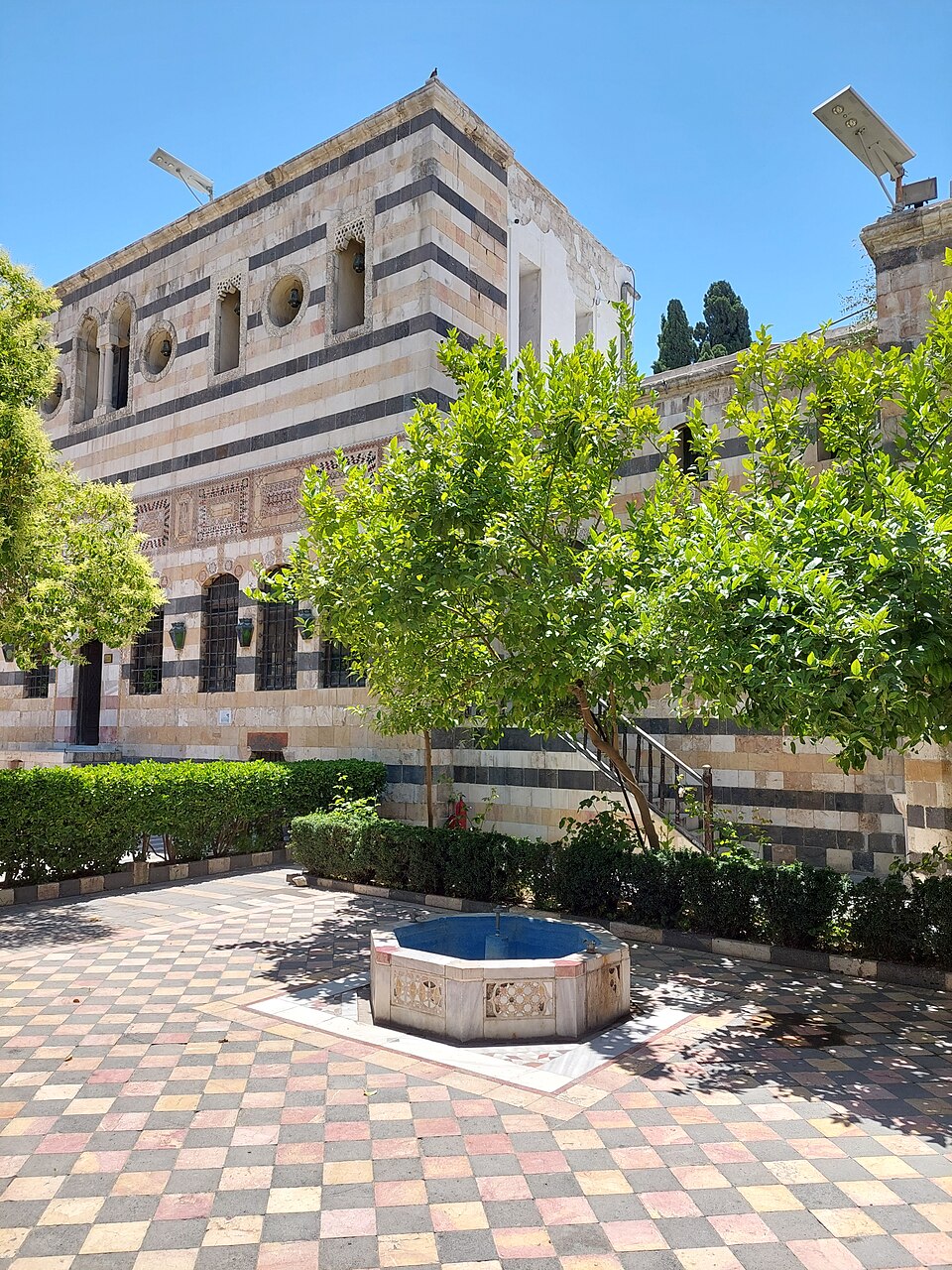
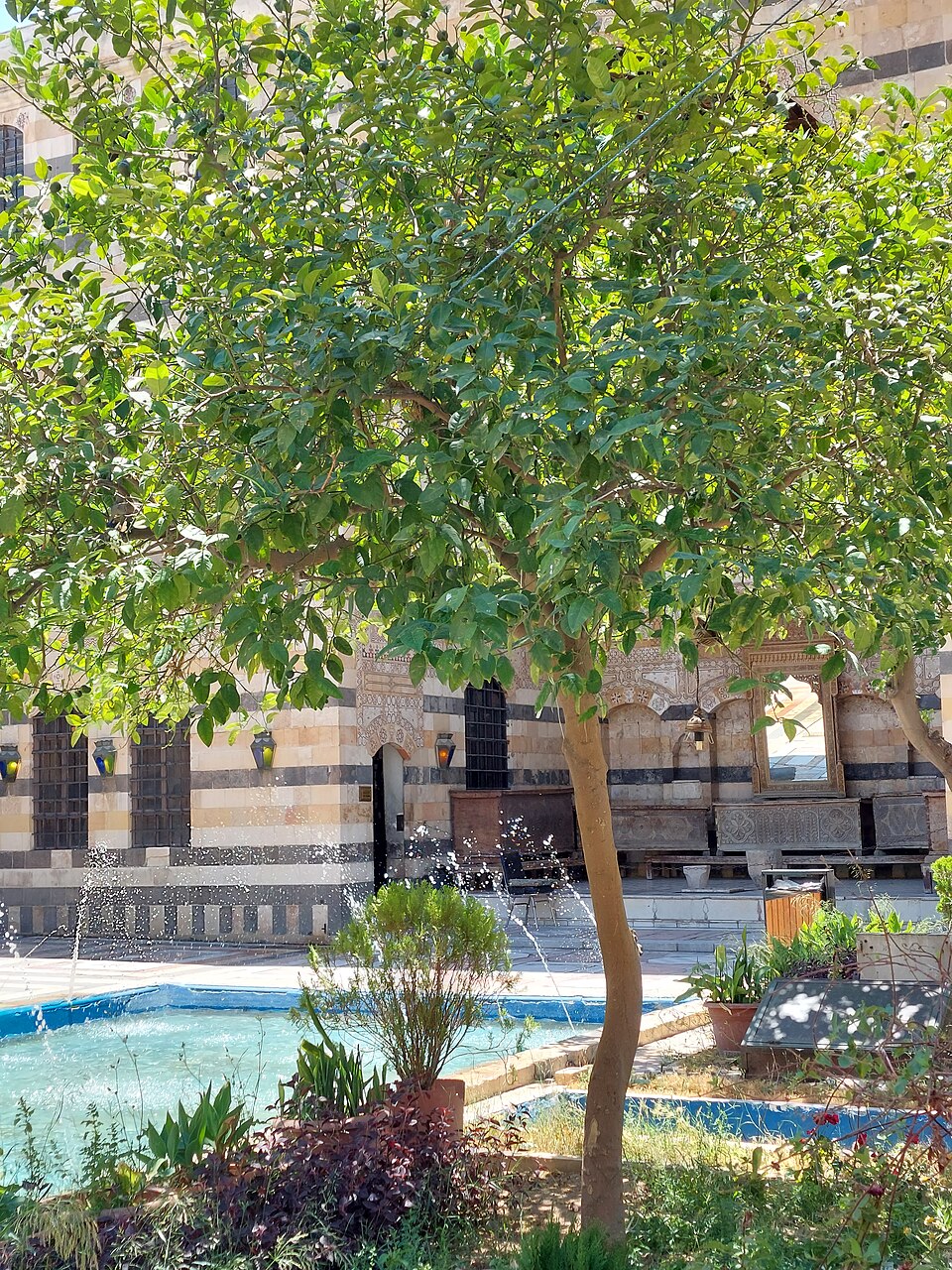
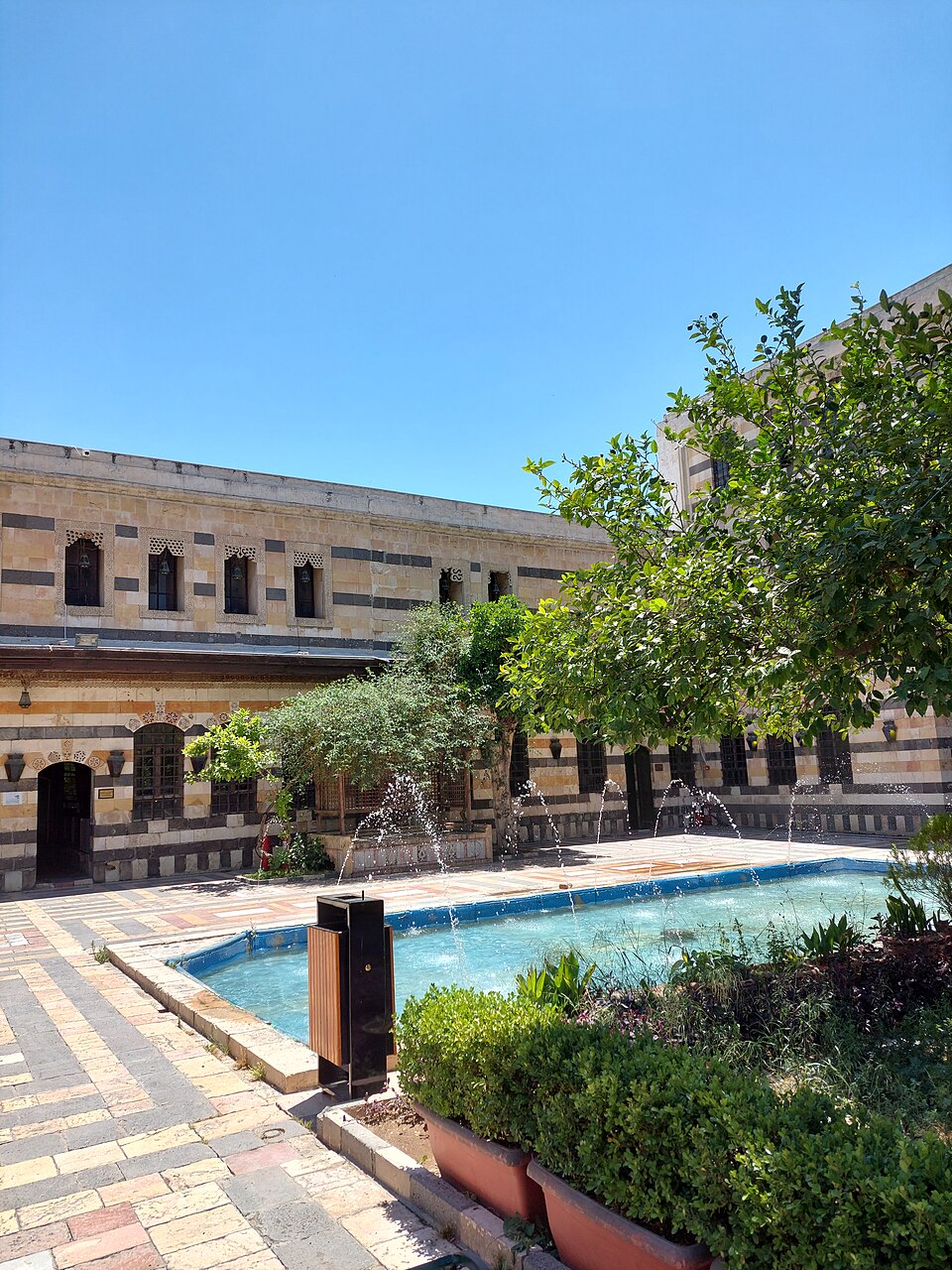
The heart of the Azm Palace is its courtyards. The palace is organized around courtyards, the great courtyard of the public, ceremonial quarter and the courtyard of the private, family quarter, the courtyards paved in patterns of stone, planted with citrus trees and flowers, cooled by fountains and pools, the courtyard the center of the Damascene house and the glory of the Azm Palace, the paradise garden brought into the heart of the residence, the courtyards the soul of the palace.
The courtyards embody the Damascene ideal: the inward-turning house opening onto the courtyard, the plain outer walls hiding the paradise within, the courtyard with its fountains, its trees, its flowers, and its decorated rooms the earthly paradise of the Damascene tradition, the Azm Palace courtyards the supreme realization of this ideal, the paradise gardens of the governor’s residence the jewel of the Damascene domestic architecture, the courtyards the heart of the hidden paradise.
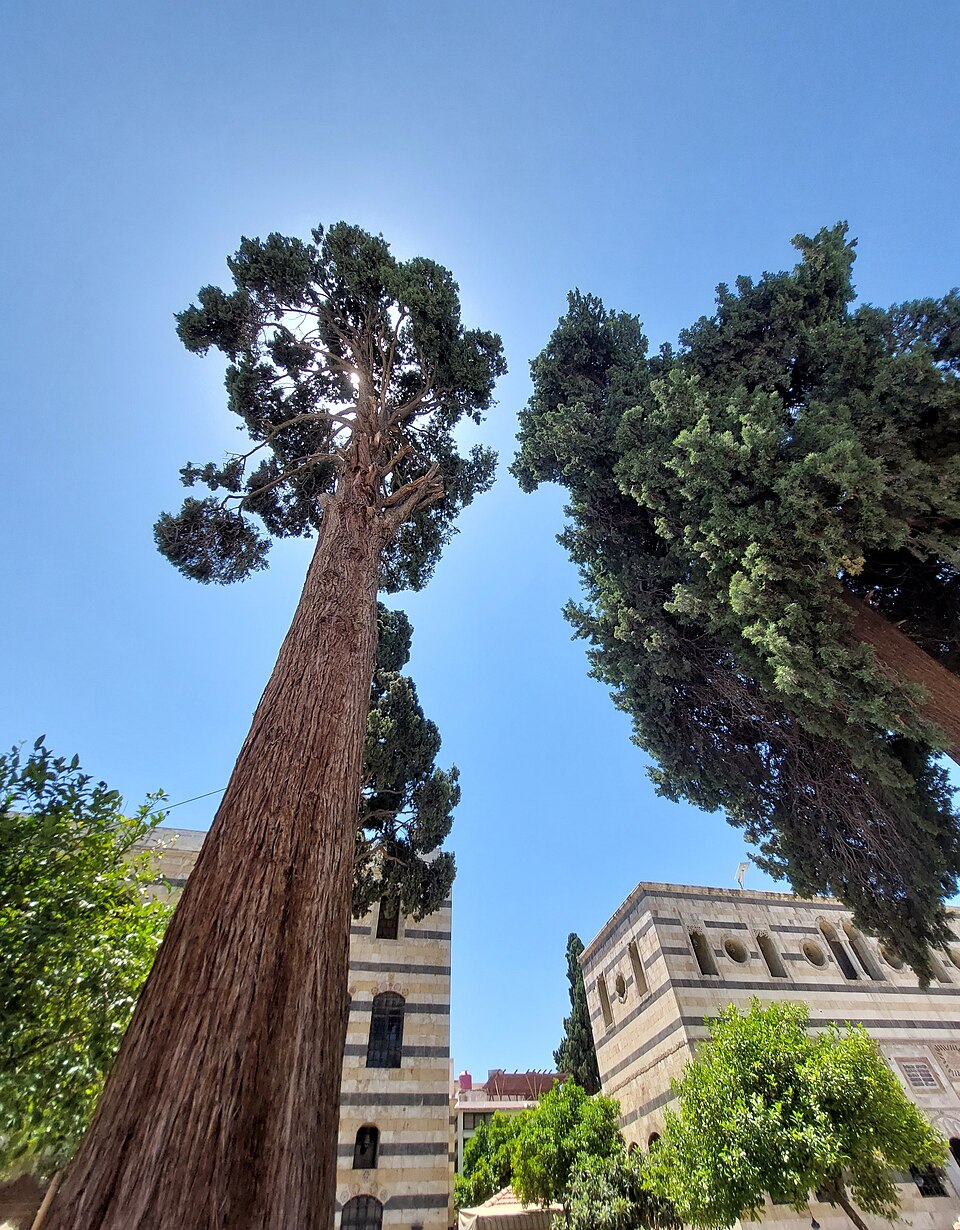
The courtyards combine the elements of the Damascene paradise: the water of the fountains and pools, the greenery of the citrus and the jasmine, the colored stone of the paving, the iwan, the open vaulted hall facing the courtyard, the whole a composition of water, greenery, and architecture, the Azm Palace courtyards the perfect Damascene paradise, the governor’s courtyards the earthly heaven of the city’s domestic tradition, the courtyards the glory of the palace.
The Striped Stone
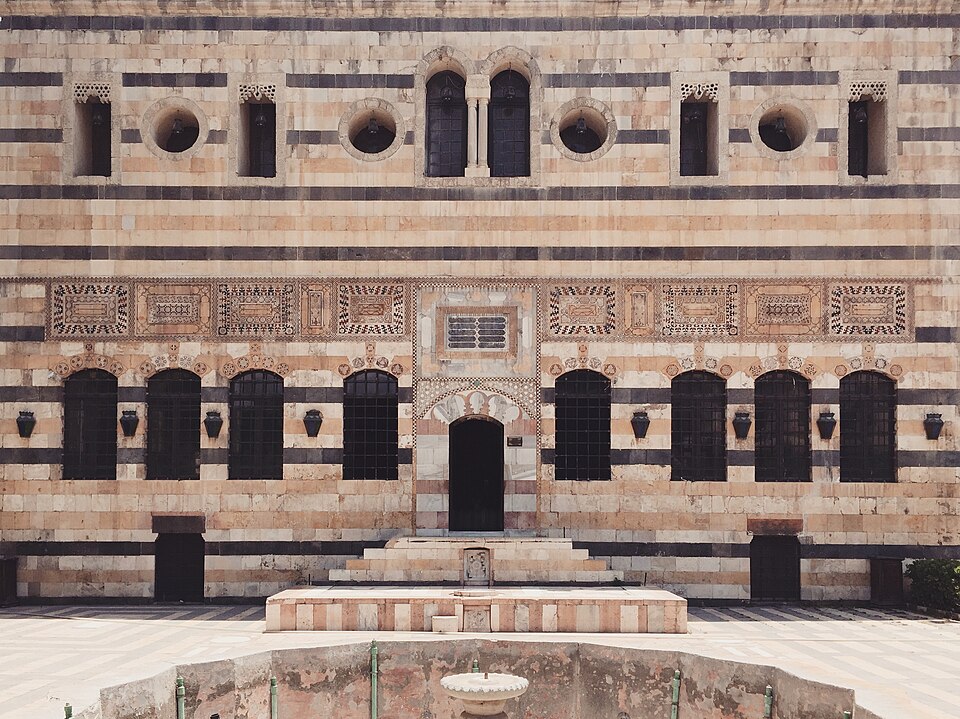
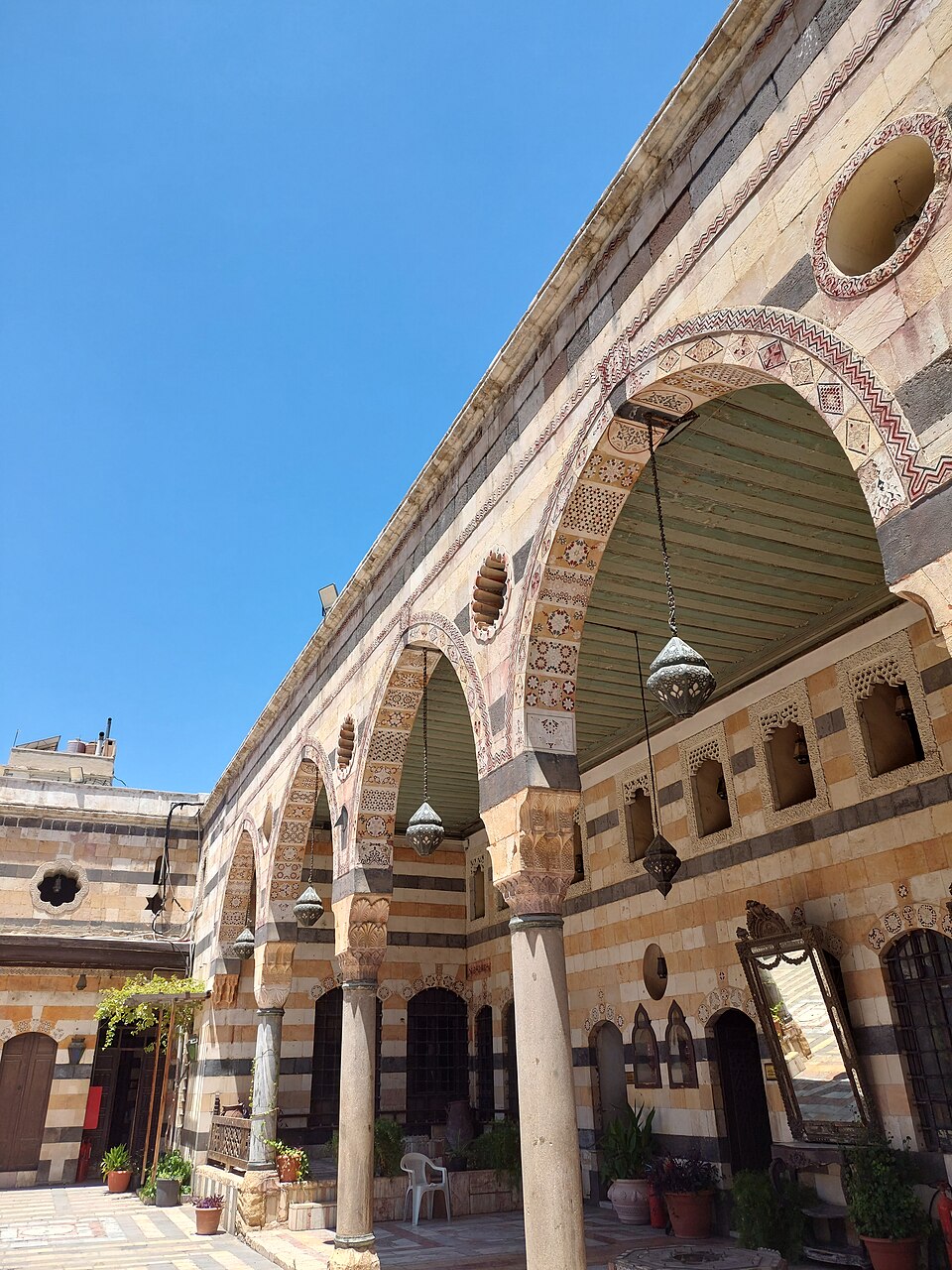
The Azm Palace is famous for its striped stone. The Damascene and Syrian tradition of ablaq, the alternating courses of light and dark stone, the cream limestone and the black basalt, covers the walls of the palace in bold horizontal stripes, the ablaq masonry a signature of the Syrian architecture, the striped stone giving the palace its distinctive and striking appearance, the ablaq the characteristic decoration of the Damascene building, the striped walls the glory of the Azm Palace exterior.
The ablaq is a Syrian architectural tradition: the alternating light and dark stone, the technique used in the mosques, the madrasas, and the houses of Damascus and the Syrian cities, the ablaq a decorative and structural tradition of great antiquity and beauty, the Azm Palace a showcase of the technique, the striped stone the expression of the Damascene architectural identity, the ablaq the signature of the Syrian building, the striped walls the mark of the palace.
The striped stone combines with the other decoration: the ablaq walls, the carved stone details, the colored marble, the whole a rich composition of stone, the Azm Palace a masterpiece of the Damascene stonework, the striped walls the foundation of the palace’s beauty, the ablaq the characteristic glory of the Syrian architecture realized in the governor’s residence, the striped stone the distinctive beauty of the Azm Palace, the ablaq the signature of the Damascene masterpiece.
The Reception Halls
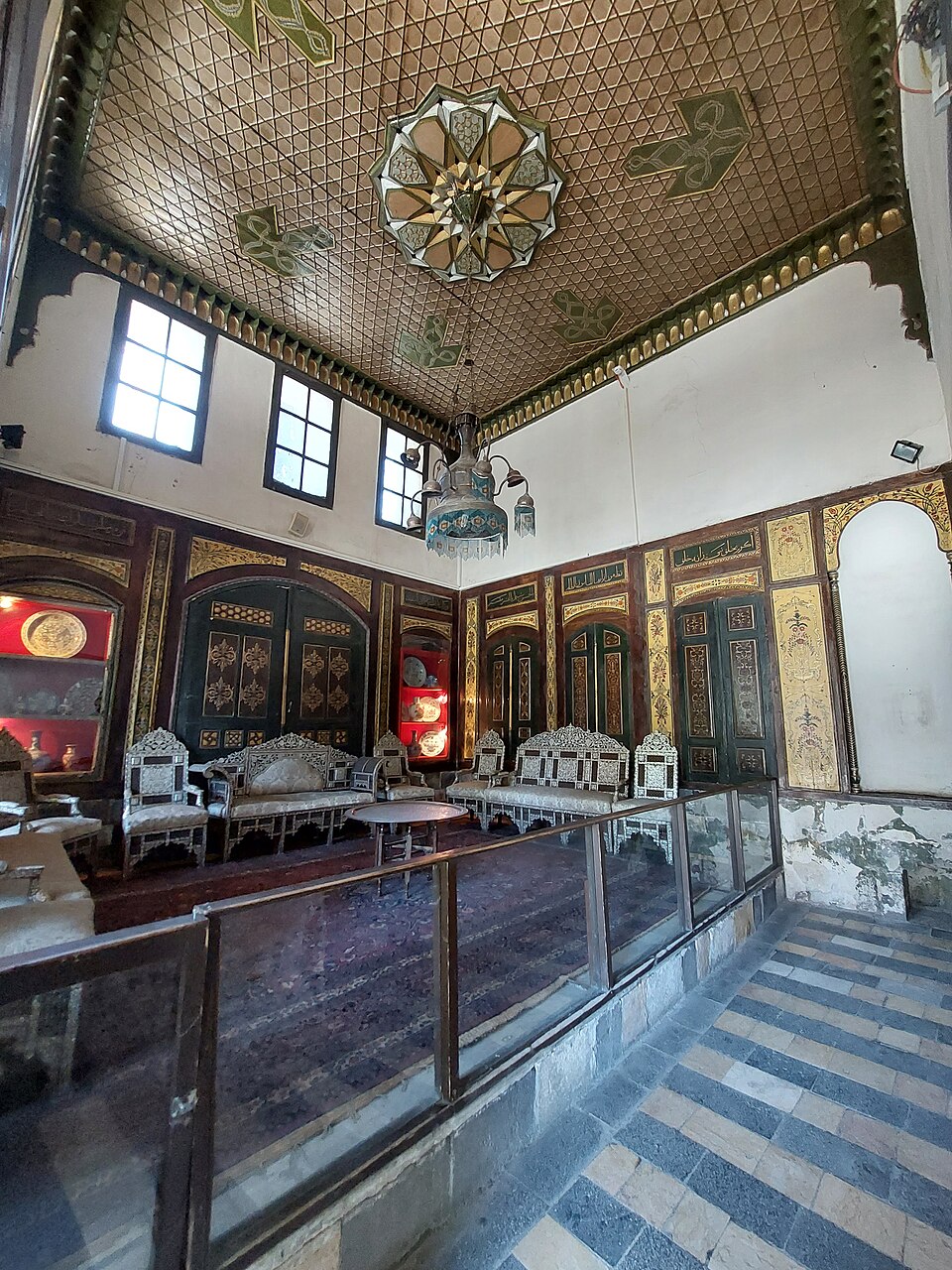
The palace’s public quarter holds the great reception halls. The selamlik, the public, male quarter of the Damascene house, contains the grand reception rooms where the governor received his guests, the halls opening onto the courtyard through the iwan, the rooms richly decorated with carved and painted wood, colored marble, and fine furnishings, the reception halls the ceremonial heart of the palace, the setting of the governor’s hospitality, the halls the showpiece of the Azm residence.
The reception halls are masterpieces of decoration: the walls paneled in carved and painted wood, the ceilings of painted and gilded timber, the floors of colored marble, the fountains playing within the halls, the whole a total environment of Damascene decorative art, the reception rooms the jewels of the palace, the halls the supreme expression of the Damascene interior decoration, the reception halls the glory of the Azm Palace interior.
The halls served the governor’s hospitality: the reception of the guests, the notables, the officials, and the visitors, the ceremonies of the governor’s rule, the hospitality that Arab and Ottoman tradition demanded, the reception halls the setting of the governor’s public life, the rooms the stage of the Azm hospitality, the halls the ceremonial heart of the governor’s residence, the reception rooms the setting of the power and the generosity of the Azm governors, the halls the public glory of the palace.
The Painted Ceilings
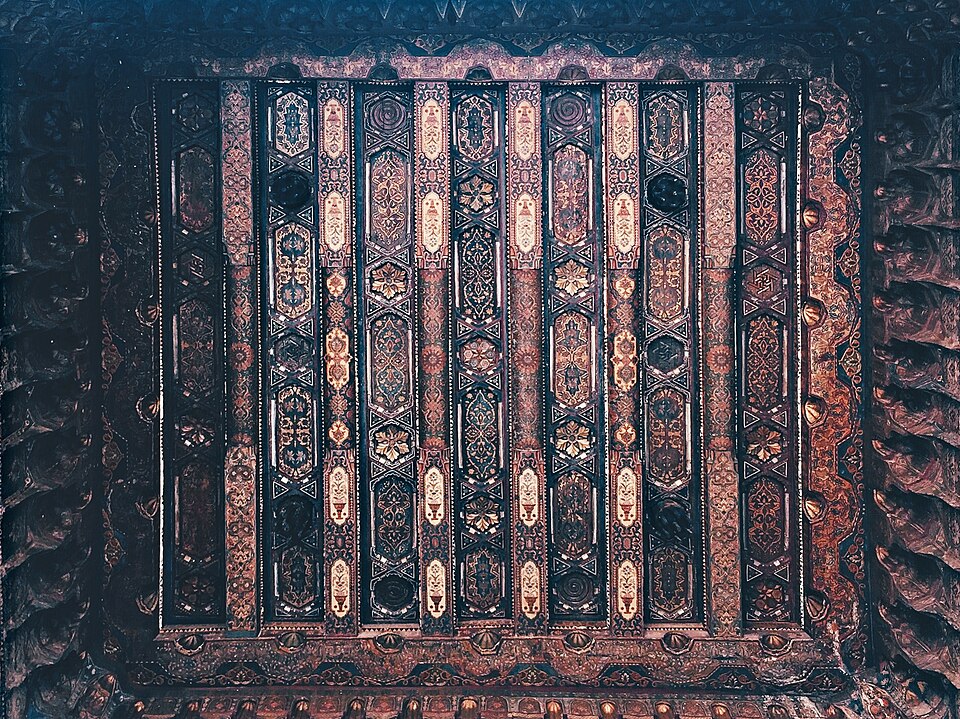
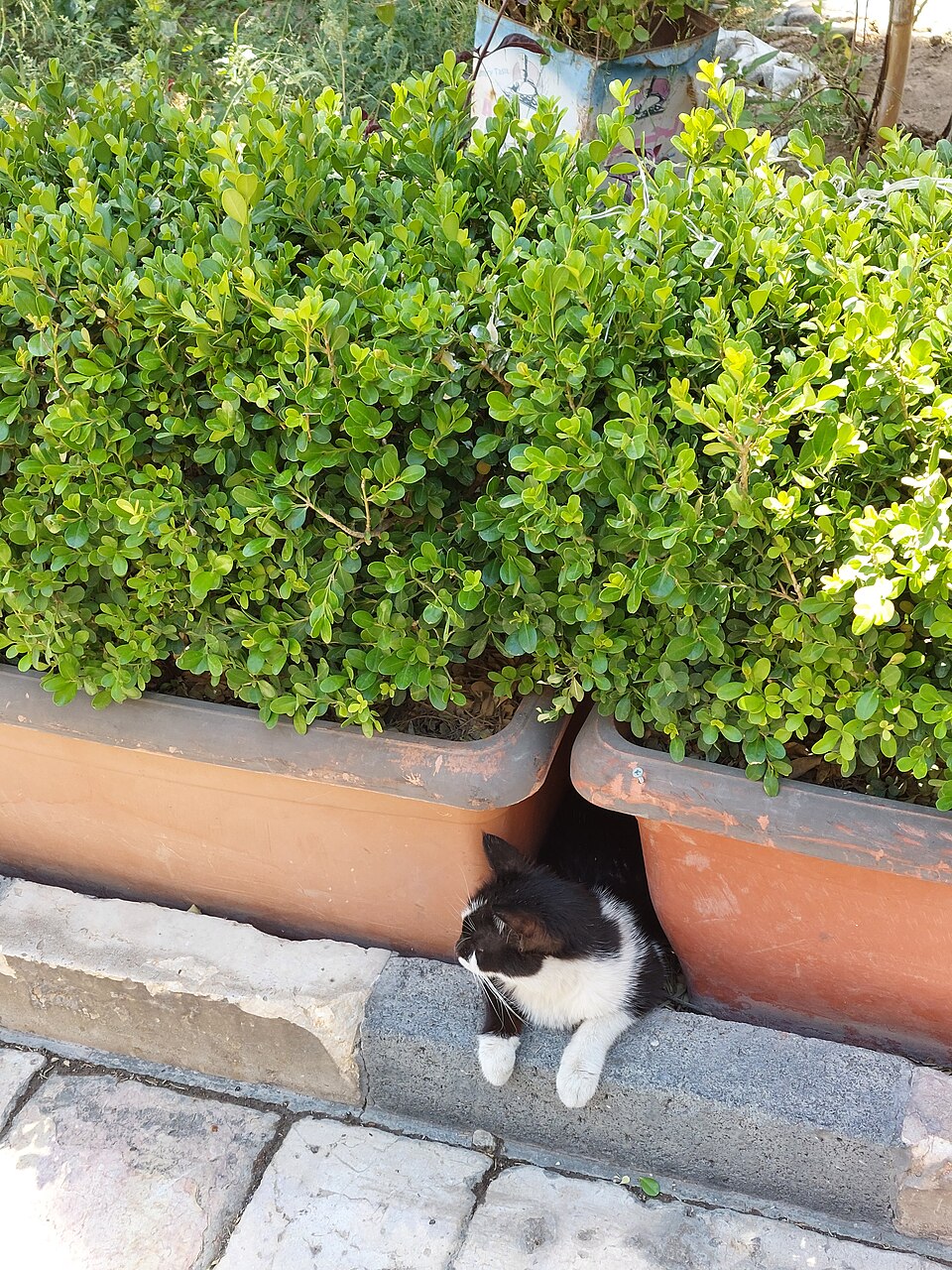
The Azm Palace is famous for its painted wooden ceilings. The reception halls and the rooms are crowned with ceilings of carved and painted timber, the ajami work of the Damascene tradition, the wood painted in rich colors and gilded, decorated with floral designs, calligraphy, and landscapes, the painted ceilings among the glories of the Damascene decorative art, the ajami the characteristic interior decoration of the great Damascene houses, the painted timber the crown of the Azm Palace rooms.
The ajami is a Damascene art: the technique of the painted and gilded wood, the relief and the color, the floral and the calligraphic designs, the ajami the distinctive interior decoration of the Damascene house, the Azm Palace a showcase of the art, the painted ceilings and panels the expression of the Damascene decorative genius, the ajami the signature of the Damascene interior, the painted wood the glory of the palace’s rooms, the ajami the treasure of the Azm Palace.
The painted decoration creates a total environment: the ceilings, the panels, the niches, the whole interior of the halls decorated in the ajami manner, the rooms a total environment of painted and gilded wood, the Azm Palace interiors the supreme expression of the Damascene decorative tradition, the painted rooms the jewels of the governor’s residence, the ajami the glory of the Azm interiors, the painted ceilings the crown of the Damascene masterpiece, the decoration the treasure of the palace.
The Private Quarters
The palace’s private quarter was the family’s world. The haramlik, the private, family quarter of the Damascene house, with its own courtyard, its rooms, and its gardens, was the domestic world of the governor’s family, the women’s quarter, the private apartments, the intimate rooms of the household, the haramlik the family heart of the palace, the private counterpart to the public selamlik, the quarter the domestic world of the Azm family within the residence.
The private quarter had its own paradise: the haramlik courtyard with its fountains, its trees, and its decorated rooms, the private paradise of the family, the quarter a self-contained domestic world, the haramlik the family’s hidden paradise within the palace, the private courtyard the intimate heart of the residence, the quarter the domestic counterpart to the ceremonial selamlik, the haramlik the family’s world of the Azm Palace, the private paradise of the governor’s household.
The private quarter’s decoration matched the public: the haramlik rooms with their painted ceilings, their carved wood, their colored marble, the private quarter as richly decorated as the public halls, the family’s world a paradise of Damascene decoration, the haramlik the intimate jewel of the palace, the private rooms the domestic glory of the Azm residence, the quarter the family’s decorated paradise, the haramlik the private masterpiece of the Damascene house, the family’s world the intimate heart of the palace.
The Palace Hammam
The palace had its own hammam. The Azm Palace included a private bathhouse, a hammam of the Damascene type, with its chambers of changing warmth, the cold room, the warm room, and the hot room, the domed chambers with their star-shaped skylights, the hammam a mark of the palace’s completeness and the governor’s comfort, the private bathhouse part of the self-sufficient world of the great Damascene residence, the hammam the amenity of the Azm Palace.
The hammam’s architecture is a jewel: the domed chambers, the star-shaped openings admitting shafts of light into the steam, the marble floors and basins, the heating system beneath the floor, the hammam a fine example of the Damascene bath, the private bathhouse a jewel of the palace, the hammam the comfort and the architecture of the great residence, the bathhouse the amenity and the beauty of the Azm Palace, the hammam the domestic jewel of the governor’s house.
The hammam completed the palace’s world: the bathhouse part of the self-contained residence, the hammam the comfort of the household, the bath the amenity that made the palace a complete world, the Azm Palace a self-sufficient domestic world with its courtyards, its halls, its private quarter, and its hammam, the bathhouse the completion of the governor’s residence, the hammam the amenity of the Damascene masterpiece, the bath the comfort of the Azm Palace, the hammam the jewel of the complete residence.
The Museum of Arts and Traditions
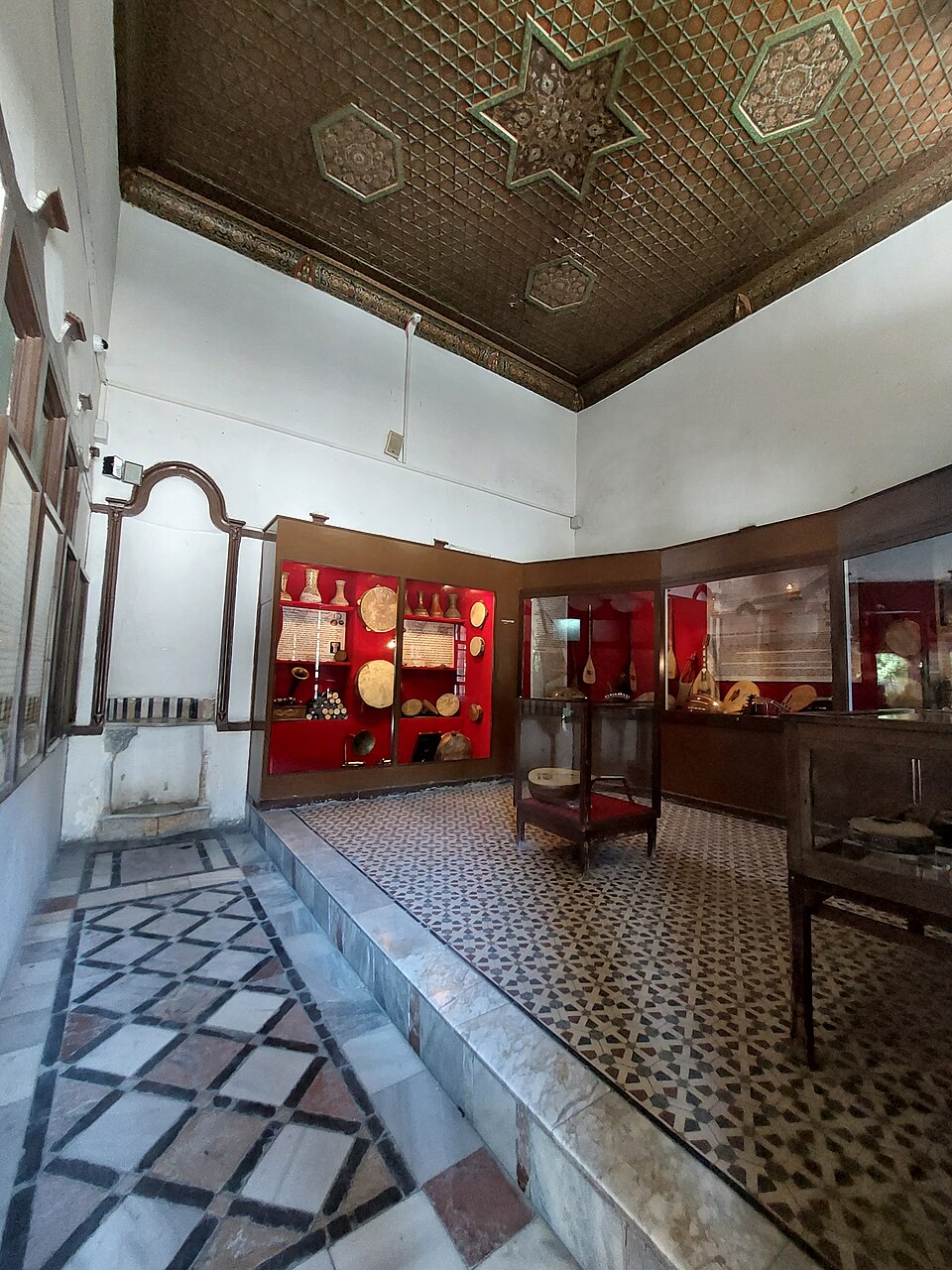
The Azm Palace became a museum. The palace, preserved after the Ottoman age, was established as the Museum of Arts and Popular Traditions of Syria, the building housing displays of the arts, crafts, and traditions of the country, the rooms of the palace furnished and decorated to show the Damascene domestic life and the Syrian popular culture, the Azm Palace a museum of the nation’s arts, the governor’s residence the setting of the display of Syrian heritage.
The museum used the palace to show the culture: the rooms arranged with the costumes, the crafts, the furnishings, and the scenes of the traditional Syrian life, the palace a window on the Damascene domestic world and the Syrian popular traditions, the museum presenting the heritage in the fitting setting of the great house, the Azm Palace the ideal museum of the arts and traditions, the governor’s residence the showcase of the Syrian culture, the museum the modern life of the palace.
The museum made the palace a treasure for all: the Azm Palace, once the private residence of the governing family, opened to the public as a museum of the national heritage, the palace shared with the people, the building a center for the appreciation of the Damascene and Syrian arts, the Azm Palace a public treasure, the governor’s residence the museum of the nation’s culture, the palace the window on the Syrian heritage, the Azm Palace the treasure of Damascus opened to all.
Wars and Preservation
The Azm Palace has survived the trials of its history. The palace suffered damage over the centuries, including a serious fire during the troubles of the French Mandate period in the twentieth century, when the building was shelled and burned, but it was restored, the palace recovering from the damage, the Azm residence enduring through the conflicts of the modern age, the palace preserved and restored as the treasure of Damascus, the building surviving the trials of its history.
The recent Syrian war brought new dangers: the conflict that engulfed Syria from 2011 threatening the heritage of the country, the old city of Damascus and its monuments at risk, the Azm Palace and the Syrian heritage facing the perils of the war, the preservation of the palace and the nation’s monuments a concern through the years of conflict, the Azm Palace enduring through the latest and gravest of the trials of the Syrian heritage, the palace surviving the war.
The palace endures as a symbol of the heritage: the Azm Palace a symbol of the Damascene and Syrian cultural heritage, the building’s survival through the wars a sign of the endurance of the culture, the palace the treasure that the nation seeks to preserve through the trials, the Azm residence the symbol of the Syrian heritage, the palace the monument that endures, the Azm Palace the surviving jewel of Damascus, the governor’s residence the enduring treasure of the oldest capital.
Watch the Azm Palace on Film
Visiting the Azm Palace Today
The Azm Palace stands in the heart of the old city of Damascus, close to the Umayyad Mosque and the souks, in the ancient walled core of the Syrian capital; the palace, when open as the Museum of Arts and Popular Traditions, is visited with an entry ticket, the courtyards, the reception halls, the private quarter, and the hammam the highlights. Travel to Syria and access to the sites depend on the security and the political situation, which has been difficult through the years of conflict, so current conditions should be carefully checked before any visit; when circumstances allow, the Azm Palace is among the supreme treasures of the Damascene heritage, best appreciated in the temperate seasons. You can find the palace on the map here: Azm Palace of Damascus on Google Maps.
Palaces Nearby
You May Like
The Anichkov Palace and the Family Home of the Last Tsars