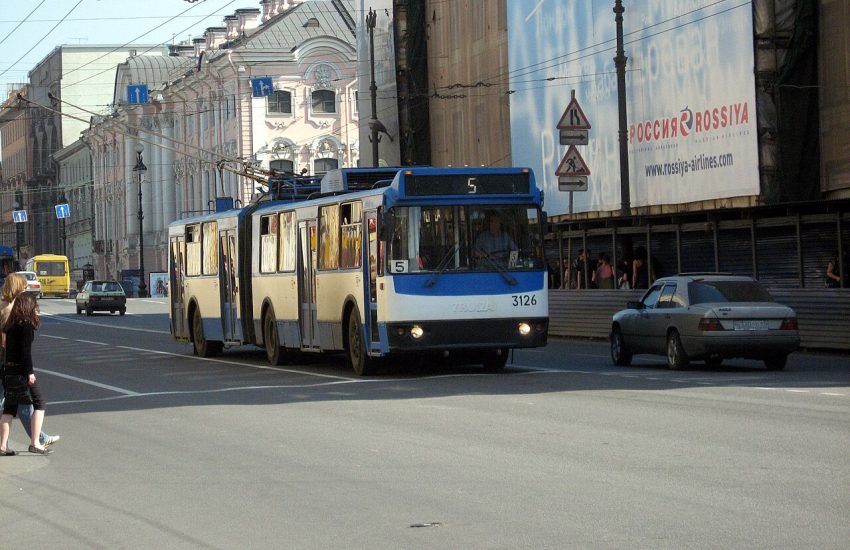
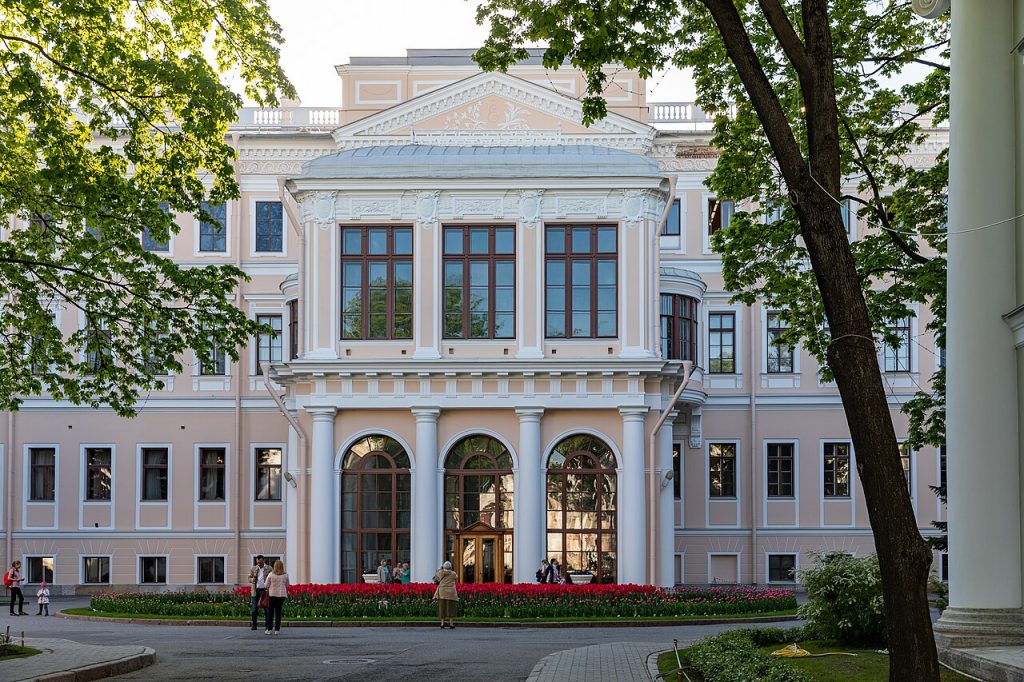
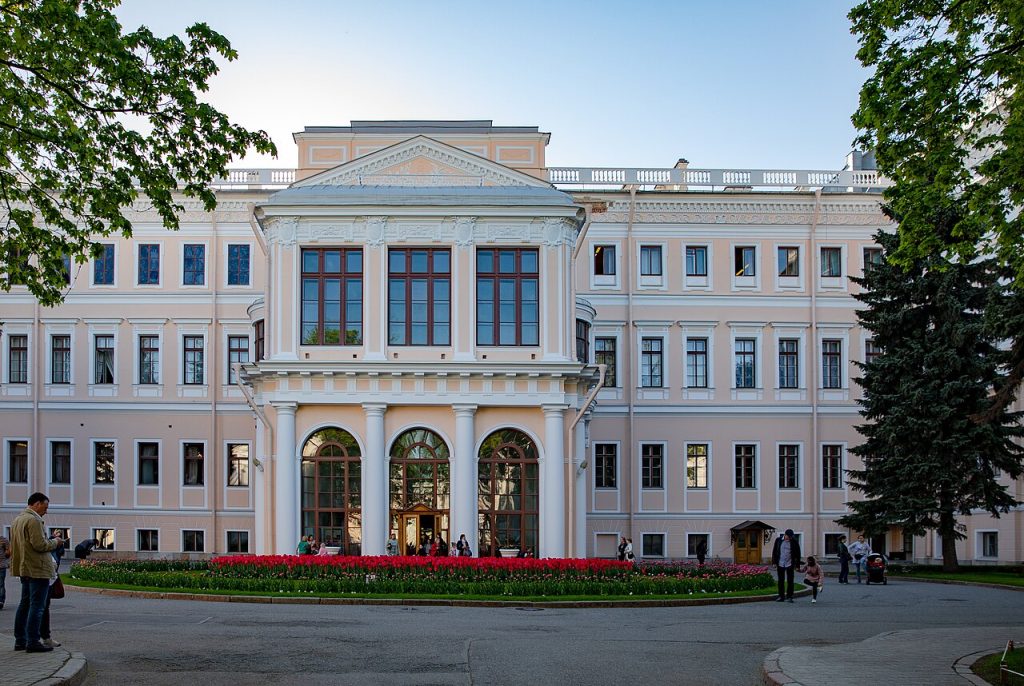
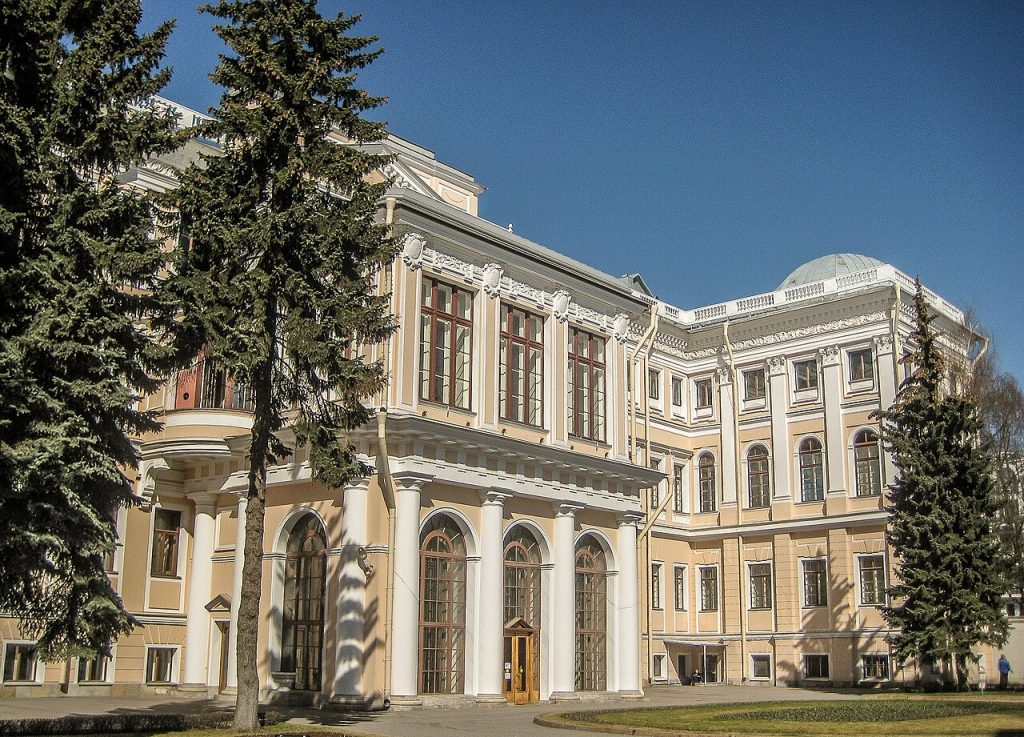
Now, stop on the Anichkov bridge among the four bronze horse-tamers and look across the Fontanka at the long cream palace in its garden. It is the oldest palace on Nevsky, begun under Empress Elizabeth, and the street still bends because the avenue was aligned to meet it.
Emperors kept giving it away: to favourites, to brides, to heirs. Alexander III preferred it to the Winter Palace and ruled Russia, in practice, from this house; his son Nicholas II spent his childhood here and returned to its routines whenever ceremony allowed.
Since 1937 it has belonged to the city’s children as a palace of clubs and circles, which makes it the Petersburg twin of the Tbilisi youth palace this series visited a week ago.
- Elizabeth’s Commission
- The Favourite’s House
- Potemkin Again
- Quarenghi’s Trading Rows
- A Wedding-Present Palace
- Alexander III at Home
- Nicholas II’s Childhood
- The Dowager’s Court
- 1917 on the Fontanka
- The Palace of Pioneers
- War and the Children
- Young Talent Today
- Visiting the Palace
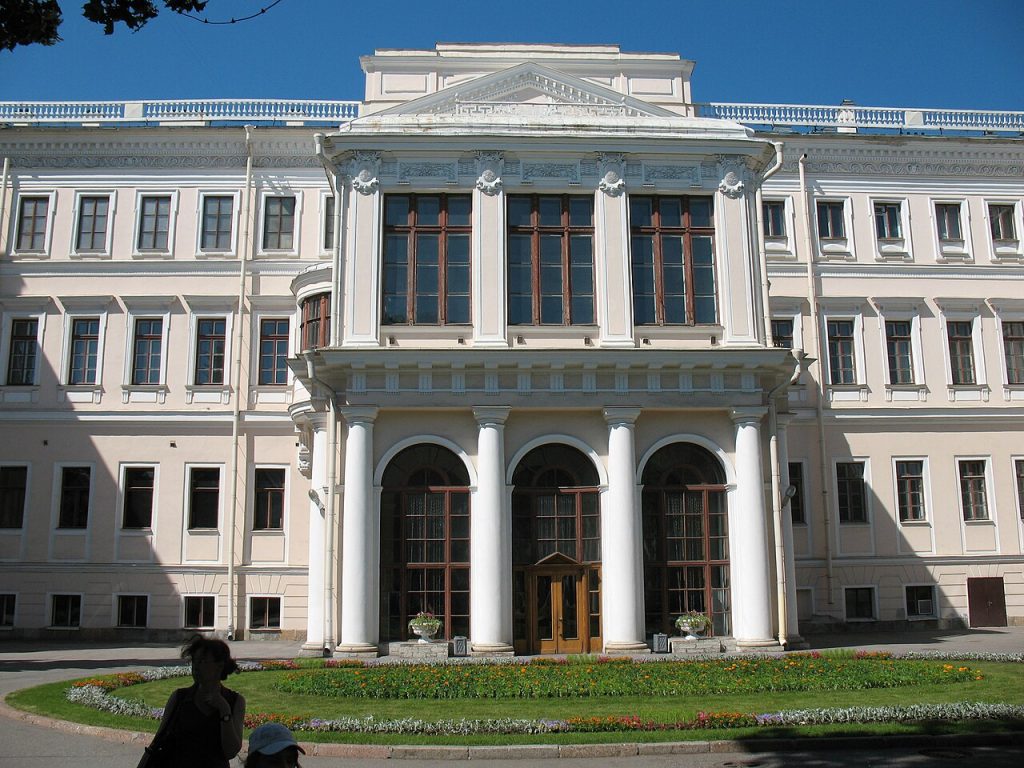
Elizabeth’s Commission
Empress Elizabeth ordered the palace in 1741, the year of her coup, on what was then the city’s edge by the Anichkov bridge, named for the engineer colonel whose battalion built the crossing.
Zemtsov began it and Rastrelli finished it in his early manner, with a church dome at one end and terraced gardens to the river.
The avenue’s kink at the Fontanka preserves the original approach to this house.
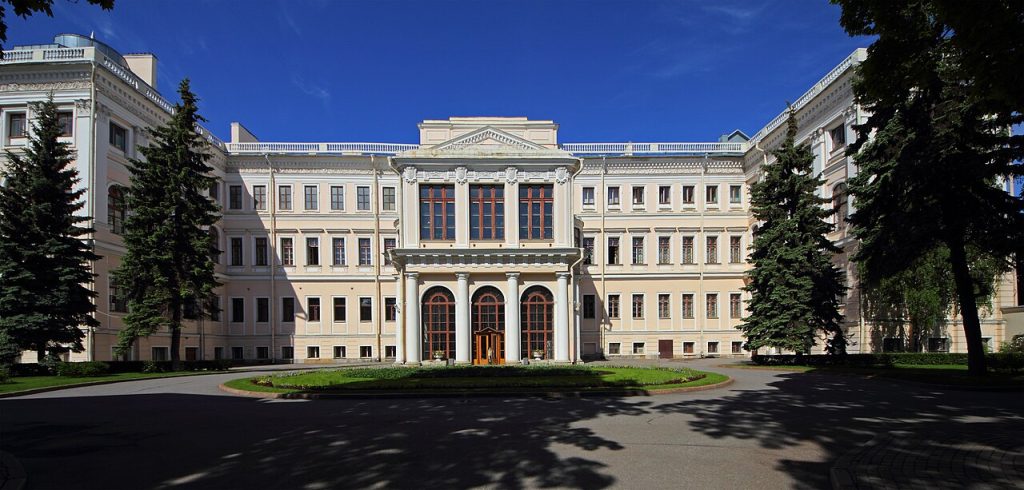
The Favourite’s House
Elizabeth gave the finished palace to Alexei Razumovsky, the Cossack chorister whose voice had caught her ear and whom legend, on fair evidence, makes her secret husband.
The pattern of this series’ St Petersburg chapter, empress builds and favourite receives, begins here, a generation before the Marble Palace.
Razumovsky wore his fortune lightly, which is perhaps why he kept it.
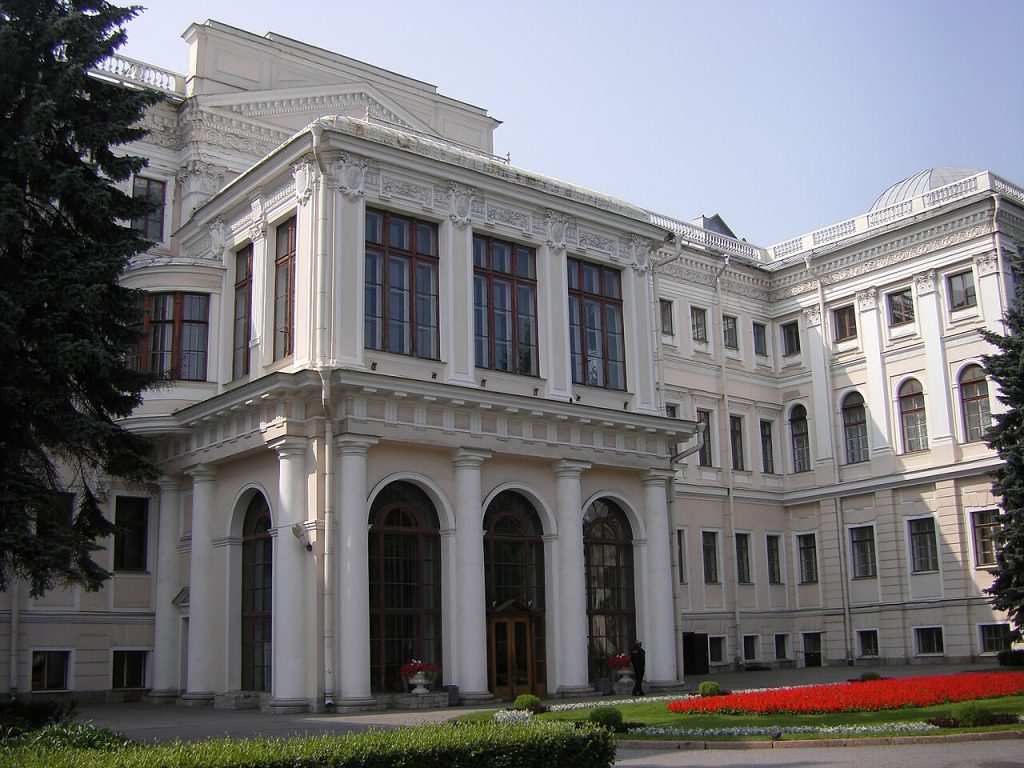
Potemkin Again
Catherine bought the palace back and gave it to Potemkin, who sold it, received it again, and used it between southern campaigns.
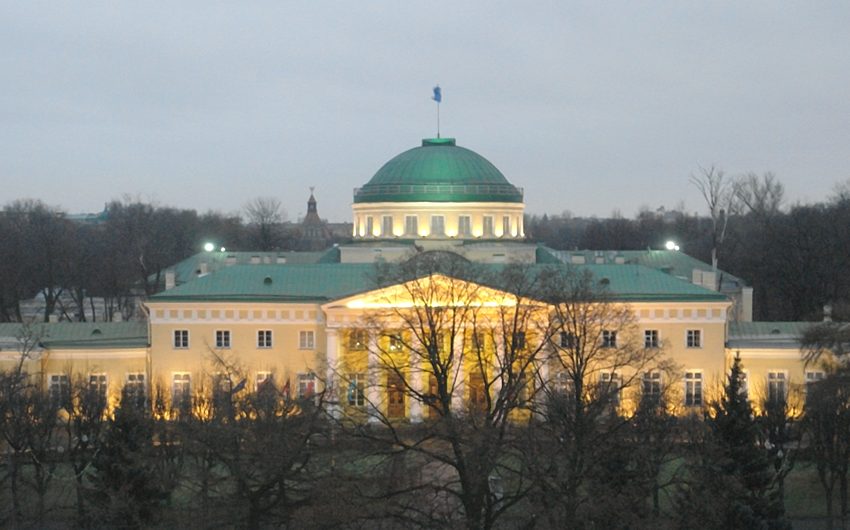
For a decade the house changed hands as the ledger of favour demanded, like the Tauride after it.
The state finally repurchased it for the treasury at the century’s end.
Quarenghi’s Trading Rows
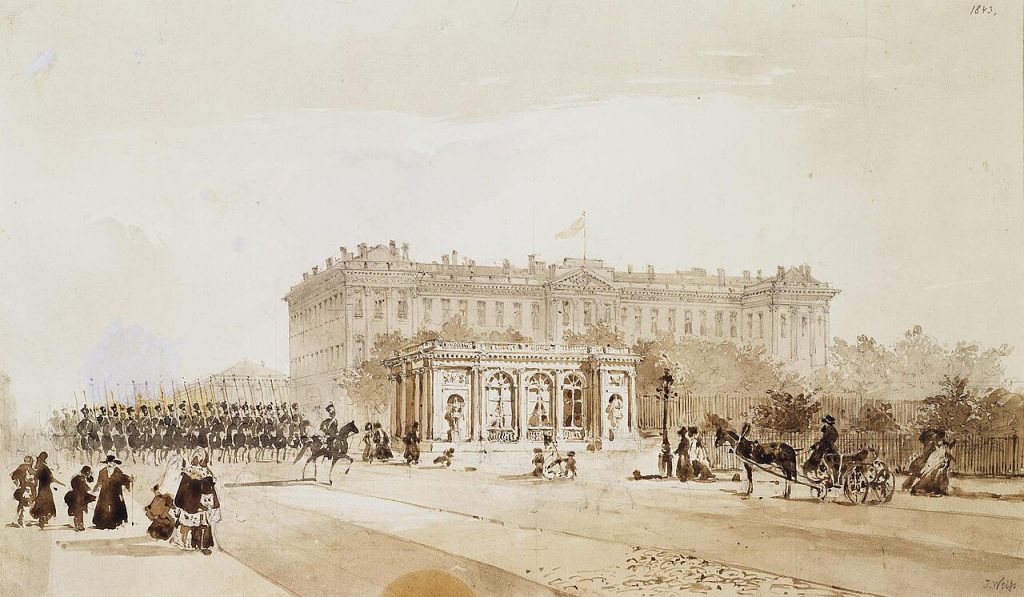
In the 1800s Quarenghi built the colonnaded cabinet building along Nevsky in front of the garden, first as trading rows, then as offices of the imperial cabinet.
The screen of columns is what most passers-by take for the palace itself.
The real house sits behind, facing its garden and the river, as an eighteenth-century residence should.
A Wedding-Present Palace
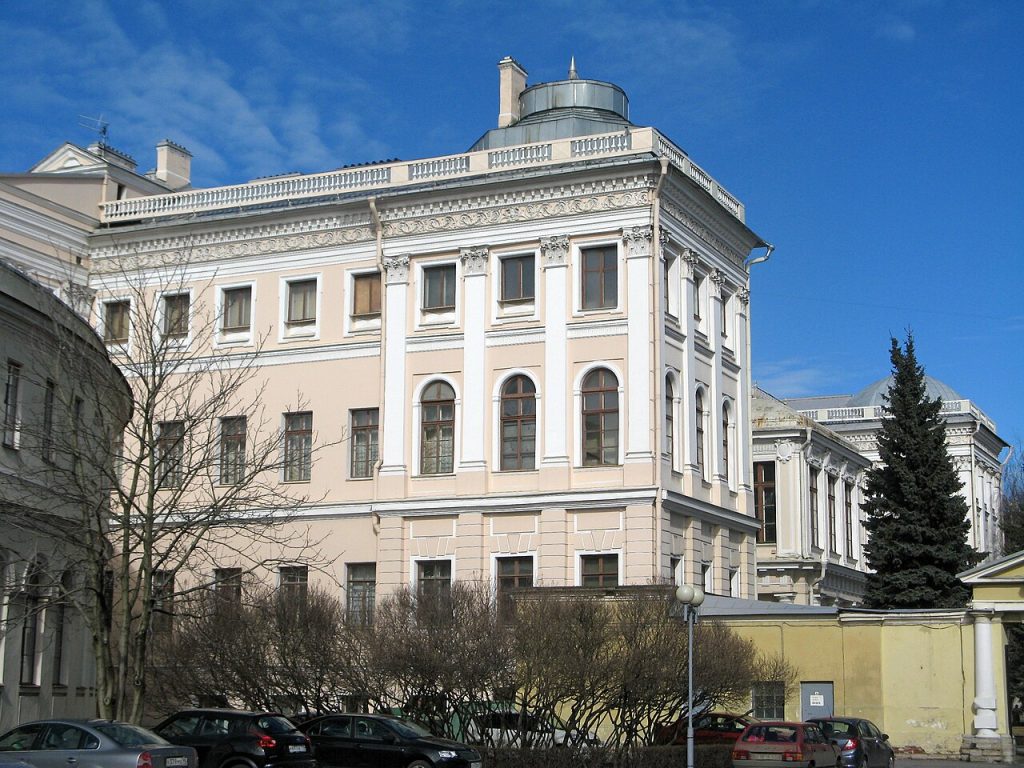
From 1817 the palace became the traditional gift to heirs on marriage: the future Nicholas I received it, as later did the future Alexander II and Alexander III.
Each refurbished it for a young household, layering the interiors with their decades.
The habit made Anichkov the family house of the dynasty, as distinct from the Winter Palace’s stage.
Alexander III at Home
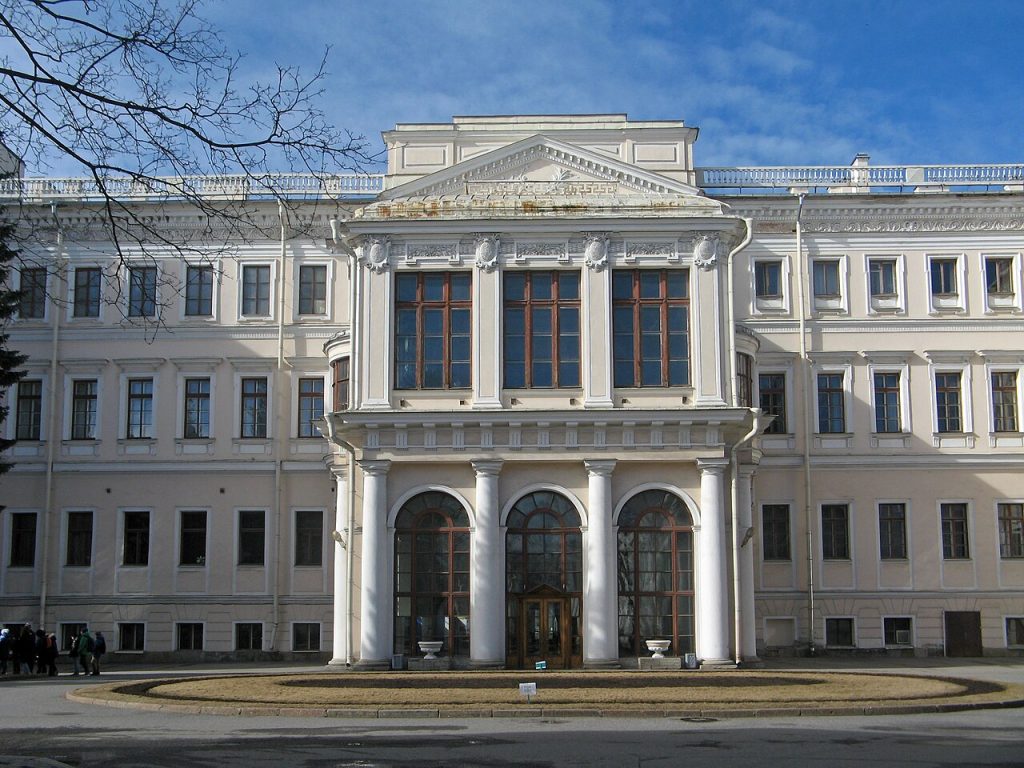
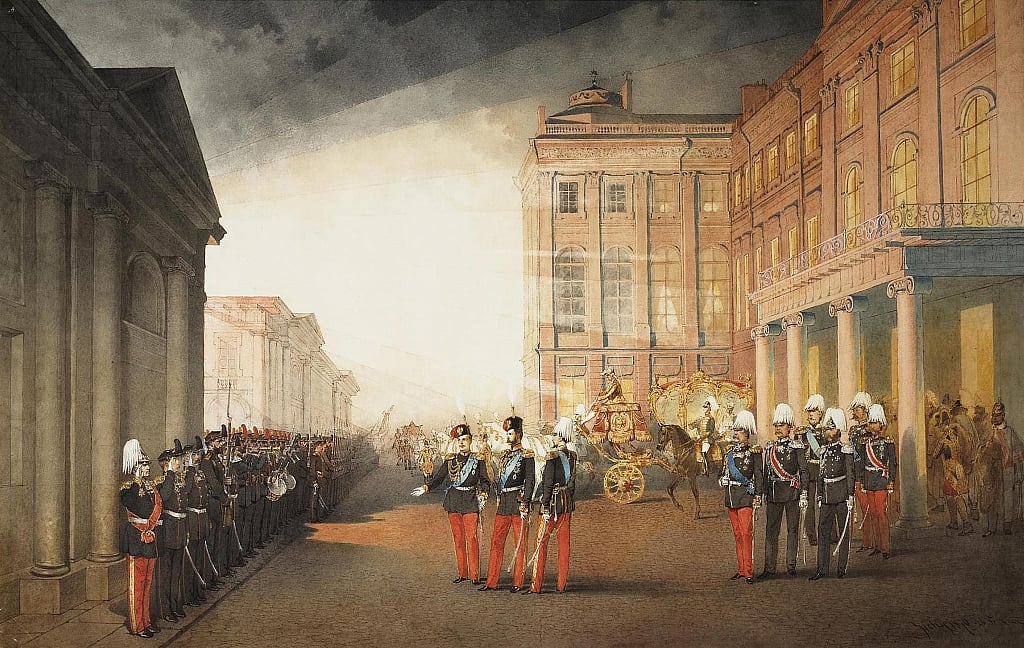
Alexander III, tsar from 1881 after his father’s assassination, distrusted the Winter Palace and simply stayed at Anichkov, working in a study hung with his pictures and guarding his privacy like a landowner.
Ministers came to the Fontanka; the age of counter-reforms was administered from a family drawing room.
His collections later seeded the Russian Museum, founded in his memory.
Nicholas II’s Childhood
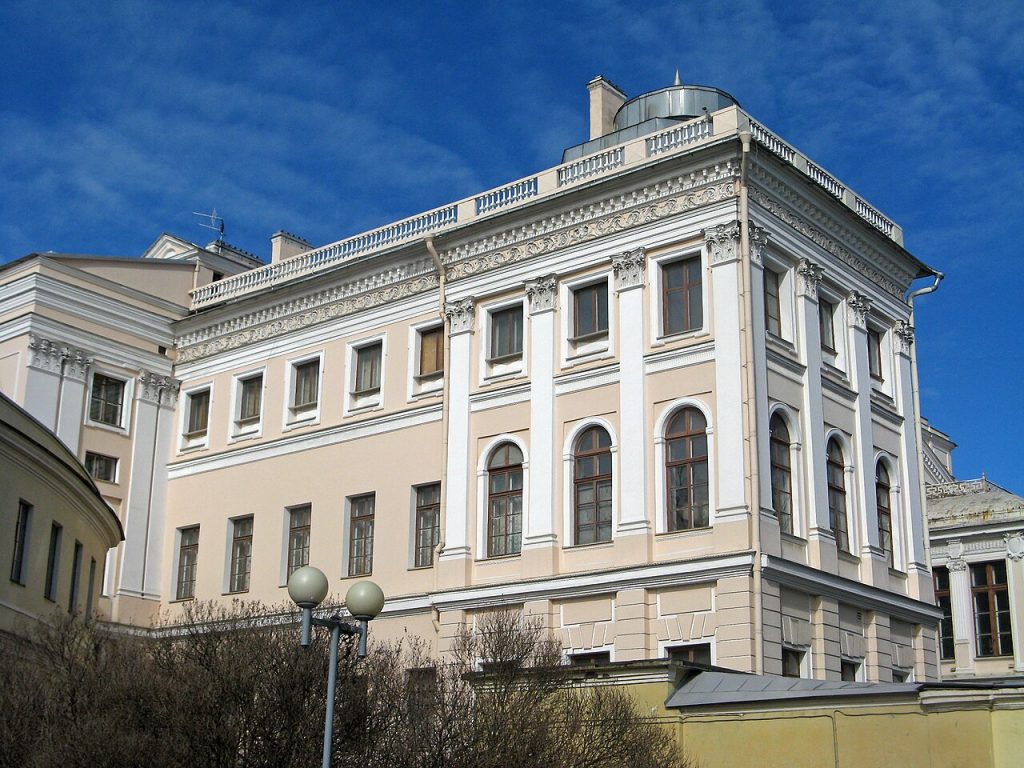
Nicholas grew up here with his brothers and sister, taught by tutors in the garden-facing rooms, drilling in the riding hall, skating in the yard in winter.
His diaries return to Anichkov with an affection he never spared the Winter Palace.
The contrast between this upbringing and the role that awaited him is one of the quiet explanations of 1917.
The Dowager’s Court
After 1894 the dowager empress Maria Feodorovna kept Anichkov as her residence, holding a court that often outshone her son’s and receiving the petitioners the new reign mislaid.
Born Princess Dagmar of Denmark, she appears in this series’ Fredensborg chapter among the summer gatherings of Europe’s royal cousins.
She left Russia in 1919 on a British warship and died in Denmark; her remains returned to St Petersburg in 2006.
1917 on the Fontanka
The revolution nationalised the palace; a city museum occupied it through the 1920s, cataloguing the rooms the dynasty had left mid-breakfast.
The museum’s photographs preserve interiors later lost to institutional use.
The dynasty’s family house thus outlasted the dynasty by a decade as its own exhibit.
The Palace of Pioneers
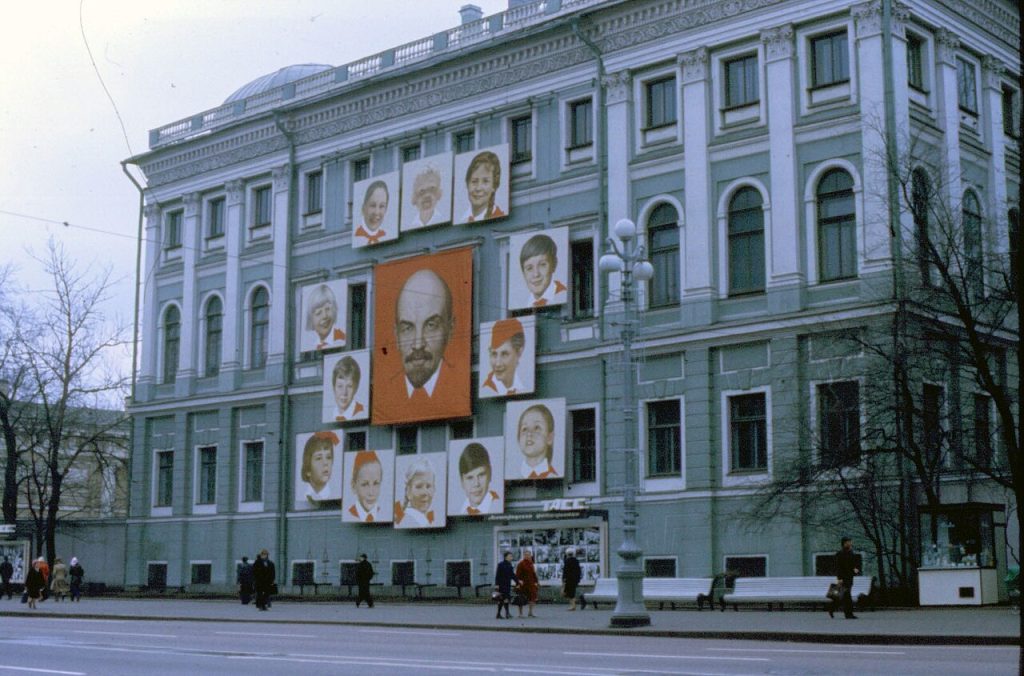
In 1937 the building reopened as the Leningrad Palace of Pioneers, the largest in the union, with laboratories, theatres, a planetarium and hundreds of clubs.
Generations of the city’s children learned chess, music and engineering where emperors had breakfasted, the exact Petersburg parallel to Tbilisi’s Vorontsov palace.
Chess alumni alone include world-class grandmasters.
War and the Children
Through the siege of Leningrad the palace kept working: circles met, concerts were given, and in 1942 the building hosted a New Year party for starving children that survivors recalled all their lives.
A shell struck the house; the children’s work continued in the cellars.
No episode in the building’s imperial centuries outweighs that one.
Young Talent Today
The institution continues as the Palace of Youth Creativity, with thousands of pupils in arts, sciences and sport, and the historic halls in daily use.
Public access rides on that function: concerts, open days and scheduled tours rather than museum hours.
The house that raised heirs now raises everyone’s children, which is as neat an ending as this series owns.
Visiting the Palace
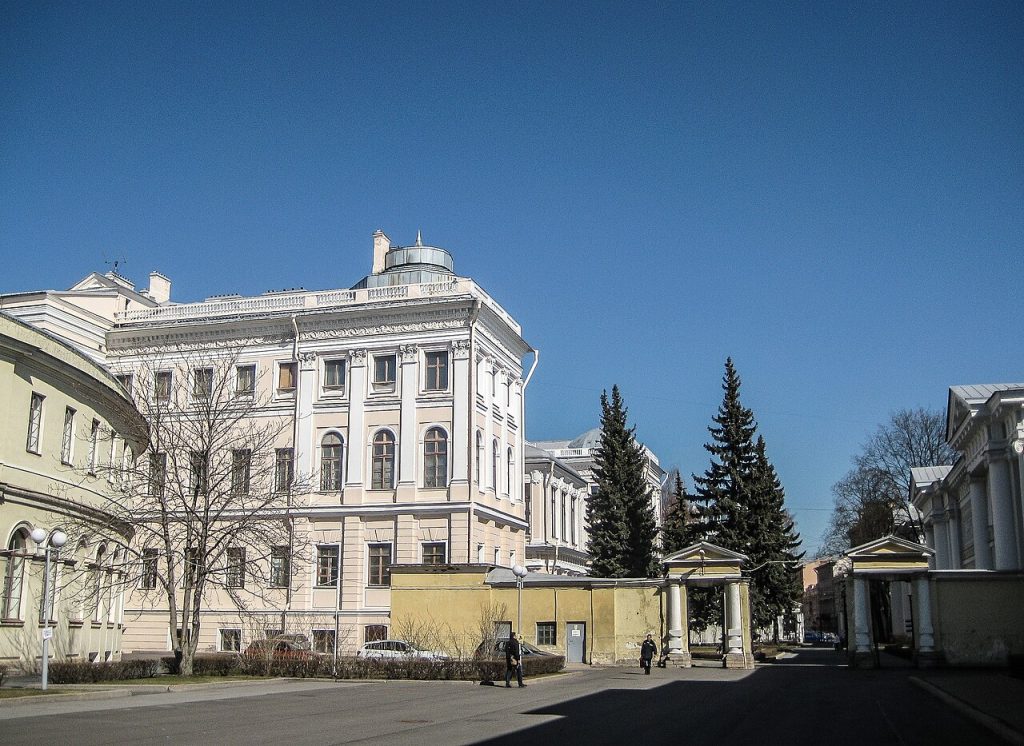
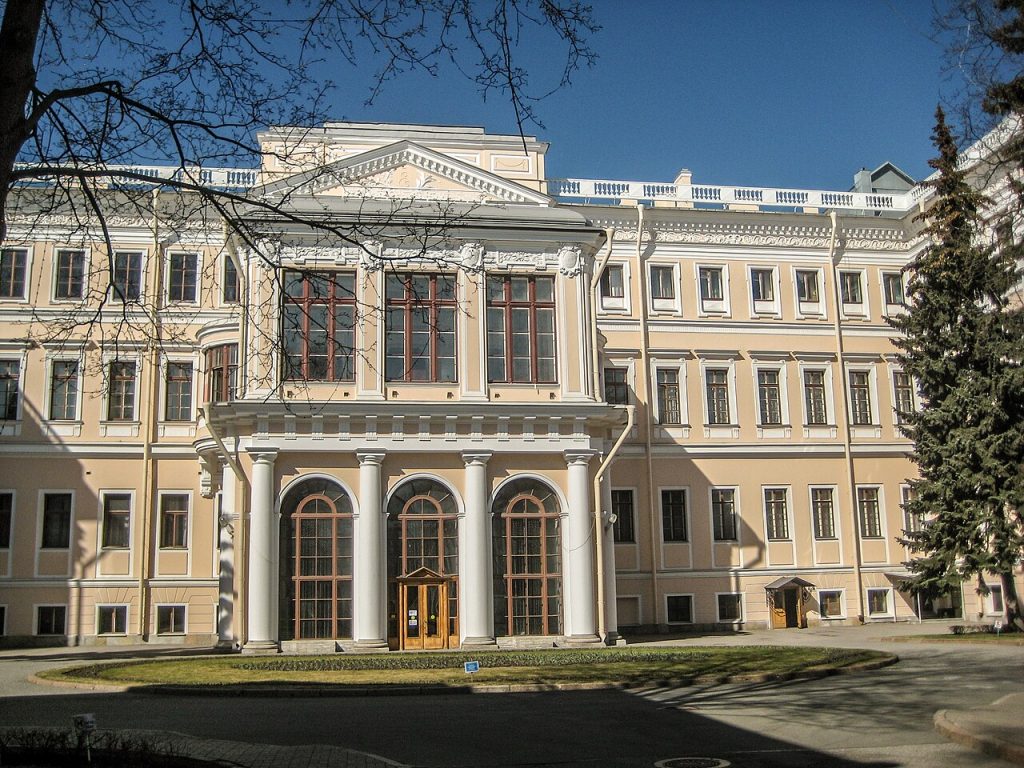
See the Quarenghi colonnade and the bridge horses from Nevsky, then circle to the Fontanka embankment for the true front.
Check the Palace of Youth Creativity calendar for tours and concerts if you want the interiors.
Check current travel guidance for Russia before planning any trip.
Watch the Palace on Film
Visiting the Anichkov Palace Today
The Anichkov Palace stands at Nevsky 39 by the Anichkov bridge, with Gostiny Dvor metro station five minutes away.
It operates as the Palace of Youth Creativity; interiors open for scheduled tours, concerts and open days rather than daily museum hours, while the exterior, garden railings and bridge are always visible. Check current travel guidance for Russia before planning.
Allow an hour outside, more with a tour. Find it here: https://www.google.com/maps?q=59.9331,30.3421
Palaces Nearby
You May Like
The Tauride Palace and the Prince of a Conquered South