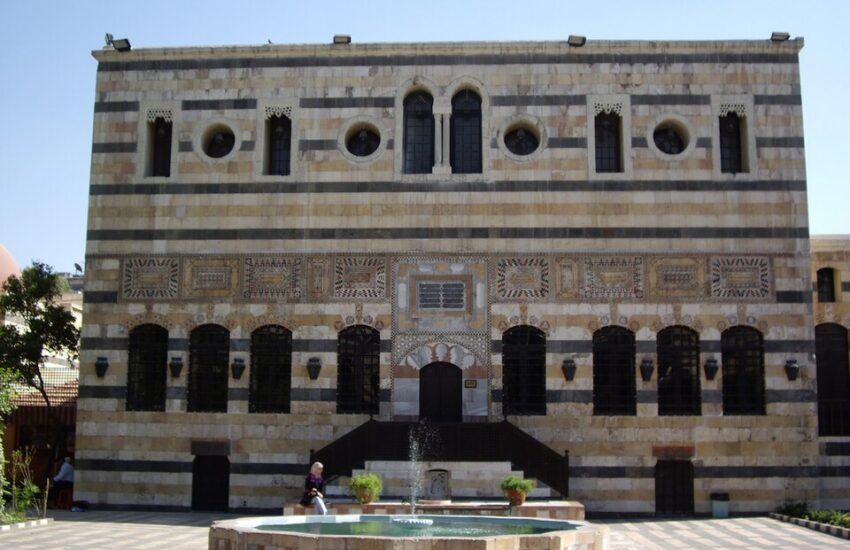
Rising on a great mound in the heart of Aleppo, one of the oldest cities on earth, stands one of the largest and most magnificent castles of the medieval world. The Citadel of Aleppo crowns a hill that has been fortified for thousands of years, its massive walls, its monumental gateway, and its palaces and halls making it a masterpiece of medieval military and royal architecture, the citadel the crown of the ancient city, a UNESCO World Heritage site, and, within its walls, the throne hall where the Mamluk sultans held court above the great city of the Syrian north.
Aleppo was for millennia one of the great cities of the world, a rival of Damascus, a center of trade on the routes between the Mediterranean and the East, and its citadel was the seat of its rulers across the ages, the fortress crowning the city a palace as well as a stronghold, the medieval ensemble of the Ayyubids and the Mamluks raising on the ancient mound a royal citadel of great splendor, the Citadel of Aleppo the crown of the city and the seat of its power.
This guide tells the citadel and its city: Aleppo the ancient metropolis, the fortified mound through the ages, the Ayyubid and Mamluk citadel, the monumental gateway, the walls and the defenses, the palaces and the throne hall, the mosques and the buildings within, the war and the destruction and the restoration, and the practical details of visiting the Citadel of Aleppo.
- The Ancient Metropolis
- The Fortified Mound
- The Ayyubid Citadel
- The Mamluk Sultans
- The Monumental Gateway
- The Walls and Defenses
- The Throne Hall
- The Palaces Within
- The Mosques of the Citadel
- The Crown of the City
- The War and the Destruction
- Damage and Restoration
- The Citadel Today
- Watch the Citadel of Aleppo on Film
- Visiting the Citadel of Aleppo Today
- Palaces Nearby
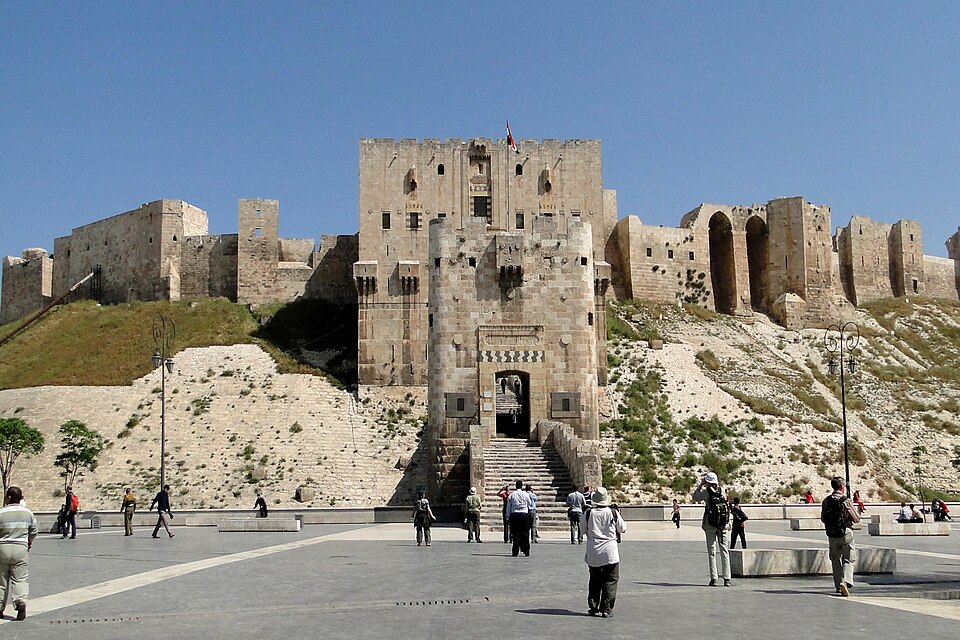
The Ancient Metropolis
Aleppo is one of the oldest cities in the world. The city in the north of Syria has been inhabited for thousands of years, a center of the ancient kingdoms, a great city of the Hittite, Aramean, Roman, Byzantine, and Islamic worlds, Aleppo one of the oldest continuously inhabited cities on earth, a rival of Damascus for the title of the oldest and greatest of the Syrian cities, the metropolis of the Syrian north, the city crowned by its great citadel.
The city grew on the trade routes: Aleppo a great center of commerce on the routes between the Mediterranean and Mesopotamia, Anatolia and Arabia, the city a crossroads of trade, the famous souks and khans of Aleppo among the greatest commercial quarters of the Islamic world, the city’s wealth built on the caravan trade, Aleppo a metropolis of commerce, the trading city crowned by the citadel, the great entrepot of the Syrian north.
The old city of Aleppo is a treasure: the great souks, the khans, the mosques, the madrasas, the courtyard houses, and the citadel composing one of the richest historic cities of the Islamic world, the old city of Aleppo a UNESCO World Heritage site, a dense and magnificent historic fabric, the setting of the citadel, the ancient metropolis whose crown is the great fortress, the old city the treasure of the Syrian north.
The Fortified Mound
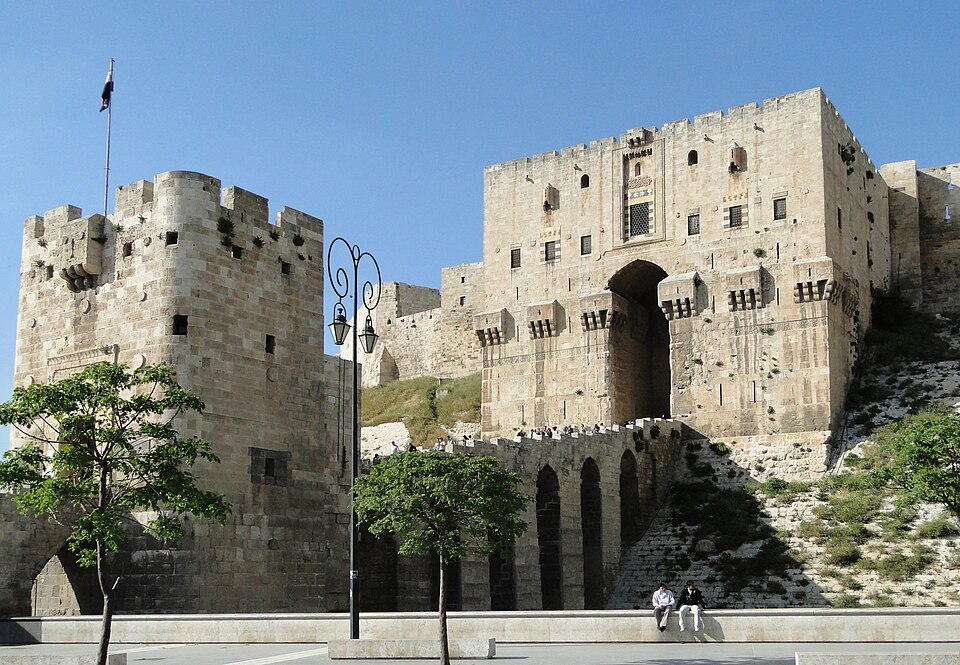
The citadel crowns an ancient fortified mound. The hill on which the Citadel of Aleppo stands has been a sacred and fortified site for thousands of years, the mound holding the remains of temples and fortifications reaching back to the Bronze Age, the ancient temple of the storm god Hadad discovered within the citadel, the mound a sacred and strategic site from the earliest times, the fortified hill the deep foundation of the citadel, the mound the ancient crown of Aleppo.
The mound’s long history underlies the medieval citadel: the hill fortified by the successive powers that ruled Aleppo, the ancient, the classical, the Islamic, each building on the sacred and strategic mound, the medieval citadel the latest and greatest of the fortifications, the mound a palimpsest of the city’s history, the fortified hill the accumulated crown of the ages, the citadel the medieval culmination of the fortification of the ancient mound.
The mound and its height command the city: the citadel rising on its steep mound above the city, the fortress commanding the metropolis and its surroundings, the height the strategic value of the site, the mound the natural stronghold that the fortifications crowned, the citadel the commanding crown of the city, the fortified hill the dominant point of Aleppo, the mound the strategic and sacred foundation of the great citadel, the hill the crown of the ancient metropolis.
The Ayyubid Citadel
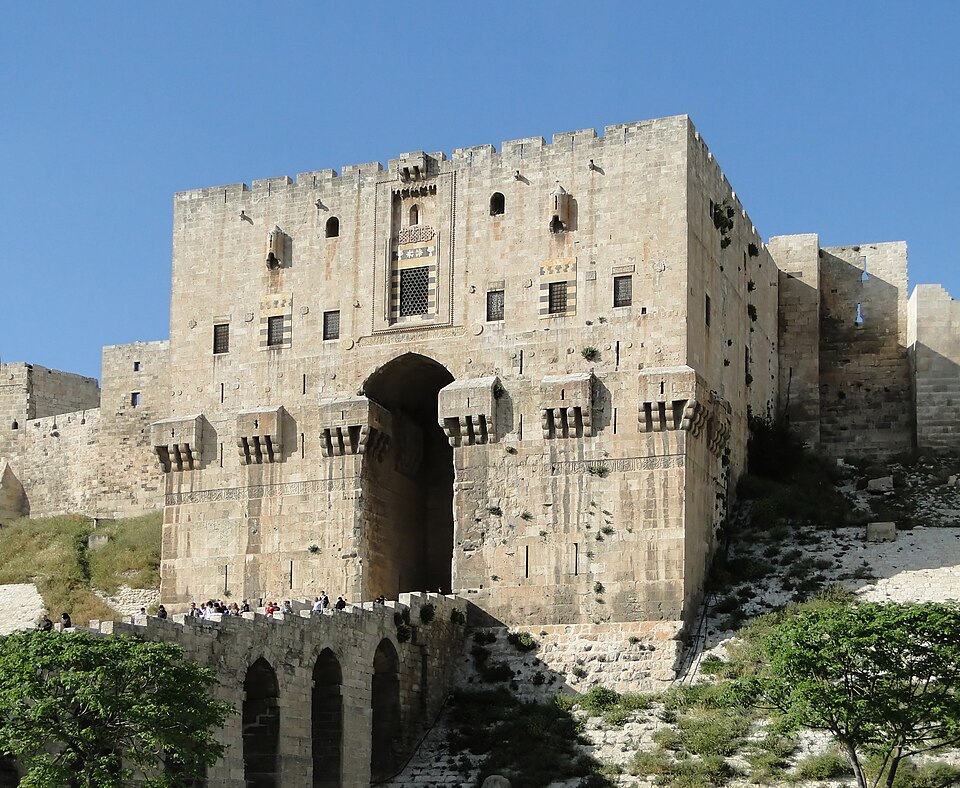
The medieval citadel is largely the work of the Ayyubids. The dynasty of Saladin, the Ayyubids who ruled Syria and Egypt in the twelfth and thirteenth centuries, made Aleppo a principal seat, and under them, especially under Saladin’s son al-Zahir Ghazi, the citadel was rebuilt into the great fortress-palace that largely survives, the Ayyubid citadel a masterpiece of medieval military architecture, the fortress the seat of the Ayyubid rulers of Aleppo, the citadel the Ayyubid crown of the city.
Al-Zahir Ghazi was the great builder: the son of Saladin, the Ayyubid ruler of Aleppo at the turn of the thirteenth century, who rebuilt the citadel into the magnificent fortress-palace, the monumental gateway, the walls, the palaces, and the buildings, the ruler whose works are the glory of the citadel, al-Zahir Ghazi the maker of the Ayyubid citadel, the builder whose fortress is the masterpiece of the medieval Aleppo, the ruler whose crown is the great citadel.
The Ayyubid citadel was a fortress and a palace: the fortification raised to the highest standard of medieval military architecture, but also a royal residence with its palaces, its halls, its mosques, and its baths, the citadel a self-contained royal city on its mound, the Ayyubid fortress the seat of the dynasty’s power and the stage of its court, the citadel the combination of the stronghold and the palace, the Ayyubid crown of Aleppo the fortress-palace of the rulers.
The Mamluk Sultans
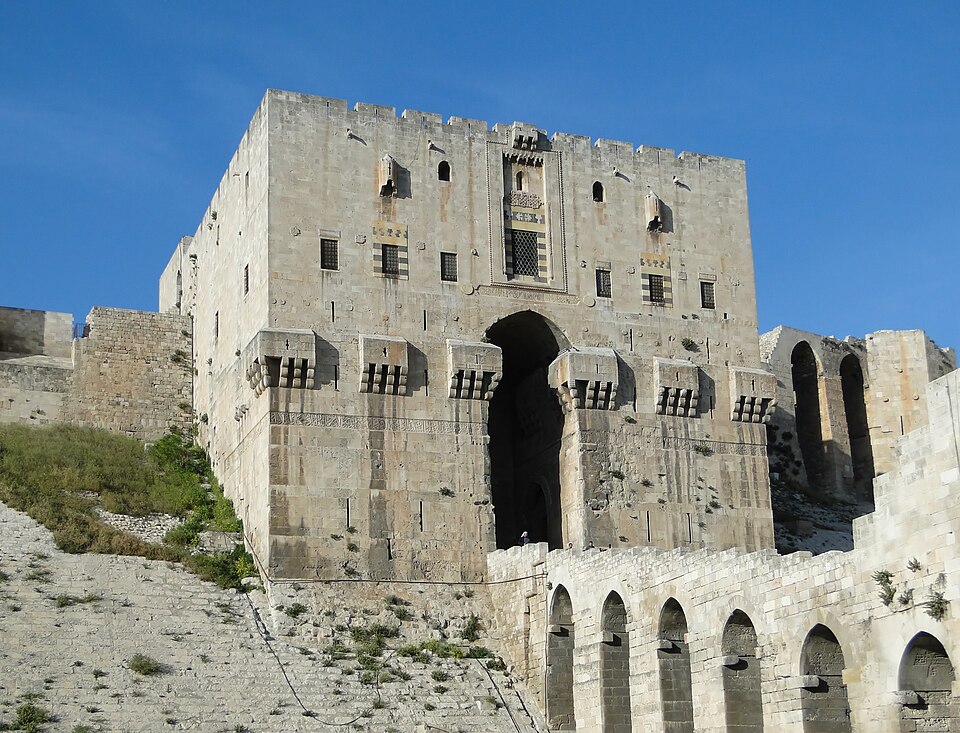
The Mamluks continued and embellished the citadel. The Mamluk sultans who ruled Egypt and Syria after the Ayyubids, from the thirteenth to the sixteenth century, held Aleppo as a principal seat and continued to build and embellish the citadel, the Mamluk works including the throne hall and other buildings, the sultans maintaining the citadel as a great fortress and royal seat, the Mamluk citadel the continuation of the Ayyubid masterpiece, the fortress the seat of the Mamluk governors of Aleppo.
The Mamluk age was a great period for Aleppo: the city a principal center of the Mamluk sultanate, a great commercial and strategic metropolis, the citadel the seat of the Mamluk governors, the fortress the center of the Mamluk power in the Syrian north, the Mamluk citadel the stronghold and the palace of the sultanate’s rule in Aleppo, the fortress the crown of the Mamluk metropolis, the citadel the seat of the Mamluk power.
The Mamluk throne hall crowned the citadel: the great hall built by the Mamluks above the gateway, the throne hall the ceremonial heart of the Mamluk citadel, the setting of the court of the governors, the hall the Mamluk contribution to the citadel’s splendor, the throne hall the jewel of the Mamluk works, the Mamluk citadel crowned by the throne hall, the fortress the seat of the sultanate’s court above the great city, the throne hall the glory of the Mamluk citadel.
The Monumental Gateway
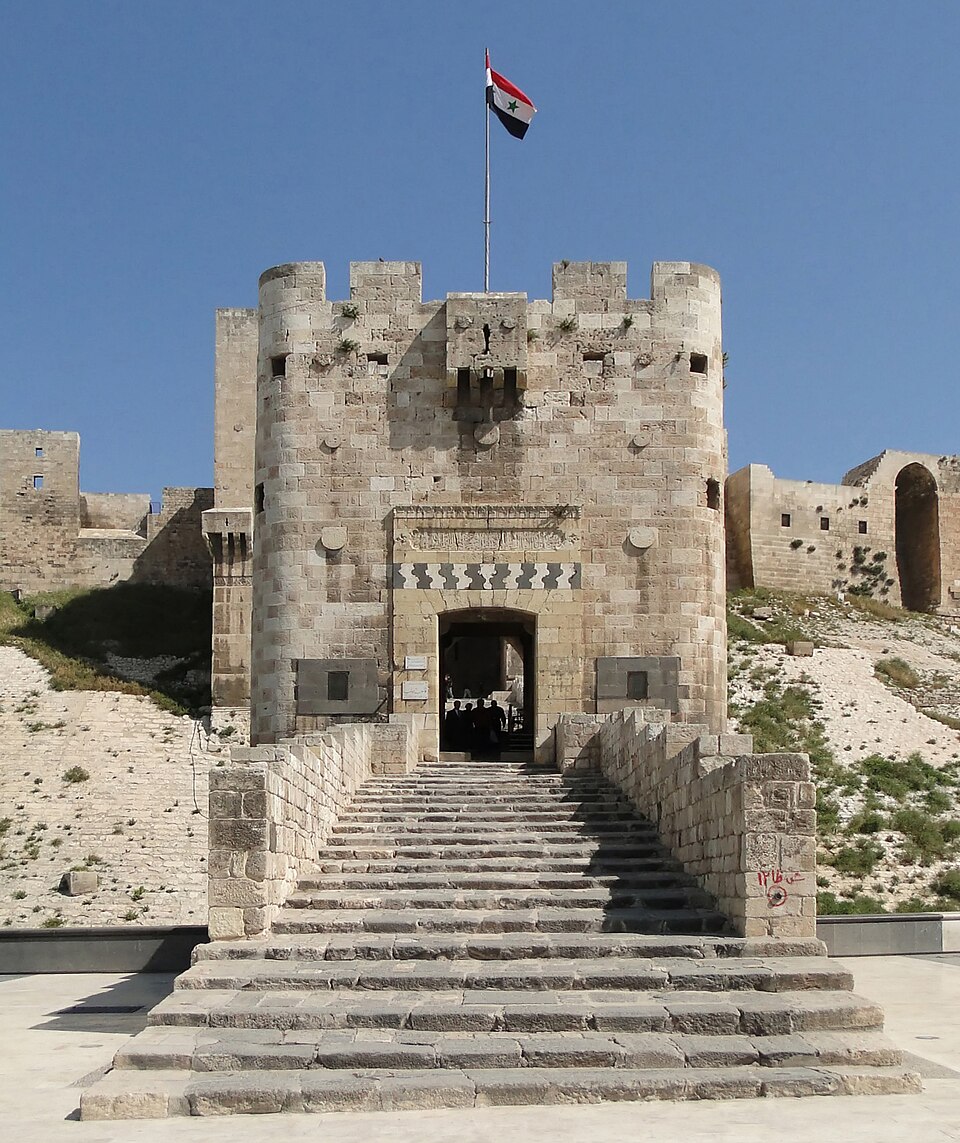
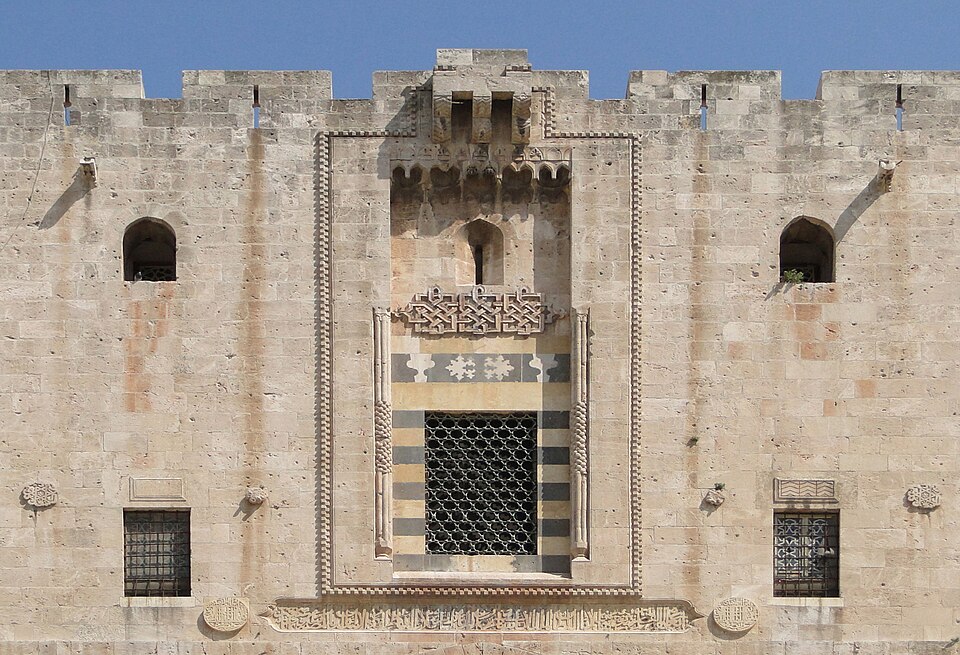
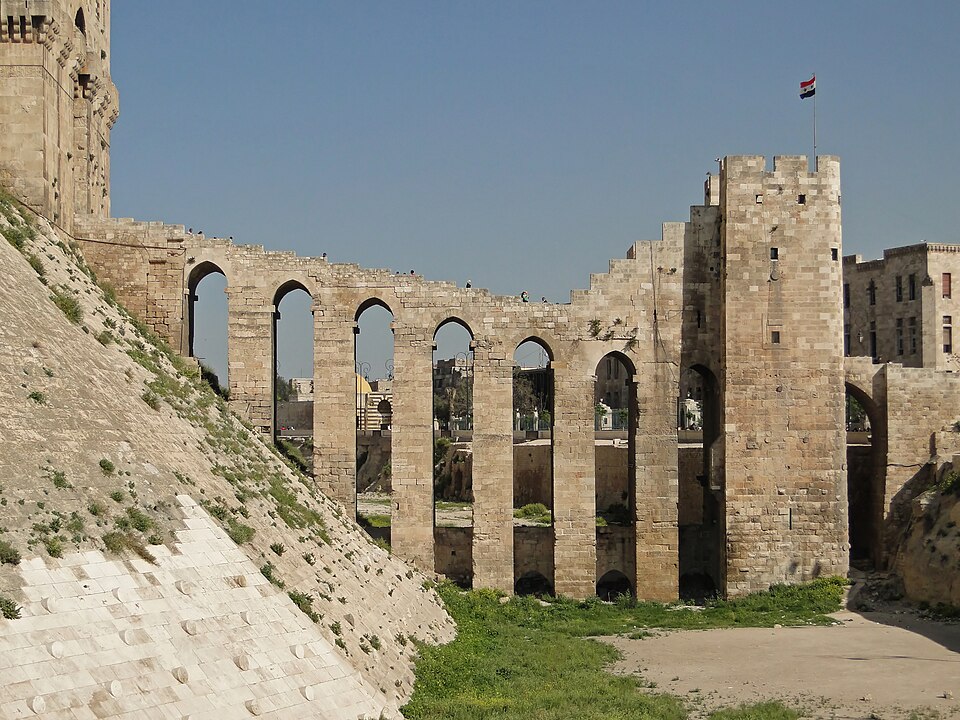
The citadel’s entrance is a monumental gateway. The great gateway of the Citadel of Aleppo, built by the Ayyubids and embellished by the Mamluks, is one of the masterpieces of medieval military architecture, a complex of a bridge over the moat, a monumental gate tower, and a bent entrance passage that turned and climbed through a series of defended gates, the gateway a fortress in itself, the entrance the glory and the strength of the citadel, the gateway the monumental threshold of the fortress.
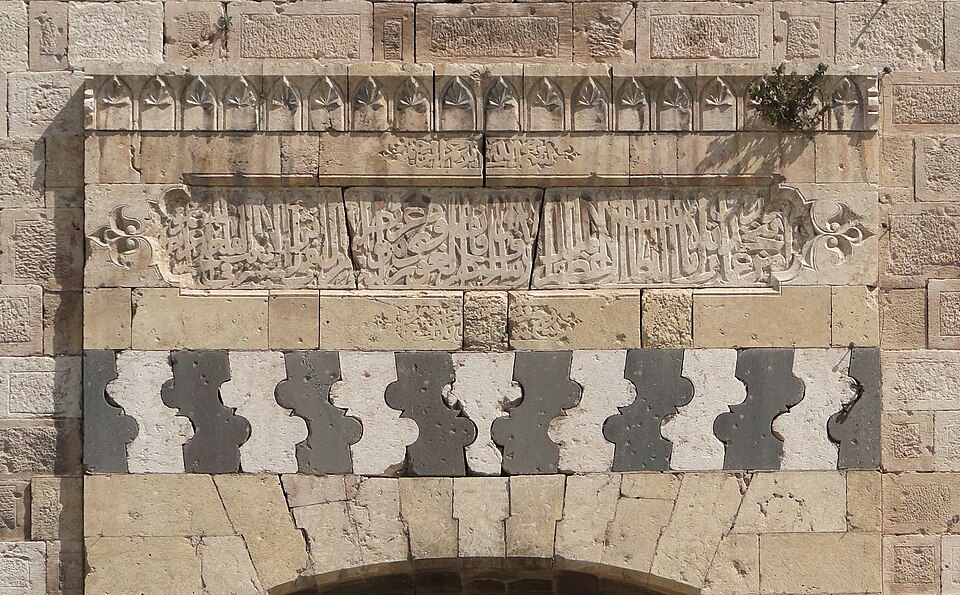
The gateway combined defense and splendor: the bridge over the deep moat, the great gate tower, the bent passage that forced attackers to turn and climb under the defenders’ fire, the carved and decorated gates, the gateway a masterpiece of both military engineering and architectural splendor, the entrance the demonstration of the citadel’s strength and majesty, the gateway the defended and magnificent threshold, the entrance the glory of the medieval fortress.
The gateway is the citadel’s signature: the monumental entrance the most famous feature of the Citadel of Aleppo, the bridge and the gate tower the image of the fortress, the gateway the symbol of the citadel’s strength and splendor, the entrance the masterpiece of the medieval military architecture, the gateway the signature of the Citadel of Aleppo, the monumental threshold the glory of the fortress, the entrance the crown of the citadel’s defenses.
The Walls and Defenses
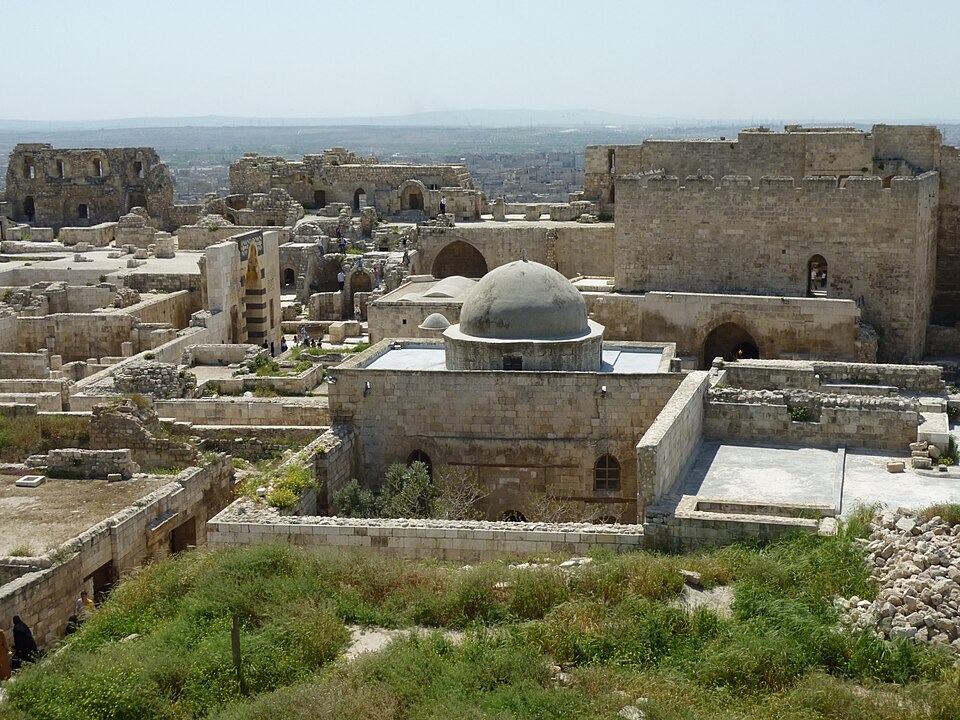
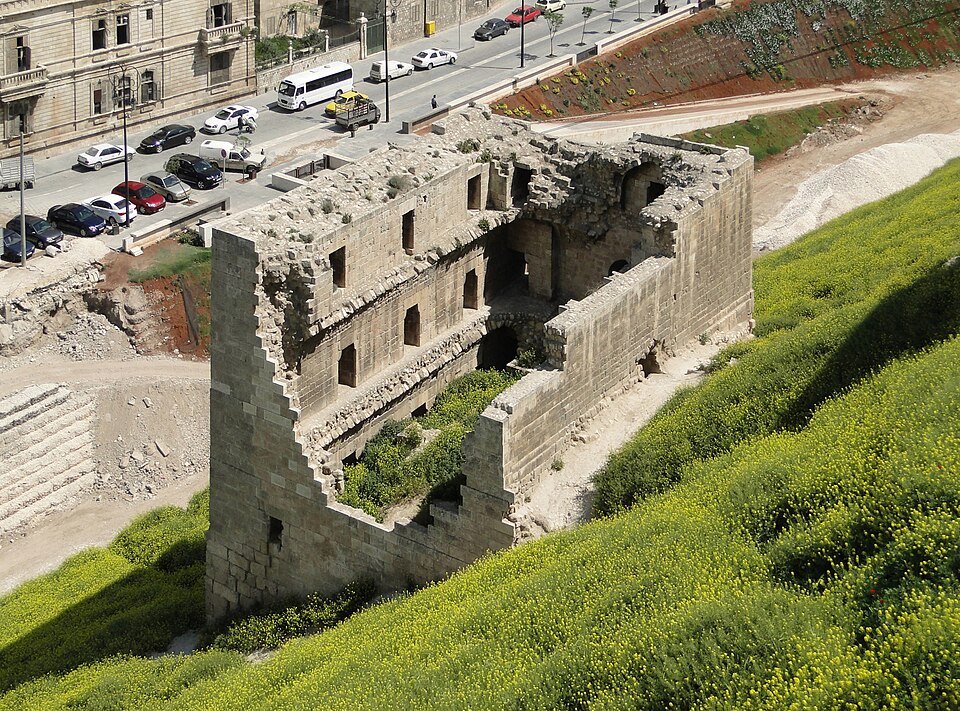
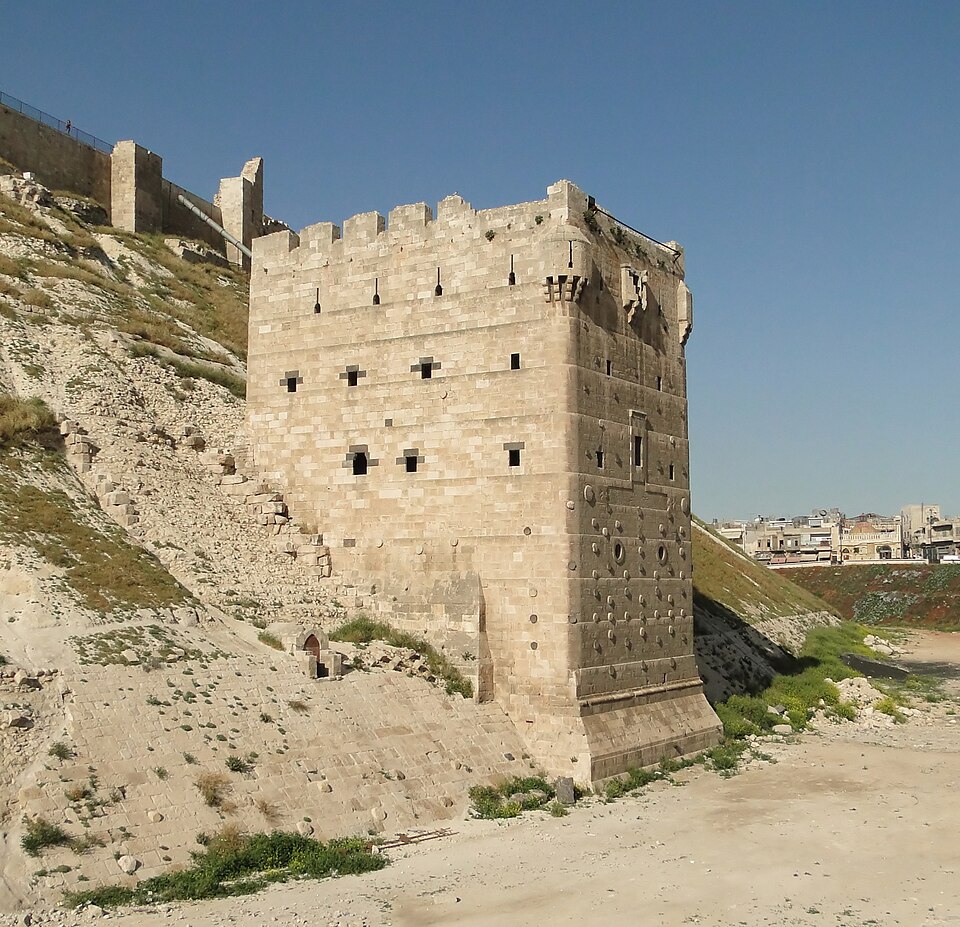
The citadel is ringed by massive walls and defenses. The fortress is surrounded by great walls with towers, rising above a steep glacis that sheathes the mound in smooth stone, and a deep moat, the defenses making the citadel one of the strongest fortresses of the medieval world, the walls, the towers, the glacis, and the moat composing a formidable system of fortification, the defenses the strength of the citadel, the walls the mighty girdle of the fortress on its mound.
The glacis is a remarkable defense: the steep slope of the mound sheathed in smooth stone, the glacis making the approach to the walls difficult and exposed, the smooth stone slope a distinctive and formidable defense, the glacis the sheathing that turned the mound into an unassailable base for the walls, the defense the demonstration of the medieval military engineering, the glacis the formidable foot of the citadel’s defenses, the stone slope the strength of the fortress.
The defenses made the citadel nearly impregnable: the walls, the towers, the glacis, the moat, and the monumental gateway together a system of fortification of the highest order, the citadel one of the strongest fortresses of its age, the defenses the stronghold that resisted the attacks of the medieval wars, the fortifications the strength of the Ayyubid and Mamluk citadel, the defenses the mighty girdle of the fortress, the walls and the glacis the formidable strength of the Citadel of Aleppo.
The Throne Hall
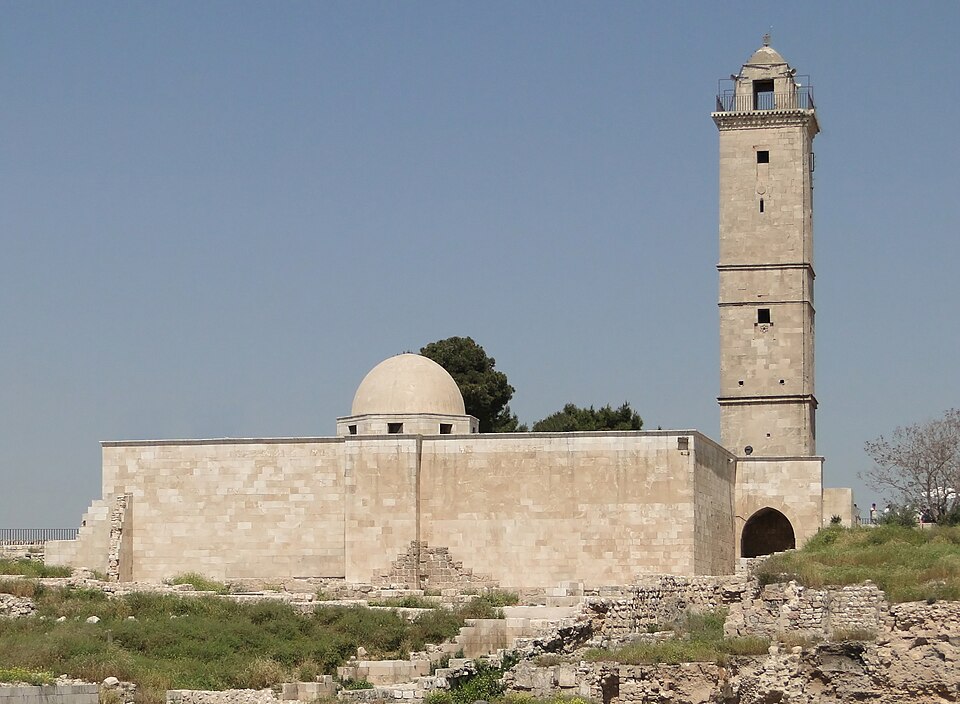
The citadel’s ceremonial heart is the throne hall. The great Mamluk throne hall, built above the gateway, was the setting of the court of the governors of Aleppo, the hall where the Mamluk authority received the notables, the officials, and the envoys, the throne hall a magnificent chamber with its decorated ceiling, the room the ceremonial center of the citadel, the setting of the governor’s rule, the throne hall the jewel of the citadel’s royal architecture.
The throne hall is a masterpiece of decoration: the great chamber with its magnificent wooden ceiling, the decoration of the Mamluk and later ages, the hall a jewel of the Syrian royal interior, the throne hall the ceremonial splendor of the citadel, the room the setting of the court above the great city, the throne hall the finest interior of the fortress, the chamber the glory of the Mamluk citadel, the throne hall the royal heart of the fortress.
The throne hall crowned the citadel’s royal role: the fortress not only a stronghold but a seat of power and ceremony, the throne hall the setting of the governor’s court, the room the expression of the citadel’s role as a palace, the throne hall the ceremonial jewel of the fortress, the chamber the stage of the Mamluk rule in Aleppo, the throne hall the royal crown of the citadel, the hall the glory of the fortress-palace above the ancient city.
The Palaces Within
The citadel holds palaces and halls within its walls. The fortress contains, besides the throne hall, the Ayyubid palace with its magnificent entrance, the baths, the halls, and the residential buildings of the rulers, the citadel a royal city within its walls, the palaces and the halls the residential and ceremonial heart of the fortress, the buildings the royal world of the citadel, the palaces within the walls the seat of the rulers’ life above the city.
The Ayyubid palace is a jewel: the palace built by al-Zahir Ghazi within the citadel, with its magnificent muqarnas-vaulted entrance, the palace a masterpiece of the Ayyubid royal architecture, the residence the seat of the dynasty’s rule in Aleppo, the Ayyubid palace the jewel of the citadel’s buildings, the residence the royal heart of the fortress, the palace the masterpiece of the medieval Aleppo, the Ayyubid residence the glory of the citadel.
The baths and the halls complete the royal city: the citadel’s hammam, the halls, the cisterns, and the residential buildings making the fortress a self-contained royal world, the buildings the amenities and the life of the citadel, the hammam, the halls, and the palaces the complete apparatus of the royal seat, the citadel a self-sufficient royal city on its mound, the buildings within the walls the world of the rulers, the citadel the complete fortress-palace of Aleppo.
The Mosques of the Citadel
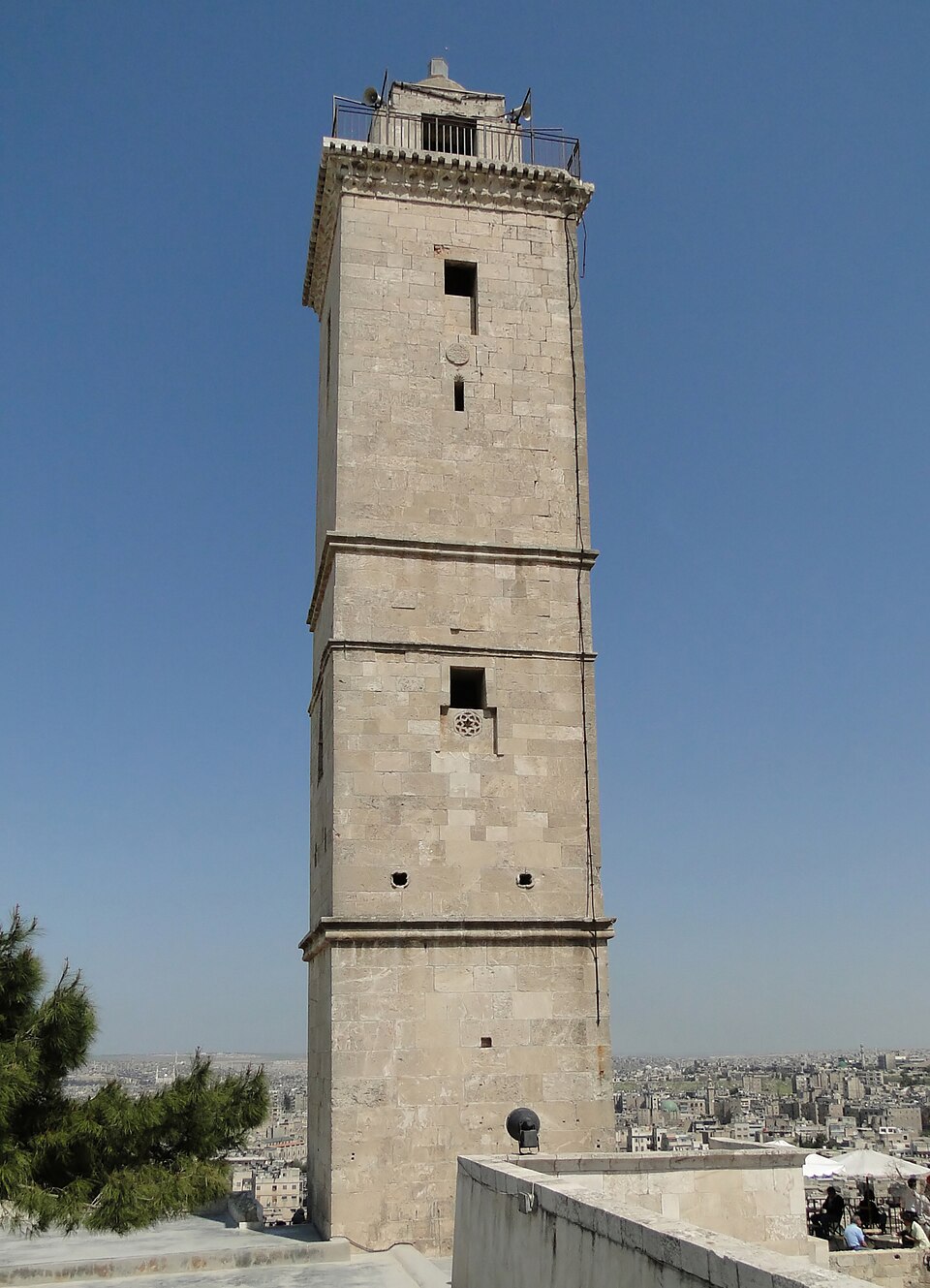
The citadel holds mosques within its walls. The fortress contains mosques, including the great mosque of the citadel built by the Ayyubids, with its minaret rising over the walls, and the smaller mosque associated with the prophet Abraham, who by tradition is linked to the citadel and the city, the mosques the religious heart of the fortress, the places of worship within the royal and military citadel, the mosques the sacred buildings of the crown of Aleppo.
The great mosque of the citadel is a fine monument: the Ayyubid mosque with its minaret, the place of worship of the garrison and the court, the mosque a jewel of the citadel’s architecture, the minaret a landmark rising over the walls, the great mosque the religious center of the fortress, the mosque the sacred heart of the citadel, the place of worship the spiritual dimension of the royal and military crown of Aleppo.
The citadel’s sacred associations are ancient: the mound linked to the prophet Abraham, the tradition that he stopped and milked his flocks on the hill, the name of Aleppo itself connected in tradition to the story, the citadel a sacred site of great antiquity, the mosques and the traditions the religious dimension of the fortress, the sacred associations the deep meaning of the citadel, the mound a holy as well as a royal and military site, the citadel the sacred crown of Aleppo.
The Crown of the City
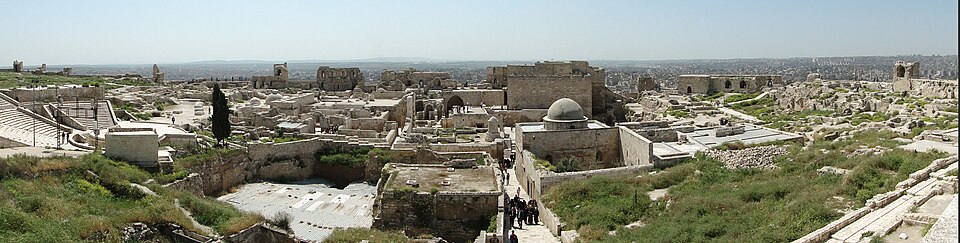
The citadel is the crown of Aleppo. The fortress rising on its mound above the city dominates the metropolis, the citadel the crowning monument of Aleppo, the fortress commanding the old city with its souks, its mosques, and its khans spread below, the view from the citadel over the great city one of the glories of the fortress, the citadel the dominant and defining monument of Aleppo, the crown of the ancient metropolis, the fortress the symbol of the city.
The view over the city is magnificent: the prospect from the citadel over the old city of Aleppo, the souks, the great mosque, the khans, and the lanes spread below, the metropolis commanded from the fortress, the view the reward of the citadel, the prospect over the ancient city the glory of the fortress, the citadel the vantage over the metropolis, the view the crown of the fortress above the great city of the Syrian north.
The citadel defines the city’s image: the fortress on its mound the symbol and the crown of Aleppo, the citadel the defining monument of the city, the fortress the image of the metropolis, the citadel the symbol of Aleppo the ancient and the great, the fortress the crown of the city, the citadel the defining and dominant monument, the fortress the symbol of the Syrian north, the citadel the crown of the ancient metropolis of Aleppo.
The War and the Destruction
The Syrian war brought grievous destruction to Aleppo. The conflict that engulfed Syria from 2011 reached Aleppo with terrible force, the city becoming a major battleground, the old city and its monuments suffering grievous damage, the great souks burned, the mosques and the buildings damaged or destroyed, the citadel itself damaged in the fighting, the war one of the greatest catastrophes ever to befall the heritage of Aleppo, the destruction a deep wound in the ancient city.
The citadel suffered in the fighting: the fortress damaged in the battles for the city, the walls and the buildings taking harm, the gateway and the structures affected, the citadel bearing the scars of the war, the fortress damaged in the conflict that devastated the old city, the citadel suffering the wounds of the war, the fortress harmed in the catastrophe that befell Aleppo, the citadel damaged in the greatest trial of the city’s history.
The destruction of Aleppo’s heritage was a world tragedy: the devastation of one of the oldest and greatest historic cities, the loss of the souks, the damage to the mosques and the monuments, the harm to the citadel, the destruction a catastrophe for the world’s heritage, the devastation of Aleppo a tragedy mourned across the world, the loss of the city’s treasures a wound in the heritage of humanity, the destruction of the ancient metropolis a world tragedy.
Damage and Restoration
The restoration of Aleppo and its citadel has begun. After the worst of the fighting, the work of assessing and restoring the damaged heritage of Aleppo began, the citadel, the souks, the mosques, and the monuments the subject of restoration efforts, the recovery of the ancient city a vast and long undertaking, the citadel among the monuments being assessed and repaired, the restoration of Aleppo’s heritage a great task, the recovery of the citadel the beginning of the healing of the city’s wounds.
The citadel’s restoration is a priority: the fortress, the crown of the city, a focus of the restoration efforts, the damaged walls and buildings assessed and repaired, the citadel the symbol of the city’s recovery, the restoration of the fortress a sign of the healing of Aleppo, the citadel’s repair the beginning of the recovery of the heritage, the restoration the hope of the ancient city, the citadel the symbol of the recovery of Aleppo.
The recovery of the heritage is a long task: the restoration of Aleppo’s souks, mosques, and monuments, including the citadel, a vast undertaking that will take many years, the recovery of the ancient city a long and difficult labor, the restoration the hope of the heritage, the citadel and the city slowly recovering from the catastrophe, the restoration the beginning of the healing, the recovery of Aleppo a long task, the citadel the symbol of the hope for the ancient metropolis.
The Citadel Today
The Citadel of Aleppo today is the symbol of the ancient city’s endurance and recovery. The fortress, damaged in the war but enduring, is the crown of Aleppo and the symbol of the city’s heritage, the citadel the monument that has witnessed the millennia of the city’s history and its latest and gravest trial, the fortress the symbol of the endurance and the hope of Aleppo, the citadel the crown of the ancient metropolis, the fortress the enduring symbol of the city.
The citadel endures as the city’s crown: the fortress on its mound the defining monument of Aleppo, the citadel the symbol of the city through its millennia and its trials, the fortress the crown that endures, the citadel the symbol of Aleppo the ancient, the great, and the wounded, the fortress the enduring crown of the metropolis, the citadel the symbol of the endurance of the city, the fortress the hope and the crown of Aleppo.
The Citadel of Aleppo continues the Syrian series on the crown of the ancient north: the great fortress-palace of the Ayyubids and the Mamluks, the citadel of the throne hall and the monumental gateway, the crown of one of the oldest cities on earth, the fortress the seat of the medieval rulers and the symbol of the city, the Citadel of Aleppo the masterpiece of the medieval Syrian architecture, the crown of the ancient metropolis, the fortress the enduring symbol of the great city of the Syrian north.
Watch the Citadel of Aleppo on Film
Visiting the Citadel of Aleppo Today
The Citadel of Aleppo stands in the heart of the old city of Aleppo in northern Syria, the fortress crowning its mound in the center of the ancient metropolis; the citadel, when open, is visited by climbing the monumental gateway to the buildings and the throne hall within, the view over the old city a highlight. Travel to Syria and access to the sites depend on the security and the political situation, which has been very difficult through the years of conflict, and Aleppo suffered grievous war damage, so current conditions and access should be very carefully checked before any visit; the citadel and the old city are among the supreme treasures of the world’s heritage, now in recovery. You can find the citadel on the map here: Citadel of Aleppo on Google Maps.
Palaces Nearby
You May Like
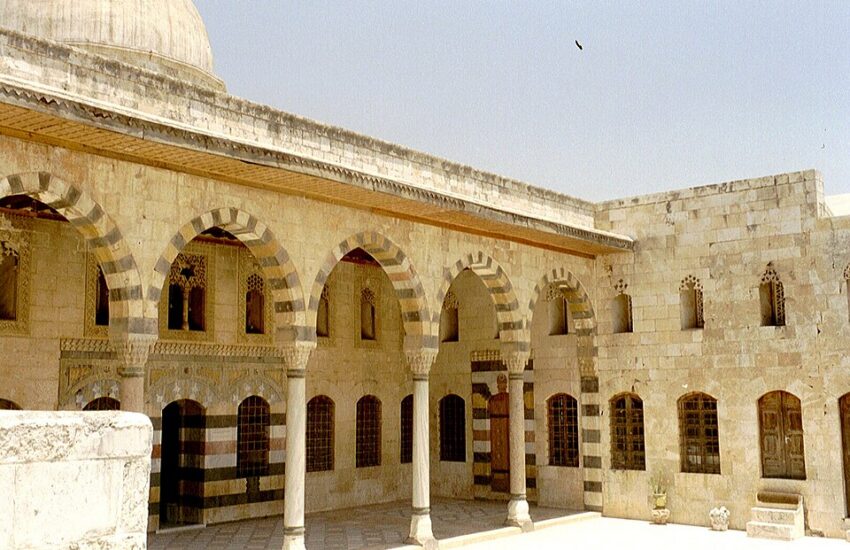
The Azm Palace of Hama and the Orontes