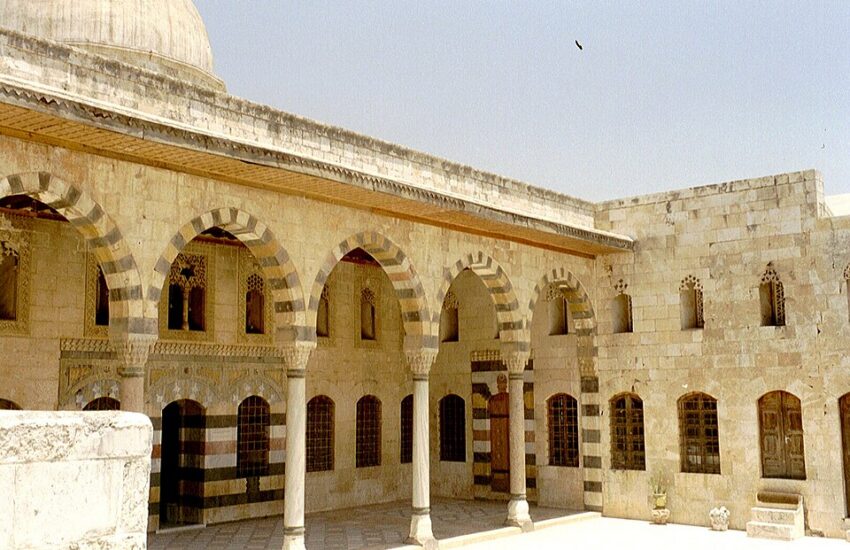
In the old city of Aleppo, in the Christian quarter of Jdeideh, stands one of the most beautiful of the old merchant mansions of the city, the house known as Beit Ghazaleh. The mansion, built over several centuries and completed in its grandest form in the seventeenth century, is a masterpiece of the Aleppine domestic architecture, the house of a wealthy Christian merchant family, the courtyard mansion a jewel of the carved stone, the painted ceilings, and the decorated rooms, Beit Ghazaleh one of the supreme examples of the great houses of old Aleppo.
Beit Ghazaleh is more than a single house, it is a window onto a whole world. The merchant mansions of Aleppo, built around their courtyards, decorated with the carved stone and the painted wood, were the homes of the great trading families of one of the richest commercial cities of the Ottoman east, the houses the expression of the wealth and the refinement of the Aleppine merchants, Beit Ghazaleh among the finest of them, the mansion a jewel of the domestic architecture, the house a window onto the world of the old Aleppo merchants, the mansion the glory of the Jdeideh quarter.
This article continues the Syrian series, turning from the great citadels to the domestic splendor of the merchant mansions of Aleppo, the houses of the trading families that made the city one of the richest of the Ottoman world, Beit Ghazaleh the jewel of these mansions, the house the masterpiece of the Aleppine domestic architecture, the courtyard mansion the expression of the merchant wealth, the house the window onto the world of old Aleppo, the mansion the glory of the Christian quarter of the great city.
- The Jdeideh Quarter
- The Merchants of Aleppo
- The Courtyard House
- The Ghazaleh Family
- The Courtyard
- The Iwan and the Halls
- The Carved Stone
- The Painted Ceilings
- The Reception Rooms
- Other Mansions of Aleppo
- The House as a Museum
- The War and the Damage
- Beit Ghazaleh Today
- Watch on Film
- Visiting Today
- Palaces Nearby
The Jdeideh Quarter
Beit Ghazaleh stands in the Jdeideh quarter of Aleppo. The quarter, the Christian district of the old city outside the walls to the north, was the home of the wealthy Christian merchant families of Aleppo, the Jdeideh a district of fine houses, churches, and narrow lanes, the quarter the setting of the great merchant mansions, the Jdeideh the Christian heart of the old Aleppo, the district the home of Beit Ghazaleh and the other great houses, the quarter the setting of the domestic splendor of the Aleppine merchants.
The Jdeideh grew with the prosperity of Aleppo: the quarter developing as the Christian merchants, grown rich on the trade of the great commercial city, built their fine houses and their churches, the district a showcase of the wealth and the refinement of the Aleppine Christians, the Jdeideh the home of the great merchant families, the quarter the setting of the mansions, the district the Christian and commercial heart of the old city, the Jdeideh the home of the splendor that Beit Ghazaleh represents.
The quarter is a jewel of the old city: the Jdeideh with its narrow lanes, its fine houses, its churches, and its mansions one of the most beautiful districts of old Aleppo, the quarter a treasure of the domestic and religious architecture, the Jdeideh the Christian heart of the city, the district the setting of the merchant mansions, the quarter the home of Beit Ghazaleh, the Jdeideh the showcase of the Aleppine refinement, the quarter the jewel of the old city of the Syrian north.
The Merchants of Aleppo
Aleppo was one of the great trading cities of the world. The city, at the crossroads of the routes between the Mediterranean, Anatolia, Persia, and the east, was one of the richest commercial centers of the Ottoman empire, the merchants of Aleppo trading in silk, cotton, spices, and the goods of the east and the west, the city a great emporium, the merchants among the wealthiest of the Ottoman world, the trade of Aleppo the foundation of the wealth that built the mansions like Beit Ghazaleh.
The merchants grew immensely rich: the trading families of Aleppo, Christian, Muslim, and Jewish, amassing great fortunes on the commerce of the city, the merchants building the fine houses, the khans, and the churches of Aleppo, the wealth of the trade expressed in the splendor of the mansions, the merchants the aristocracy of the commercial city, the trade the source of the fortunes, the merchants the builders of the domestic splendor of old Aleppo.
The European trading nations came to Aleppo: the merchants of Venice, France, England, and the Netherlands establishing their presence in the city, Aleppo a meeting point of the east and the west, the European consuls and traders a part of the city’s commercial world, the trade of Aleppo a link in the global commerce of the age, the city one of the great emporia of the world, the merchants of Aleppo the partners of the European traders, the commerce the foundation of the city’s wealth and splendor.
The Courtyard House
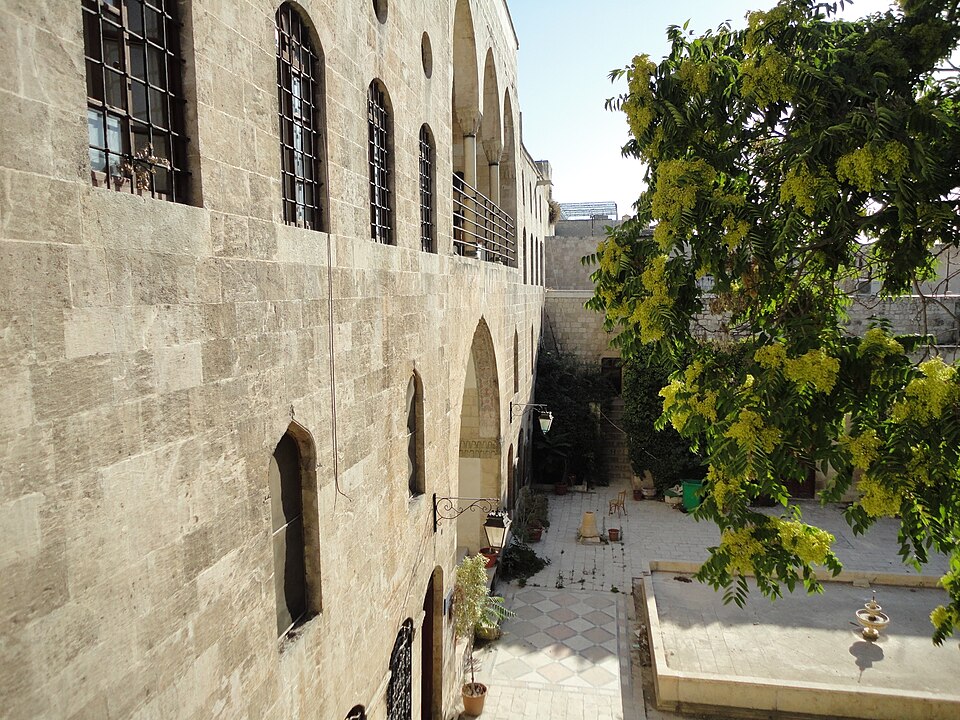
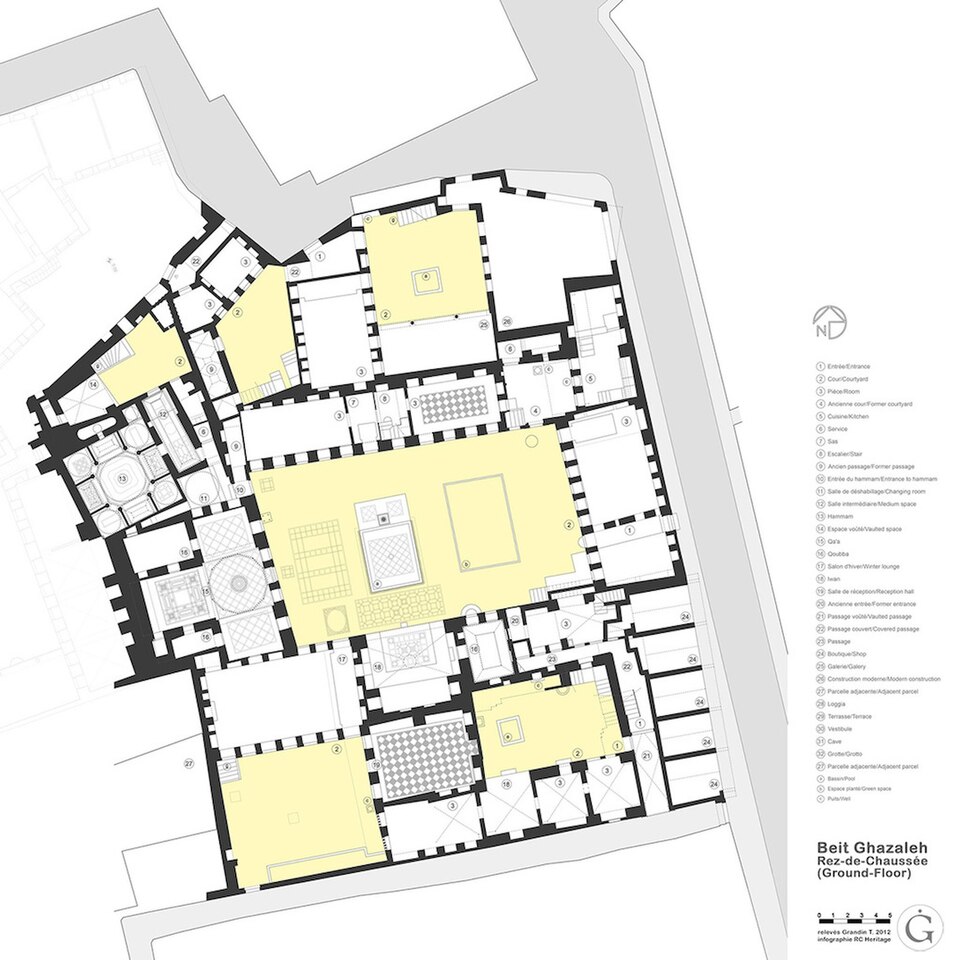
Beit Ghazaleh is a great courtyard house. The Aleppine mansion, like the other great houses of the old city, is built around a central courtyard, the rooms, the halls, and the iwans opening onto the court, the house turned inward around its courtyard, the mansion a private world of the family, the courtyard house the classic form of the Aleppine and the eastern domestic architecture, Beit Ghazaleh a supreme example of the type.
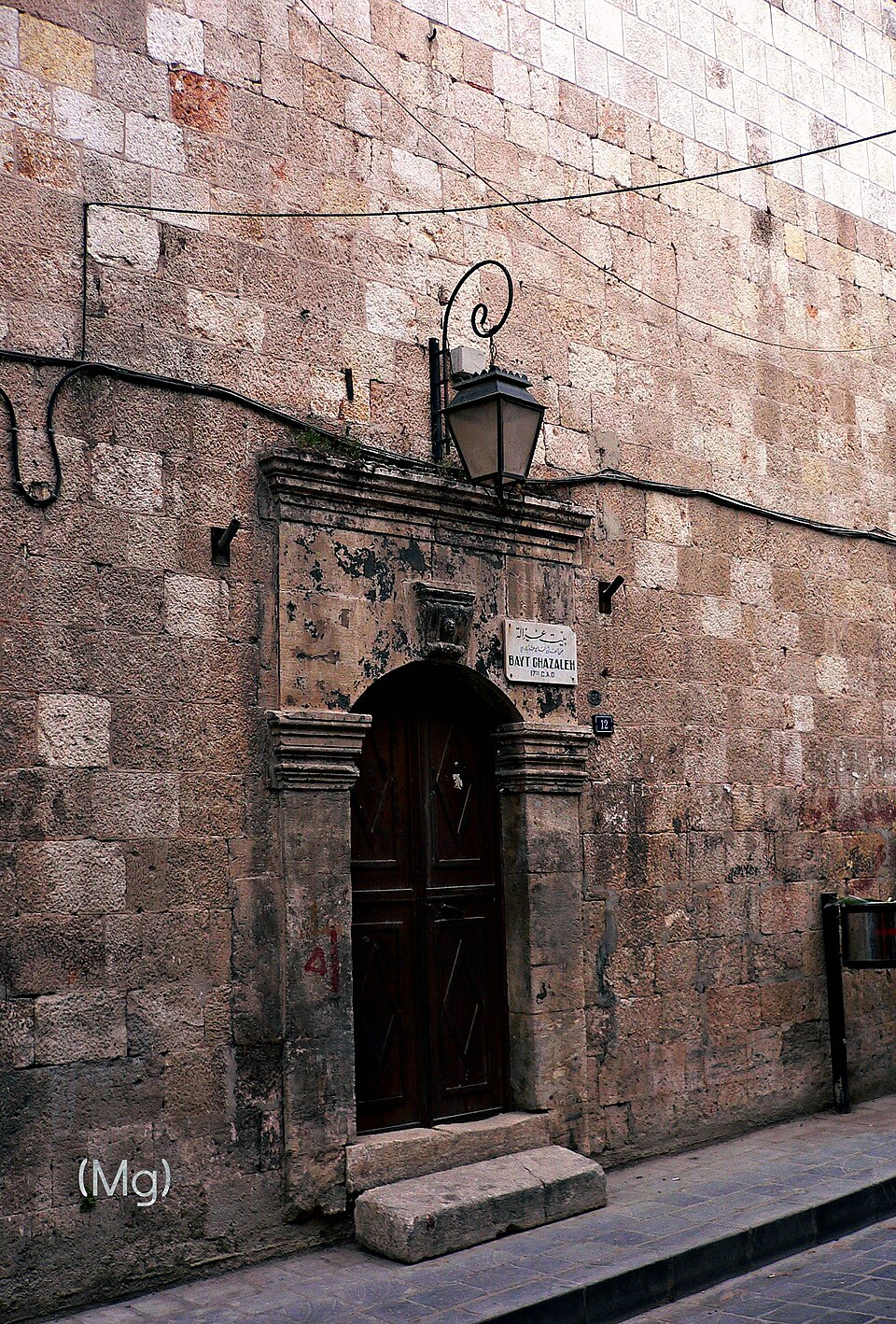
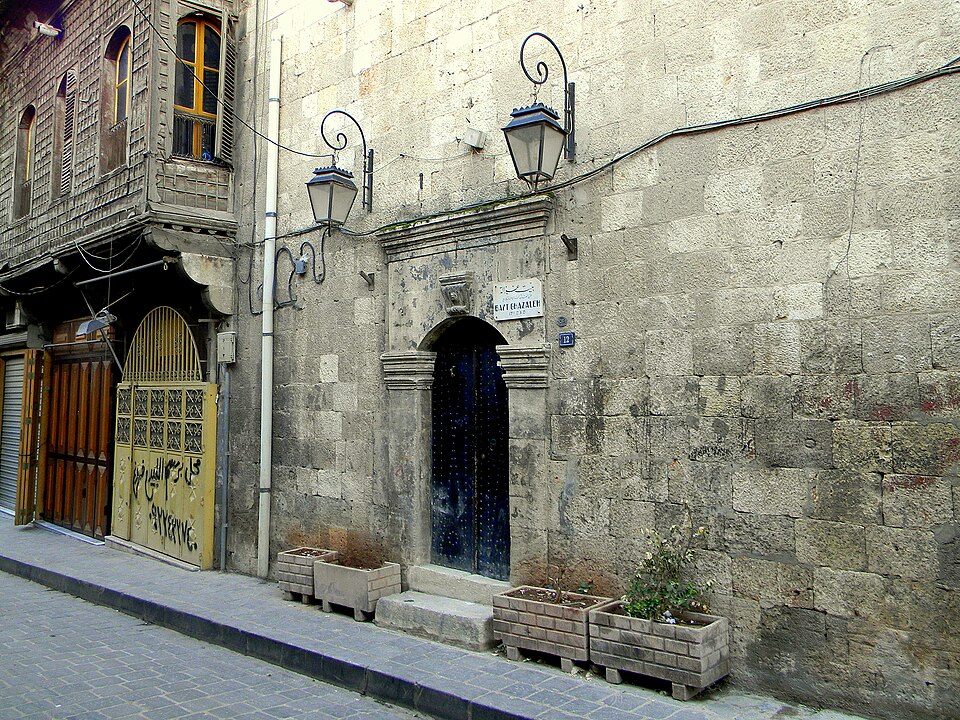
The courtyard house is a world turned inward: the mansion presenting a plain face to the street and opening onto the splendor of the courtyard within, the house a private world of the family, the courtyard the heart of the mansion, the rooms and the halls arranged around the court, the courtyard house the expression of the eastern domestic life, Beit Ghazaleh the jewel of the courtyard mansions of Aleppo, the house the masterpiece of the inward-turned architecture.
The form suited the climate and the life: the courtyard house, with its shaded court, its fountain, and its rooms oriented to the seasons, perfectly adapted to the climate of Aleppo and to the private family life of the east, the courtyard a cool and private heart, the house a self-contained world, the courtyard mansion the classic and perfect form of the Aleppine domestic architecture, Beit Ghazaleh the supreme example, the house the jewel of the courtyard mansions of the great city.
The Ghazaleh Family
The house takes its name from the Ghazaleh family. The mansion, built and occupied over the centuries by wealthy Christian families, came to be known by the name of the Ghazaleh family, the merchants who owned it in its later history, the house a family home passed through the generations, Beit Ghazaleh the house of the Ghazaleh, the mansion the home of a wealthy Aleppine Christian family, the house the expression of the family’s wealth and refinement, the mansion the jewel of the Ghazaleh.
The house grew over centuries: the mansion built and extended over several hundred years, the different parts of the house reflecting the different ages of its construction and decoration, the house a palimpsest of the Aleppine domestic architecture, Beit Ghazaleh the product of generations of building and decorating, the mansion the accumulation of the family’s wealth and taste, the house the record of the centuries, the mansion the jewel grown over the ages.
The family was part of the Christian merchant world: the Ghazaleh and the families before them part of the wealthy Christian community of Aleppo, the merchants whose trade built the fortunes and the mansions, the family the aristocracy of the Jdeideh, the Ghazaleh the owners of one of the finest houses of the quarter, the family the expression of the Christian merchant wealth, the house the jewel of the family, Beit Ghazaleh the home of the Aleppine Christian aristocracy.
The Courtyard
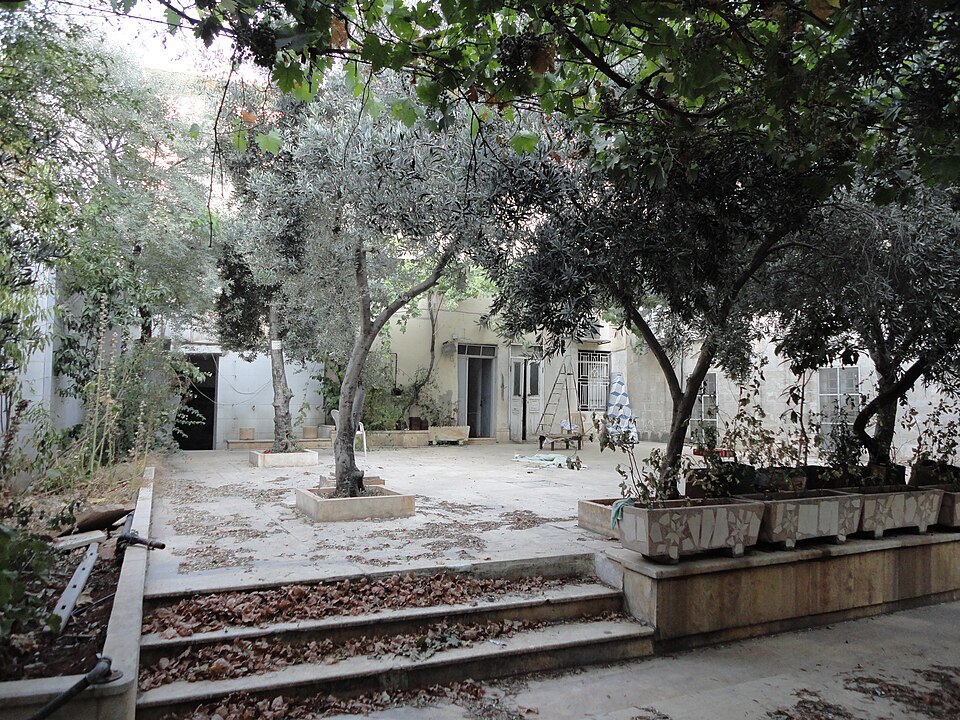
The courtyard is the heart of Beit Ghazaleh. The central court of the mansion, paved in stone, with its fountain and its arrangement of the rooms and iwans around it, is the heart of the house, the courtyard the private world of the family, the court decorated with the carved stone and overlooked by the rooms, the courtyard the center of the mansion, the heart of Beit Ghazaleh, the court the jewel of the Aleppine courtyard house.
The courtyard is a work of art: the court with its carved stone, its fountain, its paving, and its surrounding facades a masterpiece of the Aleppine domestic architecture, the courtyard the showcase of the carved decoration, the court the private splendor of the family, the courtyard a jewel of the stonework, the heart of the mansion a work of art, the courtyard the glory of Beit Ghazaleh, the court the masterpiece of the Aleppine courtyard house.
The courtyard ordered the life of the house: the court the center around which the family life revolved, the rooms used in the different seasons, the iwan for the summer, the heated rooms for the winter, the courtyard the heart of the domestic world, the court the organizing center of the mansion, the courtyard the setting of the family life, the heart of Beit Ghazaleh, the court the center of the Aleppine domestic world, the courtyard the jewel of the house.
The Iwan and the Halls
The mansion has its iwan and its halls. The iwan, the great vaulted hall open on one side to the courtyard, is the ceremonial heart of the Aleppine house, the iwan of Beit Ghazaleh a magnificent hall facing the court, the halls and the rooms of the mansion opening onto the courtyard, the iwan the summer reception hall, the halls the ceremonial and the living spaces of the house, the iwan the jewel of the mansion, the halls the splendor of Beit Ghazaleh.
The iwan is a jewel: the great vaulted hall, open to the courtyard, decorated with the carved stone and the fine detail, the iwan the summer reception room of the family, the hall facing the court the ceremonial heart of the mansion, the iwan a masterpiece of the Aleppine architecture, the hall the jewel of Beit Ghazaleh, the iwan the splendor of the house, the vaulted hall the glory of the Aleppine courtyard mansion.
The halls served the family’s life: the reception rooms, the living rooms, the service rooms of the mansion arranged around the courtyard, the halls the spaces of the family and ceremonial life, the rooms decorated with the carved stone, the painted ceilings, and the fine detail, the halls the splendid interiors of Beit Ghazaleh, the rooms the expression of the family’s wealth, the halls the jewels of the mansion, the interiors the glory of the Aleppine house.
The Carved Stone
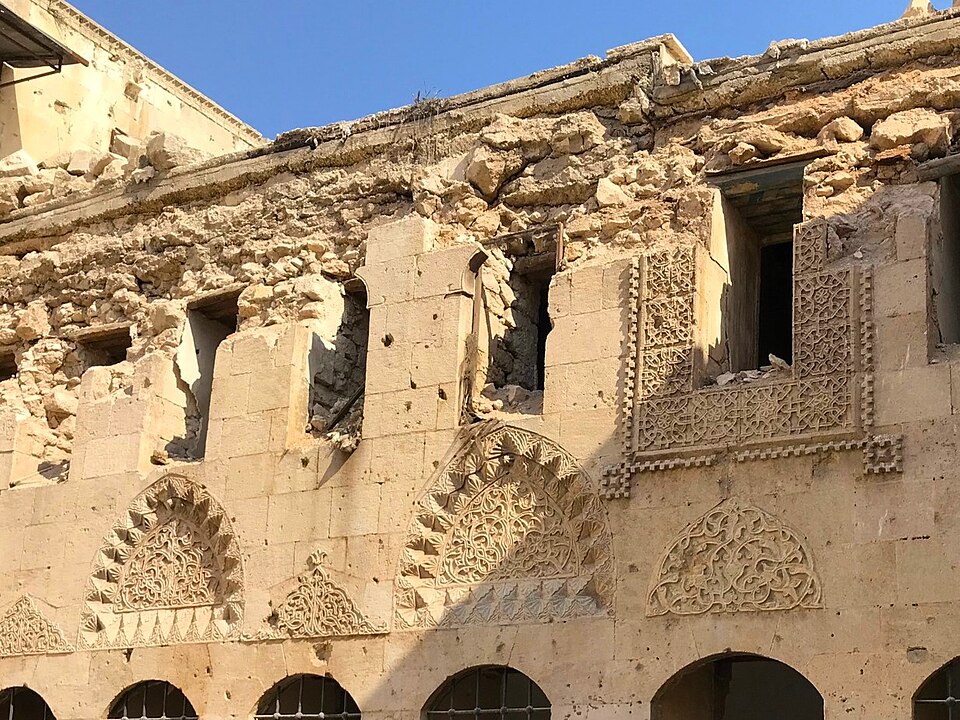
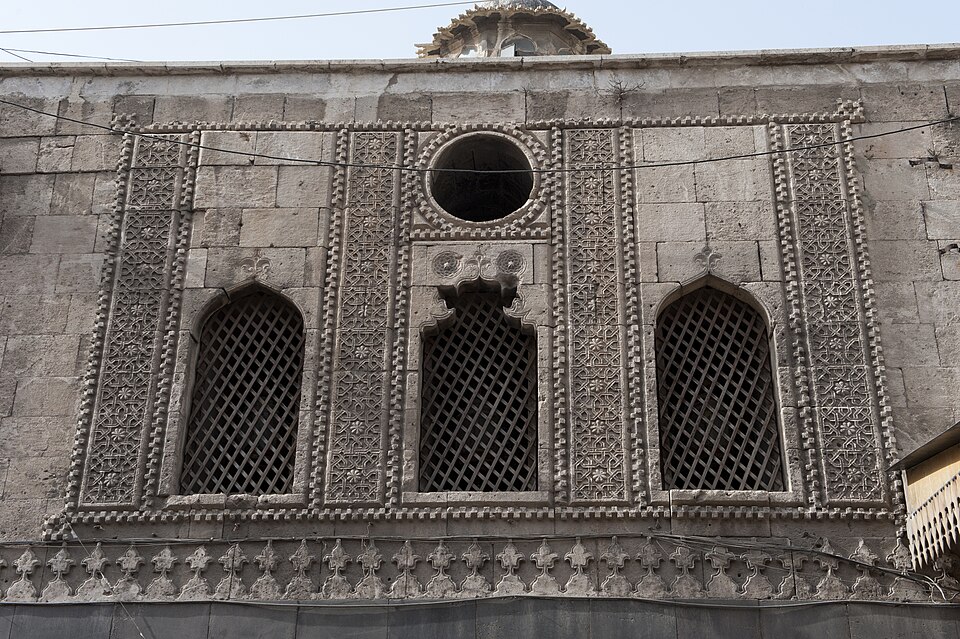
Beit Ghazaleh is famous for its carved stone. The mansion’s facades, its iwan, and its rooms are decorated with the magnificent carved stonework of Aleppo, the stone carved with the floral, the geometric, and the figural designs, the carving among the finest of the Aleppine domestic decoration, the carved stone the glory of Beit Ghazaleh, the stonework a masterpiece of the Aleppine craft, the carving the jewel of the mansion.
The carving includes a famous frieze: Beit Ghazaleh is particularly noted for a carved stone frieze with figures, including the famous depiction of cherubs or angels, a rare and beautiful example of the figural carving in the Aleppine domestic decoration, the frieze the jewel of the house’s stonework, the carving a masterpiece of the Aleppine craft, the frieze the glory of Beit Ghazaleh, the figural stone the treasure of the mansion, the carving the famous feature of the house.
The stonework is a masterpiece: the carved stone of Beit Ghazaleh, in its facades, its iwan, and its rooms, a supreme example of the Aleppine domestic carving, the stonework the glory of the mansion, the carving the expression of the Aleppine craft at its finest, the stone the jewel of Beit Ghazaleh, the carving the masterpiece of the domestic decoration, the stonework the treasure of the Aleppine house, the carving the glory of the merchant mansion.
The Painted Ceilings
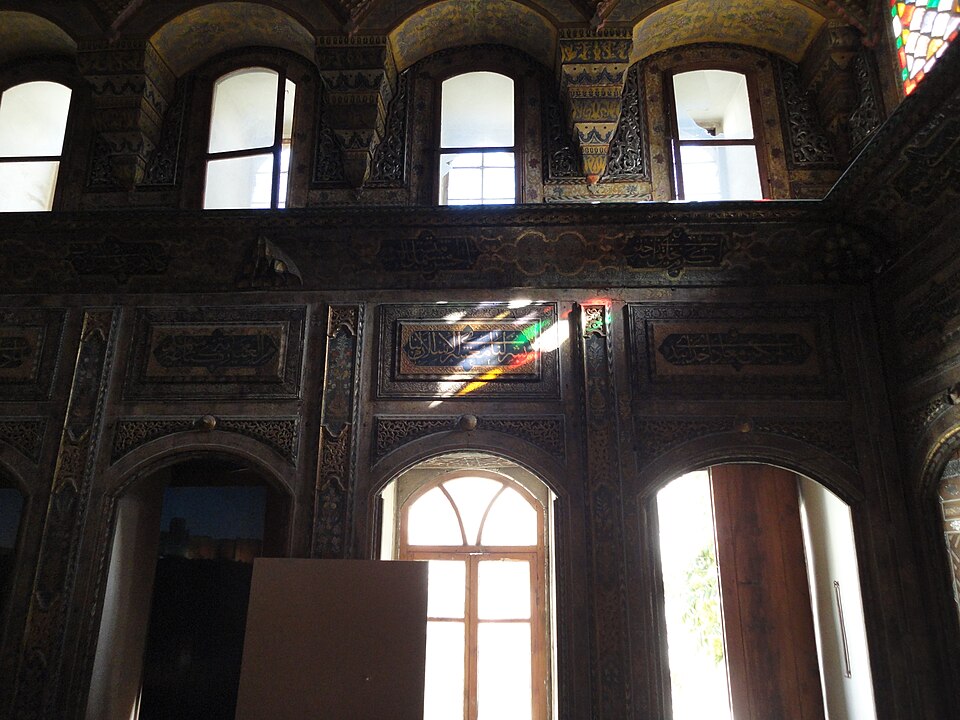
The mansion has magnificent painted ceilings. The rooms of Beit Ghazaleh are crowned with the painted and gilded wooden ceilings characteristic of the Aleppine domestic splendor, the ceilings decorated with the floral, the geometric, and the ornamental designs in color and gold, the painted wood the glory of the interiors, the ceilings a masterpiece of the Aleppine decorative craft, the painted ceilings the jewel of Beit Ghazaleh, the woodwork the splendor of the mansion.
The ceilings are a jewel of the craft: the painted and gilded wooden ceilings of the Aleppine houses among the supreme examples of the domestic decorative art, the ceilings of Beit Ghazaleh decorated with the fine painting and the gilding, the painted wood the crown of the rooms, the ceilings a masterpiece of the Aleppine craft, the painted wood the jewel of the mansion, the ceilings the glory of the interiors, the woodwork the treasure of Beit Ghazaleh.
One famous room traveled far: a magnificent painted room from a house of the Aleppine type, the celebrated Aleppo room, was removed and is preserved in a museum in Berlin, a testament to the fame and the splendor of the Aleppine painted interiors, the painted rooms of Aleppo treasures sought by the museums of the world, the ceilings and the woodwork of the Aleppine houses among the glories of the domestic art, Beit Ghazaleh a jewel of this tradition of the painted interior, the mansion the splendor of the Aleppine decoration.
The Reception Rooms
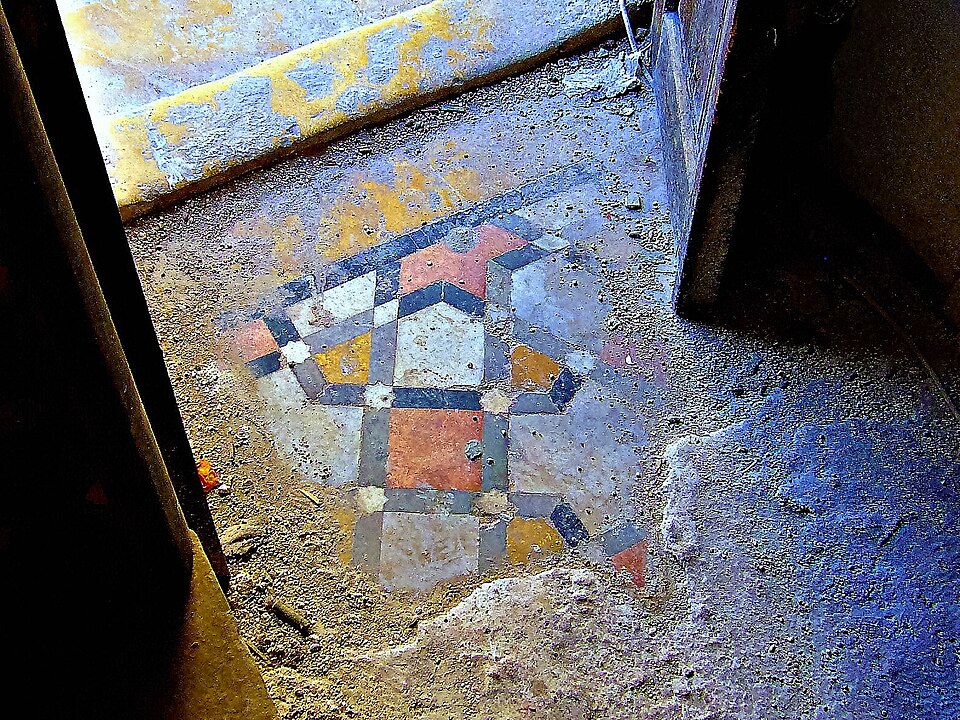
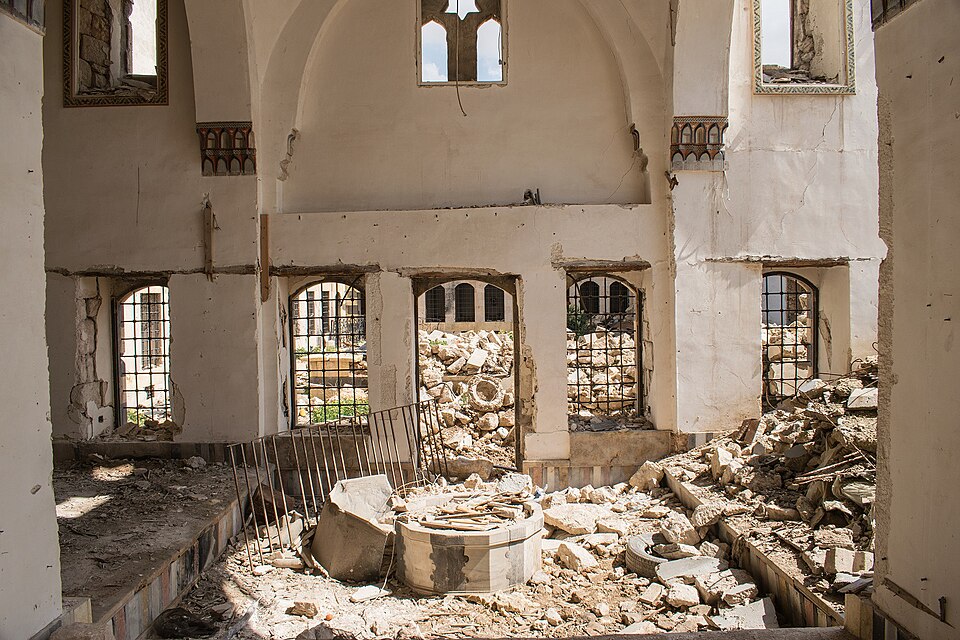
The mansion’s reception rooms are the finest of its interiors. The great rooms where the family received its guests, decorated with the carved stone, the painted ceilings, the marble floors, and the fine detail, are the jewels of Beit Ghazaleh, the reception rooms the showcase of the family’s wealth and taste, the rooms the setting of the hospitality and the ceremonial life, the reception rooms the splendid interiors of the mansion, the halls the glory of Beit Ghazaleh.
The reception rooms expressed the family’s status: the splendid interiors, with their decoration and their fine furnishing, the setting where the family displayed its wealth and received its guests, the rooms the expression of the merchant aristocracy’s refinement, the reception halls the showcase of the family’s taste, the rooms the jewels of the mansion, the interiors the glory of Beit Ghazaleh, the reception rooms the splendor of the Aleppine merchant house.
The rooms are masterpieces of the domestic art: the reception halls of Beit Ghazaleh, with their carved stone, their painted ceilings, and their fine detail, among the supreme examples of the Aleppine domestic interior, the rooms the jewels of the mansion, the interiors the masterpieces of the Aleppine decorative craft, the reception rooms the glory of Beit Ghazaleh, the halls the treasures of the Aleppine house, the rooms the splendor of the merchant mansion.
Other Mansions of Aleppo
Beit Ghazaleh is one of several great mansions. The Jdeideh quarter and the old city of Aleppo held a number of fine merchant houses, including Beit Achiqbash, Beit Wakil, Beit Ghazaleh, and others, the mansions the homes of the wealthy trading families, the houses the showcase of the Aleppine domestic splendor, the mansions a group of treasures of the domestic architecture, Beit Ghazaleh among the finest of them, the houses the jewels of the old Aleppo.
The mansions form a group of treasures: the great houses of the Aleppine merchants, with their courtyards, their carved stone, and their painted ceilings, a group of the supreme examples of the domestic architecture of the Ottoman east, the mansions the showcase of the Aleppine wealth and refinement, the houses the jewels of the old city, Beit Ghazaleh among the finest, the mansions the glory of the Aleppine domestic art, the houses the treasures of the great commercial city.
Some of the mansions became museums: the house of Beit Achiqbash became a museum of the popular traditions, other mansions used for cultural and public purposes, the great houses of Aleppo recognized as treasures of the heritage, the mansions preserved and displayed, Beit Ghazaleh itself intended for a museum of the memory of the city, the houses the treasures of the Aleppine domestic art, the mansions the jewels of the old city preserved for the future.
The House as a Museum
Beit Ghazaleh was destined to become a museum. In the years before the war, the mansion was acquired and was being prepared as a museum of the memory of Aleppo, a place to preserve and display the history and the heritage of the great city, the house the setting for the museum of the city’s memory, Beit Ghazaleh the treasure chosen to hold the memory of Aleppo, the mansion the museum of the heritage, the house the keeper of the city’s history.
The museum project expressed the house’s value: the choice of Beit Ghazaleh as the museum of the memory of Aleppo a recognition of the mansion’s beauty and significance, the house the treasure chosen to represent the heritage of the city, the museum project the plan to preserve and display the history of Aleppo in one of its finest houses, the mansion the setting for the memory of the city, Beit Ghazaleh the keeper of the Aleppine heritage, the house the museum of the great city.
The project was interrupted by the war: the plan to make Beit Ghazaleh a museum of the memory of Aleppo overtaken by the catastrophe of the Syrian conflict, the house that was to preserve the memory of the city itself caught in the destruction, the museum project halted, the mansion damaged, the plan for the house interrupted by the war, Beit Ghazaleh a victim of the catastrophe it was to commemorate, the museum of the memory of Aleppo a casualty of the war.
The War and the Damage
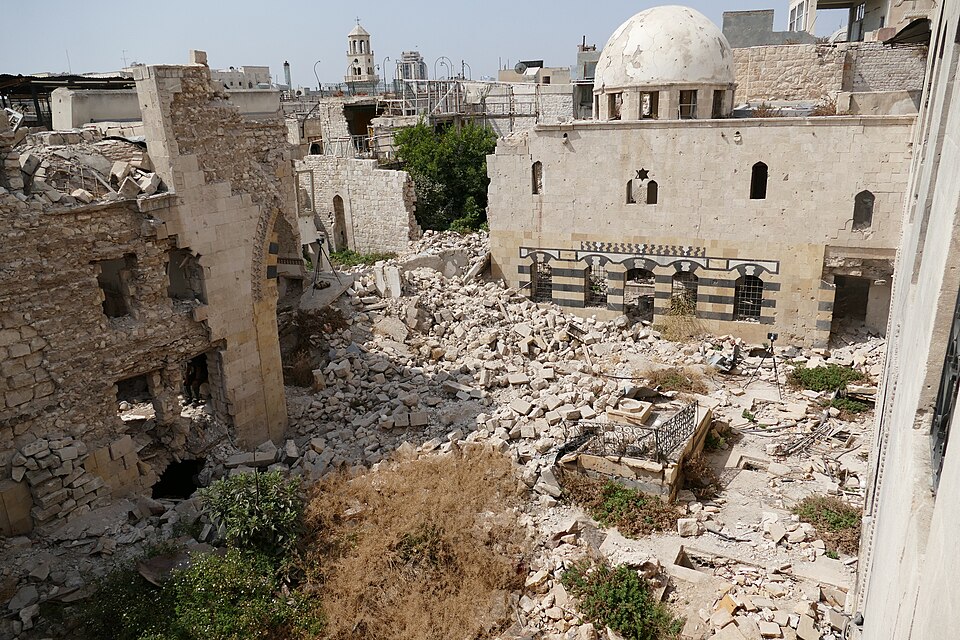
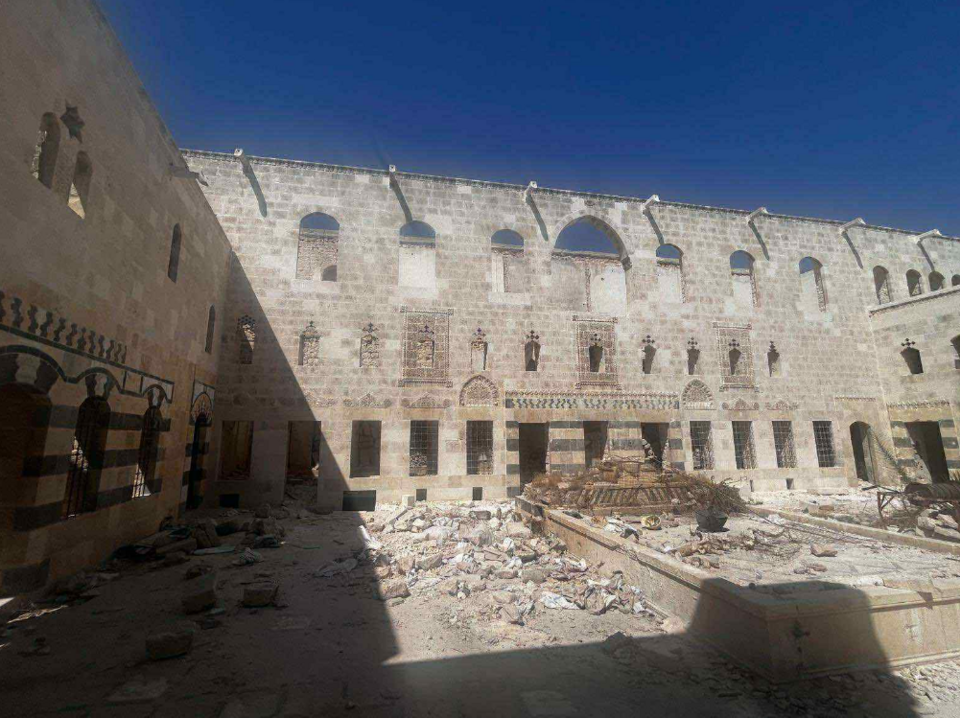
The Syrian war brought damage to Beit Ghazaleh. The conflict that devastated Aleppo reached the Jdeideh quarter and the mansion, the house suffering damage in the fighting, the war a catastrophe for the old city and its treasures, Beit Ghazaleh harmed in the conflict that devastated Aleppo, the mansion a victim of the war, the house damaged in the catastrophe that befell the great city, the mansion bearing the scars of the Syrian conflict.
The house suffered in the fighting: the mansion, in the old city that became a battleground, damaged in the war, the carved stone, the painted ceilings, and the structure of the house taking harm, Beit Ghazaleh a victim of the conflict, the mansion damaged in the fighting that devastated Aleppo, the house bearing the wounds of the war, the mansion a casualty of the catastrophe, the house harmed in the greatest trial of the city’s history.
The damage was a loss to the heritage: the harm to Beit Ghazaleh and the other treasures of old Aleppo a catastrophe for the world’s domestic heritage, the loss of the splendor of the Aleppine mansions a wound in the heritage of humanity, the damage to the house a tragedy, Beit Ghazaleh a victim of the war, the mansion a casualty of the catastrophe that befell Aleppo, the damage a loss mourned across the world, the harm to the house a wound in the heritage.
Beit Ghazaleh Today
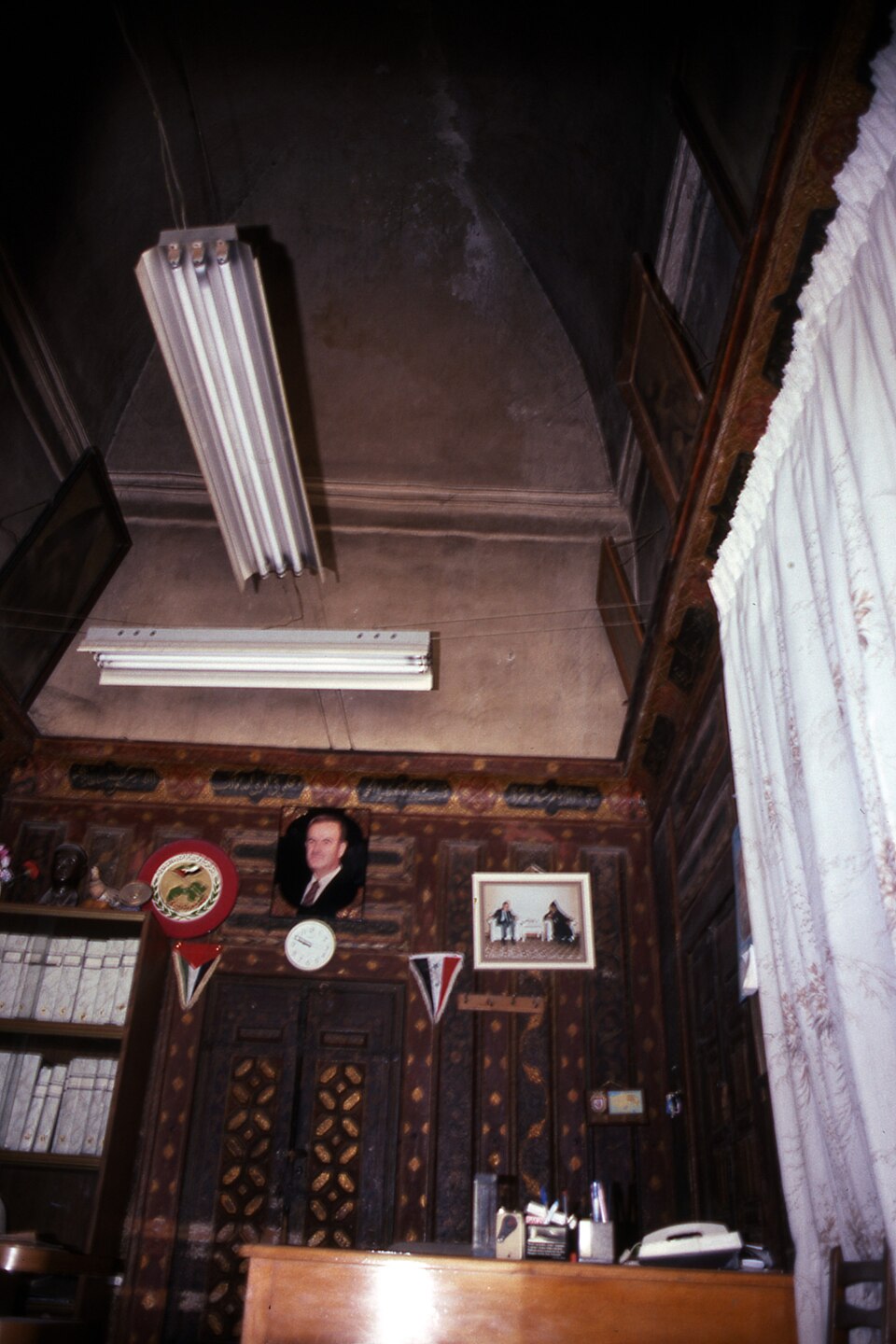
Beit Ghazaleh today stands as a wounded treasure of old Aleppo, the mansion damaged in the war but enduring, the house a symbol of the beauty and the suffering of the great city, Beit Ghazaleh the jewel of the Aleppine merchant mansions, the house the treasure that was to hold the memory of Aleppo and now itself is a part of that memory, the mansion the symbol of the domestic splendor and the tragedy of the city, Beit Ghazaleh the enduring jewel of the old Aleppo.
The house awaits its restoration: the mansion, damaged but standing, awaiting the restoration that will heal its wounds, Beit Ghazaleh a focus of the hope for the recovery of the Aleppine heritage, the house the treasure to be restored, the mansion the jewel awaiting its healing, Beit Ghazaleh the symbol of the recovery of the old city, the house the hope of the Aleppine domestic heritage, the mansion the treasure awaiting its restoration.
Beit Ghazaleh continues the Syrian series on the domestic splendor of Aleppo, the jewel of the merchant mansions, the house of the carved stone and the painted ceilings, the home of the Christian trading aristocracy, the mansion that was to hold the memory of the great city, Beit Ghazaleh the masterpiece of the Aleppine domestic architecture, the house the glory of the Jdeideh quarter, the mansion the enduring treasure of the old Aleppo of the Syrian north.
Watch Beit Ghazaleh on Film
Visiting Beit Ghazaleh Today
Beit Ghazaleh stands in the Jdeideh quarter of the old city of Aleppo in northern Syria, the mansion one of the great merchant houses of the Christian district; the house, damaged in the war, is a treasure of the Aleppine domestic architecture, visited when conditions allow for its carved stone, its courtyard, and its painted interiors. Travel to Syria and access to the sites depend on the security and the political situation, which has been very difficult through the years of conflict, and Aleppo suffered grievous war damage, so current conditions and access should be very carefully checked before any visit; the old city and its mansions are among the supreme treasures of the world’s heritage, now in recovery. You can find the house on the map here: Beit Ghazaleh on Google Maps.
Palaces Nearby
You May Like
The Citadel of Aleppo and the Throne Hall of the Mamluks