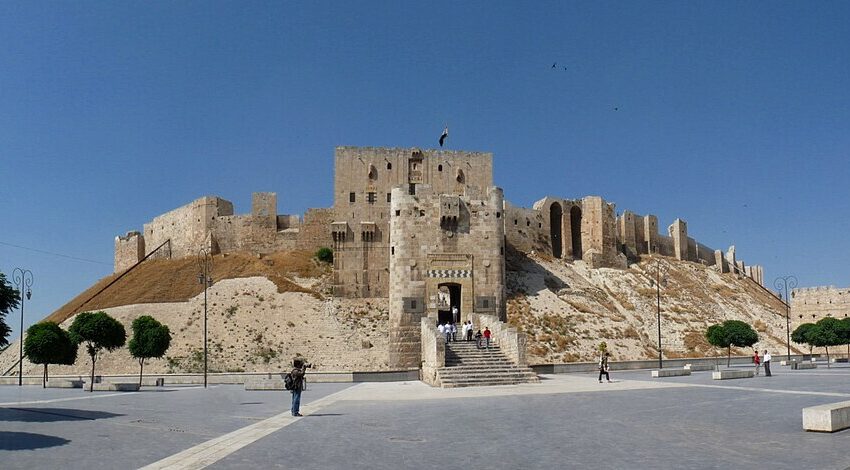
In the heart of the old city of Damascus, at the northwest corner of the ancient walls, stands the Citadel of Damascus, the great fortress that for centuries was the seat of power in one of the oldest continuously inhabited cities on earth. The citadel, built and rebuilt over the medieval centuries and raised to its present form by the Ayyubid sultans, was the stronghold of the rulers of Damascus, the fortress associated above all with the great Saladin, the citadel the seat of the Ayyubid and the Mamluk power in the ancient city.
The Citadel of Damascus is unusual among the great citadels. Unlike the fortresses that crown the hills of Aleppo or the mountains of the east, the Damascus citadel stands on the flat, built into the corner of the city walls on the level ground, the fortress a mighty rectangle of walls and towers in the plain, the citadel defended not by height but by its massive construction and its moat, the Citadel of Damascus a masterpiece of the medieval military architecture on the level ground.
This article continues the Syrian series, turning to the great citadel of the capital, the fortress of Saladin and the Ayyubids, the stronghold of the ancient city of Damascus, the citadel the seat of the medieval power, the fortress the mighty rectangle of walls and towers on the plain, the Citadel of Damascus the masterpiece of the military architecture, the fortress the crown of the ancient capital of Syria.
- The Ancient City
- The Early Fortress
- Saladin and the Citadel
- The Ayyubid Reconstruction
- The Walls and Towers
- The Mamluk Citadel
- Baybars and the Sultans
- The Buildings Within
- The Mosque and the Halls
- The Ottoman Garrison
- Saladin’s Tomb Nearby
- Excavation and Restoration
- The Citadel Today
- Watch on Film
- Visiting Today
- Palaces Nearby
The Ancient City
Damascus is one of the oldest cities on earth. The city, inhabited for thousands of years, one of the oldest continuously inhabited places in the world, was a great center of the ancient, the classical, the Islamic, and the medieval worlds, Damascus the capital of the Umayyad caliphate, the city of the great mosque, the ancient metropolis of Syria, the city the setting of the citadel, Damascus the oldest and the greatest of the Syrian cities.
The city was a great capital: Damascus the capital of the Umayyad caliphate in the seventh and eighth centuries, the city the center of a vast empire, the metropolis of the early Islamic world, Damascus the city of the great Umayyad mosque, the ancient capital the setting of the later citadel, the city the seat of the caliphs and the sultans, Damascus the great capital of the Syrian and the Islamic history.
The citadel guarded the ancient city: the fortress at the corner of the walls the stronghold that defended and controlled Damascus, the citadel the seat of the medieval rulers, the fortress the guardian of the ancient metropolis, the citadel the key to the city, the fortress the stronghold of the capital, the citadel the seat of the power that ruled Damascus, the fortress the guardian of the oldest of the Syrian cities.
The Early Fortress
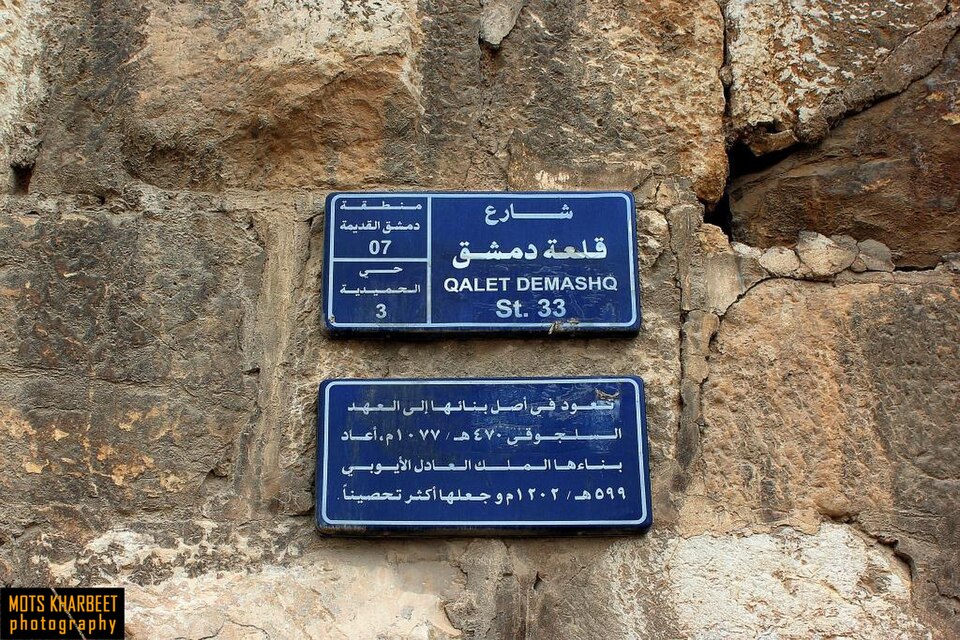
A fortress stood here from the eleventh century. The first citadel of Damascus was built by the Seljuk Turks in the late eleventh century, the fortress the stronghold of the rulers of the city, the early citadel the predecessor of the great Ayyubid fortress, the first fortress the seat of the Seljuk and the early medieval power in Damascus, the early citadel the foundation of the later stronghold, the fortress the beginning of the citadel’s history.
The early citadel was the seat of the rulers: the first fortress the stronghold of the Seljuk and the Burid rulers of Damascus, the citadel the seat of the power in the city, the early fortress the center of the medieval authority, the citadel the stronghold that controlled the ancient capital, the early fortress the predecessor of the Ayyubid citadel, the first stronghold the foundation of the later greatness, the citadel the seat of the early medieval Damascus.
The early fortress set the citadel’s place: the first citadel establishing the corner of the city walls as the seat of the stronghold, the location that the later Ayyubid fortress would occupy and magnify, the early citadel the foundation of the place, the fortress the beginning of the citadel’s long history, the early stronghold the predecessor of the great fortress, the first citadel the foundation of the Ayyubid and the Mamluk greatness, the fortress the beginning of the seat of power.
Saladin and the Citadel
The citadel is associated with the great Saladin. Salah al-Din, the sultan who united Egypt and Syria and recovered Jerusalem from the Crusaders, made Damascus a center of his power, the great sultan associated with the city and its citadel, Saladin the ruler whose name is forever linked with Damascus, the sultan the hero of the Islamic world, the citadel the fortress of the age of Saladin, the stronghold associated with the greatest of the medieval sultans.
Saladin made Damascus a capital of his realm: the sultan ruling his vast realm of Egypt and Syria from Cairo and Damascus, the city one of the great seats of his power, Saladin the ruler who made Damascus a capital, the sultan whose authority spread from the citadel and the city, Saladin the hero who recovered Jerusalem, the sultan the greatest figure of the age, the citadel the fortress of the city of Saladin, the stronghold of the great sultan.
Saladin died in Damascus: the great sultan ending his life in Damascus in 1193, the hero of the Islamic world dying in the city of his power, Saladin buried in Damascus near the great mosque, the sultan’s tomb one of the treasures of the city, the great Saladin forever associated with Damascus, the sultan the hero whose memory crowns the city, the citadel the fortress of the age of Saladin, the stronghold of the greatest of the sultans.
The Ayyubid Reconstruction
The citadel was rebuilt by the Ayyubids. The great reconstruction of the Citadel of Damascus was carried out in the early thirteenth century by the Ayyubid sultan al-Adil, the brother of Saladin, who rebuilt the fortress on a grand scale, the Ayyubid citadel a mighty rectangle of massive walls and towers, the reconstruction the creation of the great fortress that stands today, the Ayyubid citadel the masterpiece of the medieval military architecture of Damascus.
Al-Adil created the great fortress: the Ayyubid sultan rebuilding the citadel between 1203 and 1216 as a mighty stronghold, the fortress a great rectangle of walls studded with massive towers, the Ayyubid citadel the masterpiece of al-Adil, the reconstruction the creation of the fortress of walls and towers, the Ayyubid citadel the stronghold on the plain, the fortress the great work of the Ayyubid age, the citadel the masterpiece of the medieval Damascus.
The Ayyubid citadel was built for the new warfare: the fortress designed to resist the siege engines and the warfare of the age, the massive towers and walls built to withstand the mangonels and the mining, the Ayyubid citadel a masterpiece of the military engineering, the fortress the state of the art of the medieval defense, the citadel the stronghold built for the new warfare, the Ayyubid fortress the masterpiece of the military architecture, the citadel the great work of the age of al-Adil.
The Walls and Towers
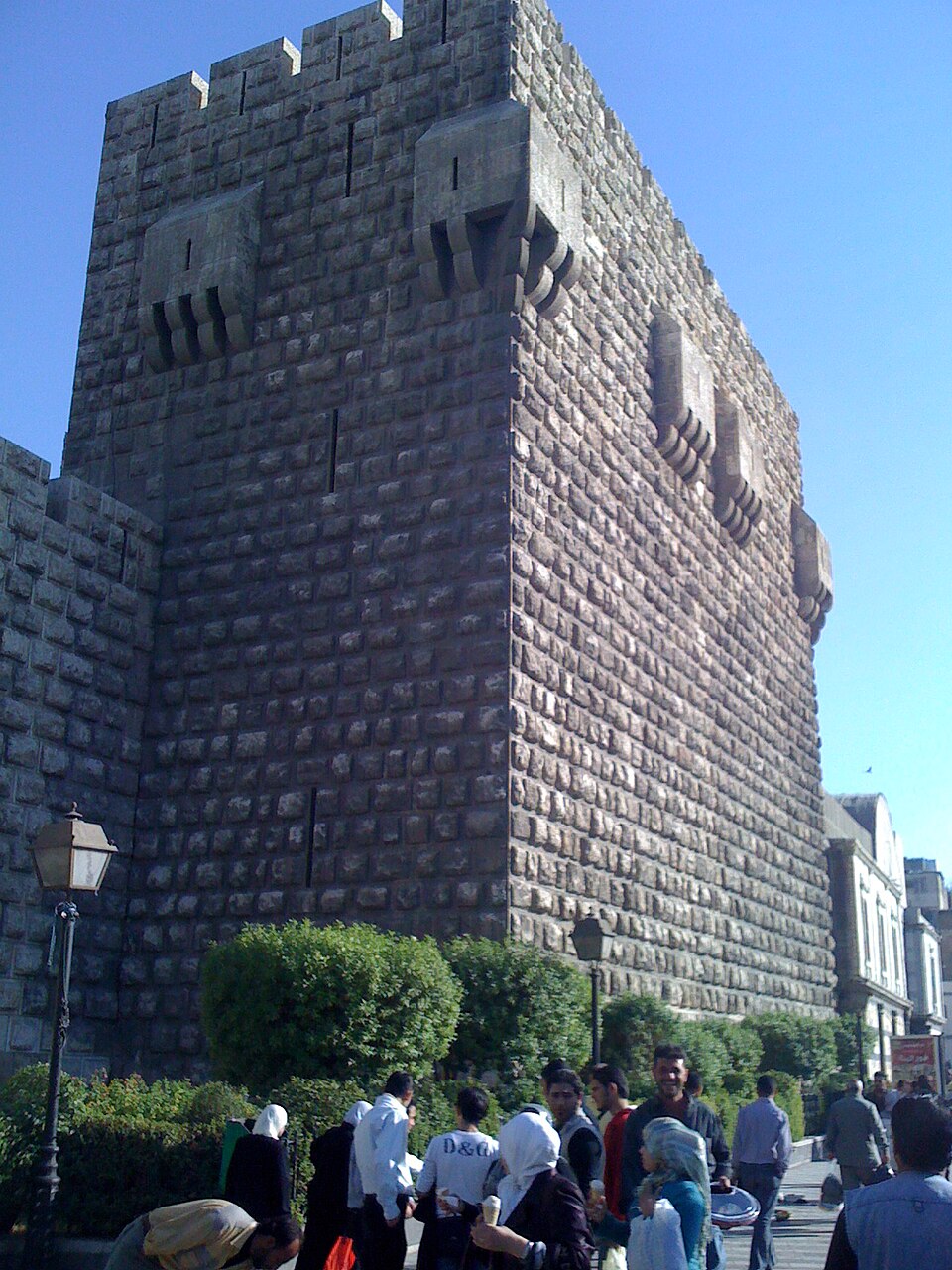
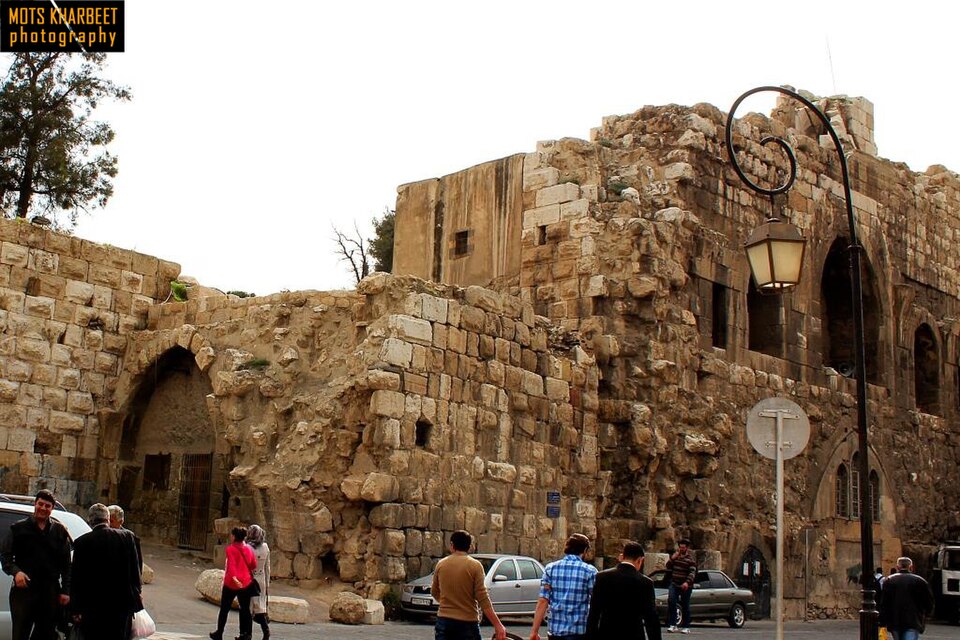
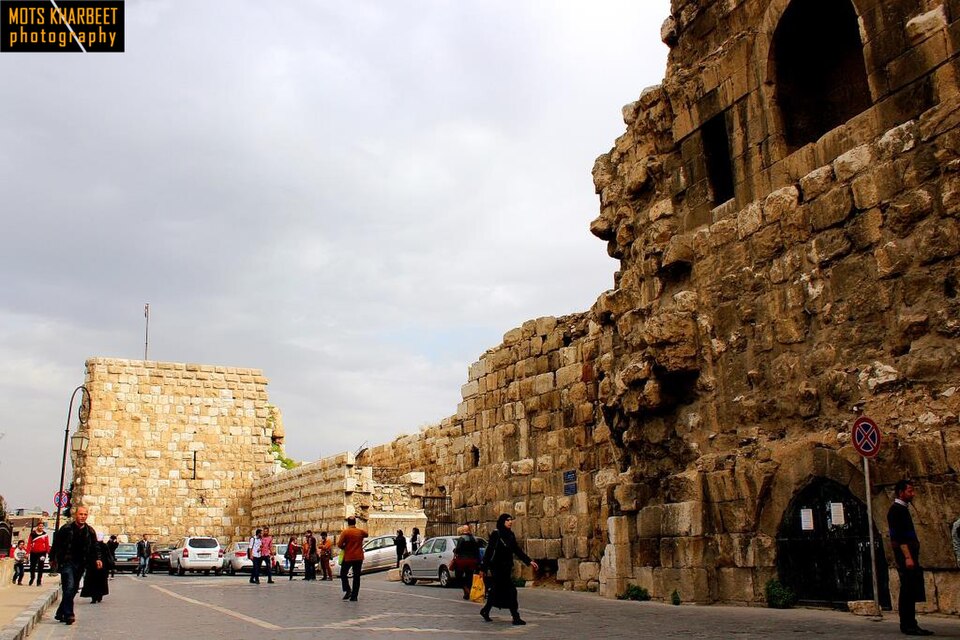
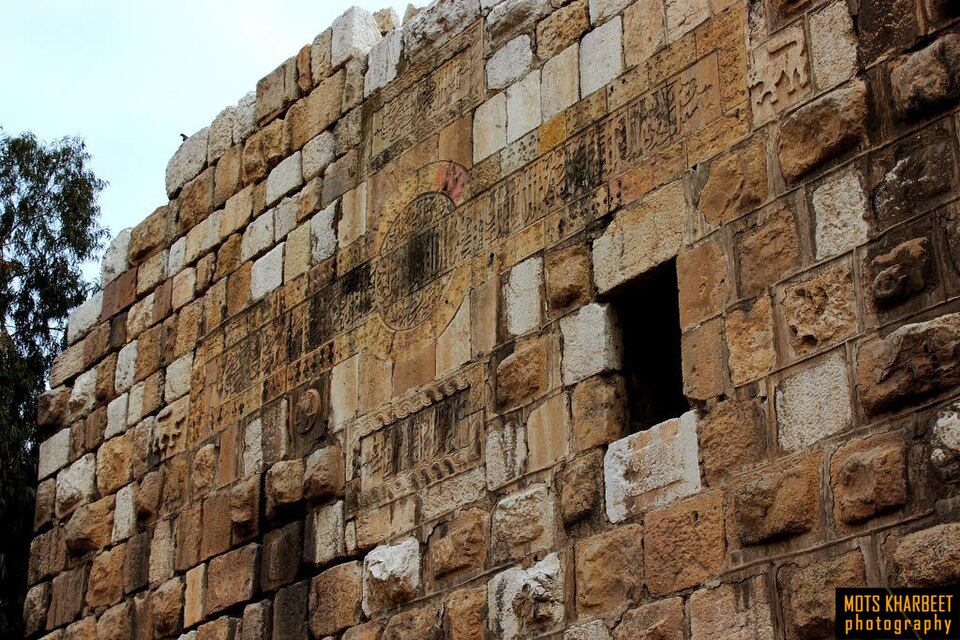
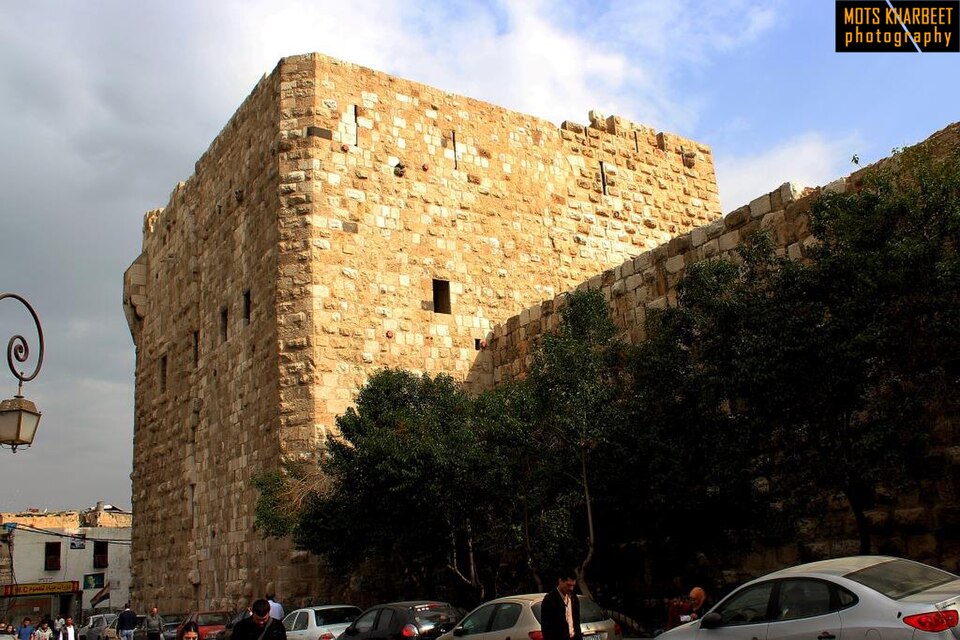
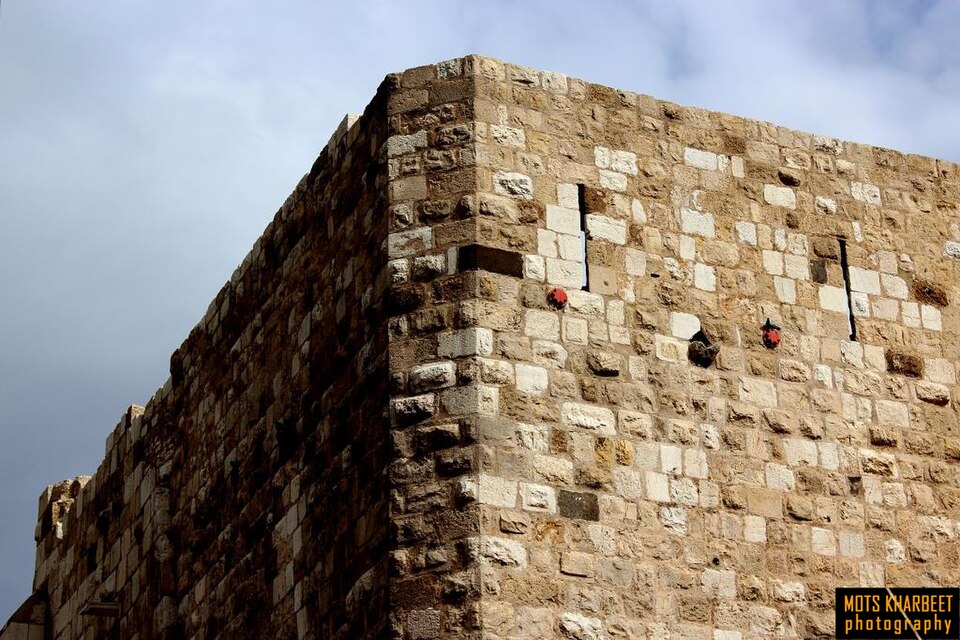
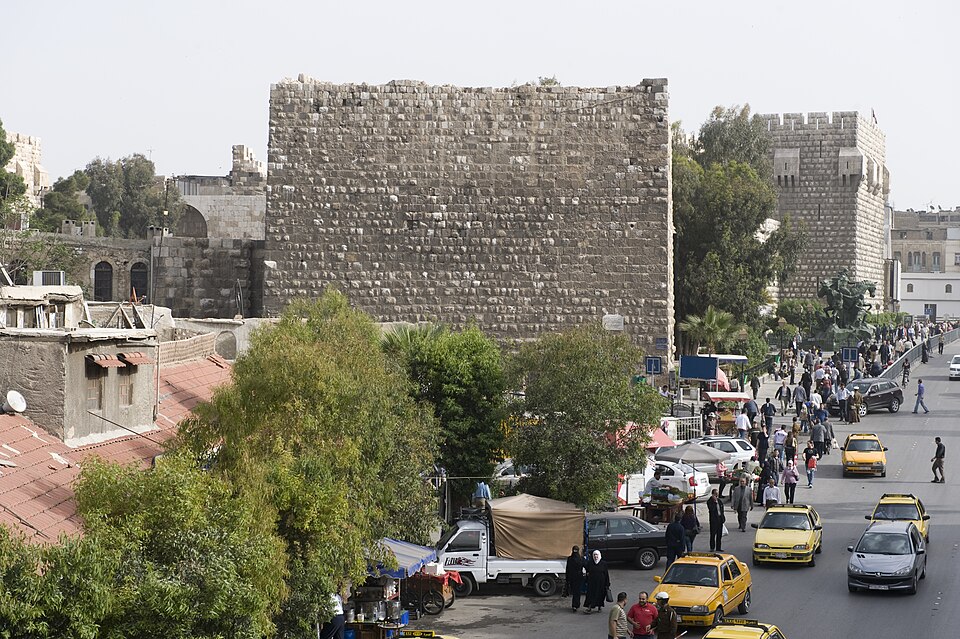
The citadel is defended by massive walls and towers. The fortress, a great rectangle, is surrounded by the mighty walls studded with the massive towers, twelve great towers guarding the walls and the corners, the fortress defended by its massive construction and its moat, the walls and towers the mighty defenses of the citadel, the fortress a masterpiece of the medieval military architecture, the walls and towers the strength of the Citadel of Damascus.
The towers are mighty works: the great towers of the citadel, massive rectangular structures of stone, guarding the walls and the corners of the fortress, the towers the strong points of the defense, the massive structures the pride of the citadel, the towers the mighty works of the Ayyubid military engineering, the great structures the strength of the fortress, the towers the jewels of the citadel’s defenses, the mighty towers the glory of the fortress.
The defenses made the citadel formidable: the massive walls, the great towers, and the moat making the Citadel of Damascus one of the strongest fortresses of the medieval world, the defenses the pride of the Ayyubid military architecture, the citadel a stronghold that defied the siege, the fortress the masterpiece of the medieval defense, the walls and towers the mighty strength of the citadel, the defenses the glory of the fortress, the citadel the formidable stronghold of the ancient capital.
The Mamluk Citadel
The citadel became the seat of the Mamluk power. After the Ayyubids, the Mamluk sultans who ruled Syria and Egypt from the thirteenth century made the Citadel of Damascus one of the chief seats of their power, the fortress the stronghold of the Mamluk governors of Damascus, the citadel the seat of the Mamluk authority in the city, the fortress the center of the Mamluk rule, the citadel the stronghold of the sultans who defeated the Mongols and the Crusaders.
The Mamluks held the citadel against the Mongols: the fortress a key stronghold in the Mamluk defense of Syria against the Mongol invasions, the citadel the center of the resistance, the fortress the seat of the Mamluk power that turned back the Mongols, the citadel the stronghold of the sultans in their struggle, the fortress the center of the defense of Syria, the citadel the seat of the Mamluk authority, the fortress the stronghold of the age of the Mongol wars.
The citadel was the heart of Mamluk Damascus: the fortress the seat of the governor, the garrison, the treasury, and the authority of the Mamluk rule in the city, the citadel the center of the power that ruled Damascus, the fortress the heart of the Mamluk authority, the citadel the stronghold of the sultans, the fortress the seat of the rule, the citadel the center of the Mamluk Damascus, the fortress the heart of the medieval power in the ancient capital.
Baybars and the Sultans
The great Mamluk sultans were associated with the citadel. Baybars, the mighty Mamluk sultan who defeated the Mongols and the Crusaders, was associated with Damascus and its citadel, the sultan who ruled from Cairo and Damascus, Baybars the hero of the Mamluk age, the sultan whose authority spread from the citadel, Baybars the great ruler associated with the fortress, the sultan the hero of the struggle against the Mongols and the Crusaders.
Baybars died in Damascus: the great Mamluk sultan ending his life in Damascus in 1277, the hero of the Mamluk age dying in the city of his power, Baybars buried in Damascus, the sultan’s mausoleum one of the treasures of the city, the great Baybars forever associated with Damascus, the sultan the hero whose memory crowns the city, the citadel the fortress of the age of Baybars, the stronghold of the great Mamluk sultan.
The sultans ruled from the citadel: the Mamluk sultans and governors ruling Damascus and northern Syria from the fortress, the citadel the seat of the power through the Mamluk centuries, the sultans the rulers whose authority spread from the stronghold, the citadel the center of the Mamluk Damascus, the fortress the seat of the sultans, the citadel the stronghold of the Mamluk power, the fortress the heart of the rule in the ancient capital through the medieval age.
The Buildings Within
The citadel holds buildings within its walls. The fortress contained, besides its defensive works, the palaces, the halls, the mosque, the baths, and the residential buildings of the rulers and the garrison, the citadel a royal and military city within its walls, the buildings the residential and the ceremonial heart of the fortress, the structures the world of the citadel, the buildings within the walls the seat of the rulers’ life above the ancient city.
The palaces were the seat of the rulers: the residential and ceremonial buildings within the citadel the home of the governors and the setting of the court, the palaces the seat of the Mamluk and the Ayyubid rule, the buildings the royal heart of the fortress, the palaces the residence of the rulers, the halls the ceremonial spaces of the citadel, the buildings the royal world within the walls, the palaces the seat of the power in the fortress.
The buildings made the citadel a city: the fortress with its palaces, its mosque, its baths, its cisterns, and its residential and service buildings a self-contained royal and military world, the citadel a city within its walls, the buildings the complete apparatus of the stronghold, the structures the life of the fortress, the citadel a self-sufficient world, the buildings the complete citadel, the fortress the royal and military city of the ancient capital.
The Mosque and the Halls
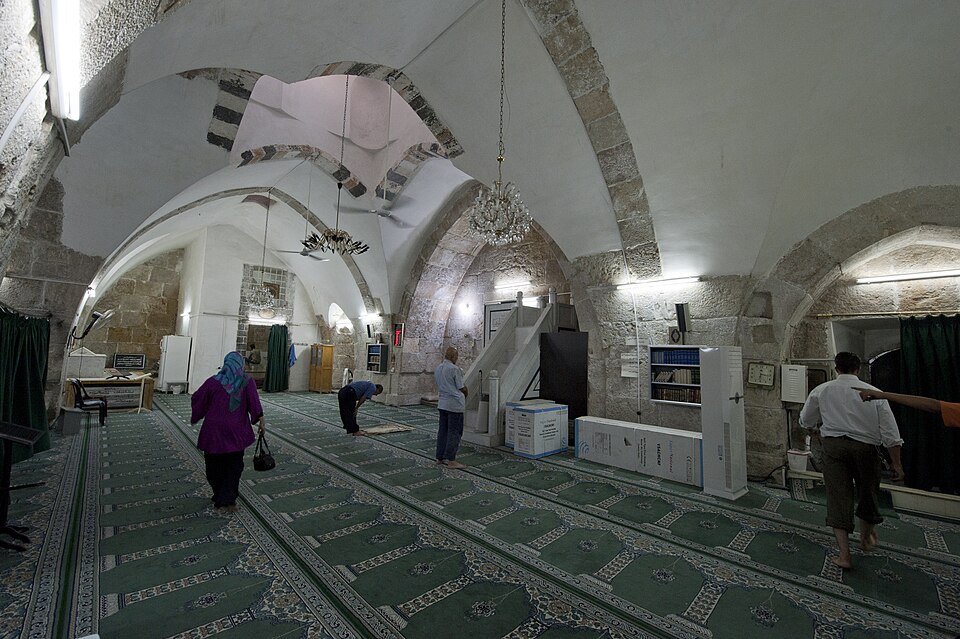
The citadel holds a mosque and great halls. The fortress contained its mosque for the garrison and the court, and its great halls for the ceremonial and the residential life of the rulers, the mosque the religious heart of the citadel, the halls the ceremonial spaces of the fortress, the mosque and the halls the sacred and the royal buildings within the walls, the structures the religious and the ceremonial heart of the Citadel of Damascus.
The mosque served the garrison and the court: the place of worship within the citadel the religious center of the fortress, the mosque the sacred building of the stronghold, the place of worship the spiritual heart of the citadel, the mosque the religious center of the garrison and the court, the sacred building the dimension of the fortress, the mosque the religious jewel of the citadel, the place of worship the sacred heart of the stronghold.
The halls were the setting of the court: the great halls of the citadel the ceremonial and the residential spaces of the rulers, the halls the setting of the Mamluk and the Ayyubid court, the great rooms the ceremonial heart of the fortress, the halls the splendid interiors of the citadel, the great spaces the setting of the rule, the halls the jewels of the fortress, the great rooms the ceremonial glory of the Citadel of Damascus.
The Ottoman Garrison
The citadel served the Ottomans as a garrison. After the Ottoman conquest of Syria in 1516, the Citadel of Damascus became the seat of the Ottoman garrison, the fortress the stronghold of the imperial troops in the city, the citadel the military center of the Ottoman Damascus, the fortress the garrison of the imperial power, the citadel the stronghold that controlled the city through the Ottoman centuries, the fortress the seat of the garrison of the empire.
The fortress remained a stronghold: the citadel continuing as the military center of Damascus through the Ottoman age, the fortress the garrison and the stronghold of the imperial power, the citadel the seat of the troops, the fortress the military center of the Ottoman city, the citadel the stronghold of the empire, the fortress the garrison of Damascus, the citadel the military heart of the city through the long Ottoman centuries, the fortress the stronghold of the imperial rule.
The citadel served into modern times: the fortress used as a garrison and a prison into the modern age, the citadel the military center of Damascus through the Ottoman and into the later periods, the fortress the stronghold that served the successive rulers, the citadel the enduring military center of the city, the fortress the garrison of the ages, the citadel the stronghold that served into modern times, the fortress the enduring heart of the military Damascus.
Saladin’s Tomb Nearby
Near the citadel stands the tomb of Saladin. The mausoleum of the great Salah al-Din, who died in Damascus in 1193, stands beside the great Umayyad mosque not far from the citadel, the tomb one of the great treasures of Damascus, the mausoleum the resting place of the hero of the Islamic world, Saladin’s tomb a place of pilgrimage and memory, the mausoleum the shrine of the greatest of the medieval sultans near the citadel of his age.
The tomb is a treasure of the city: the mausoleum of Saladin, with its dome and its decoration, one of the jewels of Damascus, the tomb the resting place of the great sultan, the mausoleum the shrine of the hero who recovered Jerusalem, Saladin’s tomb a place of memory and pilgrimage, the mausoleum the treasure of the city, the tomb the shrine of the greatest sultan, the mausoleum the jewel of Damascus near the citadel.
The tomb crowns the memory of Saladin: the mausoleum the shrine of the hero whose name is forever linked with Damascus, the tomb the resting place of the great sultan near the citadel of his city, Saladin buried in the heart of Damascus, the mausoleum the crown of the memory of the hero, the tomb the shrine of the greatest of the sultans, Saladin’s mausoleum the treasure of the city, the tomb the jewel of Damascus near the citadel of the age of Saladin.
Excavation and Restoration
The citadel has been excavated and restored. In the decades before the war, the Citadel of Damascus was the subject of extensive excavation and restoration, the archaeologists and the conservators uncovering the history and the buildings of the fortress, the citadel opened to the public as a monument, the restoration revealing the Ayyubid and the Mamluk fortress, the excavation uncovering the long history, the citadel restored as one of the treasures of Damascus.
The work revealed the fortress’s history: the excavations uncovering the buildings, the palaces, the mosque, and the long history of the citadel, the archaeology revealing the Ayyubid and the Mamluk fortress and the earlier strongholds, the restoration making the citadel a monument and a museum, the work the recovery of the fortress’s history, the excavation the uncovering of the citadel, the restoration the revelation of the great fortress of Damascus.
The citadel became a monument of the city: the restored fortress opened to the public as one of the treasures of old Damascus, the citadel a monument and a museum, the fortress the subject of the exhibitions and the tours, the citadel restored as a jewel of the ancient capital, the fortress the monument of the medieval Damascus, the citadel the treasure opened to the world, the fortress the restored crown of the ancient city of Damascus.
The Citadel Today
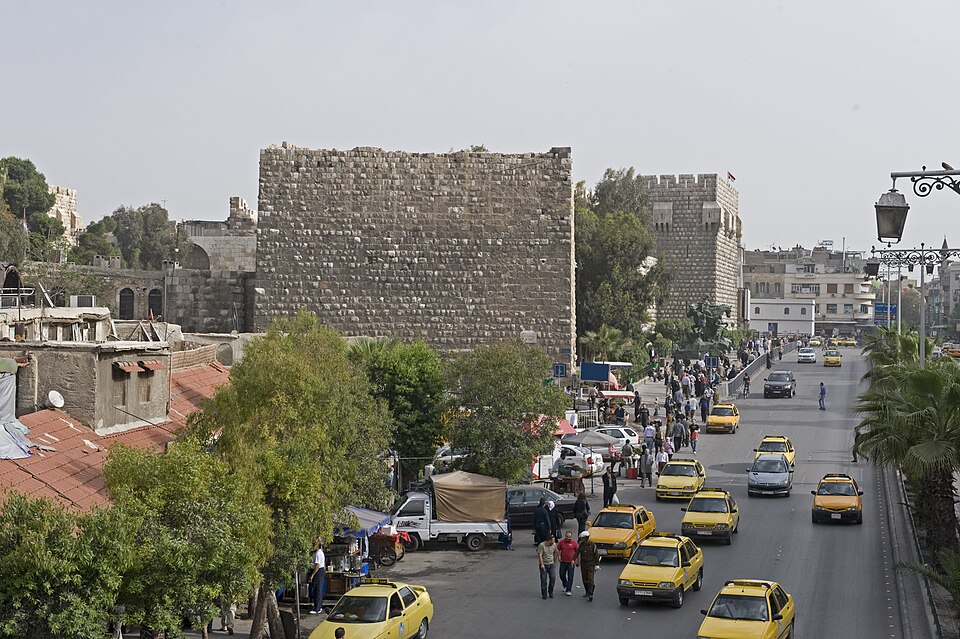
The Citadel of Damascus today endures as the great fortress of the ancient capital, the stronghold of Saladin’s age and the Ayyubid and the Mamluk sultans, the mighty rectangle of walls and towers at the corner of the old city, the citadel the seat of the medieval power in one of the oldest cities on earth, the fortress the masterpiece of the military architecture on the plain, the citadel the enduring crown of the ancient Damascus, the fortress the symbol of the medieval greatness of the Syrian capital.
The citadel endures through the city’s trials: the fortress, in the ancient city that has seen the years of the Syrian conflict, enduring as the symbol of the medieval power and the long history of Damascus, the citadel the stronghold that has witnessed the millennia of the city, the fortress the enduring crown of the capital, the citadel the symbol of the endurance of Damascus, the fortress the monument of the ancient city’s long history, the citadel the enduring stronghold of the Syrian capital.
The Citadel of Damascus continues the Syrian series on the great fortress of the ancient capital, the stronghold of Saladin and the Ayyubid and the Mamluk sultans, the mighty rectangle of walls and towers on the plain, the seat of the medieval power in the oldest of the Syrian cities, the citadel the masterpiece of the military architecture, the fortress the crown of the ancient Damascus, the Citadel of Damascus the enduring symbol of the medieval greatness of the capital of Syria.
Watch the Citadel of Damascus on Film
Visiting the Citadel of Damascus Today
The Citadel of Damascus stands at the northwest corner of the old city of Damascus, the capital of Syria, the mighty fortress built into the corner of the ancient walls beside the entrance to the old city and its souks; the citadel, when open, is visited for its massive walls and towers, its gateways, and the buildings and the excavations within. Travel to Syria and access to the sites depend on the security and the political situation, which has been very difficult through the years of conflict, so current conditions and access should be very carefully checked before any visit; the citadel and the old city of Damascus are among the supreme treasures of the world’s heritage. You can find the citadel on the map here: Citadel of Damascus on Google Maps.
Palaces Nearby
You May Like
Beit Ghazaleh and the Merchant Mansions of Aleppo