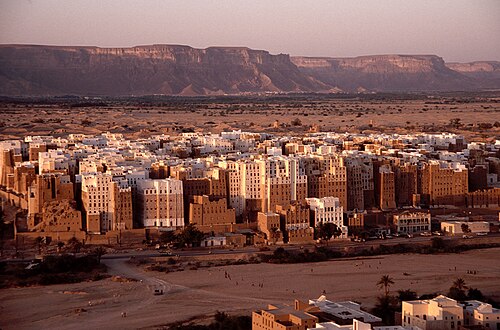
In the great valley of Hadhramaut, in the far east of Yemen, rises one of the most magnificent mud-brick buildings in the world, the Sultan’s Palace of Seiyun, the gleaming white palace of the Kathiri sultans that dominates the city and the valley. The palace, a vast and dazzling structure of mud-brick washed in white, with its towers, its battlements, and its hundreds of rooms, is the crown of Seiyun, the Sultan’s Palace the jewel of Hadhramaut, the masterpiece of the mud architecture of Yemen.
The Sultan’s Palace of Seiyun is the glory of Hadhramaut. Built as the seat of the Kathiri sultans in the early twentieth century, the palace is one of the largest and finest mud-brick buildings on earth, its white walls rising above the city like a vision, the palace the seat of the sultanate, the Sultan’s Palace the crown of Seiyun, the masterpiece of the Hadhrami mud architecture that is the glory of the valley.
This article continues the Yemeni palace series, turning east to Hadhramaut and the Sultan’s Palace of Seiyun, the great white mud-brick palace of the Kathiri sultans, the crown of the city and the valley, the masterpiece of the mud architecture, the Sultan’s Palace the jewel of Hadhramaut, the gleaming white palace that dominates the great valley of eastern Yemen.
- The Valley of Hadhramaut
- The City of Seiyun
- The Kathiri Sultanate
- The Great Mud-Brick Palace
- The White Palace
- The Towers and the Battlements
- The Many Rooms
- The Sultan’s Court
- The Mud Architecture of Hadhramaut
- The Diaspora and the Wealth
- The Museum of Seiyun
- Restoration and Heritage
- The Sultan’s Palace Today
- Watch on Film
- Visiting Today
- Palaces Nearby
The Valley of Hadhramaut
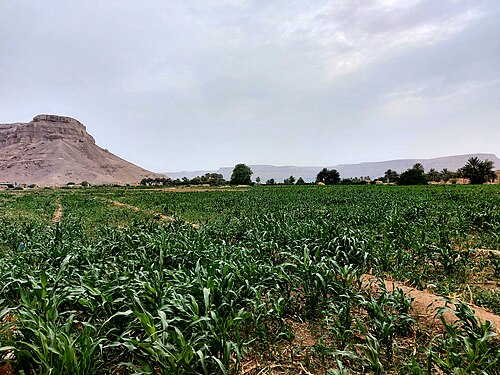
Seiyun lies in the great valley of Hadhramaut. The Wadi Hadhramaut is a vast valley running through the desert of eastern Yemen, a green ribbon of palm groves, fields, and towns in the heart of the arid land, the valley the home of a rich and ancient civilization, Hadhramaut the great valley, the setting of Seiyun and its palace, the fertile vale in the desert of eastern Yemen.
The valley is a green ribbon in the desert: the Wadi Hadhramaut, with its palm groves and its towns, a green ribbon of life running through the vast desert, the valley the oasis of the east, Hadhramaut the fertile vale, the green line in the arid land, the valley whose life made possible the towns and the palaces, including the Sultan’s Palace of Seiyun.
Hadhramaut was a land of a rich civilization: the valley of Hadhramaut the home of an ancient and distinctive civilization, a land of towns, mosques, palaces, and a people famed for their trade and their migration, Hadhramaut the land of the rich culture, the valley the home of the Hadhrami people, the fertile vale that produced the great mud architecture and the Sultan’s Palace of Seiyun.

The City of Seiyun
Seiyun is the great city of Hadhramaut. The city of Seiyun is one of the chief towns of the valley of Hadhramaut, a city of mud-brick houses, mosques, and gardens, the seat of the Kathiri sultanate, the city the heart of the central valley, Seiyun the great town of Hadhramaut, the setting of the Sultan’s Palace, the city of the mud architecture in the heart of the great valley.
The city is a town of mud-brick: Seiyun, with its houses, its mosques, and its palace all of mud-brick, a city of the earth architecture of Hadhramaut, the town the showcase of the mud building, Seiyun the mud-brick city, the town of the earth architecture, the city whose crown is the great white Sultan’s Palace in the valley of Hadhramaut.
The city was the seat of the sultanate: Seiyun the capital of the Kathiri sultanate, the city the seat of the rulers of the central Hadhramaut, the town the center of the power, Seiyun the capital of the Kathiri, the city the seat of the sultans whose palace crowns the town, the capital of the sultanate in the great valley of Hadhramaut.
The Kathiri Sultanate
Seiyun was the seat of the Kathiri sultanate. The Kathiri sultans ruled the central part of the valley of Hadhramaut from Seiyun, one of the sultanates that divided the region in the age before the unification of Yemen, the Kathiri the dynasty of Seiyun, the sultans the rulers of the central valley, the Kathiri sultanate the power whose seat and palace were at Seiyun in Hadhramaut.
The Kathiri ruled the central valley: the Kathiri sultans holding the central part of Hadhramaut, with Seiyun as their capital, the dynasty the rulers of the heart of the valley, the Kathiri the lords of the central Hadhramaut, the sultanate the power of the central valley, the Kathiri the dynasty whose palace crowns Seiyun in the great valley of eastern Yemen.
The sultanate was one of several in Hadhramaut: the Kathiri sultanate one of the states that divided Hadhramaut, alongside the Qu’aiti sultanate and the others, the sultanates the powers of the valley, the Kathiri the rulers of the center, the states the division of Hadhramaut, the Kathiri sultanate the power of Seiyun whose palace is the crown of the central valley.
The Great Mud-Brick Palace
The Sultan’s Palace is a great mud-brick building. The palace of Seiyun is one of the largest mud-brick buildings in the world, a vast structure of sun-dried brick rising in many storeys, the palace built entirely of the earth architecture of Hadhramaut, the Sultan’s Palace the great mud-brick building, the vast structure the masterpiece of the earth construction, the palace the crown of the mud architecture of the valley.
The palace is built of the earth: the Sultan’s Palace of Seiyun built of the mud-brick of Hadhramaut, the sun-dried earth the material of the vast building, the mud-brick the medium of the palace, the earth the stuff of the masterpiece, the Sultan’s Palace the building of the earth, the vast mud-brick structure the glory of the Hadhrami construction in Seiyun.
The scale is immense: the Sultan’s Palace of Seiyun a vast building of many storeys and hundreds of rooms, the palace one of the largest mud-brick structures on earth, the building the immense monument of the earth architecture, the Sultan’s Palace the vast mud-brick palace, the great building the immense crown of Seiyun in the valley of Hadhramaut.
The White Palace
The Sultan’s Palace gleams white above the city. The palace is washed in a brilliant white lime or gypsum, the white walls rising dazzling above the earth-colored city, the palace a gleaming vision over the mud-brick town, the White Palace the crown of Seiyun, the gleaming building the landmark of the valley, the Sultan’s Palace the white vision that dominates the city of Hadhramaut.
The white makes the palace a vision: the brilliant white of the Sultan’s Palace making the building a dazzling vision above the earth-colored city, the white walls the beauty of the palace, the gleaming structure the landmark of the valley, the White Palace the vision over the town, the Sultan’s Palace the white crown that rises dazzling above Seiyun in Hadhramaut.
The white contrasts with the earth city: the gleaming white Sultan’s Palace standing out against the earth-colored mud-brick houses of Seiyun, the contrast the drama of the palace, the white against the earth the beauty of the scene, the White Palace the gleaming crown over the earth city, the Sultan’s Palace the white vision above the mud-brick town of Hadhramaut.
The Towers and the Battlements
The Sultan’s Palace is crowned with towers and battlements. The great white palace rises with towers at its corners and battlements along its parapets, the building given the air of a fortress-palace, the towers and the crenellations the crown of the structure, the Sultan’s Palace the fortress-crowned building, the towers and battlements the martial and the decorative features of the palace of Seiyun in Hadhramaut.
The towers give the palace its majesty: the towers of the Sultan’s Palace rising at the corners and the ends of the great building, the towers the vertical accents of the structure, the bastions the crown of the palace, the towers the majesty of the building, the Sultan’s Palace the towered palace, the great building whose towers give it the air of a fortress above Seiyun.
The battlements line the parapets: the battlements and the crenellations along the parapets of the Sultan’s Palace, the crenellations the decorative crown of the building, the battlements the martial ornament of the palace, the parapets the crowns of the walls, the battlements the decorative feature of the Sultan’s Palace, the crenellations the crown of the great white building of Seiyun.
The Many Rooms
The Sultan’s Palace holds hundreds of rooms. The vast building contains a great number of rooms, halls, and chambers on its many storeys, the palace a world of rooms for the sultan, the family, the court, the servants, and the business of the sultanate, the many rooms the interior world of the palace, the chambers the vast accommodation of the Sultan’s Palace of Seiyun.
The rooms served the whole sultanate: the many rooms of the Sultan’s Palace holding the apartments of the sultan and his family, the reception halls, the offices of the government, the quarters of the servants, and the stores, the rooms the complete accommodation of the court and the state, the chambers the world of the sultanate, the many rooms the heart of the Sultan’s Palace of Seiyun.
The storeys hold the levels of the rooms: the many storeys of the Sultan’s Palace holding the rooms on the different levels, the lower floors for the service and the stores, the upper floors for the reception and the living, the storeys the vertical arrangement of the rooms, the floors the levels of the palace, the storeys the structure of the many rooms of the Sultan’s Palace of Seiyun.
The Sultan’s Court
The Sultan’s Palace was the seat of the court. The palace was the residence of the Kathiri sultan and the seat of his court and government, the reception halls the setting of the ceremony, the diwan the place of the audience, the palace the heart of the sultanate, the Sultan’s Palace the seat of the court, the great building the center of the rule of the Kathiri in Seiyun.
The reception halls were the setting of the ceremony: the reception halls of the Sultan’s Palace the settings where the sultan received his guests, held his court, and conducted the ceremony of the state, the halls the stage of the sultanate, the reception rooms the setting of the majesty, the halls the ceremonial heart of the palace, the reception spaces the jewels of the Sultan’s Palace of Seiyun.
The palace was the heart of the sultanate: the Sultan’s Palace, as the residence of the sultan and the seat of the government, the heart of the Kathiri sultanate, the palace the center of the rule, the building the seat of the power, the Sultan’s Palace the heart of the sultanate, the great building the center of the government of the Kathiri in the valley of Hadhramaut.
The Mud Architecture of Hadhramaut
The Sultan’s Palace is a masterpiece of the Hadhrami mud architecture. The palace embodies the distinctive mud-brick architecture of Hadhramaut, the tradition of building tall structures of sun-dried brick, washed in white or ochre, decorated with carved and molded detail, the palace the summit of this tradition, the Sultan’s Palace the masterpiece of the Hadhrami mud building, the crown of the earth architecture of the valley.
The Hadhrami built tall in mud: the builders of Hadhramaut raising tall structures of mud-brick, the palaces and the houses rising in many storeys of sun-dried earth, the tradition the distinctive architecture of the valley, the mud building the craft of the Hadhrami, the earth architecture the glory of Hadhramaut, the Sultan’s Palace the summit of the tall mud building of the valley.
The palace crowns the tradition: the Sultan’s Palace of Seiyun the summit and the crown of the Hadhrami mud architecture, the building the masterpiece of the earth construction, the palace the glory of the tradition, the Sultan’s Palace the crown of the mud building, the great white building the summit of the earth architecture of Hadhramaut in the valley of eastern Yemen.
The Diaspora and the Wealth
The wealth of Hadhramaut came from the diaspora. The people of Hadhramaut were famed for their migration and their trade, the Hadhrami diaspora spreading across the Indian Ocean to India, Southeast Asia, and East Africa, the merchants and the settlers sending back the wealth that built the palaces and the towns, the diaspora the source of the riches, the Hadhrami migration the foundation of the wealth that raised the Sultan’s Palace of Seiyun.
The Hadhrami spread across the Indian Ocean: the people of Hadhramaut migrating and trading across the Indian Ocean, settling in India, Indonesia, Malaysia, Singapore, and East Africa, the Hadhrami diaspora one of the great merchant migrations, the people the traders of the ocean, the migration the spread of the Hadhrami, the diaspora the network that brought the wealth to the valley and the palaces.
The wealth built the palaces and the towns: the riches sent back by the Hadhrami diaspora financing the building of the palaces, the mosques, and the fine houses of Hadhramaut, the wealth the foundation of the architecture, the diaspora money the source of the building, the riches the maker of the splendor, the wealth of the migration the foundation of the Sultan’s Palace and the towns of Hadhramaut.
The Museum of Seiyun
The Sultan’s Palace is now a museum. The great palace, after the end of the sultanate, became a museum presenting the history, the archaeology, and the heritage of Hadhramaut, the collections filling the halls and the rooms of the vast building, the museum the keeper of the regional history, the Sultan’s Palace the museum of Hadhramaut, the palace the home of the heritage of the valley in Seiyun.
The museum presents the history of Hadhramaut: the museum in the Sultan’s Palace of Seiyun presenting the long history, the archaeology, and the traditional life of Hadhramaut, the collections the record of the valley’s heritage, the museum the keeper of the story, the Sultan’s Palace the museum of the region, the palace the showcase of the history of Hadhramaut in the valley of eastern Yemen.
The palace found new life as a museum: the Sultan’s Palace of Seiyun, after the sultanate, given new life as the museum and the cultural heart of the city, the palace the keeper of the heritage, the museum the new purpose of the building, the Sultan’s Palace the restored jewel of Seiyun, the great palace the home of the memory and the heritage of Hadhramaut.
Restoration and Heritage
The Sultan’s Palace is a treasure of the heritage, but mud needs constant care. The great mud-brick palace, like all the earth architecture of Hadhramaut, requires constant maintenance and restoration, the mud vulnerable to the rain and the neglect, the palace the treasure that must be cared for, the Sultan’s Palace the monument needing the constant restoration, the great building the fragile jewel of the mud architecture of the valley.
The mud architecture is fragile: the mud-brick of the Sultan’s Palace and the towns of Hadhramaut vulnerable to the rains, the floods, and the neglect, the earth architecture requiring the constant care, the mud building the fragile heritage, the structures the treasures needing the maintenance, the mud architecture the fragile glory of Hadhramaut that the war has endangered.
The war has threatened the heritage: the years of war and crisis in Yemen threatening the Sultan’s Palace and the mud architecture of Hadhramaut, the conflict endangering the maintenance and the survival of the fragile earth buildings, the war the threat to the heritage, the crisis the danger to the palaces, the conflict the peril to the Sultan’s Palace and the mud treasures of Hadhramaut.
The Sultan’s Palace Today
The Sultan’s Palace of Seiyun today stands as the crown of Hadhramaut, the great white mud-brick palace of the Kathiri sultans, the masterpiece of the earth architecture, the gleaming building of towers and battlements that dominates the city and the valley, the Sultan’s Palace the jewel of Seiyun, the museum of Hadhramaut, the enduring crown of the mud architecture of the great valley of eastern Yemen.
The palace endures as the glory of the valley: the Sultan’s Palace of Seiyun, through the trials of Yemen, standing as the crown and the glory of Hadhramaut, the palace the masterpiece of the mud building, the White Palace the symbol of the valley, the Sultan’s Palace the enduring crown of Seiyun, the gleaming jewel that dominates the great valley of Hadhramaut.
The Sultan’s Palace continues the Yemeni palace series, the great white mud-brick palace of the Kathiri sultans, the crown of Seiyun and the valley of Hadhramaut, the masterpiece of the earth architecture, the museum of the region, the Sultan’s Palace the jewel of the Hadhrami building, the gleaming crown that dominates the great valley of eastern Yemen.
Watch the Sultan’s Palace of Seiyun on Film
Visiting the Sultan’s Palace Today
The Sultan’s Palace of Seiyun stands in the center of the city of Seiyun, in the great valley of Hadhramaut in eastern Yemen, the gleaming white palace rising above the mud-brick town; the palace, now a museum of Hadhramaut, is admired for its vast mud-brick construction, its towers and battlements, and its hundreds of rooms. Yemen has suffered years of war and a grave humanitarian crisis, and travel to the country is very dangerous and strongly restricted, so any visit depends entirely on the security situation, which must be very carefully checked; the Sultan’s Palace remains the crown of the heritage of Hadhramaut. You can find the palace on the map here: Sultan’s Palace of Seiyun on Google Maps.


