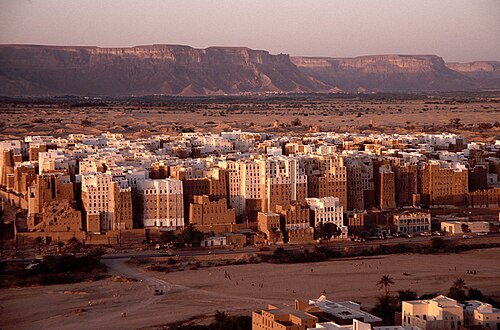
In the great valley of Hadhramaut, rising from the desert floor behind its walls, stands one of the most astonishing cities in the world, Shibam, the walled town of mud-brick tower-houses that soar as high as eleven storeys, the city known as the Manhattan of the Desert. Shibam is the oldest and finest example of vertical city-building in mud-brick, a forest of earthen skyscrapers crowded within its walls, Shibam the Manhattan of the Desert, the city of the mud skyscrapers, the marvel of Hadhramaut in eastern Yemen.
Shibam is a city of mud skyscrapers. Within its walls rise some five hundred tower-houses of mud-brick, many of them five to eleven storeys tall, the tallest mud-brick buildings in the world, the city a dense forest of earthen towers, Shibam the city of the mud skyscrapers, the Manhattan of the Desert, the astonishing town of the vertical mud architecture in the valley of Hadhramaut.
This article continues the Yemeni palace series, turning to Shibam and the mud skyscrapers of Hadhramaut, the walled city of the earthen towers, the Manhattan of the Desert, the oldest and finest example of the vertical mud-brick building in the world, Shibam the marvel of Hadhramaut, the city of the mud skyscrapers in the great valley of eastern Yemen.
- The Manhattan of the Desert
- The Walled City
- The Mud Skyscrapers
- The Towers of Earth
- The Ancient Foundation
- The Defense Against Raids
- The Building Tradition
- The Streets and the Life
- The Mosque and the Public Buildings
- The Constant Rebuilding
- A World Heritage Site
- War and the Threat
- Shibam Today
- Watch on Film
- Visiting Today
- Palaces Nearby
The Manhattan of the Desert
Shibam is called the Manhattan of the Desert. The city, with its crowded tower-houses rising high within its walls, has been called the Manhattan of the Desert and the oldest skyscraper city in the world, the dense forest of mud towers recalling a modern high-rise city built of earth, Shibam the Manhattan of the Desert, the city of the mud skyscrapers, the astonishing vertical town of Hadhramaut.
The nickname captures the vertical city: the name Manhattan of the Desert capturing the astonishing sight of Shibam, the crowded mud towers rising like the high-rises of a modern city, the nickname the mark of the vertical town, the name the image of the mud skyscrapers, Shibam the Manhattan of the Desert, the city whose earthen towers recall a modern high-rise skyline in the valley of Hadhramaut.
The city is the oldest skyscraper city: Shibam often called the oldest skyscraper city in the world, the town where the vertical building of tall structures reached its height centuries ago in mud-brick, the city the pioneer of the high-rise, Shibam the oldest skyscraper city, the Manhattan of the Desert, the ancient vertical town of the mud architecture of Hadhramaut.

The Walled City
Shibam is a walled city. The town is enclosed by a defensive wall, the tower-houses crowded within the walls in a dense and compact city, the wall the defense and the boundary of Shibam, the enclosure the girdle of the mud skyscrapers, the walled city the compact town of the earthen towers, Shibam the walled city of the mud architecture in the valley of Hadhramaut.
The wall enclosed the compact town: the defensive wall of Shibam enclosing the dense city of tower-houses, the wall the boundary that forced the town to grow upward, the enclosure the girdle of the compact city, the wall the defense of the town, the walls the reason for the vertical building, the enclosure of Shibam the frame of the mud skyscrapers of Hadhramaut.
The wall shaped the vertical city: the wall of Shibam, limiting the space of the town, forcing the buildings to grow upward rather than outward, the enclosure the cause of the vertical city, the wall the shaper of the mud skyscrapers, the boundary the reason for the towers, the wall of Shibam the maker of the vertical town of the mud architecture of Hadhramaut.
The Mud Skyscrapers
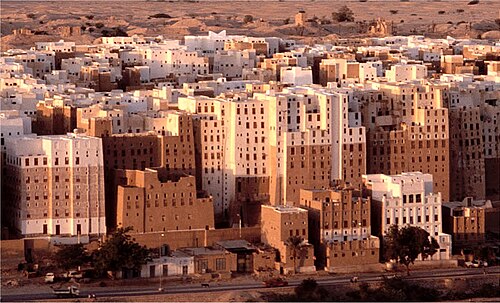
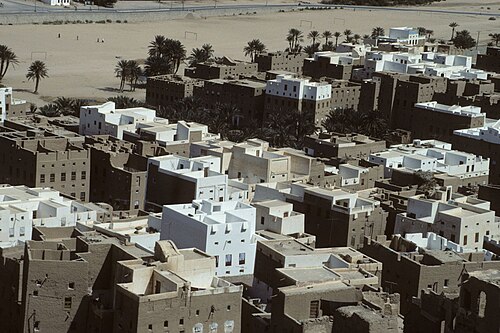
Shibam is a city of mud skyscrapers. The tower-houses of Shibam rise five, seven, nine, and up to eleven storeys, the tallest mud-brick buildings in the world, the towers crowded together in a dense forest of earthen high-rises, the skyscrapers the marvel of Shibam, the mud towers the astonishing feature of the city, the earthen skyscrapers the glory of the mud architecture of Hadhramaut.
The towers reach astonishing heights: the tower-houses of Shibam reaching heights of thirty meters and more, the tallest of them up to eleven storeys, the towers the tallest mud-brick buildings in the world, the heights the marvel of the earthen construction, the towers the astonishing achievement of the mud building, the skyscrapers of Shibam the summit of the vertical mud architecture of Hadhramaut.
The towers are a forest of earth: the tower-houses of Shibam, crowded together, forming a dense forest of earthen towers within the walls, the city a thicket of mud skyscrapers, the towers the forest of the vertical town, the earthen high-rises the dense fabric of Shibam, the mud skyscrapers the astonishing forest of the mud architecture of Hadhramaut.
The Towers of Earth
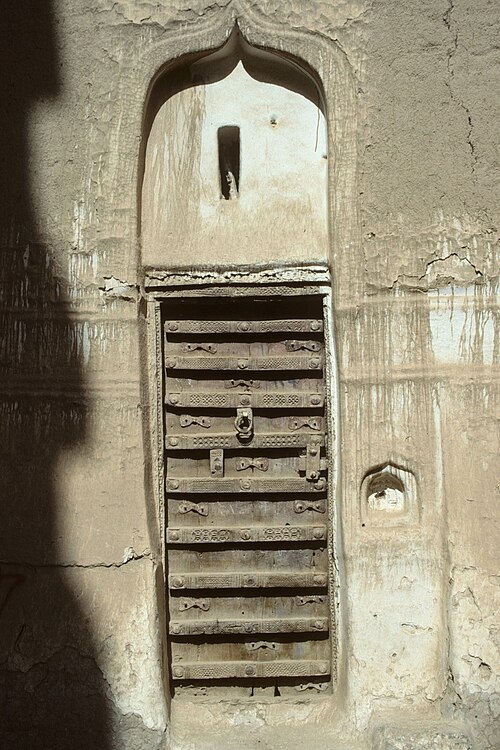
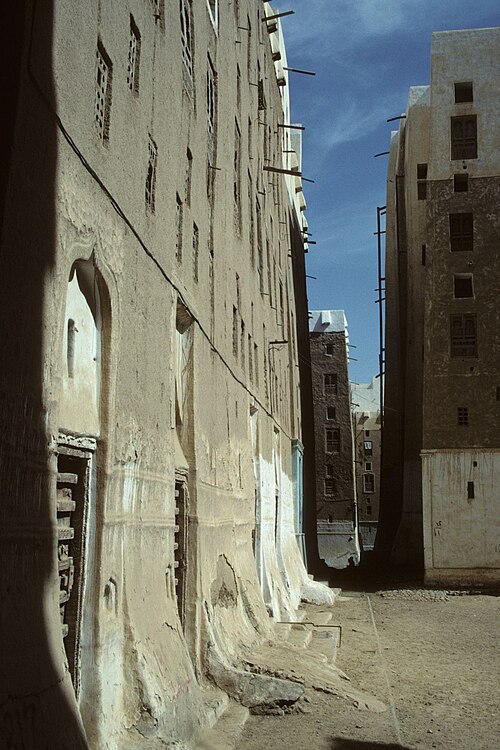
The towers of Shibam are built of earth. The tower-houses are constructed entirely of mud-brick, the sun-dried earth the material of the soaring buildings, the walls thick at the base and tapering upward, the towers washed and protected with mud and lime, the earthen towers the marvel of the construction, the mud-brick skyscrapers the achievement of the Hadhrami builders of Shibam.
The walls taper as they rise: the tower-houses of Shibam built with thick walls at the base that taper as they rise, the construction the response to the weight and the height, the tapering the wisdom of the mud builders, the walls the structure of the towers, the tapering form the achievement of the Hadhrami craft, the earthen towers of Shibam the marvel of the vertical mud building.
The earth is protected with mud and lime: the tower-houses of Shibam protected from the weather by coatings of mud and lime, the surfaces washed and renewed to shield the earth from the rain, the coatings the protection of the towers, the mud wash the shield of the buildings, the protection the care of the earthen skyscrapers, the coatings the preservation of the mud towers of Shibam in Hadhramaut.
The Ancient Foundation
Shibam is a city of ancient foundation. The town has been inhabited for many centuries, its origins reaching back to antiquity, the present city largely of the sixteenth century, built after a great flood, upon a site of deep history, Shibam the city of the ancient foundation, the town of the long history, the ancient settlement whose mud skyscrapers crown the deep past of Hadhramaut.
The present city dates from the sixteenth century: the tower-houses of Shibam largely rebuilt in the sixteenth century after a great flood destroyed much of the earlier town, the city the creation of the sixteenth-century rebuilding, the town the product of the renewal, Shibam the city rebuilt after the flood, the mud skyscrapers the achievement of the sixteenth-century builders of Hadhramaut.
The site is of deep antiquity: Shibam standing on a site inhabited since antiquity, the town one of the oldest settlements of Hadhramaut, the city the heir of the deep past, Shibam the ancient city, the town of the long history, the settlement whose mud skyscrapers crown a site of deep antiquity in the valley of Hadhramaut.

The Defense Against Raids
Shibam was built for defense against raids. The compact walled city of tall towers was built to defend its people against the raids of the Bedouin and the rival tribes, the vertical form and the walls the defense of the town, the towers the refuges of the families, the walled city the stronghold against the raiders, Shibam the defensive town of the mud skyscrapers in the valley of Hadhramaut.
The vertical form was a defense: the tall towers of Shibam, crowded within the walls, a defense against the raids, the families able to retreat to the upper floors and the connected roofs, the vertical city the stronghold of the people, the towers the refuges against the raiders, the vertical form the defense of Shibam, the mud skyscrapers the strongholds of the families of Hadhramaut.
The towers were connected for refuge: the tower-houses of Shibam, in some parts connected at the upper levels, allowing the people to move between the buildings in time of danger, the connections the defense of the city, the linked towers the refuge of the people, the upper bridges the strength of the town, the connected towers the defensive genius of Shibam in Hadhramaut.
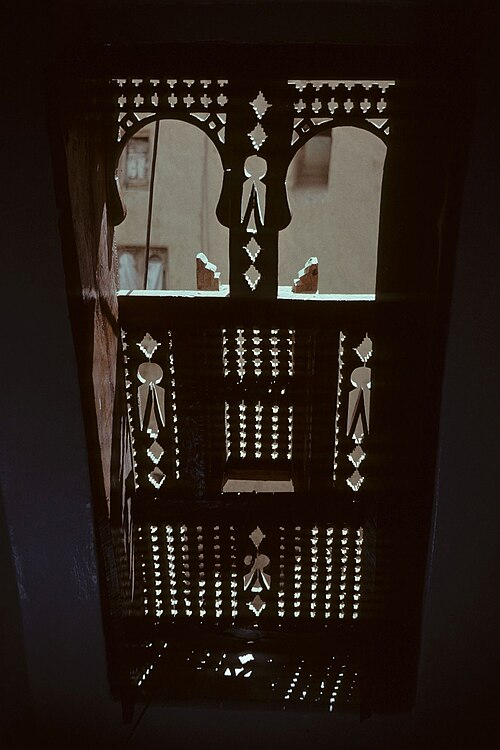
The Building Tradition
Shibam embodies the Hadhrami building tradition. The city is the summit of the distinctive mud-brick architecture of Hadhramaut, the tradition of building tall structures of sun-dried earth, passed down through the generations of builders, the tradition the craft of the Hadhrami, Shibam the summit of the mud building, the city the masterpiece of the earth architecture of the valley.
The craft was passed through generations: the building of the mud towers of Shibam a craft passed down through the generations of the Hadhrami builders, the knowledge of the earth construction handed from father to son, the tradition the inheritance of the craft, the building the skill of the generations, the craft the heritage of the Hadhrami, the tradition that raised the mud skyscrapers of Shibam.
The city is the masterpiece of the tradition: Shibam the summit and the masterpiece of the Hadhrami mud architecture, the city the crown of the earth building, the town the glory of the tradition, Shibam the masterpiece of the mud construction, the mud skyscrapers the summit of the Hadhrami craft, the city the glory of the earth architecture of the valley of Hadhramaut.
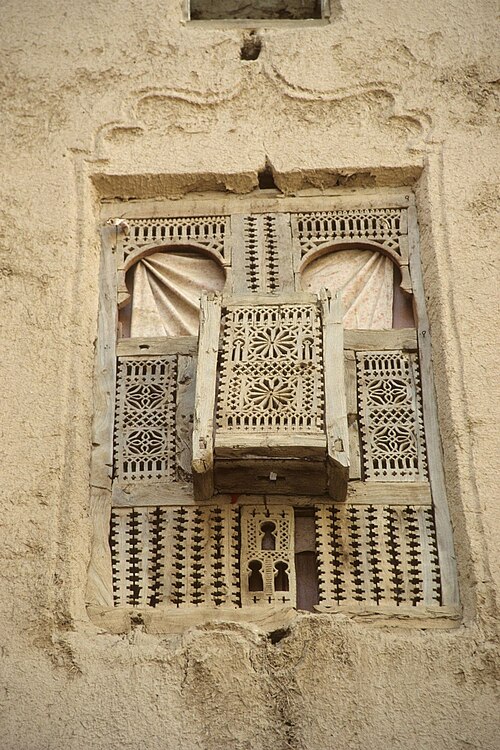
The Streets and the Life
Shibam is a living city. The town, within its walls, is a living city of narrow streets, shaded lanes, and the daily life of its people among the towers, the streets the arteries of the compact town, the lanes the ways among the skyscrapers, the life the heart of Shibam, the living city the human world among the mud towers of Hadhramaut.
The narrow streets wind among the towers: the streets and lanes of Shibam winding among the tall towers, the narrow ways shaded by the high buildings, the streets the arteries of the dense city, the lanes the passages among the skyscrapers, the narrow ways the circulation of the town, the streets the living fabric of Shibam among the mud towers of Hadhramaut.
The city is a living community: Shibam, within its walls, a living community of families, trades, and daily life among the towers, the city the home of its people, the town the living community, the life the heart of the vertical city, Shibam the living town of the mud skyscrapers, the human community among the earthen towers of Hadhramaut.
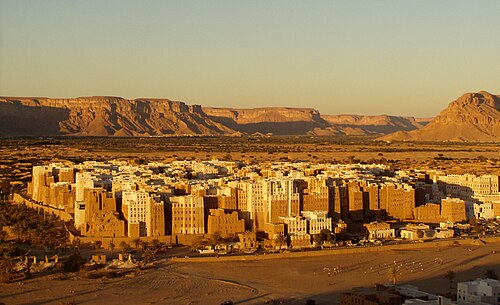
The Mosque and the Public Buildings
Shibam holds its mosque and public buildings. The city contains, among the tower-houses, its Friday mosque, its public buildings, and the former sultan’s palace, the communal buildings the heart of the town’s life, the mosque the religious center, the public buildings the civic heart of Shibam, the communal structures the center of the life of the mud city of Hadhramaut.
The mosque is the religious heart: the Friday mosque of Shibam the religious center of the city, the place of worship of the people, the mosque the sacred heart of the town, the place of worship the center of the faith, the mosque the religious jewel of Shibam, the place of worship the spiritual center of the vertical city of Hadhramaut.
The public buildings served the town: the public buildings, the former palace, and the civic structures of Shibam serving the life and the government of the town, the buildings the civic heart of the city, the public structures the center of the communal life, the civic buildings the heart of Shibam, the public structures the civic center of the mud city of Hadhramaut.
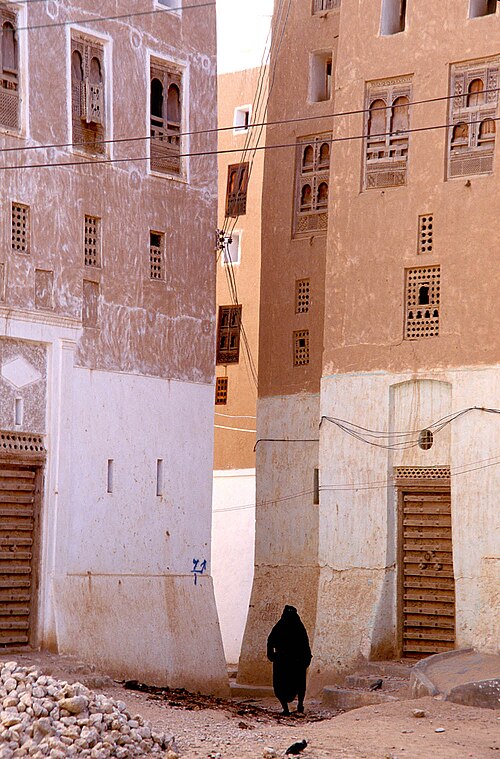
The Constant Rebuilding
Shibam requires constant rebuilding. The mud towers, vulnerable to the rain and the weather, require constant maintenance, the surfaces renewed, the damaged buildings repaired and rebuilt, the city in a state of perpetual renewal, the constant rebuilding the life of Shibam, the maintenance the care of the mud skyscrapers, the perpetual renewal the way of the earthen city of Hadhramaut.
The mud must be constantly renewed: the mud surfaces of the towers of Shibam constantly washed and renewed to protect the earth from the rain, the maintenance the perpetual task of the people, the renewal the care of the towers, the constant work the preservation of the city, the mud renewal the way of life of Shibam, the maintenance the care of the mud skyscrapers of Hadhramaut.
The city is perpetually renewed: Shibam, through the constant maintenance and rebuilding, a city in a state of perpetual renewal, the town the living and the renewing city, the buildings constantly repaired, the city the ever-renewed town, Shibam the perpetually renewed city, the mud skyscrapers kept alive by the constant care of the people of Hadhramaut.
A World Heritage Site
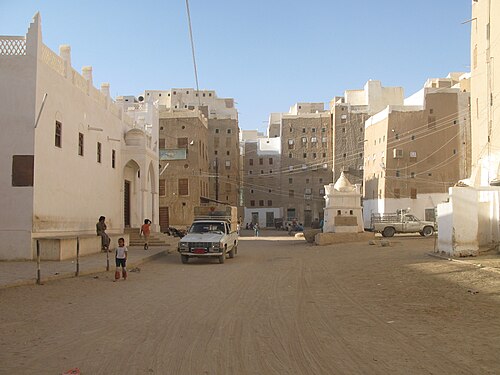
Shibam is a World Heritage Site. The walled city of Shibam, with its mud skyscrapers, was inscribed on the UNESCO World Heritage List in 1982, recognized as one of the oldest and finest examples of urban planning based on vertical construction, the city the World Heritage jewel of Yemen, Shibam the honored city of the mud skyscrapers, the town the treasure of the world heritage.
The inscription recognized the vertical city: the UNESCO listing of Shibam honoring the city as one of the oldest and finest examples of vertical urban construction, the mud skyscrapers the achievement recognized by the world, the city the honored monument, Shibam the World Heritage city, the town the treasure of the vertical mud architecture recognized by the world.
The status crowns the city’s fame: the World Heritage inscription making Shibam known to the world as the Manhattan of the Desert and the oldest skyscraper city, the city the celebrated monument of the mud architecture, Shibam the World Heritage jewel, the town the honored treasure, the mud skyscrapers the celebrated marvel of Hadhramaut recognized by the world.
War and the Threat
Shibam is threatened by war and neglect. The years of war and crisis in Yemen have endangered Shibam, the conflict threatening the maintenance of the fragile mud towers, the floods and the neglect adding to the danger, the war the threat to the city, Shibam the endangered jewel, the mud skyscrapers the fragile treasure threatened by the war and the crisis of Yemen.
The war endangers the fragile city: the conflict in Yemen threatening the constant maintenance that the mud towers of Shibam require, the war the danger to the fragile earthen city, the crisis the threat to the buildings, the conflict the peril to the heritage, the war the endangerment of Shibam, the crisis the threat to the mud skyscrapers of Hadhramaut.
The floods add to the danger: the floods of recent years, together with the war and the neglect, damaging the mud towers of Shibam, the rains the threat to the earthen buildings, the floods the danger to the city, the water the peril to the mud, the floods the added threat to Shibam, the rains the danger to the fragile mud skyscrapers of Hadhramaut.
Shibam Today
Shibam today stands as the Manhattan of the Desert, the walled city of the mud skyscrapers, the oldest and finest example of the vertical mud-brick building in the world, the forest of earthen towers crowded within its walls, Shibam the World Heritage jewel of Yemen, the city of the mud skyscrapers, the enduring if endangered marvel of the mud architecture of the valley of Hadhramaut in eastern Yemen.
The city endures as a marvel of the world: Shibam, through the trials of Yemen, standing as one of the marvels of the world, the city the Manhattan of the Desert, the town the forest of mud skyscrapers, Shibam the enduring marvel, the city the astonishing achievement of the mud architecture, the endangered jewel of the vertical building of Hadhramaut.
Shibam continues the Yemeni palace series, the walled city of the mud skyscrapers, the Manhattan of the Desert, the oldest and finest example of the vertical mud-brick building in the world, the forest of earthen towers of Hadhramaut, Shibam the World Heritage jewel, the city of the mud skyscrapers, the enduring marvel of the mud architecture of the great valley of eastern Yemen.
Watch Shibam on Film
Visiting Shibam Today
Shibam stands in the great valley of Hadhramaut in eastern Yemen, a short way west of the city of Seiyun, the walled city of mud skyscrapers rising from the valley floor; the town is admired for its tower-houses of up to eleven storeys, the oldest skyscraper city in the world, best seen from the ridge above where the whole walled city spreads below. Yemen has suffered years of war and a grave humanitarian crisis, and travel to the country is very dangerous and strongly restricted, so any visit depends entirely on the security situation, which must be very carefully checked; Shibam remains the astonishing jewel of the heritage of Hadhramaut. You can find the city on the map here: Shibam on Google Maps.


