On the slopes of the great mountain of Sabir, above the city of Taiz in the southern highlands of Yemen, rises a mighty medieval fortress, Al-Qahira Castle, the Castle of Cairo, the stronghold that guarded the Rasulid capital and dominated the city for centuries. The castle, with its walls, its towers, its cisterns, and its palaces climbing the hillside, is the crown of Taiz, Al-Qahira the great fortress of the highlands, the stronghold of the Rasulid sultans above the city of southern Yemen.
Al-Qahira Castle is the great fortress of Taiz. Standing on the lower slopes of Jabal Sabir, the castle guarded the city that was for centuries one of the chief cities of Yemen and the capital of the Rasulid dynasty, the fortress a stronghold of walls, towers, and palaces, Al-Qahira the crown of Taiz, the castle of the highlands, the great fortress that dominated the city of southern Yemen for the medieval centuries.
This article continues the Yemeni palace series, turning to the southern highlands and Al-Qahira Castle of Taiz, the great medieval fortress on the mountain of Sabir, the stronghold of the Rasulid capital, the castle of walls, towers, and palaces, Al-Qahira the crown of Taiz, the fortress of the highlands that dominated the city of southern Yemen.
- The City of Taiz
- The Mountain of Sabir
- The Castle of Cairo
- The Rasulid Dynasty
- The Fortress on the Hill
- The Walls and the Towers
- The Cisterns and the Water
- The Palaces Within
- The Rasulid Splendor
- The Siege and the Defense
- The Old City Below
- War and Damage
- Al-Qahira Castle Today
- Watch on Film
- Visiting Today
- Palaces Nearby
The City of Taiz
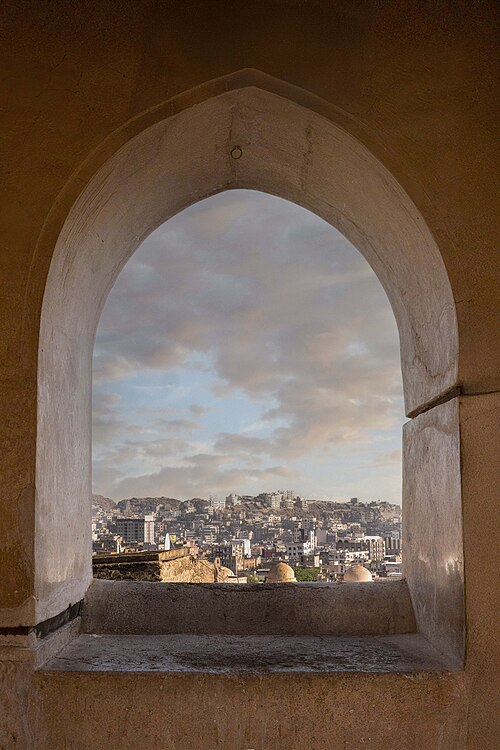
Taiz is a great city of the southern highlands. The city of Taiz, in the highlands of southern Yemen, below the great mountain of Sabir, was for centuries one of the chief cities of the country, a center of learning, trade, and power, the capital of the Rasulid dynasty, Taiz the city of the highlands, the setting of Al-Qahira Castle, the great town of southern Yemen crowned by its fortress.
The city was a center of learning and power: Taiz, as the Rasulid capital, a center of the learning, the arts, and the power of medieval Yemen, the city famed for its mosques, its madrasas, and its culture, Taiz the city of the Rasulid splendor, the capital of the dynasty, the great town whose crown was the fortress of Al-Qahira in the highlands of southern Yemen.
The city lies below the castle and the mountain: Taiz, in its highland setting, lying below the fortress of Al-Qahira and the great mountain of Sabir, the city spread on the slopes and the plain below the castle, Taiz the town below the stronghold, the city at the foot of the mountain, the great town crowned by Al-Qahira Castle in the southern highlands of Yemen.
The Mountain of Sabir
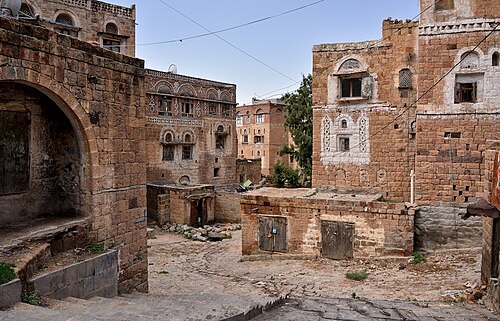
Al-Qahira stands on the mountain of Sabir. The castle rises on the lower slopes of Jabal Sabir, the great mountain that towers over Taiz, the peak the dominant feature of the landscape, the mountain the setting of the fortress, Jabal Sabir the great peak above the city, the mountain whose lower slopes hold Al-Qahira Castle above Taiz in the southern highlands of Yemen.
The mountain towers over the city: Jabal Sabir, rising high above Taiz, the great mountain that dominates the city and the region, the peak the landmark of the highlands, the mountain the frame of the castle, Jabal Sabir the towering peak, the great mountain above Taiz whose slopes hold the fortress of Al-Qahira.
The castle used the mountain’s strength: Al-Qahira, built on the slopes of Jabal Sabir, using the natural strength of the mountain for its defense, the fortress protected by the steep slopes, the castle the stronghold of the heights, the mountain the ally of the defense, Al-Qahira the fortress that used the strength of Jabal Sabir above Taiz in southern Yemen.
The Castle of Cairo
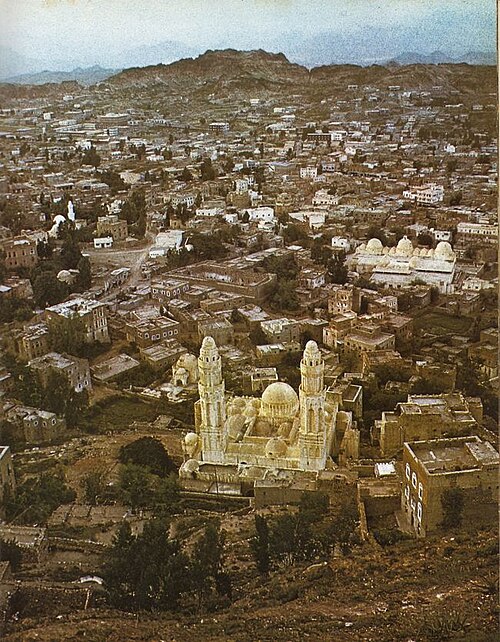
Al-Qahira means the Castle of Cairo. The fortress bears the name Al-Qahira, the same name as the Egyptian capital Cairo, both meaning the victorious or the conqueror, the name the title of the stronghold, Al-Qahira the victorious castle, the fortress of the proud name, the Castle of Cairo the stronghold whose name proclaims its strength and its victory above Taiz in southern Yemen.
The name means the victorious: Al-Qahira, meaning the victorious or the conqueror, the name celebrating the strength and the triumph of the fortress, the castle the victorious stronghold, the name the mark of the strength, Al-Qahira the victorious castle, the fortress whose name proclaims its power above the city of Taiz in the highlands of southern Yemen.
The name is shared with Cairo: Al-Qahira sharing its name with the great city of Cairo in Egypt, both named for the victorious, the name the link of the proud title, the castle the Yemeni Al-Qahira, the fortress the victorious stronghold, Al-Qahira the castle whose name it shares with the Egyptian capital, the victorious fortress above Taiz in southern Yemen.
The Rasulid Dynasty
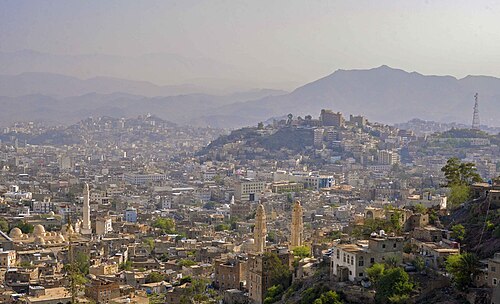
Al-Qahira is linked with the Rasulid dynasty. The castle and the city of Taiz were the seat of the Rasulid dynasty, the rulers who governed Yemen from the thirteenth to the fifteenth century, a dynasty of great power, learning, and splendor, the Rasulids the sultans of Taiz, the dynasty whose capital the city was, the rulers whose stronghold was Al-Qahira above the city of southern Yemen.
The Rasulids ruled medieval Yemen: the Rasulid dynasty governing much of Yemen from their capital at Taiz, the sultans the rulers of the medieval country, the dynasty the power of the thirteenth to the fifteenth century, the Rasulids the lords of Yemen, the sultans whose capital was Taiz and whose fortress was Al-Qahira in the southern highlands.
The Rasulids were patrons of learning: the Rasulid sultans famed as patrons of the learning, the arts, and the sciences, the dynasty the builders of mosques and madrasas and the supporters of the scholars, the Rasulids the patrons of culture, the sultans the lovers of learning, the dynasty whose splendor crowned Taiz and whose stronghold was Al-Qahira in southern Yemen.
The Fortress on the Hill
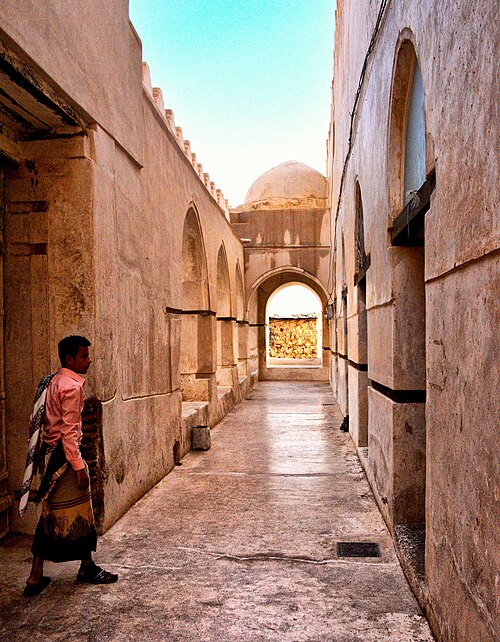
Al-Qahira is a fortress climbing the hillside. The castle climbs the lower slopes of Jabal Sabir in a series of walls, terraces, towers, and buildings, the fortress ascending the hill in levels, the stronghold spread up the slope, Al-Qahira the fortress on the hill, the castle climbing the mountain, the stronghold that rises in terraces up the slope of Jabal Sabir above Taiz in southern Yemen.
The fortress rises in terraces: Al-Qahira ascending the hillside in terraces and levels, the walls and the buildings climbing the slope, the fortress the stronghold of the terraced hill, the castle the building that follows the mountain, the terraces the structure of the fortress, Al-Qahira the castle that climbs the slope of Jabal Sabir in levels above Taiz.
The hilltop crowns the fortress: the summit of the fortified hill crowning Al-Qahira, the highest point the keep and the crown of the stronghold, the hilltop the dominant height of the castle, the summit the crown of the fortress, the highest level the heart of the defense, the hilltop the crown of Al-Qahira above Taiz in the southern highlands of Yemen.
The Walls and the Towers
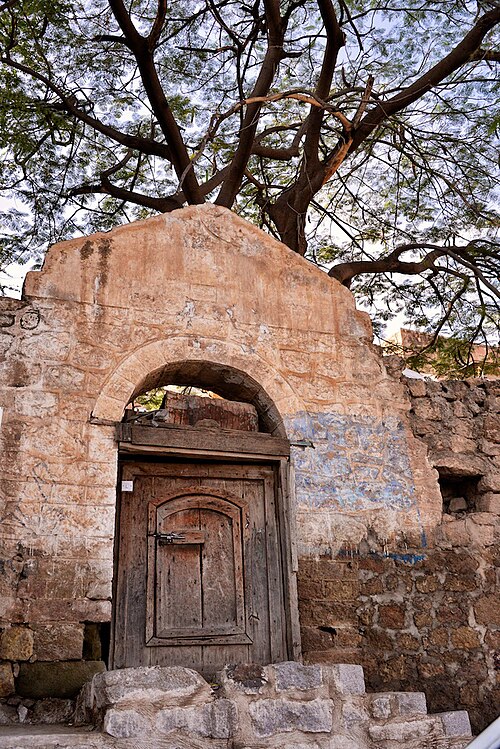
Al-Qahira is defended by walls and towers. The fortress is girdled by its walls, climbing the hillside, studded with towers and bastions, the circuit the defense of the stronghold, the walls and the towers the strength of Al-Qahira, the fortifications the mighty defense of the castle, the walls and bastions the strength of the fortress above Taiz in the highlands of southern Yemen.
The walls climb the hill: the walls of Al-Qahira ascending the slope of Jabal Sabir, the circuit following the terrain, the walls the girdle of the fortress on the hillside, the fortifications the defense that climbs the mountain, the walls the strength of the castle, the circuit the mighty defense of Al-Qahira up the slope above Taiz.
The towers guard the circuit: the towers and bastions of Al-Qahira studding the walls, the towers the strong points of the defense, the bastions the guardians of the circuit, the towers the military works of the fortress, the bastions the strength of the stronghold, the towers the guardians of Al-Qahira on the slopes of Jabal Sabir above Taiz.
The Cisterns and the Water
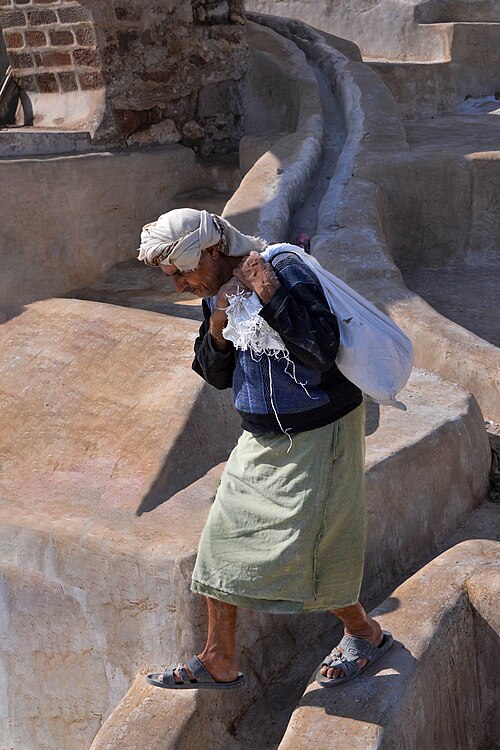
Al-Qahira is famous for its great cisterns. The fortress holds large cisterns cut into the rock and built within the walls, the reservoirs that stored the water to allow the stronghold to withstand a long siege, the cisterns the vital resource of the castle, the great reservoirs the water supply of Al-Qahira, the cisterns the key to the endurance of the fortress above Taiz in southern Yemen.
The cisterns stored the water of the siege: the great cisterns of Al-Qahira storing the water that allowed the garrison to hold out against a siege, the reservoirs the guarantee of the endurance, the cisterns the vital supply, the water stores the lifeline of the fortress, the cisterns the key to the defense, the great reservoirs the water of Al-Qahira above Taiz.
The water came from the mountain: the cisterns of Al-Qahira filled by the rains and the springs of Jabal Sabir, the mountain the source of the water, the cisterns the stores of the mountain’s gift, the reservoirs the collectors of the rain, the water the resource of the heights, the cisterns the stores of the water of Jabal Sabir in the fortress of Al-Qahira above Taiz.
The Palaces Within
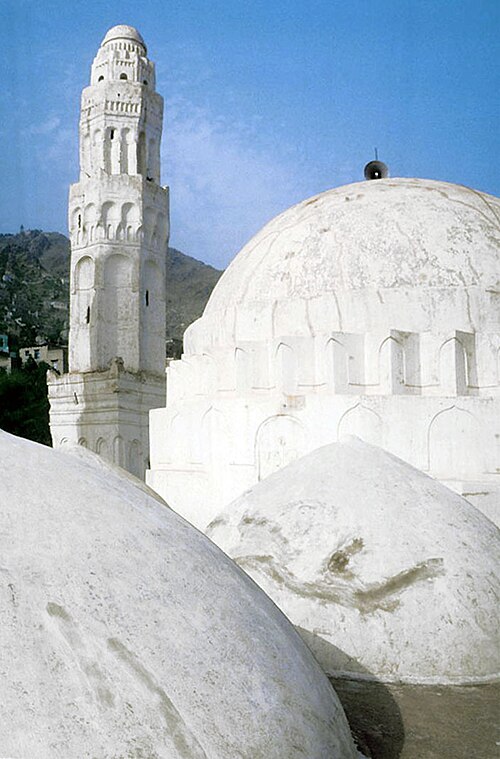
Al-Qahira holds palaces within its walls. The fortress contained, besides its defenses, the palaces and the residences of the Rasulid sultans and the governors, the halls, the rooms, and the apartments of the rulers, the palaces the residential heart of the stronghold, the residences the seat of the sultans within the castle, the palaces within the walls the royal world of Al-Qahira above Taiz in southern Yemen.
The palaces were the seat of the sultans: the residences within Al-Qahira the seat and the home of the Rasulid sultans and the later rulers, the palaces the royal heart of the fortress, the residences the seat of the power, the palaces the home of the sultans within the stronghold, the residences the royal world of Al-Qahira above Taiz in the southern highlands of Yemen.
The palaces made the fortress a royal seat: the residences within Al-Qahira making the fortress not only a stronghold but a royal seat, the palaces the expression of the Rasulid power and splendor, the residences the royal dimension of the castle, the palaces the seat of the sultans, the residences the royal heart of Al-Qahira, the palaces that made the fortress the seat of the Rasulid power above Taiz.
The Rasulid Splendor
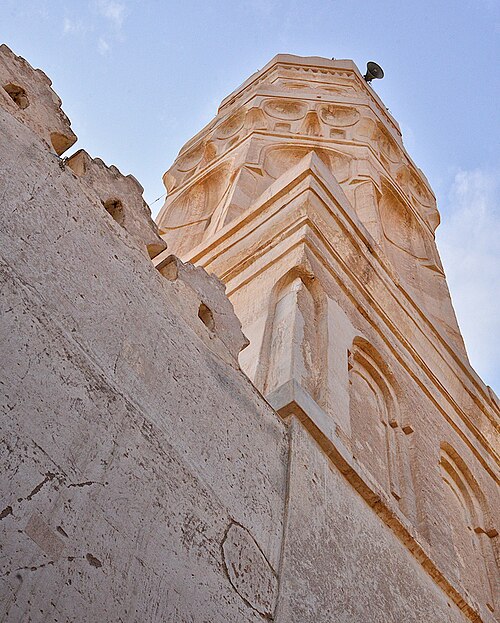
Al-Qahira was a seat of the Rasulid splendor. The fortress and the city of Taiz were the setting of the splendor of the Rasulid dynasty, the court of the sultans, the patronage of the learning and the arts, the building of the mosques and the madrasas, the castle the stronghold of the splendid dynasty, Al-Qahira the seat of the Rasulid power, the fortress of the golden age of Taiz in southern Yemen.
The dynasty made Taiz a center of culture: the Rasulid sultans, from their seat at Taiz and Al-Qahira, making the city a center of the learning, the science, and the arts of medieval Yemen, the dynasty the patrons of the culture, the sultans the builders of the splendor, the Rasulids the makers of the golden age, the dynasty whose splendor crowned Taiz and Al-Qahira.
The fortress crowned the golden age: Al-Qahira, as the stronghold of the Rasulid capital, the crown of the golden age of Taiz, the fortress the symbol of the dynasty’s power, the castle the seat of the splendor, Al-Qahira the crown of the Rasulid Taiz, the fortress of the golden age of the southern highlands of Yemen.
The Siege and the Defense
Al-Qahira was built to withstand a siege. The fortress, with its walls, its towers, its cisterns, and its commanding position, was built to resist a long siege, the stronghold the refuge of the rulers in time of war, the castle the defense of the city, Al-Qahira the fortress of the siege, the stronghold that could hold out on its mountain above Taiz in the southern highlands of Yemen.
The fortress was the refuge of the rulers: Al-Qahira the stronghold to which the rulers of Taiz could retreat in time of war, the castle the refuge of the sultans, the fortress the last defense, the stronghold the safe place of the rulers, the castle the refuge in the siege, Al-Qahira the fortress of the last resort for the rulers of Taiz in southern Yemen.
The castle controlled the city: Al-Qahira, from its commanding position, controlling the city of Taiz below, the fortress the master of the city, the castle the dominant stronghold, the fortress the controller of the town, the stronghold the master of Taiz, Al-Qahira the castle that dominated and controlled the city from the slopes of Jabal Sabir in southern Yemen.
The Old City Below
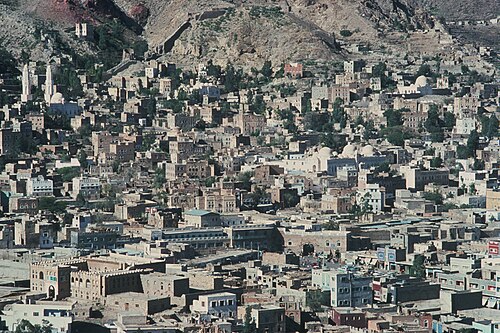
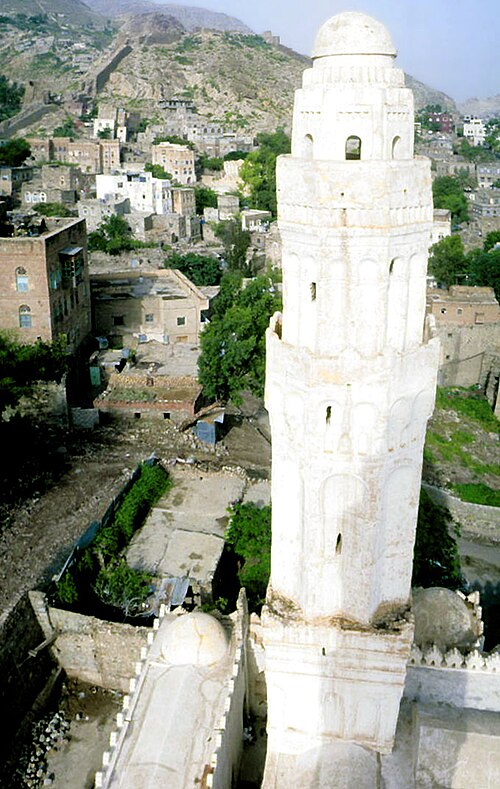
Below Al-Qahira spreads the old city of Taiz. At the foot of the fortress and the mountain spreads the old city of Taiz, a town of mosques, madrasas, markets, and old houses, the city the heart of the Rasulid capital, the old town the jewel below the castle, Al-Qahira the crown of the old city, the fortress the stronghold above the historic town of Taiz in southern Yemen.
The old city holds great monuments: the old town of Taiz containing the great Rasulid mosques and madrasas, including the famous Ashrafiya and Muzaffar mosques, the monuments the jewels of the medieval city, the old city the showcase of the Rasulid architecture, the town the treasure below the castle, the old city the heritage crowned by Al-Qahira in southern Yemen.
The castle and the city are one heritage: Al-Qahira and the old city of Taiz forming a single ensemble of the heritage, the fortress and the town the crown and the heart of the Rasulid capital, the castle the stronghold above the historic city, the fortress and the old town the united treasure of Taiz, Al-Qahira and the city the heritage of the southern highlands of Yemen.
War and Damage
Al-Qahira has suffered in the Yemeni war. The fortress and the city of Taiz, in the front lines of the long Yemeni war, have suffered grievous damage, the castle hit in the fighting, the old city and its monuments harmed, the war a catastrophe for the heritage of Taiz, Al-Qahira the fortress wounded in the conflict, the castle a victim of the war that has devastated the city of southern Yemen.
Taiz was a battleground of the war: the city of Taiz one of the most fought-over cities of the Yemeni war, the town divided and besieged, the fighting devastating the city and its heritage, Taiz the battleground of the conflict, the city the victim of the war, the town whose castle and monuments suffered in the long and terrible conflict of Yemen.
The damage is a wound in the heritage: the harm to Al-Qahira and the old city of Taiz a grievous wound in the heritage of Yemen, the damage to the fortress and the monuments a loss, the war the catastrophe for the treasures of Taiz, the damage the wound in the heritage, Al-Qahira the fortress harmed in the war, the castle a victim of the conflict in southern Yemen.
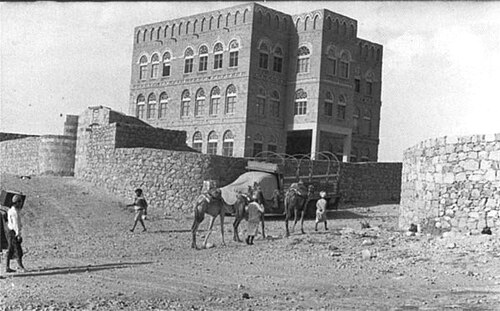
Al-Qahira Castle Today
Al-Qahira Castle today stands as the wounded crown of Taiz, the great medieval fortress on the slopes of Jabal Sabir, the stronghold of the Rasulid capital, the castle of walls, towers, cisterns, and palaces, Al-Qahira the fortress of the highlands, the crown of the old city, the enduring if wounded monument of the Rasulid splendor above the city of southern Yemen, a symbol of the endurance of Taiz.
The fortress endures as the symbol of Taiz: Al-Qahira, damaged in the war but enduring, standing as the crown and the symbol of Taiz, the fortress the monument of the Rasulid age, the castle the symbol of the city’s endurance, Al-Qahira the enduring crown of Taiz, the stronghold that has witnessed the splendor and the suffering of the city of southern Yemen.
Al-Qahira continues the Yemeni palace series, the great medieval fortress of Taiz, the stronghold of the Rasulid capital on the slopes of Jabal Sabir, the castle of walls, towers, cisterns, and palaces, Al-Qahira the crown of the old city, the fortress of the highlands, the enduring monument of the Rasulid splendor above the city of Taiz in the southern highlands of Yemen.
Watch Al-Qahira Castle on Film
Visiting Al-Qahira Castle Today
Al-Qahira Castle stands on the slopes of Jabal Sabir above the city of Taiz, in the southern highlands of Yemen; the great medieval fortress, with its walls, towers, cisterns, and palaces, crowns the city and commands a great view over the old town and the mountains. Yemen has suffered years of war and a grave humanitarian crisis, and Taiz in particular has been a front-line city with heavy damage, so travel is very dangerous and strongly restricted and any visit depends entirely on the security situation, which must be very carefully checked; Al-Qahira remains the enduring crown of Taiz. You can find the castle on the map here: Al-Qahira Castle, Taiz on Google Maps.


