We complete the four fat-soluble vitamins with vitamin K — perhaps the least famous of all the vitamins, yet one with a job so important it can be a matter of life and death. The “K” comes from the German word Koagulation, because this vitamin’s first-discovered role was in helping blood to clot. Without it, even a small injury could bleed dangerously.
What Vitamin K Does
Vitamin K acts as an essential helper in making certain proteins the body needs. Its main roles include:
- Blood clotting: vitamin K is required to make several of the proteins that allow blood to clot. This is its defining role — it is what lets a wound stop bleeding and heal.
- Bone health: it also activates proteins that help bind calcium into bone, so it works alongside vitamin D and calcium to keep the skeleton strong.
- Blood vessel health: the same calcium-regulating proteins help keep calcium where it belongs — in the bones rather than in blood-vessel walls.

Two Forms, Two Sources
Vitamin K comes in two main forms. Vitamin K1 is found in plants, above all in green leafy vegetables, and makes up most of what we eat. Vitamin K2 is found in some animal and fermented foods, and is also produced by the helpful bacteria living in our intestines — another example of how our gut microbes contribute to our vitamin supply. Between diet and gut bacteria, most people maintain a steady supply.

Where to Find Vitamin K
Vitamin K is overwhelmingly a “green” vitamin. The best sources include:
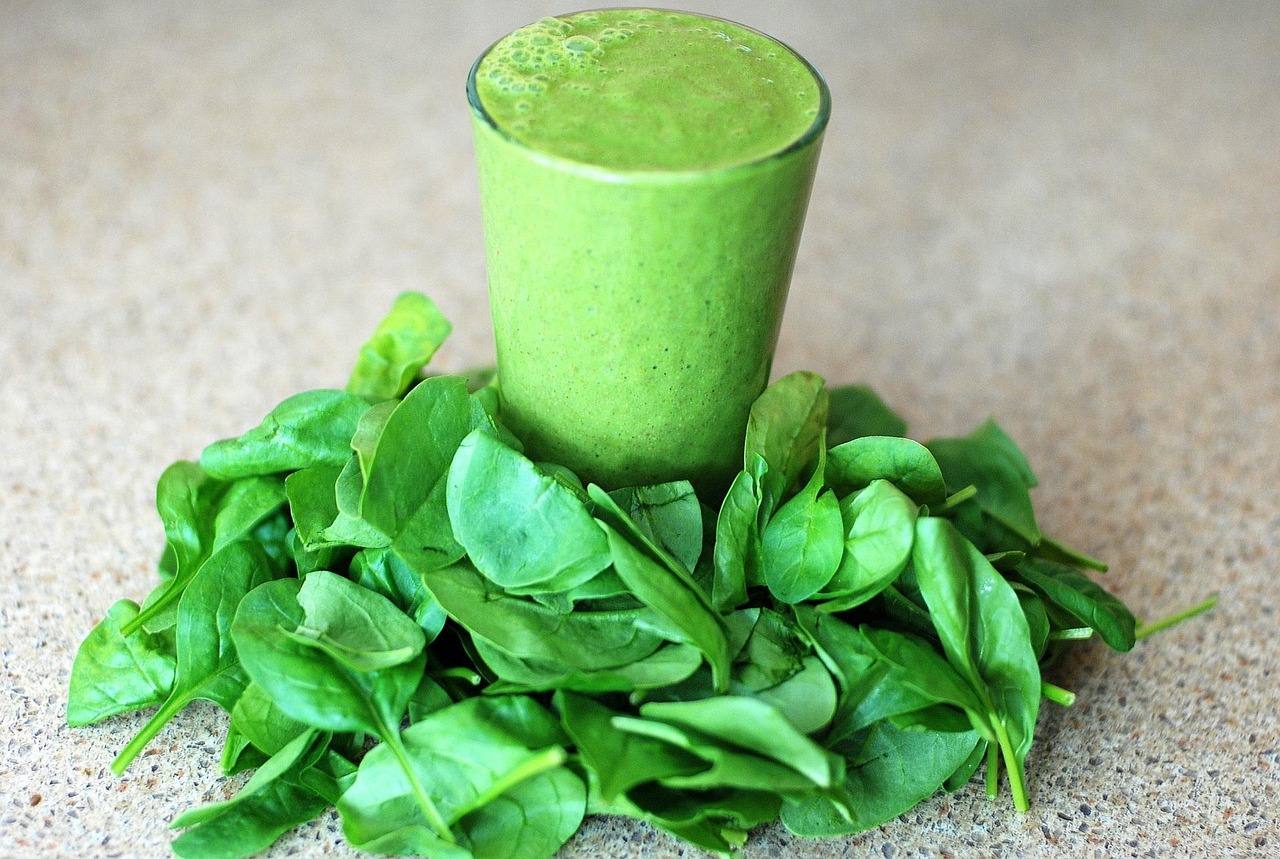
- Dark leafy greens — kale, spinach, collard greens, and Swiss chard are the champions.
- Broccoli, Brussels sprouts, and cabbage.
- Some vegetable oils.
- Fermented foods such as natto, and certain cheeses (for the K2 form).
- Small amounts in eggs and meat.

Because vitamin K is fat-soluble, eating your greens with a little fat — a dressing of olive oil, for instance — helps absorption. Deficiency is uncommon in adults, though newborn babies are routinely given vitamin K because they are born with very low stores. One important note: vitamin K interacts with certain blood-thinning medications, so anyone taking those should keep their intake of green vegetables steady and follow their doctor’s guidance.

With vitamin K, we have now covered all thirteen essential vitamins. From here, the series turns practical — starting next with the difference between fat-soluble and water-soluble vitamins and what it means for how you eat.
This article is intended as general nutritional information and is not a substitute for personalized advice from a doctor or registered dietitian, especially if you take blood-thinning medication.