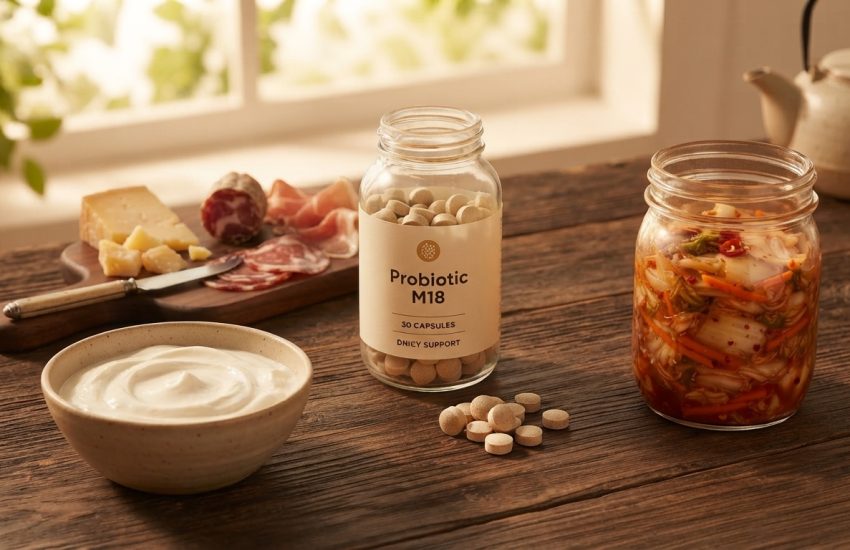
It is one of the most common questions in all of nutrition: if vitamins are so important, why not just take a pill and be done with it? Supplements are a huge industry, and for some people they are genuinely useful. But the evidence is surprisingly clear that for most people, food is the better source — and this article explains why, while being fair about when supplements really do help.
Why Food Usually Wins
Whole foods deliver vitamins in a way no pill can fully copy, for several reasons:
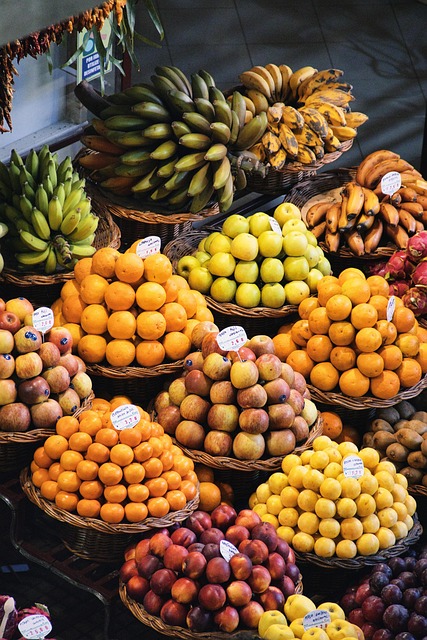
- The whole package: food provides vitamins together with fiber, minerals, healthy fats, and protective plant compounds that work together — a teamwork a single vitamin pill cannot reproduce.
- Natural balance: food delivers vitamins in sensible amounts and proportions, making harmful overdoses very unlikely.
- Better absorption in context: nutrients in food are often absorbed and used more effectively because they arrive alongside their natural partners — like fat-soluble vitamins coming with the fat needed to absorb them.
- No surprises: whole foods do not carry the risk of excessive doses or unexpected interactions that high-strength supplements can.

This reflects a thread running through the entire series: vitamins rarely act alone. They work as a team with each other and with the other nutrients in food — which is precisely what a varied diet provides and an isolated pill does not.
The Limits of Supplements
Beyond missing the “whole package,” supplements have a more sobering track record: for healthy, well-nourished people, large studies have generally found that routine multivitamins do not extend life or prevent the major chronic diseases people hope they will. They cannot undo a poor diet, and taking high doses of certain vitamins — especially the fat-soluble ones — can actually cause harm. A supplement is a targeted tool, not a substitute for good eating.

When Supplements Genuinely Help
That said, supplements are valuable in real and specific situations, and it would be wrong to dismiss them. They are often recommended for:
- Vitamin B12 for vegans and strict vegetarians, who cannot get enough from plant foods.
- Vitamin D for people with little sun exposure, especially in winter or at northern latitudes.
- Folic acid for women who are pregnant or may become pregnant.
- Specific deficiencies diagnosed by a doctor, or conditions that impair absorption.
- Certain life stages or restricted diets where particular nutrients fall short.

The sensible conclusion is a balanced one: build your nutrition on a varied, colorful, whole-food diet, and use supplements purposefully — to fill a genuine gap, ideally with guidance — rather than as a daily insurance policy or a replacement for real food. In the final part of this series, we look at vitamin deficiencies and who is most at risk of them.
This article is intended as general nutritional information and is not a substitute for personalized advice from a doctor or registered dietitian.
You May Like