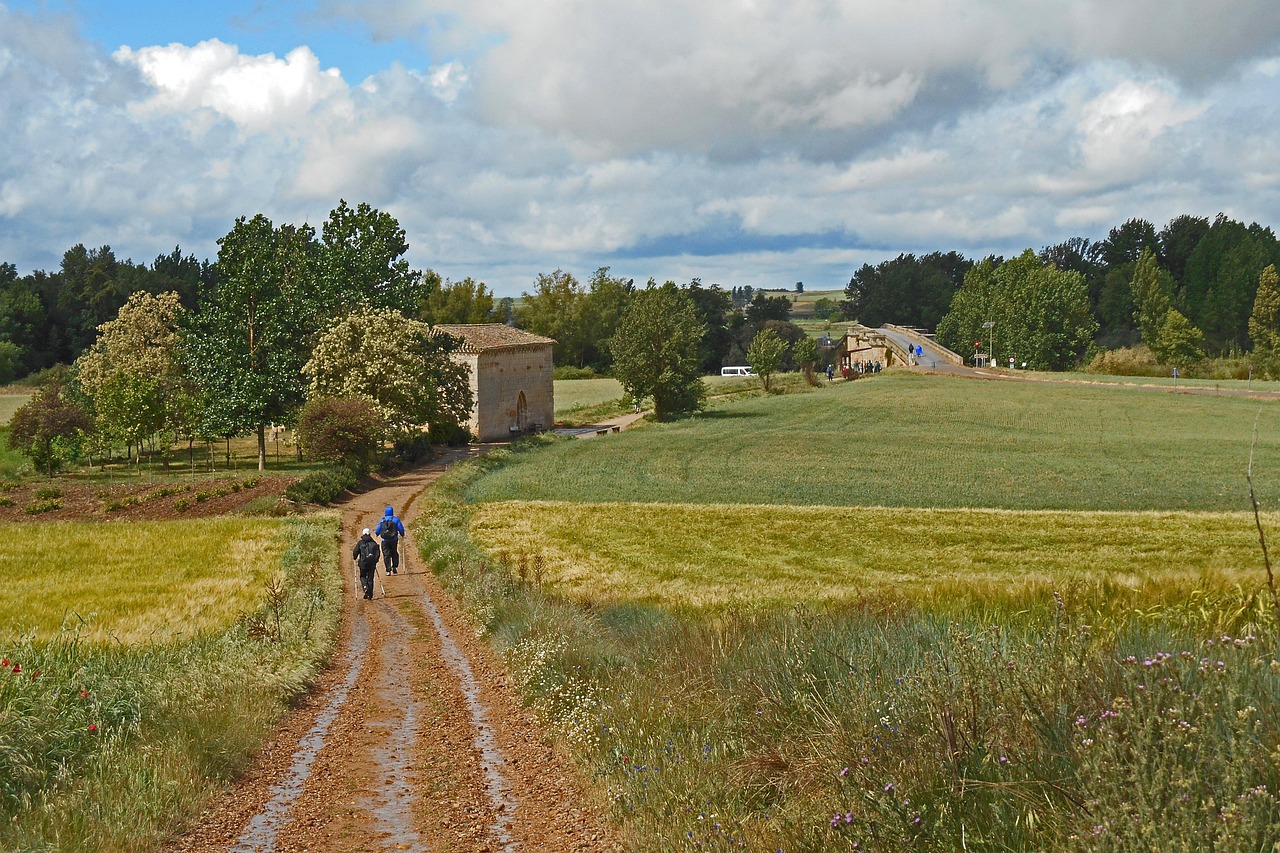
For many people, Santiago de Compostela is not just a place but a journey – the end of the Camino de Santiago, the Way of Saint James. This ancient network of pilgrim routes, walked for over a thousand years and revived spectacularly in recent decades, draws people of all faiths and none to cross mountains, plains and forests on foot or by bicycle to reach the apostle’s tomb.
The Many Ways to Santiago
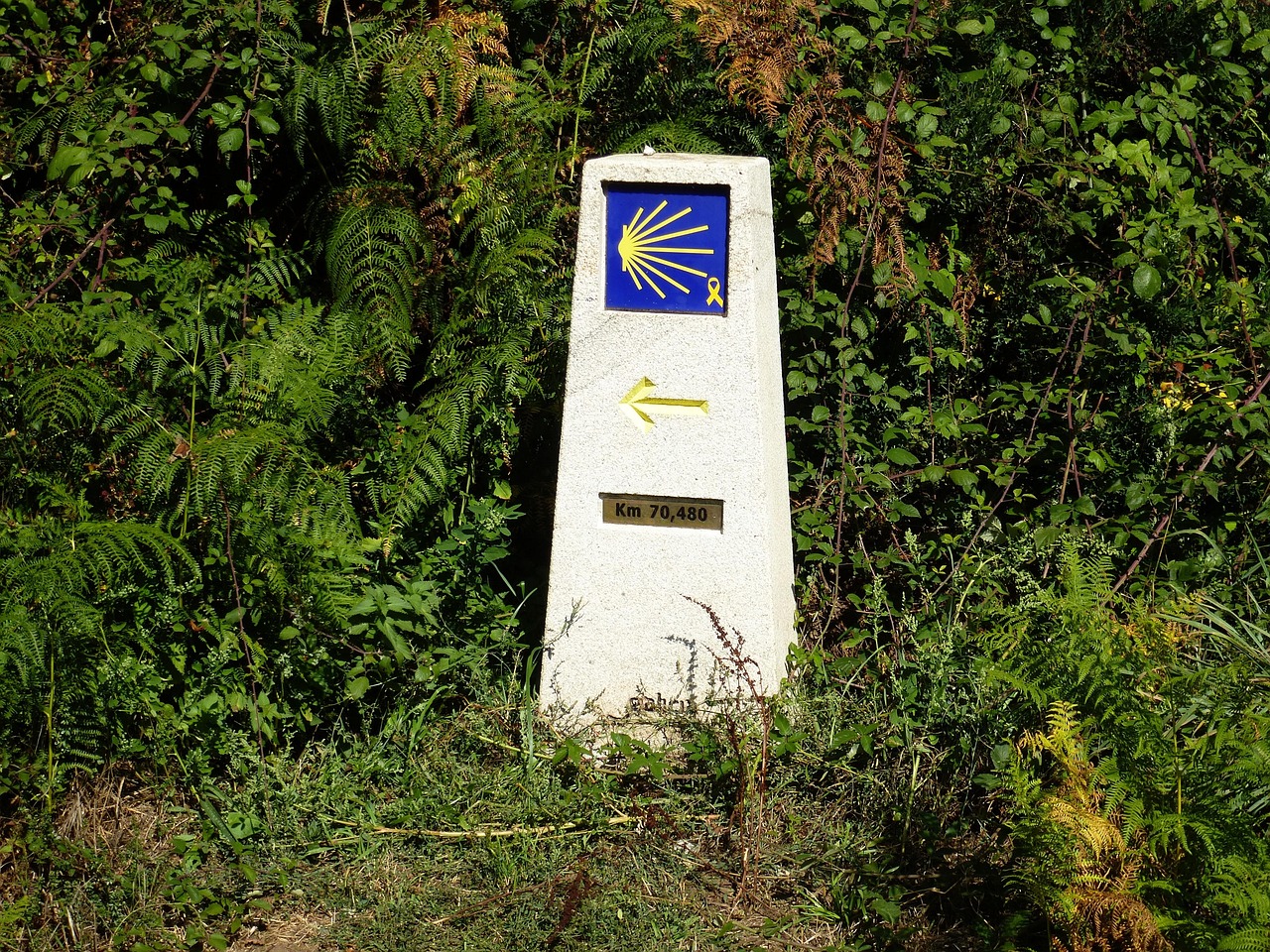
There is no single Camino but a web of routes converging on the city. The most famous is the French Way (Camino Francés), which crosses the Pyrenees and runs some 800 kilometres across northern Spain. Others include the Portuguese Way from the south, the Northern Way along the coast, and the English Way from the ports where British and Irish pilgrims once landed. All are marked with the symbol of the journey: the scallop shell and the yellow arrow.
The Scallop Shell and the Pilgrim
The scallop shell is the emblem of the Camino, worn by pilgrims and set into waymarkers, bridges and walls along the route. Walkers carry a “pilgrim passport,” the credencial, which they have stamped at churches, hostels and cafes to record their journey. Those who complete at least the final 100 kilometres on foot (or 200 by bicycle) for spiritual reasons can receive the Compostela, a certificate issued in Santiago.
The Experience of the Way
What makes the Camino remarkable is the experience itself: the slow rhythm of walking, the simple network of hostels (albergues), the meals shared with strangers from around the world, and the quiet that descends on the trail. Many walk for faith, others for reflection, grief, adventure or simply the challenge. Whatever the reason, most arrive in Santiago changed in some way by the road.
Arriving in Santiago
The emotional climax comes on entering the great square before the cathedral, where pilgrims often sit on the paving stones and simply look up at the towers they have walked so far to see. Many then attend the Pilgrim’s Mass, collect their Compostela, and embrace the statue of Saint James within the cathedral – the traditional gestures that complete the journey.


One thought on “The Camino de Santiago: Walking the Way of Saint James”