Numbers do not usually move people, but Baikal numbers come close. This single lake holds roughly a fifth of all the unfrozen fresh water on the planet, more than all five North American Great Lakes combined. It is the deepest lake on earth at over 1,600 metres, and at around 25 million years old it is also the most ancient, which is why it has evolved its own private menagerie of creatures found nowhere else, from the translucent golomyanka fish to the Baikal seal, the only seal species in the world that lives entirely in fresh water. The closest shore to Irkutsk is the village of Listvyanka, about an hour by road, and it is where most first encounters with the lake happen. Here is how to make yours a good one.
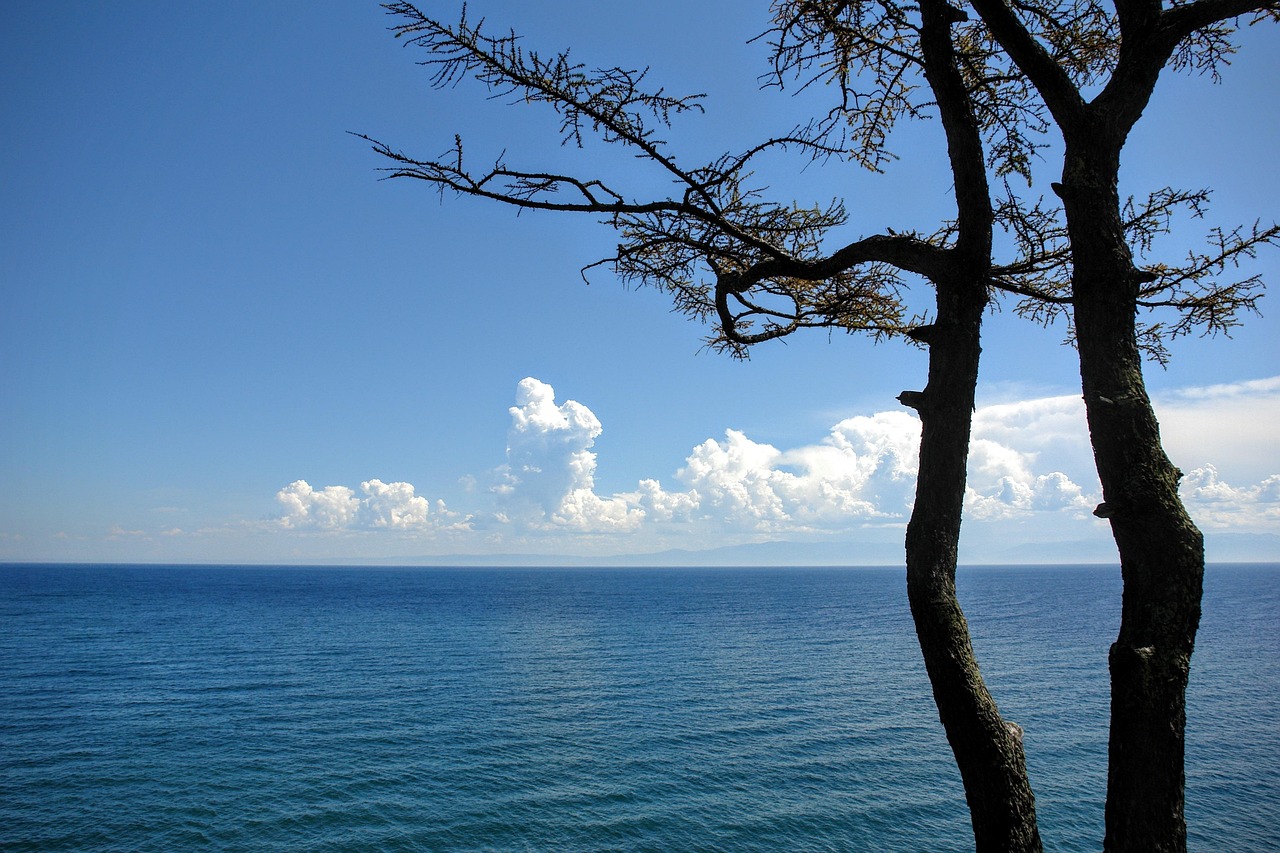
Getting to Listvyanka and First Impressions
A marshrutka minibus from the Irkutsk central market runs to Listvyanka through birch and pine taiga, dropping you where the Angara River, the only river that flows out of Baikal, leaves the lake. The water hits you immediately. On a calm day it is so clear you can see stones five or six metres down, and so cold year round that it stays drinkable straight from the shore. Resist the urge to stay glued to the main waterfront strip with its smoked-fish stalls. Walk fifteen minutes in either direction and the crowds thin to almost nothing, leaving you alone with a horizon of water that genuinely looks like a sea.
The Chairlift, the Observatory and the Nerpa Seals
For the classic panorama, ride the small chairlift up to the Chersky Stone viewpoint, where you look out over the point at which the Angara escapes the lake. The Baikal Museum near the harbour is more interesting than its modest size suggests, with aquarium tanks holding live nerpa seals and the strange endemic fish you will never see in the wild. Buy a portion of hot smoked omul, the lakes signature fish, from a shoreline smokehouse and eat it with black bread while it is still warm. It is the single most authentic taste of the region, and it costs almost nothing.
Why Winter Is a Completely Different Trip
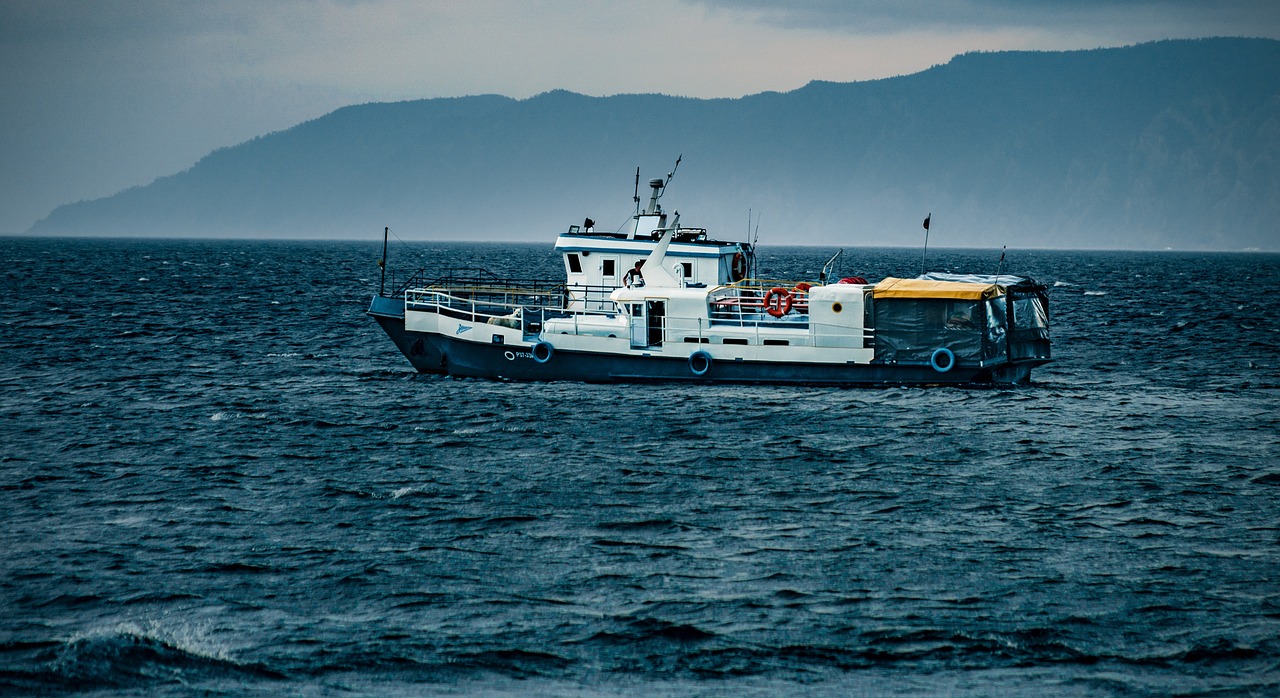
Most summer visitors never realise they are seeing the lesser version of Baikal. From roughly late January the surface freezes into a metre-thick sheet of glass so transparent that you can lie down and stare straight into the black depths below your face, while pressure cracks boom underfoot like distant thunder. Locals drive cars and run dog sleds across it, and the shoreline grottoes fill with chandeliers of turquoise ice. If your schedule has any flexibility at all and you can handle deep cold, the frozen lake is one of the most surreal landscapes anywhere on the planet, and it transforms Listvyanka from a pleasant stop into the reason for the whole trip.
Treat Listvyanka as your handshake with Baikal rather than the whole relationship. See the seals, eat the omul, climb to the viewpoint, and let the sheer scale of the water do its work. If you can possibly come in deep winter, do.
More Irkutsk and Lake Baikal Travel Guides
- Irkutsk Wooden Lace: A Walk Through the 130 Kvartal and the Old Merchant Town
- Olkhon Island: The Shamanic Heart of Baikal and Why It Feels Different
- Irkutsk After Dark: Where Siberia Unwinds When the Sun Goes Down
- Irkutsk and Lake Baikal Guide Series (Hub)
Planning the whole trip? See our complete Irkutsk and Lake Baikal master guide for every series in one place.


2 thoughts on “Standing on the Oldest Lake on Earth: A First-Timer Guide to Listvyanka and the Baikal Shore”