Most travellers treat Irkutsk as nothing more than a place to sleep before the boat to Lake Baikal. That is a mistake. For two centuries this was the richest fur and gold-trading city east of the Urals, and the wealth that flowed through it built something you will see almost nowhere else on earth: entire neighbourhoods of two-storey log houses wrapped in carved wooden lace. Exiled Decembrist aristocrats, Polish rebels and tea merchants all left their mark here, and the result earned Irkutsk its old nickname, the Paris of Siberia. Spend a single unhurried afternoon walking it and you will understand why people who skip the city in their rush to the lake are missing half the story.
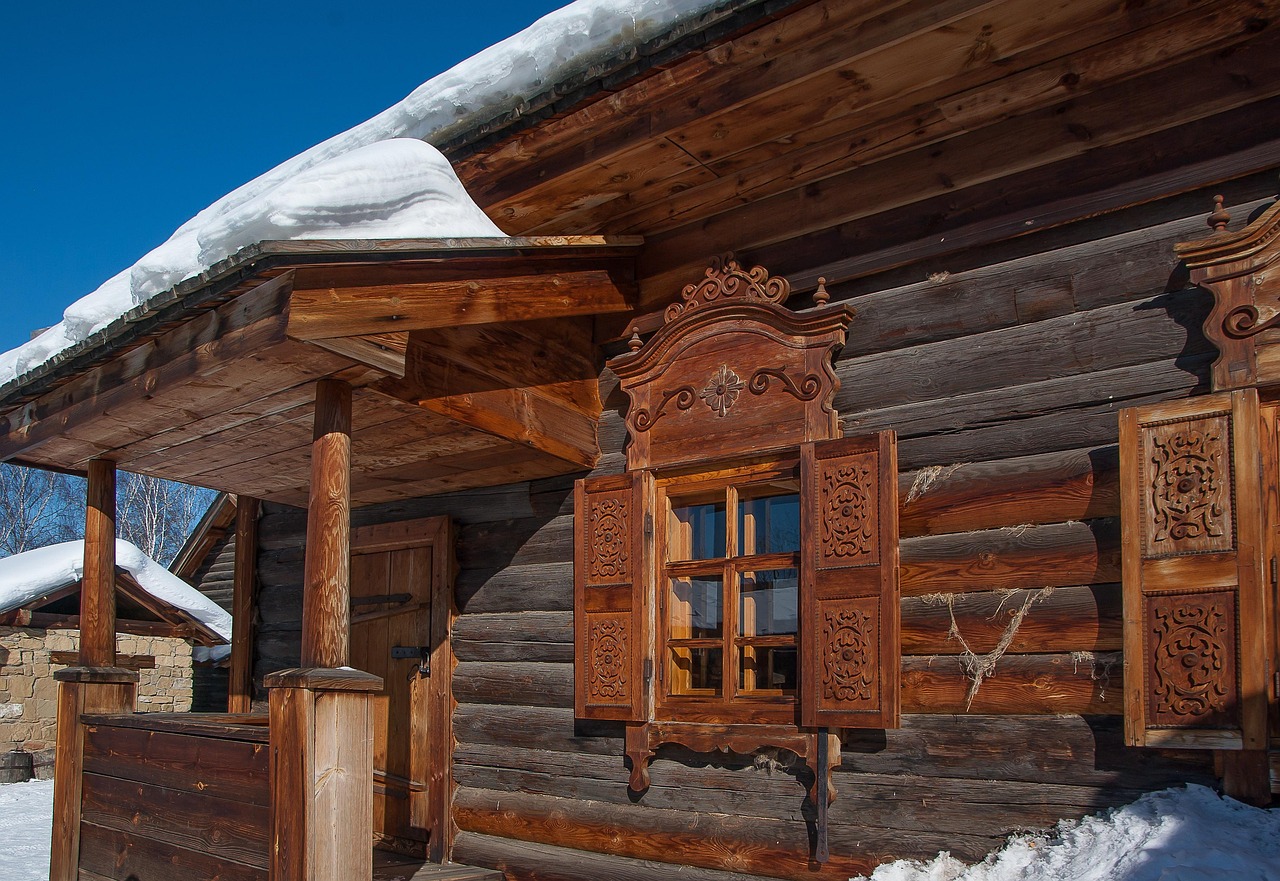
Reading the Carved Window Frames
The first thing to learn is that the wooden carving on these houses is not decoration for its own sake. The deep frames around each window, called nalichniki, were a kind of folk language. Sun discs, stylised birds, twining vines and geometric guard-patterns were carved to protect the household and signal the owner status. On the older Decembrist-era homes the carving is restrained and almost severe; on later merchant houses from the 1880s it explodes into curling, three-dimensional volutes that drip from the eaves. Walk slowly along Friedrich Engels Street and Dekabrskih Sobytiy and look up: you are reading a hand-cut record of who lived here and how much they wanted you to know it.
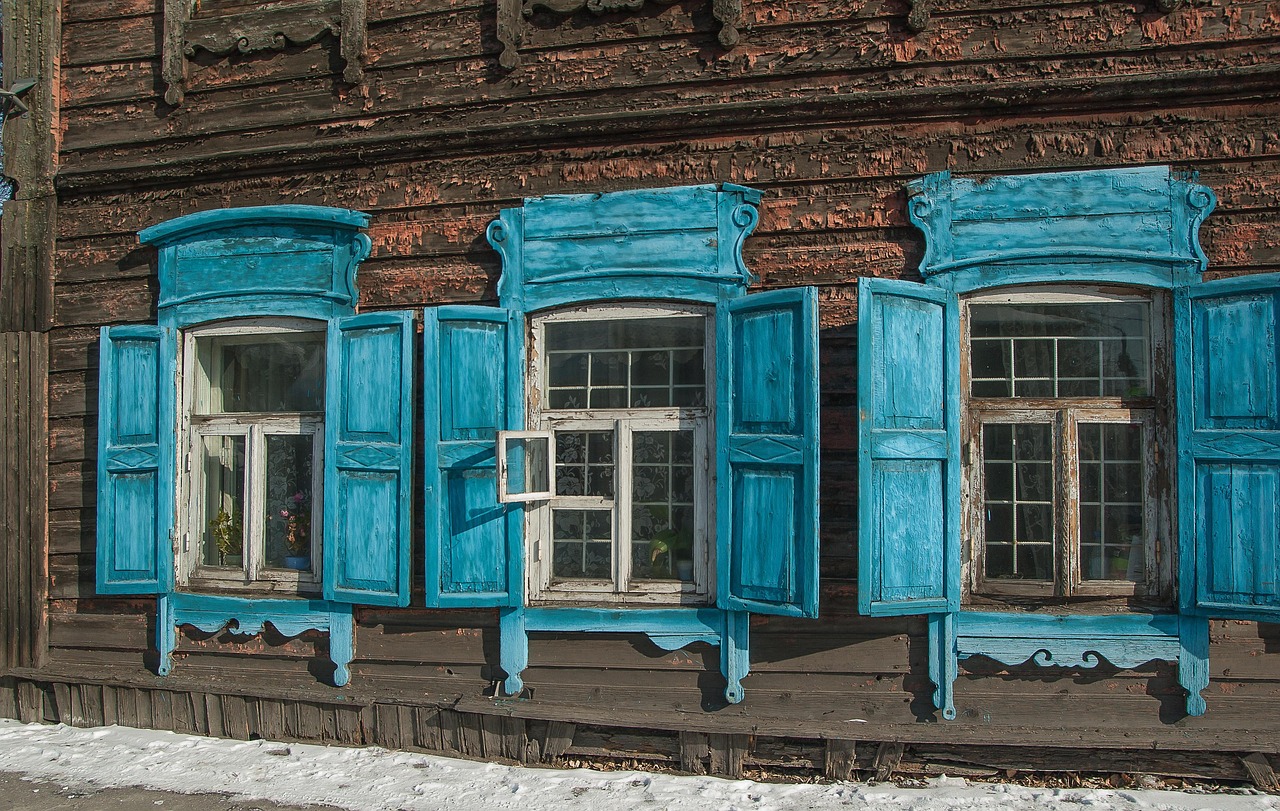
The 130 Kvartal, Honestly Explained
The single most-visited spot is the 130 Kvartal, a block of restored and reconstructed wooden houses turned into restaurants, craft shops and small museums. It is worth your time, but go in with clear eyes: many of these buildings are careful modern rebuilds rather than untouched originals, assembled here in 2011 to save threatened houses from across the city. That does not make it fake so much as a curated open-air collection. The bronze Babr, the mythical tiger-sable beast on the citys coat of arms, guards the entrance and makes the obvious photo. For the genuinely old, weathered, lived-in version of the same architecture, walk ten minutes north into the ordinary residential streets where laundry still hangs between the carved gables.
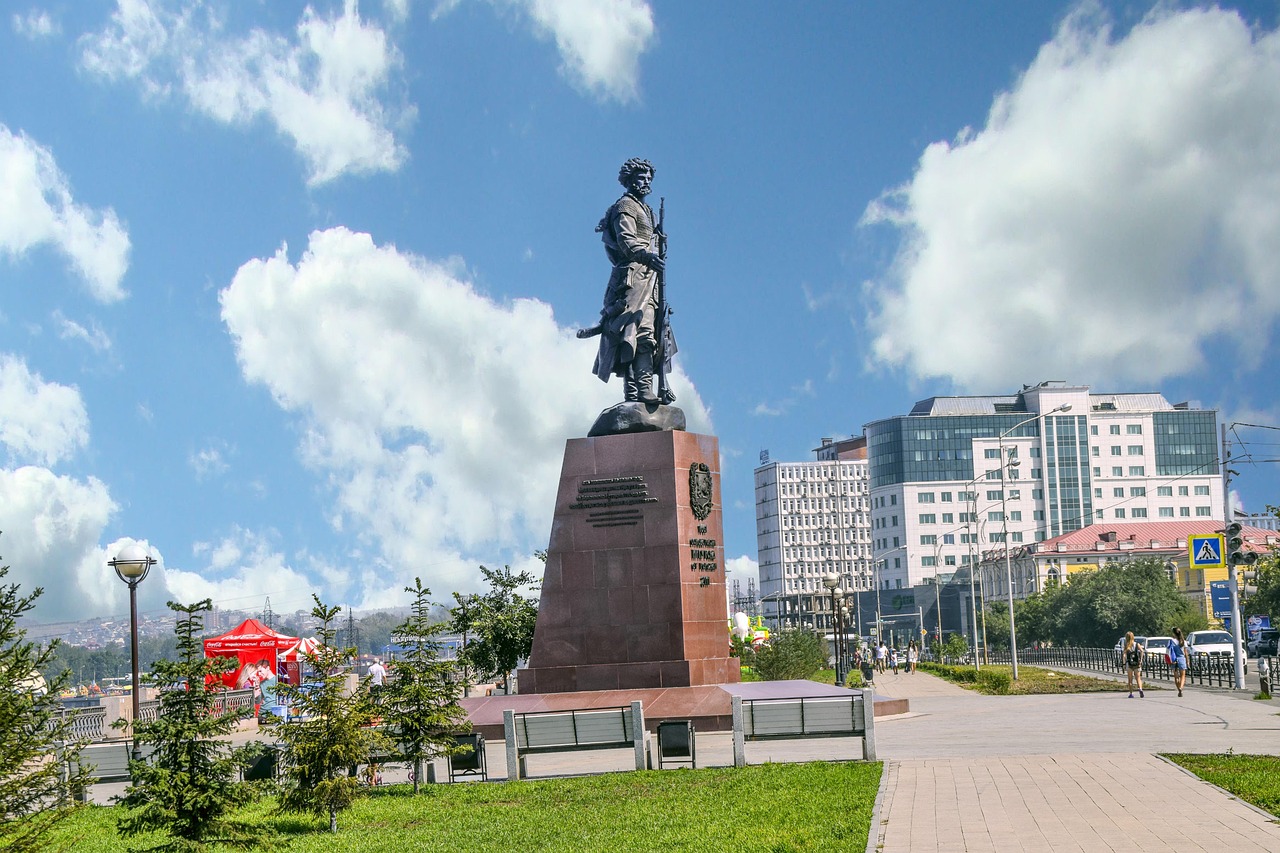
The Decembrist Houses and the Volkonsky Estate
The deepest layer of the city story sits in the Volkonsky and Trubetskoy house-museums. After the failed 1825 uprising against the Tsar, a generation of educated noble officers was exiled to Siberia, and several of their wives followed them voluntarily into a life nobody had prepared them for. Their Irkutsk homes, now museums, are filled with pianos, French books and exquisite furniture that feels impossibly refined for its frozen surroundings, and that contrast is exactly the point. These families effectively founded the citys cultural life, opening schools and salons. Visiting their parlours is the closest you will come to understanding why a remote Siberian outpost ever started calling itself the Paris of anything.
Give Irkutsk a full day before you leave for the water. Start at the 130 Kvartal in the morning when it is quiet, drift north into the real wooden neighbourhoods, and finish in a Decembrist parlour as the light goes gold. The lake will still be there tomorrow.
More Irkutsk and Lake Baikal Travel Guides
- Standing on the Oldest Lake on Earth: A First-Timer Guide to Listvyanka and the Baikal Shore
- Olkhon Island: The Shamanic Heart of Baikal and Why It Feels Different
- Irkutsk After Dark: Where Siberia Unwinds When the Sun Goes Down
- Irkutsk and Lake Baikal Guide Series (Hub)
Planning the whole trip? See our complete Irkutsk and Lake Baikal master guide for every series in one place.


3 thoughts on “Irkutsk Wooden Lace: A Walk Through the 130 Kvartal and the Old Merchant Town”