In the rainforests where the eastern foothills of the Andes meet the lowland Amazon, along the border between Ecuador and Colombia, live the Cofan, an indigenous people with a deep and ancient relationship to the forest and a rich tradition of shamanic knowledge. Speaking a language unrelated to any other on earth, they have inhabited this land of clear rivers and abundant life for a very long time, developing a culture finely attuned to its forests.
This article explores who the Cofan are, from their roots and unique language to their beliefs, crafts, food, and their renowned skill in the forest. It also tells of their modern struggle against the oil development that has devastated much of their homeland, a fight that has made them a symbol of indigenous environmental resistance in the Amazon and a people determined to defend their forest and their future.
Contents
- Origins of the Cofan in the Ecuadorian Amazon
- The Name Cofan and What They Call Themselves
- The Aingae Language, a Rainforest Isolate
- Homeland in the Foothills of the Andes and Amazon
- The Old Way of Life in the Forest
- How Cofan Society Was Organized
- Beliefs, Shamans, and the Yaje Vine
- Traditions Carried Through the Generations
- Crafts of Beads, Fiber, and Feather
- Food from Gardens, Forest, and River
- Festivals, Music, and Community Life
- A History of Oil, Loss, and Resistance
- The Cofan People Today
Origins of the Cofan in the Ecuadorian Amazon
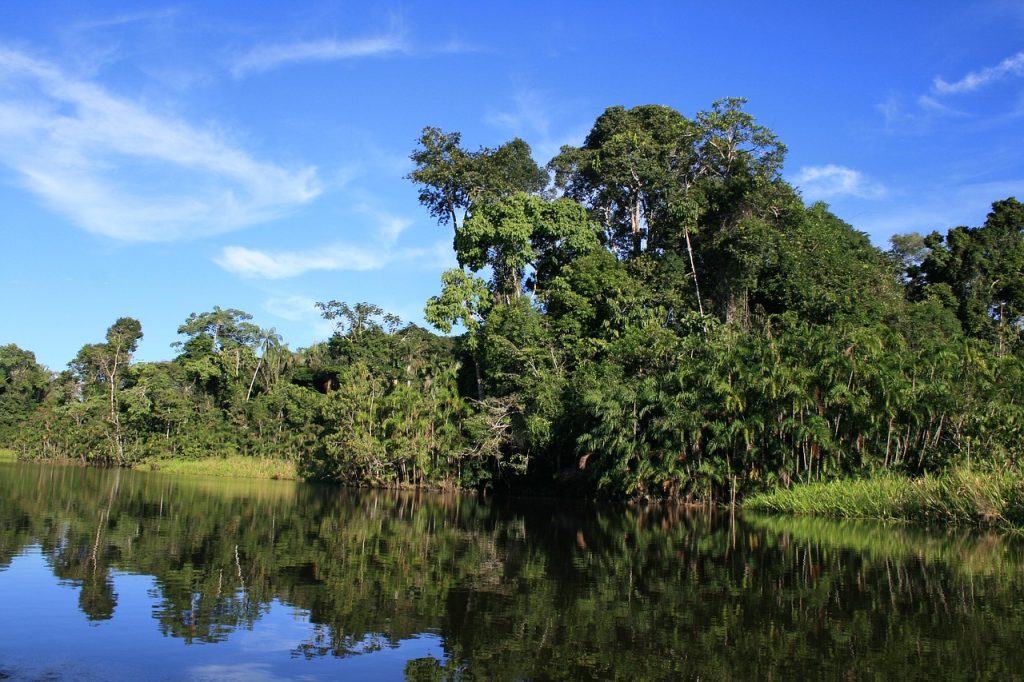
The Cofan are an indigenous people of the northwest Amazon, living in the rainforests where the eastern foothills of the Andes give way to the lowland forest, in a region straddling the border between Ecuador and Colombia. Their homeland lies along rivers such as the Aguarico and San Miguel, in a land of dense forest, clear rivers, and remarkable biological richness. The Cofan have inhabited this region for a very long time.
For centuries the Cofan lived as one of the peoples of this forested borderland, distinct in language and custom from their neighbors. Their traditional way of life combined the cultivation of forest gardens with hunting, fishing, and gathering, and was marked by a rich spiritual tradition centered on the use of sacred plants. They were known for their skill in the forest and for the depth of their shamanic knowledge.
In more recent times the Cofan have become known far beyond their homeland for their determined resistance to the oil development that has devastated much of their territory. Their story combines a deep and ancient relationship with the rainforest with a modern struggle to defend that forest against powerful outside forces, making them a symbol of indigenous environmental resistance in the Amazon.
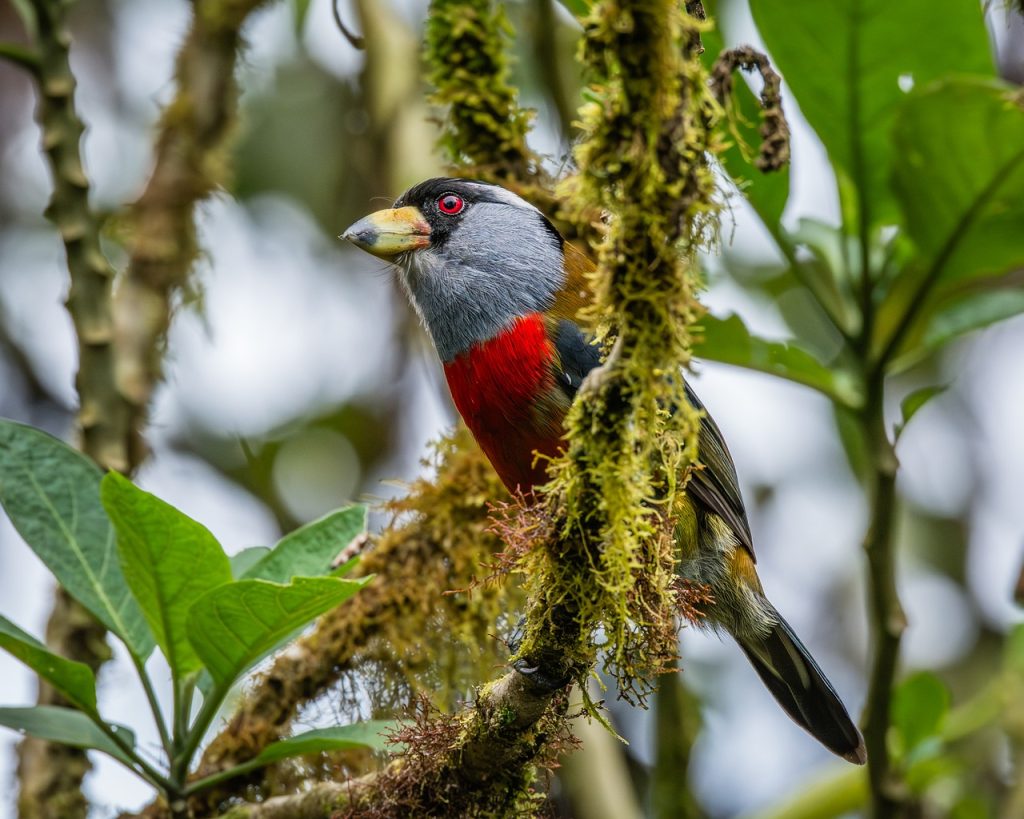
The zone where mountain and lowland meet gives the Cofan homeland an unusual richness, for species from very different elevations overlap here, and the people developed a correspondingly deep and detailed knowledge of a forest more varied than most.
Neighboring peoples such as the Siona and Secoya shared parts of this river world with the Cofan, each maintaining its own language and traditions within a wider mosaic of forest cultures along the Andean-Amazon frontier.
The Name Cofan and What They Call Themselves
The people are widely known as Cofan, also spelled Cofan or Kofan, a name recorded in the historical literature and used by outsiders. Among themselves, however, they use their own name in their own language, a term that reflects how the people understand their own identity. As with many indigenous peoples, the name by which they became widely known is not necessarily the one they use for themselves.
The self-designation of the Cofan is rooted in their language and their sense of who they are as a people distinct from their neighbors. The gap between outside names and a people’s own name for themselves is a common feature across the Americas, and understanding the Cofan on their own terms means recognizing the identity they claim for themselves rather than only the labels given by others.
Whatever the name used, the Cofan have long possessed a strong sense of their distinct identity, rooted in their language, their forest homeland, and their spiritual traditions. That identity has survived the enormous pressures of the oil era and the disruptions of the modern world. Asserting and defending that identity has become inseparable from the wider struggle to protect their land and their future.
The careful use of their own name, in place of the outside labels, has become part of a broader assertion of identity by a people determined to be known on their own terms and not merely as they were once described by others.

The Aingae Language, a Rainforest Isolate
The Cofan language, known as Aingae, is a linguistic isolate, unrelated to any other known language family. This makes it a subject of great interest to linguists and a precious part of the world’s linguistic heritage. As an isolate, Aingae carries a unique way of describing the forest world, developed over countless generations in isolation from the major language families of the region.
Every word of Aingae encodes knowledge of a specific environment, from the names of plants and animals to the terms for the spiritual concepts central to Cofan culture. The language is bound up with the shamanic traditions and the intimate knowledge of the rainforest that define the Cofan way of life. Its survival is essential to the survival of that knowledge and that culture.
Like many indigenous languages, Aingae faces pressure from Spanish and from the changes brought by contact with the wider society. Yet it remains in use in Cofan communities, and efforts to document and support it are part of the broader struggle to defend the culture. The continued vitality of Aingae depends on the strength of the communities that speak it and on their determination to pass it on.
That Aingae stands alone, with no known relatives, deepens the loss that its disappearance would represent, for there would be no sister languages to preserve even an echo of its unique way of naming the world. Each fluent speaker is, in effect, a keeper of a singular human inheritance.
Linguists working with Cofan speakers have compiled dictionaries and recordings that now serve both scholarship and the community’s own efforts to teach the language to its children.
Homeland in the Foothills of the Andes and Amazon
The Cofan homeland lies in the transition zone between the eastern foothills of the Andes and the lowland Amazon rainforest, in a region drained by rivers such as the Aguarico and San Miguel along the Ecuador-Colombia border. This is a land of extraordinary biological richness, where the descent from the mountains to the lowlands creates a remarkable variety of habitats and an abundance of life.
For the Cofan, this environment was both home and provider. They knew its forests, rivers, and seasons with a precision born of long experience, and drew from it nearly everything they needed. Settlements were traditionally located along the rivers, which served as sources of food, water, and routes of travel through the forest. The rhythm of life followed the cycles of the rainforest.
The Cofan homeland has been profoundly affected by oil development, which brought roads, settlers, and severe pollution to much of the region. Defending and, where possible, restoring the homeland has become central to the modern struggle of the Cofan. For them, the land is not merely where they live but the foundation of their identity, their knowledge, and their survival as a people.
Rivers such as the Aguarico were once famed for the clarity of their waters and the abundance of their fish, a richness that oil pollution has in places gravely diminished, giving the defense of the homeland an urgency measured in the health of every stream.
The seasonal rise and fall of the rivers shaped the year, bringing fish in abundance at some times and favoring hunting at others, a rhythm the Cofan read closely in ordering their lives.
The Old Way of Life in the Forest
Traditional Cofan life was built around the extended family and the community, living in dwellings built from forest materials and surrounded by garden plots cut from the forest. This pattern of settlement suited an environment where resources were spread across a wide area and where the forest needed time to recover after cultivation. The community and the surrounding forest formed the world of daily life.
The daily rhythm followed the forest and the rivers. Men hunted and fished, cleared gardens, and gathered forest products, while women tended crops, prepared food, and cared for children. Knowledge and work were shared according to age and skill, and children learned the ways of the forest by watching and helping their elders. The forest supplied food, medicine, materials, and much more.
This way of life gave the Cofan a strong self-sufficiency, for a community could provide nearly everything it needed from the forest and rivers around it. Central to this way of life was a deep knowledge of the rainforest, including its medicinal and sacred plants, a knowledge that lay at the heart of the shamanic traditions for which the Cofan were renowned.
Knowledge of medicinal plants was especially deep, and the forest served the Cofan as a vast pharmacy whose remedies were known intimately to those trained in their use, a body of learning inseparable from the shamanic traditions.

How Cofan Society Was Organized
Cofan society was organized around the extended family and the community rather than around powerful chiefs or centralized authority. Leadership was often closely tied to spiritual knowledge, with respected shamans and elders holding great influence. Authority rested on knowledge, experience, and moral standing rather than on force, and decisions were often reached through discussion within the community.
Kinship and marriage linked communities into a wider network, and these ties were essential in a landscape where communities lived at some distance from one another. The shamans, with their deep knowledge of the sacred plants and the spirit world, held a special place, serving as healers and as guardians of the traditions. Their knowledge was central to the wellbeing of the community.
This structure gave Cofan society flexibility and reflected the central place of spiritual knowledge in their culture. The pressures of the oil era and the modern world brought enormous challenges to this social order. In response, the Cofan have developed new forms of organization to represent themselves, to defend their land, and to manage their relations with the outside world while drawing on their traditions.
The authority of a respected shaman could extend well beyond a single community, drawing people from a wide area who sought healing or guidance, so that spiritual knowledge served as one of the threads binding the scattered Cofan world together.
Because so much depended on the guidance of the knowledgeable, the education of the young in the ways of the forest and, for a few, in the disciplines of the shaman was among the most important work of the community.
Beliefs, Shamans, and the Yaje Vine
The spiritual life of the Cofan was rich and centered on the shamanic traditions and the use of sacred plants, above all the vine known as yaje, used in ceremony to gain knowledge, to heal, and to communicate with the spirit world. The Cofan understood their world as filled with spiritual powers, and the shaman’s role was to navigate this world on behalf of the community.
The training of a shaman was long and demanding, involving the mastery of chants, knowledge of plants, and experience with the sacred vine. The shaman served as healer, as intermediary with the spirit world, and as a guardian of the deep knowledge on which the wellbeing of the community depended. This spiritual tradition was among the most important and distinctive features of Cofan culture.
This spiritual knowledge was closely tied to the language, the forest, and the plants of the homeland. The disruptions of the oil era and the pressures of the modern world placed this tradition at risk, as the forest was damaged and communities changed. Yet the shamanic traditions endured, a vital part of the heritage the Cofan have worked to maintain and to pass on to future generations.
The ceremonial use of the sacred vine was hedged about with careful preparation and rules, understood not as a casual experience but as a demanding path to knowledge undertaken under the guidance of an experienced shaman.

Traditions Carried Through the Generations
Cofan traditions were carried forward through the spoken word, through ceremony, and through the guidance of elders and shamans rather than through writing. The knowledge needed to live in the forest, the stories that explained the world, and the spiritual knowledge centered on the sacred plants all passed from one generation to the next through instruction and shared experience. This inheritance held the wisdom of the people.
Storytelling, song, and ceremony carried the myths and values of the community, teaching the young how to live and how to understand the spiritual dimensions of their world. The most important knowledge, that of the shamans, was transmitted through long and demanding apprenticeship. Through these forms the Cofan maintained their identity and their distinctive relationship with the forest across the generations.
The pressures of the oil era and contact with the wider world have placed strain on the transmission of these traditions, as communities have been affected by pollution, displacement, and social change. Yet the Cofan have shown determination in maintaining their customs and their shamanic heritage, and passing this inheritance to the young remains central to their sense of who they are.
Learning to become a shaman meant years of dietary restriction, instruction, and repeated experience with the sacred plants, a path few could complete, so that the deepest knowledge came to rest with a small number who carried it for the whole community.
Crafts of Beads, Fiber, and Feather
Cofan crafts drew on the materials of the forest, transformed by skill into objects of daily and ceremonial use. The Cofan are especially known for their beadwork and their elaborate personal adornment, including ornaments and jewelry made from beads, seeds, feathers, and other natural materials. These items were rich in meaning, marking identity, occasion, and belonging within the community.
Fibers from palms and other plants were woven into baskets, bags, and other useful items, while feathers from the many birds of the rainforest were used for striking ornaments. The making of these objects reflected a deep knowledge of the forest and its materials, and the distinctive Cofan adornments became one of the most visible expressions of their culture and identity.
The knowledge required to produce these crafts was a form of inheritance, learned by watching skilled hands and practicing over years. As with language and ceremony, this knowledge has faced pressure from the changes brought by the oil era and contact with the wider world. Encouraging the continued practice of traditional crafts is part of the effort to keep Cofan culture alive for future generations.
The vivid necklaces and adornments worn on important occasions were more than decoration; the choice of colors, materials, and patterns could signal a person’s role and standing, so that to read the ornaments was to read something of the wearer.
Younger Cofan learning the old techniques of beadwork and adornment take up not only a craft but a visible badge of belonging, a way of carrying their identity in a form that can be seen and worn.

Food from Gardens, Forest, and River
The Cofan drew their food from a combination of forest gardens, hunting, fishing, and gathering, a mixed strategy well suited to the abundance of the rainforest. Garden plots provided staple crops such as manioc and plantains, which formed the base of the diet. These gardens were cut from the forest, used for a period, and then allowed to return to wild growth as new plots were opened.
Hunting and fishing supplied vital protein, with the Cofan drawing on detailed knowledge of the forest and rivers. The forest also offered wild fruits, nuts, and other foods gathered according to the season. The clear rivers of the homeland were rich in fish, an important part of the diet, though pollution from oil development has in places damaged this vital resource.
The processing and sharing of food structured much of daily life, and sharing food within the community was an important social act, binding people together and expressing the values of generosity and hospitality. The food economy, centered on the gardens and the resources of the forest and rivers, was inseparable from the whole Cofan way of life and their deep relationship with the land.
The clearing and planting of a new garden was timed to the rhythm of the forest, and the knowledge of when and where to plant was passed down as carefully as any other skill on which the community depended for its food.

Festivals, Music, and Community Life
Gatherings and celebrations brought Cofan communities together for feasting, music, dance, and the renewal of social ties. These occasions were important in a society where communities lived at some distance from one another, offering a chance to strengthen relationships, arrange marriages, and share in communal life. They were moments when the wider community came together and affirmed its identity.
Music and dance marked these events, and ceremonies connected to the shamanic traditions and the use of sacred plants held special importance. The gatherings reinforced the bonds between communities and passed on the songs, stories, and knowledge that carried the culture forward. They were occasions of both social and spiritual significance in the life of the Cofan.
In the modern era, gatherings and celebrations have taken on added importance as expressions of Cofan identity and pride, and as occasions to affirm their determination to defend their land and culture. Events that celebrate the language, adornments, and traditions of the Cofan help younger generations connect with their heritage and assert the continued vitality of their people.
The sharing of a fermented drink prepared from manioc was central to these gatherings, an act of hospitality and communion that drew people together and marked the occasion as one of celebration and renewal.
A History of Oil, Loss, and Resistance
The history of the Cofan since the arrival of Europeans is one of contact, disruption, and, in the modern era, a struggle against the devastation brought by oil. In the colonial period the Cofan were affected by the diseases and upheavals that swept the region, and their numbers were reduced. Yet their relative remoteness allowed them to preserve much of their language and way of life through these early centuries.
The most profound disruption came in the twentieth century with the discovery and exploitation of oil in their homeland. Oil development brought roads, settlers, and severe pollution that contaminated rivers and forest, damaging the environment on which the Cofan depended and threatening their very survival as a people. The impact on their homeland and their health was, and remains, severe.
In the face of this catastrophe, the Cofan became known for their determined resistance, organizing to defend their land, to demand accountability for the pollution, and to protect what remained of their forest. Their struggle drew international attention and made them a symbol of indigenous environmental resistance. Their history is one of a people fighting to preserve their homeland against overwhelming forces.
The pollution of the oil era did not merely damage the environment in the abstract; it poisoned the rivers people drank from and fished, and its effects on health and livelihood struck at the very foundations of Cofan life.
International lawsuits and campaigns brought the plight of the Cofan and their neighbors to a global audience, turning a local struggle into a landmark case in the wider movement for environmental and indigenous justice.

The Cofan People Today
Today the Cofan live in communities across their homeland in the northwest Amazon of Ecuador and Colombia. Community organizations represent them in dealings with governments and oil companies and in the defense of their land, rights, and culture. From the devastation of the oil era, the Cofan have organized to protect their forest, becoming leaders in indigenous environmental resistance in the region.
The challenges they face remain severe. Pollution, deforestation, and the ongoing pressures of oil development continue to threaten their homeland, and the wider social and economic difficulties of the region affect their communities. Preserving the language, the shamanic traditions, and the knowledge of the forest is an ongoing task carried out amid these pressures.
The story of the Cofan is one of a deep and ancient relationship with the rainforest, and of a modern struggle to defend that forest against powerful forces. Preserving a unique language, a rich shamanic heritage, and an intimate knowledge of the forest, they have fought to protect their homeland and their way of life. As they look to the future, the Cofan insist on their right to their land and to remain who they are.
By training their own people as park guards and forest monitors, some Cofan communities turned the defense of their territory into an organized effort, combining ancestral knowledge of the forest with modern tools to watch over their land.
The Cofan example has inspired other indigenous groups facing similar threats, showing that even a small people can mount an effective defense of its territory when it organizes with determination and skill.

Related Peoples of the Region
- Zaparo People of the Upper Amazon and Their Language on the Edge of Silence
- Nambikwara People of the Mato Grosso Savanna and Their Seasonal Wandering World
- Yagua People of the Northwestern Amazon and Their World of Palm and Blowgun
- Kawesqar People of the Patagonian Channels and Their Vanishing Canoe World
- Piaroa People of the Orinoco Forests and Their Philosophy of Peace
- Witoto and Bora Peoples of the Northwest Amazon and Their World of the Maloca
You May Like
The Damara, an Ancient People of Namibia


2 thoughts on “Cofan People of the Ecuadorian Amazon and Their Fight to Save the Forest”