There is a particular kind of pride that comes from a hard country, and the Scots have it in abundance. Their homeland occupies the northern third of the island of Britain, a land of mist-wrapped mountains, deep lochs, windswept islands, and weather that does not flatter the unprepared. Out of this demanding place came a people known across the world for their toughness and their independence of mind, for an extraordinary record of invention and ideas, and for a fierce attachment to a national identity that survived three centuries of union with a much larger neighbor without ever dissolving into it.
To be Scottish is to belong to one of the most recognizable cultures on earth. The tartan and the kilt, the skirl of the bagpipes, the poetry of Robert Burns, the whisky and the games and the clans, all of these are known far beyond Scotland’s borders, carried out into the world by one of history’s great waves of emigration. Yet behind the familiar symbols lies a deeper and more interesting story, of a small nation that punched far above its weight in shaping the modern world, that helped invent the modern economy and much of modern science, and that has never quite settled the question of whether it wishes to stand on its own or beside its powerful southern partner.
In This Article
- A land of mountains, lochs, and islands
- The peoples who became the Scots
- The wars of independence
- Reformation and a stern new faith
- The union with England
- The Jacobites and the breaking of the clans
- The Scottish Enlightenment and a nation of inventors
- Industry, empire, and the Scottish diaspora
- Two languages and a culture of words
- Tartan, whisky, and the symbols of a nation
- The pull of independence
- The Scots today
- The clans and the bonds of kin
- A relationship with the land
- What the Scottish story tells us
A land of mountains, lochs, and islands
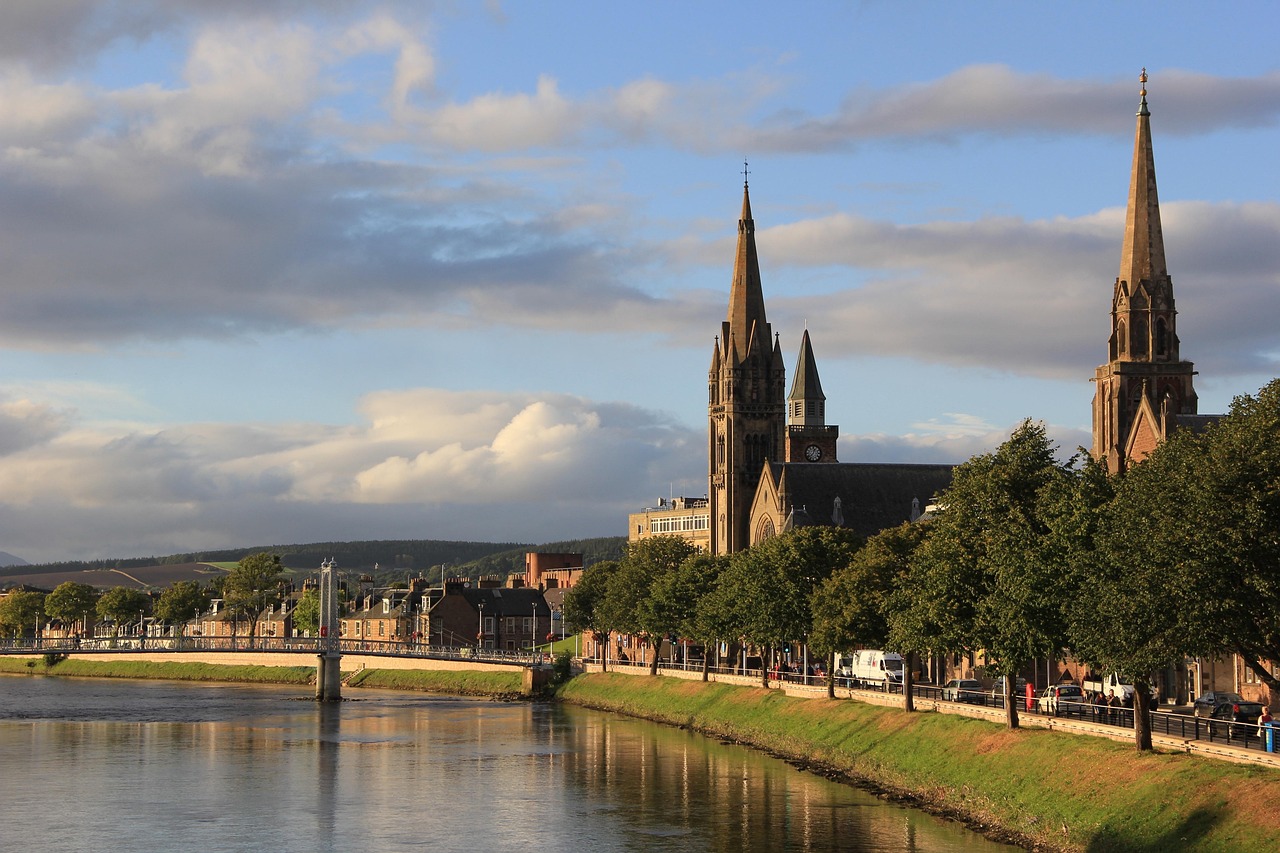
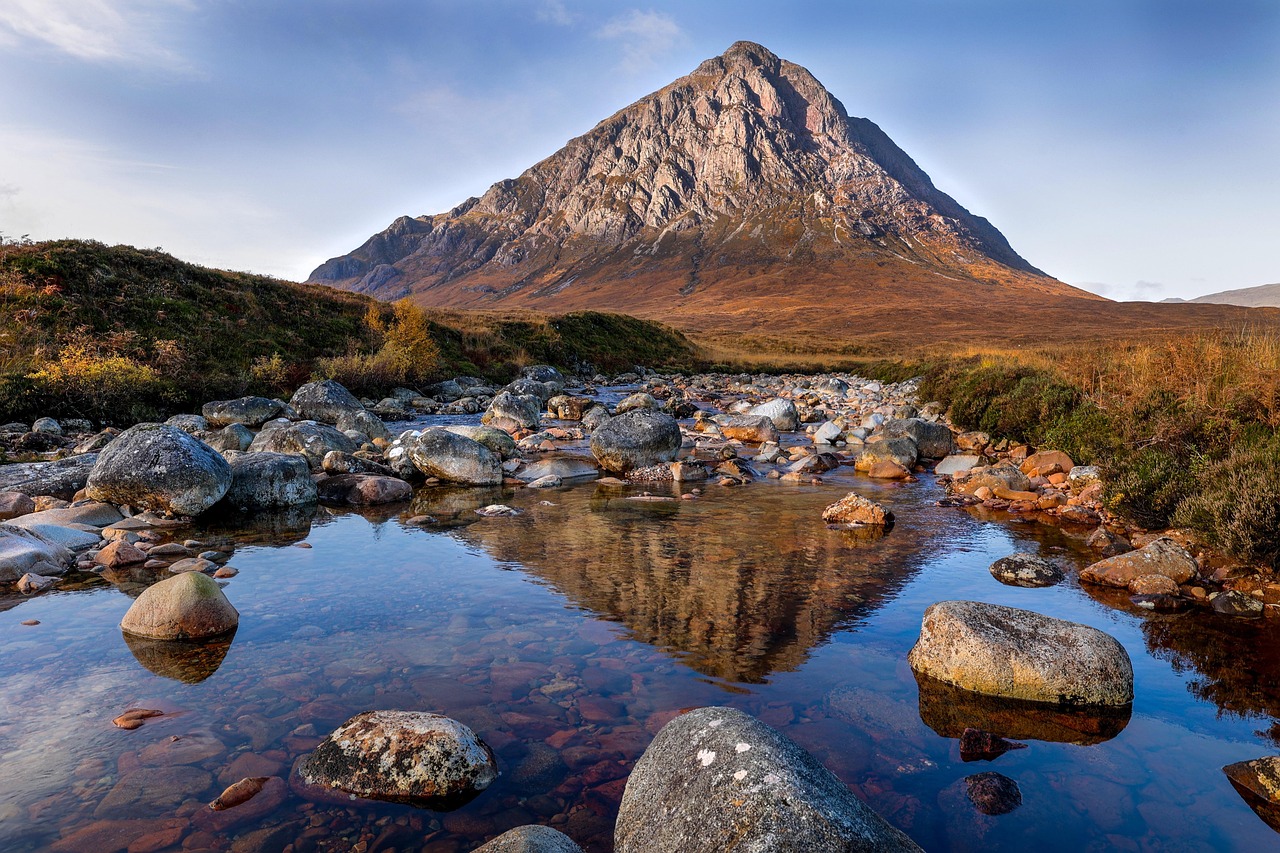
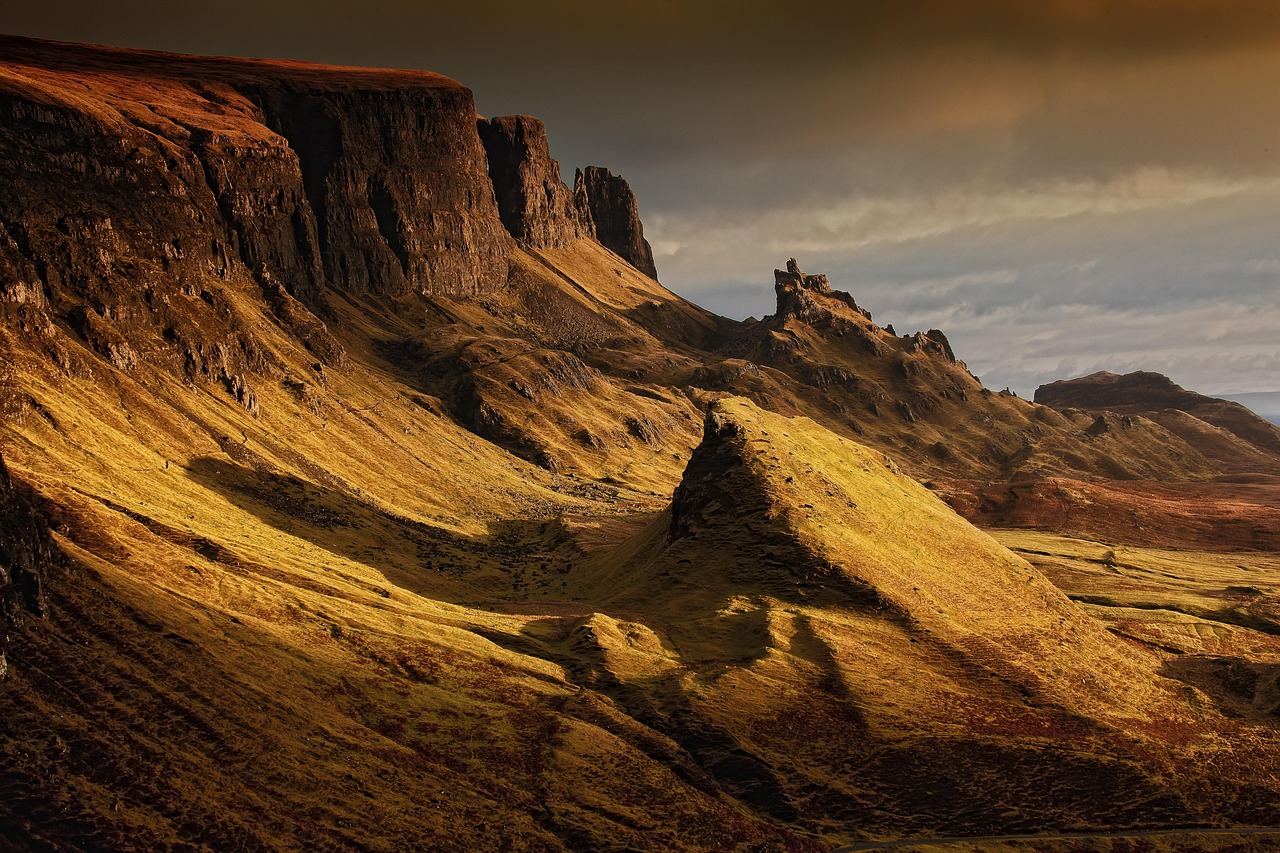
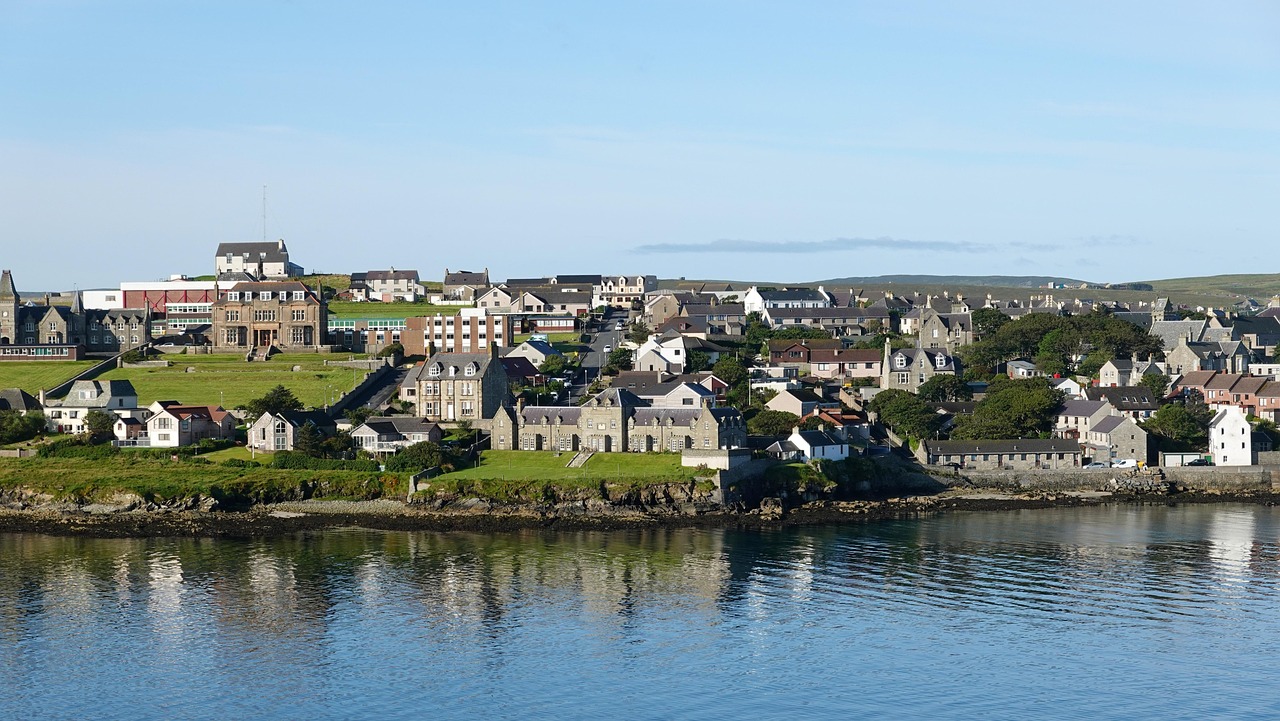
Scotland is a country defined by its landscape. The Highlands in the north and west are a region of rugged mountains, narrow glens, and long sea lochs, sparsely populated and starkly beautiful, while the Lowlands in the south and east hold most of the population, the farmland, and the great cities. Off the western and northern coasts lie hundreds of islands, from the Hebrides to the distant Orkney and Shetland groups, each with its own character and history. It is a small country in area, yet it contains a remarkable variety of scenery, and almost everywhere the sea and the weather are close at hand.
This geography did more than shape the scenery; it shaped the society. The mountainous Highlands long remained a world apart, clannish, Gaelic-speaking, and difficult for any central power to control, while the Lowlands looked south and east toward England and the continent and developed differently. The division between Highland and Lowland Scotland, between the Gaelic world of the glens and the more anglicized world of the cities, runs through the whole of Scottish history and helps explain much that came later.
The peoples who became the Scots
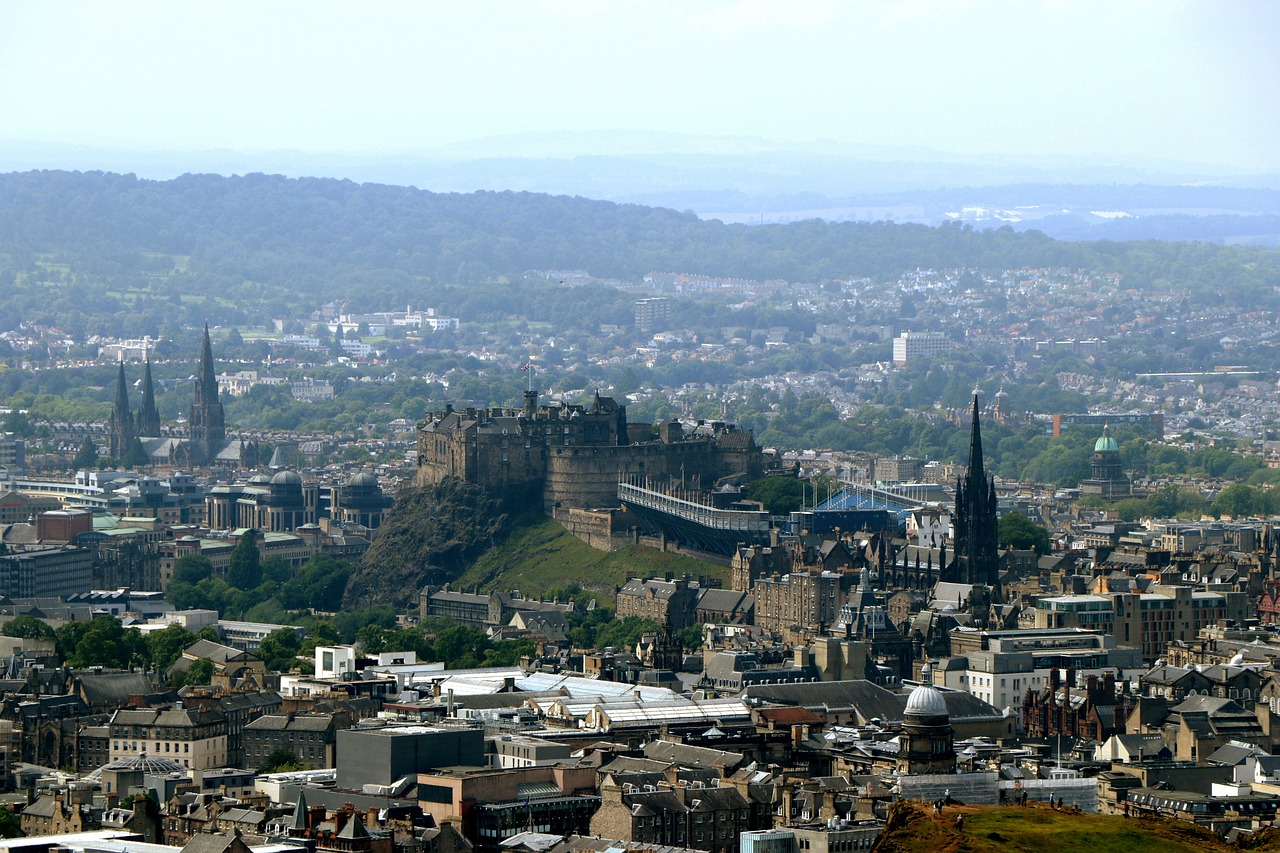
The Scottish nation was forged from several different peoples over many centuries. In ancient times the Romans, who conquered most of Britain, never managed to hold the north, and they built Hadrian’s Wall to mark the limit of their power against the fierce tribes beyond, whom they called the Picts. Alongside the Picts came the Scots, a people who crossed from Ireland and brought with them the Gaelic language, as well as the Britons of the southern kingdoms and, later, Norse settlers in the islands and the north, and Angles pressing up from the south.
Out of this mix, over the early medieval centuries, a single kingdom of Scotland gradually emerged, taking its name from the Gaelic-speaking Scots but blending all these strands together. By the high Middle Ages Scotland was a recognizable kingdom with its own monarchy, church, and law, distinct from England to the south. The very name of the country records this layered origin, and the Scots have always been, in truth, a people made from many peoples, which may be part of why their sense of nationhood has proved so durable.
The wars of independence
The defining drama of medieval Scotland was its struggle to remain independent of England. In the late thirteenth and early fourteenth centuries, English kings sought to bring Scotland under their control, and the Scots fought back in a long series of wars that became central to the national myth. The names of this struggle, William Wallace and Robert the Bruce, are known to Scots and to much of the world, and the victory at Bannockburn in 1314 secured, for a time, Scottish independence against great odds.
What gave this struggle lasting meaning was the principle behind it. A famous declaration of the period asserted, in ringing terms, that the Scots fought not for glory or wealth but for freedom, which no honest person gives up except with life itself. Whatever the messy political realities, this idea of a people determined to govern themselves became woven into Scottish identity. For centuries afterward Scotland remained an independent kingdom, with its own crown and parliament, even as it was often drawn into conflict and alliance with its larger neighbor.
Reformation and a stern new faith
The sixteenth century brought a religious revolution that reshaped Scotland as thoroughly as any war. The Protestant Reformation arrived with great force, and under the fiery preaching of John Knox and others Scotland adopted a particularly austere and democratic form of Protestantism, Presbyterianism, organized not under bishops but under assemblies of ministers and elders. This Reformed faith became deeply embedded in the Scottish character, bringing with it a powerful emphasis on education, on personal responsibility, on plain living, and on reading the scriptures for oneself.
The insistence that every person should be able to read the Bible drove Scotland toward near-universal literacy far earlier than most of Europe, and the network of parish schools and ancient universities that resulted would later help make Scotland an intellectual powerhouse. The stern, serious, self-disciplined streak that outsiders often noticed in the Scots owed much to this Calvinist inheritance, as did a certain egalitarian suspicion of grand display and inherited privilege. The Scottish character, hardworking and unsentimental, was shaped in the kirk as much as in the glen.
The union with England
In 1603 the crowns of Scotland and England were united when the Scottish king inherited the English throne, and the two kingdoms shared a monarch while remaining separate states. Then, in 1707, came the more complete and controversial step, the Act of Union, which merged the Scottish and English parliaments into a single Parliament of Great Britain. Scotland kept its own distinct legal system, its own church, and its own education system, but it surrendered its independent statehood to become part of a larger British whole.
The union was deeply unpopular among many Scots at the time, pushed through amid bribery and the threat of economic ruin, and resentment of it lingered. Yet over the following century it also opened enormous opportunities. Scots gained access to England’s growing empire and its trade, and they seized those opportunities with remarkable energy, becoming merchants, soldiers, administrators, engineers, and settlers across the British world. The relationship between Scotland and the union has been argued over ever since, and the question of independence has returned again and again, right up to the present day, but the union also became the framework within which Scotland rose to a global prominence it could never have reached alone.
The Jacobites and the breaking of the clans
The first half of the eighteenth century was haunted by the Jacobite risings, a series of rebellions aimed at restoring the exiled Stuart dynasty to the throne. The risings drew much of their strength from the Catholic and Episcopalian Highlands and from the old clan system, and they became entangled with romantic loyalty to a lost cause. The last and most famous rising, led by Bonnie Prince Charlie in 1745, swept south with startling success before being crushed utterly at the Battle of Culloden in 1746.
The aftermath was devastating for the Highlands. The British state set out to destroy the clan system and the Gaelic culture that had sustained the rebellion, banning the tartan and the bagpipes for a time, dismantling the power of the chiefs, and bringing the glens under firm control. Worse was to follow in the decades after, when many landowners, including former clan chiefs now thinking as commercial landlords, cleared their tenants off the land to make way for more profitable sheep. These Highland Clearances drove tens of thousands of people from their ancestral homes, emptying whole districts and sending waves of Highland Scots to the cities and across the sea to Canada, America, and Australia. It is one of the darkest chapters in Scottish history, and its scars, on the landscape and in the memory, remain.
The Scottish Enlightenment and a nation of inventors
Even as the Highlands were being broken, the Lowlands were experiencing one of the most brilliant intellectual flowerings in human history. In the eighteenth century the cities of Edinburgh and Glasgow became, for a remarkable few decades, among the most creative places on earth, in a movement known as the Scottish Enlightenment. The philosopher David Hume reshaped how the world thought about knowledge and the mind. Adam Smith, in his great work on the wealth of nations, laid much of the foundation of modern economics. Across medicine, geology, engineering, and the sciences, Scots pushed the boundaries of knowledge.
This was no passing moment. For two centuries Scotland produced an astonishing stream of inventors and thinkers out of all proportion to its size. The steam engine that powered the industrial revolution was transformed by a Scot, James Watt. The telephone, the television, penicillin, the modern bicycle, advances in road-building and economics and medicine, all trace lines back to Scottish minds. A small, cold country at the edge of Europe, with its parish schools and its serious, questioning culture, helped invent the modern world. Few peoples can claim so concentrated a record of practical genius.
Industry, empire, and the Scottish diaspora
Scotland threw itself into the industrial age with extraordinary force. Glasgow grew into one of the great workshops of the British Empire, building a vast share of the world’s ships on the River Clyde and producing the locomotives, engines, and ironwork that ran across the globe. The Scots were also disproportionately present throughout the empire, as soldiers in famous Highland regiments, as engineers and doctors, as missionaries and explorers, and as administrators and traders. For better and for worse, the Scots were deeply woven into the imperial project, sharing both in its opportunities and, it must be said honestly, in its profits from slavery and conquest, a part of the past that modern Scotland has increasingly begun to confront.
Industry and hardship together fed a continuous outflow of people. Scots emigrated in enormous numbers across the nineteenth and twentieth centuries, and the result is a global Scottish diaspora numbering in the tens of millions, with especially large communities in Canada, the United States, Australia, and New Zealand. They carried their names, their churches, their music, and their fierce pride wherever they went. The familiar global image of Scottishness, the clan societies, the Highland games, the celebrations of Burns Night and Hogmanay held around the world, owes as much to this scattered diaspora as to the homeland itself.
Two languages and a culture of words
Scotland has long been a country of more than one tongue. In the Highlands and islands, Scottish Gaelic, a Celtic language related to Irish, was for centuries the everyday speech of a large population, though the Clearances and centuries of pressure reduced it to a minority language now spoken mainly in the Hebrides and cherished as a cultural treasure. In the Lowlands, alongside standard English, there developed Scots, a distinct Germanic speech close to English yet with its own vocabulary and character, the language of much of Scotland’s greatest poetry. The two living traditions, Gaelic and Scots, give Scottish culture a depth and a tension all its own.
Out of this linguistic richness came a powerful literary tradition. Robert Burns, the national poet, gave voice to ordinary Scottish life and feeling in the Scots tongue and became a beloved figure far beyond Scotland; his song marking the New Year is sung around the world. Sir Walter Scott did much to create the romantic image of Scotland that the world still holds, while Robert Louis Stevenson and, in modern times, a vigorous contemporary literature carried the tradition forward. The Scottish love of argument, of learning, and of the well-turned phrase runs through all of it, a legacy of the parish school and the debating, questioning culture of the kirk.
Tartan, whisky, and the symbols of a nation
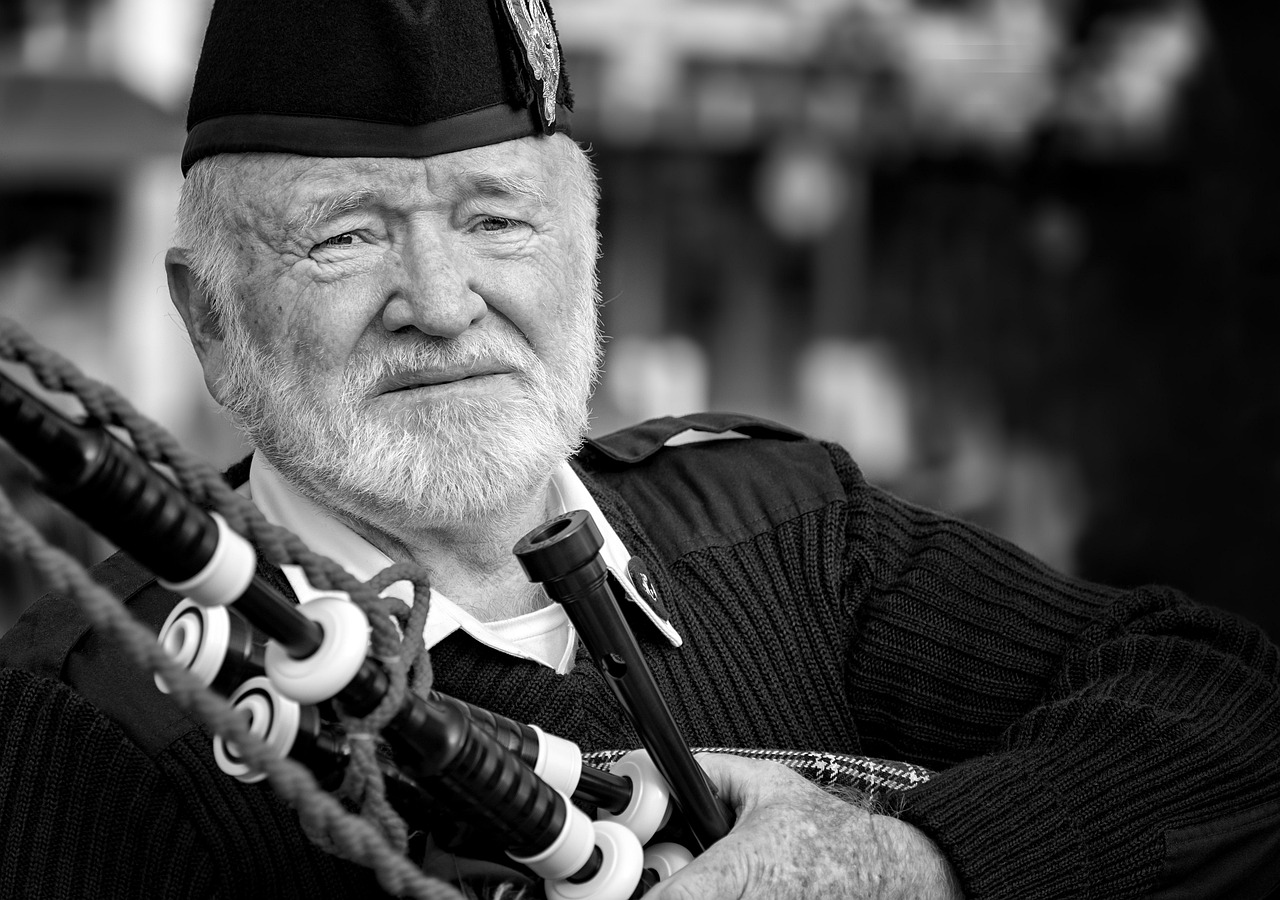
Few cultures have so vivid a set of national symbols as the Scots, even if some of them are more recent inventions than the romance suggests. The kilt and the patterned tartan, today firmly associated with clan identity, were partly revived and codified in the nineteenth century after the Highland way of life had already been broken, but they tapped into something real and became powerful emblems of Scottishness embraced by Scots everywhere. The bagpipes, with their stirring, mournful skirl, accompany Scots into battle, to weddings, and to funerals, and have become one of the most instantly recognizable sounds in the world.
Then there is whisky, the very name of which comes from the Gaelic for the water of life. Scotch whisky, distilled in the Highlands and islands and aged in oak, is one of Scotland’s great gifts to the world and a major export, each region producing its own distinctive character. Around these symbols cluster a host of customs, the Highland games with their caber-tossing and dancing, the New Year revelry of Hogmanay, the suppers held each year in honour of Robert Burns. Some are ancient and some are reinvented, but together they form a shared language of belonging that binds Scots at home and abroad.
The pull of independence
The old question of whether Scotland should govern itself has never gone away, and in recent decades it has returned with new force. In the late twentieth century a long campaign led to the re-establishment of a Scottish Parliament, giving Scotland its own legislature again for the first time in nearly three hundred years, with control over many domestic affairs. This devolution did not settle the matter; if anything it sharpened it. In 2014 Scotland held a referendum on full independence, and although a majority voted to remain in the United Kingdom, the question was close enough and the campaign passionate enough that it remains very much alive.
The debate over Scotland’s future touches the deepest questions of Scottish identity, the balance between a distinct nationhood and three centuries of partnership in a larger state, between the desire to stand alone and the ties of history, family, and economy that bind Scotland to the rest of Britain. However it is ultimately resolved, the persistence of the question testifies to the enduring strength of Scottish national feeling, which neither union nor time has worn away. The Scots share these islands with other proud nations, including their Gaelic kin across the water, whose parallel story is told in our piece on the Irish and their long road through history, and the larger neighbor described in our account of the English.
The Scots today
Modern Scotland is a confident, distinctive nation within the United Kingdom, with its own parliament, its own legal and educational systems, and a strong sense of itself. The old industries of coal, steel, and shipbuilding have largely gone, replaced by an economy built on energy, including North Sea oil and increasingly renewable power, on finance, on tourism drawn by the country’s spectacular scenery, on world-famous universities, and on the global appetite for Scottish whisky and culture. Edinburgh hosts one of the world’s greatest arts festivals each summer, and Scottish creativity in literature, music, and film continues to flourish.
The Scots remain, in temperament, much as their history made them, tough, plain-spoken, egalitarian, quick to argue and quick to laugh, proud of their country and impatient with pretension. There is a warmth beneath the famous reserve, a deep loyalty to kin and community, and a streak of romantic sentiment that coexists with hard-headed practicality. Above all there is an unshakable sense of being Scottish, distinct from anyone else, a identity that has survived conquest, clearance, union, and emigration without ever losing its edge.
The clans and the bonds of kin
For much of Scottish history, especially in the Highlands, society was organized around the clan, an extended kinship group that bound people together under a chief who was at once a landlord, a war leader, and a kind of father figure to his followers. Members of a clan shared a name and a claimed common ancestry, and they owed loyalty to the chief and to one another in a web of obligation that governed land, feud, and protection. It was a system suited to a mountainous land where central authority was weak and survival depended on standing together.
The clan system was broken as a political and military force after Culloden, and the romantic Victorian version of clans, with their neatly assigned tartans and crests, is in part a later reconstruction. Yet the underlying reality, a culture in which kinship, name, and loyalty to one’s own people ran very deep, was real and left a lasting mark. The intense Scottish interest in genealogy and ancestry, felt powerfully among the diaspora who gather to trace their clan roots, descends from this world. The idea that your name tells people where you belong and to whom you are bound is one of the oldest and most persistent threads in Scottish identity.
A relationship with the land
The Scottish landscape is not merely scenery; it is bound up with how Scots understand themselves. The Highlands in particular occupy an outsized place in the national imagination, even though most Scots have long lived in the Lowland cities, because they represent something wild, ancient, and free, the old Gaelic world that conquest and clearance could damage but never quite erase. The empty glens, beautiful and often haunting, are also a reminder of the people who once lived there and were driven out, and so the love of the land carries an undercurrent of loss.
In recent times this relationship with the land has taken on new dimensions, from movements for land reform that question why so much of Scotland is owned by so few, to ambitious efforts at rewilding and conservation, to the harnessing of wind and water for renewable energy across the Highlands and islands. The mountains and lochs that once isolated and impoverished the Highlands now draw visitors from around the world and offer new sources of wealth and meaning. Through all these changes, the deep Scottish attachment to a particular, dramatic, demanding landscape endures, a bond between a people and a place that has lasted as long as the nation itself.
What the Scottish story tells us
The story of the Scots is a study in how a small nation can shape a large world. From a hard and beautiful land at the edge of Europe, a people made from many peoples built a kingdom, defended its freedom against great odds, embraced a stern and literate faith, and then, in partnership with a larger neighbor, helped to invent the modern age, its economy, its science, its engineering. They did all this while suffering their own share of tragedy, the breaking of the clans, the clearing of the glens, the long bleeding of emigration, and while carrying, like every imperial people, a share of guilt for the empire’s wrongs.
What endures is the spirit, the toughness bred by mountains and weather, the seriousness bred by the kirk and the school, the inventiveness, the love of words and argument, and the fierce, unyielding pride in being Scottish. Whether Scotland’s future lies as a partner within Britain or as a nation once more standing on its own, that spirit shows no sign of fading. To hear the pipes echo off a Highland glen, or to raise a glass of whisky on a winter night, is to feel the living presence of a people who, against every pressure, have remained emphatically themselves.