There is a paradox at the heart of the Austrians. They are a small alpine country today, fewer than nine million people tucked among the mountains of central Europe, and yet for centuries the rulers of this land sat at the very centre of European power, governing a sprawling empire of many nations and shaping the history of the whole continent. The Austria of the present is a quiet, prosperous, neutral republic famous for its mountains, its music, and its coffee houses. The Austria of the past was the seat of the Habsburgs, one of the greatest dynasties the world has known, whose marriages and wars and ambitions ran through eight hundred years of European history.
To understand the Austrians is to understand this descent from imperial grandeur to comfortable modesty, and the rich, complicated culture that the journey left behind. Here is a German-speaking people who are emphatically not Germans, who built an empire and then lost it, who gave the world Mozart and Freud and Klimt, and who had to reckon, in the twentieth century, with one of history’s darkest chapters. The story of the Austrians is the story of how a people learned to live, gracefully and a little wistfully, in the long shadow of a vanished greatness.
In This Article
- A country built among the mountains
- The rise of the house of Habsburg
- The bulwark against the Ottomans
- An empire of many nations
- Vienna and a golden age of culture
- The fall of the empire
- The darkest chapter
- Rebirth as a neutral republic
- German-speaking but not German
- Coffee houses, mountains, and the good life
- Faith, tradition, and a love of ceremony
- The Austrians today
- The provinces and a patchwork of identities
- A small country with a long reach
- What the Austrian story tells us
A country built among the mountains
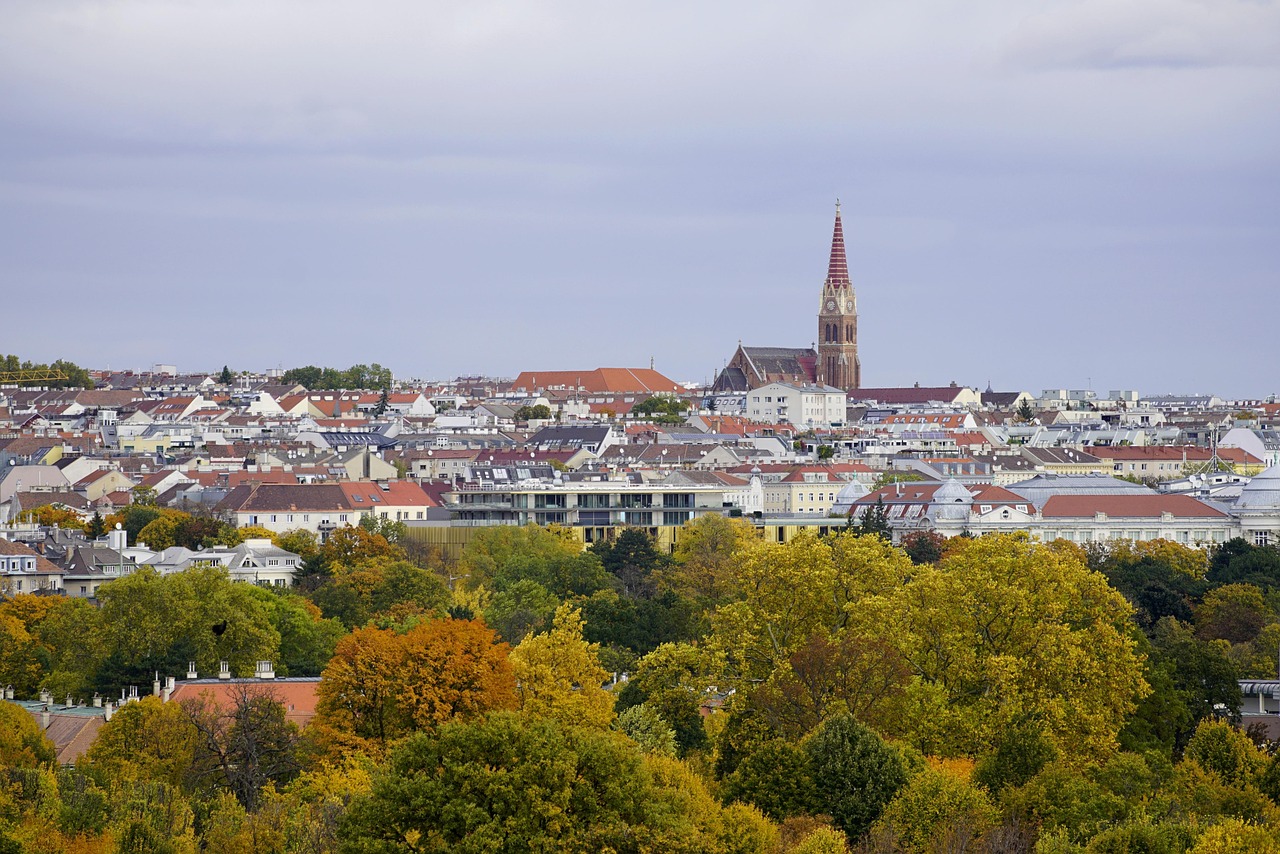
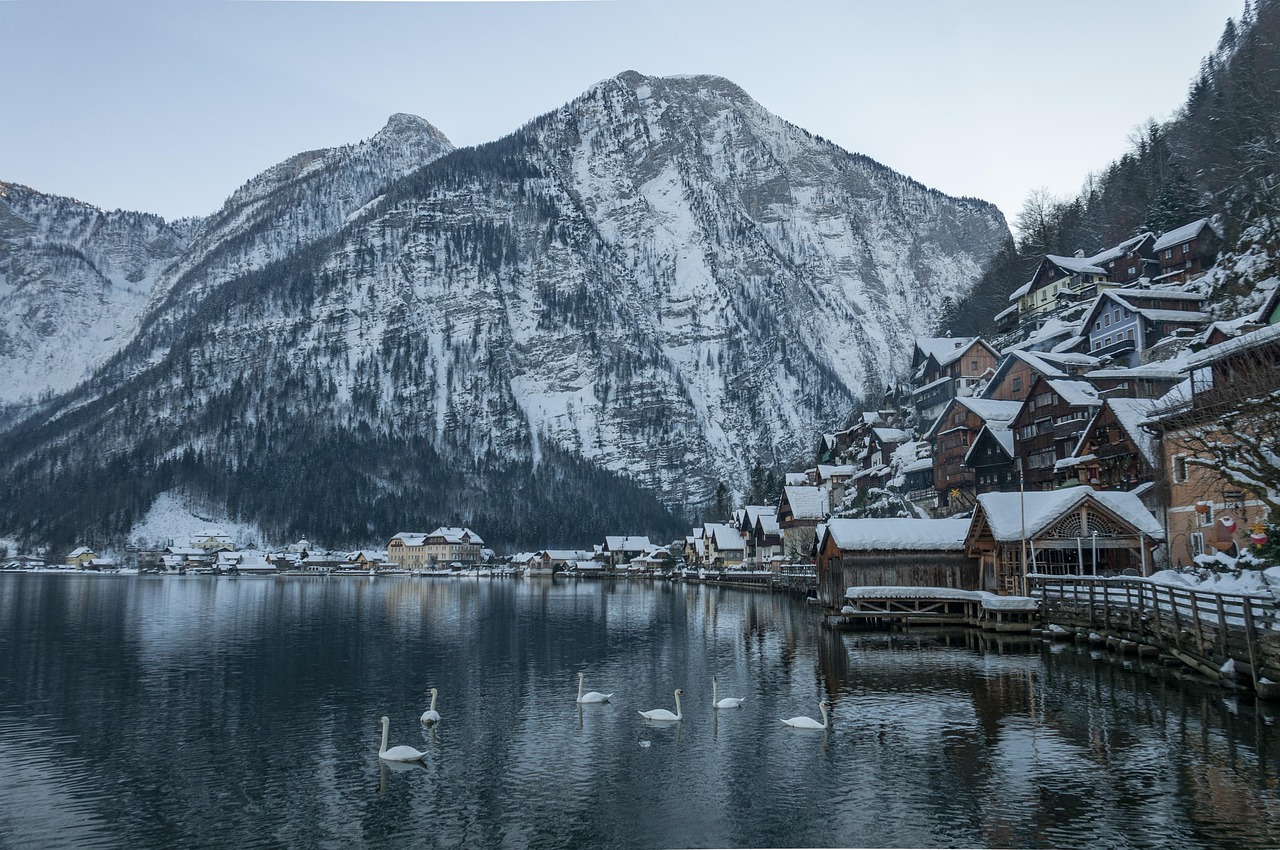
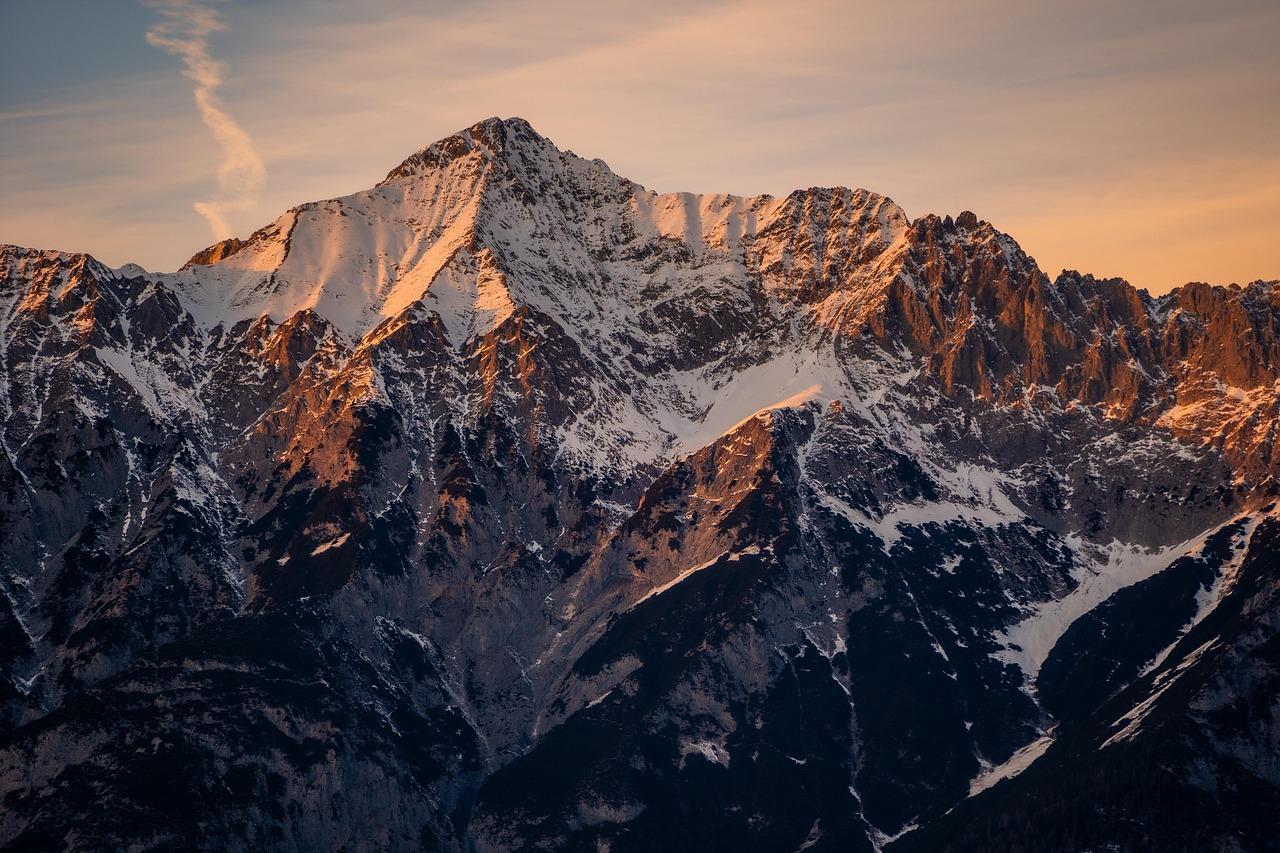
Austria sits in the heart of central Europe, a landlocked country where the great wall of the Alps meets the plains of the Danube. Mountains define it; the Alps cover much of the west and south, rising to high snow-capped peaks, threaded by deep valleys where villages cluster around onion-domed churches. To the east and north the land opens into gentler country, and it is here, where the Danube flows toward Hungary, that the capital Vienna sits and most of the population lives. The contrast between the alpine west, with its skiing, its dairy farming, and its tight mountain communities, and the more urban, cosmopolitan east is one of the keys to Austrian life.
This position at the crossroads of Europe shaped everything. Austria lay where the German-speaking world met the Slavic lands to the east, the Italian world to the south, and the Hungarian plains beyond. It was a meeting point and a gateway, a place where trade and armies and ideas passed through, and the Austrians became a people skilled at absorbing and blending influences from all directions. The Danube, flowing through the country and on toward the Black Sea, tied Austria to a whole world of peoples downstream, a world its rulers would one day govern.
The rise of the house of Habsburg
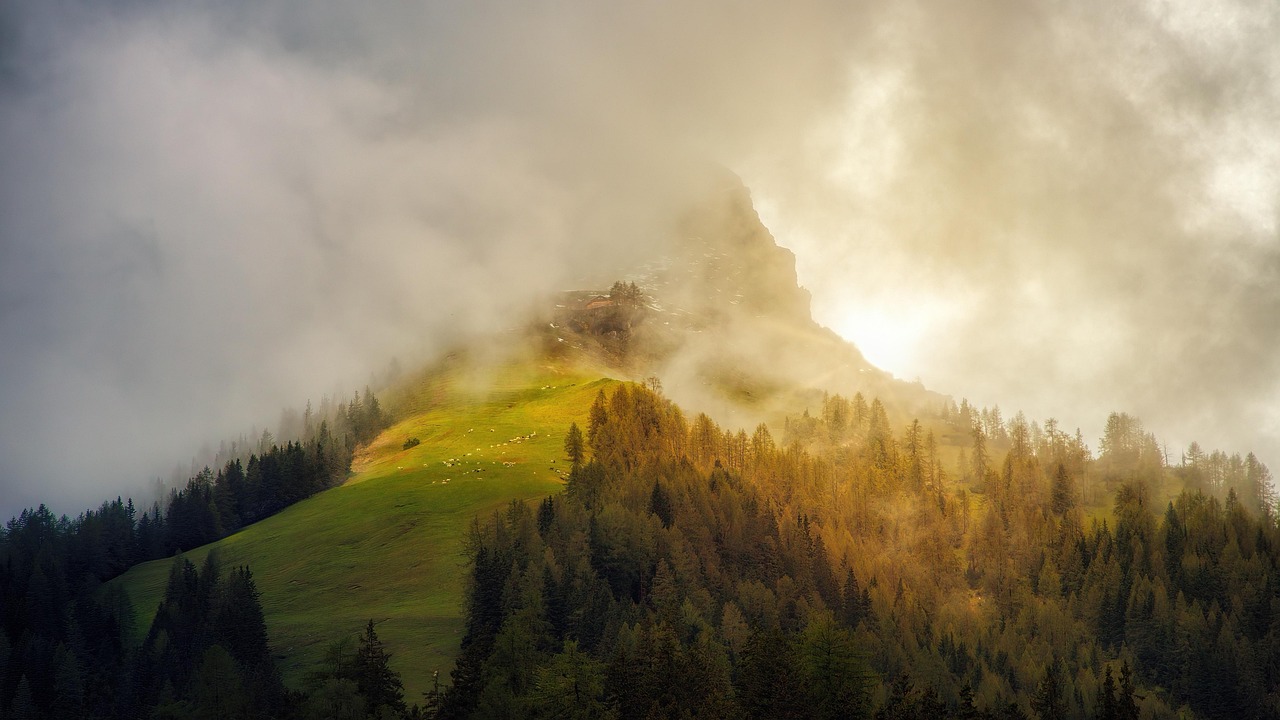
The story of Austria as a great power is inseparable from a single family, the Habsburgs. From relatively modest origins, this dynasty gained control of the Austrian lands in the late Middle Ages and then, through a genius for advantageous marriage as much as for war, accumulated an astonishing collection of crowns and territories. A famous saying captured their method: let others wage war, but you, happy Austria, marry. By wedding their heirs to the right partners, the Habsburgs came to rule not only Austria but, at various times, Spain and its vast overseas empire, the Low Countries, much of Italy, Hungary, Bohemia, and more.
For centuries the head of the house of Habsburg also held the title of Holy Roman Emperor, the senior monarch of the German-speaking world and, in theory, the heir of the Roman emperors. Vienna became one of the great capitals of Europe, a city of palaces and churches where the destiny of nations was decided. The Austrians thus found themselves at the very centre of European affairs, their rulers among the most powerful monarchs on earth, even as the ordinary people of the alpine valleys went on with their farming and their faith much as they always had.
The bulwark against the Ottomans
For a long stretch of its history Austria stood on the front line of Europe’s confrontation with the Ottoman Empire. As the Ottomans pushed up the Danube into central Europe, Vienna became the great obstacle in their path, and twice, in the sixteenth and again in the seventeenth century, the city was besieged by huge Ottoman armies. The second siege, in 1683, was one of the decisive moments in European history; with Vienna on the brink of falling, a relief army arrived and broke the siege in a dramatic battle, turning the tide and beginning the long Ottoman retreat from central Europe.
This role as the shield of Christian Europe gave Austria a powerful sense of mission and identity, and it left cultural marks that endure, including, by legend, the coffee and the crescent-shaped pastries that entered Viennese life in the wake of the Ottoman armies. In the decades after 1683 the Habsburgs went on the offensive, pushing the Ottomans back and absorbing Hungary and other lands, transforming Austria from a defensive bulwark into an expanding empire that stretched deep into eastern and southern Europe. The Austrians had become the rulers of a true multinational realm.
An empire of many nations
By the nineteenth century the Habsburg realm had become one of the most remarkable states in the world, a vast empire in which the German-speaking Austrians were only one people among many. Under their rule lived Hungarians, Czechs, Slovaks, Poles, Ukrainians, Croats, Serbs, Slovenes, Romanians, Italians, and others, a patchwork of nations, languages, and faiths held together under a single crown. To manage this diversity the empire was reorganized into a dual monarchy of Austria and Hungary, sharing a single emperor, ruled for most of its final decades by the long-lived Emperor Franz Joseph, whose figure became almost synonymous with the old order.
This multinational empire was, in its way, a grand experiment in holding many peoples together, and it produced a brilliant, cosmopolitan culture, especially in its great cities. But it was also increasingly strained by the rising force of nationalism, as each of its peoples began to dream of governing itself. The empire grew adept at compromise and muddling through, and it gave its subjects a shared framework, a common army, a vast bureaucracy, and a certain ironic, tolerant spirit. Yet the question of how so many nations could share one state was never truly solved, and in the end it would tear the empire apart.
Vienna and a golden age of culture
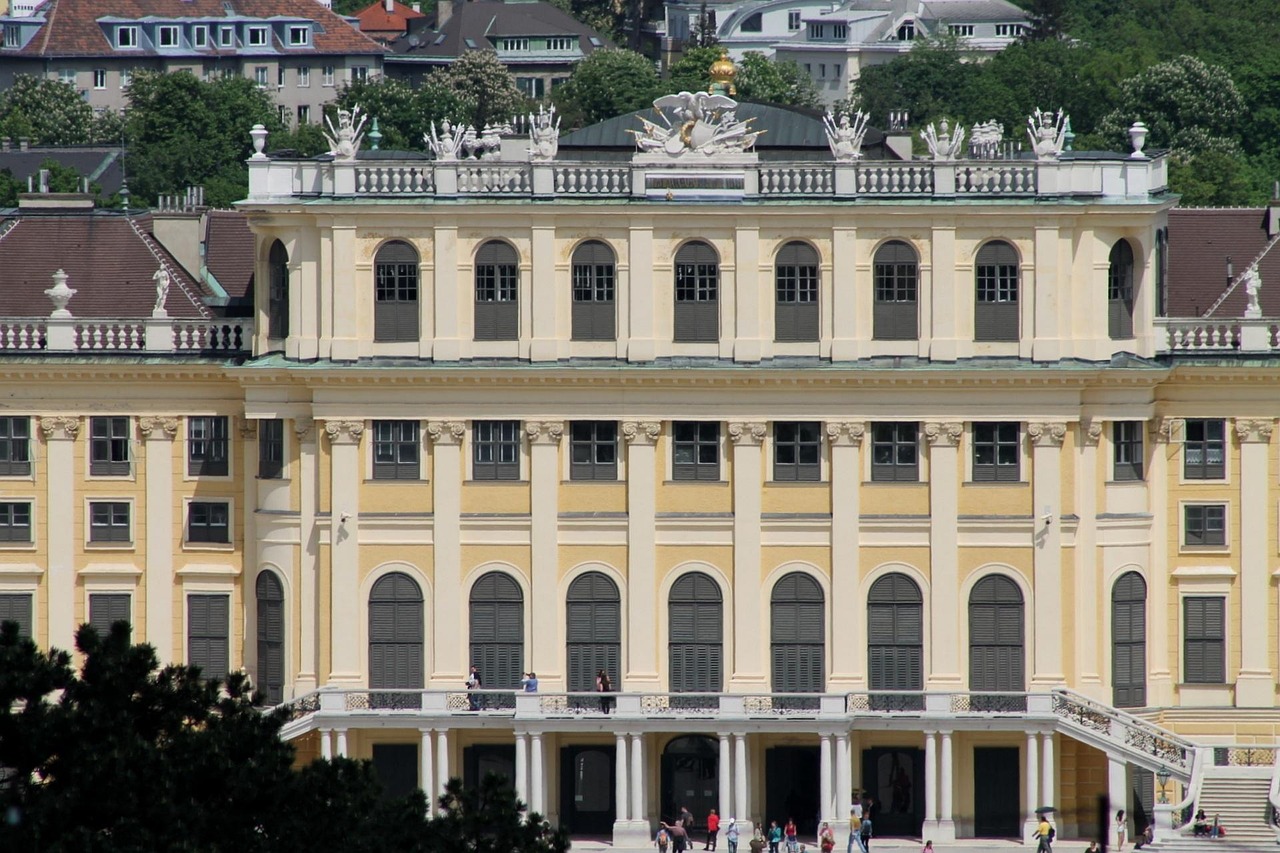
If there is one thing for which the Austrians are loved around the world, it is their extraordinary contribution to culture, above all to music. Vienna became, over the eighteenth and nineteenth centuries, the musical capital of the world. Haydn, Mozart, Beethoven, Schubert, Brahms, and the waltz kings of the Strauss family all lived and worked in the city, and the sound of the Viennese classical tradition became one of the supreme achievements of human civilization. To this day the Vienna New Year’s concert is broadcast to millions, and the city’s opera houses and concert halls remain temples of the art.
The brilliance was not confined to music. Around the turn of the twentieth century, in the empire’s twilight, Vienna became one of the most intellectually electric places on earth. It was the city of Sigmund Freud, who invented psychoanalysis and changed forever how the world thinks about the mind; of the painter Gustav Klimt and the artists of the Vienna Secession; of pioneering philosophers, economists, architects, and writers. This late imperial Vienna, anxious and creative, gave birth to much that defines the modern age. It is one of the ironies of Austrian history that this cultural golden age coincided with the empire’s political decline, as if the old order, sensing its end, blazed most brightly just before the dark.
The fall of the empire
The end came with the First World War. It was the assassination of the Habsburg heir in Sarajevo in 1914 that lit the fuse of the conflict, and the war that followed destroyed the empire utterly. After four years of slaughter and the exhaustion of its peoples, the multinational realm collapsed in 1918, splintering into a host of successor states as its many nations went their separate ways. The Austrians, who had ruled an empire of fifty million people, suddenly found themselves reduced to a small, landlocked, German-speaking republic of a few million, shorn of the territories and the role that had defined them for centuries.
The shock of this collapse cannot be overstated. A people who had stood at the centre of Europe were now a minor state, their great capital of Vienna a head far too large for the small body that remained, full of the palaces and institutions of a vanished empire. The new republic was poor, unstable, and uncertain of its very identity. Many Austrians were not even sure they wanted to be a separate country at all, and a fateful current of opinion looked instead toward union with the much larger German nation next door, a longing that would have catastrophic consequences.
The darkest chapter
The interwar republic was fragile and bitterly divided, and it slid into authoritarian rule and civil strife before the greatest catastrophe arrived. In 1938 Nazi Germany annexed Austria in the event known as the Anschluss, and crowds in Vienna greeted Hitler, himself Austrian by birth, with cheering enthusiasm. Austria ceased to exist as an independent state and became part of the Third Reich, and Austrians participated, in numbers out of all proportion to their population, in the crimes of the Nazi regime, including the persecution and murder of the country’s Jewish population, which had contributed so enormously to its cultural greatness.
For many years after the war, Austrians preferred to tell themselves a comforting story, that their country had been the first victim of Nazi aggression, occupied against its will. This was, at best, a half-truth, and it took decades for Austrian society to confront honestly the depth of its own involvement and the enthusiasm with which many Austrians had embraced Nazism and its crimes. That reckoning, when it finally came, was painful but necessary. An honest account of the Austrians must hold both their glittering cultural achievements and this darkest chapter together, without letting the beauty obscure the guilt. The destruction of Vienna’s Jewish community in particular robbed the country of part of its own soul.
Rebirth as a neutral republic
After the Second World War Austria was occupied by the victorious Allies and divided, like Germany, into zones. But its fate diverged from Germany’s. In 1955, after years of negotiation, Austria regained its full independence on the condition that it adopt permanent neutrality, committing itself not to join military alliances or host foreign bases. The last occupying troops withdrew, and Austria emerged as a free, neutral, democratic republic, a small country determined to make its peace with its reduced place in the world.
Neutrality became a cornerstone of the new Austrian identity. Positioned on the front line of the Cold War, between the Western and Soviet blocs, Austria turned its neutral status into an asset, becoming a meeting ground for East and West and a host to international organizations, with Vienna joining the ranks of the world’s diplomatic capitals. Freed from the burdens of empire and great-power politics, the Austrians built a prosperous, stable, socially cohesive society, with a strong economy, generous public services, and a high quality of life. The country that had once governed millions now perfected, instead, the art of being a small, well-run, comfortable nation.
German-speaking but not German
One of the most important things to understand about the Austrians is that they speak German yet are firmly not Germans, and they will tell you so. The relationship between the two nations is close, sometimes affectionate, sometimes prickly, like that between cousins who share a language but insist on their differences. For much of history the distinction was blurry, and the catastrophic union of 1938 grew partly out of the idea that German speakers belonged together in one state. The experience of Nazism and its aftermath, however, helped forge a clear and confident sense of a separate Austrian nationhood, distinct from Germany.
The differences are real and run deep. Austrian German has its own accent, vocabulary, and rhythm, softer and more melodic to many ears than the German of the north. More importantly, there is a distinct Austrian temperament and culture, shaped by the country’s Catholic and imperial past, its alpine and Danubian geography, and its long experience of ruling many peoples. Austrians are often said to be more easygoing, more given to charm, irony, and a certain pleasant fatalism than their more famously efficient German neighbors. The Austrian way is to take life, and even decline, with a degree of grace, good food, and good music. The Austrians can be understood best alongside the larger German-speaking nation they are so often confused with, whose story we tell in our piece on the Germans.
Coffee houses, mountains, and the good life
If there is a spirit that captures everyday Austrian culture, it might be found in the Viennese coffee house. These are not mere cafes but institutions, places where for generations writers, artists, and ordinary citizens have lingered for hours over a single cup, reading newspapers, arguing, playing chess, and watching the world go by. The coffee house culture, with its marble tables, its waiters in formal dress, and its unhurried ease, embodies a certain Austrian art of living, an appreciation for comfort, conversation, and the pleasures of taking one’s time. The famous pastries and cakes of Vienna, the Sachertorte and the apple strudel, belong to the same tradition of refined indulgence.
Beyond the city lies the other great pole of Austrian life, the mountains. The Alps are not just scenery but a way of life, the home of skiing as a national passion and a major industry, of summer hiking and mountain villages, of a hardy rural culture of dairy farming and tradition that persists in the high valleys. Austrians move easily between the cosmopolitan refinement of Vienna and the earthy alpine world of the west, and both are essential to who they are. The love of nature, of clean air and green slopes and clear lakes, runs deep in the Austrian character and shapes everything from the national passion for the outdoors to a strong environmental consciousness.
Faith, tradition, and a love of ceremony
Austria is a traditionally Catholic country, and the faith left a deep imprint on its culture even as religious observance has declined in modern times. The baroque churches and monasteries that crown so many Austrian hills and towns, with their exuberant gold and swirling ceilings, express a Catholic sensibility that loved beauty, drama, and display. The rhythm of the Catholic year, its festivals and processions and saints’ days, long structured Austrian life, and many of its customs survive as cherished tradition even among those who no longer attend mass.
This inheritance helped give the Austrians their famous love of ceremony, spectacle, and the pleasures of life. The Habsburg court was one of the most elaborate in Europe, and something of its theatrical splendor passed into the wider culture, in the grand balls of the Vienna season, the formal courtesies, the love of titles and ritual. Austrians have a gift for celebration and a deep attachment to their regional traditions, the costumes, the folk music, the seasonal festivals that vary from valley to valley. There is, in the Austrian temperament, a willingness to enjoy the surface of life, its food and music and ceremony, that coexists with a darker, more introspective streak beneath, the same combination that produced both the lilting waltz and the searching psychology of Freud.
The Austrians today
Modern Austria is, by almost any measure, a success. It is one of the wealthiest countries in Europe, with a strong industrial and service economy, a generous welfare state, low unemployment by European standards, and a quality of life that regularly places its cities among the most livable in the world; Vienna in particular is frequently ranked at the very top. The country is a member of the European Union, having joined in the 1990s, while maintaining the military neutrality that remains an important part of its identity. It draws millions of visitors each year to its mountains, its music festivals, and its imperial cities.
Like much of Europe, Austria faces real challenges, including debates over immigration and national identity that have at times given strength to populist and far-right movements, an aging population, and the task of remaining honest about its complicated past. But the broad picture is of a country that has found, after the trauma of losing an empire and the horror of the Nazi years, a stable and prosperous equilibrium. The Austrians have made a kind of peace with their history, neither forgetting their imperial grandeur nor pretending it could return, and have built instead a quietly excellent modern life among their mountains.
The provinces and a patchwork of identities
Although Austria is a small country, it is far from uniform, and Austrians often feel their regional identity as strongly as their national one. The country is made up of nine federal provinces, each with its own character, dialect, traditions, and fierce local pride. The Tyrol in the west, deep in the high Alps, has a reputation for stubborn independence and conservative tradition, its history marked by famous uprisings in defence of its freedoms. Salzburg, the baroque city of Mozart, has its own elegant identity, while the eastern provinces around Vienna look out toward the Danubian plains and the lands beyond.
This regionalism is a legacy of Austria’s long history as a collection of duchies and lands gathered under the Habsburg crown rather than a single unified nation from the start. The dialects of German spoken in the alpine valleys can differ sharply from one another and from the speech of Vienna, and local costume, cuisine, and custom vary from province to province. Far from weakening the country, this diversity gives Austrian life much of its richness and colour, and the balance between strong regional loyalties and a shared national identity is one of the things that holds the modern republic together. An Austrian is, almost always, also a Tyrolean or a Styrian or a Viennese, and proud of it.
A small country with a long reach
For all that it has shrunk from its imperial heights, Austria continues to exert an influence on the world far larger than its size would suggest, above all through its culture. Its musical heritage remains a living industry as well as a glory of the past, drawing students, performers, and audiences from across the globe to its conservatories, concert halls, and festivals. The great festival at Salzburg each summer is one of the premier events in the international cultural calendar, and the Austrian classical tradition continues to set a standard that the whole musical world measures itself against.
Beyond music, Austria’s position and neutrality have made it a meeting place for the world. Vienna hosts major international organizations and has long served as a discreet venue for diplomacy between rival powers, a role that suits the Austrian gift for accommodation and quiet mediation. The country also remains a magnet for tourism, its mountains and lakes and historic cities drawing visitors in numbers that dwarf its own population, and its winter resorts helping to define alpine skiing for the world. For a small, landlocked, formerly imperial nation, the Austrians have found a remarkable number of ways to remain present on the world stage, no longer through power but through beauty, hospitality, and skill.
What the Austrian story tells us
The story of the Austrians is a meditation on greatness and its passing. Few peoples have stood so high, at the centre of a continent-spanning empire, and few have fallen so far, reduced in a single generation from imperial masters to a small alpine republic. Yet the most striking thing about the Austrians is how gracefully they made that transition, transforming the loss of empire not into bitterness but into a different kind of success, a comfortable, cultured, peaceful prosperity that many larger and prouder nations might envy.
Along the way they had to face the darkest truth in their history, their deep complicity in the crimes of Nazism, and the honesty of that reckoning, however delayed, is part of their modern maturity. What endures is a people of extraordinary cultural gifts, the heirs of Mozart and Freud and the Viennese coffee house, who learned that a nation’s worth is not measured only by the size of its empire. The Austrians remind us that there can be a kind of wisdom in coming down from the heights, in trading grandeur for grace, and in learning to find, in good music, clean mountains, and unhurried conversation, a life worth living. To sit in a Vienna coffee house as the afternoon light fades, or to look up at the Alps from a quiet valley, is to feel the particular, bittersweet contentment of a people who once ruled half of Europe and now ask only to live well.
You May Like
The Zaza, a Mountain People of Eastern Anatolia


One thought on “From Rulers of an Empire to Masters of the Good Life, the Austrian Journey”