The Serbs are a people whose history is bound up, more than almost any other in Europe, with the turbulent and tragic history of the Balkans. They are a South Slavic nation with a powerful sense of identity, forged through centuries of struggle against empires, kept alive through long subjugation by their Orthodox faith and their epic memory, and shaped by both glorious achievement and bitter conflict. The Serbs have known the heights of a medieval empire and the depths of catastrophic defeat, the pride of leading the struggle for Balkan freedom and the shame of being implicated in the wars and atrocities that tore Yugoslavia apart at the end of the twentieth century. Few peoples carry their history so heavily or feel it so intensely.
To understand the Serbs is to understand a nation defined by memory, above all the memory of a single battle lost more than six centuries ago that became the central myth of the national soul. It is to understand a people who built a great medieval kingdom, endured five hundred years under the Ottomans, won their freedom through heroic uprising, created and then led the South Slav state of Yugoslavia, and finally saw that state dissolve in the most violent European conflict since the Second World War. The Serbian story is one of courage and suffering, of pride and tragedy, of a people whose deep attachment to their identity and their land has been both their strength and, at times, their undoing.
In This Article
- A land at the crossroads of the Balkans
- The medieval kingdom and its golden age
- Kosovo and the great myth
- Centuries under the Ottomans
- The struggle for freedom
- The First World War and the birth of Yugoslavia
- Yugoslavia and the age of Tito
- The wars of the Yugoslav collapse
- Faith, family, and the Serbian soul
- A people of culture and science
- The Serbs today
- What the Serbian story tells us
A land at the crossroads of the Balkans
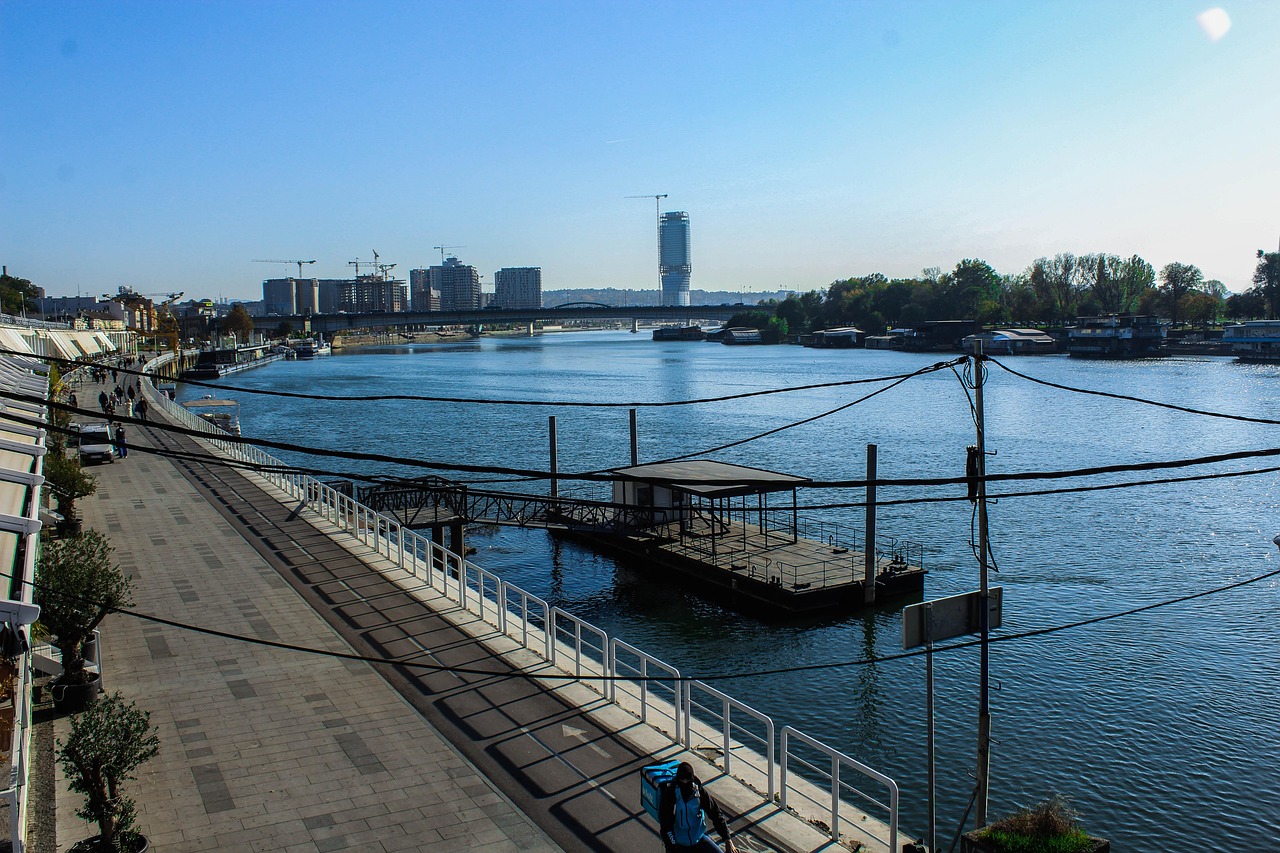
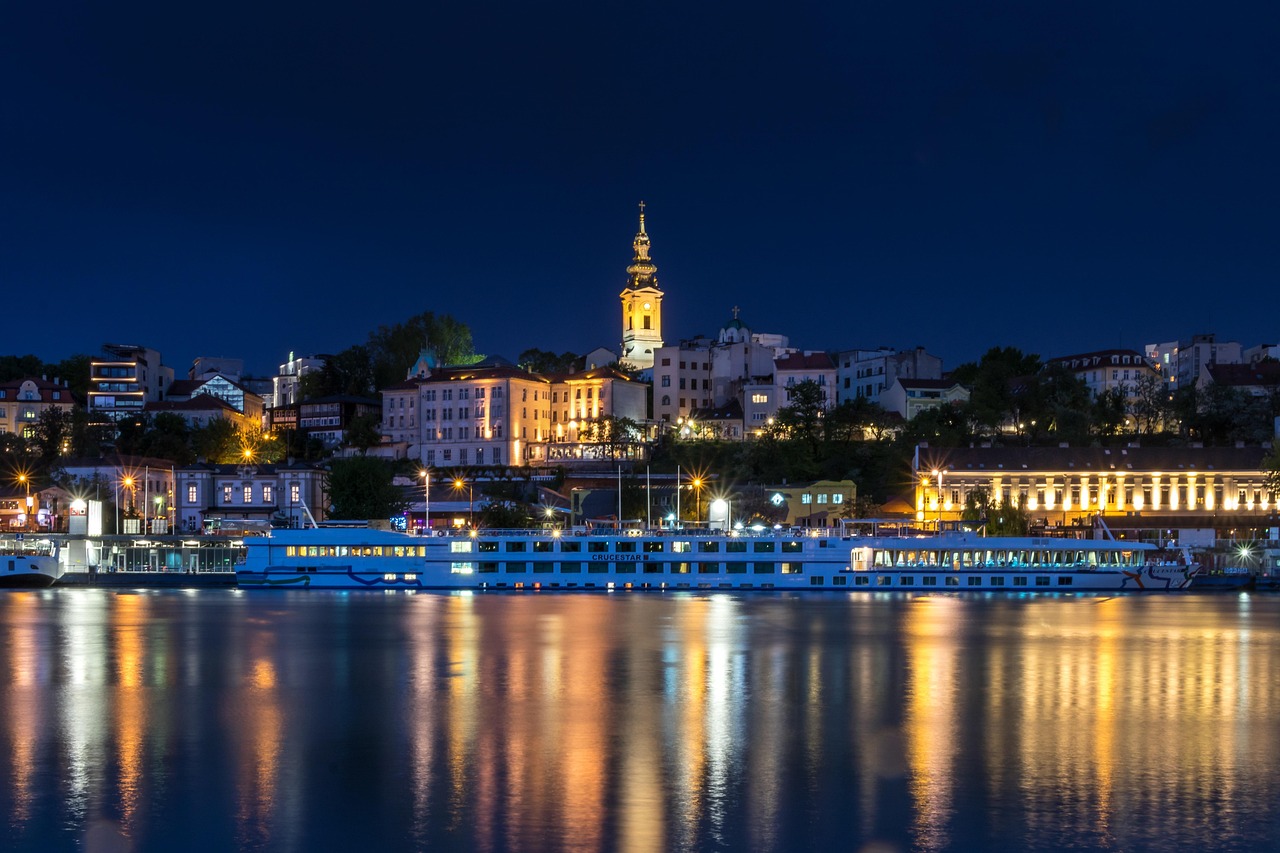
Serbia lies in the central Balkans, a landlocked country crossed by the great rivers of the region, above all the Danube, which flows through the north and past the capital, Belgrade, one of the oldest and most fought-over cities in Europe. The land rises from the fertile plains of the Vojvodina in the north, part of the great Pannonian basin, to the hills and mountains that cover much of the centre and south, a rugged country of forests, gorges, and highland villages. Belgrade itself sits at the strategic meeting point of the Sava and the Danube, a position so important that the city has been destroyed and rebuilt more times than almost any other, a fortress at the gateway between central Europe and the Balkans.
This central position shaped Serbian destiny. Serbia lay on the great routes between the heart of Europe and the lands of the Ottoman Empire and the Near East, a frontier zone where civilizations and empires met and clashed. It was the borderland between the Catholic and Orthodox worlds, between Christendom and Islam, between the Habsburg and Ottoman empires, and it paid the price of that position in endless warfare. The mountains gave the Serbs refuge and a base for resistance, while the rivers and plains made their land a thoroughfare for armies. To live in Serbia was to live at a crossroads where the tides of European and Asian history met, and the Serbs became a people hardened by the constant struggle to hold their ground in one of the most contested regions on earth.
The medieval kingdom and its golden age
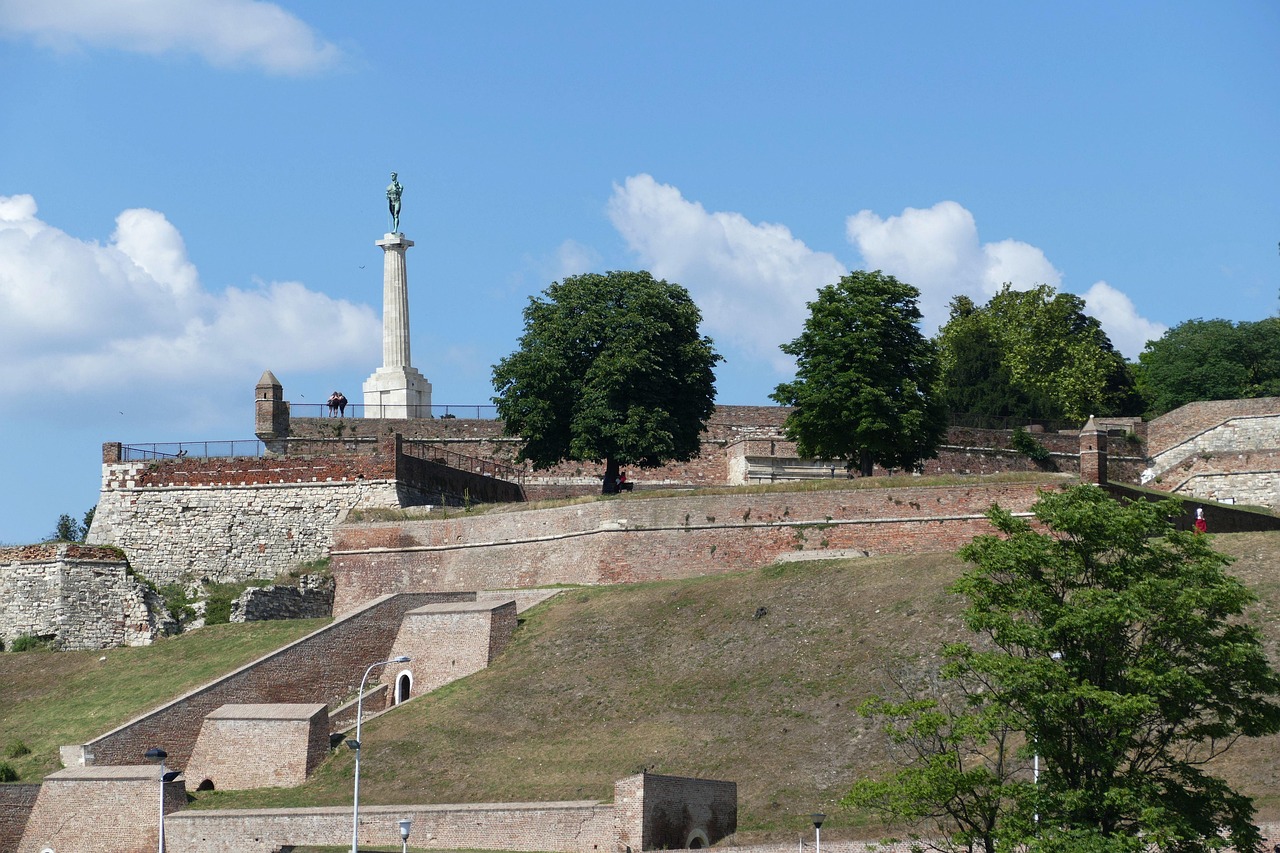
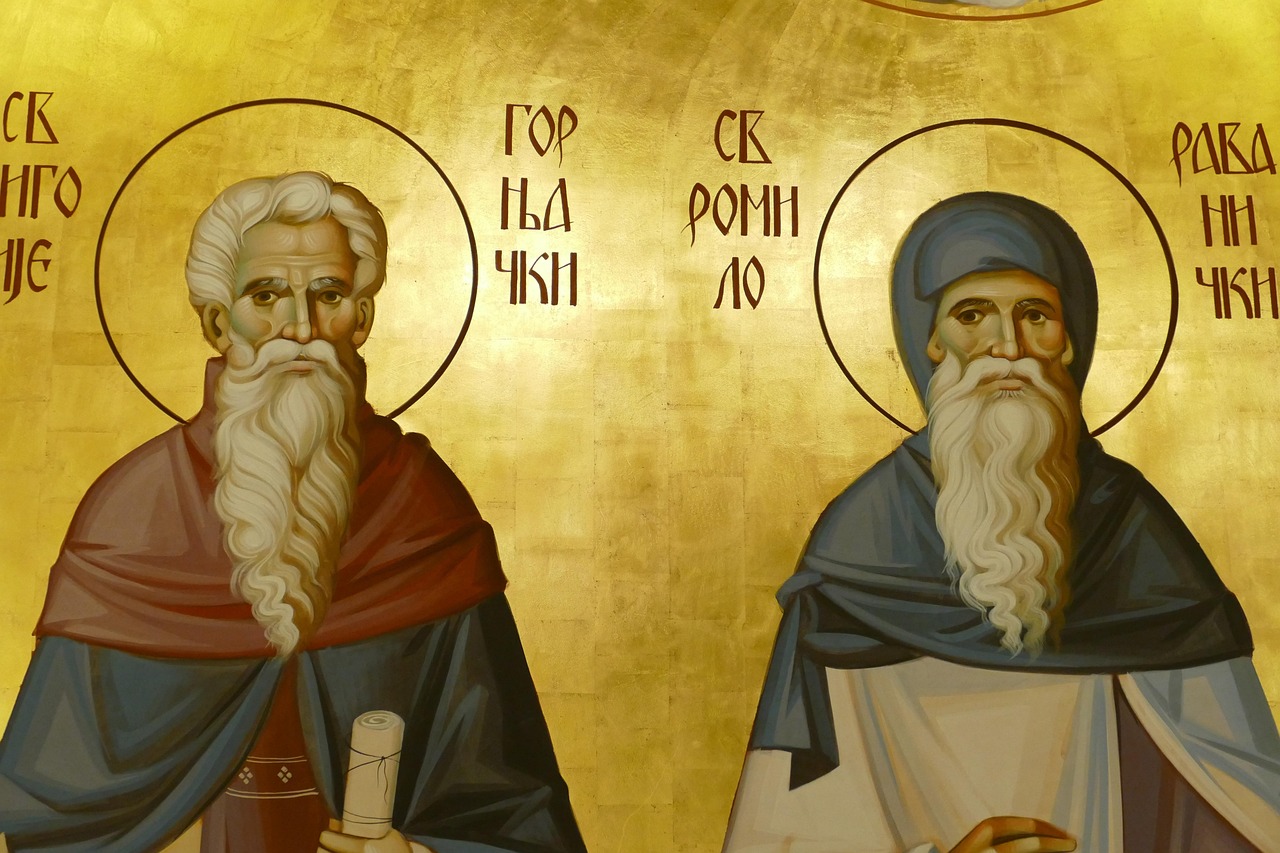
The Serbs, like the other South Slavs, settled in the Balkans in the early medieval period and gradually formed their own states, adopting Orthodox Christianity and looking culturally toward the Byzantine Empire. Over time these Serbian lands coalesced into a powerful kingdom, and in the twelfth century a great dynasty, the Nemanjic, began to build the medieval Serbian state into a major Balkan power. A central figure of this age was Saint Sava, who established the independent Serbian Orthodox Church and became the patron saint of the Serbs, a founding father of both their faith and their national identity, revered to this day.
The medieval Serbian state reached its zenith in the fourteenth century under the powerful ruler Stefan Dusan, who expanded his realm across much of the Balkans, had himself crowned as emperor of the Serbs and Greeks, and issued a famous code of laws. Under the Nemanjic dynasty Serbia experienced a true golden age, marked by the building of magnificent Orthodox monasteries whose frescoes are among the treasures of medieval art, and by a flourishing of Serbian culture, letters, and faith. For a brief, shining period Serbia stood as one of the leading powers of the Balkans, an Orthodox empire rivalling Byzantium itself. But this greatness was fragile, and even as it reached its height, a new and overwhelming power was rising in the east that would soon shatter it.
Kosovo and the great myth
The defining event of Serbian history, the moment around which the entire national consciousness revolves, is the Battle of Kosovo in 1389. There, on a plain in the heart of the old Serbian lands, a Serbian army led by Prince Lazar met the advancing Ottomans in a battle that became, in Serbian memory, the supreme tragedy and the supreme glory of the nation. Both leaders died, and though the battle itself may have been closer to a draw than a clear defeat, it marked the beginning of the end of medieval Serbian independence, and Serbia was gradually absorbed into the Ottoman Empire in the decades that followed.
Over the centuries the Battle of Kosovo grew into a vast and sacred myth, preserved in epic poetry and song, that became the central pillar of Serbian identity. In the legend, Prince Lazar was offered a choice between an earthly kingdom and a heavenly one, and chose the heavenly kingdom, accepting defeat and death for the sake of his soul and his faith, so that the lost battle became a kind of national martyrdom, a sacrifice that consecrated the Serbian nation. Kosovo became holy ground, the cradle of Serbian statehood and faith, and the memory of the battle, of heroism in defeat and loyalty unto death, was passed down through the generations as the very heart of what it meant to be Serbian. This powerful myth sustained the nation through the long centuries of Ottoman rule, but it would also, much later, become entangled in the tragedies of the modern Balkans.
Centuries under the Ottomans
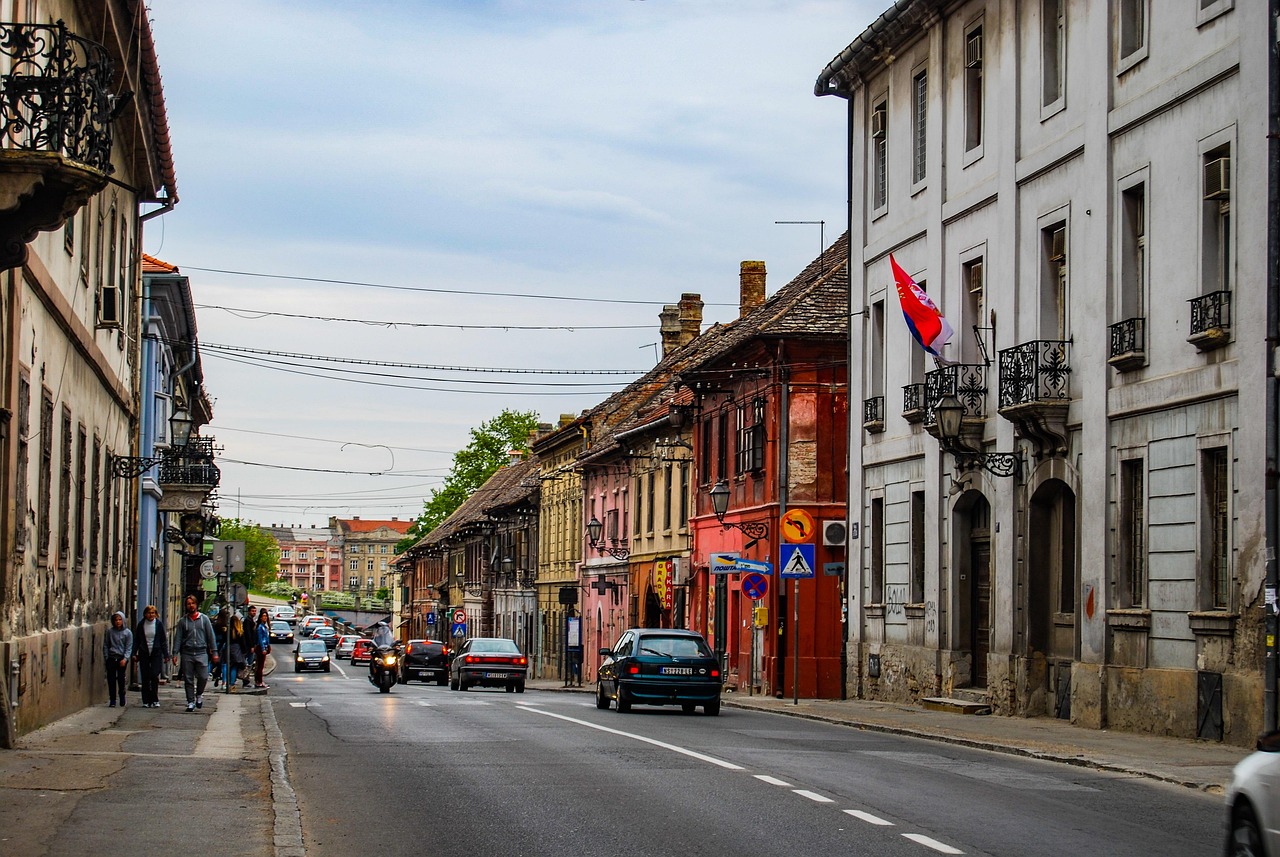
For roughly five centuries much of Serbia lay under Ottoman rule, and the Serbs, like the Bulgarians and Greeks, became a subject Christian people within a Muslim empire. The medieval Serbian state and its nobility were destroyed, and the Serbs were reduced to a peasantry governed by the Ottomans, bearing the burdens of taxation and second-class status that came with being Christian subjects of the sultan. The independent spirit of the Serbs found refuge in the mountains and in the institution that, more than any other, preserved the nation through the long centuries of subjugation, the Serbian Orthodox Church.
Through these dark centuries the church and the tradition of epic poetry kept the memory of the medieval kingdom and the myth of Kosovo alive, sustaining a sense of Serbian identity that the Ottoman state could not erase. The figure of the hajduk, the mountain rebel and outlaw who resisted Ottoman authority, became a folk hero, and the deep attachment to faith, to family, and to the memory of lost glory bound the scattered Serbian communities together. Many Serbs also migrated north over the centuries, settling in the lands under Habsburg rule, where they served as frontier soldiers guarding the border against the Ottomans, creating Serbian communities across a wider region. The experience of the Ottoman centuries, of subjugation endured and identity preserved, became central to the Serbian self-image as a people who suffered for their faith and their freedom.
The struggle for freedom
The Serbs were among the first of the Balkan peoples to rise against Ottoman rule and win their freedom. In the early nineteenth century a series of Serbian uprisings, led by figures who became national heroes, gradually wrested autonomy and then independence from the weakening Ottoman Empire. Through revolt, war, and diplomacy, Serbia re-emerged as a self-governing principality and then a fully independent kingdom, the first of the Balkan Christian nations to reclaim its statehood after centuries of subjugation. The restoration of Serbian independence, after the long night of Ottoman rule, was a triumph that fed an intense national pride and a powerful ambition.
That ambition was to unite all Serbs, and indeed all South Slavs, in a single state, an aspiration that drove Serbian policy and made Serbia the natural leader of the movement for Balkan freedom and South Slav unity. As the Ottoman Empire retreated and the Habsburg Empire to the north showed signs of strain, Serbia grew in confidence and territory, particularly after the Balkan Wars of the early twentieth century expanded its borders. But Serbia’s ambitions, and its role as a magnet for the national hopes of South Slavs living under Austro-Hungarian rule, brought it into direct collision with the great empire to its north, a collision that would help ignite the most devastating war the world had yet seen.
The First World War and the birth of Yugoslavia
It was in Serbia’s shadow that the First World War began. In 1914 the assassination of the Austro-Hungarian heir in Sarajevo by a young Bosnian Serb nationalist gave Austria-Hungary the pretext to attack Serbia, and the chain of alliances dragged the whole of Europe into war. Serbia fought with extraordinary courage and suffered catastrophically. The small country was eventually overrun, and its army, along with much of its population, made a terrible winter retreat across the mountains of Albania, an epic of suffering and endurance in which vast numbers perished. Serbia lost a staggering proportion of its population in the war, one of the highest tolls of any nation, but it ended on the victorious side.
Out of the victory came the realization of the great dream, the creation of a unified South Slav state. In 1918 Serbia joined with the other South Slavs, the Croats, Slovenes, and others, to form the Kingdom that would become Yugoslavia, the land of the South Slavs, with the Serbian royal house at its head. For the Serbs this was the fulfillment of generations of aspiration, the gathering of the South Slavic peoples into a single country under Serbian leadership. But the new state was deeply divided, home to peoples with different histories, faiths, and aspirations, and the tensions between Serbian dominance and the desires of the other nations, especially the Croats, troubled Yugoslavia from the start. The dream of South Slav unity carried within it, from the beginning, the seeds of future conflict.
Yugoslavia and the age of Tito
The Second World War brought fresh catastrophe. Yugoslavia was invaded and dismembered by the Axis powers, and the country descended into a horrifying tangle of foreign occupation, civil war, and ethnic massacre, in which Serbs were among the principal victims of atrocities committed by the fascist puppet regime installed in Croatia, even as the various resistance and collaborationist forces also fought one another. Out of this chaos emerged the communist partisans led by Josip Broz Tito, who fought the occupiers and their collaborators and, at the war’s end, took power and rebuilt Yugoslavia as a communist federation.
Tito’s Yugoslavia, which lasted from the end of the war until his death and beyond, was a unique experiment, a communist state that broke with the Soviet Union and charted its own independent course, becoming a leader of the non-aligned movement and enjoying greater openness and prosperity than the countries of the Eastern bloc. Tito sought to balance the rival nationalisms of his federation, holding the Serbs, Croats, Slovenes, Bosnians, Macedonians, Montenegrins, and others together under the banner of brotherhood and unity. For several decades it worked, and Yugoslavia became a relatively prosperous and respected country. But the underlying tensions never disappeared, held in check by Tito’s authority and by the communist system, and when both began to weaken after his death, the old rivalries that the federation had suppressed began, ominously, to stir.
The wars of the Yugoslav collapse
The dissolution of Yugoslavia in the 1990s was one of the great tragedies of modern European history, and the Serbs were at the centre of it. As the federation broke apart and its republics declared independence, the question of the large Serbian populations living outside Serbia, in Croatia and Bosnia, became the trigger for war. Serbian leaders, above all Slobodan Milosevic, who had risen to power by stoking Serbian nationalism, sought to keep Serbs united in a single state, and the result was a series of brutal wars marked by ethnic cleansing, siege, and massacre. The conflicts in Croatia and especially in Bosnia brought scenes of horror back to Europe that many had thought banished forever.
Honesty requires acknowledging clearly that Serbian forces bore major responsibility for some of the worst atrocities of these wars, including the long siege of Sarajevo and the genocide at Srebrenica, where thousands of Bosnian Muslim men and boys were murdered in the worst single atrocity on European soil since the Second World War. These crimes, committed in the name of the Serbian nation, are a grave and painful part of the historical record, and many ordinary Serbs have struggled, in the years since, with the burden of what was done in their name. It must also be said that Serbs themselves suffered greatly in these wars, that crimes were committed by all sides, and that hundreds of thousands of Serbs were driven from their homes. The wars of the Yugoslav collapse were a catastrophe for all the peoples of the region, but the responsibility for the gravest crimes is a truth that cannot be evaded.
Faith, family, and the Serbian soul
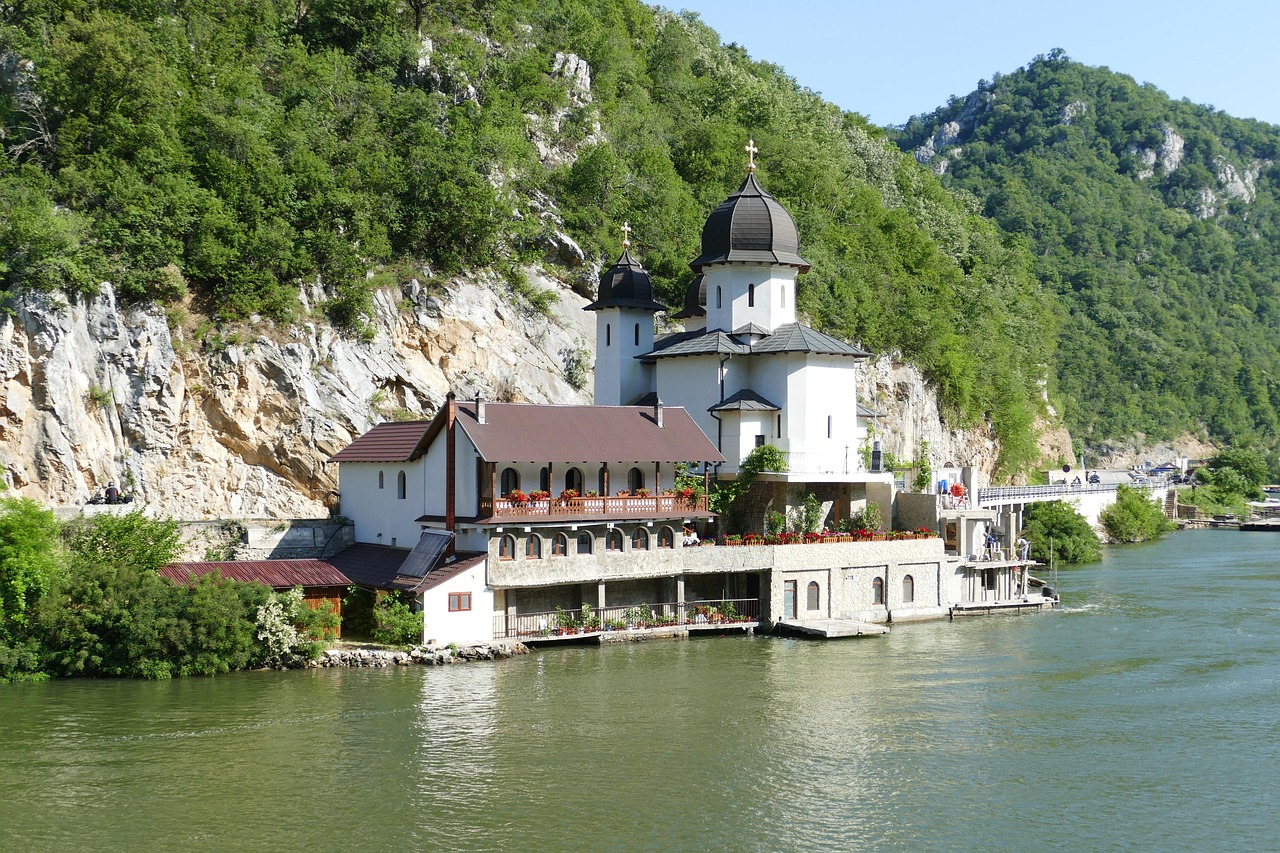
At the heart of Serbian identity stands the Orthodox Christian faith, which preserved the nation through the Ottoman centuries and remains central to how Serbs understand themselves. The Serbian Orthodox Church, founded by Saint Sava, is more than a religious institution; it is a guardian of national identity, history, and memory, and its monasteries, with their glorious medieval frescoes, are among the most treasured sites of the nation. The Serbs maintain distinctive religious traditions, including the unique custom of the slava, the celebration of a family’s patron saint passed down through the generations, a practice found among no other people and binding faith, family, and identity tightly together.
The Serbian temperament is often described as proud, passionate, hospitable, and intensely attached to history, family, and homeland. There is a strong tradition of epic poetry and song that kept the national memory alive through the dark centuries, a love of celebration and music, and a warmth and generosity toward guests that visitors remember. There is also, woven through the culture, a streak of defiance and a sense of historical grievance, of being a people who have suffered much and been misunderstood by the world, rooted in the long memory of Kosovo, of the world wars, and of the more recent conflicts. This intense relationship with the past, both a source of strength and resilience and, at times, a burden, is perhaps the most distinctive feature of the Serbian soul. The Serbs share their South Slavic roots and their Orthodox faith and their long Ottoman experience with their eastern neighbors, the Bulgarians.
A people of culture and science
For all the weight of its turbulent history, the Serbian nation has made notable contributions to culture and science. The most famous Serb in the world is surely Nikola Tesla, the brilliant inventor and electrical engineer whose work helped create the modern age of electricity, a figure of Serbian origin claimed with immense pride. Serbia has produced distinguished scientists, including a Nobel laureate in chemistry, as well as writers, including the Nobel Prize-winning novelist Ivo Andric, whose works explored the complex history of the Balkans and the meeting of its peoples and faiths.
Serbian culture is rich in music, from the haunting traditions of Orthodox chant to the lively brass bands whose exuberant sound has become famous through film and festival, and the country has a vibrant contemporary cultural scene. Belgrade, the much-destroyed and ever-rebuilt capital, has in recent times gained a reputation as one of the liveliest cities in southeastern Europe, known for its energetic nightlife, its arts, and its irrepressible spirit. The Serbian gift for hospitality, celebration, and music coexists with the deep seriousness of the national historical memory, producing a culture of striking emotional range, capable of both profound melancholy and infectious joy.
The Serbs today
Modern Serbia is an independent republic, the largest of the states to emerge from the breakup of Yugoslavia, and it has worked, through great difficulty, to rebuild and to find its place in a transformed region. The fall of Milosevic in a popular uprising at the turn of the millennium opened the way to democratic change and a gradual reckoning, however incomplete and contested, with the legacy of the wars. Serbia has pursued membership in the European Union and sought to normalize its relations with its neighbors, even as deep wounds from the conflicts of the 1990s remain, above all the unresolved and painful question of Kosovo, whose declaration of independence Serbia does not recognize and which remains an open sore at the heart of national feeling.
Serbia today faces the challenges of building a stable democracy and a prosperous economy while coming to terms with a difficult past and a contested present. It balances between West and East, between the pull of European integration and old ties of Slavic and Orthodox kinship with Russia. The country has a developing economy, a young and talented population, though one diminished by emigration, and a rich heritage to build upon. The Serbs remain a proud and resilient people, conscious of their long and dramatic history, bearing both its glories and its burdens, and seeking, after the catastrophes of the recent past, to write a new and more hopeful chapter.
What the Serbian story tells us
The story of the Serbs is a powerful and cautionary meditation on the force of historical memory. No people clings more fiercely to its past, and that past, the medieval golden age, the sacred tragedy of Kosovo, the heroism of the struggle for freedom, the suffering of the world wars, sustained the Serbian nation through centuries of subjugation and gave it the strength to survive and to win its independence. The deep attachment to faith, family, and homeland, and the long memory of glory and martyrdom, are the foundations of an identity that has endured everything history could throw at it.
But the Serbian story also shows how historical memory, when turned toward grievance and used to justify the domination of others, can lead a people into tragedy and crime, as the wars of the Yugoslav collapse so terribly demonstrated. The challenge facing the Serbs, like all peoples burdened with a heavy history, is to honor their past without being imprisoned by it, to draw on its strength without repeating its mistakes. The Serbs are a nation of great courage, deep faith, warm hospitality, and remarkable resilience, who have suffered much and, at times, caused much suffering. To understand them fully is to hold all of this together, the glory and the tragedy, and to recognize in their story both the nobility and the danger of a people who never forget.
You May Like
The Zaza, a Mountain People of Eastern Anatolia