Bulgaria is one of the oldest countries in Europe, a nation that has existed under the same name for more than thirteen centuries, and its people carry a history that runs back to the very roots of Slavic and Orthodox civilization. The Bulgarians gave the Slavic world its alphabet and its written culture, built one of the most powerful empires of the medieval Balkans, and then endured five centuries under Ottoman rule that nearly extinguished them as a nation, only to rise again. Theirs is a story of greatness, catastrophe, and revival, of a people who stood for a time at the centre of the Orthodox Slavic world, fell into the longest darkness of any European nation, and yet survived to reclaim their place.
The Bulgarians are a South Slavic people, cousins of the Serbs and the other Slavs of the Balkans, but with a distinctive history and a name that comes, curiously, not from the Slavs at all but from a Turkic people who founded their first state and were then absorbed into the Slavic population. They live in a beautiful, mountainous land between the Danube and the Aegean, on the great crossroads where Europe meets Asia and where the Orthodox Christian world met the Ottoman Empire. To understand the Bulgarians is to understand a people of deep roots and great cultural achievement, who knew imperial glory and centuries of subjugation, and who emerged from it all with their language, their faith, and their identity intact.
In This Article
- A land between the Danube and the Aegean
- The founding of the first empire
- The gift of the alphabet
- Glory, decline, and a second empire
- Five centuries under the Ottomans
- The national revival and rebirth
- Wars, kingdom, and catastrophe
- The communist decades
- Faith, folklore, and a rich culture
- Ancient lands and modern cities
- The Bulgarians today
- What the Bulgarian story tells us
A land between the Danube and the Aegean
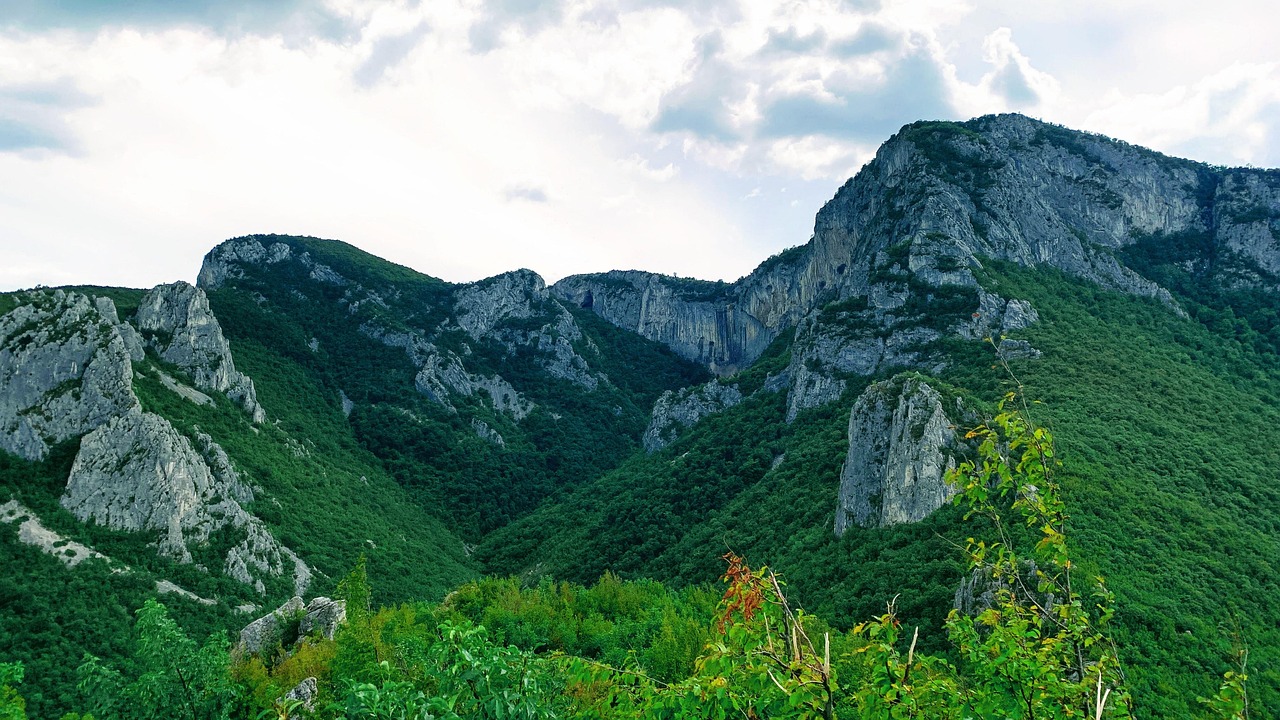
Bulgaria occupies a strategic position in the eastern Balkans, bordered to the north by the Danube, which divides it from Romania, and to the east by the Black Sea, with Greece and Turkey to the south and Serbia and North Macedonia to the west. It is a mountainous country, crossed by the Balkan range that gives the whole peninsula its name, and by other ranges including the Rila and Pirin mountains in the southwest, home to the highest peaks in the region. Between the mountains lie fertile valleys and plains, including the famous Valley of the Roses, where the flowers are grown to produce the precious rose oil that has long been one of Bulgaria’s distinctive exports.
This location made Bulgaria a crossroads and a frontier throughout its history. It lay on the great routes between central Europe and the Near East, between the Slavic north and the Greek and Ottoman south, and it sat at the meeting point of civilizations. The lands of Bulgaria were among the earliest settled in Europe, home to some of the oldest known worked gold in the world and to ancient civilizations stretching back thousands of years before the Bulgarians themselves arrived. The mountains offered refuge and the valleys offered abundance, and the position at the crossroads brought both the riches of trade and the dangers of invasion. Bulgaria’s geography placed it at the heart of the struggles between empires, and its people learned to endure as the tides of history washed over their homeland.
The founding of the first empire
The Bulgarian state was founded in the seventh century, making it one of the oldest continuously named countries in Europe. Its founders were the Bulgars, a Turkic people from the steppes who crossed the Danube under their leader Asparuh and established a powerful state in the Balkans, subduing and then merging with the Slavic tribes who already lived there. Over the following generations the Turkic Bulgar ruling class and the Slavic majority blended together into a single people, the Slavic language prevailing while the Bulgar name endured, producing the Bulgarians as they would come to be.
This first Bulgarian empire grew into one of the great powers of early medieval Europe, a formidable rival to the Byzantine Empire that it bordered to the south. Bulgarian armies inflicted serious defeats on Byzantium, and Bulgarian rulers took the title of tsar, the Slavic form of Caesar, claiming an imperial dignity to rival the emperors in Constantinople. At its height the first empire dominated much of the Balkans and stood as the leading power of southeastern Europe. The decisive turning point came in the ninth century, when the Bulgarian ruler Boris accepted Christianity, bringing his people into the Orthodox Christian world and binding Bulgaria culturally and spiritually to Byzantium even as the two remained political rivals.
The gift of the alphabet
Bulgaria’s greatest contribution to world civilization came in this early Christian age, and it was a gift to all the Slavic peoples. In the ninth century two brothers from Byzantium, Cyril and Methodius, created an alphabet to write the Slavic language and to translate the scriptures and the liturgy, so that the Slavs could worship and read in their own tongue. Their disciples, fleeing persecution elsewhere, found refuge and royal support in Bulgaria, and it was in Bulgaria that their work was developed and spread, producing the Cyrillic alphabet that bears Cyril’s name and that is used to this day by the Bulgarians, the Russians, the Serbs, and many other peoples.
This made Bulgaria the cradle of Slavic literacy and literature, the place from which written culture spread across the Orthodox Slavic world. A golden age of Bulgarian letters flourished, with the creation of religious and literary works in the Slavic tongue, and Bulgaria became a centre of learning that radiated its influence outward, above all to the rising power of Russia, which received its alphabet, its Christianity, and much of its early culture through Bulgarian channels. This is a source of immense and justified pride for Bulgarians, the knowledge that their land was the birthplace of the written culture of a large part of the Slavic and Orthodox world. The alphabet you see across much of eastern Europe and beyond traces its flourishing to medieval Bulgaria, and Bulgarians celebrate the day of the Slavic alphabet as one of their most cherished national holidays.
Glory, decline, and a second empire
The first Bulgarian empire reached its zenith and then fell into a long struggle with Byzantium that ended in catastrophe. In the early eleventh century, after decades of war, the Byzantine emperor Basil, who earned the grim epithet of the Bulgar-slayer, finally crushed Bulgaria and absorbed it into the Byzantine Empire, ending the first empire after more than three centuries. For over a hundred and fifty years Bulgaria lay under Byzantine rule, its independence extinguished, before a successful uprising in the late twelfth century restored Bulgarian statehood and founded the second Bulgarian empire, with its capital at the great fortress city of Veliko Tarnovo.
The second empire revived Bulgarian power and culture, and at times it again became a dominant force in the Balkans, its capital a glittering centre of Orthodox civilization perched dramatically on its hills above a winding river. Bulgarian art and letters flourished anew, and the country reclaimed its place among the powers of the region. But the Balkans were a turbulent and fragmented world, and Bulgaria was weakened by internal divisions and by the rivalry of other rising powers, including Serbia. As the empire declined and split, a new and far more formidable danger was advancing from the east, one that would overwhelm not only Bulgaria but the whole of the Orthodox Balkans, and would inaugurate the longest and darkest chapter in Bulgarian history.
Five centuries under the Ottomans
In the late fourteenth century the Ottoman Turks conquered Bulgaria, and what followed was nearly five hundred years of Ottoman rule, the longest period of subjugation endured by any of the European nations that survived. The Bulgarian state was utterly extinguished, the old nobility destroyed or scattered, and the Bulgarians reduced to a subject Christian peasantry under Muslim Ottoman rule, heavily taxed and politically powerless. The medieval capital was sacked, the independent Bulgarian church suppressed, and the nation that had given the Slavs their alphabet was pushed to the margins of history, in danger of being forgotten by the world and even by itself.
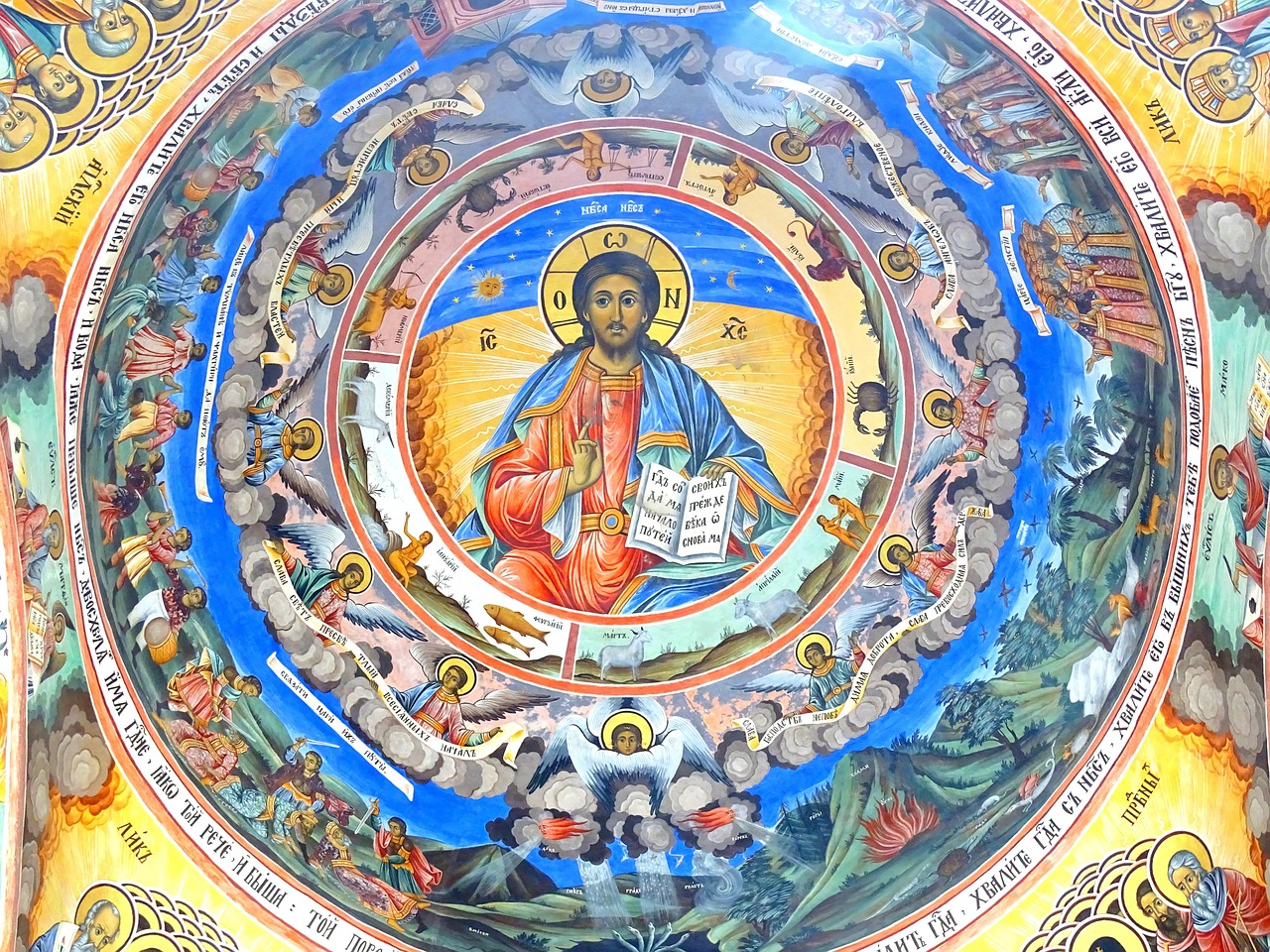
These five centuries left deep scars. The Bulgarians endured the burdens of Ottoman rule, including, in some periods, the notorious levy of Christian boys taken to be raised as soldiers and servants of the sultan, and the steady pressure of a system that placed Christians below Muslims. Yet through it all the Bulgarians clung to their Orthodox faith and their Slavic language, preserved above all by the monasteries, which became the keepers of Bulgarian identity through the dark centuries. Hidden in the mountains, institutions like the great Rila Monastery sheltered the faith, the language, and the memory of a Bulgarian nation, tending the flame of a culture that the long Ottoman night had nearly extinguished. That the Bulgarians survived as a distinct people through five centuries of foreign and religious domination is a testament to the power of faith and language to preserve a nation even when it has lost everything else.
The national revival and rebirth
After centuries of darkness, the Bulgarians experienced a national revival in the eighteenth and nineteenth centuries, a great awakening of national consciousness, language, and the desire for freedom. It began with a monk named Paisius, who wrote a history of the Bulgarian people to remind them of their glorious past and to stir them from the forgetfulness into which Ottoman rule had cast them. From this seed grew a movement to revive Bulgarian education, literature, and the Bulgarian church, to reawaken pride in the nation and to prepare the way for liberation. Schools were founded, books printed, and a sense of Bulgarian nationhood rekindled among a people who had nearly lost it.
The struggle for freedom culminated in revolt and war. A Bulgarian uprising against Ottoman rule in 1876 was suppressed with terrible brutality, and the massacres that followed shocked European opinion and helped turn the great powers against the Ottomans. In the war that followed, Russia, presenting itself as the liberator of its fellow Orthodox Slavs, defeated the Ottomans and forced the creation of a Bulgarian state. In 1878 Bulgaria was reborn as a self-governing principality, free after five centuries, though the powers limited its size and left many Bulgarians outside its borders, a grievance that would shape the nation’s politics for decades. After the longest subjugation in European history, the Bulgarians were once again masters of their own land, and they have honored Russia’s role in their liberation ever since, even as that relationship grew complicated in later times.
Wars, kingdom, and catastrophe
The decades after liberation were turbulent. Bulgaria, like its Balkan neighbors, was driven by the dream of uniting all Bulgarians within its borders, and this ambition led to a series of wars. In the Balkan Wars of the early twentieth century, Bulgaria first fought alongside its neighbors to drive the Ottomans almost entirely out of Europe, then turned against its former allies in a disastrous second war that left it defeated and embittered. In both world wars Bulgaria, seeking to recover territories it considered rightfully Bulgarian, allied itself with Germany and ended on the losing side, suffering defeat and loss each time.
Yet the Second World War also produced one of the proudest moments in Bulgarian history. Although Bulgaria was allied with Nazi Germany, the Bulgarian people, church, and many politicians refused to allow the deportation of the country’s Jewish population to the death camps, and through public protest and political resistance they saved nearly all of Bulgaria’s Jews, an act of moral courage that stands out in the dark history of those years. It must be noted honestly, however, that Jews from territories Bulgaria occupied during the war were not spared and were deported to their deaths, a painful qualification to the story. The rescue of the Bulgarian Jews remains, nonetheless, a genuine point of honor, a reminder that even a nation on the wrong side of the war could find the courage to protect its own.

The communist decades
After the Second World War Bulgaria fell, like the rest of eastern Europe, under communist rule and Soviet domination. The monarchy was abolished, and a one-party communist state was established that would last for more than four decades. Of all the Soviet satellites, Bulgaria was often considered the most loyal to Moscow, the closest follower of the Soviet line, bound by the old ties of Slavic and Orthodox kinship and by the memory of Russian liberation from the Ottomans. The communist regime industrialized the country, collectivized its agriculture, and transformed a largely peasant society, while suppressing dissent and binding Bulgaria tightly into the Soviet bloc.
The communist period brought modernization and education but also repression, economic distortion, and the loss of freedom. The regime pursued, in its later years, a brutal campaign of forced assimilation against Bulgaria’s large Turkish and Muslim minority, compelling them to change their names and abandon their language and customs, a policy that drove hundreds of thousands to flee to Turkey and that remains a shameful chapter requiring honest acknowledgment. When communism collapsed across the region in 1989, Bulgaria’s long-serving leader was removed and the one-party state gave way, but the transition that followed was difficult, marked by economic hardship, instability, and the slow, painful work of building democracy after decades of dictatorship.
Faith, folklore, and a rich culture
Bulgarian culture is deeply marked by the Orthodox Christian faith that carried the nation through the Ottoman centuries. The great monasteries, above all Rila, are not only spiritual centres but symbols of national survival, repositories of art, manuscripts, and memory that preserved Bulgarian identity through the darkest times. Bulgarian Orthodox traditions, with their icons, their feast days, and their ancient liturgy in the Slavic tongue that Bulgaria helped create, remain central to the culture, and the rhythms of the church calendar still shape much of national life.
Bulgaria is also famous for an extraordinarily rich folk tradition, particularly in music. Bulgarian folk music, with its complex, irregular rhythms and its haunting vocal harmonies, is unlike anything else in Europe, and the otherworldly sound of Bulgarian women’s choirs has won admiration around the world, even travelling into space aboard a famous recording sent to represent humanity to the cosmos. The country preserves a vibrant heritage of folk dance, costume, and custom, of festivals marking the turning of the seasons, and of crafts and traditions reaching back centuries. There is the rose harvest in the famous valley, the colourful spring custom of exchanging red and white tokens for health and good fortune, and a deep attachment to the rituals and folklore of the village. This folk culture, like the faith, helped keep the nation alive, and it remains a living and cherished part of Bulgarian identity. The Bulgarians share their South Slavic and Orthodox heritage and their long Ottoman experience with their Balkan neighbors, including the Greeks to the south.
Ancient lands and modern cities
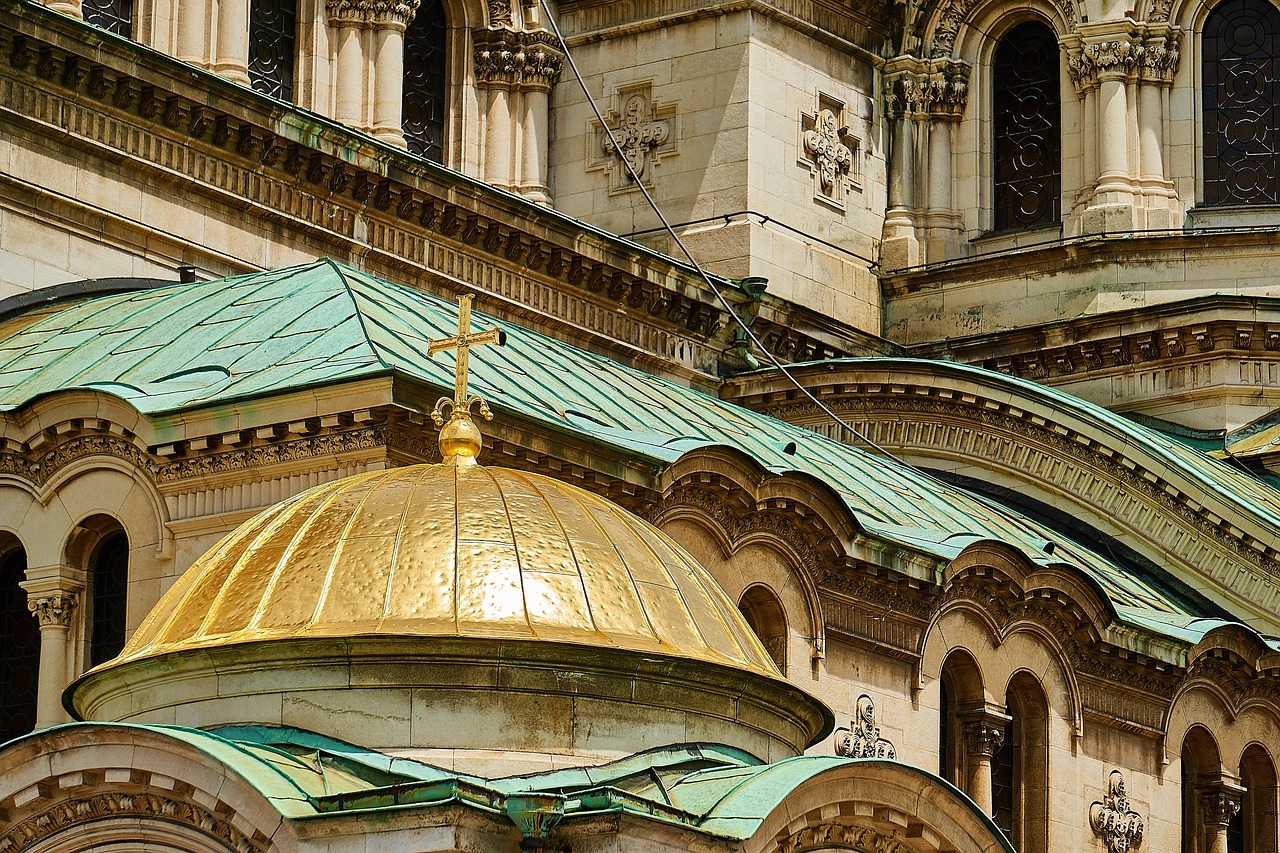
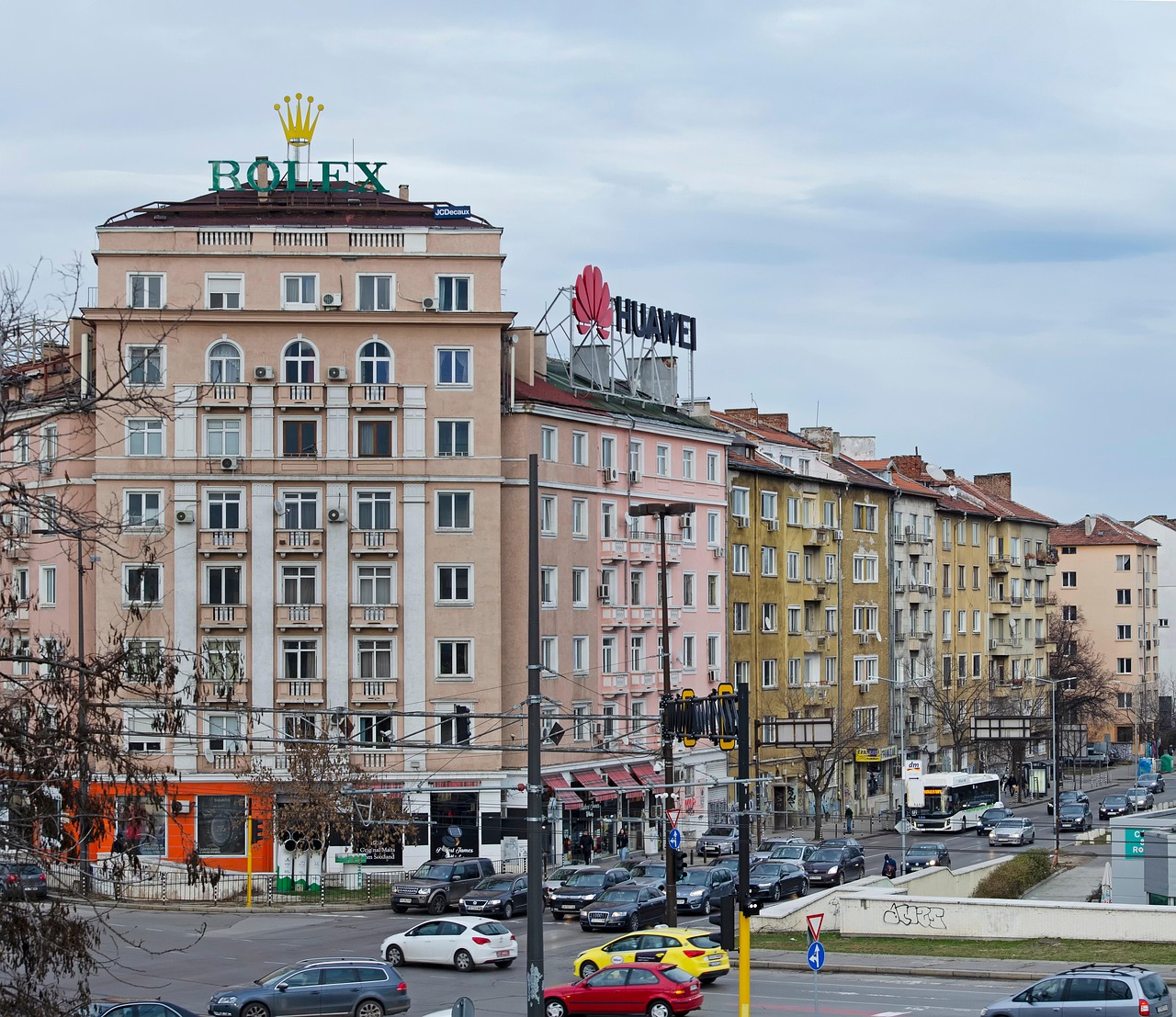
Bulgaria is a country of remarkable historical depth, where layers of civilization are piled one upon another. Its capital, Sofia, is one of the oldest cities in Europe, with ruins from Roman and earlier times lying beneath its modern streets, and it is crowned by the magnificent golden-domed Alexander Nevsky Cathedral, one of the largest Orthodox churches in the world. The city of Plovdiv, in the south, ranks among the oldest continuously inhabited cities on earth, its ancient Roman theatre still in use and its charming old town a treasure of restored houses from the national revival period.
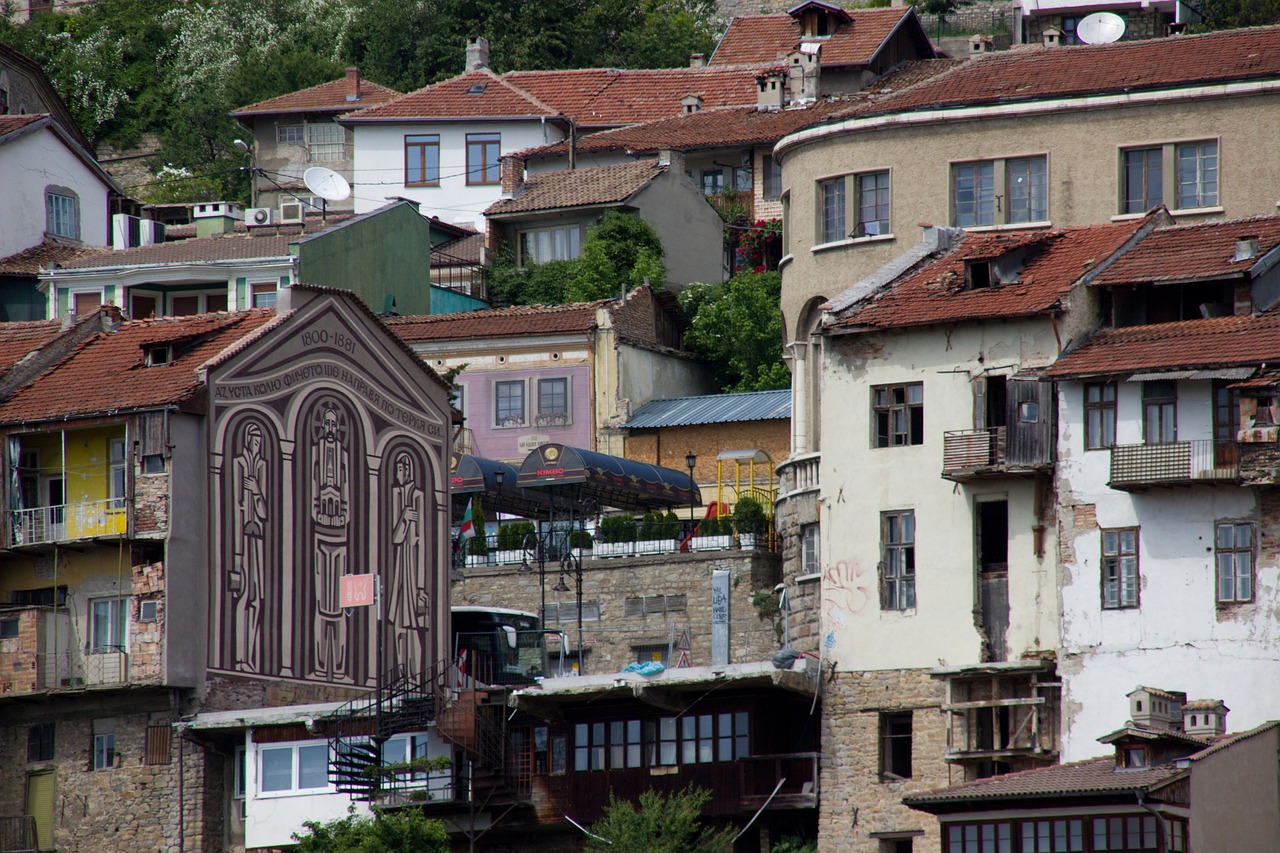
Beyond the cities lies a country of great natural beauty, from the high peaks of the Rila and Pirin mountains, dotted with glacial lakes, to the long sandy beaches of the Black Sea coast that have made Bulgaria a popular summer destination. The medieval capital of Veliko Tarnovo, with its houses clinging dramatically to the hills above a winding river and its restored fortress recalling the glory of the second empire, evokes the splendor of Bulgaria’s imperial past. Scattered across the land are ancient sites stretching back to the Thracians and beyond, the makers of some of the world’s oldest gold treasures, a reminder that this corner of Europe has been a cradle of civilization since the dawn of history.
The Bulgarians today
Modern Bulgaria is a member of the European Union and the NATO alliance, having joined the European mainstream after the fall of communism, and it has worked to build a democratic society and a market economy after the long detour of dictatorship. The country has developed a growing economy, with particular strengths in information technology that have earned it a reputation as a rising centre of the digital industry, and its low costs, natural beauty, and rich heritage have made it increasingly attractive to visitors and investors alike.
Bulgaria faces real and serious challenges. It has struggled with corruption and with the weakness of institutions inherited from communism, and it has experienced one of the steepest population declines in the world, as a low birth rate combines with the emigration of large numbers of its people, especially the young, in search of opportunity abroad. These are grave problems for the nation’s future. Yet Bulgaria endures, as it always has, drawing on the deep resilience of a people who survived five centuries of subjugation and emerged with their identity intact. The country that gave the Slavs their alphabet, that knew imperial glory and the longest darkness, remains a proud and ancient nation, conscious of its extraordinary history and determined to find its way in the modern world.
What the Bulgarian story tells us
The story of the Bulgarians is, more than anything, a story of survival through faith and language. Here is a nation that rose to imperial greatness, gave the Slavic world its written culture, and then was crushed and held in subjection for five centuries, the longest night endured by any surviving European people, and yet did not disappear. The Bulgarians survived not through power, of which they were stripped entirely, but through their Orthodox faith and their Slavic language, preserved in the mountains and the monasteries, kept alive by monks and peasants who would not let the memory of their nation die.
What the Bulgarians teach is the extraordinary endurance of a people anchored in faith and culture. They lost their state, their nobility, their independence, and their place in the world, and they held on to who they were for half a millennium until the chance came to be free again. They remind us that a nation can be defeated and subjugated and still refuse to vanish, that the things which truly preserve a people, their faith, their language, their memory, can outlast the mightiest of empires. To stand in the courtyard of Rila Monastery, high in the mountains where the Bulgarian soul was sheltered through the dark centuries, or to hear the strange and beautiful harmonies of a Bulgarian choir, is to encounter a people of ancient roots and deep endurance, the givers of the alphabet, who survived everything and remained themselves.
You May Like
The Zaza, a Mountain People of Eastern Anatolia