Eating well matters at every age, but in later life it takes on a new and quieter importance. The body changes as the years pass, appetite often fades, the senses of taste and smell dull, and the way the body handles food shifts in ways that are easy to overlook. At the same time, good nutrition becomes one of the most powerful tools an older person has for staying strong, independent, sharp, and well. Far from being a time to eat less and expect little, older age is a stage of life when thoughtful, nourishing eating can make a profound difference to energy, mood, mobility, and resilience against illness.
This article takes a calm, thorough look at how nutrition changes with age and why it deserves attention. It explores why older bodies need food differently, the specific nutrients that become more important, the central and often misunderstood role of protein and dietary fat, the everyday challenges that get in the way of eating well, and the practical steps that help. It also looks honestly at when professional help is needed, because nutrition in older age is not only about food on the plate but about health, dignity, and quality of life. The aim is understanding and encouragement rather than a rigid set of rules.
Table of Contents
- Why nutrition matters more in older age
- How the aging body changes the way we eat
- Energy needs and the appetite puzzle
- Protein and the fight against muscle loss
- The place of fats in an older diet
- Key vitamins and minerals to watch
- Hydration: the overlooked essential
- Eating for strong bones
- Food, mood, and the aging brain
- Common challenges that get in the way
- Practical ways to eat well in later life
- Warning signs worth checking with a doctor
- Small daily habits that make a difference
- A closing word
Why nutrition matters more in older age
It is tempting to assume that an older person, being less active and often smaller in appetite, simply needs less food and less attention to diet. The reality is more subtle and far more interesting. While the total amount of energy an older body needs may indeed decline, the need for many specific nutrients stays the same or even rises. This creates a real challenge: an older person must obtain just as much, sometimes more, of certain vitamins, minerals, and protein from a smaller overall amount of food. Every mouthful, in other words, needs to count more.
Good nutrition in later life underpins almost everything that matters for living well. It helps maintain the muscle strength needed to climb stairs, carry shopping, and get up from a chair unaided. It supports a robust immune system at a time when infections can be more serious. It feeds the brain, influencing memory, mood, and mental clarity. And it provides the reserves the body draws on to recover from illness, surgery, or injury. When nutrition falters, the consequences ripple outward into frailty, falls, slower healing, and a loss of the independence that so many older people treasure.
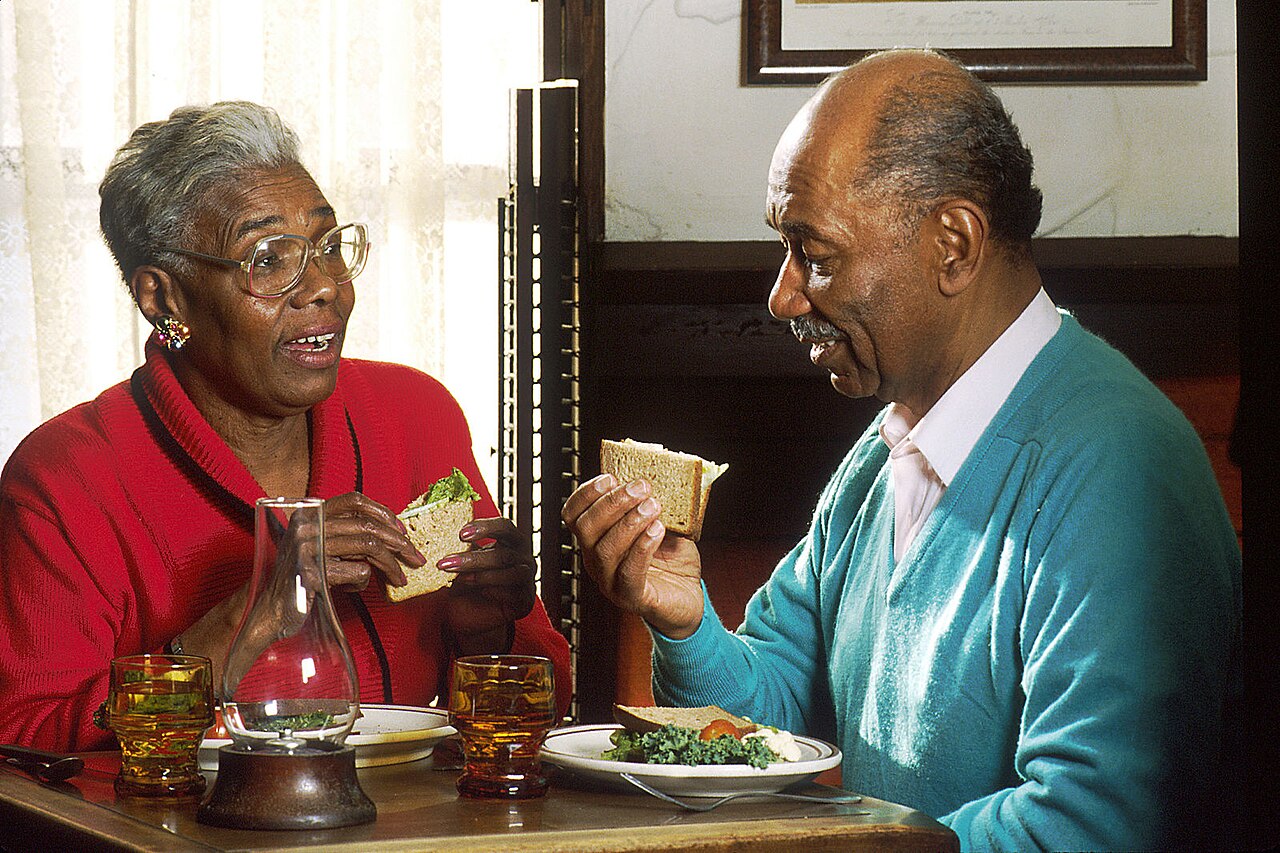
There is also a positive message that deserves emphasis. Older age is not a time of inevitable decline in which diet can do little. On the contrary, it is a stage of life where attention to nutrition pays unusually rich dividends. Many of the problems associated with aging, from loss of muscle to fatigue to a weakened immune response, can be slowed, softened, or partly prevented by eating well. Far from being too late to matter, good nutrition in later years is one of the surest investments a person can make in their own wellbeing.
How the aging body changes the way we eat
The aging body changes in many quiet ways that affect how a person eats and how they use the food they consume. The senses of taste and smell often weaken with age, which can make food seem bland and less appealing and may lead, almost unconsciously, to eating less or reaching for stronger flavours such as extra salt or sugar. Appetite itself frequently diminishes, partly through changes in the hormones that govern hunger and fullness, so that an older person may simply feel less driven to eat even when their body needs nourishment.
Digestion and absorption shift too. The stomach may empty more slowly, contributing to early fullness, and the body becomes less efficient at absorbing certain nutrients, most notably vitamin B12, whose uptake depends on stomach function that often declines with age. Dental problems, ill-fitting dentures, or a dry mouth can make chewing and swallowing harder, narrowing the range of foods a person feels able to eat. Even thirst becomes a less reliable guide, since the sensation of thirst weakens with age, raising the risk of dehydration.
On top of these bodily changes sit the practical and social realities of later life. Reduced mobility can make shopping and cooking difficult. Living alone, bereavement, or low mood can sap the motivation to prepare proper meals. A fixed income may limit food choices. Medications can affect appetite, taste, or the way nutrients are handled. None of these changes is a reason for despair, but together they explain why eating well in older age takes more conscious attention than it did in earlier years, and why understanding them is the first step to eating well despite them.
Energy needs and the appetite puzzle
One of the central puzzles of nutrition in older age is the mismatch between energy needs and nutrient needs. As people age, they tend to become less physically active and to lose some muscle, which is the tissue that burns the most energy. As a result, the total number of calories the body requires usually falls. At the same time, as we have seen, the need for protein, vitamins, and minerals does not fall and in some cases rises. The practical consequence is that older diets must become more nutrient-dense, packing more nourishment into each calorie.
This is why the quality of food becomes even more important than the quantity in later life. Filling up on foods that provide energy but little else, such as sugary snacks, refined carbohydrates, and heavily processed products, leaves less room for the nutrient-rich foods the body genuinely needs. A smaller appetite spent on wholesome, nourishing choices serves an older person far better than the same appetite spent on empty calories.
Appetite itself deserves gentle attention. When appetite is poor, several simple strategies can help: eating smaller amounts more often rather than facing large, daunting plates; making meals as appealing, colourful, and flavourful as possible; and turning eating into a social, pleasant occasion wherever possible, since company often does more for appetite than any supplement. The goal is not to force food but to make nourishing eating easier and more enjoyable, working with the realities of an older appetite rather than against them.
Protein and the fight against muscle loss
If one nutrient deserves special attention in older age, it is protein. With advancing years the body gradually loses muscle mass and strength, a process known as sarcopenia, and this loss is one of the chief drivers of frailty, falls, and lost independence. Protein supplies the building blocks the body uses to maintain and repair muscle, and getting enough of it is one of the most important ways to slow this decline. Somewhat counterintuitively, research suggests that older adults may actually need more protein per kilogram of body weight than younger adults, because the aging body uses protein less efficiently.
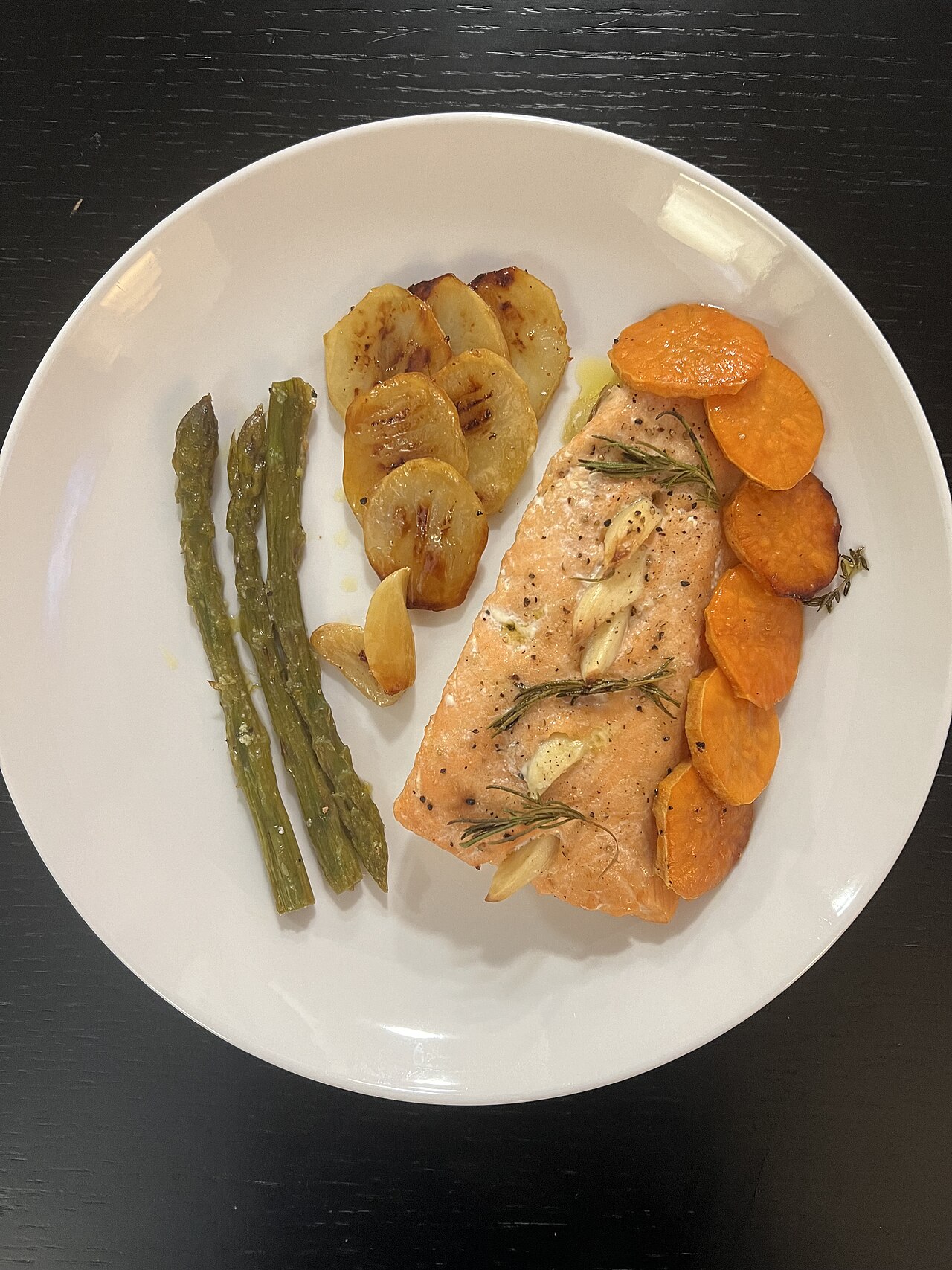
Good sources of protein are varied and accessible: fish, eggs, dairy products, lean meat and poultry, beans, lentils, and, where tolerated, nuts. Oily fish such as salmon, sardines, and mackerel bring the added benefit of healthy fats. For those who find large portions difficult, spreading protein across the day, including some at each meal rather than concentrating it all at dinner, appears to help the body use it more effectively. Softer protein-rich foods like eggs, yogurt, fish, and well-cooked beans are valuable for anyone with chewing difficulties.
Protein works best hand in hand with physical activity. Even gentle resistance exercise, such as standing up from a chair repeatedly, using light weights, or carrying out everyday tasks, signals the muscles to use the protein they are given. The combination of adequate protein and regular movement is far more powerful than either alone, and it is one of the clearest examples of how nutrition and lifestyle together protect strength and independence in later life. This is genuine, evidence-based help, not a guarantee, and anyone with kidney problems or other conditions should discuss their protein needs with a doctor, since requirements can differ.
The place of fats in an older diet
Fat is often treated with suspicion, but in an older diet it is both essential and, in the right forms, genuinely beneficial. Dietary fat is a fundamental nutrient that the body cannot do without. It builds the membranes of every cell, supplies the raw material for hormones, and is the only means by which the body absorbs the fat-soluble vitamins A, D, E, and K, all of which matter greatly in older age for bones, vision, immunity, and more. Fat is also a concentrated source of energy, which can be especially useful for an older person with a small appetite who struggles to eat enough.
What matters most is the kind of fat. The healthier fats found in olive oil, nuts, seeds, avocado, and oily fish support heart and brain health and carry anti-inflammatory benefits, which is why they feature so prominently in eating patterns associated with healthy aging. The omega-3 fats in oily fish are particularly valued for the heart and the brain. By contrast, a diet heavy in fried foods and ultra-processed products supplies less helpful fats alongside excess salt and sugar.
It is also worth naming the fat-free trap, which can catch older shoppers just as easily as anyone else. Products marketed as low-fat or fat-free are frequently loaded with added sugar or refined starch to make up for lost flavour, offering little real benefit and sometimes more harm. For an older person trying to make every calorie count, a modest amount of good fat, a drizzle of olive oil, a handful of nuts, some oily fish, often does far more good than a fat-free product full of sugar. The sensible approach is not to fear fat but to choose good fats in sensible amounts, especially as a way of adding both nourishment and enjoyment to the plate.
Key vitamins and minerals to watch
Several specific micronutrients deserve particular attention in later life, because the body either absorbs them less well or needs them in greater measure. Vitamin B12 is among the most important. The aging stomach often produces less of the acid and protein needed to absorb B12 from food, leaving many older people short of it even when their diet contains plenty. A deficiency can cause fatigue, weakness, nerve problems, and memory difficulties, and it is one reason doctors sometimes check B12 levels and may recommend fortified foods or supplements.

Vitamin D and calcium form another crucial pair, working together to keep bones strong at an age when fractures become more dangerous. Older skin makes vitamin D less efficiently from sunlight, and many older people spend more time indoors, so supplements are often advised. Other nutrients to keep in mind include folate and other B vitamins, vitamin C and the broad range of antioxidants from colourful fruits and vegetables, and minerals such as potassium and magnesium that support heart, muscle, and nerve function. Fibre, from whole grains, fruits, vegetables, and legumes, helps with the digestive sluggishness that becomes more common with age.
The reassuring point is that a varied, colourful, mostly wholesome diet naturally supplies most of these nutrients. Supplements have their place, particularly for vitamin D and sometimes B12, but they work best as a complement to good food rather than a replacement for it. Because individual needs vary and some supplements can interact with medicines, decisions about supplementation are best made with a doctor or pharmacist rather than guessed at alone.
Hydration: the overlooked essential
Among all the aspects of nutrition in older age, hydration is perhaps the most overlooked and the most easily remedied. The sensation of thirst weakens with age, so older people often do not feel thirsty even when their bodies need fluid. Combined with concerns about reaching the bathroom, reduced mobility, or simply forgetting, this can lead to a slow, unnoticed slide into dehydration that carries real consequences.
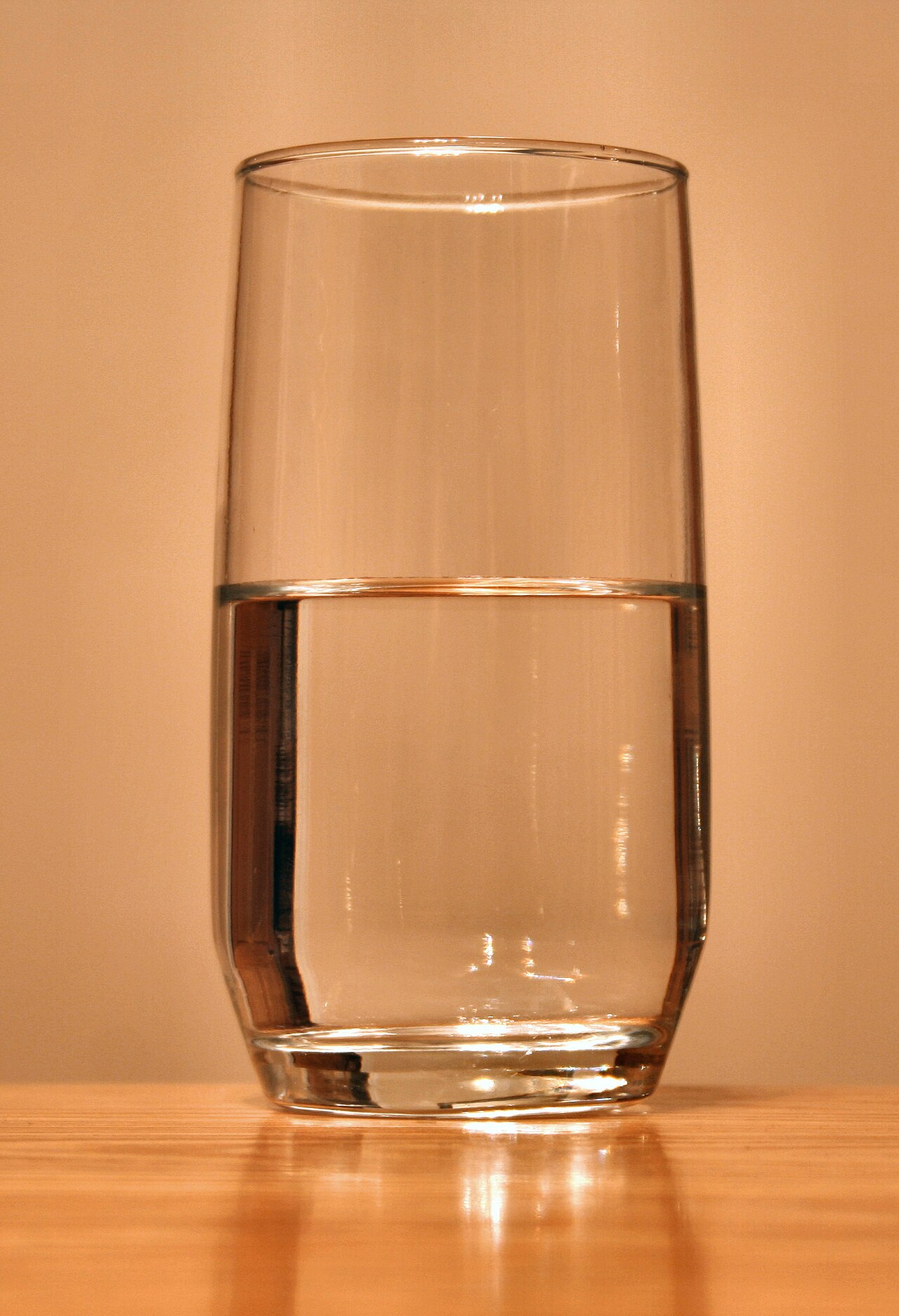
Dehydration in older age is not a minor matter. It can cause confusion that may be mistaken for dementia, dizziness and falls, constipation, urinary infections, and a general feeling of being unwell. Because the symptoms are often vague, dehydration frequently goes unrecognised until it has become serious. This makes a gentle, proactive approach important: drinking regularly throughout the day rather than waiting for thirst, keeping a glass or bottle of water within easy reach, and remembering that water comes not only from drinks but from soups, fruits, vegetables, and other foods.
Practical habits make a real difference. A drink with every meal and snack, a warm drink as part of a daily routine, and visible reminders all help. For those who find plain water unappealing, flavoured water, herbal teas, milk, and diluted juices all contribute, while very sugary or heavily caffeinated drinks are best kept modest. Staying well hydrated is one of the simplest and most effective ways an older person can protect both body and mind.
Eating for strong bones
Bone health becomes a central concern in later life, because bones naturally lose density with age and fractures, particularly of the hip, can be life-changing. Nutrition is one of the key tools for keeping the skeleton as strong as possible. Calcium is the principal mineral of bone, and good dietary sources include dairy products, fortified plant-based alternatives, leafy green vegetables, and tinned fish eaten with the soft bones. Vitamin D is its essential partner, since without enough vitamin D the body cannot absorb calcium properly, which is why the two are so often considered together.
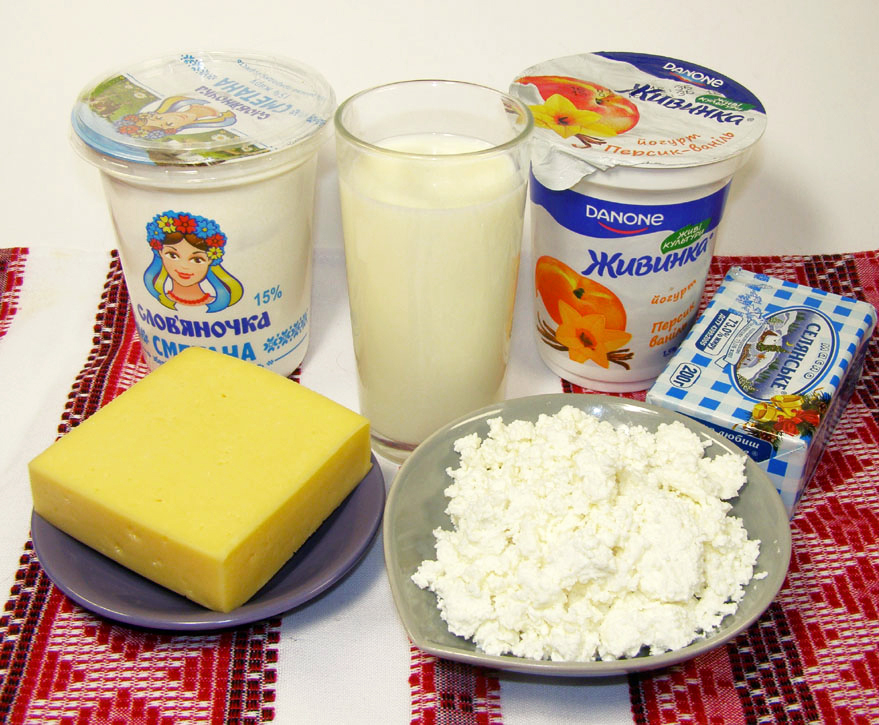
Protein, discussed earlier for its role in muscle, also matters for bone, since bone is built on a protein framework. So the same protein-rich foods that protect muscle support the skeleton too. Beyond these headline nutrients, a varied diet rich in fruits and vegetables provides other minerals and vitamins, such as vitamin K and magnesium, that contribute to bone health. A diet very high in salt and very low in these wholesome foods, by contrast, can work against the bones over time.
As always, food works best alongside movement. Weight-bearing activity, even gentle walking, signals the bones to stay strong, and balance exercises help prevent the falls that turn weakened bones into fractures. Nutrition lays the foundation, but the combination of good eating, appropriate activity, and, where a doctor advises, supplements or medical treatment offers the best protection. For anyone with diagnosed osteoporosis, these dietary steps support but do not replace the medical care a doctor recommends.
Food, mood, and the aging brain
Nutrition does not only support the body in later life; it nourishes the mind. The brain is a hungry organ that depends on a steady supply of energy and nutrients, and what an older person eats can influence memory, concentration, and mood. Diets rich in vegetables, fruits, whole grains, oily fish, nuts, and healthy fats, the kind of pattern often associated with the Mediterranean way of eating, have been linked in research with better cognitive health and a lower risk of decline, though no diet can guarantee protection.
Several nutrients have particular relevance to the brain. The omega-3 fats in oily fish support brain structure and function. B vitamins, including B12 and folate, are important for nerve health, and deficiencies can produce confusion and low mood that are sometimes reversible once corrected. Even hydration plays a part, since dehydration readily causes confusion and poor concentration in older people. Eating well, in this sense, is part of caring for mental sharpness and emotional wellbeing, not just physical strength.
The relationship between food and mood runs both ways. Low mood, loneliness, and depression, which are sadly common in later life, can sap the appetite and motivation to eat well, which in turn can worsen both physical and mental health. Shared meals, pleasant routines, and the simple enjoyment of good food can lift the spirits as well as nourish the body. Attending to the social and emotional side of eating is therefore part of good nutrition, not separate from it, and persistent low mood or appetite loss is always worth raising with a doctor.
Common challenges that get in the way
Eating well in older age often runs into very real obstacles, and recognising them is the first step to overcoming them. Physical challenges are common: arthritis or weakness can make shopping, carrying, and cooking difficult; dental problems or swallowing difficulties can limit what a person can comfortably eat; and reduced mobility can make getting to the shops a genuine hurdle. Each of these can quietly narrow a person’s diet without anyone quite noticing.
Social and emotional challenges matter just as much. Many older people live alone, and cooking and eating for one can feel dispiriting, leading to skipped meals or a reliance on the same few easy foods. Bereavement, isolation, and low mood can drain the motivation to prepare proper meals. A limited budget can push choices toward cheaper, less nourishing options. And the loss of a spouse who once did the cooking can leave a person without the skills or habits to feed themselves well.
Medical factors add another layer. Numerous medications can dull appetite, alter taste, cause dry mouth or nausea, or affect how the body handles particular nutrients. Chronic illnesses may impose dietary restrictions or simply make eating harder. None of these challenges is insurmountable, and many have practical solutions, from meal-delivery services and easier recipes to dental care, medication reviews, and support from family or community. The key is to see poor eating not as an inevitable part of aging but as a problem with causes that can often be identified and addressed.
Practical ways to eat well in later life
Turning all of this into everyday practice need not be complicated. Making each meal count is the guiding principle: choosing nutrient-dense, wholesome foods over empty calories, and including a source of protein at every meal. Keeping meals simple, appealing, and manageable helps when energy or appetite is low, and batch-cooking or freezing portions can ease the burden on days when cooking feels like too much. Easy, nourishing options such as eggs, tinned fish, beans, yogurt, porridge, and frozen vegetables make good eating achievable without elaborate effort.

The social side of eating deserves real attention. Sharing meals with family, friends, or at community groups and lunch clubs makes eating more enjoyable and tends to improve how much and how well a person eats. For those who live alone, even small steps, a shared meal now and then, eating at a set table rather than in front of the television, or a regular phone call at mealtimes, can lift both appetite and spirits. Where shopping or cooking is genuinely difficult, meal-delivery services and help from family or carers can bridge the gap.
Practical adaptations help with physical challenges too. Softer or moist foods, smaller and more frequent meals, foods cut into manageable pieces, and well-fitting dentures or dental care can all make eating easier and more pleasant. Keeping nourishing snacks within reach, such as nuts, cheese, yogurt, or fruit, helps an older person top up their intake between meals. And for anyone whose appetite or weight is a concern, a doctor or dietitian can offer tailored advice, including nourishing drinks or supplements when food alone is not enough.
Warning signs worth checking with a doctor
While many changes in eating are a normal part of aging, certain signs genuinely warrant professional attention. Unintentional weight loss is among the most important: an older person losing weight without trying should always be assessed, because it can signal an underlying problem and itself leads to weakness and frailty. A persistently poor appetite, ongoing fatigue, or a noticeable loss of strength and muscle also deserve a doctor’s attention, as do difficulty chewing or swallowing, which can make eating unsafe as well as unpleasant.
Other warning signs include recurrent infections or slow healing, which can reflect poor nutrition; confusion or low mood, which may have nutritional causes such as dehydration or vitamin deficiency that are sometimes reversible; and any sudden change in eating habits. For someone managing chronic conditions, new difficulties with their diet are worth discussing rather than struggling with alone. Frequent falls, too, can be linked to the muscle weakness and frailty that poor nutrition contributes to.
The encouraging message is that seeking help is sensible and often fruitful. Many nutritional problems in older age have identifiable causes and practical solutions, from treating a deficiency or adjusting a medication to arranging dental care, meal support, or specialist dietary advice. A doctor, pharmacist, or dietitian can assess what is happening, rule out or treat underlying conditions, and offer guidance tailored to the individual. Good nutrition in later life is very much a team effort, and asking for help is a strength, not a failing.
Small daily habits that make a difference
The foundations of eating well in older age come down to a handful of simple, sustainable habits. Include some protein at every meal, from fish, eggs, dairy, beans, or lean meat, to protect muscle and strength. Fill the plate with colour from a variety of vegetables and fruit, choose wholegrain options where possible, and include healthy fats such as olive oil, nuts, and oily fish. Drink regularly through the day rather than waiting for thirst, keeping water within easy reach as a constant reminder.
Beyond the food itself, the surrounding habits matter. Eat in company where you can, and make mealtimes pleasant rather than rushed or solitary. Keep nourishing snacks on hand for when appetite is small, and do not be afraid of a little good fat to add both energy and enjoyment. Stay as active as your health allows, since movement supports appetite, muscle, bone, and mood alike. Keep up with routine health check-ups, and raise any concerns about weight, appetite, or strength early. None of these habits is dramatic on its own, but together they help an older person stay nourished, strong, and well for as long as possible.
A closing word
Nutrition in older age is about far more than avoiding deficiency; it is about preserving strength, independence, clarity, and the simple pleasure of a good meal. The body changes with the years, appetite and the senses shift, and eating well takes more conscious care than it once did, but the rewards are correspondingly great. With attention to protein, healthy fats, key vitamins and minerals, and good hydration, and with support for the practical and social challenges that arise, older adults can eat in ways that genuinely protect their health and enrich their days.
This article is general information, not medical advice, and every person’s situation is different. The guidance here is meant to inform and encourage, not to replace the individual judgement of a doctor, pharmacist, or dietitian who knows your health and circumstances. If you or an older person you care for is struggling with eating, losing weight, or facing any of the concerns described here, please seek professional advice. Eating well in later life is one of the most powerful ways to stay strong and well, and help is available to make it easier.
You May Like