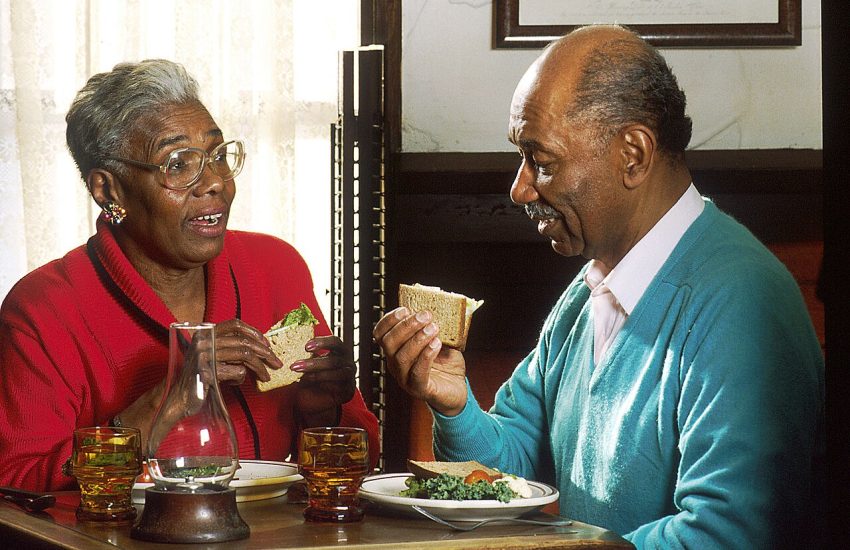
Here is a question that sounds simple but turns out to be quietly fascinating: how long does a person live? Not you or me specifically, but people in general, depending on where they happen to be born. Because the honest answer is that it depends enormously. A baby born in one country can expect, on average, to live well into their eighties. A baby born somewhere else may not reach sixty. Same species, same planet, same century, and yet a gap of twenty or even thirty years stretches between them. That gap is one of the most revealing numbers in the world, and a surprising amount of it has to do with what ends up on the dinner table.
This article wanders through the numbers, country by country, and tries to make sense of them in plain human terms. We will look at who lives longest, who lives shortest, why women tend to outlast men almost everywhere, and how the food cultures of the world quietly shape these outcomes. There is a lot of statistics here, but I have tried to keep it warm rather than clinical, because behind every percentage point are real grandmothers, real grandfathers, real dinners shared around real tables. And at the very end, I will step back and offer a few honest thoughts about what it all means.
What we are actually counting
Before the numbers, a quick word about what they mean, because it is easy to misunderstand. When experts say a country has a life expectancy of, say, 82 years, they do not mean everyone drops dead at 82. The figure is an average for a baby born today, assuming the death rates of right now stay the same across their whole life. It is a snapshot, a useful one, but a snapshot. Plenty of people live far longer than the average, and a few sadly far shorter. The number is best read as a kind of temperature reading for a nation’s overall health.
It also helps to remember just how new our long lives are. Around 1900, the global average life expectancy was roughly 32 years. By 2021 it had climbed past 70. We more than doubled the human lifespan in a single century, thanks to clean water, vaccines, antibiotics, better food, and safer childbirth. So when we compare countries today, we are really comparing how far each has travelled along that same astonishing road, and how evenly the benefits have been shared.
The places where people live longest
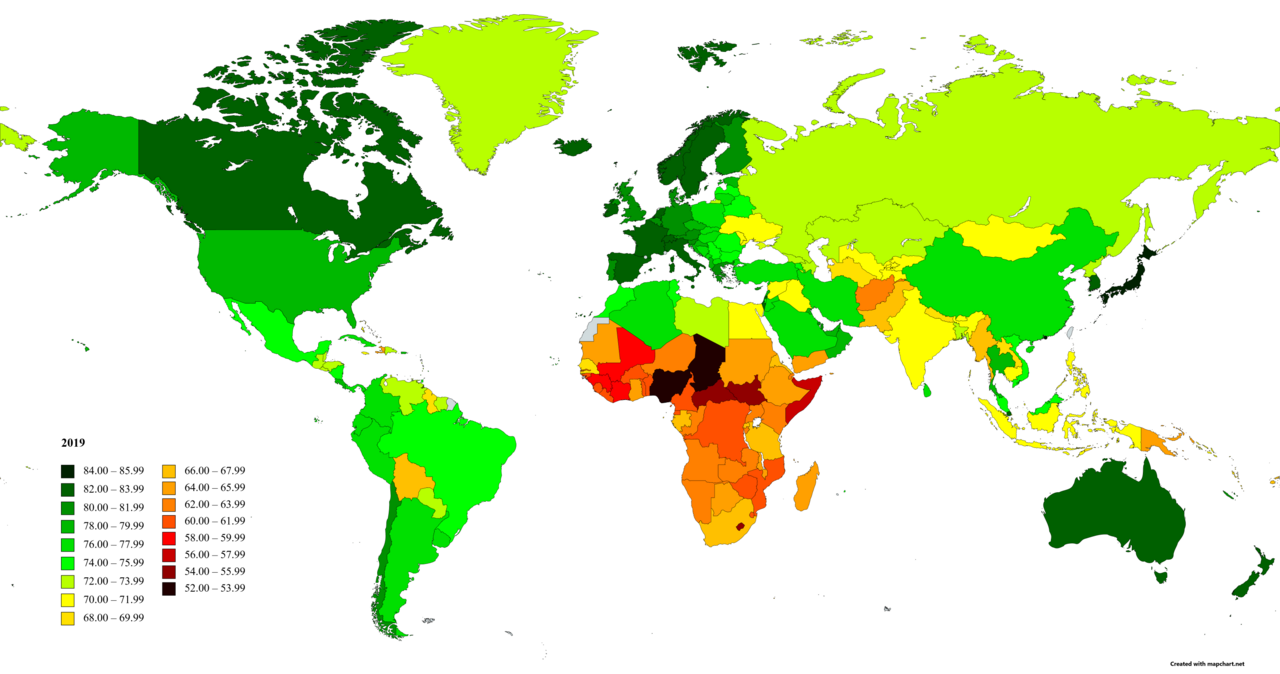
If you wanted to grow very old, the statistics suggest a handful of places stack the deck in your favour. Japan sits near the very top, with a life expectancy of around 84 years, and its women lead the world at roughly 87. Tiny but wealthy states like Monaco and San Marino post even higher figures, and the small principality of Liechtenstein keeps similar company. Across Europe, Switzerland, Spain, and Italy hover around 83 to 84 years, with Spain in particular often vying with Japan for the global crown.
The pattern continues across the rich, healthy world. Australia, Singapore, South Korea, Sweden, France, Norway, and Iceland all cluster in the low eighties. South Korea is a remarkable story in its own right, having rocketed from one of the poorest countries on earth in the 1950s to one of the longest-lived today. What these places tend to share is not a single magic ingredient but a combination: good healthcare, relative wealth, clean environments, strong social ties, and, very often, a food culture built around fresh, simple, mostly plant-rich meals.
The middle of the pack, and a rich-country puzzle
Most of the developed world sits a notch below the leaders, in the high seventies, and here lies one of the more interesting puzzles in the whole subject. The United States, despite being one of the wealthiest nations on earth and spending more on healthcare than anyone, lands at only around 77 to 79 years, noticeably behind comparable countries. It is a genuine head-scratcher that researchers have studied for decades, and the explanations point to a tangle of causes: deep inequalities, gaps in healthcare access, higher rates of obesity and diet-related disease, and more deaths from accidents, violence, and drugs among the young.
The United Kingdom, Germany, and much of the rest of Western Europe sit a little higher, generally in the low eighties or high seventies. Countries such as Poland, Turkey, China, and Mexico have climbed impressively in recent decades and now hover in the mid-to-high seventies, closing a gap that once looked enormous. China in particular has nearly caught up with some Western nations, a reflection of its rapid economic rise. The broad story of the middle of the pack is one of convergence: the world has been catching up to its longest-lived members, even if unevenly.
The places where life is still too short
At the other end of the table, the numbers turn sobering. Several countries in sub-Saharan Africa still have life expectancies in the low to mid fifties. Nations such as Chad, Nigeria, Lesotho, the Central African Republic, and South Sudan sit near the bottom, some barely above 53 or 54 years. The gap between the top and the bottom of the world remains roughly thirty years, which is a staggering distance, an entire extra lifetime of childhood, work, and grandparenthood that some populations enjoy and others are denied.
It would be a mistake to blame diet for most of this. The forces pulling these numbers down are larger and harsher: poverty, infectious diseases like malaria and HIV, weak healthcare systems, conflict, and tragically high rates of child mortality, which drag the average down sharply because the death of a child counts as a full lost lifetime. Yet nutrition is woven through it all, since malnutrition leaves people, especially children, far more vulnerable to disease. Where food is scarce or monotonous, lives are shorter, and that is its own kind of quiet tragedy.
Why grandmothers outlast grandfathers
Look closely at almost any country and you find the same curious pattern: women live longer than men, often by five or six years, sometimes more. In Japan the gap is around six years, in Russia at times it has stretched past ten. This is one of the most consistent findings in all of human health, and it shows up rich or poor, north or south. Part of the explanation is biological, since women seem to have some built-in resilience, but a large part is behavioural. Historically men have smoked and drunk more, taken more dangerous jobs, died more often in accidents and violence, and visited doctors less.
The interesting twist is that the gap is not fixed. In places where women have taken up smoking in large numbers, or where men have grown healthier, the difference narrows. It is a reminder that these life-expectancy numbers are not destiny written in our biology but are shaped, year by year, by how we live, what we consume, and the risks we run. Lifestyle, in other words, leaves fingerprints all over the data.
The blue zones, where old age looks easy
Scattered around the world are a few small pockets where people seem to grow old with unusual grace, places researchers have nicknamed blue zones. The Japanese island of Okinawa, the Italian island of Sardinia, the Nicoya Peninsula in Costa Rica, the Greek island of Ikaria, and a community in Loma Linda, California, all boast remarkable numbers of people living past 90 and even 100. When researchers went looking for what these far-flung communities had in common, the answers were strikingly down-to-earth.
They eat mostly plants. Beans, vegetables, whole grains, and fruit form the backbone of their meals, with meat treated as an occasional guest rather than the star of the plate. They eat moderately, often stopping before they are completely full. They stay physically active in natural, everyday ways, gardening, walking, working with their hands, rather than through gym memberships. And they are deeply embedded in family and community, with strong social bonds and a sense of purpose. None of it is exotic. It is, in a sense, the ordinary wisdom of traditional life, and it happens to be a recipe for a long one.
What the Mediterranean figured out
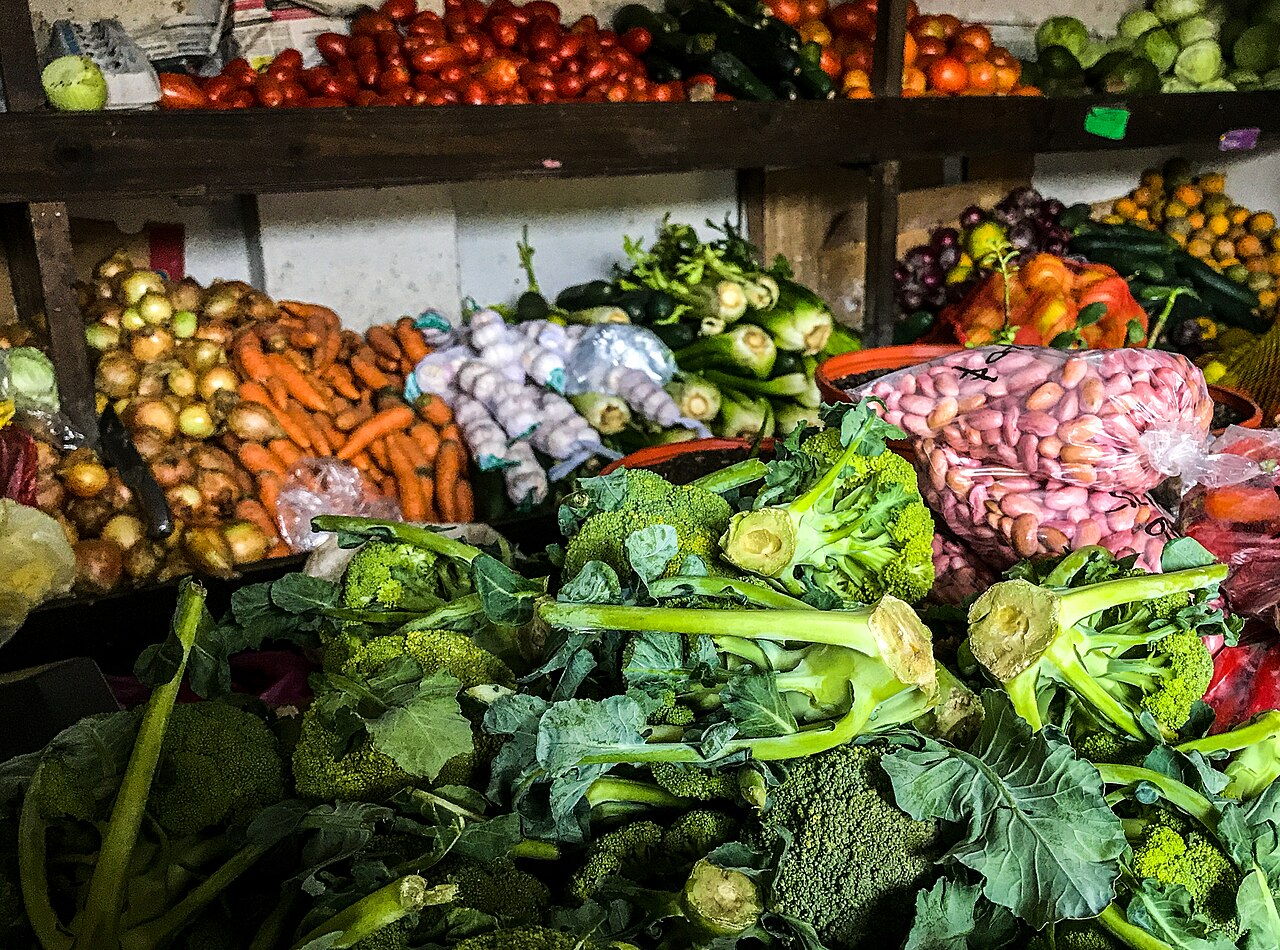
If any way of eating has earned its reputation, it is the Mediterranean one. The traditional diet of southern Europe, all that olive oil, fish, vegetables, beans, nuts, fruit, and whole grains, with wine in moderation and red meat as a rarity, has been studied more than almost any other, and the findings are consistent: it is linked with healthier hearts, sharper minds in old age, and longer lives. It is surely no coincidence that Spain and Italy, two of its heartlands, rank among the longest-lived nations on earth.
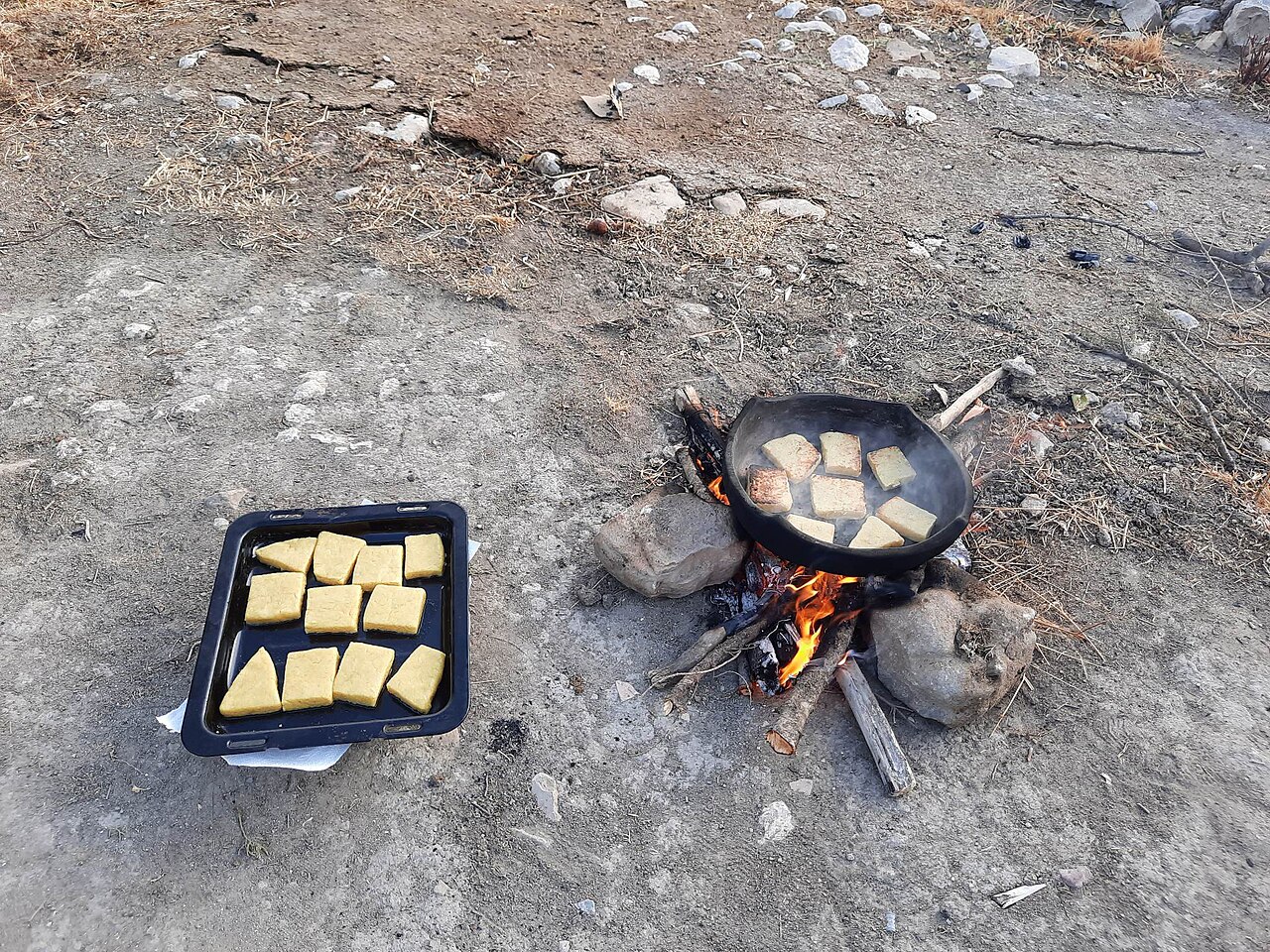
What makes the Mediterranean pattern so instructive is that it is not really a diet in the modern sense of restriction and willpower. It is a culture of eating, built around fresh ingredients, shared meals, and a generous but sensible use of good fats. The olive oil matters, the fish matters, the mountains of vegetables matter, but so does the unhurried, social way the food is eaten. It is a useful corrective to the idea that longevity comes from denying yourself. In the Mediterranean, long life seems to come from enjoying the right things.
The Japanese table and its quiet genius
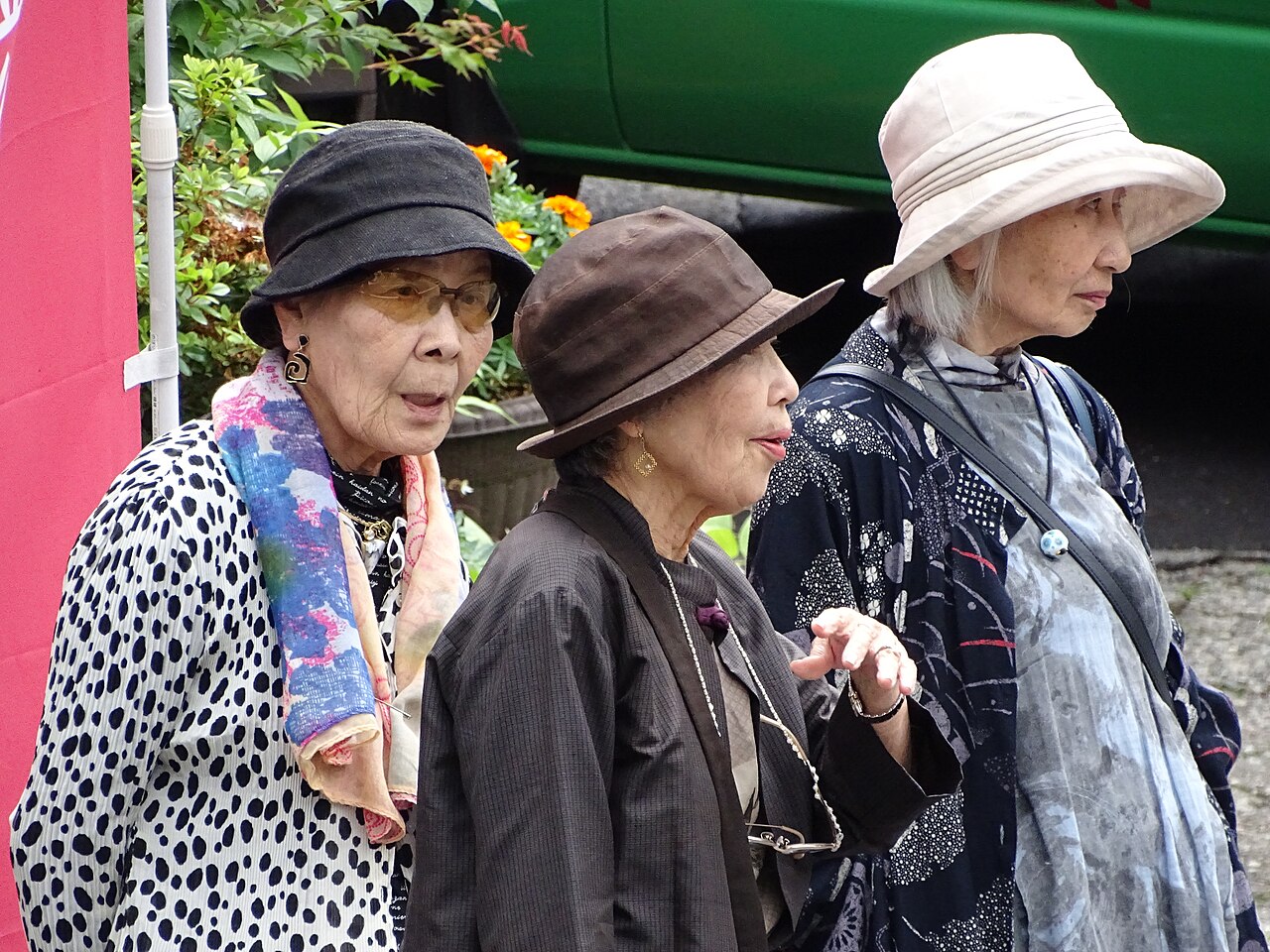
Japan deserves its own moment, because it has been the world champion of longevity for so long that its diet has become a subject of real scientific curiosity. The traditional Japanese table is light and varied: plenty of fish, rice, soy in the form of tofu and miso, seaweed, and an abundance of vegetables, with small portions and relatively little red meat or heavy dairy. The Okinawans took it even further, traditionally eating an especially plant-heavy diet and, famously, practising hara hachi bu, the gentle habit of eating until they are about eighty percent full.
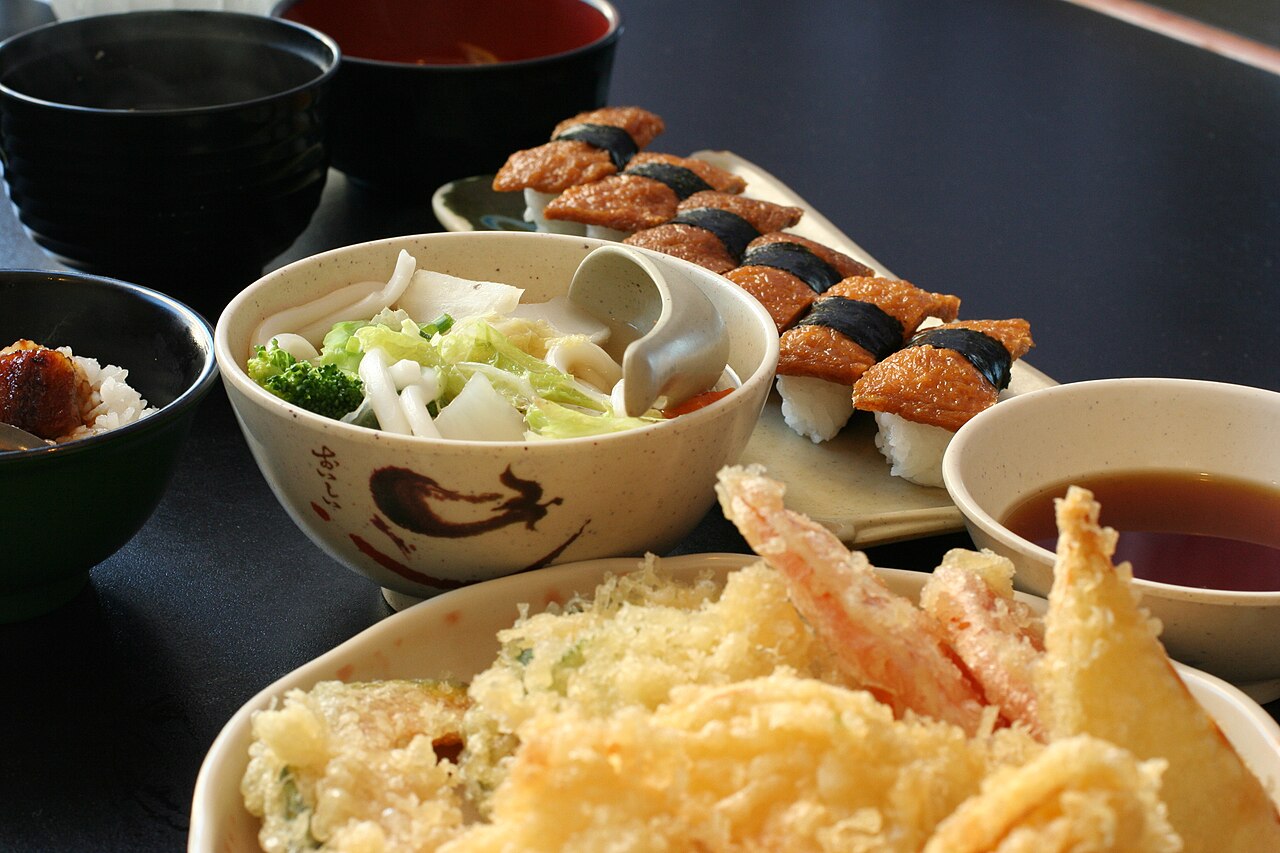
There is a cautionary note in the Japanese story, though, and it is worth telling honestly. As younger generations have shifted toward more Western-style eating, with more processed food and more meat, some of the health advantages have begun to erode in places. It is a real-time demonstration of the link between diet and longevity, watched across a single society. When the traditional plate gives way to the modern processed one, the long-term numbers tend to suffer. Food, it turns out, is not just culture. It is, over decades, life and death in slow motion.
So is it really the food?
It would be dishonest to pretend that diet alone explains why some nations live longer than others. It does not. Wealth, healthcare, clean water, sanitation, education, peace, and simple luck of geography all play enormous roles, and in the poorest countries these factors matter far more than the fine details of anyone’s plate. A child who dies of a preventable infection is not a story about nutrition labels; it is a story about poverty and missing medicine. We should hold that truth firmly.
And yet, once a country has cleared those basic hurdles, once people are reasonably safe and fed and cared for, diet becomes one of the loudest remaining voices in how long and how well they live. The difference between a population eating mostly fresh, plant-rich, traditional food and one living on processed, sugary, heavily refined fare shows up, slowly but surely, in rates of heart disease, diabetes, and cancer, and ultimately in the life-expectancy tables. Among the wealthy nations, much of the remaining gap really does run through the kitchen.
What all of this leaves me thinking
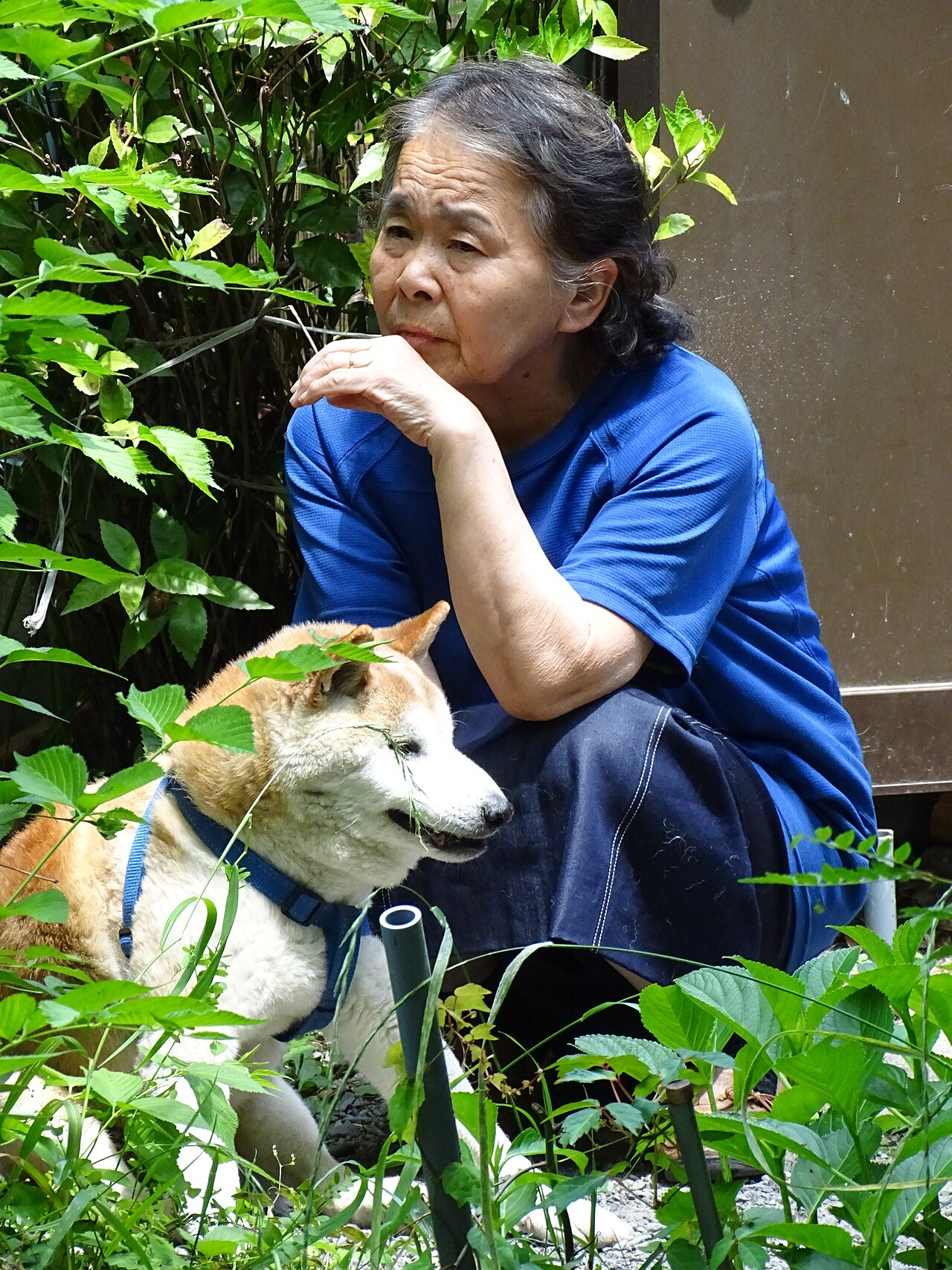
When I sit with these numbers, the thing that stays with me is not really the rankings. Leaderboards of nations are interesting, but they can make longevity feel like a competition, and it is not one. What moves me is what the data quietly says about how ordinary life shapes its own length. The longest-lived people on earth are not, for the most part, biohackers or fitness obsessives or followers of some expensive secret. They are, overwhelmingly, people who eat real food, mostly plants, in good company, who move their bodies in the course of an ordinary day, and who feel they belong to something, a family, a village, a faith, a routine. The recipe is almost embarrassingly old-fashioned.
And maybe that is the most hopeful part. We cannot all be born in Japan or Sardinia, and we cannot individually fix the poverty or the broken systems that cut so many lives short around the world; those are matters of justice and politics far bigger than any dinner plate. But for those of us lucky enough to have the choice, the lesson of the longest-lived places in the world is gentle and within reach. Eat a little more simply and a little more greenly. Do not stuff yourself. Walk. Share your meals with people you love. None of it guarantees a long life, because nothing does, and luck always gets a vote. But of all the things written in these statistics, the clearest may be this: the way we eat and the way we live, day after unremarkable day, is quietly writing the length of our story. That is worth a thought the next time we sit down to eat.
This article is a general, reflective look at population statistics and food culture, not medical or dietary advice for any individual. The figures are approximate and drawn from international estimates that shift slightly from year to year and source to source. For guidance about your own health and diet, please speak with a qualified doctor or dietitian.