The personal computer was supposed to be a mature, even sleepy, category. For years the laptop on your desk improved only modestly from one generation to the next, and the conversation was mostly about which brand had the nicest keyboard. Then something genuinely exciting happened. A wave of new chip designs, borrowed from the world of phones, swept through the industry and gave laptops something they had never really had before: the ability to be thin, silent, fast, and able to run all day on a single charge, all at once. On top of that, the personal computer has become the latest front in the race to put artificial intelligence into everything. This article looks at where laptops and desktops stand today and what each of the major players is doing.
Table of Contents
- A quiet renaissance for the PC
- Apple Silicon: the shot that changed the game
- Intel: the giant fighting to catch up
- AMD: the comeback story
- Qualcomm and the Arm-powered Windows laptop
- Microsoft and the AI PC push
- The laptop makers: Dell, HP, Lenovo, Asus, and the rest
- The desktop refuses to die
- How to choose a computer today
- Closing thoughts
A quiet renaissance for the PC
For most of computing history, more power meant more heat, more noise, and a shorter battery life. The big shift of recent years was the arrival of chips designed first for efficiency rather than raw speed, an idea carried over from smartphones, where every drop of battery counts. The result is a class of laptop that wakes the instant you open the lid, stays cool and silent because it barely needs a fan, and genuinely lasts a full working day. For most people, those qualities matter far more than any benchmark score.
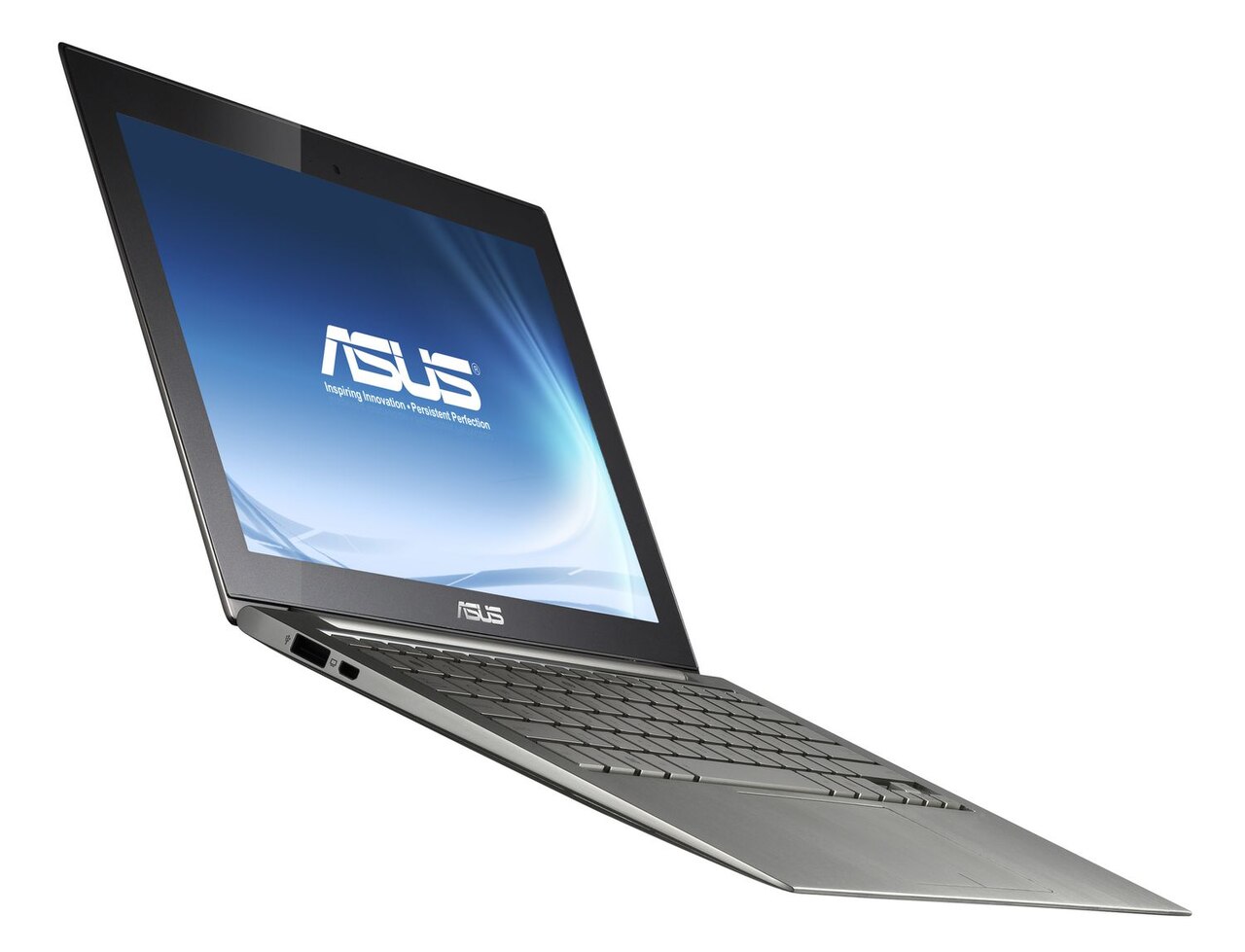
This is why the modern computing story is less about the fastest machine and more about the most pleasant one to live with. A laptop that does not get hot on your lap, does not roar when you open too many tabs, and does not need its charger by lunchtime changes your relationship with it. The race among chip makers to deliver this combination of speed and efficiency is the single most important thing that has happened to personal computers in a decade.
Apple Silicon: the shot that changed the game
The event that lit the fuse was Apple decision to abandon the processors it had used for years and design its own, based on the same efficient architecture that powers phones. The first of these Apple Silicon chips stunned the industry by delivering strong performance while sipping so little power that a thin laptop could run all day without a fan. It forced the entire rest of the industry to respond, and it set a new standard for what a laptop should feel like.
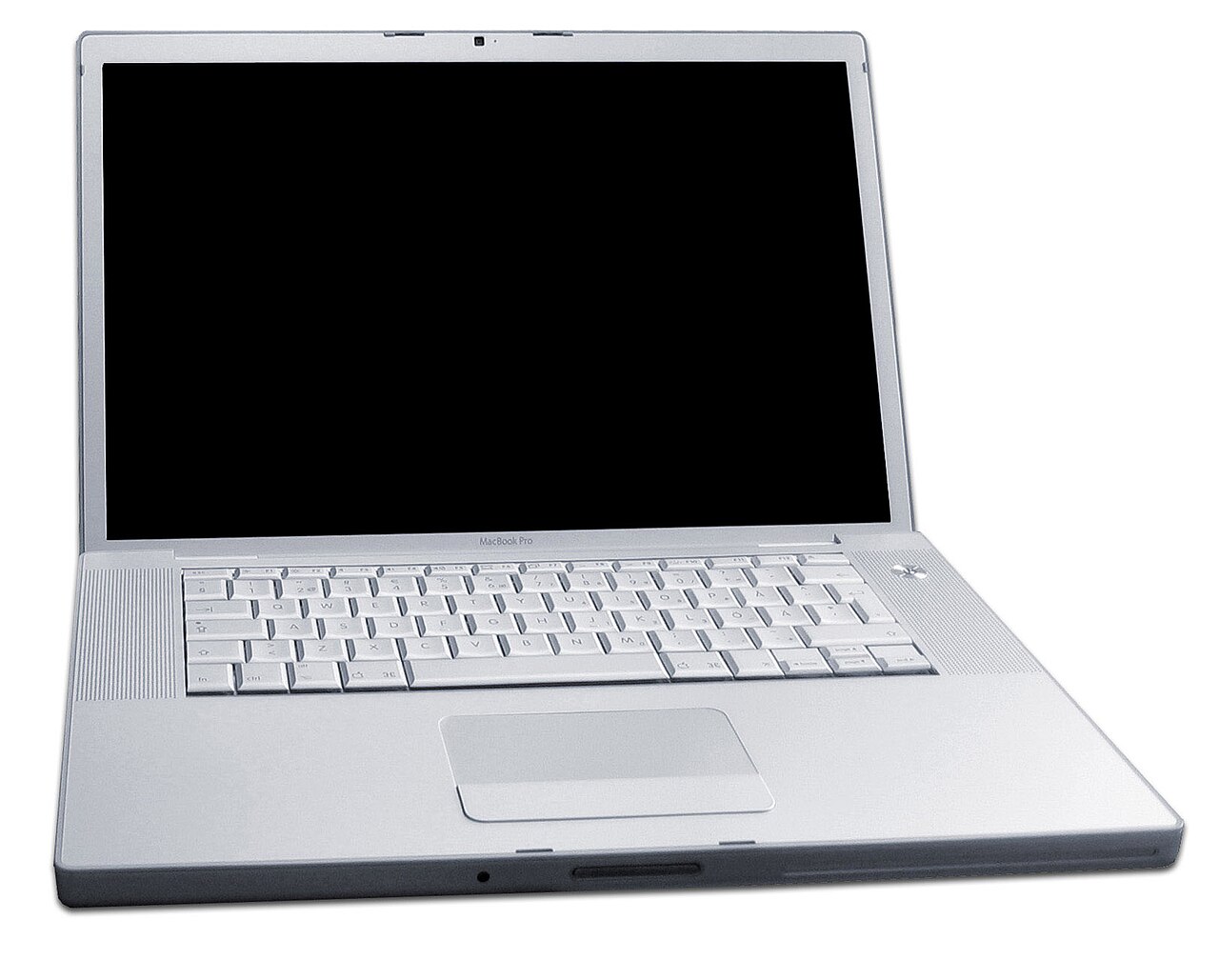
Apple has continued to iterate on this silicon, offering tiers of chips that scale from the thin-and-light models up to powerhouse machines aimed at video editors, developers, and other professionals. The advantage of designing both the chip and the software that runs on it is tight integration, which shows up as smooth performance and excellent battery life. The trade-offs are familiar to anyone who knows Apple: the machines are expensive, you cannot upgrade the memory or storage later, and you are committed to the Apple way of doing things. For many, the polish is worth it; for others, the lack of flexibility is a deal-breaker.
Intel: the giant fighting to catch up
For decades, Intel was the undisputed king of computer processors, its name a fixture on the sticker of nearly every PC. Then it stumbled, struggling for years to advance its manufacturing technology while nimbler rivals caught up and, in some areas, overtook it. The story of Intel in recent years is one of a giant fighting hard to regain its footing, investing enormous sums in new factories and new chip designs, and borrowing ideas, such as mixing high-performance and high-efficiency cores on the same chip, that the mobile world pioneered.
Intel still ships an enormous number of processors and remains central to the PC world, particularly in business and gaming machines. Its challenge is to prove it can match the efficiency of its rivals while reclaiming the performance crown, and to deliver on its ambitious plans to manufacture cutting-edge chips again, not just for itself but for other companies. It is a genuinely important contest, because a healthy, competitive Intel keeps prices down and innovation up for everyone.
AMD: the comeback story
Few turnarounds in technology are as dramatic as AMD. Not long ago the company was an afterthought, a distant second to Intel that competed mainly on price. Then it released a new generation of processors that were genuinely excellent, offering more cores and strong performance at competitive prices, and it has not looked back. AMD now competes at the very top of both the laptop and desktop markets, and it is a favorite among people who build their own gaming computers because of the value it offers.
AMD also makes the graphics chips that compete with the other big name in that field, and its processors power major game consoles, giving it a reach well beyond the traditional PC. Its rise is the clearest proof of why competition matters: a resurgent AMD pushed Intel to try harder and gave buyers far better choices than they had a decade ago. The healthiest thing about the current chip landscape is that there is no longer a single dominant player coasting on its lead.
Qualcomm and the Arm-powered Windows laptop
Apple proved that the efficient chip architecture from phones could power a great laptop. The natural question was whether the same could be done for Windows machines, and Qualcomm, a company best known for the chips inside Android phones, made the most serious attempt. Its processors brought the promise of phone-like battery life and instant wake to Windows laptops, along with dedicated hardware for running artificial-intelligence features on the device.
The catch has always been software compatibility, because Windows and its vast library of programs were written for a different kind of chip, and making everything run smoothly on the new architecture takes time and clever translation. Progress has been steady, and these machines have become a credible option, especially for people who value battery life and portability over running every specialized legacy program. It represents a real broadening of choice in the Windows world, which was long tied to a single chip architecture.
Microsoft and the AI PC push
The loudest marketing theme in computing right now is the so-called AI PC, a machine with a dedicated processing block designed to run artificial-intelligence tasks efficiently. Microsoft has put this idea at the center of its recent strategy, building AI features into Windows and promoting a category of laptops built around on-device intelligence. The promised benefits include searching your files by describing them, generating and editing images, summarizing documents, and live captioning, all running on the machine itself rather than in the cloud.
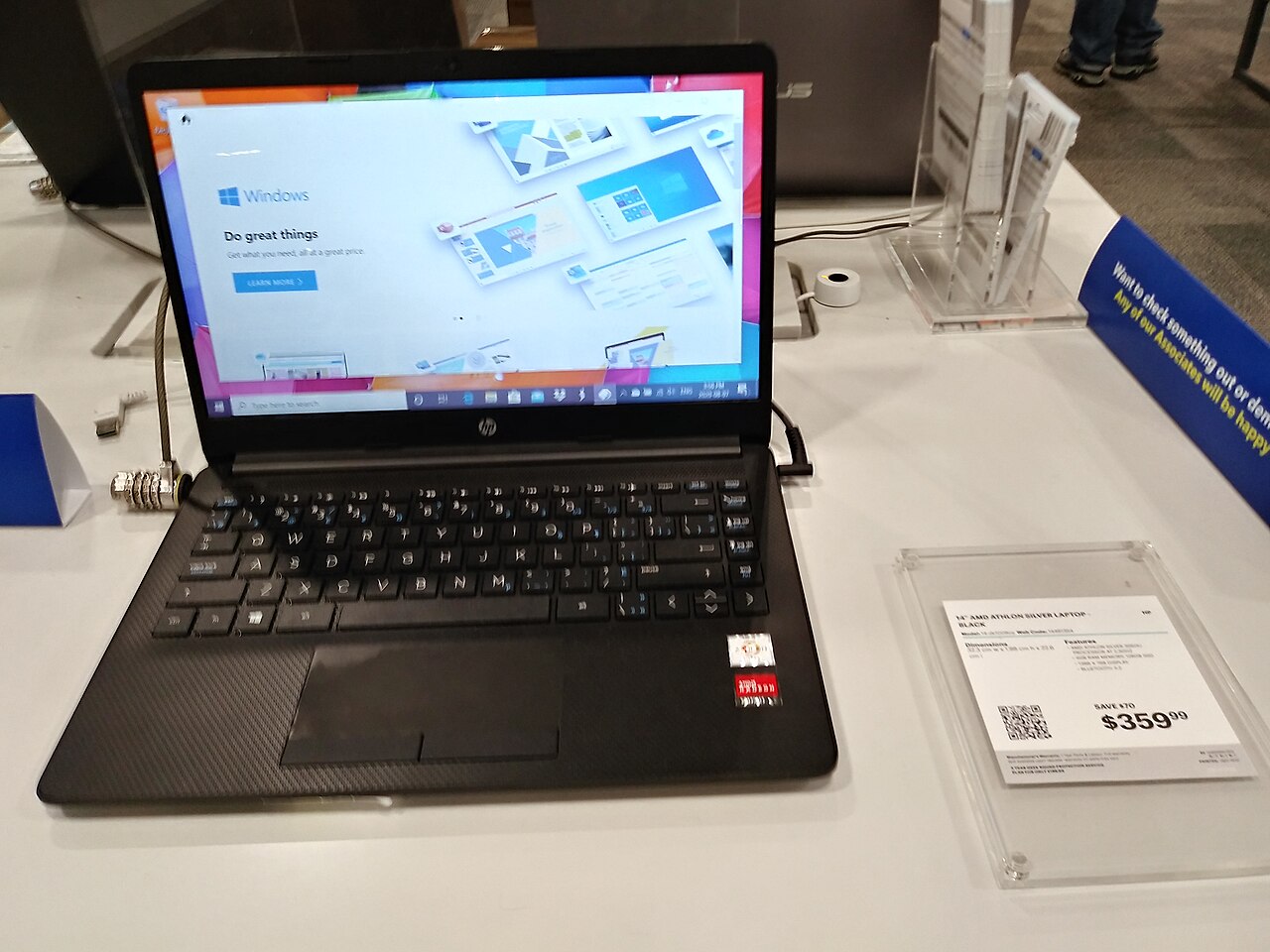
As with AI on phones, a healthy dose of skepticism is wise. Some of these features are genuinely handy, while others feel like solutions in search of a problem, and a few early ideas raised real privacy concerns that had to be reworked. The dedicated AI hardware is likely to prove its worth over time as software catches up to it, but you do not need to rush out and buy an AI PC today to have an excellent computer. The label matters less than whether the machine suits your actual work.
The laptop makers: Dell, HP, Lenovo, Asus, and the rest
Behind the chip makers sit the companies that actually build and sell the laptops, and they have their own personalities. Lenovo is known for its business-focused machines with beloved keyboards and sturdy designs, and it is one of the largest PC makers in the world. Dell and HP offer enormous ranges spanning cheap everyday laptops up to premium and professional workstations. Asus and Acer are often where you find aggressive value and adventurous designs, including some of the most interesting gaming laptops and dual-screen experiments.
Because they mostly use the same underlying chips from Intel, AMD, or Qualcomm, these makers compete on the things you touch and see: the quality of the screen, the feel of the keyboard, the design, the build quality, and the price. This is good for buyers, because it means you can find a machine with the exact balance of features, looks, and cost that suits you, rather than being forced into one company vision of what a laptop should be.
The desktop refuses to die
Reports of the desktop computer demise have been greatly exaggerated. While laptops dominate sales, the desktop has carved out a proud and durable niche. It remains the platform of choice for gamers, who value the raw power and the ability to fit a large, hot graphics card. It is beloved by creative professionals who need maximum performance for video, three-dimensional work, or running large local AI models. And it appeals to anyone who likes the freedom to repair and upgrade their machine piece by piece.
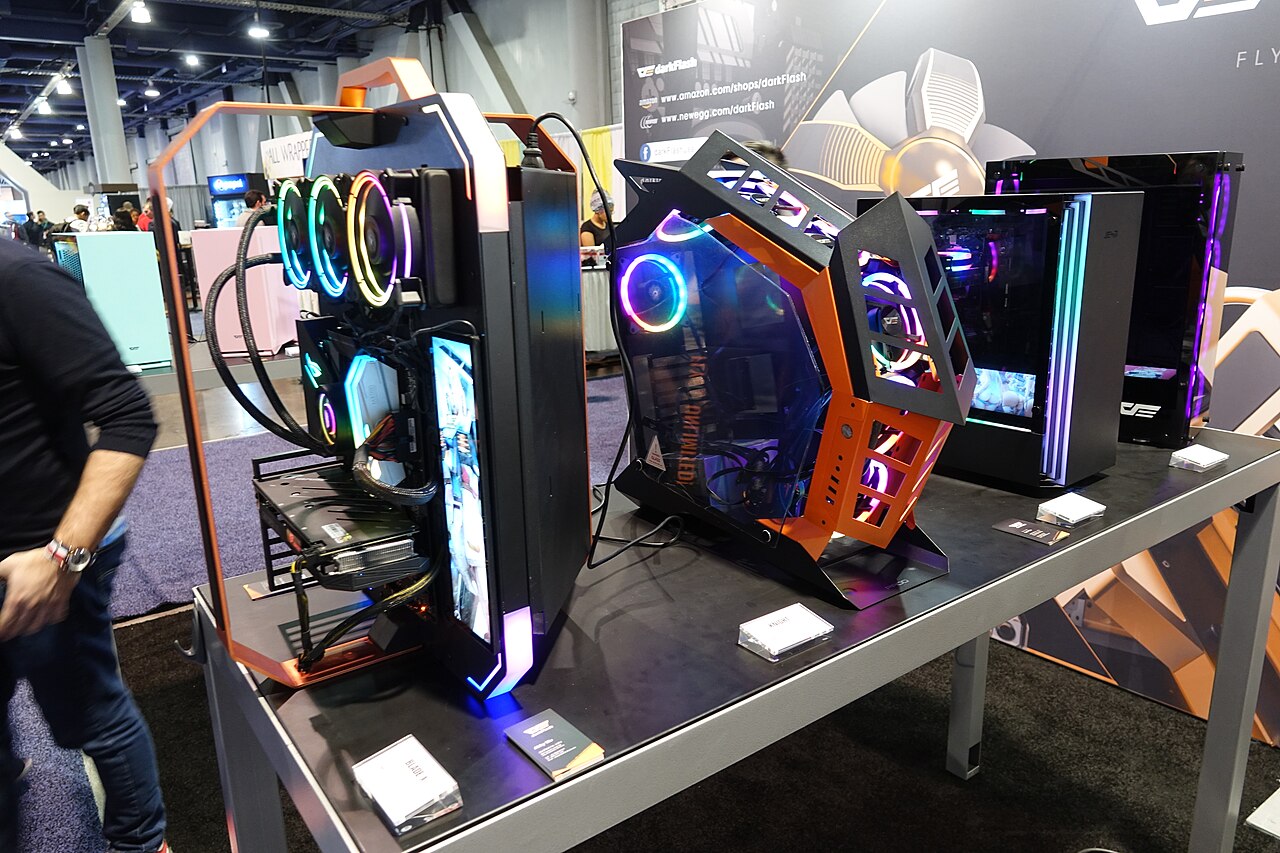
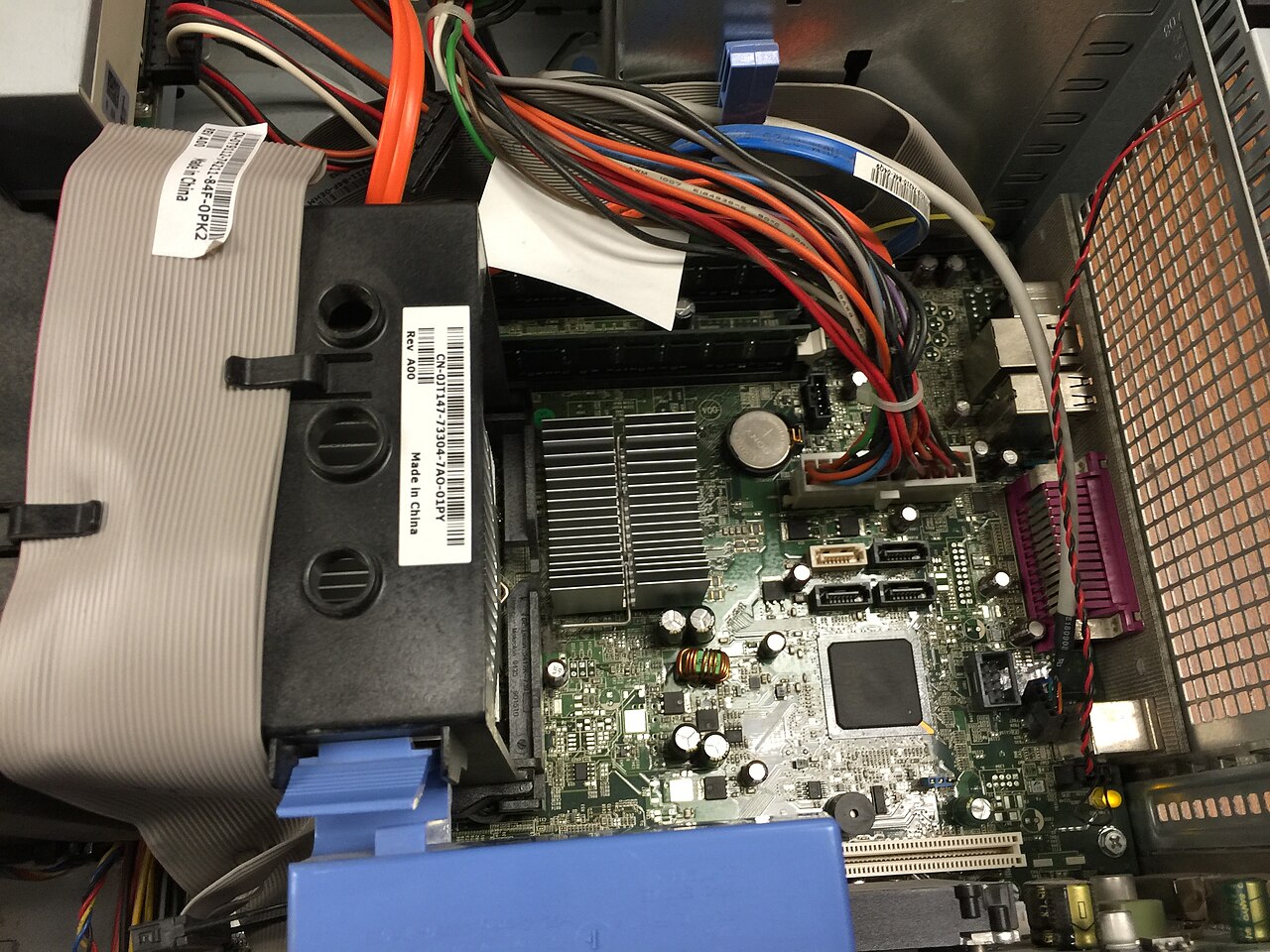
That last point is worth dwelling on. In an era when laptops and phones are increasingly sealed, glued shut, and impossible to fix, the humble desktop tower stands out as one of the most repairable and upgradeable computers you can own. You can swap a failing part, add more memory, or drop in a faster graphics card years after purchase, extending the life of the machine and keeping it out of a landfill. For the right person, the desktop is not a relic but the smartest long-term choice.
How to choose a computer today
The single most liberating fact about buying a computer now is that even modest machines are genuinely fast for everyday life. For browsing, writing, video calls, and streaming, almost any current laptop will feel quick and stay that way for years. This means most people are better served by spending their money on a nicer screen, a comfortable keyboard, longer battery life, and ample storage than on the most powerful processor they can find.
The people who genuinely need top-tier power are a minority: serious gamers, video and photo editors, software developers, and those running heavy local AI workloads. If that is you, invest in a strong processor, plenty of memory, and dedicated graphics. If it is not, buy comfortably above your daily needs and stop, because you will be paying for capability you never touch. As always, check how long the maker promises software and security updates, since that determines how long the machine stays safe and useful.
Closing thoughts
The personal computer has quietly become one of the most exciting categories in technology again, not because of flashy new features but because of a genuine revolution in the chips at its heart. Apple lit the spark, Qualcomm carried it to Windows, and a resurgent AMD and a fighting Intel have turned the processor market into a real contest for the first time in years. The buyer is the clear winner, with machines that are faster, cooler, quieter, and longer-lasting than ever before.
The wise approach, as ever, is a calm one. Ignore the loudest marketing labels, work out what you actually do each day, and buy a well-made machine that does it comfortably. Whether you prefer the polish of one ecosystem, the flexibility of another, or the upgradeability of a desktop tower, there has never been a better time to own a computer that simply gets out of your way and lets you work.