For more than a century, the word car meant an engine that burned fuel. That deep assumption is now being rewritten in real time. Electric vehicles have crossed the line from curiosity to genuine choice, and in some markets they are well on their way to becoming the default. The shift is being driven by a fascinating cast of companies: a Silicon Valley upstart that proved electric cars could be desirable, a Chinese giant that grew from making batteries into the largest electric-car maker in the world, and a host of traditional automakers scrambling to reinvent themselves. This article looks at where electric driving stands today and what each of the major players is doing.
Table of Contents
- A century-old assumption gets rewritten
- Tesla: the company that made electric desirable
- BYD: from batteries to the worlds biggest EV maker
- The traditional automakers strike back
- Batteries: the heart of the matter
- Charging and the range anxiety that is fading
- The honest caveats nobody should skip
- Where this is all heading
- Should you go electric?
- Closing thoughts
A century-old assumption gets rewritten
The appeal of an electric car becomes obvious the first time you drive one. The acceleration is instant and smooth, with none of the lag of a traditional gearbox. The cabin is remarkably quiet. And the daily routine changes completely: instead of visiting a fuel station, you simply plug in at home overnight and wake up to a full charge. Under the surface, an electric motor has far fewer moving parts than a combustion engine, which means less to maintain, fewer things to wear out, and lower running costs over the life of the vehicle.
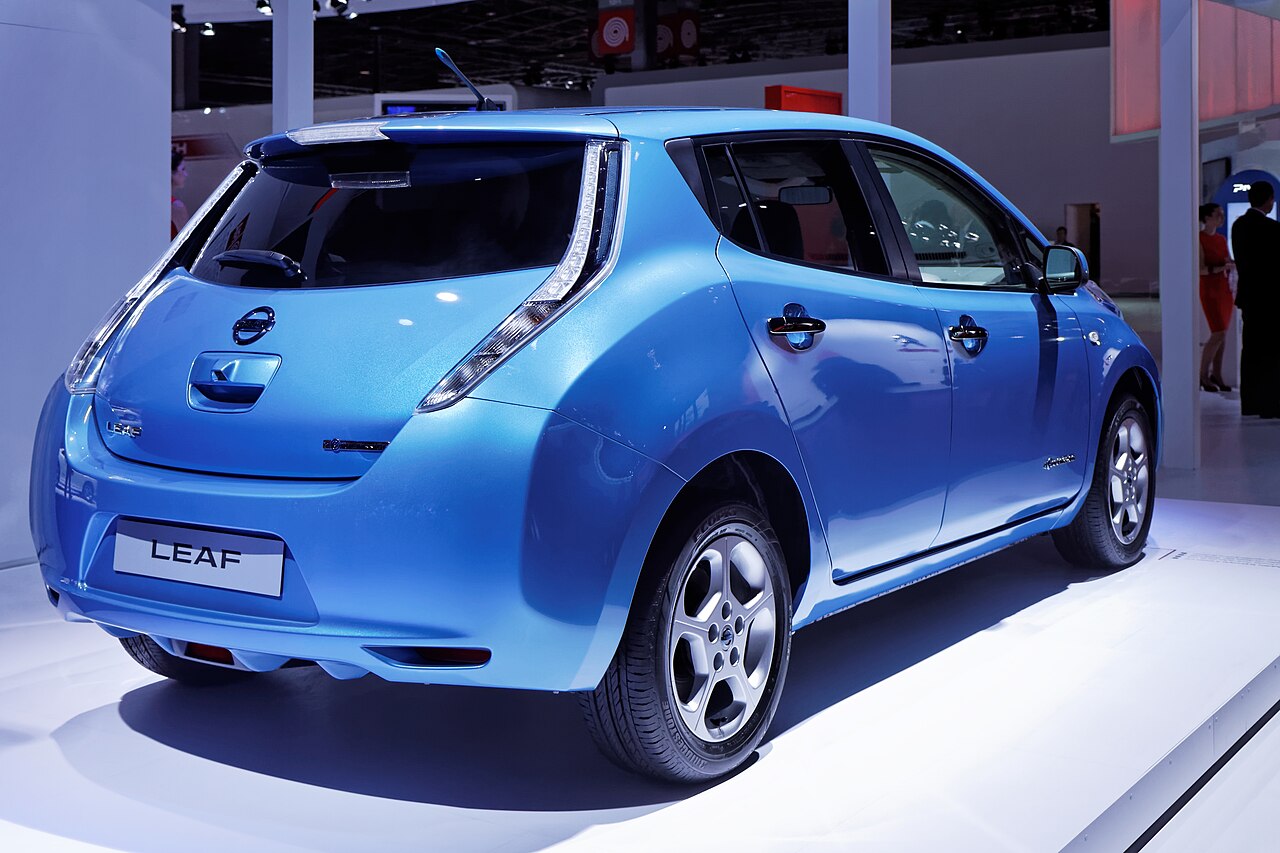
None of this happened overnight. Early mass-market electric cars were modest, short-range machines that appealed mostly to enthusiasts and the environmentally committed. What changed everything was a combination of falling battery costs, improving range, expanding charging networks, and government support, all arriving together to push the electric car from the margins into the mainstream. The transition is uneven across the world and far from complete, but the direction is now unmistakable.
Tesla: the company that made electric desirable
It is hard to overstate how much Tesla changed the conversation. Before it, the electric car was widely seen as a worthy but dull compromise. Tesla flipped that image by building electric cars that were fast, sleek, and genuinely exciting, wrapped in technology that felt like it came from the future. It proved that people would not just tolerate an electric car but actively desire one, and in doing so it forced the entire automotive industry to take the technology seriously.
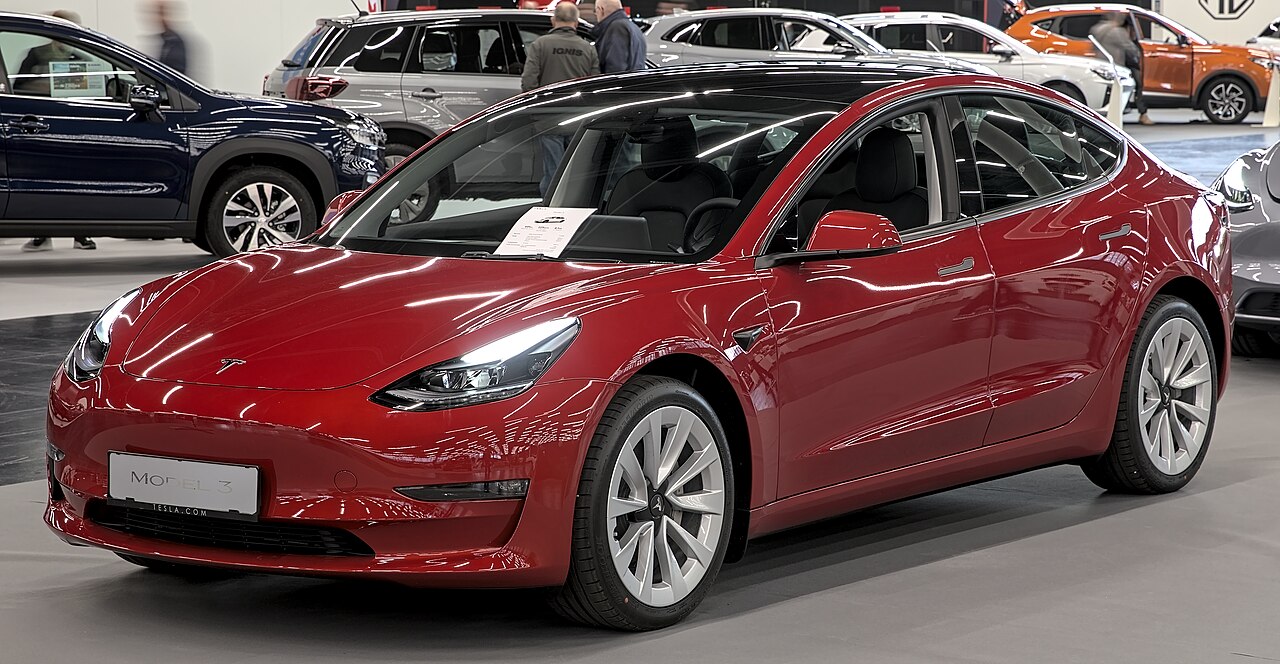
Beyond the cars themselves, Tesla biggest contributions were arguably its battery and software expertise and its decision to build its own fast-charging network, which removed one of the great anxieties of electric ownership for its customers. The company is not without controversy, facing scrutiny over its driver-assistance features, its build quality, and the unpredictable public statements of its leadership. But its place in history is secure: it lit the spark that set the whole electric transition in motion, and it remains one of the most influential car companies in the world.
BYD: from batteries to the worlds biggest EV maker
If Tesla is the famous face of electric cars in the West, the most important company you may know less about is BYD. It began life as a battery manufacturer, and that heritage turned out to be its superpower. Because it makes its own batteries, often using a chemistry that is cheaper and more durable, BYD can build affordable electric cars at enormous scale and at prices that rivals struggle to match. It grew into one of the largest electric-vehicle makers in the world, selling vast numbers of cars and buses, particularly across China and increasingly into Europe, South America, and Southeast Asia.
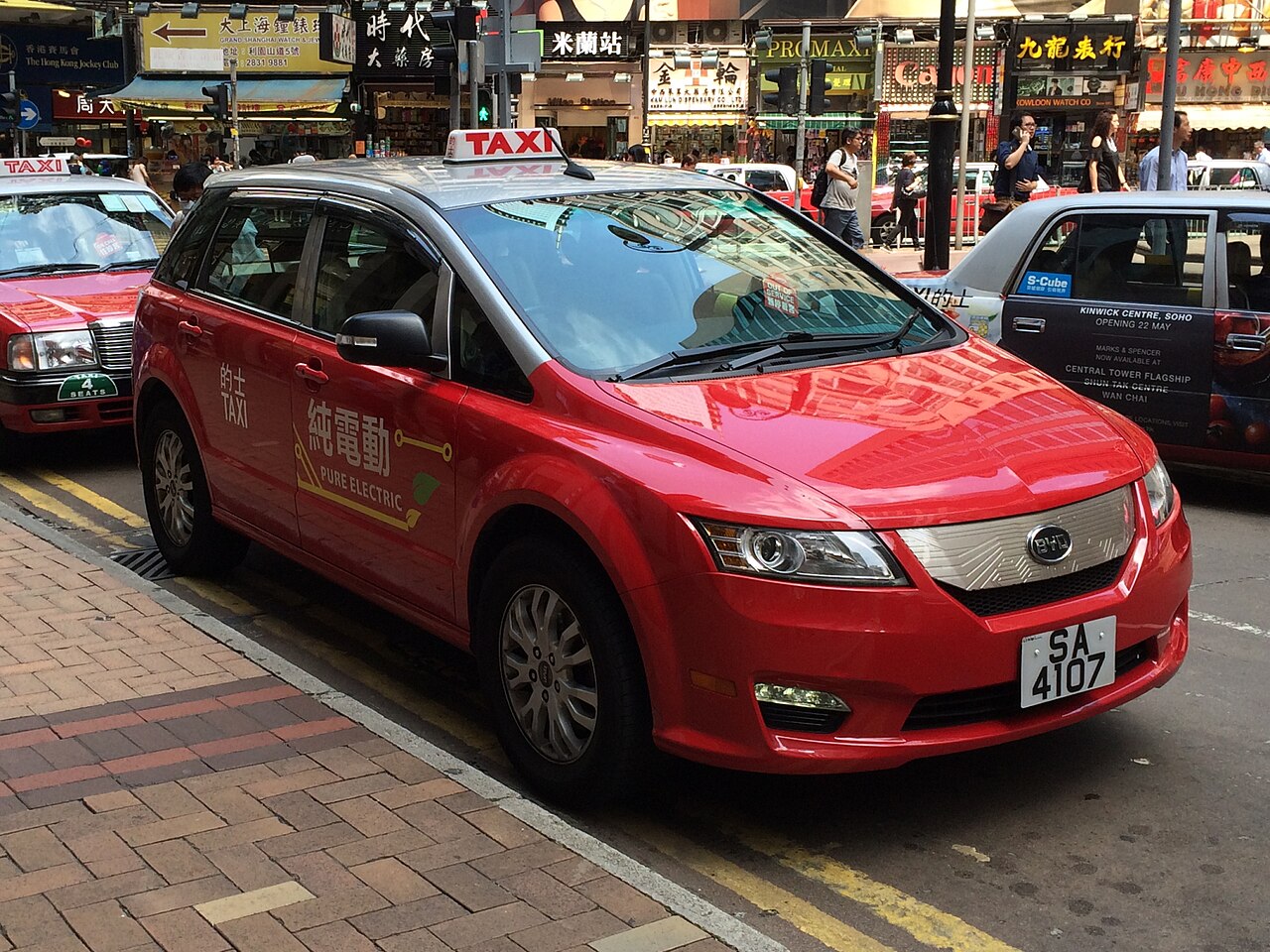
BYD rise tells the central story of the modern electric-car industry: whoever controls the battery controls the game. By owning that crucial piece of the puzzle, BYD can offer compelling cars at prices that have rattled established automakers and reshaped the competitive landscape. Alongside BYD, a whole cluster of Chinese brands has emerged, turning the country into both the largest market for electric cars and the largest producer, a fact that has significant economic and political consequences far beyond the auto industry.
The traditional automakers strike back
The companies that built their fortunes on the combustion engine were slow to react, but they are now committing enormous sums to electrification. Volkswagen built a dedicated family of electric models from the ground up rather than simply converting existing cars. Hyundai and Kia surprised many observers by launching electric vehicles that won wide praise for their design, range, and fast-charging ability, vaulting them into the front rank. General Motors and Ford have invested heavily, electrifying iconic nameplates and betting big on electric trucks for the crucial American market.
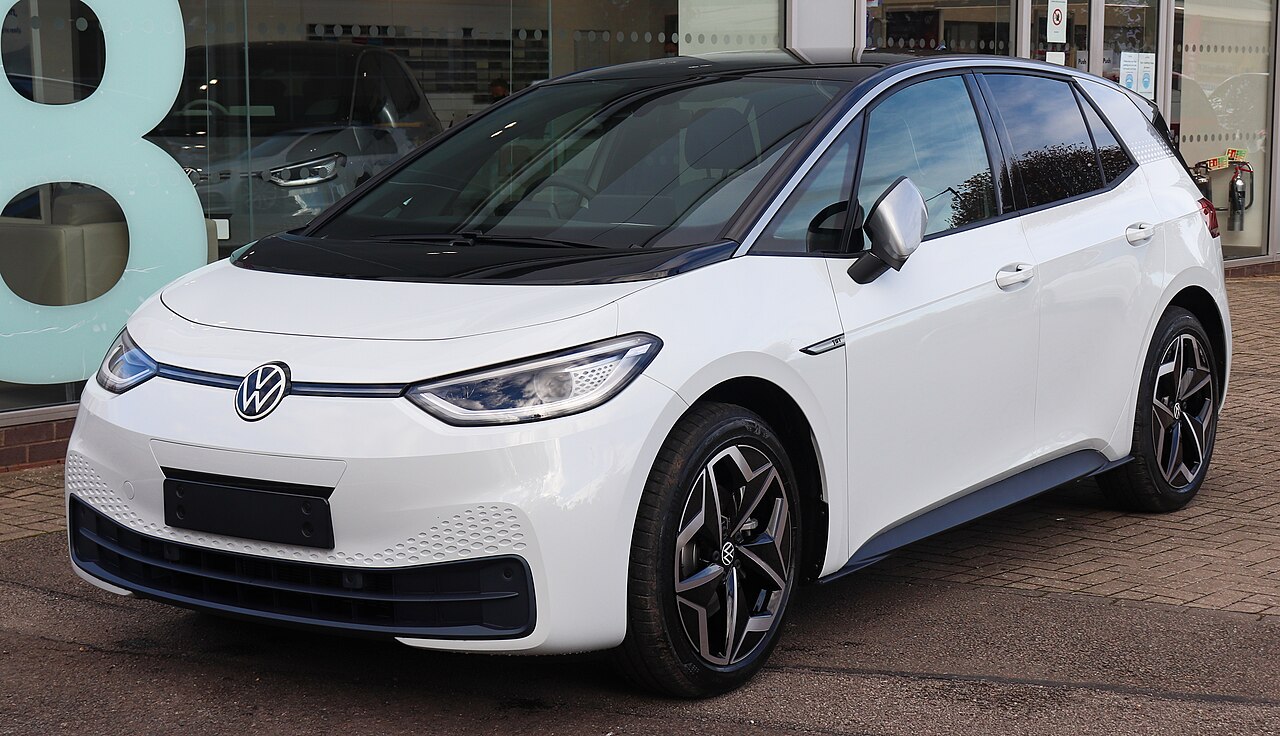
Then there are the newer specialists, such as the makers of premium electric trucks and adventure vehicles, who have carved out their own niches. The transition has not been smooth for everyone; some traditional makers have stumbled with software, struggled with the costs, or misjudged how quickly demand would grow, leading to occasional pullbacks and revised timelines. But the overall commitment is real, and the breadth of electric choice on the market today, from tiny city cars to large family vehicles and rugged trucks, would have been unimaginable just a few years ago.
Batteries: the heart of the matter
Everything about an electric car comes back to its battery. It is the most expensive component, it determines the range, and its cost has been the single biggest factor in whether electric cars can compete on price. The encouraging news is that battery costs have fallen dramatically over the past decade as production has scaled up and the technology has matured, which is the main reason the price gap with conventional cars has been closing.
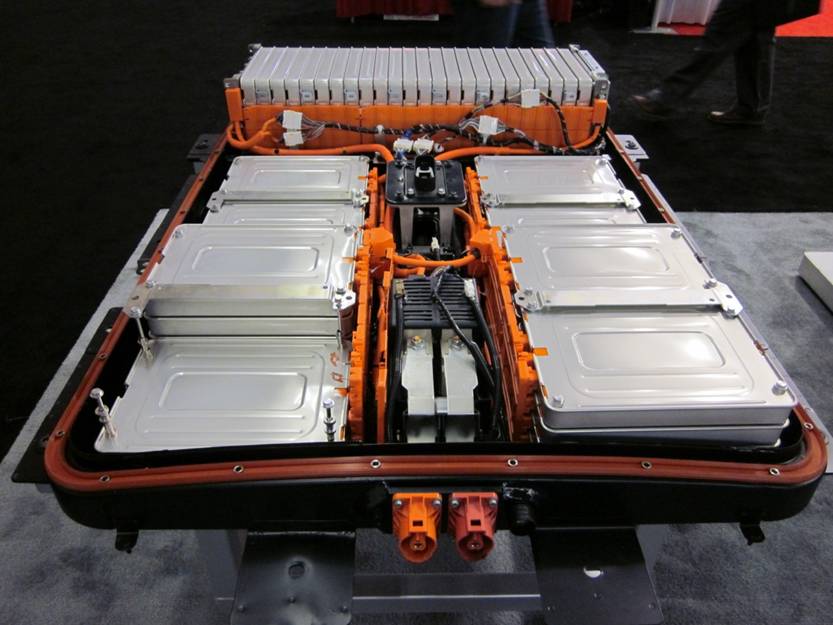
Two broad battery approaches now dominate. One uses a chemistry that packs in more energy for longer range, favored in premium and long-distance vehicles. The other uses a cheaper, more robust chemistry that gives slightly less range but lasts longer and costs less, increasingly popular in affordable models. The next frontier that everyone is chasing is the solid-state battery, a design that promises more range, faster charging, and greater safety. It has been perpetually a few years away, and a healthy skepticism is warranted, but if it arrives at scale it could be the next great leap. For now, steady improvement in existing batteries is doing the real work.
Charging and the range anxiety that is fading
The worry that has held back many would-be buyers is range and charging, the fear of being stranded with an empty battery and nowhere to plug in. Two developments are steadily defusing it. First, the batteries themselves have grown larger, so a typical new electric car now comfortably covers far more than the distance most people drive in a normal day or even a week. Second, the public charging network has expanded enormously, and the fastest chargers can now add a large amount of range in the time it takes to drink a coffee and stretch your legs.
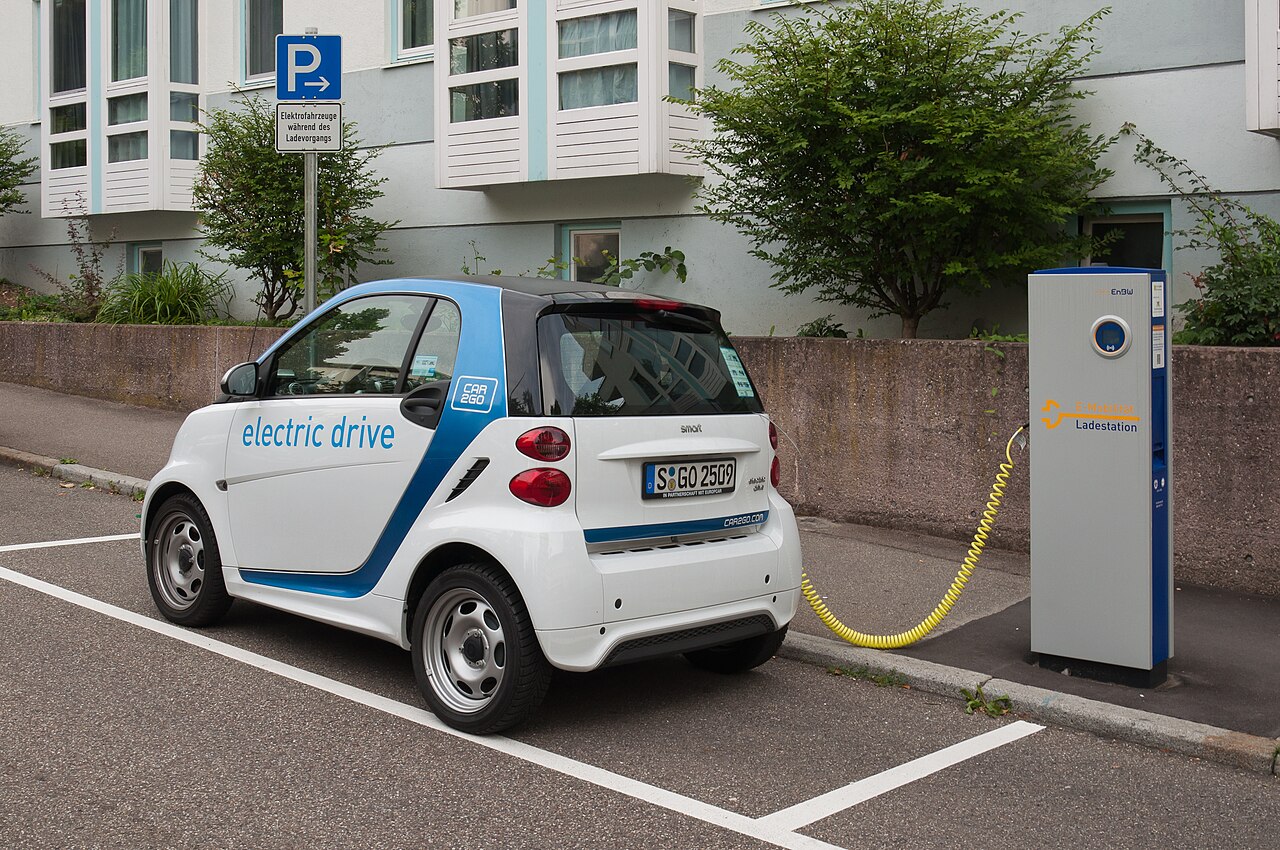
The quiet superpower of electric ownership remains home charging. If you can plug in where you park overnight, you start every day with a full battery and almost never think about charging at all. The real challenge that remains is for people without a driveway or private parking, who depend entirely on public infrastructure. Solving convenient charging for apartment dwellers and city streets is one of the genuine frontiers of the transition, and progress there matters more to everyday adoption than any glamorous new model.
The honest caveats nobody should skip
It would be dishonest to present electric cars as a flawless miracle, so here are the genuine caveats. An electric car is only as clean as the electricity that charges it; in a region powered largely by coal, the environmental benefit shrinks, though it still tends to come out ahead over the vehicle lifetime in most places. Manufacturing a battery carries a real environmental and human cost, particularly in the mining of certain materials, which is why recycling and more responsible sourcing matter so much.
There are practical caveats too. Electric cars can still cost more up front, even if they save money over time, and that initial price remains a barrier for many. Cold weather reduces range. Charging on a long road trip requires a little more planning than a quick fuel stop. And the depreciation and battery longevity of electric cars are still becoming clear as the technology matures. None of these undo the case for electric driving, but anyone who tells you the switch is simple and cost-free is not giving you the full picture.
Where this is all heading
The broad trajectory is clear even if the timeline is uncertain. Battery costs continue to fall, ranges continue to climb, charging continues to get faster and more widespread, and the choice of models continues to expand at every price point. Many governments have set targets to phase out the sale of new combustion cars, which is concentrating the industry effort, though the exact dates have proven flexible as the practical challenges become clear.
The likely future is not a sudden flip but a steady transition, with electric cars taking an ever-larger share of new sales while combustion cars linger for years on the used market and in regions where the infrastructure lags. Alongside pure electric cars, hybrids that combine a battery with a small engine remain a sensible stepping stone for many drivers who are not yet ready or able to go fully electric. The destination looks increasingly electric; the journey will simply take longer in some places than others.
Should you go electric?
The honest answer is that it depends on your circumstances, and that is not a cop-out. If you can charge at or near home, drive mostly local and regional distances, and plan to keep the car for several years, an electric vehicle very often makes excellent financial and practical sense once you factor in the lower running and maintenance costs. The instant, quiet, smooth driving experience is a genuine pleasure that wins many people over completely.
If, on the other hand, you have no convenient way to charge, regularly drive very long distances in areas with sparse infrastructure, or need a low up-front price above all else, the calculation may not yet favor electric, and a hybrid or an efficient conventional car might suit you better for now. The key is to be honest about your own driving life and local electricity prices rather than following either the hype or the backlash. The technology has matured enough that for a growing share of people, electric is simply the smarter choice.
Closing thoughts
The electrification of driving is one of the largest industrial shifts of our era, and it is being shaped by a remarkable cast of companies: Tesla, which made electric cars desirable; BYD, which made them affordable at scale; and the traditional automakers, which are pouring their resources into catching up. Underneath it all sits the humble battery, whose steadily falling cost is quietly rewriting the economics of transportation.
For the individual driver, the sensible approach is a calm and honest one. Look past both the breathless enthusiasm and the reflexive skepticism, weigh your own circumstances, and decide based on how you actually live and drive. For more and more people, the answer is increasingly electric, and the experience of that quiet, instant, effortless drive tends to make believers out of the curious. The age of the engine is not over, but a new chapter has clearly begun.