In the northwestern Caucasus, on the lands sloping down toward the Black Sea, lived one of the oldest and most storied peoples of the region, the Circassians. Once they filled a broad homeland of mountains, foothills, and fertile plains, a proud warrior people famous across the world for their horsemanship, their code of honor, and their beauty. Their history is among the most tragic of all the peoples of Russia.
The Circassians call themselves Adyghe, and they are the native people of the northwestern Caucasus, distinct from their Nakh and Dagestani neighbors to the east. Today they are scattered across the world, for in the nineteenth century the great majority were driven from their homeland in a catastrophe that emptied the land, leaving only a fraction behind and creating a vast diaspora that still remembers.
This article is part of our Folks series on the peoples of Russia, and it tells the story of the Circassians from their ancient roots to the present. We will explore their origins, their name and Adyghe identity, their language, their homeland, their old way of life, their society and warrior code, their faith, their tradition of the Xabze, their horsemanship and crafts, their food, their festivals, the tragedy of their exile, and who the Circassians are today.
- The Origins of the Circassians
- The Name and the Adyghe
- The Circassian Language
- A Homeland Between Sea and Mountains
- The Old Way of Life
- Society and the Warrior Code
- Faith Among the Circassians
- Traditions and the Xabze
- Horsemanship and Crafts
- The Food of the Circassians
- Festivals and Gatherings
- Exile and the Circassian Tragedy
- The Circassians Today
The Origins of the Circassians

The Circassians are among the most ancient peoples of the Caucasus, native to the northwestern corner of the range for thousands of years. Their ancestors were part of the old Caucasian population of the region, and archaeologists trace continuous settlement and rich cultures in their lands reaching far back into prehistory, long before the great migrations of later ages.
The dolmens scattered through the northwestern Caucasus, great stone tombs raised in the deep past, stand as silent witnesses to the antiquity of settlement in the Circassian land. Few regions of Russia hold such ancient monuments.
Ancient writers knew of peoples in this corner of the Caucasus, and over the centuries the Circassians developed a distinctive culture and society in their homeland between the mountains and the Black Sea. They were never a single unified state but a family of related tribes, each with its own territory, bound together by a shared language, culture, and code.
Through the medieval centuries the Circassians traded and fought with the powers around the Black Sea, and their reputation as warriors and horsemen spread widely. Circassian communities and individuals became known far beyond the Caucasus, and the beauty of the Circassians and their martial skill entered the legends of many neighboring lands.
Circassian warriors served in the armies and guards of distant states, and Circassian noblewomen were sought in marriage far beyond the Caucasus. The name of the people carried a glamour that reached across the whole region.
For most of their history the Circassians lived under their own tribal societies, governed by custom and by councils rather than by kings, fiercely independent and rooted in their homeland. This ancient freedom, and the culture built around it, defined the Circassians right up until the catastrophe of the nineteenth century that would scatter them across the world.
The prosperity and density of their homeland made the coming loss all the greater, for this was no thinly held frontier but a populous and thriving land. What the nineteenth century destroyed had taken millennia to build.
The Name and the Adyghe
The Circassians call themselves Adyghe, the name by which the people know their own nation. It is the true name of the people, embracing the many tribes and branches that together make up the Circassian world, from the western tribes near the sea to the eastern Kabardians of the plains.
The name Circassian, used in English and other Western languages, and the related names used in Russian and Turkish, came from outsiders and spread as the common international name for the Adyghe people. It is under this name that the Circassians are known to the wider world and remembered in the history of the Caucasus.
The Circassians were divided into a number of tribes, some of which have given their names to the modern republics and communities of the region. The Kabardians of the eastern plains, the Adygeans, and the Cherkess are all branches of the one Adyghe people, divided by history and geography but united by a shared language and culture.
This layering, one people, the Adyghe, embracing many tribes and now scattered under several names across homeland and diaspora, reflects the complex fate of the Circassians. Wherever they live and by whatever local name, they hold to the shared identity of the Adyghe, the ancient people of the northwestern Caucasus.
This unity beneath many names is the great fact of Circassian identity, holding a scattered nation together as one. Whether in the Caucasus or in a distant land, an Adyghe recognizes another as kin.
The Circassian Language
The Circassian language belongs to the Northwest Caucasian family, a small and ancient group of languages found only in this corner of the world and unrelated to any other language family. These languages are famous among linguists for their extraordinary sound systems, with a great many consonants and very few vowels, making them among the most distinctive tongues on earth.
Linguists travel from around the world to study these languages, so unusual are their sounds to almost every other ear. To master Circassian speech is considered a formidable achievement even among scholars.
Circassian is generally divided into two main forms, a western and an eastern, along with the closely related speech of the Kabardians, differing enough in places that speakers notice the divide yet clearly branches of one language. Together they form the living speech of the Adyghe people, in the homeland and across the diaspora.
For much of their history the Circassians preserved their culture and traditions orally, through a rich body of song, epic, and spoken lore, and a written form of the language developed only relatively late. In the modern era the language came to be written in the Cyrillic script used in the republics of the Russian Caucasus.
Today the Circassian language faces serious challenges. In the homeland it lives under the pressure of Russian, while in the vast diaspora it competes with the languages of the many countries where Circassians settled. Keeping the language alive across a scattered nation is one of the great concerns of Circassians everywhere, a thread binding them to their heritage.
Language activists, teachers, and cultural societies across the diaspora work to pass the tongue to the young, often against long odds. Every child who learns to speak Adyghe is a small victory for the whole nation.
A Homeland Between Sea and Mountains
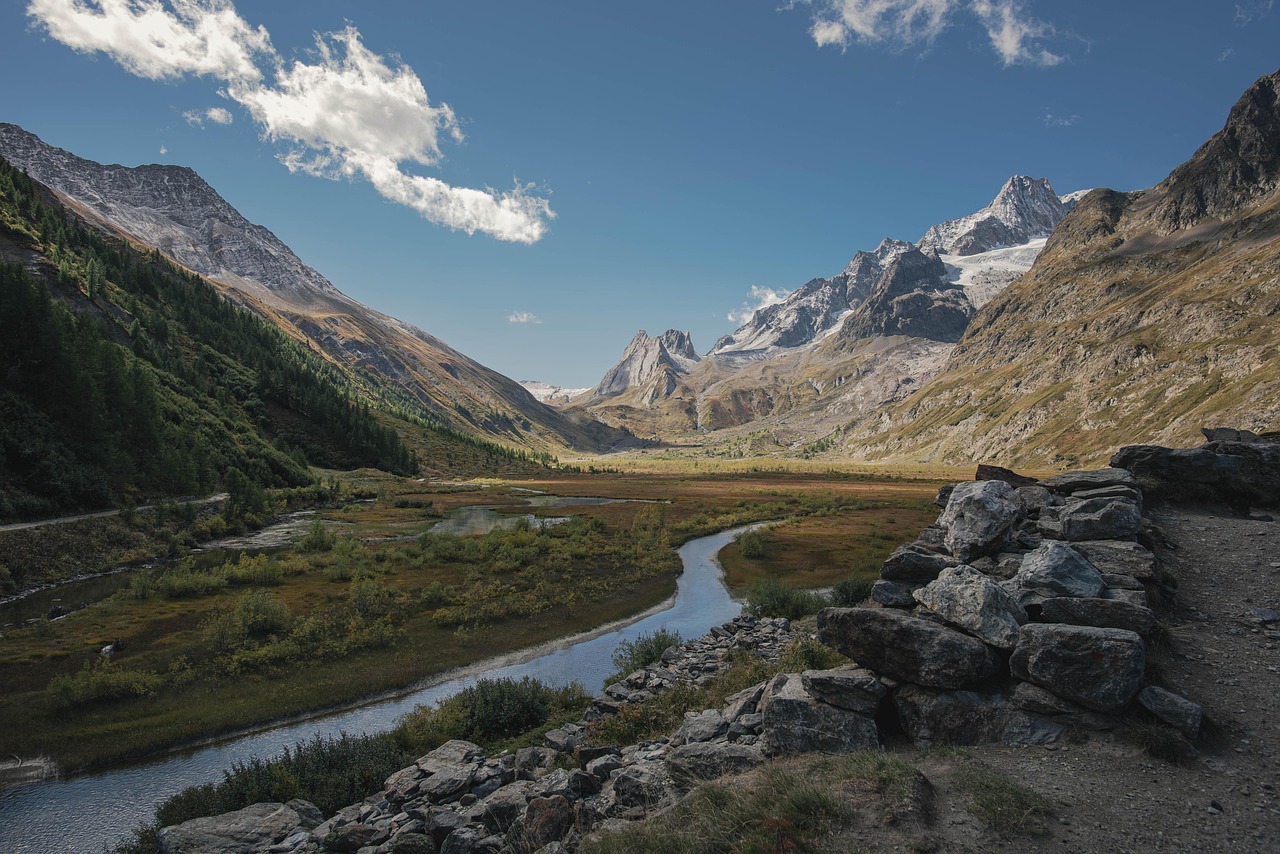
The historic Circassian homeland lay in the northwestern Caucasus, a broad and varied land stretching from the shores of the Black Sea up through fertile foothills to the high mountains of the range. It was a rich country of forests, rivers, meadows, and plains, far greener and more open in places than the harsh eastern mountains of their neighbors.
This was a generous land, well watered and fertile, good for farming, for herding, and above all for the horses for which the Circassians were famous. The plains and rolling foothills supported a large population and a prosperous way of life, and the beauty of the country was remarked upon by all who traveled through it.
The tribes of the Circassians spread across this homeland, the western tribes toward the sea and the mountains, the Kabardians on the eastern plains, each in its own territory but all part of the one Adyghe world. For centuries this land was densely settled by a thriving people who had made it wholly their own.
Orchards, vineyards, and grain fields covered the lowlands, and herds grazed the rich meadows of the foothills. It was a picture of abundance that later generations would know only through the memory of their elders.
It was this rich and beautiful homeland that was largely emptied in the nineteenth century, its people driven out and its villages abandoned. Today only a fraction of the historic land remains home to Circassians, in the republics of the northwestern Caucasus, while the memory of the lost homeland lives on wherever Circassians are found.
Maps of the old homeland, the names of lost villages, and the stories of the ancestors are cherished in families across the world. The land that most Circassians have never seen remains, in memory, the true center of the nation.
The Old Way of Life
The old Circassian way of life rested on farming, herding, and above all the breeding of horses. On the fertile plains and foothills the Circassians grew grain and tended orchards and gardens, while their herds of cattle, sheep, and famous horses ranged across the rich pastures. The land’s generosity supported a prosperous and populous society.
Horses stood at the very center of Circassian life. The Circassians were renowned throughout the region and beyond as breeders and riders of horses, and their mounts were prized far and wide. A man’s honor and standing were bound up with his horse and his skill in the saddle, and horsemanship was a defining art of the people.
The Circassians were also famous as warriors, and the warrior life shaped their whole culture. Skill with weapons, courage in battle, and the code of the fighting man were held in the highest regard, and the Circassian warrior in his distinctive dress, with his rows of cartridge holders across the chest, became an iconic image of the Caucasus.
Society was ordered around the tribe and the family, governed by custom and by councils rather than by kings, with a strong sense of rank and honor. Free communities managed their own affairs, and the equality and independence of the Circassians, alongside their martial culture, defined a way of life that flourished until the catastrophe of the nineteenth century.
Assemblies of free men debated and decided the affairs of the community, and no distant ruler dictated to them. This proud self-governance was among the things the Circassians fought hardest to defend.
Travelers who visited the Circassians before the catastrophe left admiring accounts of their bearing, their hospitality, and their splendid appearance. It was a whole civilization in full flower that the war would sweep away.
Society and the Warrior Code
Circassian society was built around the tribe, the clan, and the family, and ordered by a clear sense of rank and honor. Some tribes had aristocratic structures with noble families and their followers, while others were more strongly egalitarian, governed by assemblies of free men. Across all of them ran a deep code of conduct and honor.
The warrior held the highest place in this society. The Circassian nobleman and warrior lived by a demanding code of courage, honor, generosity, and skill at arms, and the whole culture prized the martial virtues. Young men were raised to be riders and fighters, and reputation in war and in the keeping of honor was the measure of a man.
A striking Circassian custom was the fostering of children, in which noble families sent their sons to be raised in another household, forging deep bonds of loyalty and alliance between families. Through such customs, and through the ties of kinship and the code of honor, Circassian society was woven into a dense web of obligation and solidarity.
Hospitality was sacred, as everywhere in the Caucasus, and a guest came under the protection of the host and his whole household. Respect for elders and for women, dignity of bearing, and the guarding of one’s honor governed daily life. This whole order of society and conduct was bound together by the great code the Circassians called the Xabze.
The Xabze governed not only grand occasions but the smallest details of daily conduct, so that a Circassian always knew how to behave. It was law, etiquette, and moral code all at once, carried in the memory of the people.
Faith Among the Circassians
The religious history of the Circassians is layered and complex. In ancient times they held to their own old beliefs, a native faith of the Caucasus with its own gods and rites tied to nature, the seasons, and the honored dead. Elements of these ancient beliefs lingered long in custom and tradition even after new faiths arrived.
Over the centuries Christianity reached the Circassians from the Black Sea world, and for a long period Christian elements were woven into their beliefs. Later, Islam spread among the Circassians, carried through the region and taking firm root especially in the last centuries before the great catastrophe, until most Circassians had become Muslims.
By the time of their exile the majority of Circassians were Sunni Muslims, and Islam became closely bound up with their identity, especially in the diaspora among Muslim lands. Yet the older layers of belief never wholly vanished, and much of the ancient custom survived within the framework of the newer faith.
Today most Circassians, in the homeland and the diaspora alike, are Sunni Muslims, though the strength and expression of the faith varies across their scattered communities. Alongside Islam, the ancient code of the Xabze continues to guide conduct, and for many Circassians their traditions and their sense of nationhood matter as deeply as religion itself.
For many Circassians, to be Adyghe is defined as much by the Xabze and the mother tongue as by faith. Nationhood and tradition sit at the very heart of how they understand themselves.
Traditions and the Xabze
At the very heart of Circassian culture stands the Xabze, the traditional code of conduct and custom that governs how a Circassian should live. More than mere etiquette, the Xabze is an entire moral and social system, prescribing honor, hospitality, respect, restraint, and proper behavior in every situation, and it has held the Circassian nation together across centuries and continents.
The Xabze demands above all dignity, self-control, and respect. Elders are honored, guests are protected, women are treated with a particular deference, and emotion is mastered in public. A Circassian is expected to bear himself with reserve and grace, and to guard his honor and good name as the most precious of possessions.
Hospitality holds a central place, and the guest is sacred; a host would defend a guest with his life and offer the best of everything. Ceremony surrounds the great moments of life, birth, marriage, and death, each governed by the detailed customs of the Xabze, and the whole of social life follows its unwritten rules.
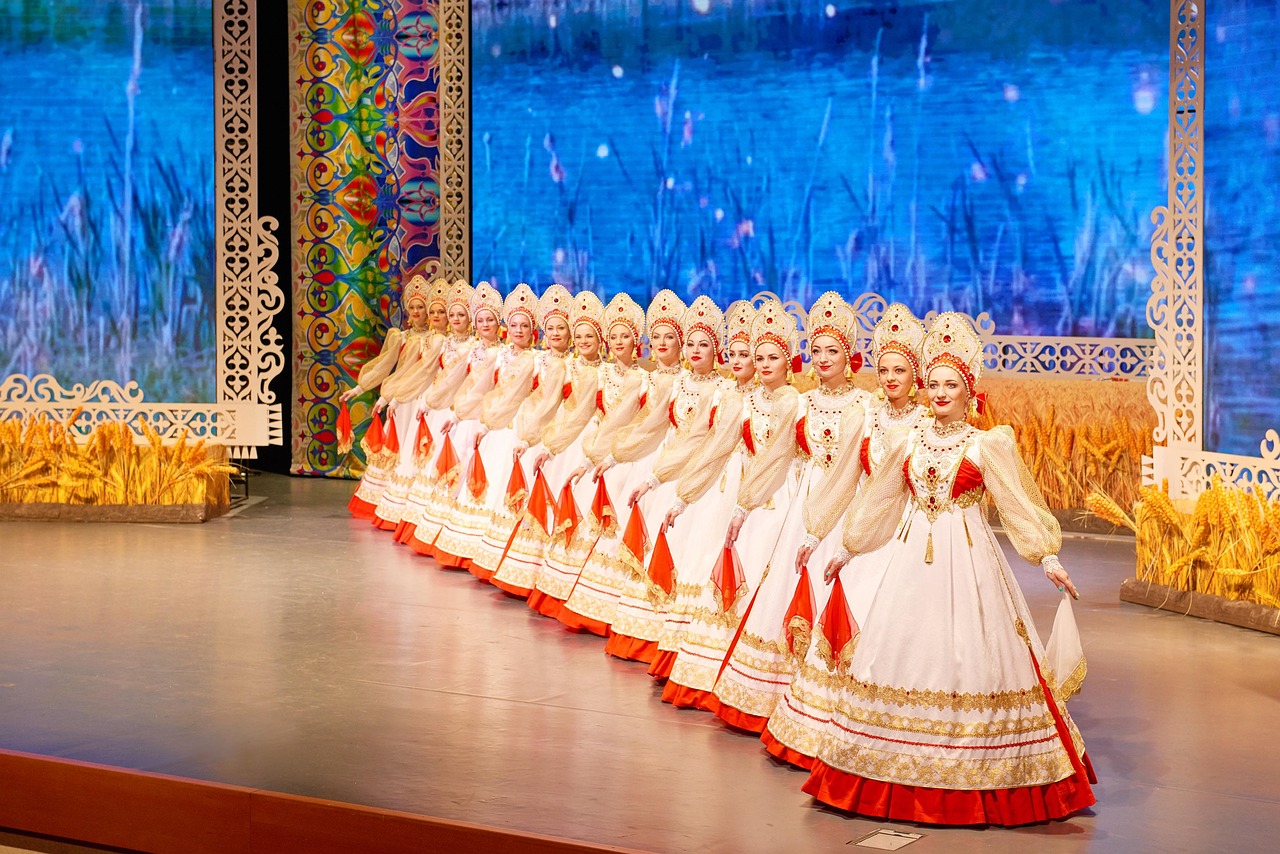
Music and dance carry the spirit of the people, above all the graceful and stately dances performed at every gathering, in which men and women move with a controlled elegance that embodies the ideals of the Xabze. Song and epic preserve the memory of heroes and ancestors, and through all these the code is taught and renewed in each generation.
The dances in particular are a living school of the Xabze, teaching the young grace, restraint, and the proper bearing of a Circassian. To dance well is to show that one has learned to carry oneself as the code demands.
Horsemanship and Crafts
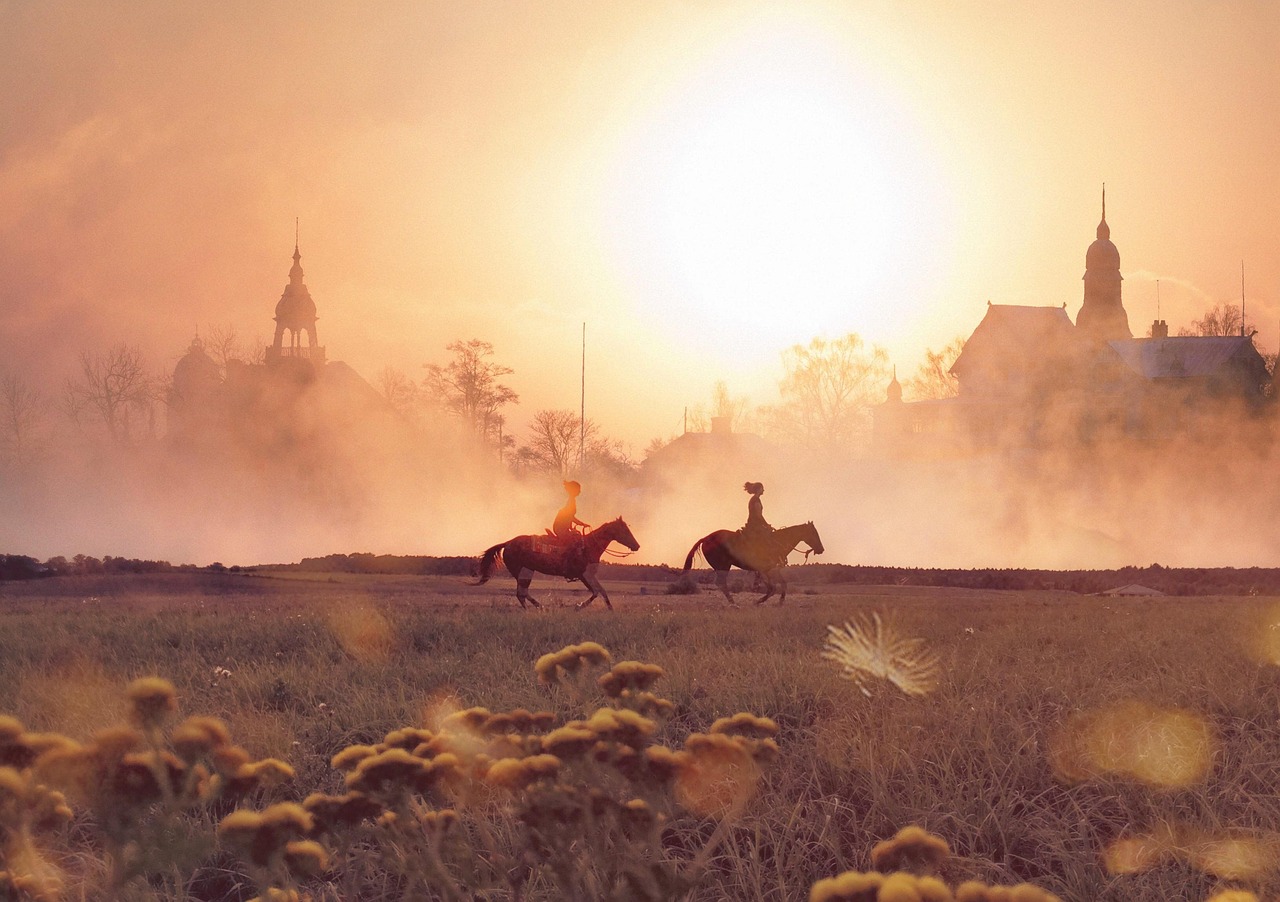
The greatest fame of the Circassians was their horsemanship, and the breeding and riding of horses was among their highest arts. Circassian horses were prized across the whole region for their quality, and the Circassian rider, skilled from childhood, was admired and feared as one of the finest horsemen in the world. The horse was woven into the very identity of the people.
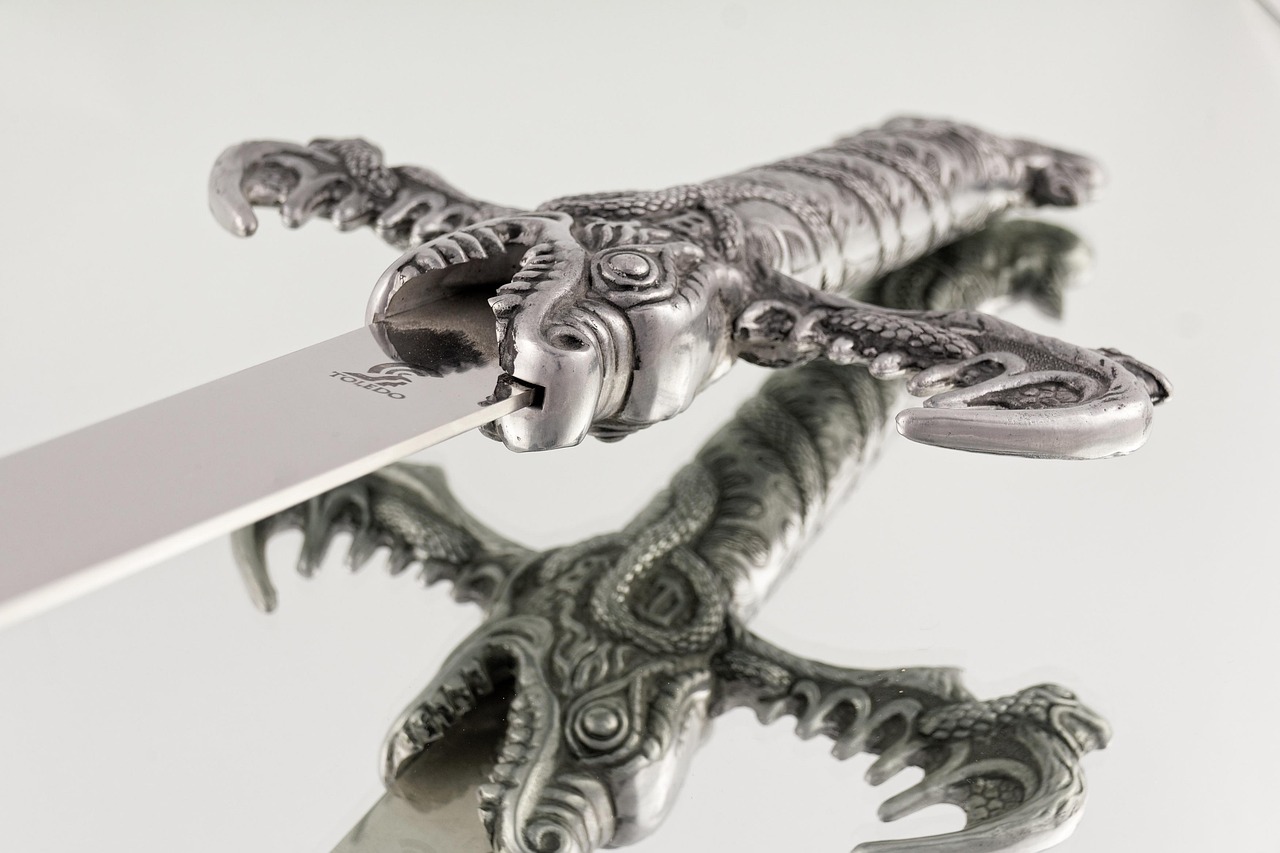
Closely tied to horsemanship was the warrior craft, the making of the weapons and equipment of the fighting man. The Circassians were renowned for their fine bladed weapons, their firearms and their gear, and above all for the distinctive dress of the Caucasus warrior, the long coat with its rows of cartridge holders across the chest that became the iconic costume of the whole region.
Circassian women were famous for their needlework and their skill in decoration, producing fine embroidery, gold and silver thread work, and beautifully made clothing. Leatherwork, metalwork, and the crafting of the elaborate ornaments and dress of both men and women were arts refined to a high degree in Circassian society.
These crafts were more than trade; they were bound up with honor and identity, with the warrior’s pride in his gear and horse and the family’s pride in fine dress and ornament. The image of the Circassian, mounted, armed, and splendidly dressed, became one of the enduring symbols of the whole Caucasus and its warrior cultures.
Museums and collectors prize old Circassian weapons, dress, and ornament, and diaspora communities keep the traditional costume alive for their festivals. The splendid image of the mounted Circassian endures as a badge of the nation.
The Food of the Circassians

Circassian food reflects the richness of their old homeland, built on meat, dairy, grain, and the produce of a fertile land. Chicken, lamb, and beef feature strongly, and grilled and roasted meats are beloved, as across the whole Caucasus. A distinctive love of poultry and of rich sauces marks Circassian cooking apart from some of its neighbors.
A famous Circassian specialty is a dish of chicken in a rich, spiced walnut sauce, refined and celebrated, that spread far beyond the Circassians themselves and became known in many lands touched by the diaspora. Such dishes show the sophistication of a cuisine born in a prosperous and settled homeland.
Dairy is central, with a range of cheeses, including a smoked cheese that is a hallmark of Circassian cooking, alongside butter and soured milk products. Corn and wheat breads and pastries, and dishes built around millet and other grains, round out a table that is hearty, varied, and generous.
As everywhere in the Caucasus, food is bound up with hospitality and the Xabze, and the table is an expression of a family’s honor and generosity. Guests are served the best a household can offer, and the sharing of a meal, governed by careful custom, stands at the center of Circassian social life.
A guest, once received, could count on protection and generosity that placed the honor of the whole household at his service. In the diaspora this tradition of hospitality remained a mark of Circassian identity.
Festivals and Gatherings
The festivals of the Circassians blend the calendar of Islam with older celebrations rooted in the seasons and the ancient beliefs of the people. The great Muslim feasts are marked, especially in the more religious communities, with prayer, feasting, and gatherings, times of coming together for family and community.
Older festivals tied to the farming year and the turning of the seasons survived long in Circassian custom, celebrations of spring, of the harvest, and of the cycles of nature that reached back to the ancient faith. These blended over time with the newer religious calendar and with the customs of the Xabze.
Weddings are among the greatest of all Circassian celebrations, elaborate affairs governed by the detailed customs of the Xabze and filled with music, feasting, and the graceful dances of the people. They draw whole communities together and display the elegance, dignity, and vitality that the Circassians prize.
In the diaspora, festivals and gatherings have taken on a special weight, for they are among the chief ways that scattered Circassians keep their identity alive. Dance ensembles, cultural festivals, and community gatherings preserve the songs, dances, dress, and customs of the homeland, binding a nation spread across many lands.
Young people in the diaspora often learn the dances and customs at community centers far from the Caucasus, keeping a living link to the homeland. These gatherings are where a scattered nation feels itself whole.
Exile and the Circassian Tragedy
The history of the Circassians turns on a single overwhelming catastrophe. As the Russian Empire fought to conquer the Caucasus in the nineteenth century, the Circassians of the northwest resisted for decades in a long and bitter war. Their homeland, close to the sea and coveted by the empire, became the scene of a struggle that would end in tragedy on an immense scale.
When the war ended with the empire’s victory, the great majority of the Circassian people were driven from their homeland, forced to leave the land of their ancestors in a mass expulsion. Enormous numbers died of hunger, disease, and hardship during the expulsion and the desperate sea crossings, in one of the great catastrophes of the century.
The survivors were scattered across the lands of the Ottoman Empire and beyond, settling in what are today many countries of the Middle East and elsewhere, where their descendants still live. The homeland was left largely empty of its native people, and only a minority of Circassians remained in the Caucasus itself.
This catastrophe, which many Circassians and others call a genocide, is the central event of Circassian history and the defining fact of Circassian identity today. The memory of the lost homeland, the mass death, and the scattering of the nation is carried by Circassians everywhere, and the struggle to preserve their people and heritage in the diaspora flows directly from it.
The Circassians Today
Today the Circassians are a nation divided between a homeland and a vast diaspora. In the northwestern Caucasus, several republics of Russia are home to Circassian populations, the descendants of those who remained, where the language and culture live on under the pressures faced by all the smaller peoples of the country.
The great majority of Circassians, however, live outside the homeland, in a diaspora spread across many countries, the descendants of those expelled in the nineteenth century. In these communities Circassians have kept their identity alive with remarkable tenacity, preserving the language, the dances, the dress, and above all the Xabze across generations far from the Caucasus.
The memory of the homeland and of the catastrophe binds this scattered nation together, and modern communications have allowed Circassians around the world to reconnect, share their culture, and press for recognition of their history. Some have returned to the Caucasus, drawn back to the land of their ancestors after generations away.
The Circassians remain a people defined by their heritage and their history, heirs to the ancient Adyghe of the northwestern Caucasus, to the warrior and horseman traditions, and to the enduring code of the Xabze. Their story, one of the most tragic among the peoples of Russia, is a thread in that great tapestry, and from their scattered world our journey continues on to the other peoples of the vast Russian land.