In the town of Abomey, in the West African nation of Benin, stand the remains of one of the most powerful and remarkable kingdoms in the history of the continent. The Royal Palaces of Abomey were the seat of the kings of Dahomey, a state that for more than two centuries dominated its region through military might, elaborate ritual, and a highly organized court. Built of earth rather than stone, decorated with vivid reliefs telling the story of the dynasty, these palaces are among the most important monuments of African history.
Unlike the stone castles of Gondar or the marble palaces of Morocco, the Royal Palaces of Abomey belong to a very different architectural tradition, one rooted in the earth of West Africa. Their walls of packed clay, their courtyards and shrines, and above all the extraordinary painted reliefs that adorn them, express a culture and an aesthetic entirely their own, and they offer a window into a world that is too often overlooked in the story of the world’s great palaces.
For twelve generations, the kings of Dahomey each added to the royal complex, building their own palaces within the growing enclosure, so that the site became a record of the dynasty and its history. Here the kings ruled a formidable kingdom, famous for its army, which uniquely included regiments of women warriors, and for a court life of great ceremony and symbolic richness that both fascinated and disturbed the outsiders who witnessed it.
In this article you will explore the Royal Palaces of Abomey from the kingdom of Dahomey that built them to their earthen architecture and famous reliefs, through the powerful kings and remarkable army of the state to its fall and its life today as a museum. Along the way you will encounter a chapter of African history of extraordinary power and complexity, preserved in the walls of these remarkable palaces.

In This Article
- The Seat of a Powerful Kingdom
- The Kingdom of Dahomey
- Twelve Kings, Twelve Palaces
- Architecture of Earth
- The Painted Reliefs
- Symbols of the Kings
- The Height of Dahomey’s Power
- The Women Warriors of Dahomey
- Ritual and Belief
- Trade and a Darker History
- Conquest and Destruction
- Preservation and the Museum
- Visiting Abomey Today
The Seat of a Powerful Kingdom
The Royal Palaces of Abomey form a large complex in the town of Abomey, once the capital of the kingdom of Dahomey. Spread across a considerable area and enclosed within earthen walls, the site contains the palaces built by the successive kings of the dynasty, along with courtyards, shrines, and other structures, forming the ceremonial and political heart of the kingdom.
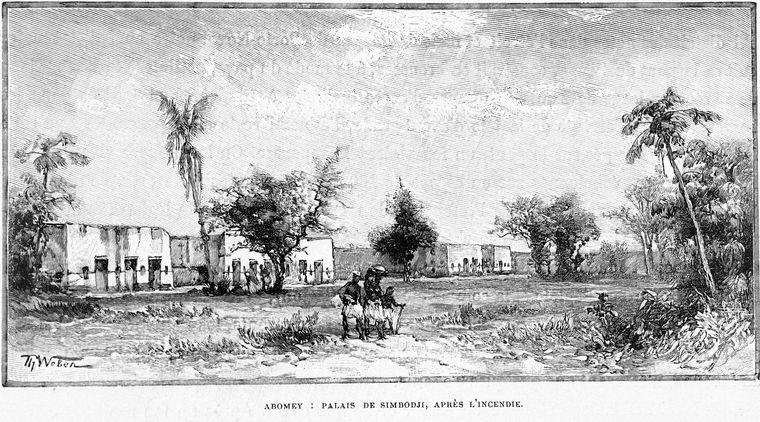
Rather than a single palace, the complex is made up of a series of royal residences, each built by a different king, arranged within the great enclosure. Over the generations these accumulated into a vast compound, a royal city of earth that housed the court, hosted its ceremonies, and preserved the memory and power of the dynasty.
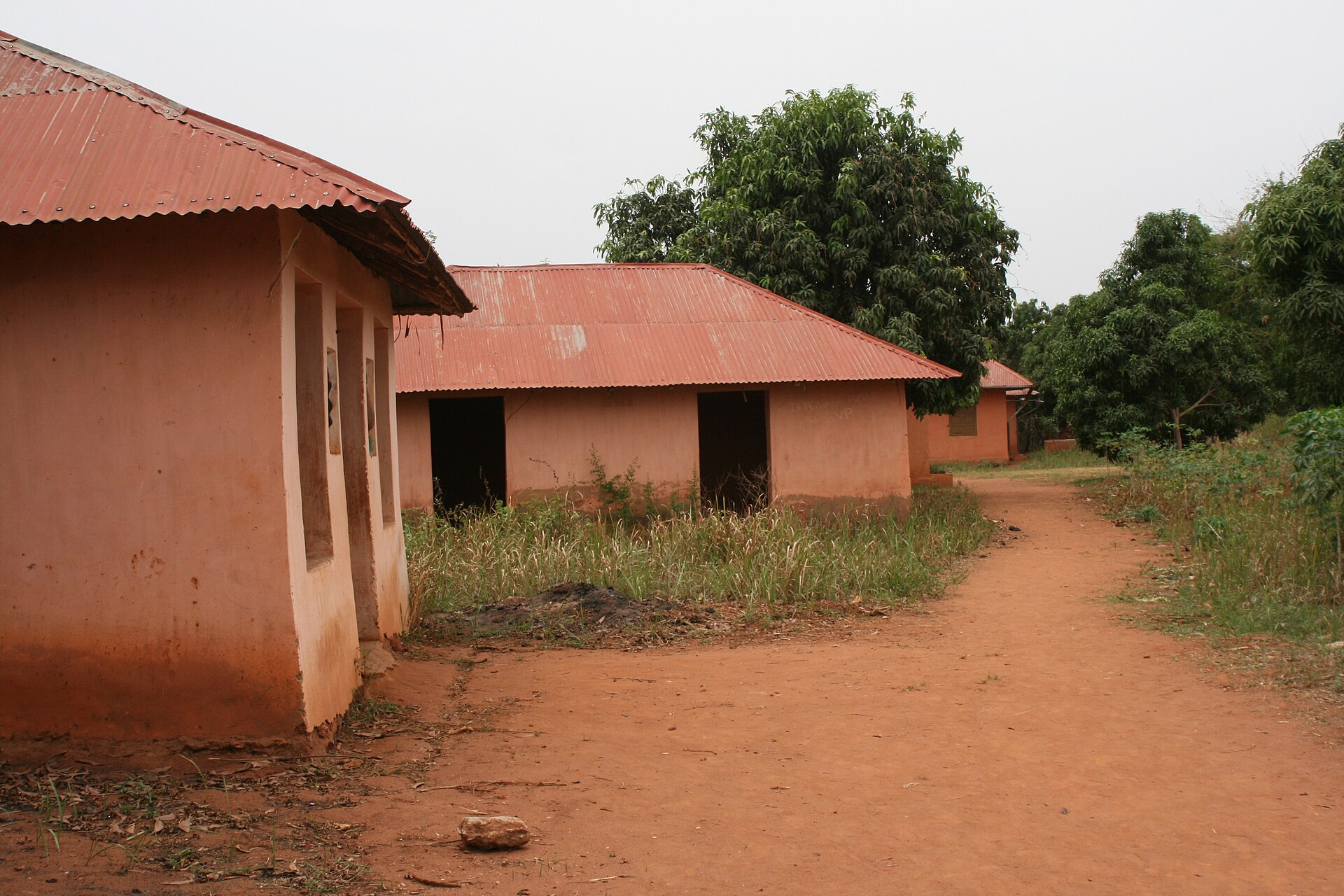
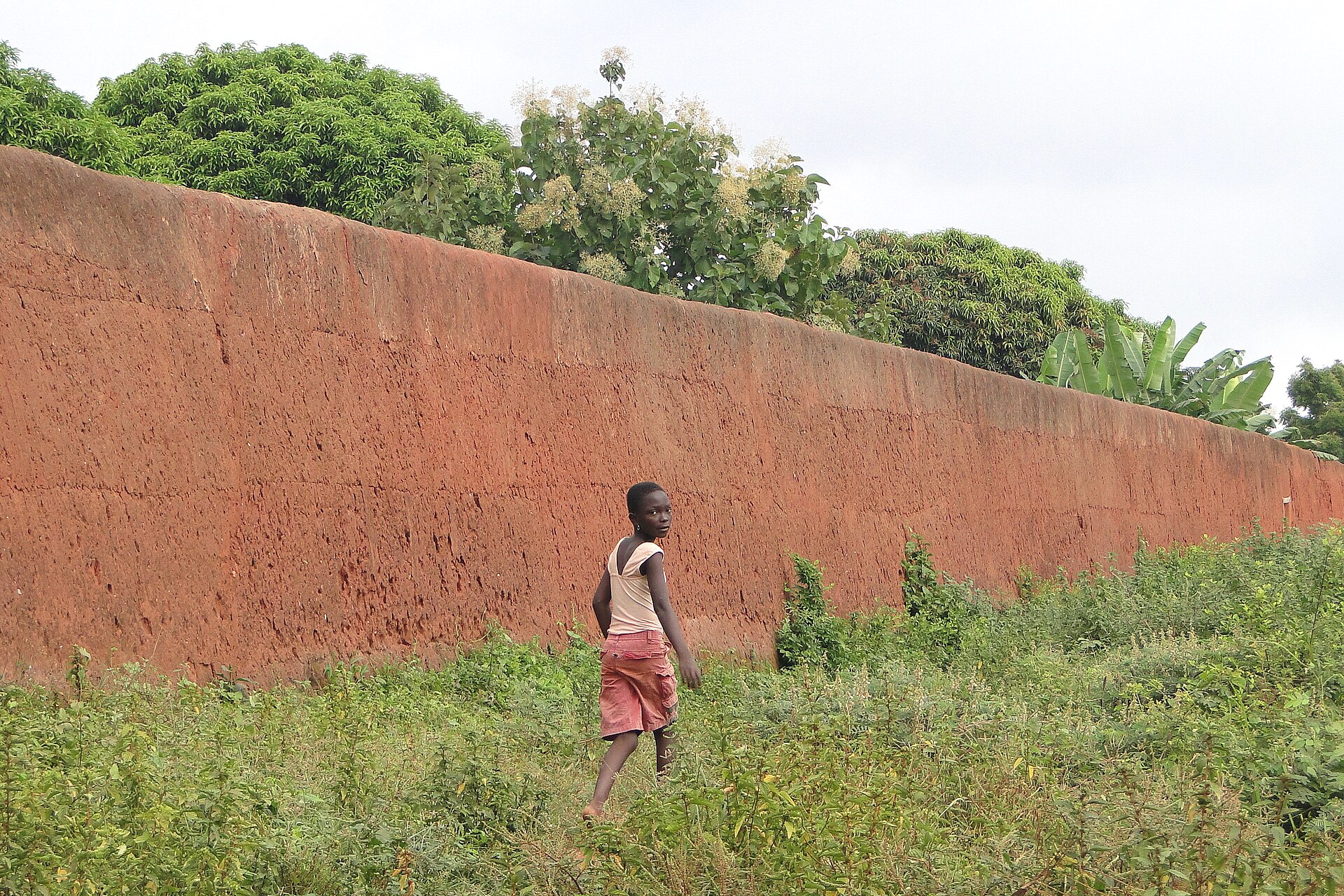
The palaces are built of earth, in the architectural tradition of the region, their walls formed of packed clay and their roofs originally of thatch. This earthen architecture, so different from the stone and marble of many other royal palaces, is well suited to the climate and the materials of West Africa, and it gives the complex its distinctive character.
Though much has been lost to time, conflict, and the elements, the Royal Palaces of Abomey remain one of the most important historic sites in West Africa. They preserve the memory of the kingdom of Dahomey, one of the most powerful states in the region’s history, and they stand as a monument to a rich and complex culture that flourished here for more than two centuries.
The choice of earth as a building material was not a limitation but a tradition rich in possibility. In the hands of the craftsmen of Dahomey, packed clay became the medium for palaces, shrines, and vivid reliefs, and the earthen walls of Abomey carry as much meaning and artistry as any structure of stone, expressing the identity of a great kingdom in the very soil of its land.
The Kingdom of Dahomey
The kingdom of Dahomey was one of the most powerful states in West Africa, dominating its region for more than two hundred years. Highly organized and militarily formidable, it built its power on a strong central monarchy, a disciplined army, and an economy shaped by trade, expanding its influence over neighboring peoples and becoming a major force in the region.
Dahomey was distinguished by the strength of its central authority and the elaborate organization of its state. The kings wielded great power, supported by a complex court, an administrative structure, and a powerful army, and the kingdom was noted by outside observers for the discipline and order of its institutions.
The wealth and power of Dahomey were bound up with trade, including, in a dark chapter of its history, participation in the Atlantic slave trade, through which the kingdom acquired weapons and wealth. This trade shaped the kingdom’s economy and its relations with European powers, and it forms part of the complex and often troubling history of the state.
For more than two centuries, Dahomey stood as a major power in West Africa, feared by its neighbors and respected by the European traders who dealt with it. Its capital at Abomey, with its royal palaces, was the center of this powerful kingdom, and the history of the palaces is inseparable from the history of the remarkable state that built them.
The organization of the Dahomean state impressed even hostile observers, who noted its disciplined army, its ordered administration, and the tight control the monarchy exercised over the kingdom. This was no loose confederation but a centralized state with a clear hierarchy, and that organization was a key source of the power that made Dahomey feared throughout the region.
Twelve Kings, Twelve Palaces
One of the most distinctive features of the Royal Palaces of Abomey is the tradition by which each king built his own palace within the royal enclosure. Over the course of twelve reigns, successive kings added their own residences to the complex, so that the site grew into a record in earth of the whole dynasty and its history.
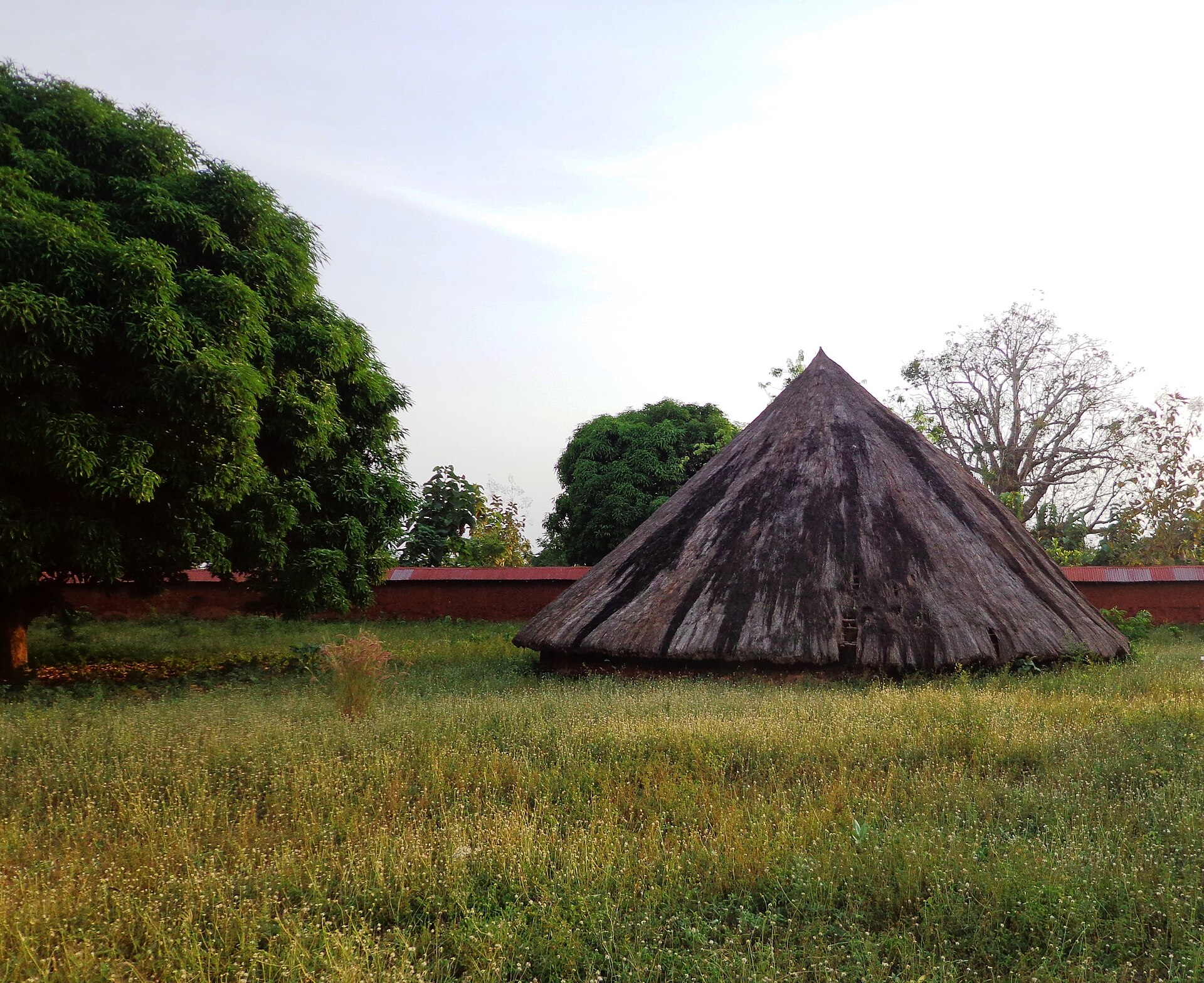
This practice meant that the complex accumulated over generations, each new palace joining those of the previous kings within the great enclosure. The result was a vast royal compound that embodied the continuity of the dynasty, each king contributing his own contribution while honoring the legacy of his predecessors.
Each king also adopted his own symbols and emblems, which were used to decorate his palace and to represent him in the reliefs and applique works of the court. These symbols, often drawn from proverbs or from the qualities the king wished to project, allowed the history and character of each reign to be recorded and remembered in visual form.
The tradition of each king building his own palace gives the complex its character as a chronicle of the dynasty. Walking through the site, one moves through the accumulated reigns of the kings of Dahomey, each represented by his own buildings and symbols, so that the palaces preserve the memory of the whole line of rulers who made the kingdom great.
There is something profoundly moving in a complex conceived as a chronicle of a whole dynasty. Rather than a single monument to one ruler, the palaces of Abomey grew as a collective work across twelve generations, each king adding his chapter, so that the site became a living history book written in earth, its walls recording the succession of a kingdom.
Architecture of Earth
The Royal Palaces of Abomey are built in the earthen architectural tradition of West Africa, their walls formed of packed clay and their structures shaped from the materials of the land. This form of building, using earth as the primary material, is well suited to the climate and resources of the region, and it gives the palaces their distinctive appearance and character.
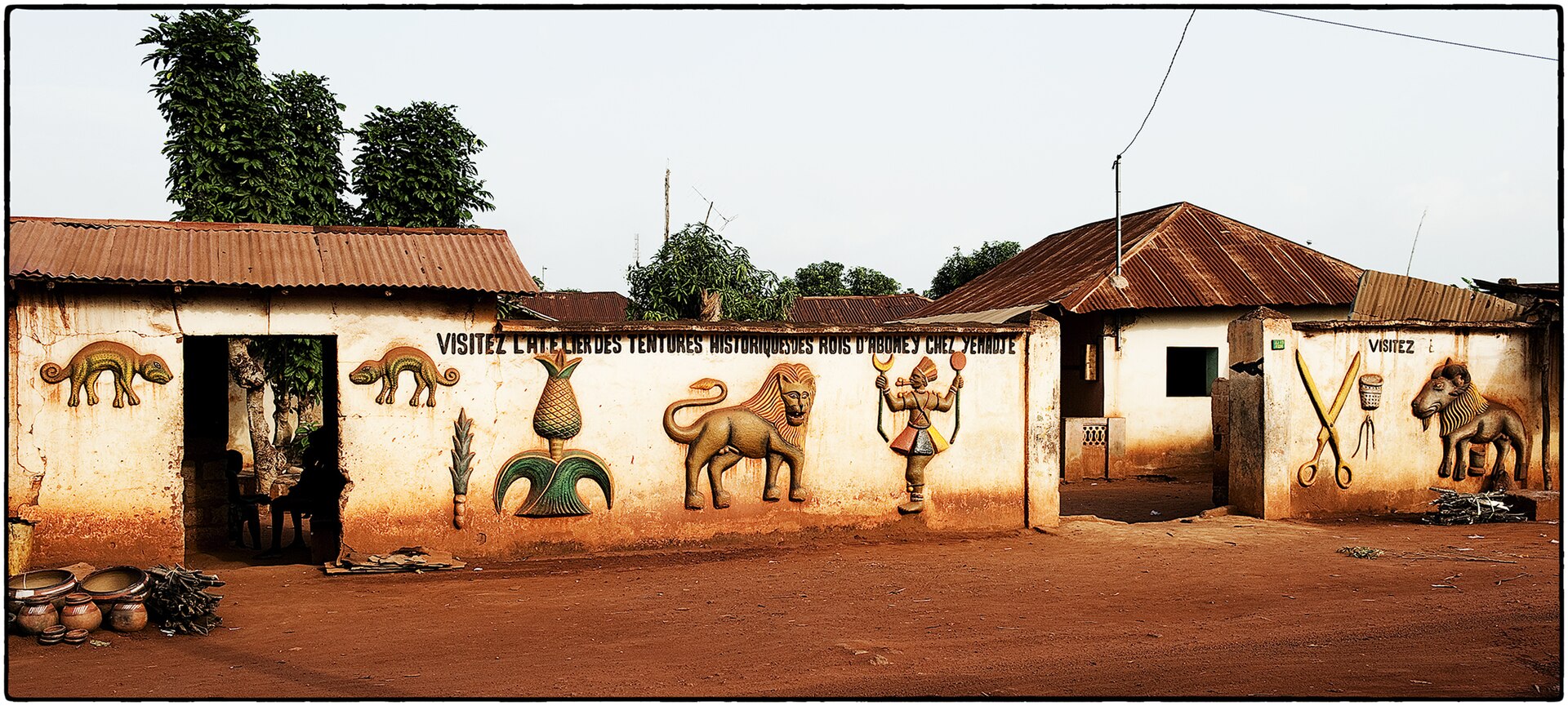
Earthen architecture requires constant maintenance, for walls of clay are vulnerable to rain and weathering and must be regularly repaired and renewed. This need for ongoing care shaped the life of the palaces, and the preservation of earthen buildings remains a challenge, as the material that makes them is also what makes them fragile.
Despite its fragility, earthen architecture is capable of great sophistication and beauty, as the palaces of Abomey demonstrate. The walls provided surfaces for the elaborate reliefs and decoration that adorned the royal buildings, and the earthen structures created the courtyards, shrines, and residences that made up the royal complex.
This tradition of building in earth connects the Royal Palaces of Abomey to a wider heritage of West African architecture, and it stands as a reminder that grandeur and artistry are not confined to buildings of stone. The earthen palaces of Dahomey, decorated and maintained by generations of craftsmen, were monuments as expressive of royal power as any palace of marble or granite.
The Painted Reliefs
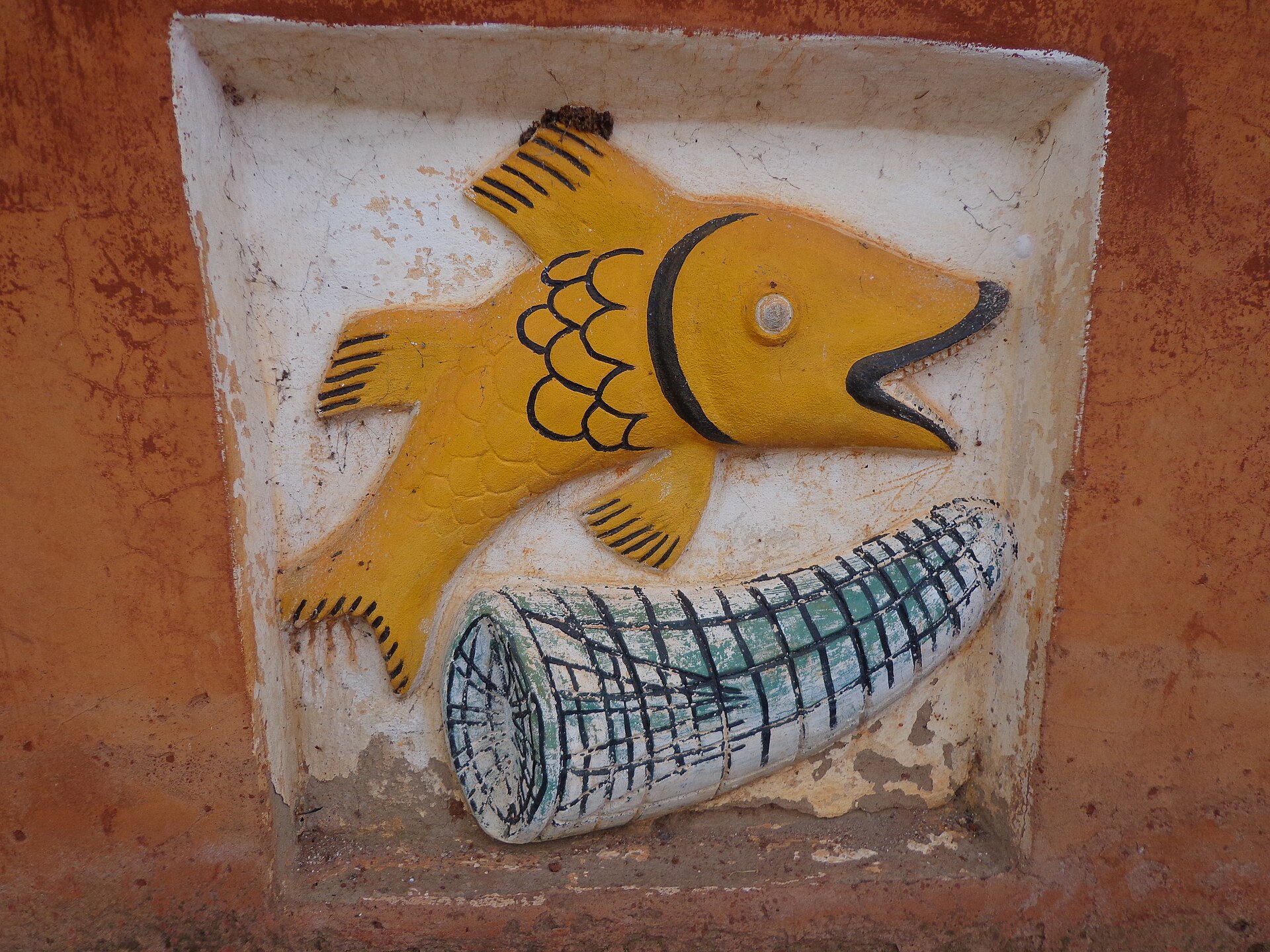
Among the greatest treasures of the Royal Palaces of Abomey are their bas-reliefs, sculpted and painted images set into the earthen walls that depict the history, beliefs, and symbols of the kingdom. These reliefs are one of the most remarkable features of the palaces and a supreme achievement of the art of Dahomey.
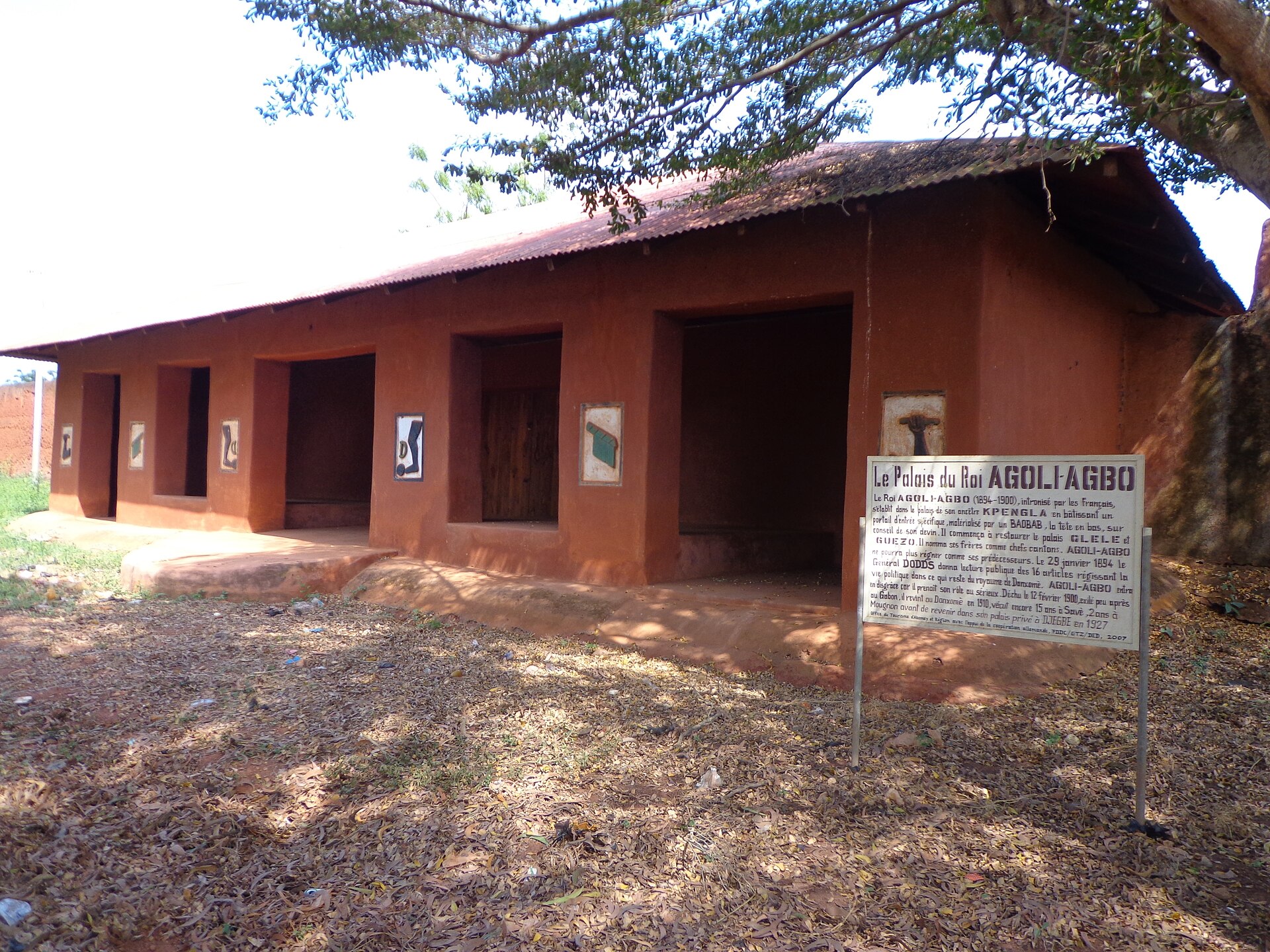
The reliefs depict a wide range of subjects, including scenes of war and conquest, royal symbols, animals, and figures from the beliefs and history of the kingdom. Rendered in vivid colors, they served to record and proclaim the achievements of the kings and the power of the state, a form of visual history displayed on the walls of the palaces.
For a kingdom with a strong oral tradition, these reliefs served as an important means of recording and transmitting history and values. Each image carried meaning, often referring to particular events, kings, or proverbs, and together they formed a rich visual language through which the story and ideology of the kingdom were expressed.
The bas-reliefs of Abomey are among the most important works of art in West Africa, and they are central to the significance of the palaces. Preserving and restoring them is a major part of the care of the site, for they carry the memory and the artistry of the kingdom of Dahomey, telling its story in images to all who come to see them.
Because Dahomey relied heavily on oral tradition rather than writing, these images carried a weight of meaning that is easy to underestimate. They were not mere decoration but a form of record, preserving the deeds of kings and the values of the kingdom in a visual language that the people could read. In this sense the reliefs were the history books of Dahomey, painted on the walls of its palaces.
Symbols of the Kings
Each king of Dahomey adopted his own set of symbols, which represented him and his reign and appeared throughout the art and decoration of his palace. These emblems, often drawn from proverbs, animals, or memorable sayings, functioned almost like personal badges, identifying the king and expressing the qualities or achievements associated with his rule.

The symbols were displayed in the reliefs, in the applique textiles for which Dahomey was famous, and in other forms of royal art. Through them, the identity and history of each king could be communicated and remembered, so that the visual culture of the court became a means of preserving the memory of the dynasty and its individual rulers.
The applique cloths of Dahomey, in particular, are celebrated works of art, using cut-out figures sewn onto a background to create colorful compositions depicting royal symbols and scenes. These textiles, like the reliefs, served to record and proclaim the history and power of the kings, and they remain among the most distinctive art forms of the kingdom.
This rich symbolic culture gave the court of Dahomey a distinctive visual language, in which power, history, and identity were expressed through emblems and images. The Royal Palaces of Abomey, decorated with these symbols and housing the art that bore them, were the setting in which this visual culture was created and displayed, a treasury of the symbolism of the kingdom.
The Height of Dahomey’s Power
Under certain of its kings, the kingdom of Dahomey reached the height of its power, expanding its territory and influence and asserting itself as a dominant force in the region. These reigns saw the kingdom at its most formidable, its army victorious, its court magnificent, and its authority feared by neighbors and respected by foreign powers.
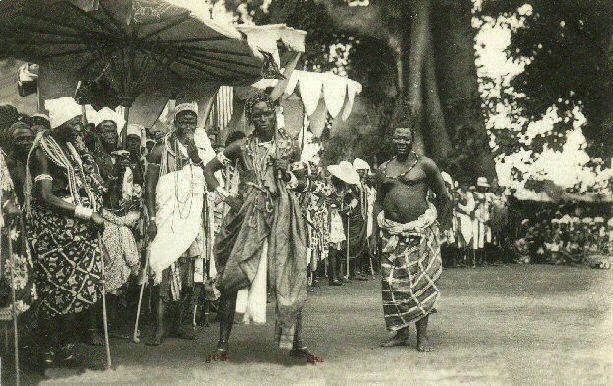
The most powerful kings strengthened the state, reformed its institutions, and led its army to conquest, adding to the wealth and territory of the kingdom. Their reigns are remembered as the golden age of Dahomey, when the kingdom stood at the peak of its strength, and they added greatly to the royal palaces that were the seat of their power.
The court of Dahomey at its height was a place of great ceremony and display, with elaborate rituals and celebrations that impressed and sometimes horrified the foreign visitors who witnessed them. These ceremonies expressed the power of the king and the ideology of the state, and they were central to the life of the royal palaces.
The height of Dahomey’s power left its mark on the palaces, as the great kings built and decorated their residences and filled the court with the symbols of their achievements. The complex as it survives today preserves the memory of this golden age, when the kingdom of Dahomey was one of the most powerful states in West Africa.
The ceremonies of the Dahomean court, with their processions, displays of wealth, and elaborate ritual, were designed to overwhelm and to proclaim the power of the king. Foreign visitors left vivid accounts of these spectacles, sometimes awed and sometimes horrified, and their descriptions offer a window into a court culture of extraordinary intensity and symbolic richness.
The Women Warriors of Dahomey
One of the most remarkable features of the kingdom of Dahomey was its army, which uniquely included regiments of women warriors. These female soldiers, an elite corps within the army of Dahomey, were famous for their discipline and courage, and they became one of the most celebrated aspects of the kingdom, astonishing the outsiders who encountered them.
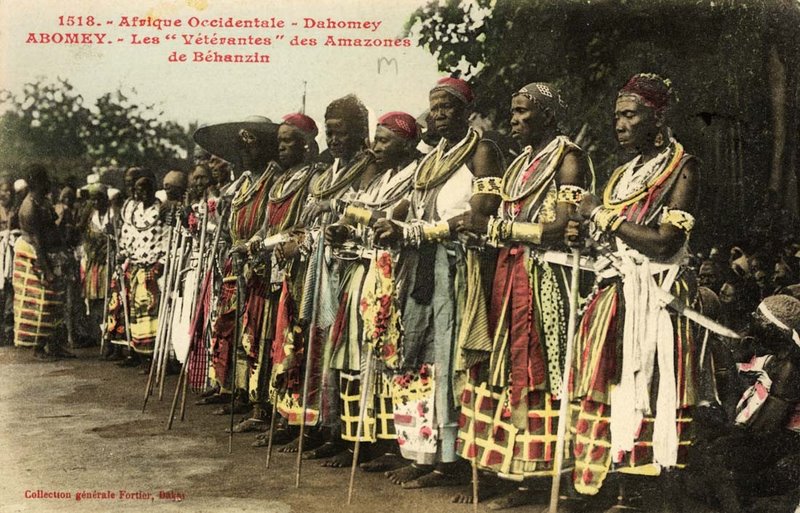
The women warriors were a distinctive institution of Dahomey, with no real parallel elsewhere. Trained as soldiers and serving the king, they formed a formidable part of the kingdom’s military strength, and their existence challenged the expectations of foreign observers, who were struck by the sight of a corps of women warriors at the heart of the army.
These warriors were closely associated with the king and the court, and they played an important role in the military campaigns that expanded and defended the kingdom. Their reputation for ferocity and discipline made them one of the most feared elements of the Dahomean army, and they have become one of the most famous features of the kingdom’s history.
The women warriors of Dahomey have captured the imagination of the wider world, and their story has become one of the most celebrated aspects of the kingdom. Their presence at the heart of the army and the court is a reminder of the distinctive character of Dahomey, and it adds a remarkable chapter to the history of the Royal Palaces of Abomey.
The story of the women warriors has, in recent times, reached a global audience and inspired renewed interest in the kingdom of Dahomey. Yet behind the modern fascination lies a genuine and remarkable historical reality, a corps of women who trained, fought, and served at the heart of one of West Africa’s most powerful states, unlike anything found elsewhere in the world of their time.
Ritual and Belief
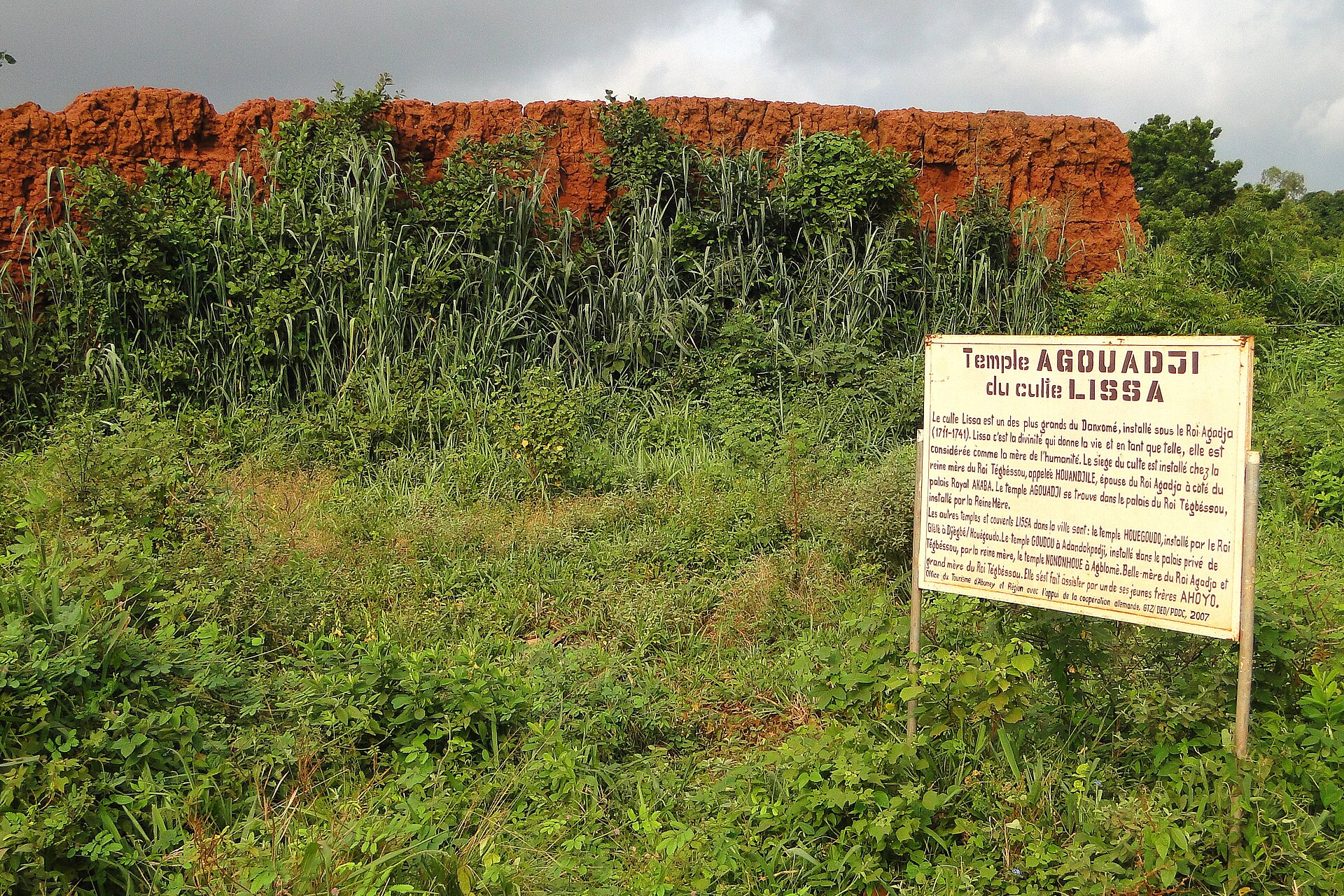
The kingdom of Dahomey had a rich religious and ritual culture, closely bound up with the monarchy and the life of the court. The religion of the kingdom, part of the wider spiritual traditions of the region, involved the veneration of ancestors and a pantheon of deities, and it shaped the ceremonies and the worldview of the state.
The royal palaces contained shrines and sacred spaces, and the kings played a central role in the religious life of the kingdom. Ancestral veneration was particularly important, linking the living king to his predecessors and reinforcing the continuity and legitimacy of the dynasty, and the ceremonies surrounding the royal ancestors were central to the life of the court.
The great ceremonies of the kingdom, which impressed and disturbed foreign observers, were bound up with these religious beliefs, expressing the power of the king and his relationship to the ancestors and the divine. These rituals were an essential part of the ideology of the state, reinforcing the authority of the monarchy and the cohesion of the kingdom.
The spiritual traditions of Dahomey remain an important part of the cultural heritage of the region, and the religion that shaped the kingdom continues to be practiced. The Royal Palaces of Abomey, with their shrines and their association with the ceremonies of the court, preserve the memory of this rich religious culture that lay at the heart of the kingdom.
Trade and a Darker History
The wealth and power of Dahomey were bound up with trade, and part of that history is dark, for the kingdom participated in the Atlantic slave trade. Through the trade in captives, often taken in war, the kingdom acquired firearms and wealth from European traders, and this commerce shaped its economy and its relations with the outside world.
The slave trade was a major and troubling dimension of Dahomey’s history, connecting the kingdom to the wider tragedy of the Atlantic trade in enslaved people. The wealth and weapons it brought contributed to the kingdom’s military power, but at a terrible human cost, and this history forms an inescapable and painful part of the story of the state.
This aspect of Dahomey’s past is remembered today with sorrow and reflection, part of the wider history of the slave trade that scarred the region and the world. The coastal areas connected to the kingdom became important centers of this trade, and the memory of these events is preserved in sites of remembrance in the region.
Acknowledging this darker history is an essential part of understanding the kingdom of Dahomey and its palaces. The power and splendor of the state were bound up with a trade that caused immense suffering, and the history of the Royal Palaces of Abomey includes this painful chapter, a reminder of the complex and often troubling realities of the past.
Conquest and Destruction
The kingdom of Dahomey came to an end at the close of the nineteenth century, when it was conquered by a European colonial power. After a period of resistance under its last independent king, the kingdom was defeated and absorbed into a colonial empire, bringing to an end more than two centuries of independent rule.

The conquest was accompanied by destruction, and in the course of the fighting parts of the royal palaces were damaged or burned, whether by the retreating defenders or in the violence of the conquest. The fall of the kingdom was thus also a blow to its great monument, and the palaces suffered grievously in the events that ended the independence of Dahomey.
The last independent king of Dahomey is remembered as a symbol of resistance, having fought against the colonial conquest before the kingdom was finally overcome. His struggle became part of the memory of the kingdom and of the wider history of resistance to colonial rule in Africa, and it is bound up with the story of the palaces in their final days of royal use.
The fall of Dahomey marked the end of the palaces as the seat of an independent kingdom, and the beginning of a new and difficult chapter. Damaged by the conquest and no longer the center of a ruling monarchy, the Royal Palaces of Abomey entered a period of decline, their future uncertain in a world transformed by the coming of colonial rule.
The resistance of the last king lent the fall of Dahomey a note of tragic dignity. Facing a technologically superior foe, the kingdom fought to preserve its independence before being overcome, and the memory of that struggle became part of the legacy of Dahomey, a symbol of the wider resistance of African peoples to the imposition of colonial rule.
Preservation and the Museum
After the fall of the kingdom, the Royal Palaces of Abomey survived as a monument to the vanished state, and in time parts of the complex were preserved and turned into a museum. Today the site houses a historical museum that displays the treasures and history of the kingdom of Dahomey, keeping alive the memory of the powerful state that built the palaces.

The site has faced many challenges to its preservation, including the fragility of its earthen architecture and damage from natural events. A destructive storm in the later twentieth century caused serious harm to the palaces, and the ongoing task of conserving the earthen buildings and their reliefs remains demanding, requiring constant care and skilled work.
In recognition of their outstanding importance, the Royal Palaces of Abomey have been designated a site of world heritage, acknowledging their significance to Africa and to the world. This recognition has helped to focus attention and resources on the preservation of the site and its remarkable art and architecture.
In recent times, the history of the palaces has also become bound up with wider questions about the heritage of Dahomey, including the return of royal treasures taken during the colonial conquest. The recovery of such objects and their display in the region marks an important chapter in the ongoing effort to preserve and honor the heritage of the kingdom and its palaces.
The recent return of royal treasures taken during the conquest has been a powerful moment in the modern history of the kingdom’s heritage. The homecoming of these objects, once carried off to foreign museums, has been celebrated as an act of restitution and renewal, reconnecting the people of the region with the art and memory of their ancestors and giving the palaces’ story a hopeful new chapter.
Visiting Abomey Today
Today the Royal Palaces of Abomey are among the most important historic sites in Benin and in West Africa, drawing visitors interested in the history of the kingdom of Dahomey and the rich culture it produced. The museum housed within the palaces allows visitors to explore this history and to see the treasures and art of the kingdom.
View the exact location on Google Maps
A visit to the site leads through the surviving parts of the royal complex, past the earthen structures, the reliefs, and the shrines, and through the museum with its collections. The experience offers a vivid encounter with the history of Dahomey, one of the most powerful and remarkable kingdoms in the history of the continent.
The reliefs and the applique art, the history of the kings and the women warriors, the complex and often troubling story of the kingdom, all come together at Abomey to create a site of great historical and cultural richness. It is a place that rewards reflection, offering insight into a chapter of African history too often overlooked.
Whether you come for the history, the art, or the memory of a powerful kingdom, the Royal Palaces of Abomey offer a profound and moving experience. They stand as a monument to the kingdom of Dahomey, preserving the memory of its power, its art, and its complex history, and they take their place among the great royal sites of Africa.
For visitors from outside the region, Abomey offers a rare and valuable corrective to a narrow view of the world’s royal history. Here is a great kingdom, with its own art, institutions, and traditions, that flourished entirely on its own terms, and to encounter it is to see how much the story of palaces and power extends beyond the more familiar courts of Europe and Asia.
Palaces Nearby
The Royal Palaces of Abomey are one of the great royal sites of Africa. To trace the varied splendor of the continent’s royal courts, these nearby palaces make natural companions to a visit here.
You May Like