In the gentle countryside south of Fulda, at the end of a long avenue of trees, stands one of the most beautiful baroque palaces in Hesse. Fasanerie Palace, named after the pheasant house that once stood here, was the summer residence of the prince abbots and prince bishops of Fulda, and today it shelters one of the finest collections of porcelain and antiquities in Germany.
Behind its elegant facades lie richly decorated rooms filled with furniture, paintings and treasures gathered by the princes of Hesse, who acquired the palace in the nineteenth century and restored it after the Second World War. A visit here feels like stepping into a private world of princely taste.
In this article we will explore Fasanerie from its origins as a hunting lodge to its baroque expansion, its interiors, its collections and its park, and we will finish with practical tips for your visit.
In This Article
- A Baroque Summer Palace Near Fulda
- From Pheasant House to Palace
- Prince Bishop Amand von Buseck
- Gatehouses and the Approach
- The Outer Courtyard and Service Buildings
- The Inner Courtyard and the Balcony
- The Princes of Hesse and the Rescue of Fasanerie
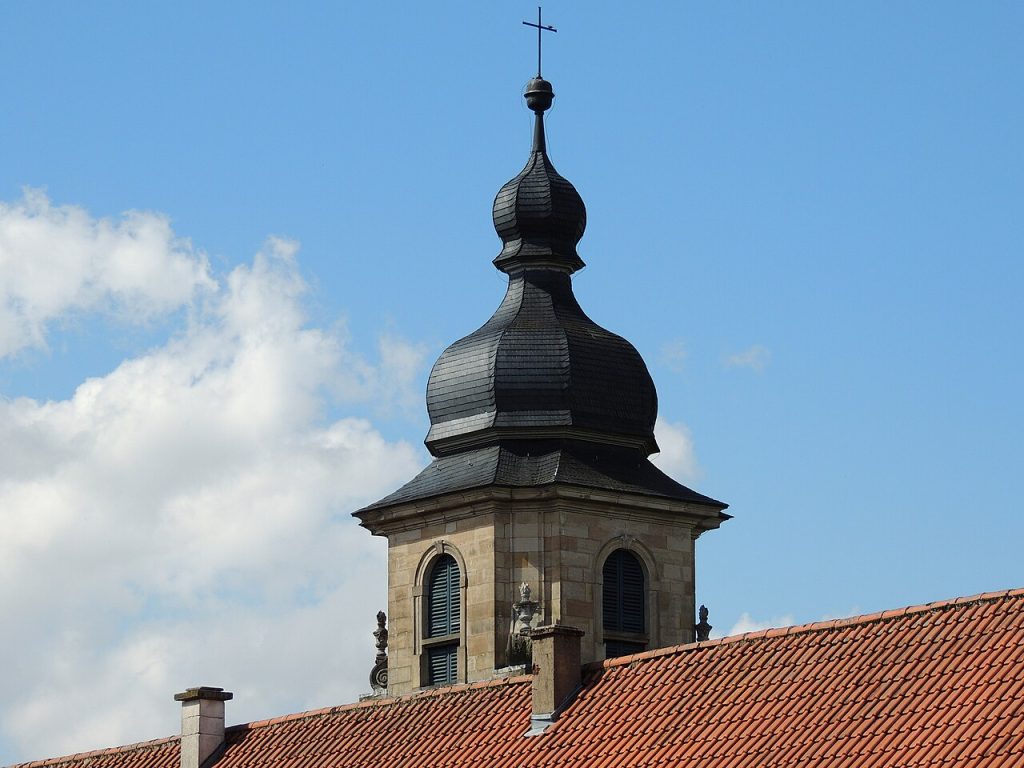
- Facades and Architectural Details
- Baroque and Rococo State Rooms
- A Treasury of Porcelain
- Classical Antiquities
- Fasanerie on Video
- Visiting Fasanerie Today
A Baroque Summer Palace Near Fulda
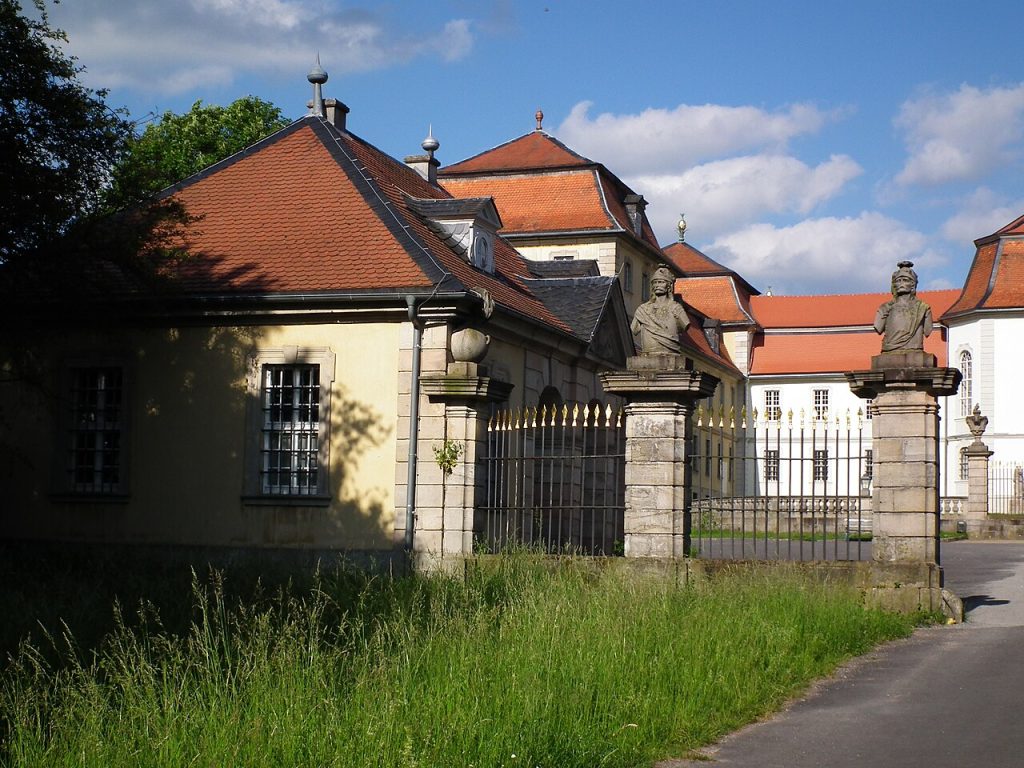
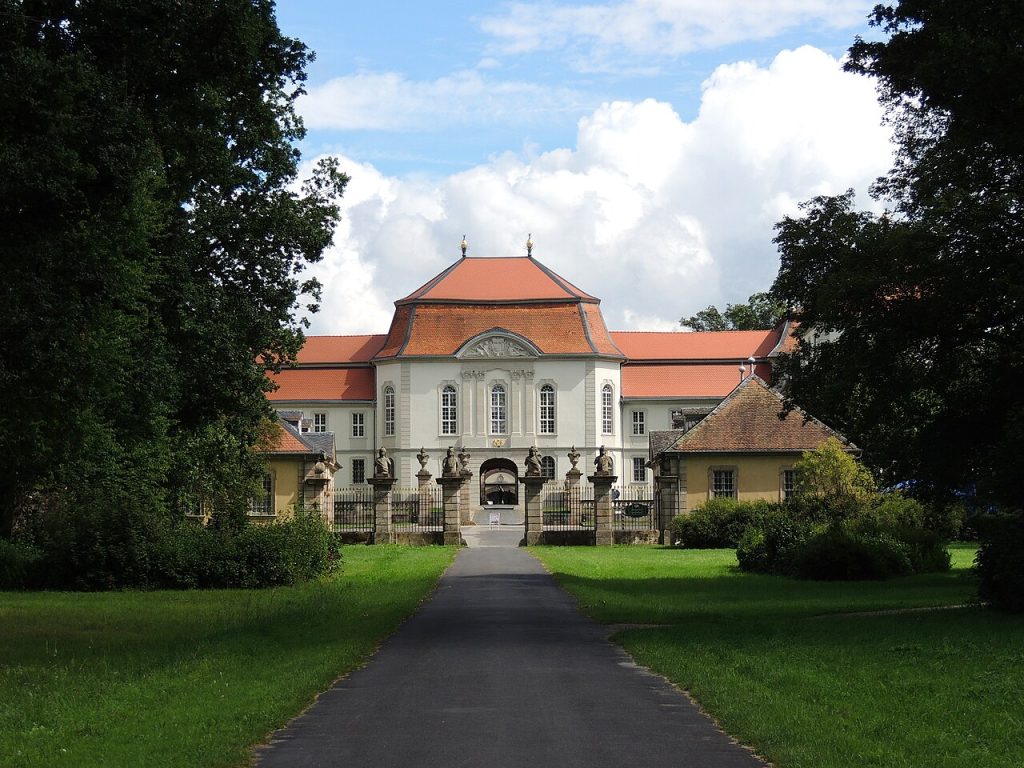
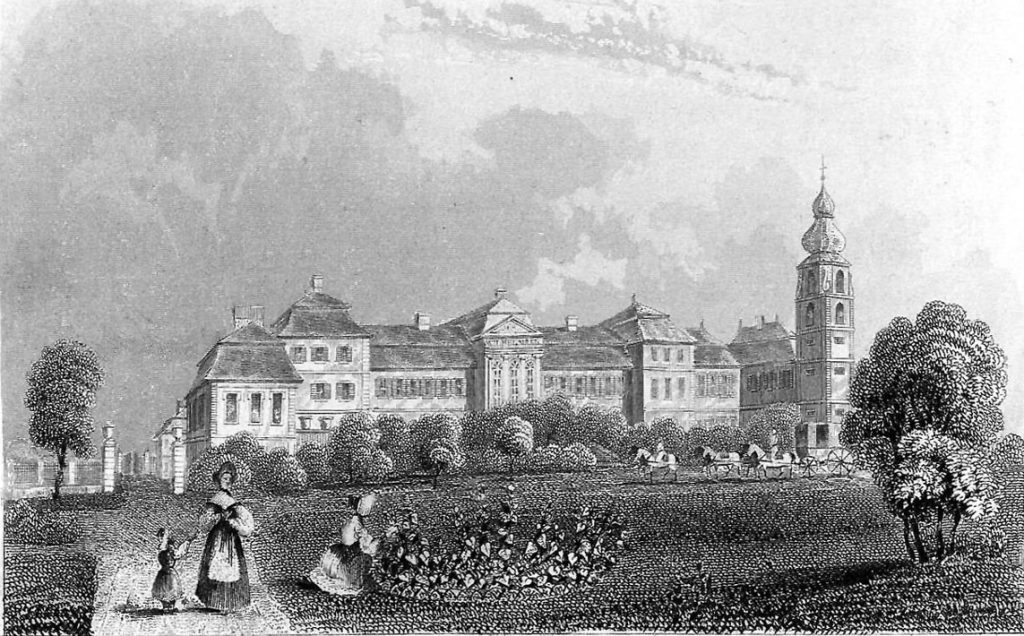
Approaching Fasanerie along its tree lined avenue, you see a long, harmonious palace with a central block and wings framing a courtyard. Its pale walls and dark roofs stand out against the green of the surrounding park.
The palace lies in the village of Eichenzell, a short drive from the historic town of Fulda, in a peaceful landscape of fields, woods and gentle hills.
Fasanerie is less well known than the great residences of southern Germany, but those who discover it are often amazed by the quality of its architecture and the richness of its collections.
What makes it special is the combination of baroque elegance, a tranquil setting and a museum that preserves the private collections of a princely family.
The palace is particularly lovely in summer, when the park is green and the courtyard is filled with sunshine.
Many visitors combine Fasanerie with a day in Fulda, one of the most beautiful baroque towns in Germany, making the area an ideal destination for lovers of architecture.
The avenue leading to the palace is lined with old trees, and walking along it gives a sense of anticipation, as the palace slowly reveals itself between the branches.
Fasanerie is never overcrowded, so you can enjoy its courtyards and rooms in a calm and relaxed atmosphere.
From Pheasant House to Palace
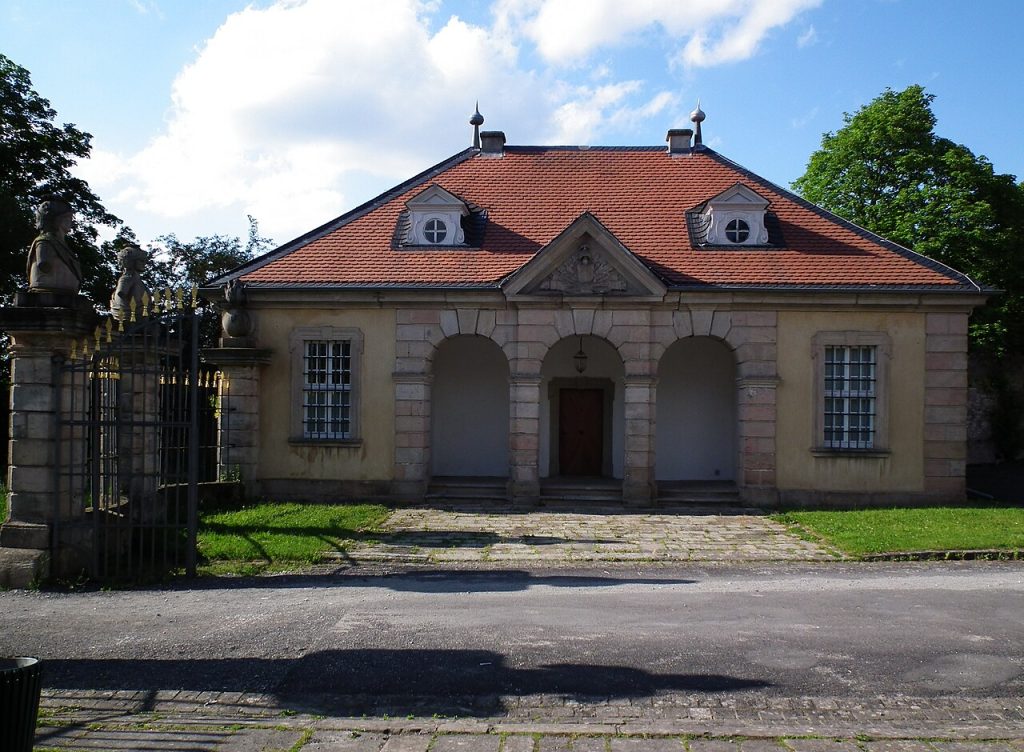
The story of Fasanerie begins in the early eighteenth century, when Prince Abbot Adalbert von Schleifras of Fulda built a modest hunting lodge and a pheasant house on this site. Pheasants were bred here for the hunts that were a central pastime of baroque courts.
The location, surrounded by forests and fields, was ideal for hunting, and the lodge became a favourite retreat of the prince abbots.
In the following decades, the modest lodge was transformed into a grand summer residence, reflecting the growing wealth and ambition of the rulers of Fulda.
The name Fasanerie, meaning pheasantry, has survived to this day as a reminder of the palace’s origins.
Hunting was not only a pleasure but also a social event, bringing together nobles and guests in elaborate parties that ended with feasts at the lodge.
The prince abbots of Fulda ruled one of the oldest and most prestigious ecclesiastical territories in the empire, founded in the eighth century by Saint Boniface’s disciple Sturmius.
Prince Bishop Amand von Buseck
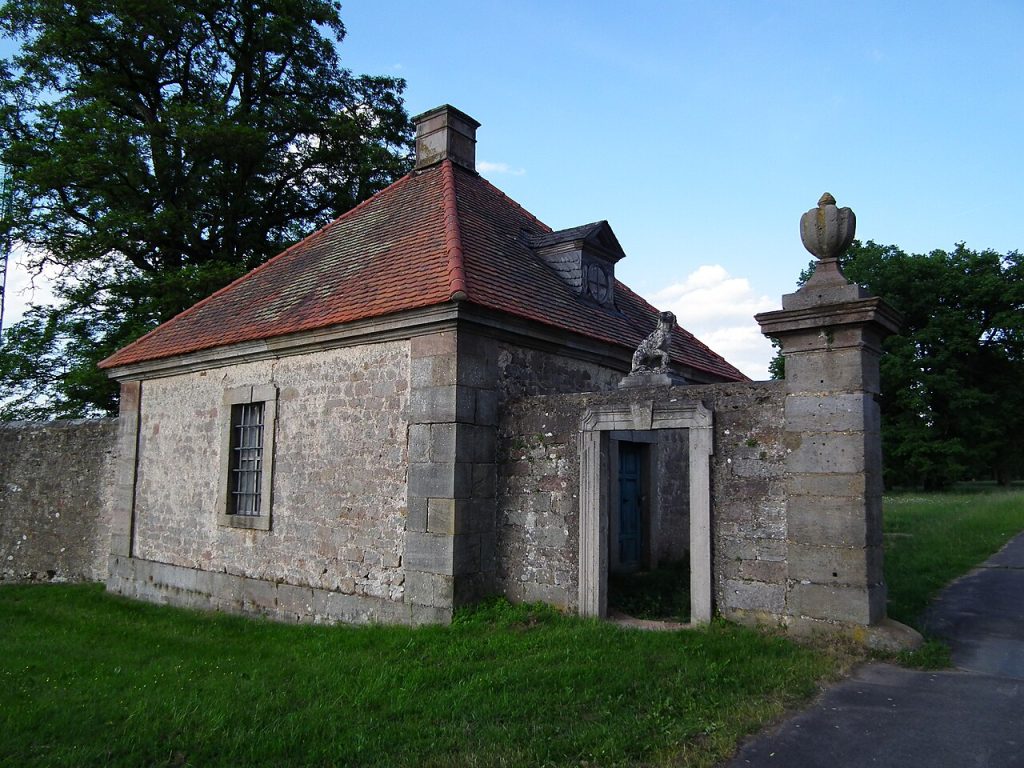
The great expansion of the palace came under Amand von Buseck, who became prince abbot of Fulda in 1737 and, after the abbey was raised to a bishopric in 1752, the first prince bishop of Fulda.
Between 1739 and 1754 he enlarged the palace into a magnificent baroque residence, with new wings, courtyards and richly decorated interiors.
The architect was Andrea Gallasini, an Italian who worked for the court of Fulda and created a design of great elegance and harmony.
Amand von Buseck wanted a summer residence that would match the splendour of his city palace in Fulda, and Fasanerie became one of the finest country palaces of its time in central Germany.
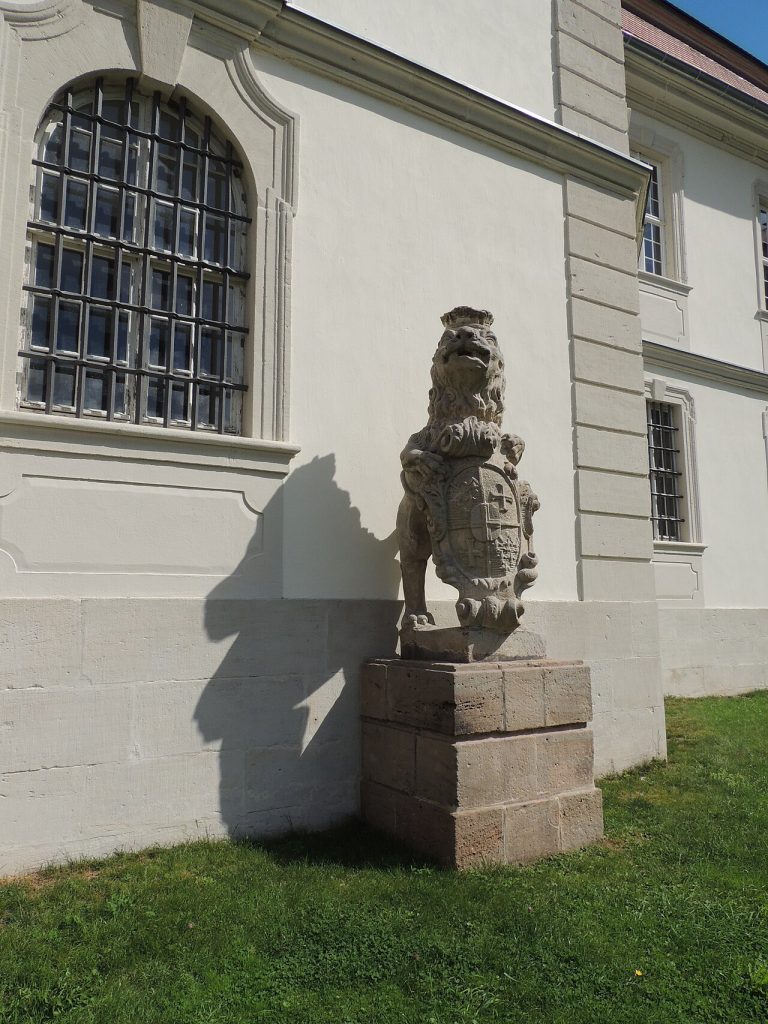
His coat of arms can still be seen on the palace, a reminder of the churchman who gave it its present form.
Gallasini also worked on other buildings in Fulda, and his style helped to shape the baroque character of the region.
The expansion transformed the palace into a three wing residence around a court of honour, a layout typical of the great baroque palaces of the time.
Amand von Buseck was a cultivated ruler who also founded the Fulda porcelain manufactory, linking the palace and its collections with the industrial and artistic life of his territory.
Gatehouses and the Approach
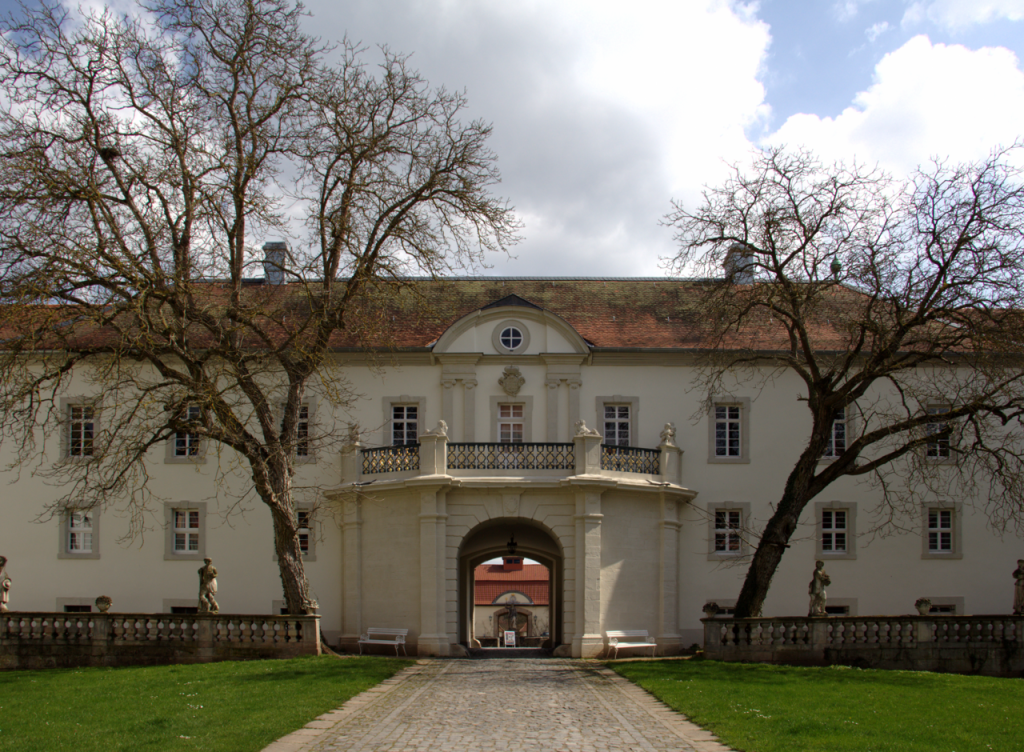
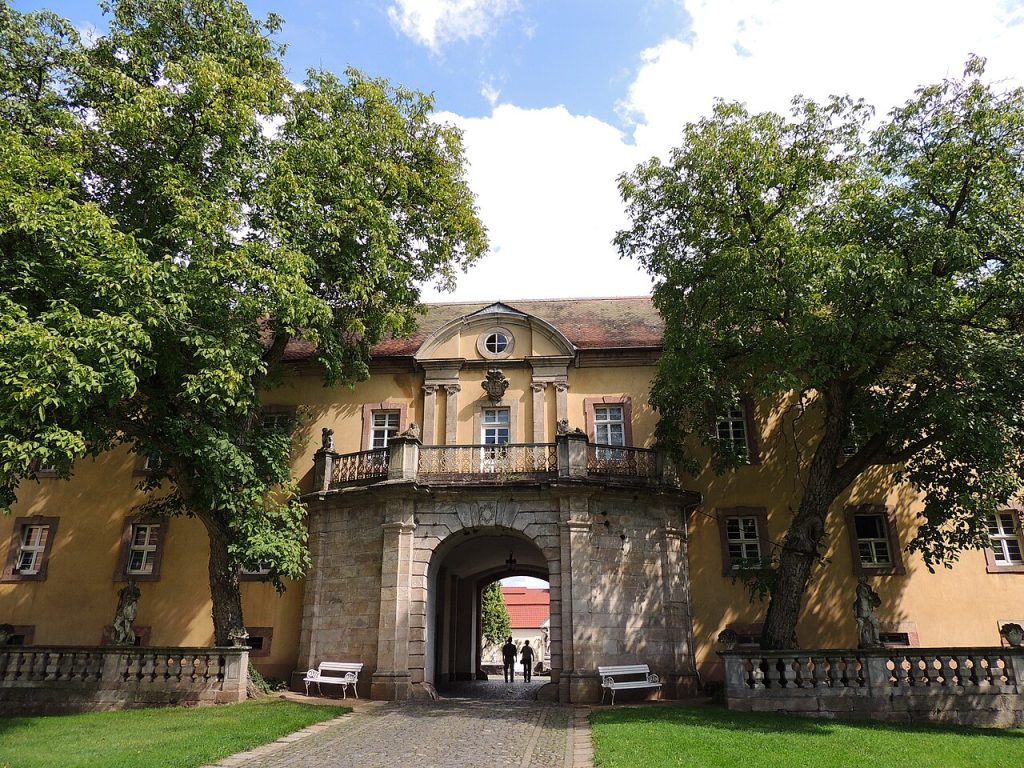
The palace is approached through an outer gate and a gatehouse, which once controlled access to the residence and its grounds.
The gatehouses are elegant buildings in their own right, decorated with sculpture and architectural details that announce the importance of the palace beyond.
Passing through the gate, visitors enter the outer courtyard, from which the main buildings unfold in a carefully planned sequence.
The sense of arrival is part of the baroque experience, designed to impress guests as they approached the presence of the prince.
The gatehouse sculptures include figures and coats of arms that proclaim the identity of the prince bishops and their authority over the land.
The Outer Courtyard and Service Buildings
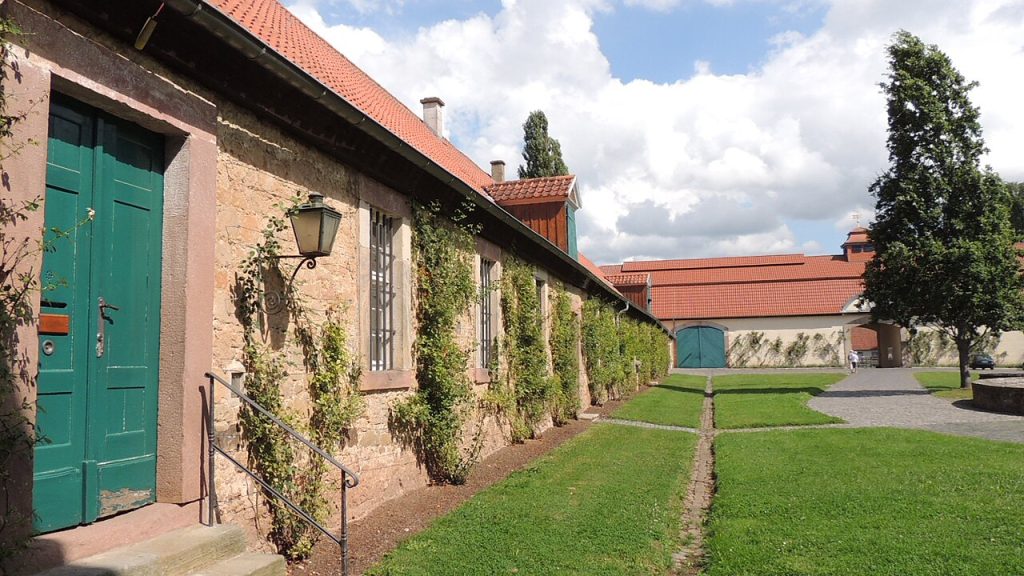
Around the outer courtyard stand service buildings that once housed stables, kitchens and quarters for staff. They supported the life of the summer court and are part of the complete baroque ensemble.
Today some of these buildings are used for exhibitions, events and a cafe, giving them new life while preserving their historic character.
The layout of the courtyards reflects the hierarchy of court life, with the most important spaces at the centre and service areas around the edges.
Walking through the courtyards, you can sense how the palace functioned as a small world of its own during the summer months.
The cafe in the outer courtyard is a pleasant place to rest after a tour, with tables outside in good weather.
The Inner Courtyard and the Balcony
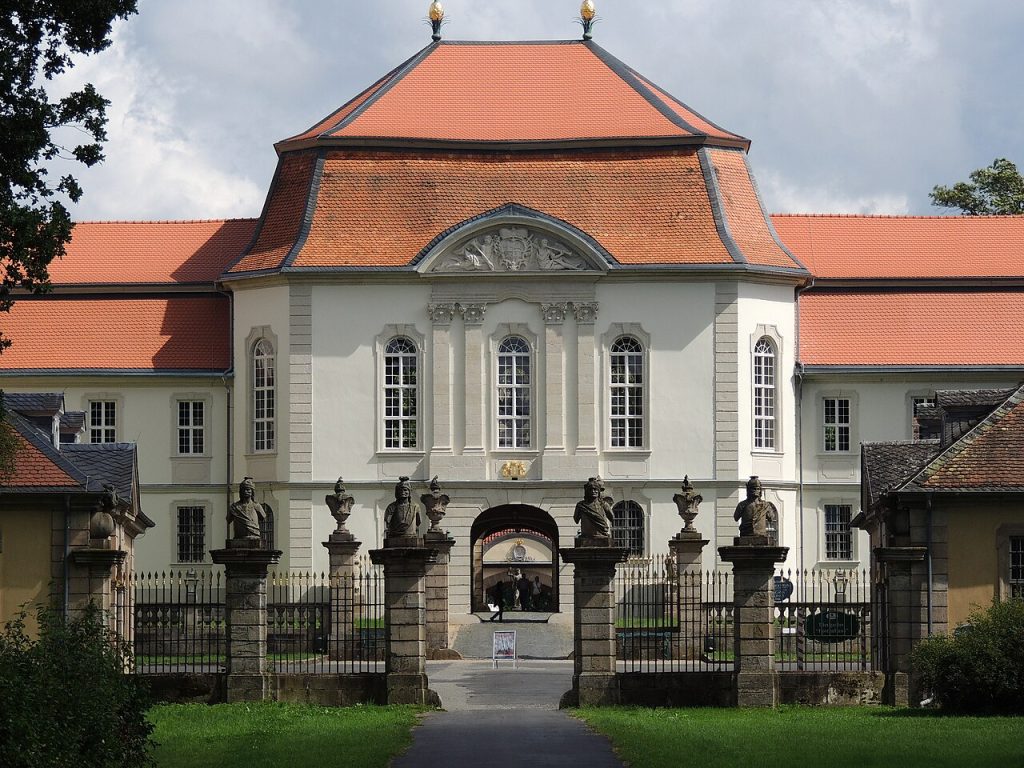
The inner courtyard is the heart of the palace, framed by the main building and its wings. A balcony on the central block overlooks the courtyard, from which the prince could appear to his guests and household.
The facades around the courtyard are richly articulated, with pilasters, window frames and decorative details that give them a sense of rhythm and elegance.
In summer the courtyard is used for concerts and events, and its enclosed space creates a wonderful atmosphere on warm evenings.
Standing in the courtyard, you can appreciate the harmony of Gallasini’s design and the care with which every element was placed.
From the balcony, guests could watch festivities in the courtyard below, a typical feature of baroque palaces designed for display and celebration.
The courtyard’s acoustics make it a favourite venue for open air concerts, and its baroque setting adds magic to every performance.
The Princes of Hesse and the Rescue of Fasanerie
After the secularisation of the prince bishopric of Fulda in the early nineteenth century, the palace passed through several hands before coming to the electors of Hesse Kassel, who used it as a summer residence.
In the twentieth century the palace was neglected and suffered during and after the Second World War. Its rescue came thanks to Landgrave Philipp of Hesse, who restored it in the 1950s and installed the family collections here.
Since 1951 the palace has been a museum of the Hessian House Foundation, which preserves the art and heritage of the house of Hesse.
The restoration was one of the most important efforts to preserve a historic palace in postwar Germany, and it saved a treasure that might otherwise have been lost.
Today the palace is cared for with great dedication, and its rooms look much as they did in the days of the princes.
Landgrave Philipp’s work at Fasanerie was part of a broader effort to preserve the heritage of the house of Hesse after the upheavals of the war and its aftermath.
The family still takes a close interest in the palace, and the foundation continues to research and present its collections.
Facades and Architectural Details
The facades of Fasanerie are elegant and well proportioned, with pilasters, window frames and cornices that give them a sense of order and grace.
The central block is emphasised by a projecting section and decorative elements, while the wings extend symmetrically on either side.
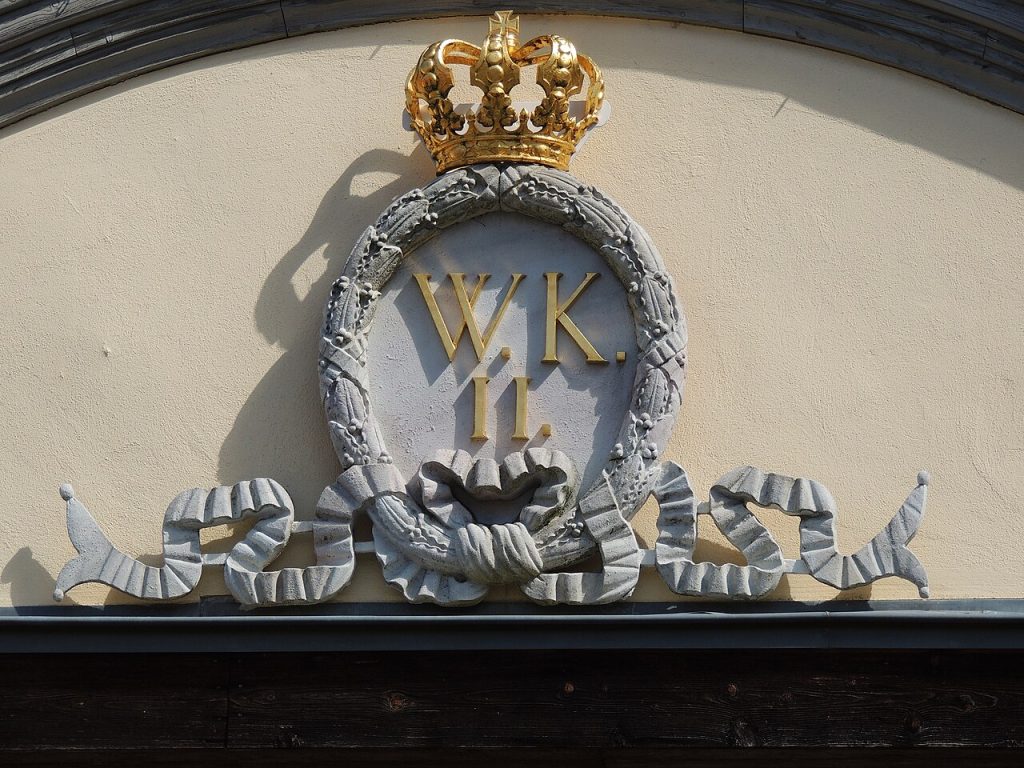
Sculptures and coats of arms add accents to the architecture, reflecting the status of the prince bishops who built the palace.
The pale colour of the walls, combined with the dark roofs, gives the palace a harmonious appearance that suits its rural setting.
From the park, the rear facades offer a different perspective, with windows looking out over lawns and trees.
Baroque and Rococo State Rooms
Inside, Fasanerie contains a sequence of state rooms decorated in the baroque, rococo and classical styles. Stucco ceilings, painted panels, silk wall coverings and fine furniture create an atmosphere of princely elegance.
The rooms include salons, bedrooms, cabinets and a festive hall, each furnished with pieces from the Hessian family collections.
Some rooms preserve the decoration of the prince bishops of Fulda, while others reflect the taste of the electors and landgraves of Hesse in the nineteenth century.
Guided tours lead through the rooms, explaining the history of the palace and the stories behind the objects.
The authenticity of the interiors, filled with original furniture and art, makes Fasanerie one of the most rewarding palace museums in Hesse.
Among the most beautiful spaces is the festive hall, with its stucco ceiling and elegant proportions, used for receptions and concerts in the days of the prince bishops.
The furniture includes pieces made by German and French cabinetmakers, as well as items commissioned specifically for the Hessian residences.
A Treasury of Porcelain
Fasanerie is famous for its porcelain collection, one of the most important in Germany. It includes thousands of pieces from Meissen, Nymphenburg, Furstenberg, Berlin and other European manufactories, as well as rare pieces from Fulda’s own porcelain factory.
The collection shows the development of European porcelain from the early eighteenth century onward, with figures, vases, table services and decorative objects of great beauty.
Fulda porcelain is especially prized, as the manufactory operated for only a few decades in the eighteenth century and its products are rare today.
The porcelain is displayed in the historic rooms and in special cabinets, allowing visitors to admire it in a setting that matches its elegance.
Some table services are displayed as if laid for a banquet, giving an idea of how porcelain was used at princely meals.
The collection also includes rare figures and groups, modelled by some of the most talented porcelain artists of the eighteenth century.
Classical Antiquities
Another highlight of Fasanerie is its collection of classical antiquities, one of the most important private collections in Germany. It includes Greek and Roman sculptures, portrait busts and other objects.
Many of the pieces were collected by members of the house of Hesse during travels in Italy and acquired from famous collections in the nineteenth century.
The antiquities are displayed in rooms that recall the classical galleries of aristocratic houses, creating a dialogue between the ancient world and the baroque palace.
Lovers of classical art will find the collection a delightful discovery in the heart of rural Hesse.
The collection includes sculptures that once belonged to famous Roman collections, adding a fascinating layer of history to each piece.
Fasanerie on Video
For a look at the palace before your visit, the video below presents Fasanerie and its surroundings.
Watch for the courtyard, the facades and the park around the palace.
The video also gives a sense of the palace’s rural setting and the calm atmosphere of its park.
If the video inspires you, read on for practical tips.
Visiting Fasanerie Today
Fasanerie Palace is open from spring to autumn, with guided tours of the state rooms and the collections. The park can be visited freely.
The palace lies in Eichenzell, about six kilometres south of Fulda, and is easy to reach by car or bus.
Plan at least two hours for the tour and a walk in the park, and consider combining your visit with the City Palace and cathedral in Fulda.
The palace also hosts concerts, markets and events throughout the year, making it a lively cultural centre in the region.
Special exhibitions are held regularly, showcasing different aspects of the Hessian collections and the history of the palace.
Whenever you visit, Fasanerie offers a rewarding combination of baroque architecture and outstanding collections, a hidden gem in the heart of Germany.
View the location on Google Maps
Palaces Nearby
If Fasanerie has charmed you, Hesse holds more remarkable palaces. Here are two more well worth adding to your journey:
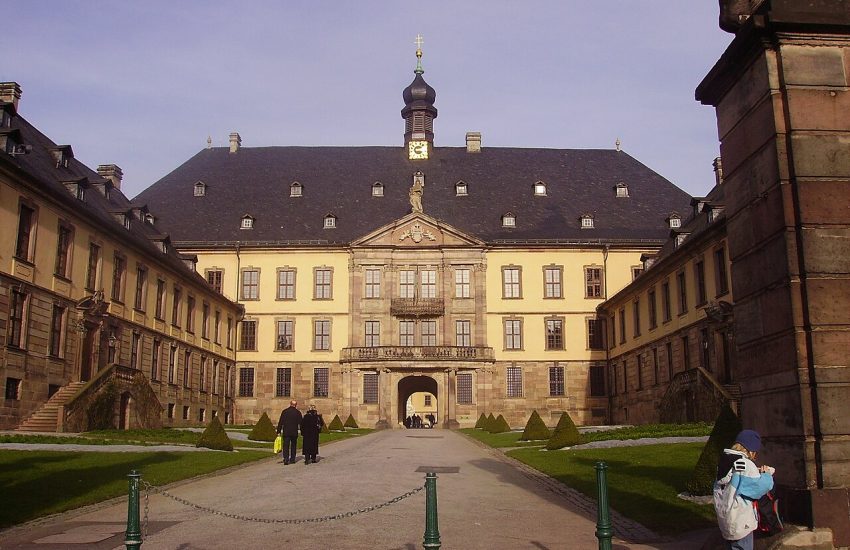
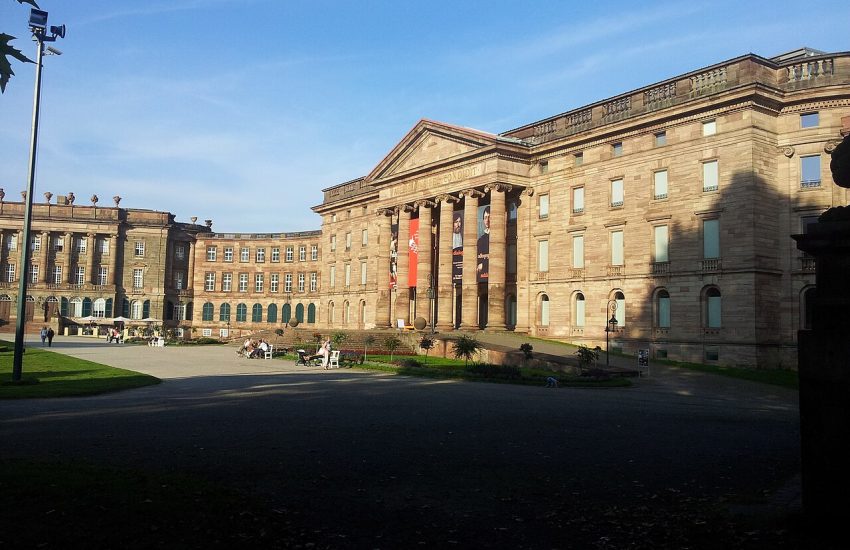
- Wilhelmshoehe Palace – the classical palace of the landgraves of Hesse beneath the Hercules monument in Kassel.
- The City Palace of Fulda – the baroque residence of the prince abbots with its Mirror Cabinet and Orangery.
You May Like


One thought on “Fasanerie Palace and the Baroque Treasures of the Prince Abbots of Fulda”