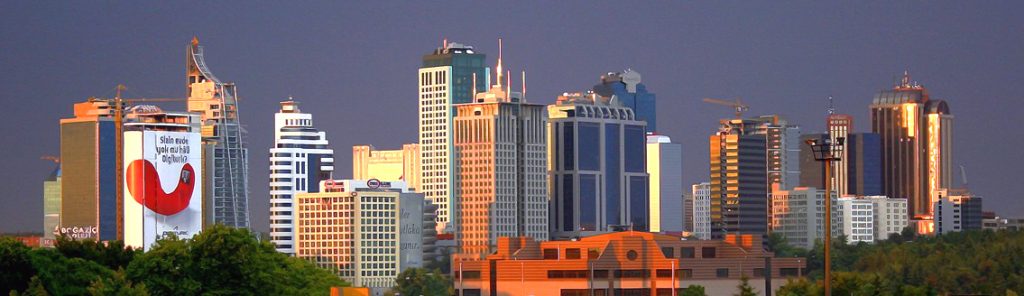
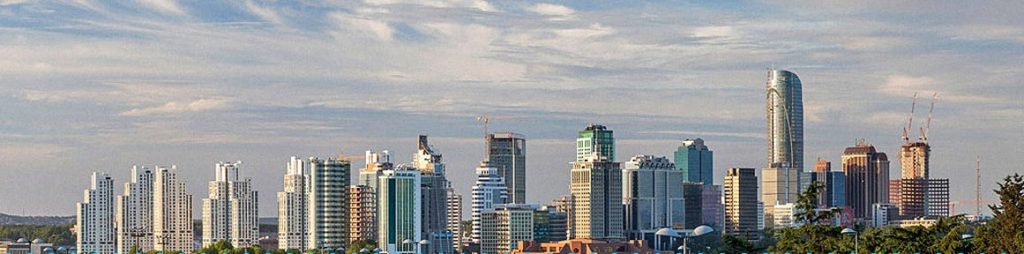
Now, stop on the lawn and look up at the skyline. Office towers of thirty and forty storeys stand a few hundred metres away, and you are sitting in a nineteenth-century imperial hunting estate with a glass conservatory full of plants.
Maslak was deep forest when these pavilions were built. Sultans came up here to hunt, to escape the city and to breathe air that the Bosphorus shore did not offer.
Today it is an island in Istanbul’s financial district, and the contrast is the most instructive thing about a visit.
- The Forest North of the City
- An Imperial Hunting Estate
- Abdulaziz and the Buildings
- The Imperial Pavilion
- The Mabeyn Pavilion and the Conservatory
- The Tent Kiosk
- Glass and Iron
- Abdulhamid Before the Throne
- After the Empire
- The Business District Arrives
- Belgrad Forest and the Water System
- Museum and Cafe
- Visiting Maslak
The Forest North of the City
North of Istanbul the land rises into forest running to the Black Sea, and for centuries this was the city’s hunting ground, water source and timber supply.
The Ottoman water system brought supplies from these hills through aqueducts and reservoirs, some of them Byzantine in origin and extended by Sinan in the sixteenth century.
Until the 1950s this was countryside. The city reached it within one generation.
An Imperial Hunting Estate
Sultans hunted here from the seventeenth century, and the estate was formalised with buildings in the nineteenth. Hunting parties involved hundreds of people, beaters, dogs and horses, and required accommodation.
The pavilions at Maslak served that function: a place to rest, eat and sleep during an expedition, rather than a palace in its own right.
Abdulaziz, who liked hunting and horses, used it most.
Abdulaziz and the Buildings
Most of the present buildings date from the 1860s and 1870s under Abdulaziz, with some elements earlier, and they were used by him and later by Abdulhamid II before his accession.
They are small, plain by comparison with the Bosphorus palaces, and built for practical use.
The complex includes the Imperial Pavilion, the Mabeyn Pavilion, the Tent Kiosk, a stable, a conservatory and service buildings.
The Imperial Pavilion
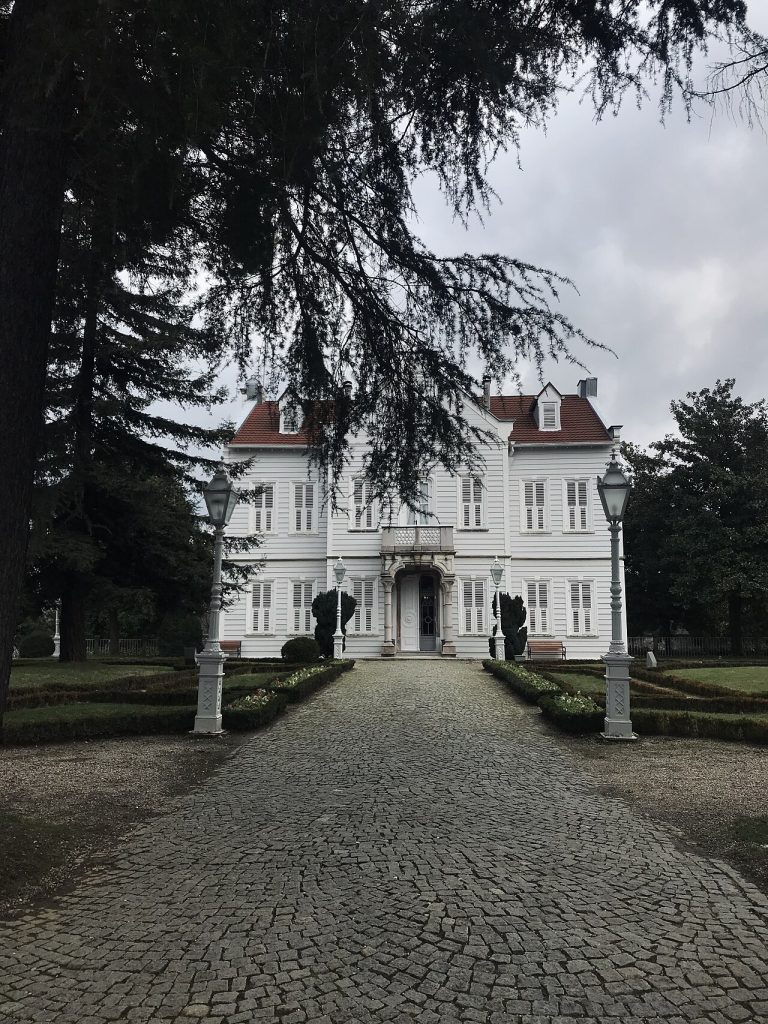
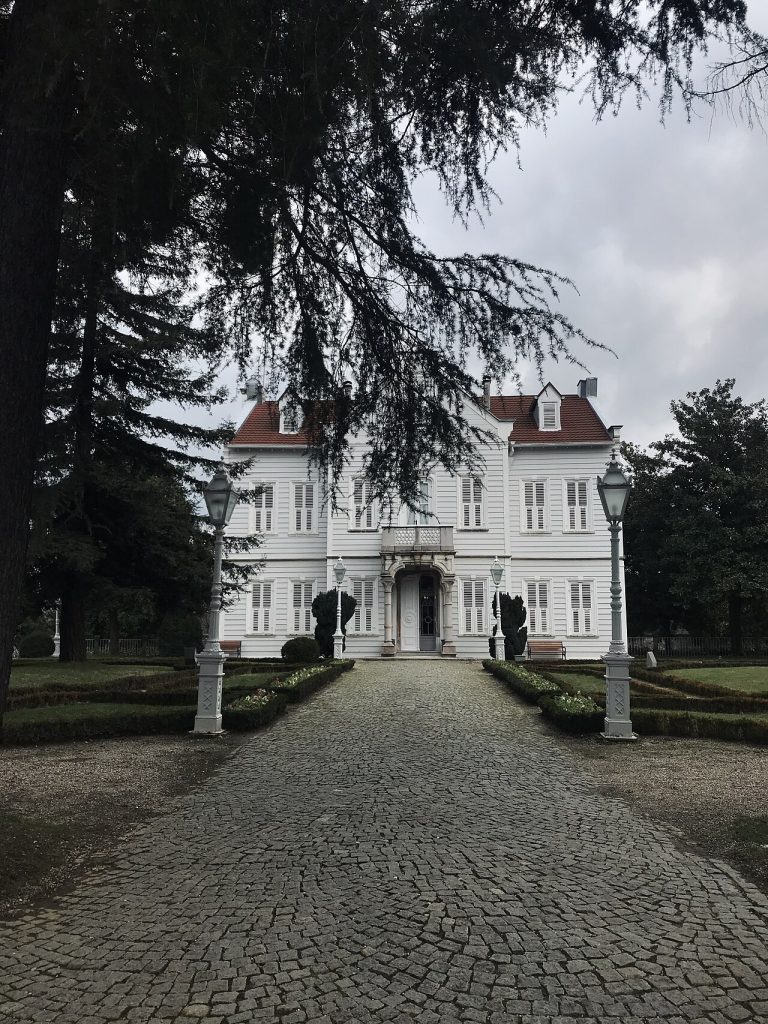
The Kasr-i Humayun, the imperial pavilion, is the main residential building: two storeys, a modest facade, rooms furnished in the style of the period with carpets, divans and European furniture mixed.
It gives a clearer picture of ordinary nineteenth-century Ottoman upper-class living than any of the grand palaces, because it was built for use rather than display.
The furniture is simpler, the ceilings lower, the rooms smaller.
The Mabeyn Pavilion and the Conservatory
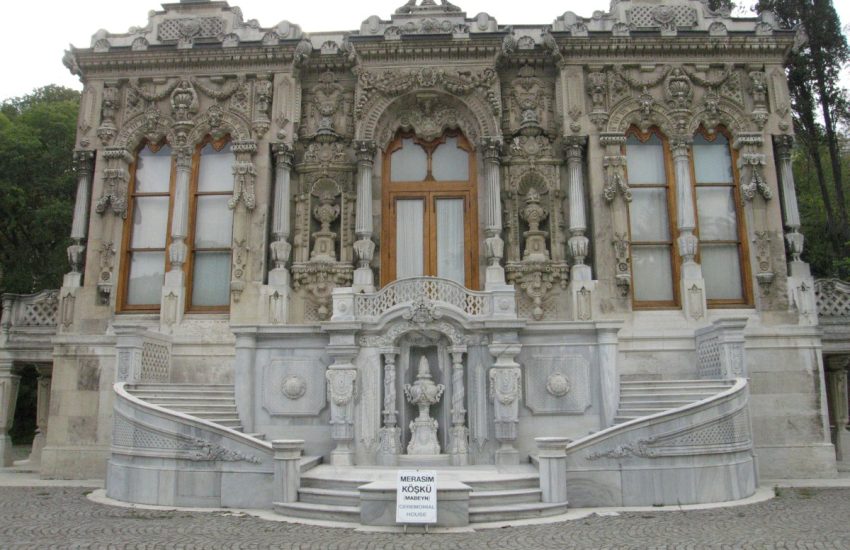
The Mabeyn Pavilion, used for receiving and administration, connects directly to a glass conservatory, so that the reception rooms opened into a space full of plants.
That arrangement, a winter garden attached to a reception room, was fashionable across Europe in the second half of the nineteenth century, and this is the best surviving Ottoman example.
The conservatory is still planted and is the highlight of the complex.
The Tent Kiosk
The Cadir Kosku, the tent kiosk, is an octagonal building with a pointed roof imitating a tent, standing apart in the grounds, used for rest and refreshment during hunts.
Tent forms recur in Ottoman architecture because the dynasty’s origins were nomadic and because tents remained in ceremonial use for centuries.
The kiosk now serves as a cafe with a view over the grounds.
Glass and Iron
The conservatory is a cast-iron and glass structure of the kind that spread across Europe after the Crystal Palace of 1851, and its presence here shows how quickly industrial building technology reached the Ottoman court.
Plants were a serious interest: palms, camellias, citrus and exotic species were collected and exchanged, as at every European court.
The pool and plantings inside have been restored and maintained.

Abdulhamid Before the Throne
Before his accession in 1876, Prince Abdulhamid spent considerable time at Maslak, living relatively quietly, reading, managing a farm and keeping away from palace politics.
Those years are often cited to explain his later behaviour: a prince who had watched two sultans deposed in one year and had reason to trust nobody.
After becoming sultan he moved to Yildiz and rarely returned.
After the Empire
After 1923 the estate passed to the state. Parts were used by the agriculture administration and for forestry, and the pavilions were neglected for decades.
Restoration came in the 1980s, and the complex opened to the public under the national palaces directorate.
The grounds were reduced as roads and development took land around them.
The Business District Arrives
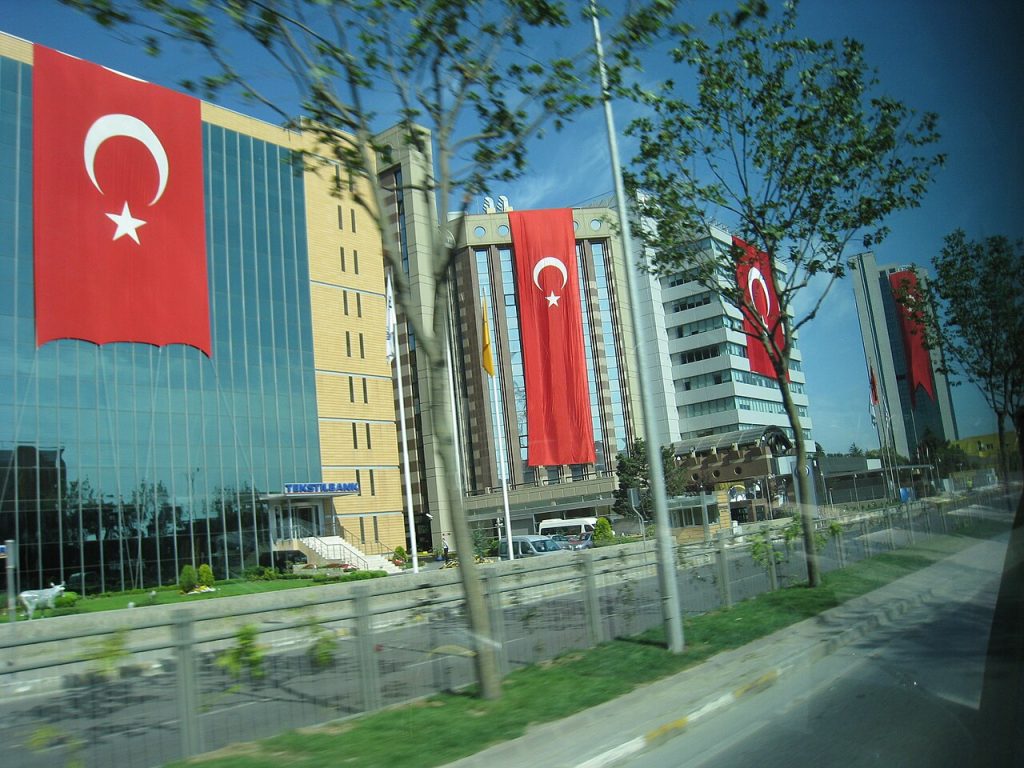
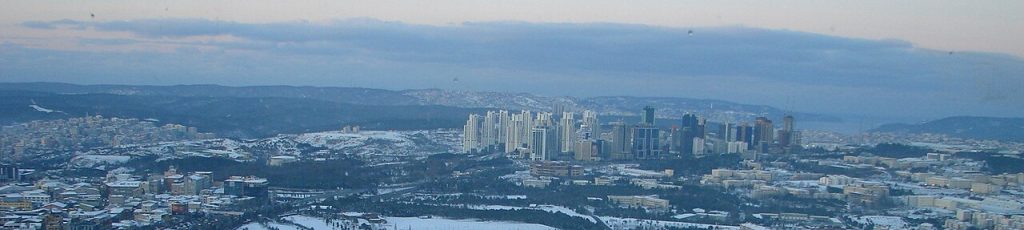
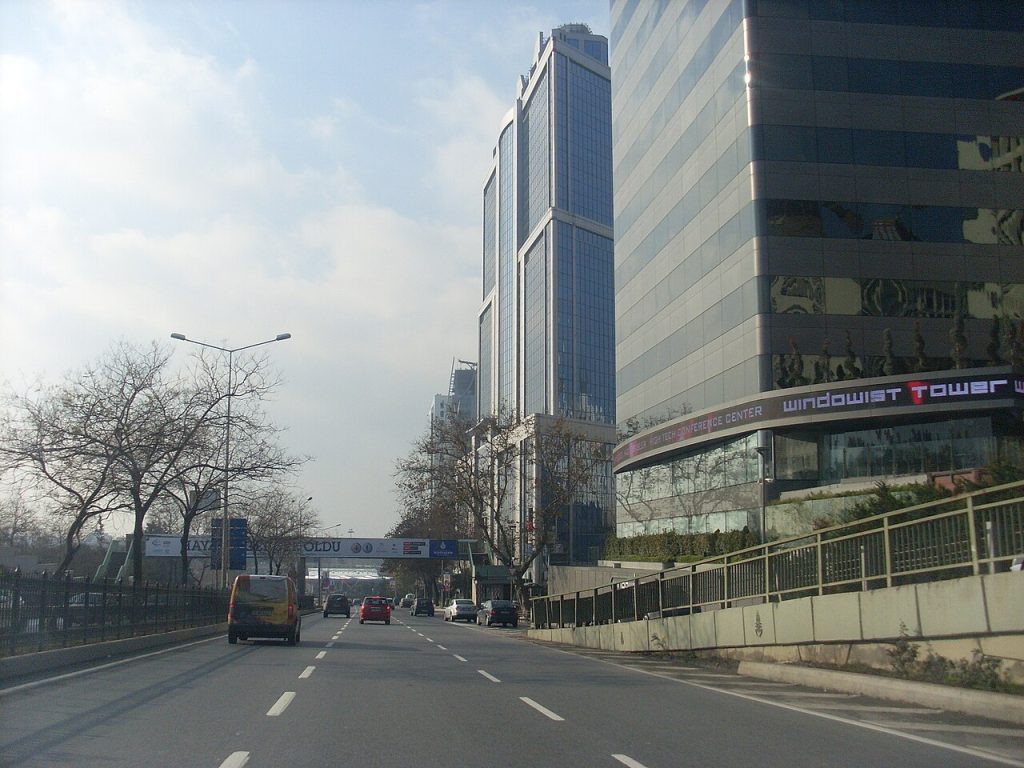
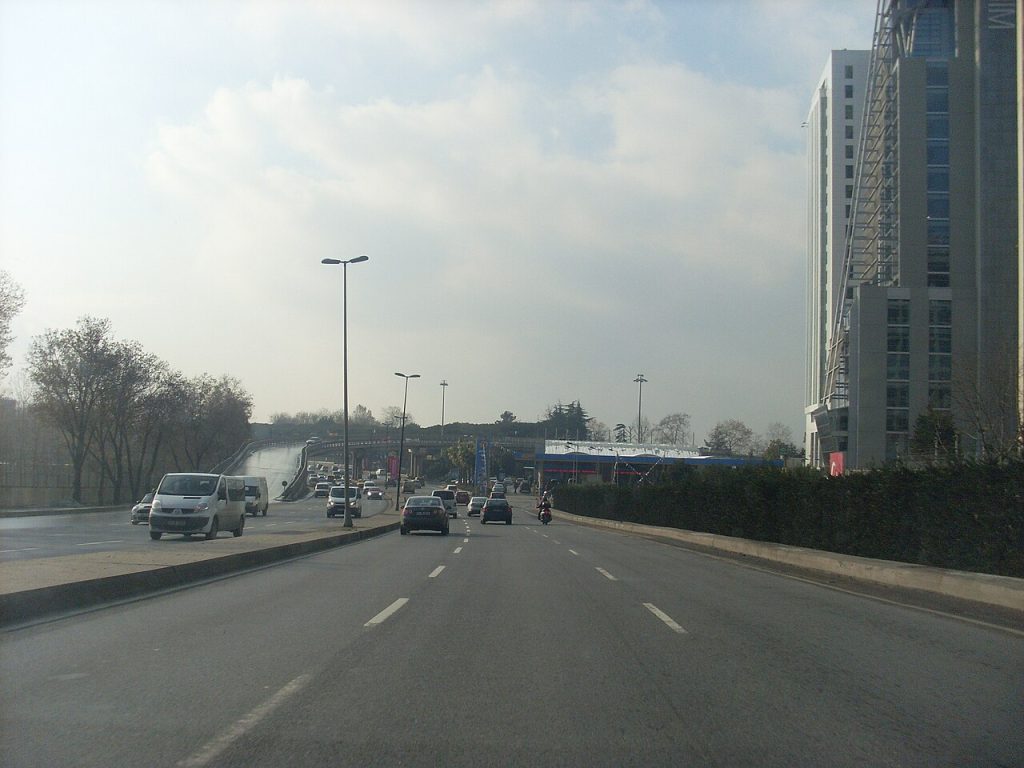
From the 1980s Maslak became Istanbul’s financial district, with banks, corporate headquarters and some of the tallest buildings in the country rising within sight of the pavilions.
The estate survives as a walled green island, and the juxtaposition is startling: imperial hunting lodge, glass conservatory, forty-storey tower.
It is the clearest demonstration in the city of how fast Istanbul grew in the late twentieth century.
Belgrad Forest and the Water System
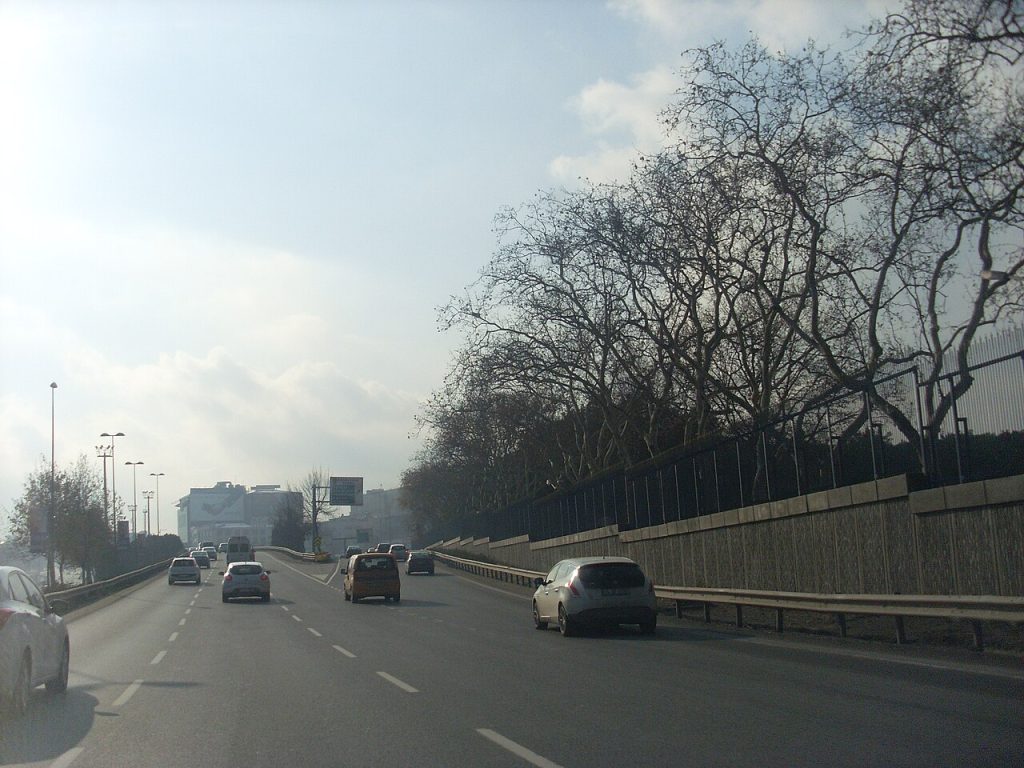
North of here lies Belgrad Forest, the surviving block of the old woodland, with Ottoman aqueducts and dams built by Sinan and his successors to supply Istanbul with water.
The Mahmud II dam, the Sultan Suleyman aqueduct and others stand among the trees and are reachable on foot.
A day combining the pavilions and the forest explains why the court came north in the first place.
Museum and Cafe
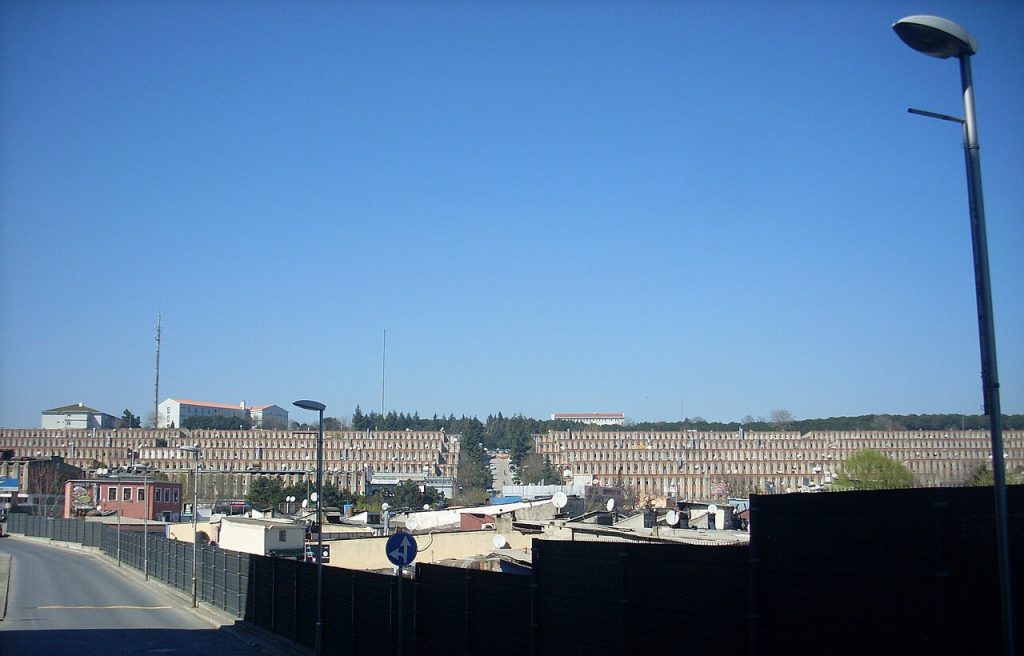
Today the pavilions are open as a museum, the conservatory is planted, and the tent kiosk serves as a cafe. Weddings and events are held in the grounds.
Visitors are few compared with the Bosphorus palaces, and on a weekday it can feel private.
It is also one of the few places in the business district where you can sit outside without traffic.
Visiting Maslak
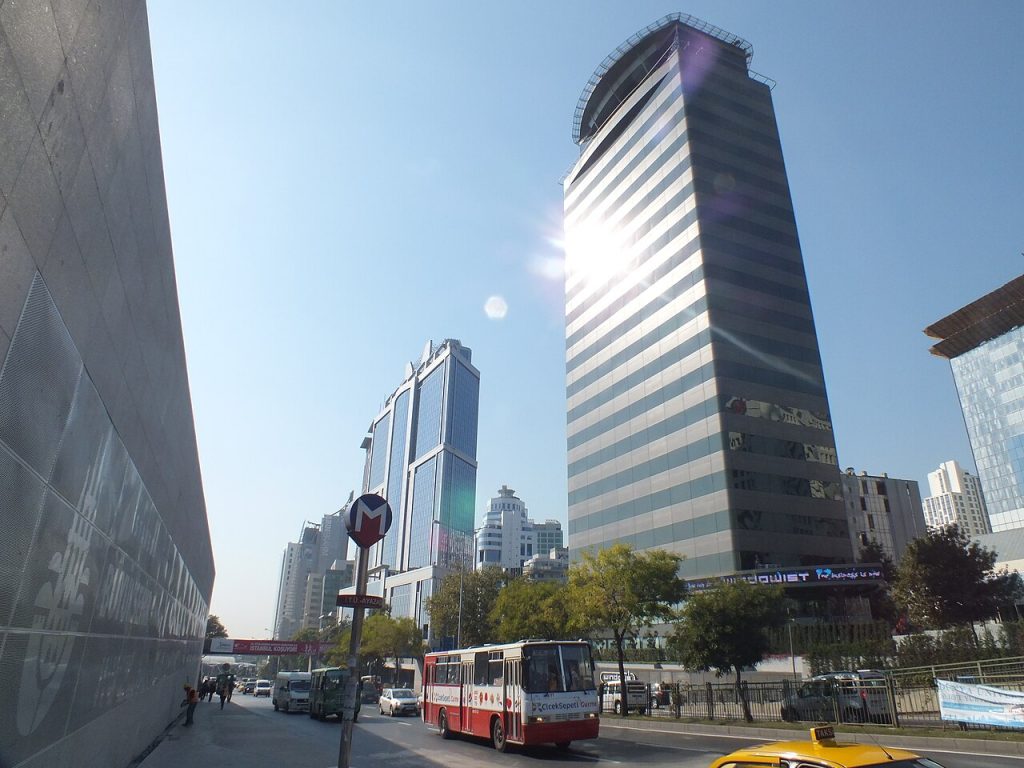
The metro reaches Maslak directly, and the entrance is on the main road. Allow an hour for the pavilions and the conservatory.
Combine it with Belgrad Forest to the north or with Emirgan Park on the Bosphorus, which is at its best during the tulip festival in April.
Stand in the conservatory doorway and look out toward the towers. Two Istanbuls meet exactly there.
Watch the Pavilions on Film
Visiting the Maslak Pavilions Today
The Maslak Pavilions stand on Buyukdere Avenue in the Maslak business district, a short walk from the metro and about twenty-five minutes from Taksim outside rush hour.
They open as a museum under the national palaces directorate, closed on Mondays, with ticketed entry covering the pavilions, conservatory and grounds; the tent kiosk cafe is open to visitors.
Allow an hour or two, and combine it with Emirgan Park or Belgrad Forest. Find it here: https://www.google.com/maps?q=41.1092,29.0197
Palaces Nearby
You May Like
Aynalikavak Pavilion and the Last Ottoman Garden Palace