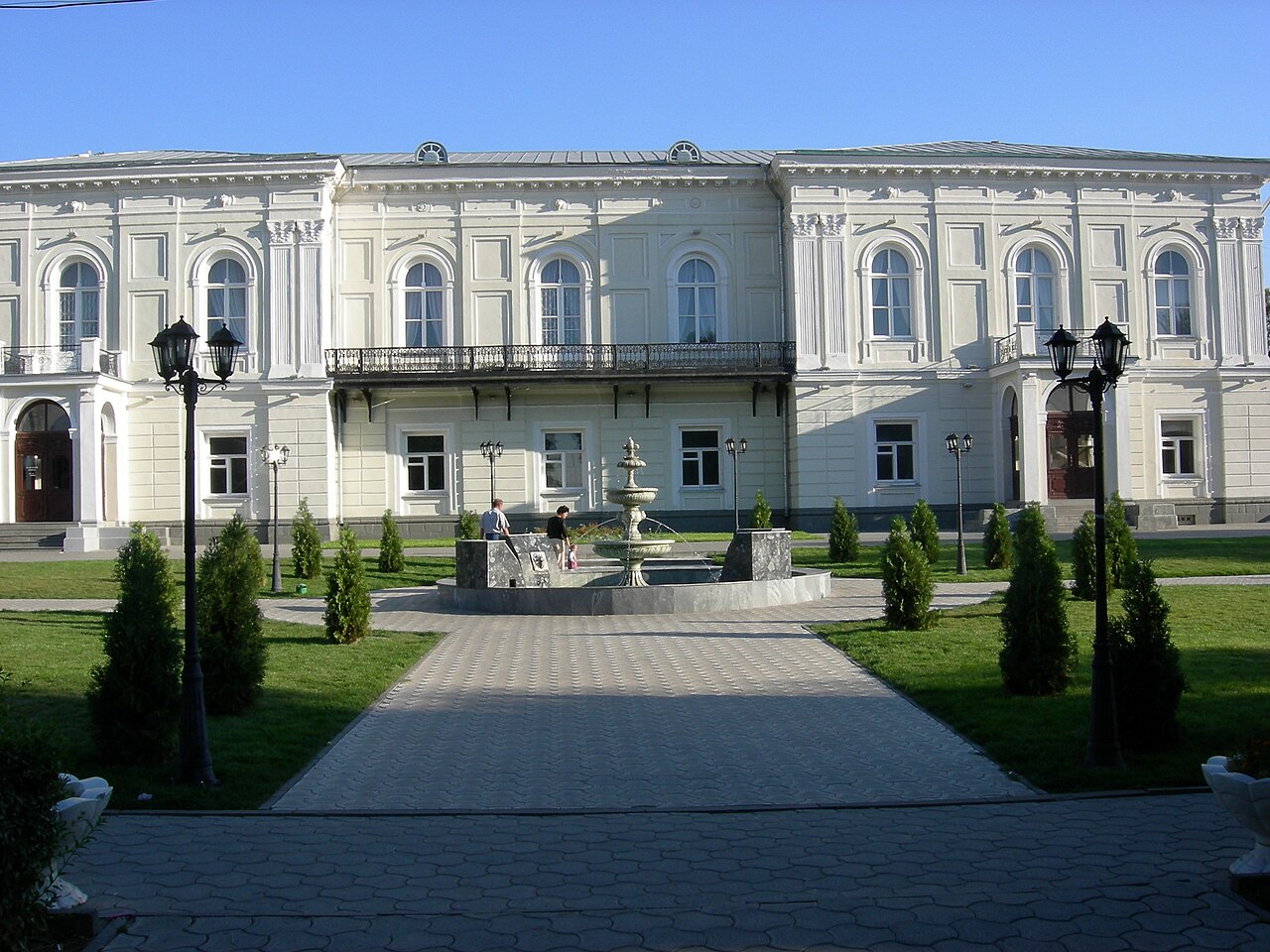
On a steppe hill between two rivers in southern Russia stands a city built like a capital for a nation that was never quite a nation: broad radial avenues, triumphal arches raised for an emperor’s visit, one of the largest cathedrals in the country, and, facing its square, a dignified classical palace with a history out of all proportion to its size. The Atamans’ Palace of Novocherkassk was the official residence of the atamans of the Don Cossack Host, the elected-then-appointed chiefs of the empire’s most famous warrior people, and the house where Russian emperors stayed when they came to the Don as the Host’s own supreme atamans.
The palace watched the whole arc of Cossack history under the empire and after: the Don’s golden service decades, when its regiments were the tsar’s sabre from Paris to the Pamirs; the visits of emperors who put on Cossack uniform at the city’s arches; and the catastrophe after 1917, when the Don became the White movement’s cradle, and the palace’s rooms saw the civil war’s opening tragedies, including the gunshot with which an ataman ended his life when his world refused to rally.
This guide tells the Don’s story through its palace: the Cossacks and their strange liberty, the founding of the new capital by the legendary Platov, the architecture of a steppe Petersburg, the emperors’ sojourns and the Host’s rituals, the revolution, Kaledin’s death and the Whites’ exodus, the Soviet decades and the 1962 shadow over the city’s name, and the museum that now holds the atamans’ rooms, with practical advice for reaching Russia’s most complete Cossack ensemble.
- The Don Cossacks and Their Liberty
- From Freebooters to the Tsar’s Sabre
- Platov and the New Capital
- A Steppe Petersburg
- Building the Atamans’ Palace
- The Palace’s Rooms and Regalia
- Emperors on the Don
- The Heir as Ataman
- The Second Sun of the Don
- Kaledin’s Shot
- Cradle of the White Movement
- Decossackization and the Soviet City
- The Palace as Museum
- Watch the Atamans’ Palace on Film
- Visiting the Atamans’ Palace Today
- Palaces Nearby
The Don Cossacks and Their Liberty
The Cossacks began as the steppe’s free men: runaway peasants, adventurers, and frontier fighters who settled the no-man’s rivers between Muscovy and the Tatar world from the fifteenth century, living by fishing, raiding, and war, and governing themselves by the krug, the general assembly that elected atamans and judged by shouted consensus. The Don Host, oldest and greatest of the Cossack communities, held its river as the tsar’s turbulent, indispensable shield.
Their liberty was real and bloody: the Don gave Russia its greatest rebels, Stenka Razin in the 1670s and Yemelyan Pugachev a century later, both Don Cossacks who raised the river against Moscow, and the state’s answer alternated punishment with purchase. The old formula, no extradition from the Don, fell; the krug’s powers passed to appointed atamans after the Host backed the wrong rising once too often; by Catherine’s age the Don was a military estate, its liberty traded for land, privilege, and perpetual service.
What survived the taming was identity: the Host’s lands as a separate province under military law, every Cossack male a soldier from adolescence with his own horse and gear, the stanitsa villages’ self-rule, and the fierce corporate pride, Orthodox, monarchist, and apart, that made the word Cossack mean, across Europe, both terror and romance. The palace’s story is this bargain’s story, the free men’s capital built around an appointed chief’s residence.
From Freebooters to the Tsar’s Sabre
The service centuries made the Don legendary. Cossack regiments screened every Russian army from the Swedish wars to the world war: light cavalry without equal for reconnaissance, pursuit, and the raid, fifty-plus Don regiments at a time in the empire’s wars, with their pikes and whooping charges entering every European memoir of fighting Russia. Napoleon’s marshals rated them the campaign of 1812’s most dangerous enemy; Napoleon himself, by the famous remark, wished for Cossacks of his own to conquer the world with.
The year 1812 was the Don’s apotheosis: the Host raised a mass levy, its regiments harried the Grande Armee’s retreat into legend, and ataman Matvei Platov became a European celebrity, feted in London, given an Oxford doctorate, his portrait hung beside Wellington’s. The trophies and banners of those campaigns would furnish the future capital’s cathedral and the palace’s halls, the Host’s glory becoming, literally, its interior decoration.
The price was constant blood and the militarization of a whole people: every Don family equipped its sons at its own cost for four years’ active and a lifetime’s reserve service, from the Caucasus lines to Central Asia, the Balkans, Manchuria. By 1914 the Don fielded over a hundred thousand sabres for the last war the old Host would fight; the palace on the square was the headquarters of, in effect, a nation in uniform.
Platov and the New Capital
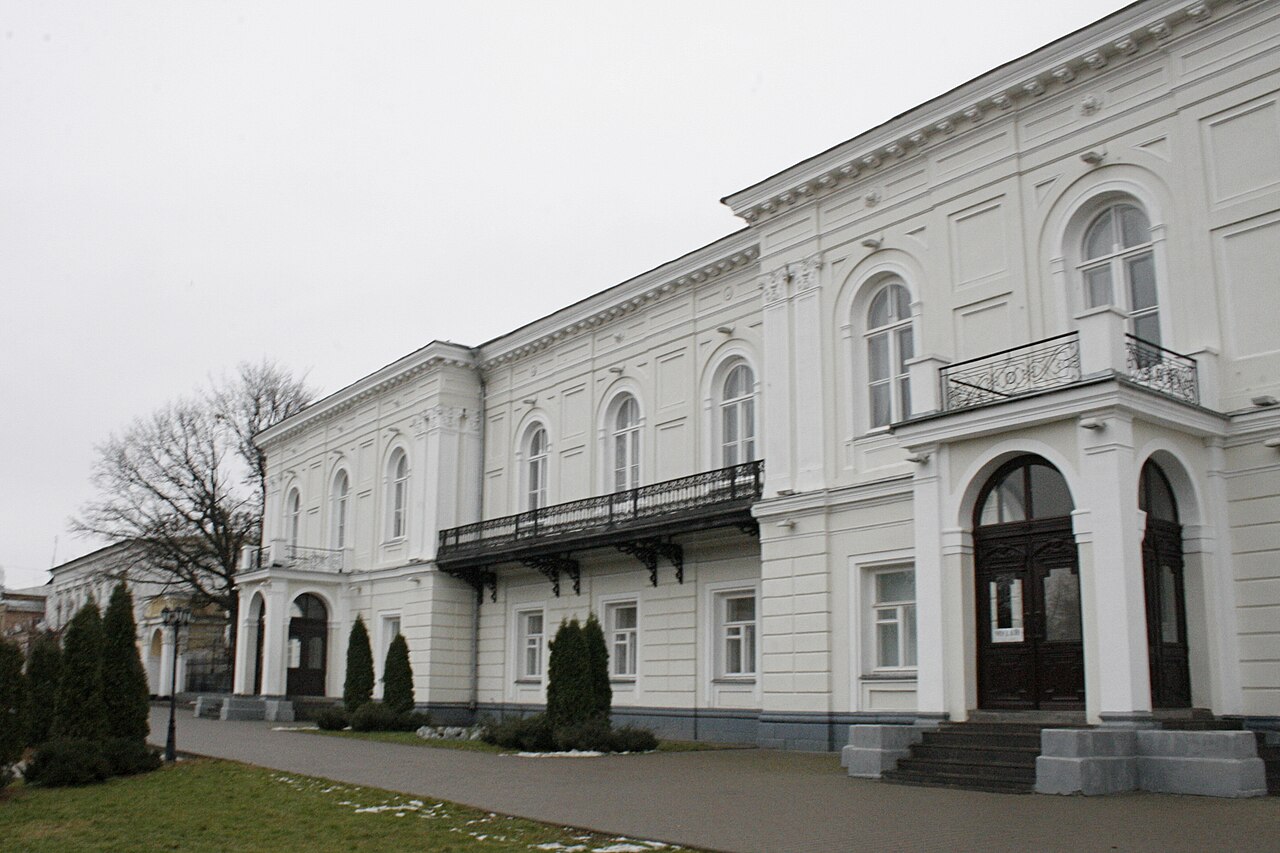
The city itself was Platov’s decision. The Host’s old capital, Cherkassk on the lower Don, drowned yearly in the spring floods, its wooden lanes rotting on their piles; ataman Platov, over bitter traditionalist opposition, obtained imperial consent to move the capital to high ground, and on Ascension Day 1805 the new city, New Cherkassk, was founded on the Aksai hill with processions, cannon, and the transfer of the Host’s regalia.
The planner was remarkable: Franz de Volan, the Dutch-born engineer who had laid out Odessa, drew for the Cossack capital a radial-grid plan of avenues wider than Petersburg’s, converging on circular squares, a little ideal city of the Enlightenment set down on the steppe. Old Cherkassk’s families resisted the move for decades, and the empire’s wars delayed everything, but the plan held, and modern Novocherkassk still drives down de Volan’s hundred-meter prospects.
Platov died in 1818, the capital’s churches and palaces mostly paper; his remains, after Soviet-era desecrations and wanderings, rest now in the cathedral’s crypt he never saw built, and his equestrian statue fronts the palace square. The city honors him as founder-hero with the airport, the university, and the anniversaries bearing his name, the freebooters’ descendant who built the steppe a Petersburg.
Building the Atamans’ Palace
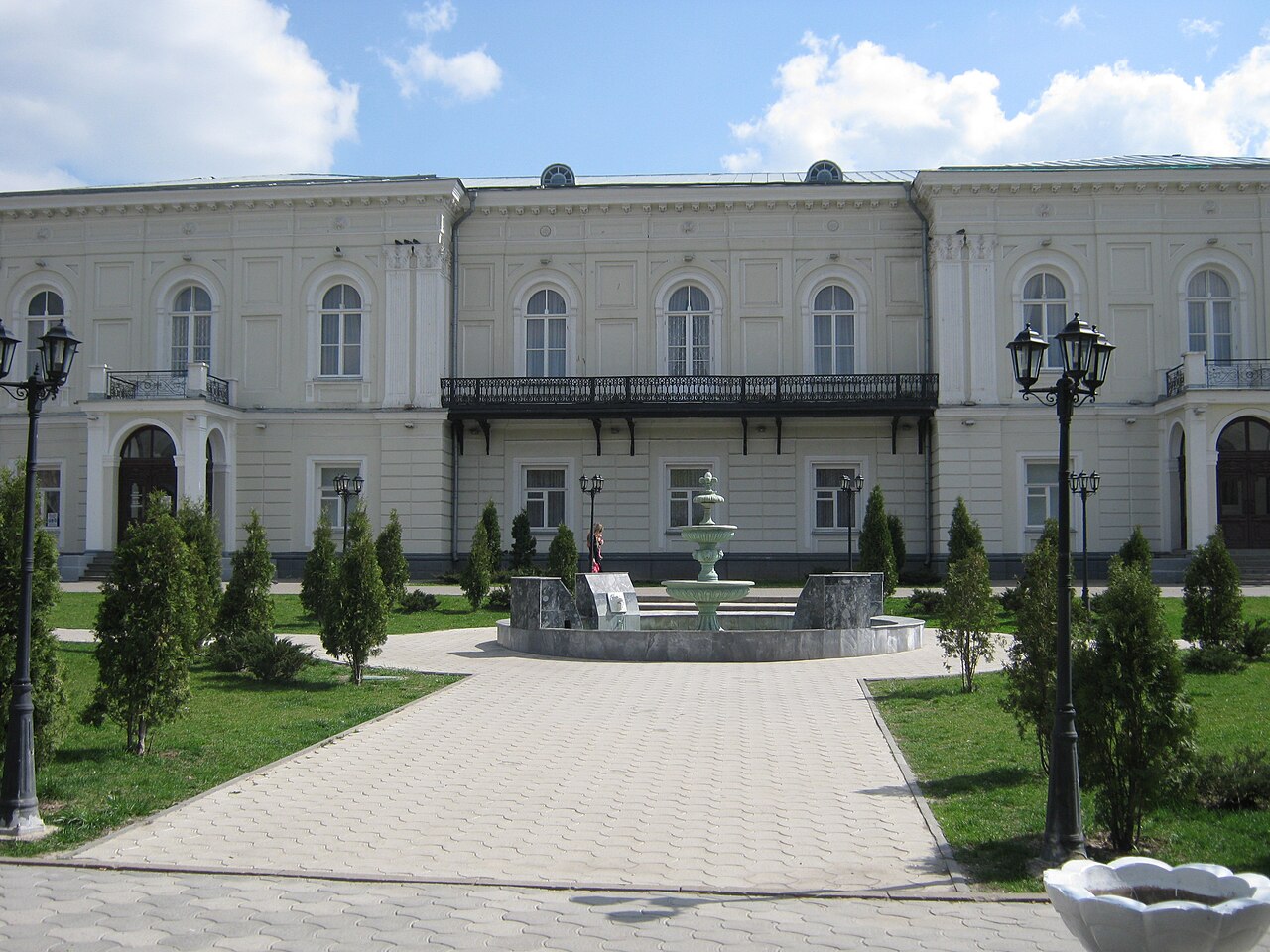
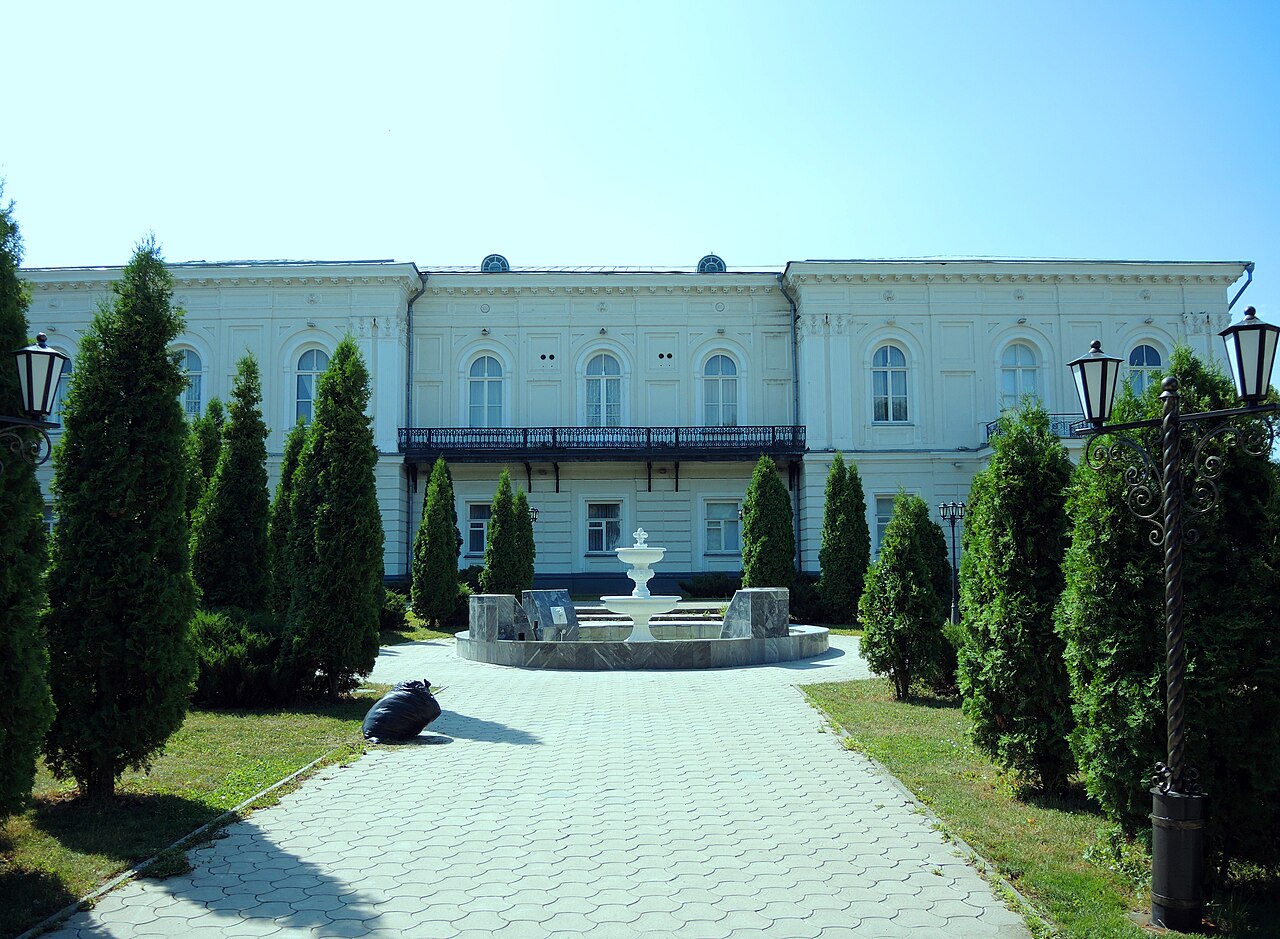
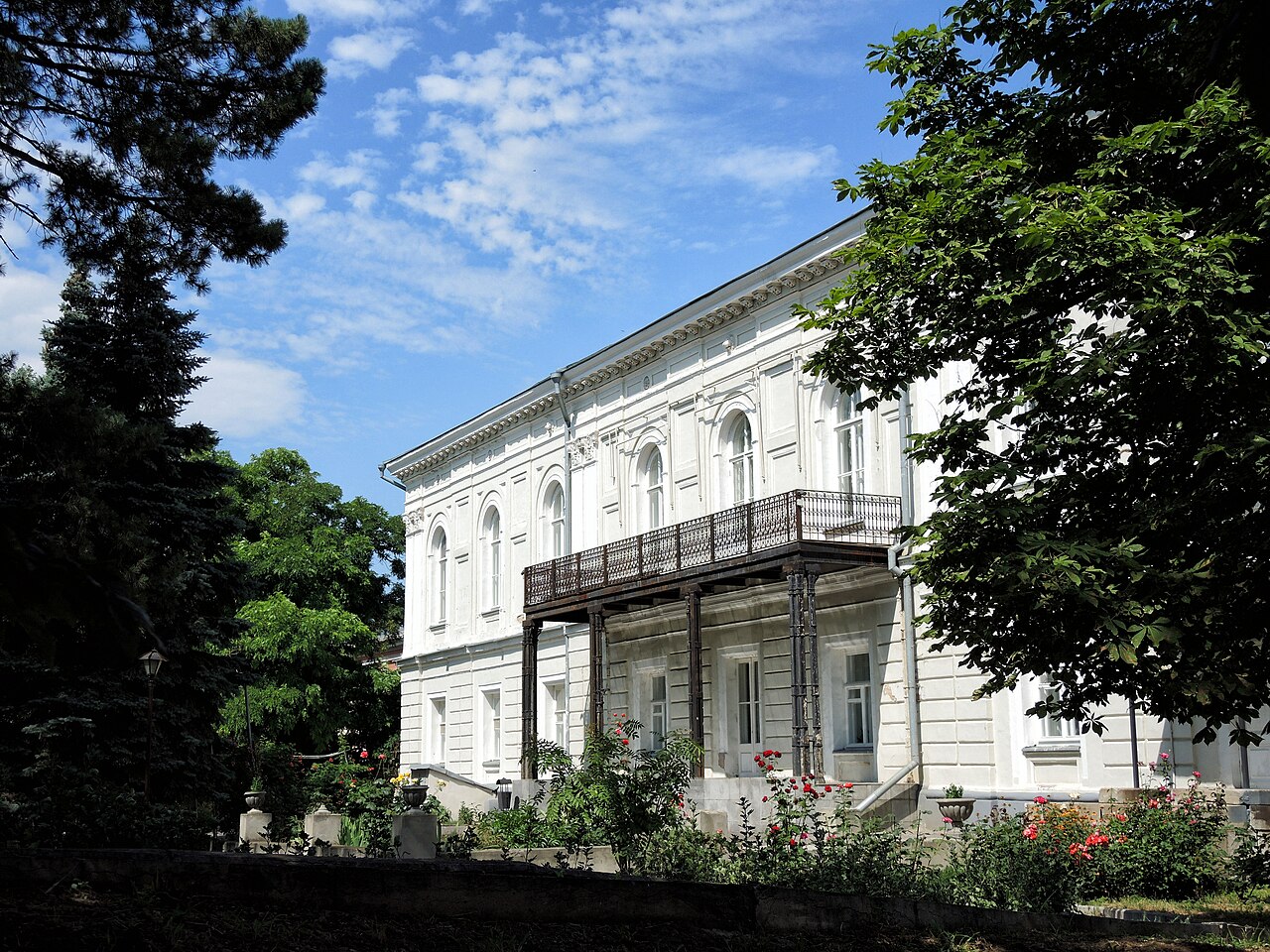
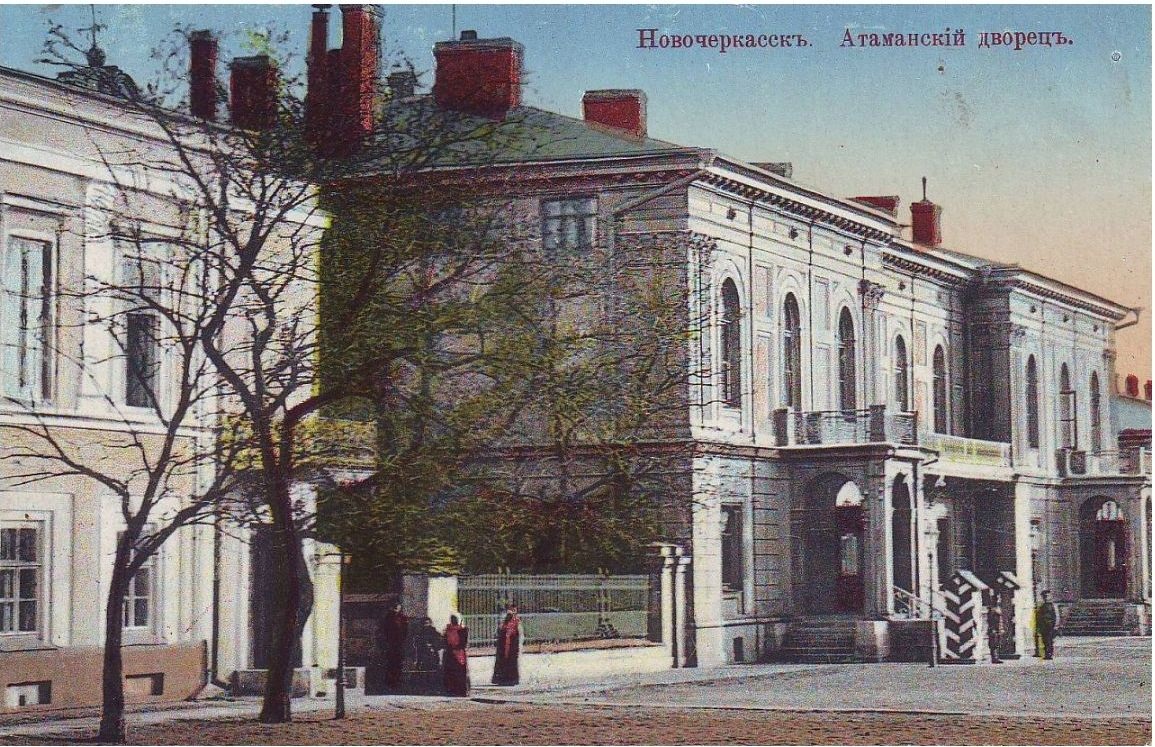
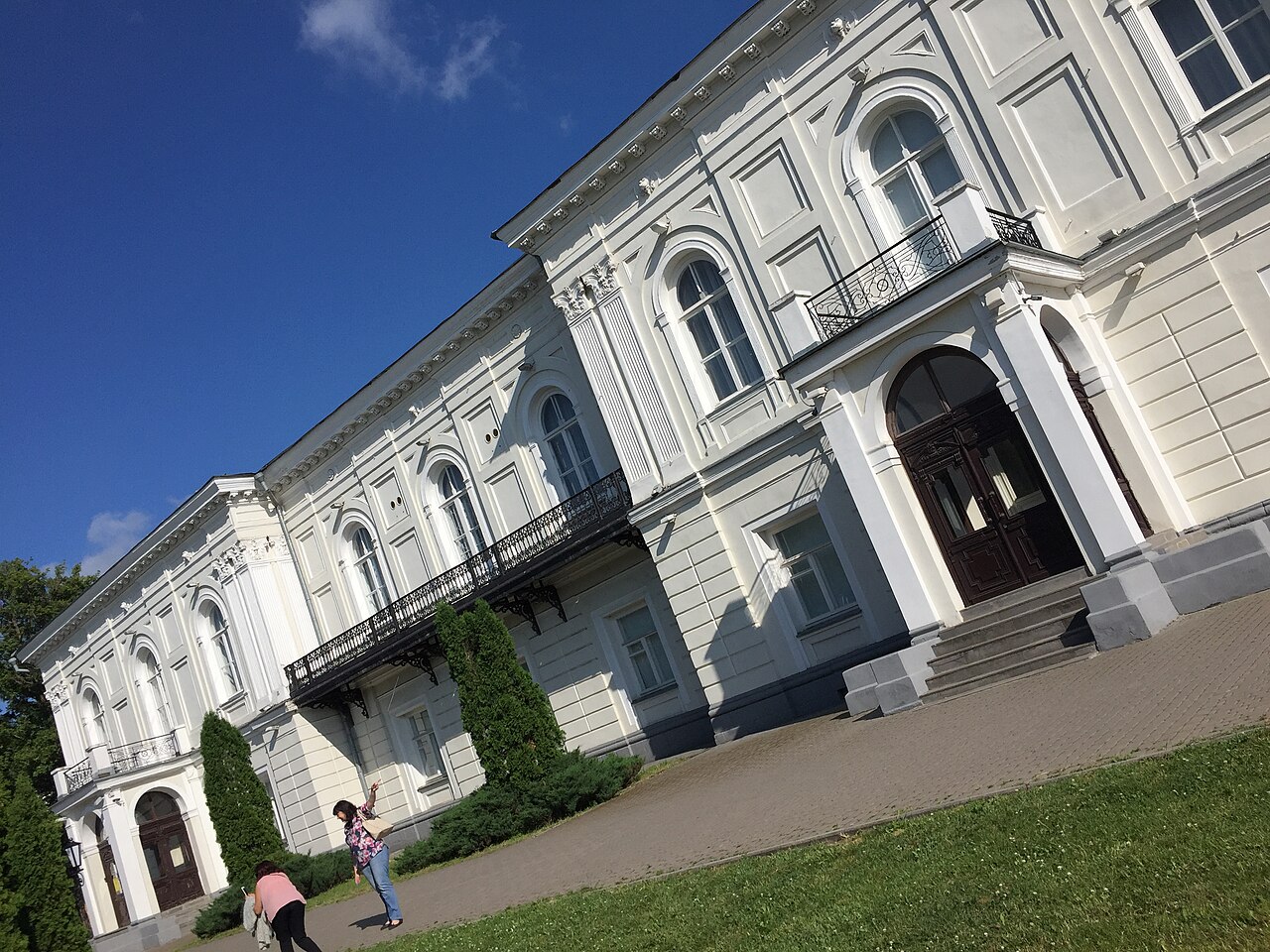
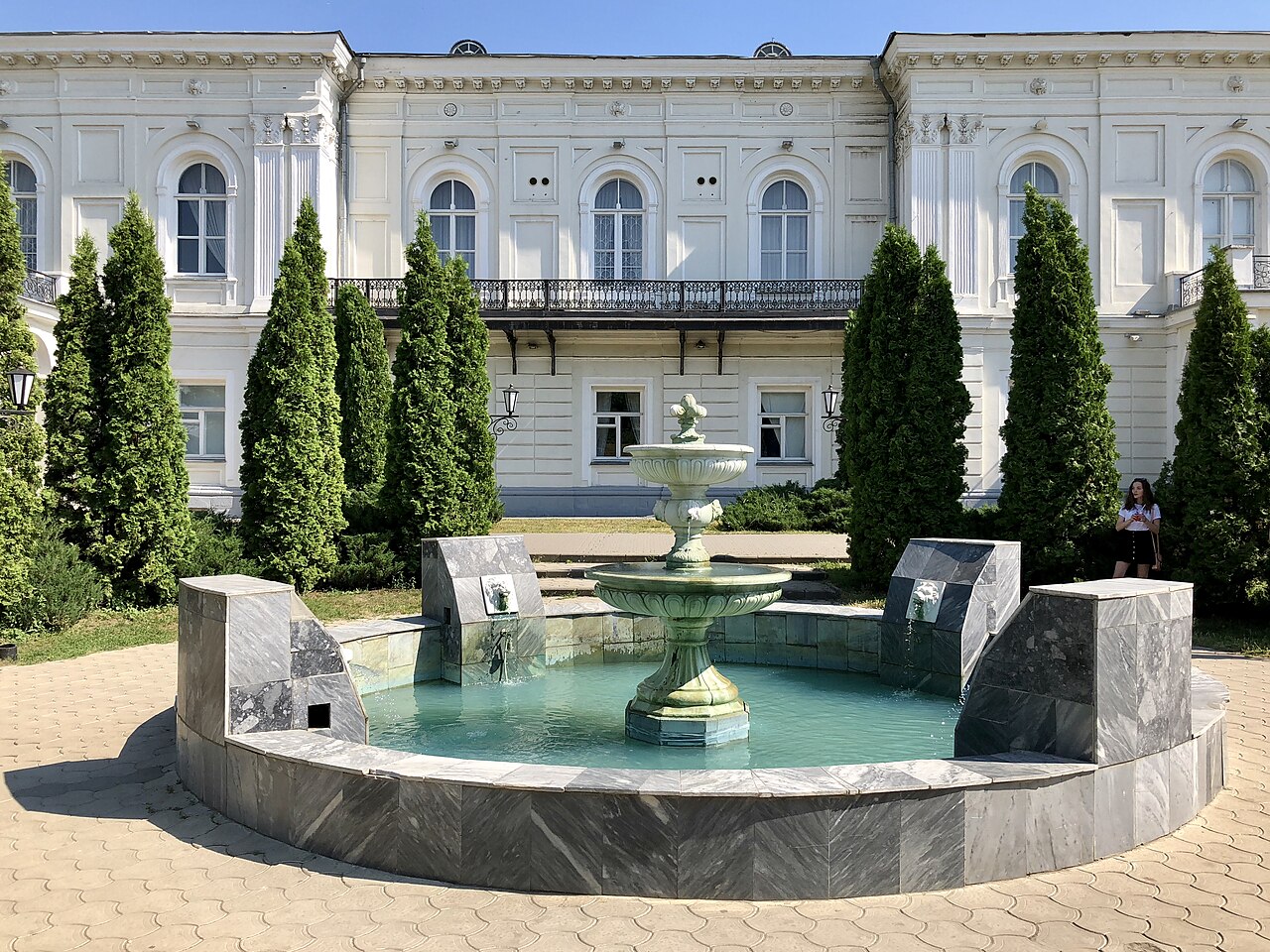
The residence came at mid-century, as the capital matured: the Atamans’ Palace rose in 1863 to the design of the architect Ivan Valprede, a dignified two-story classical block with a rusticated ground floor, arched windows, and a balustraded attic, facing the cathedral square across the young city’s heart, official home for the Host’s appointed ataman, his chancellery, and the receptions of a military province’s capital.
The building’s scale tells the Don’s constitutional truth: it is a governor’s mansion, not a sovereign’s seat, because after 1827 the supreme atamanship of all Cossack hosts belonged, by law, to the heir to the imperial throne himself, the tsarevich, with the Don administered by his deputies, the appointed war atamans who lived here. The palace was thus, in title, the local house of the future emperor, which dictated both its imperial apartments and its ceremonial weight.
Around it the ensemble completed: the chancellery and officers’ assembly, the Host’s archive and museum of regalia founded in the 1890s, the guards’ quarters, and the square’s monuments, Platov first, with the palace garden behind, descending toward the steppe views. By 1900 the ensemble photographed as what it was, a miniature capital’s government quarter, Cossack sabres at classical doors.
The Palace’s Rooms and Regalia
Inside, the palace kept the Host’s double ceremony: the atamans’ working floor, study, chancellery, reception hall where stanitsa delegations and foreign guests were received under portraits of atamans past, and the imperial suite above, maintained permanently for the sovereign’s and heir’s visits, bedrooms, drawing rooms, and the balcony over the square from which emperors showed themselves to the Host.
The rooms’ treasure was the regalia: the Don’s accumulated sacred objects, the pernach and bulava maces of atamans’ authority, banners from the Azov siege and the Napoleonic wars, jeweled sabres, imperial charters on parchment granting and confirming the Host’s rights, paraded on the great feasts in circles of guards from palace to cathedral, the Host’s constitution in objects. Their survival story is itself Cossack history: evacuated with the Whites in 1920, kept by emigre custodians in Belgrade and beyond, partly returned in the 2000s to the city’s museum.
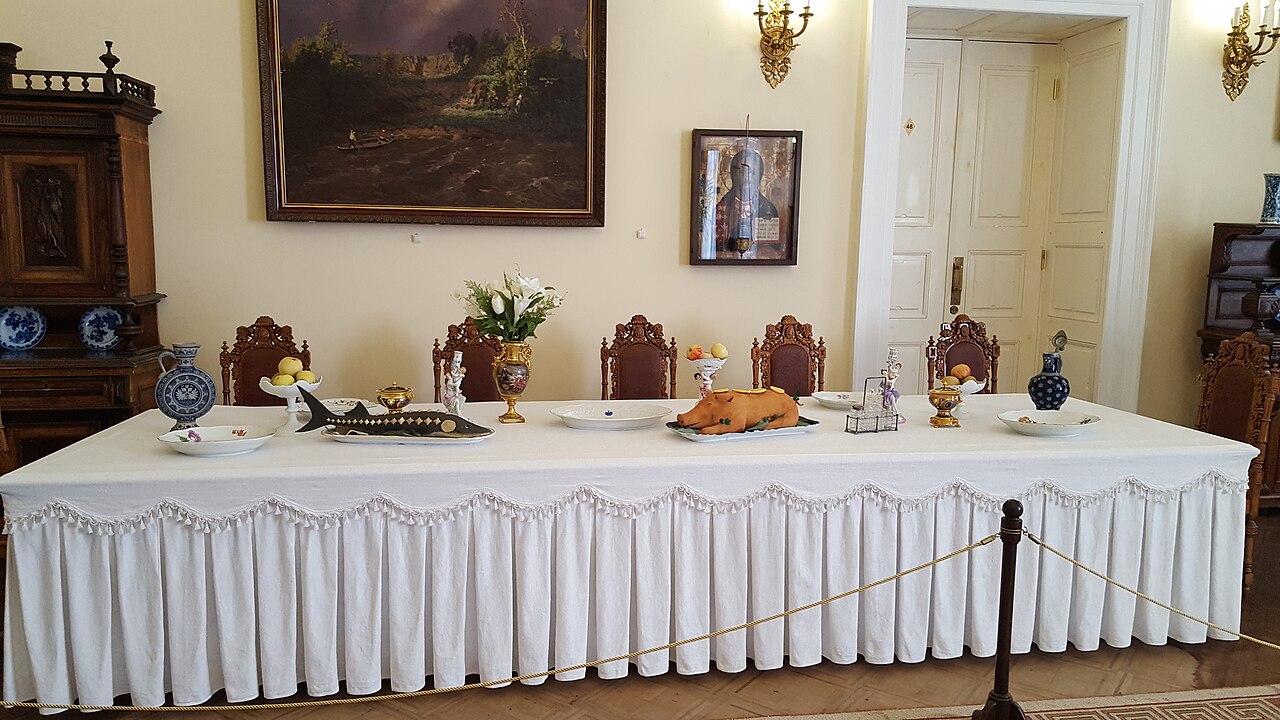
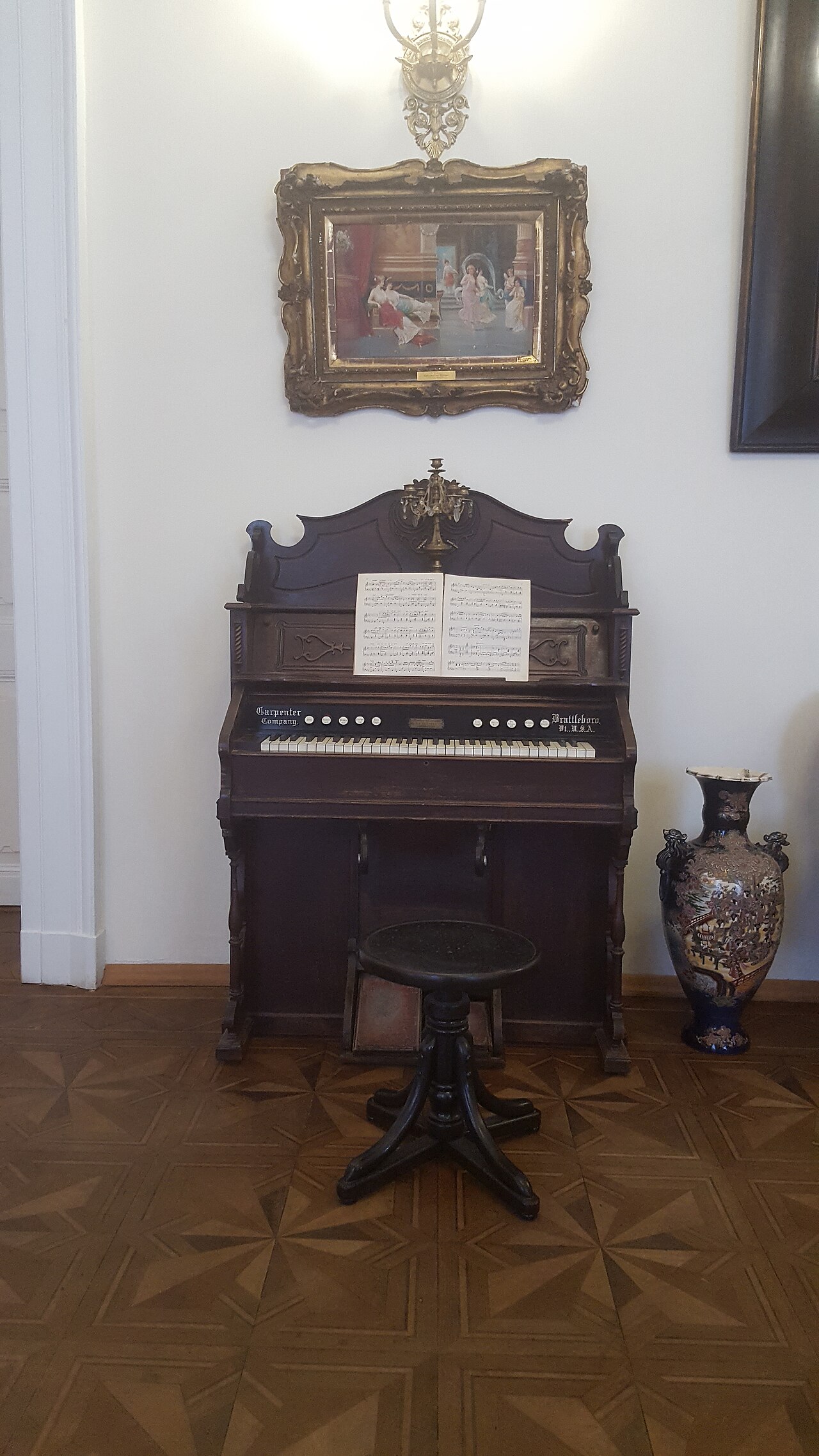
Restorers have returned the palace’s state rooms to their 1910s appearance, hall, dining room, the ataman’s study, the imperial bedrooms, furnished from the museum’s collections, with the atamans’ portrait line and the regalia exhibitions giving the little palace a density of meaning per room that its grander northern cousins might envy.
Emperors on the Don
Imperial visits were the palace’s high holidays, and the Don staged them as covenant renewals: the sovereign arriving to his Host, met at the triumphal arches, Platov had built two in 1817 for Alexander I, on different roads, legend says, because no one knew which the emperor would take, receiving bread and salt, reviewing the regiments, and residing in the palace whose balcony appearances the crowds counted as the visit’s heart.
Alexander II came as reformer, confirming privileges amid the era’s anxieties; Alexander III brought the heir Nicholas in 1887, the future last emperor seeing his Host as a boy; Nicholas II returned as sovereign in 1914, war already burning, to bless the mobilized regiments, the palace’s last imperial residence, photographed, the Host’s cavalry parting before the motorcade on the avenue that today bears Platov’s name.
Each visit deposited objects and memory in the palace, gifts, portraits, the rooms’ very arrangement, and the museum curates the sequence as the Don’s own chronicle of the dynasty it served to the end: the Host’s oath ran to the person of the emperor-ataman, a bond whose breaking in 1917 would tear the Don’s world apart in the palace’s own rooms.
The Heir as Ataman
The supreme atamanship of the tsarevich, instituted by Nicholas I in 1827, made every heir to the Russian throne the titular chief of all Cossack hosts from boyhood, with the Don, as senior Host, holding the relationship’s center: the heirs’ names on the Host’s rolls, their Cossack uniforms and escort sotnias, their majority celebrated on the Don as a dynastic feast, and the palace at Novocherkassk keeping their apartments as the atamanship’s physical seat.
The custom bound the dynasty’s children to the Cossack myth, the future Alexander III drilled with Cossack units, the last tsarevich Alexei appeared, hemophilia and all, in the miniature uniform of the Host whose ataman he was, photographs the Don treasured, and bound the Host, fatally, to the dynasty’s person: when the throne vanished in March 1917, the Cossack world lost not merely a government but its oath’s object, the constitutional shock behind the year’s disintegration.
The palace displays the relationship’s relics, the heirs’ portraits in Cossack dress, the ceremonial maces sent and received, as the prelude to its darkest room, because the atamanship the revolution orphaned returned where it had begun, to election by the krug, in the palace’s halls in the summer of 1917, with a cavalry general named Alexei Kaledin accepting, reluctantly, the first elected atamanship since Peter’s age, and history’s bill arriving within months.
The Second Sun of the Don
Across the square from the palace rises the building that dwarfs it and completes it: the Ascension Military Cathedral, the Don Host’s own temple, third attempt on the site after two nineteenth-century collapses, finished in 1905 in neo-Byzantine splendor, among Russia’s largest churches, its gilded domes visible for dozens of steppe kilometers, the second sun of the Don in the Host’s own phrase.
The cathedral is the Host’s reliquary: the crypt holds Platov and the Don’s other paladins, reinterred with honors, the walls carry the campaign murals and the marble boards of the regiments’ battle honors, and the building’s restoration since the 1990s, domes regilded, the crypt’s desecrations repaired, returned the ensemble’s liturgical heart; palace and cathedral again perform the old choreography on the Host’s feasts, regalia circling the square between them.
For the visitor the pairing is the city’s lesson in one view: the modest palace of the Host’s government and the colossal church of its dead, administration and memory in correct Cossack proportion. Evening light on the domes, with the palace’s classical front in shadow below, is Novocherkassk’s defining picture and the natural end of any walking day.
Kaledin’s Shot
The palace’s darkest hour has a date: 29 January 1918 by the old calendar. Ataman Kaledin, the Don’s elected chief, had refused the Bolshevik coup and offered the Don as Russia’s rallying ground, but the exhausted front-line Cossacks would not fight, the volunteers were few, Rostov and the railways were falling, and at the morning council in the palace Kaledin announced that only a hundred and forty-seven bayonets stood ready, that further resistance meant useless blood, and that he resigned an office he could no longer honor.
Within the hour, in his palace rooms, Kaledin shot himself through the heart. His suicide note to the Host blamed his failure on their fatal apathy; his funeral filled the cathedral while the Red advance closed on the city, and the shot, in White memory, became the civil war’s tolling bell, the honorable old Russia declaring itself bankrupt in its most loyal province. The palace preserves the room and the account; guides lower their voices there without instruction.
History’s irony followed within weeks: the Don that would not rise for Kaledin rose furiously that spring against Red requisitions, and the civil war’s southern epic, the one Sholokhov’s Quiet Don would give to world literature, ran for two more years with Novocherkassk as its contested capital, atamans succeeding in the palace, Krasnov’s German-backed Don state, Bogaevsky’s retreat, until the evacuation of 1920 carried the Host’s government, and its regalia, into exile.
Cradle of the White Movement
Around Kaledin’s tragedy the palace hosted the White movement’s birth: through the winter of 1917 to 1918 Novocherkassk sheltered the escaped generals of the old army, Alekseev, Kornilov, Denikin, organizing in the city the Volunteer Army, a few thousand officers and cadets whose Ice March into the Kuban steppe after the Don’s collapse became the movement’s founding legend; the palace’s anterooms saw the quarrels and prayers of that founding, the old empire’s last staff meeting in miniature.
The Don under ataman Krasnov in 1918 made Novocherkassk briefly the capital of a quasi-state, the All-Great Don Host, with its own currency, anthem, and parliament sitting while Sholokhov’s war burned through the stanitsas; the palace functioned as a head of state’s residence for the last time, receiving German and Allied missions by turn as the southern front’s politics spun.
The end came in January 1920 with the Red cavalry; the Host’s institutions, archive, and tens of thousands of its people went through Crimea into the emigration’s long roads, Lemnos, Belgrade, Paris, where Don atamans-in-exile kept the title alive for decades. The palace they left became a Soviet administrative building, and the city began a half-century as the former capital of a suppressed word.
Decossackization and the Soviet City
Soviet power’s first Don decade was punitive: the 1919 decossackization directive licensed mass terror against the Host’s people, executions, deportations, the word Cossack itself suspect, and Novocherkassk was systematically decapitalized, institutions removed to Rostov, the cathedral closed and its crypt desecrated, the palace given to the city soviet and the pioneers, the regalia’s empty cases standing in the museum like reproaches.
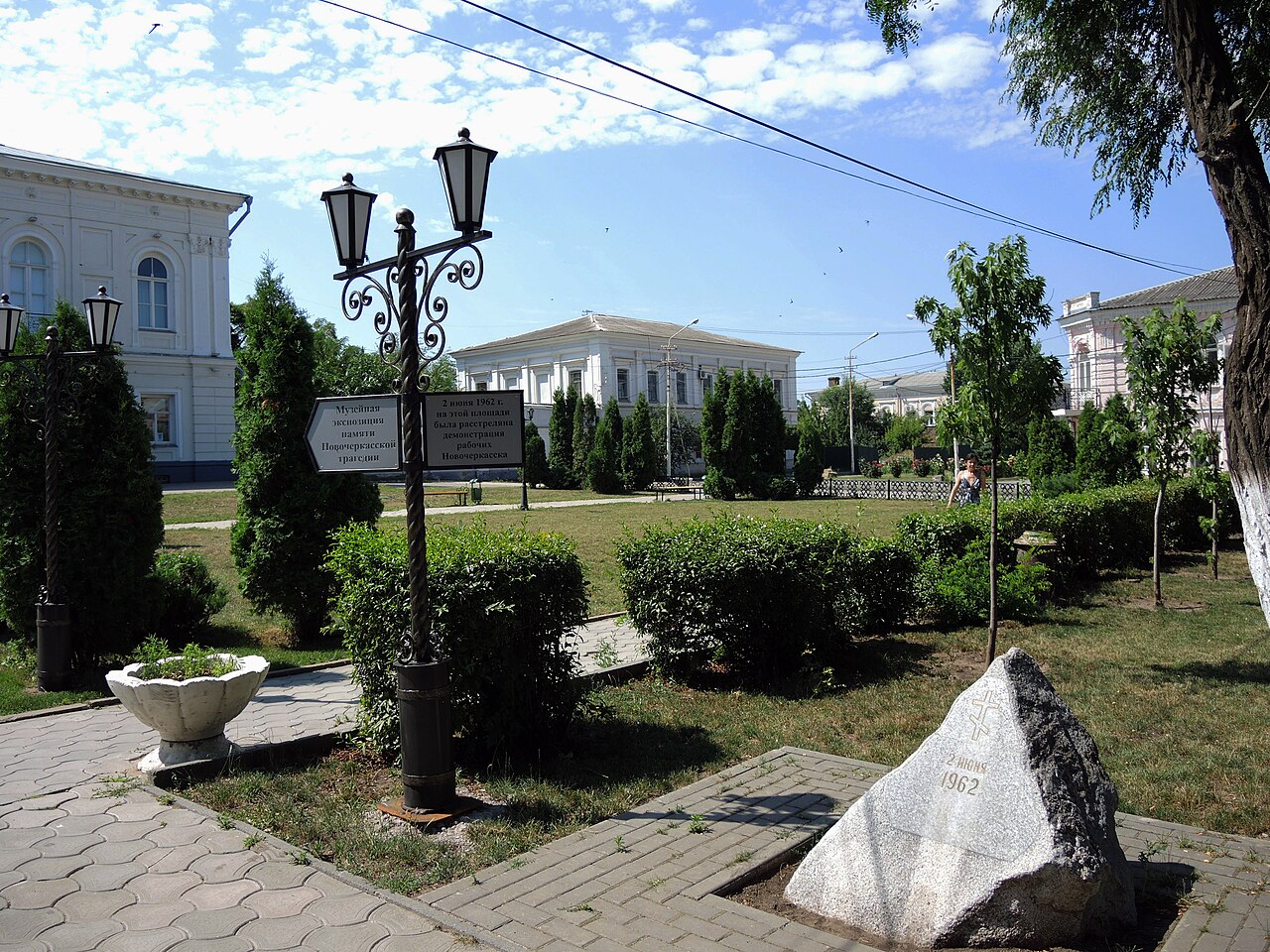
The city found a Soviet identity as an industrial and student town, and with it, in June 1962, a second tragedy attached to its name: the strike at the electric locomotive works against price rises, the workers’ march into the center, and the volleys on the square that killed twenty-six by the official count, the Novocherkassk massacre, hidden for thirty years, commemorated now by monument and museum, the city’s two martyrdoms, 1918 and 1962, facing each other across its history.
Rehabilitation came with the union’s end: the Cossack revival of the 1990s restored the Host’s institutions in modern form, the cathedral’s and palace’s restorations followed, the regalia partly returned from emigre keeping, and Novocherkassk resumed its role as the world Cossack movement’s symbolic capital, hosting the diaspora’s congresses beneath Platov’s statue, the suppressed word now the city’s brand.
The Palace as Museum
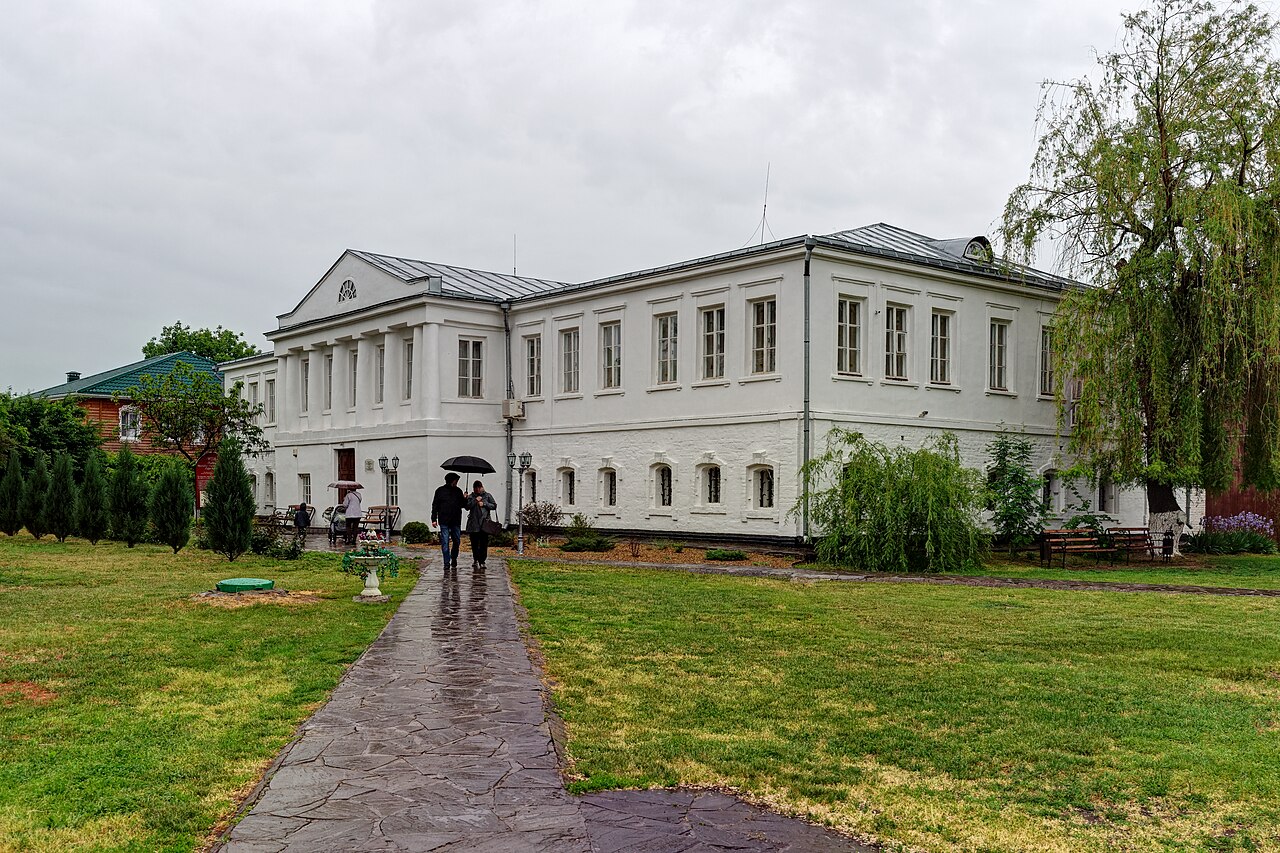
Since 2001 the Atamans’ Palace has belonged to the Museum of the History of the Don Cossacks, Russia’s oldest Cossack museum, founded 1899, and a decade of restoration returned the state floor to its last imperial decade: the hall, dining room, the ataman’s study with Kaledin’s memorial, the imperial bedrooms, furnished from the collections, with exhibitions below tracing the palace’s builders, residents, and the regalia’s odyssey, the maces and charters displayed in the main museum building nearby.
The palace anchors the city’s museum constellation: the main building’s regalia and Sholokhov materials, the cathedral’s crypt, the house museums of the artists Grekov and Krylov, and old Cherkassk downriver, the drowned first capital’s surviving cathedral and Razin associations making the natural day-two excursion; together they offer the fullest immersion in Cossack history available anywhere.
The visit’s lasting image is the palace’s modesty: a house smaller than a grand duke’s stable block, holding the government, the glory, and the grief of a people who shook empires. The Don’s proportions were always cavalry proportions, light, fast, and carrying everything needful; its palace kept the same economy, and history filled it to the roof regardless.
Watch the Atamans’ Palace on Film
Visiting the Atamans’ Palace Today
Novocherkassk lies forty kilometers northeast of Rostov-on-Don, reached by frequent suburban trains and buses from Rostov’s stations in about an hour, with Platov international airport between the two cities; the palace stands on Platovsky prospekt by the cathedral square, a short ride from the rail station up the hill. The palace museum opens daily except Mondays with tickets covering the state rooms and exhibitions, guided tours bookable through the Don Cossacks history museum, whose main building two blocks away holds the regalia and deserves the same visit. Allow a full day for palace, cathedral and crypt, the triumphal arches, and the 1962 memorial, adding old Cherkassk’s riverside relics with a second day or a long summer evening. You can find the palace on the map here: Atamans’ Palace on Google Maps.
Palaces Nearby
You May Like
The Governor’s Palace of the Kazan Kremlin