On the banks of the Tigris north of Baghdad lies Samarra, the city that for half a century in the ninth century was the capital of the Abbasid caliphate and the seat of the greatest palaces the dynasty ever built. At the heart of Samarra stood the Dar al-Khilafa, the House of the Caliphate, and its core the Jawsaq al-Khaqani, a vast palace complex of halls, courts, gardens, and esplanades stretching along the river, the caliphal palace of Samarra the greatest of the Abbasid residences, the seat of the caliphs in their river capital.
Samarra was a capital built in a single generation. Founded in 836 by the caliph al-Mutasim to house his army and his court away from the crowded Baghdad, the city grew in a few decades into one of the largest urban sites of the ancient and medieval world, a vast sprawl of palaces, barracks, mosques, and avenues along the Tigris, Samarra the purpose-built capital of the Abbasid caliphs, the city whose palaces were the grandest the dynasty ever raised, the seat of the caliphal power in the ninth century.
This article continues the Iraqi series, turning to the caliphal palace of Samarra, the Dar al-Khilafa and its Jawsaq al-Khaqani, the vast residence of the Abbasid caliphs in their river capital, the greatest of the palaces of the dynasty, the seat of the caliphs of the ninth century, the caliphal palace of Samarra the jewel of the Abbasid architecture, the residence the splendor of the purpose-built capital on the Tigris.
- The Abbasid Capital of Samarra
- Al-Mutasim and the New City
- The Turkish Guard
- The Dar al-Khilafa
- The Jawsaq al-Khaqani
- The Bab al-Amma
- The Esplanade and the Tigris
- The Frescoes and the Decoration
- The Harem and the Halls
- The Great Mosque and the Malwiya
- The Caliphs of Samarra
- The Abandonment and Excavation
- Samarra Today
- Watch on Film
- Visiting Today
- Palaces Nearby
The Abbasid Capital of Samarra
Samarra was the second capital of the Abbasids. For about fifty-six years, from 836 to 892, the Abbasid caliphs moved their capital from Baghdad to Samarra, the new city on the Tigris the seat of the dynasty at the height of its power, Samarra the purpose-built capital of the caliphs, the city of the great palaces and the army, the second capital the setting of the caliphal splendor of the ninth century, Samarra the river capital of the Abbasid golden age.
The city grew to an enormous size: Samarra sprawling for tens of kilometers along the Tigris, a vast expanse of palaces, barracks, avenues, and mosques, one of the largest urban sites of the pre-modern world, the city a sprawl of imperial building, Samarra the immense capital of the caliphs, the city whose scale astonishes the archaeologists, the second capital the vast expression of the Abbasid power along the river.
Samarra is the great archaeological site of the Abbasids: the city, largely abandoned after the court returned to Baghdad, preserved as a vast field of ruins, the greatest surviving record of the Abbasid architecture and planning, Samarra the archaeological treasure of the dynasty, the city the preserved capital of the ninth century, the great site the record of the Abbasid splendor, Samarra the archaeological jewel of the caliphal architecture on the Tigris.
Al-Mutasim and the New City
Al-Mutasim founded Samarra. The caliph al-Mutasim, the son of Harun al-Rashid, founded the new capital in 836 to house his growing army of Turkish troops and to move the court away from the crowded and restive Baghdad, the caliph laying out the city on a grand scale along the Tigris, al-Mutasim the founder of Samarra, the caliph whose new capital became the seat of the Abbasid splendor, the founder of the city of the great palaces.
The city was built to house the army: al-Mutasim’s new Turkish and Central Asian troops, whose presence had caused friction in Baghdad, settled in the new capital of Samarra, the city laid out with great cantonments for the soldiers and vast palaces for the caliph, Samarra the city built around the army and the court, the capital of al-Mutasim the seat of the military and the palatial power, the new city the solution to the caliph’s need for a capital of his own.
The name carried a hopeful meaning: Samarra, whose name was interpreted as surra man ra’a, he who sees it is delighted, the city named for the pleasure its splendor was to give, al-Mutasim’s capital proclaimed in its very name the delight of its building, Samarra the city of the pleasing name, the capital whose name celebrated its splendor, the new city of al-Mutasim the seat of the delight of the Abbasid building on the Tigris.
The Turkish Guard
Samarra was built around the Turkish guard. The caliph al-Mutasim had created a corps of Turkish and Central Asian slave soldiers, the mamluks and the ghilman, whose military power became the mainstay of the caliphate, the Turkish guard the force around which Samarra was built, the soldiers the power behind the throne, the guard the military foundation of the new capital, the Turkish troops the force that shaped the city and the fate of the caliphs.
The guard grew into the real power: the Turkish commanders of Samarra becoming so powerful that they made and unmade the caliphs, the guard the force that dominated the court, the commanders the kingmakers of the ninth century, the Turkish guard the power behind the Abbasid throne at Samarra, the soldiers the force that ruled the rulers, the guard the military masters of the caliphal capital, the Turkish troops the power that shaped the age.
The age of Samarra was an age of turmoil: the domination of the Turkish guard bringing a period of instability, the caliphs raised and murdered by their soldiers, the capital the setting of coups and killings, the age of Samarra the time of the anarchy of the guard, the period the turmoil of the caliphs and the soldiers, the age of the river capital the time of the struggle between the throne and the Turkish guard that held the real power at Samarra.
The Dar al-Khilafa
The Dar al-Khilafa was the seat of the caliphate. The House of the Caliphate, the great palace complex of Samarra, was the residence of the caliph and the seat of the government, a vast ensemble of palaces, courts, gardens, and offices stretching along the Tigris, the Dar al-Khilafa the heart of the capital, the palace complex the seat of the Abbasid power, the House of the Caliphate the greatest of the Abbasid residences, the center of the caliphal Samarra.
The complex was immense: the Dar al-Khilafa covering an enormous area, a whole quarter of palaces, halls, courts, gardens, and service buildings, the complex a city within the city, the palace ensemble the vast seat of the caliph, the Dar al-Khilafa the immense residence of the Abbasid ruler, the complex the sprawling heart of the capital, the House of the Caliphate the greatest palatial ensemble of the dynasty on the Tigris.
At its core stood the Jawsaq al-Khaqani: the central palace of the Dar al-Khilafa, the Jawsaq al-Khaqani, the chief residence of the caliph, the splendid heart of the complex, the Jawsaq the core of the House of the Caliphate, the palace the center of the imperial ensemble, the Jawsaq al-Khaqani the jewel of the Dar al-Khilafa, the residence the splendid heart of the caliphal Samarra.
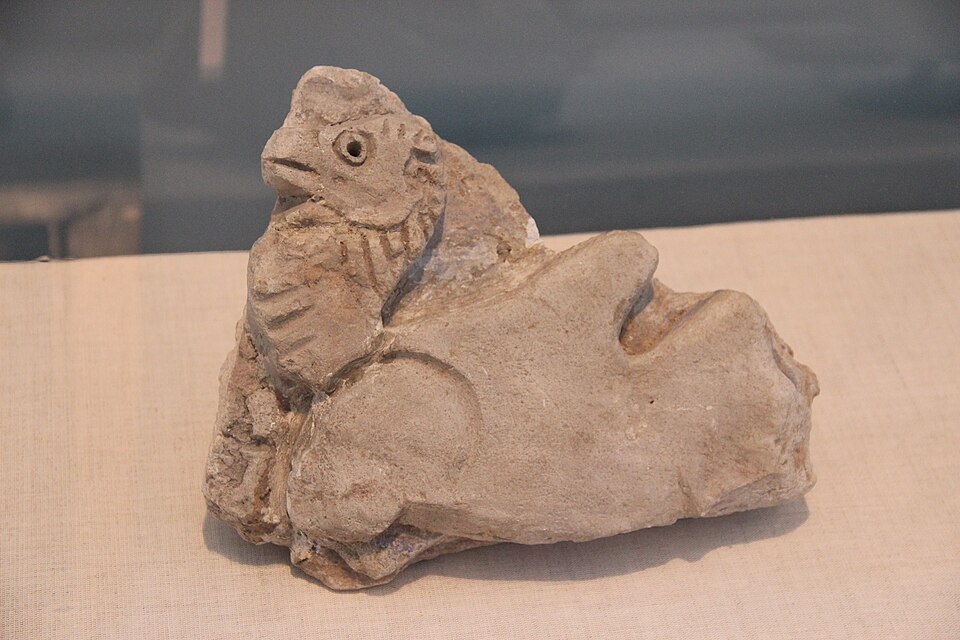
The Jawsaq al-Khaqani
The Jawsaq al-Khaqani was the caliph’s chief palace. The great residence at the heart of the Dar al-Khilafa, built by al-Mutasim, was the principal palace of the caliphs of Samarra, a vast complex of halls, courts, gardens, and the great esplanade descending to the Tigris, the Jawsaq al-Khaqani the jewel of the Abbasid palatial architecture, the palace the splendid heart of the caliphal capital, the residence the greatest of the Abbasid palaces.
The palace was a world of splendor: the Jawsaq al-Khaqani filled with halls, courts, gardens, fountains, and the treasures of the caliphs, the palace the setting of the ceremonial and the private life of the rulers, the residence a world of magnificence, the Jawsaq the showcase of the Abbasid wealth, the palace the splendid heart of the capital, the residence the jewel of the caliphal Samarra, the Jawsaq al-Khaqani the glory of the Abbasid building.
The name honored a Turkish commander: the Jawsaq al-Khaqani, the palace named in part for a great Turkish commander, the Khaqan, a reflection of the power of the Turkish guard even in the naming of the caliph’s own palace, the Jawsaq the residence whose name recalls the age of the guard, the palace the jewel named for the commander, the Jawsaq al-Khaqani the great palace of the caliphs whose very name carries the memory of the Turkish power at Samarra.
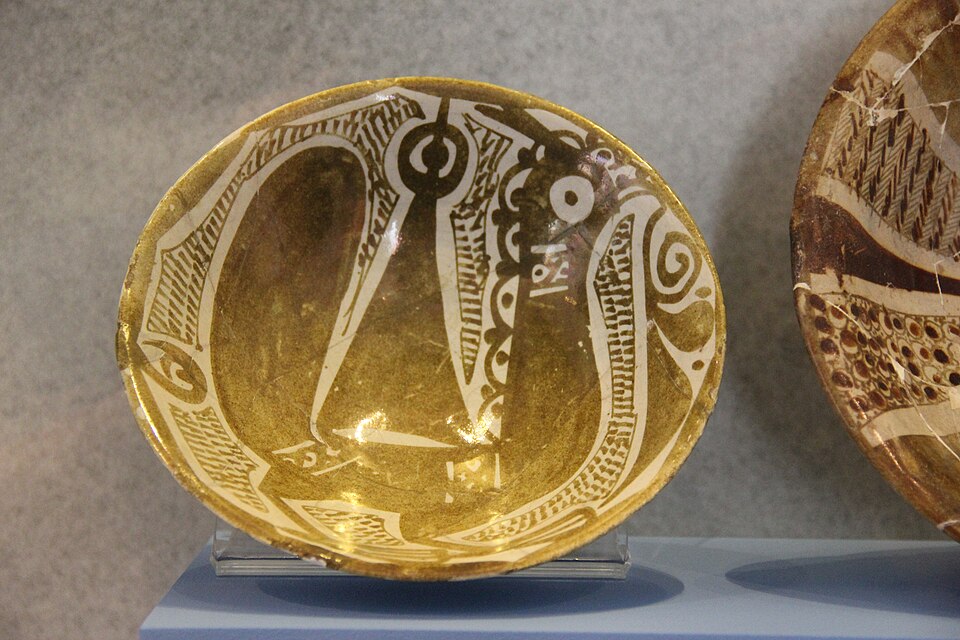
The Bab al-Amma
The Bab al-Amma was the great gateway of the palace. The public gate of the Jawsaq al-Khaqani, the Bab al-Amma, a monumental triple-arched iwan facing the Tigris, was the ceremonial entrance to the palace and the place where the caliph appeared to his people, the Bab al-Amma the famous facade of the Jawsaq, the gateway the ceremonial face of the caliphal palace, the triple iwan the jewel of the Samarra architecture, the Bab al-Amma the monument of the public face of the caliph.
The triple iwan still stands: the Bab al-Amma, with its three great brick arches, surviving as one of the chief standing monuments of Samarra, the triple-arched facade the famous ruin of the caliphal palace, the Bab al-Amma the surviving jewel of the Jawsaq, the gateway the standing monument of the Abbasid Samarra, the triple iwan the glory of the surviving palace, the Bab al-Amma the enduring face of the caliphal residence on the Tigris.
The gate was the stage of the caliph’s majesty: the Bab al-Amma the place where the caliph gave public audience, received embassies, and displayed his majesty, the gateway the stage of the ceremonial life, the triple iwan the setting of the caliph’s appearance, the Bab al-Amma the theater of the Abbasid majesty, the gateway the face the caliph showed to the world, the Bab al-Amma the ceremonial jewel of the Jawsaq al-Khaqani at Samarra.
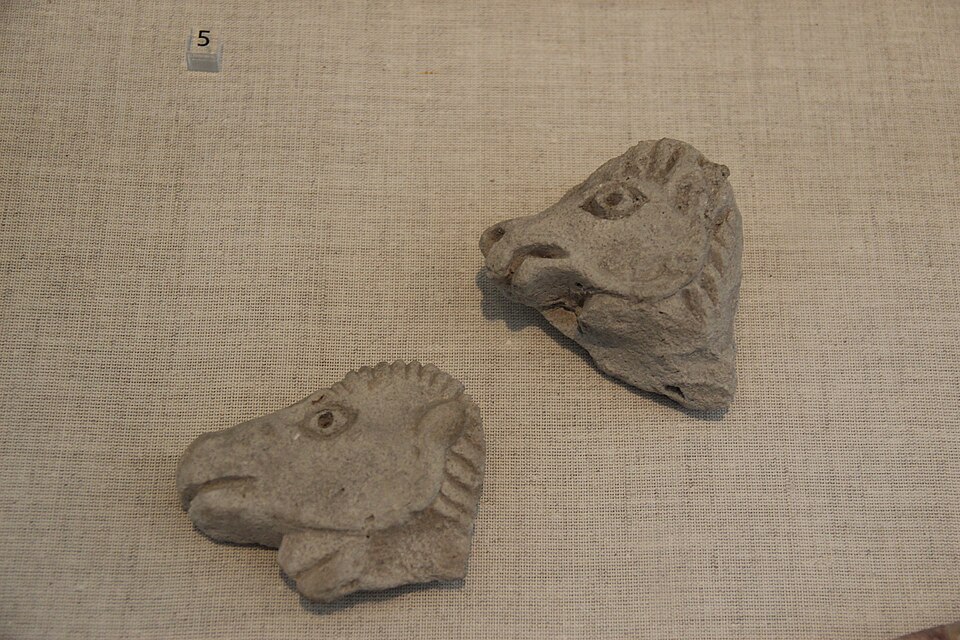
The Esplanade and the Tigris
A great esplanade descended to the Tigris. Before the Bab al-Amma stretched a vast esplanade and a great stairway descending to the river, with a basin and gardens, the palace opening grandly onto the Tigris, the esplanade the monumental approach to the Jawsaq from the river, the great descent the ceremonial link between the palace and the Tigris, the esplanade the grand face of the caliphal residence toward the water.
The river was the artery of the capital: the Tigris the lifeline of Samarra, the river bringing the water, the trade, and the approach to the palaces, the esplanade of the Jawsaq opening the palace to the Tigris, the river the artery of the caliphal capital, the Tigris the setting of the grand approach to the palace, the river the lifeline that the esplanade of the Jawsaq celebrated, the Tigris the artery of the Abbasid Samarra.
The palace gardens and basins adorned the esplanade: the great esplanade before the Jawsaq adorned with gardens, basins, and fountains, the approach to the palace a work of landscape splendor, the esplanade the garden face of the caliphal residence, the gardens and basins the adornment of the approach, the esplanade the landscape jewel of the Jawsaq, the gardens the splendor of the palace toward the Tigris, the esplanade the grand garden approach to the caliphal Samarra.
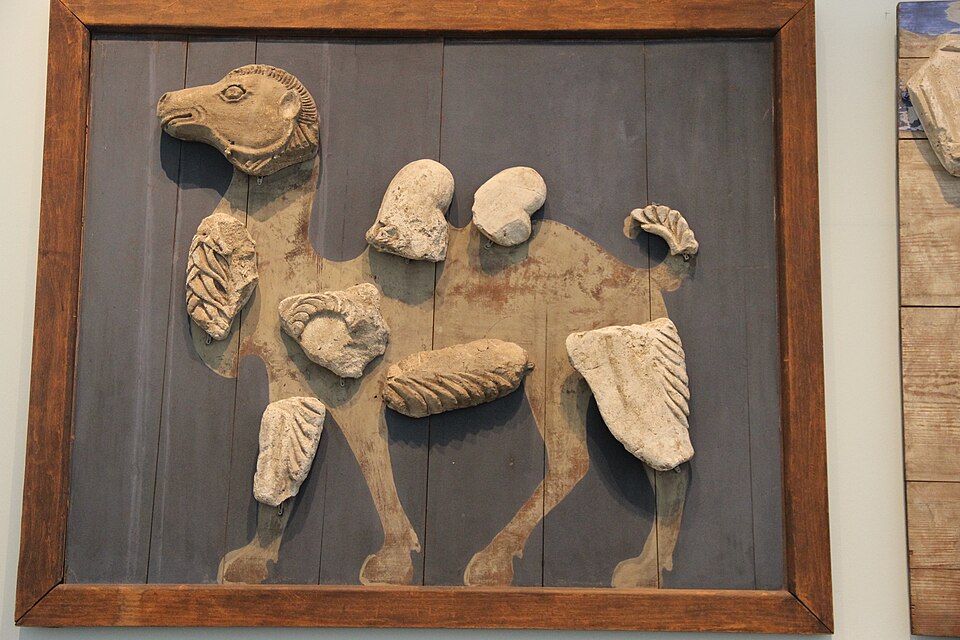
The Frescoes and the Decoration
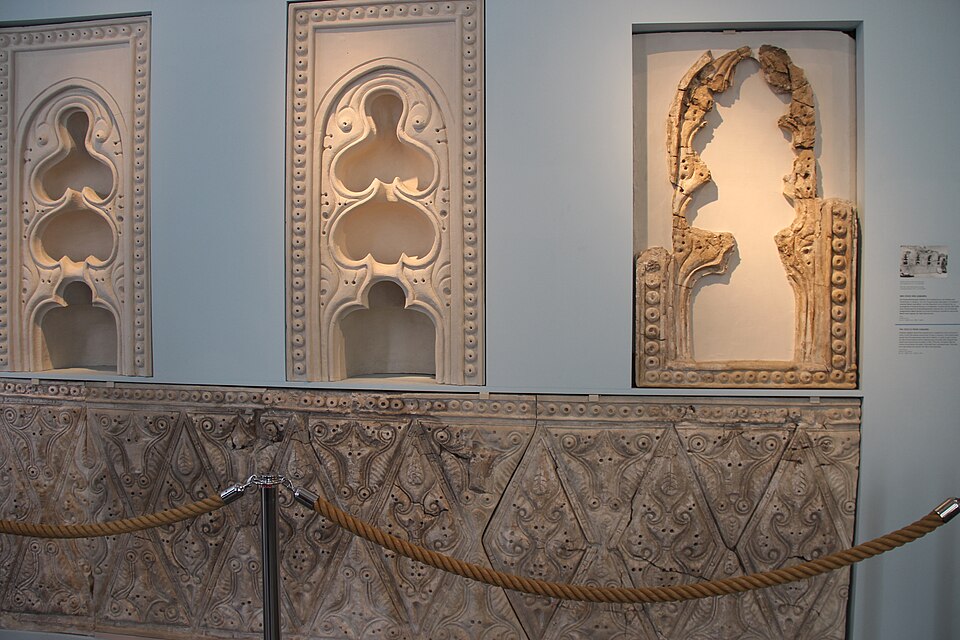
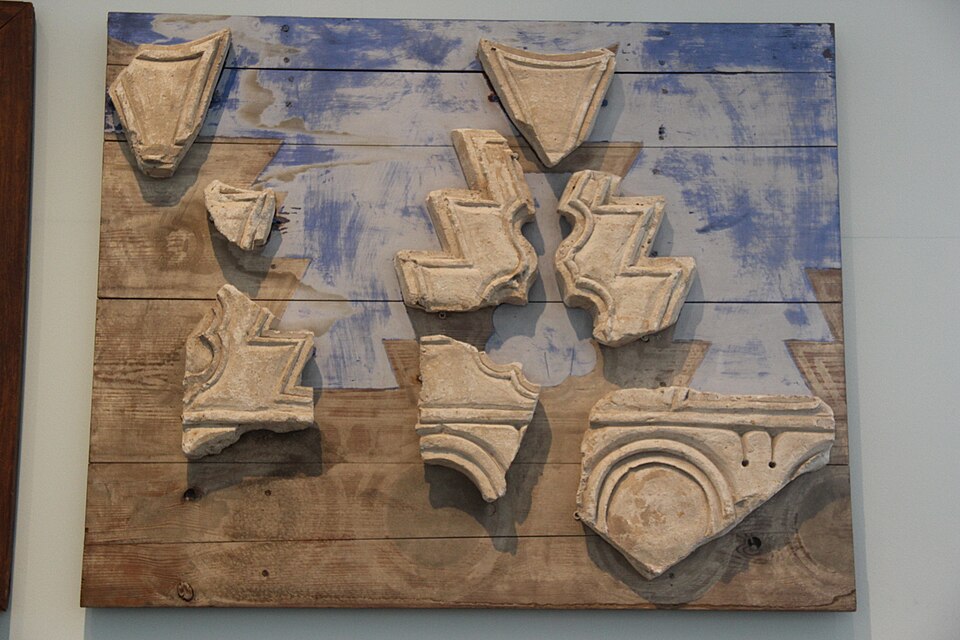
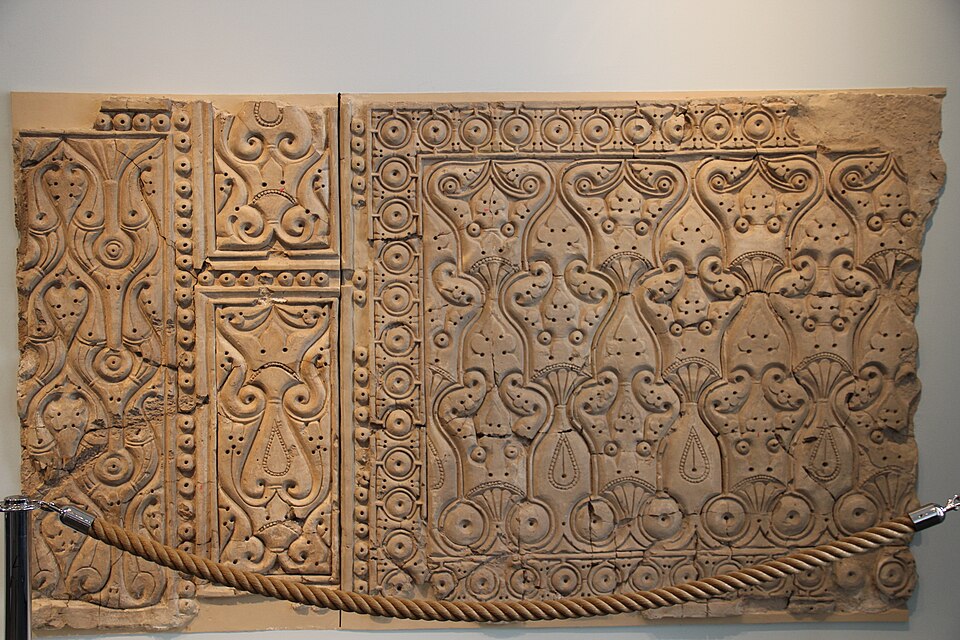
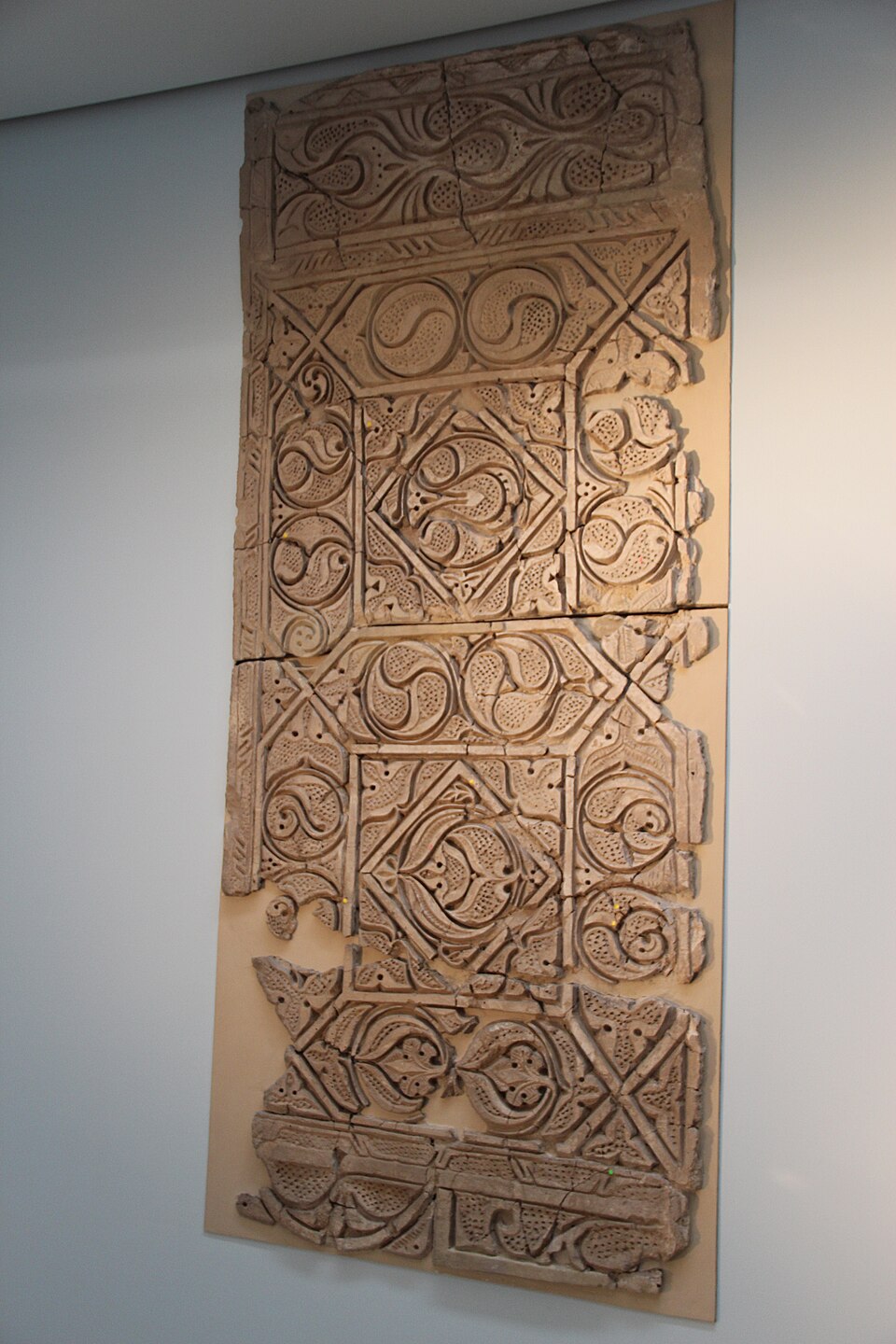
The palace was adorned with frescoes and stucco. The Jawsaq al-Khaqani and the other palaces of Samarra were decorated with wall paintings, carved and molded stucco, and the ornament that is among the treasures of the Abbasid art, the frescoes depicting figures, scenes, and ornament, the decoration a masterpiece of the Abbasid craft, the frescoes and stucco the glory of the Samarra palaces, the decoration the jewel of the caliphal residences.
The Samarra stucco is famous: the carved and molded stucco of Samarra, with its distinctive styles of ornament, among the most influential decoration of the Islamic art, the Samarra styles of stucco spreading across the Islamic world, the decoration a masterpiece of the Abbasid craft, the stucco the glory of the palaces, the Samarra ornament the treasure of the Abbasid art, the stucco the jewel that influenced the decoration of the whole Islamic world.
The frescoes depicted the courtly life: the wall paintings of the Jawsaq depicting dancers, huntsmen, animals, and the scenes of the courtly life, the frescoes a rare window onto the art and the life of the Abbasid court, the paintings the jewels of the palace decoration, the frescoes the treasure of the Samarra art, the wall paintings the record of the courtly world, the frescoes the glory of the caliphal palaces, the paintings the jewel of the Abbasid Samarra.
The Harem and the Halls
The palace held the harem and the great halls. The Jawsaq al-Khaqani contained, besides its public spaces, the private apartments and the harem of the caliph, the great halls of audience and ceremony, the living quarters, and the service buildings, the palace a complete world of the public and the private life, the harem and the halls the private and the ceremonial heart of the Jawsaq, the apartments the world of the caliph at Samarra.
The halls were the setting of the court: the great audience halls and reception rooms of the Jawsaq the setting of the ceremonial life of the caliph, the halls the stage of the Abbasid majesty, the great rooms the splendid interiors of the palace, the halls the ceremonial heart of the Jawsaq, the great spaces the setting of the court, the halls the jewels of the palace, the reception rooms the glory of the caliphal Samarra.
The harem was the private world of the caliph: the private apartments and the harem of the Jawsaq the intimate world of the caliph and his household, the harem the private heart of the palace, the apartments the setting of the private life, the harem the inner world of the caliphal residence, the private quarters the intimate heart of the Jawsaq, the harem the private jewel of the palace, the apartments the inner world of the caliph at Samarra.
The Great Mosque and the Malwiya
Samarra is crowned by the Great Mosque and the Malwiya. The Great Mosque of Samarra, built by the caliph al-Mutawakkil, was for a time the largest mosque in the world, and its minaret, the Malwiya, a great spiraling tower of brick, is one of the most famous monuments of the Islamic world, the Malwiya the spiral minaret of Samarra, the tower the symbol of the city, the Great Mosque and its minaret the crown of the caliphal capital on the Tigris.
The Malwiya is a unique spiral tower: the minaret of the Great Mosque, a great cone of brick ascending in a spiral ramp, unlike any other minaret in the world, the Malwiya the famous landmark of Samarra, the spiral tower the symbol of the Abbasid capital, the Malwiya a masterpiece of the brick architecture, the spiral minaret the jewel of Samarra, the tower the unique monument of the caliphal city, the Malwiya the crown of the Great Mosque.
The Great Mosque was the largest of its age: the mosque of al-Mutawakkil, with its vast enclosure, for a time the largest mosque in the world, the building the expression of the caliph’s power and devotion, the Great Mosque the religious heart of Samarra, the mosque the monument of the Abbasid faith, the Great Mosque the jewel of the caliphal capital, the mosque the religious crown of Samarra, the building the glory of the Abbasid religious architecture on the Tigris.
The Caliphs of Samarra
Samarra was the seat of a line of caliphs. For half a century, the caliphs of the Abbasid dynasty ruled from Samarra, from al-Mutasim who founded it through al-Wathiq, al-Mutawakkil, and their successors, the caliphs the rulers of the river capital, the line of the Samarra caliphs the sovereigns of the Abbasid height, the rulers whose palaces and mosques crowned the city, the caliphs of Samarra the builders of the greatest Abbasid splendor.
Al-Mutawakkil was the greatest builder: the caliph al-Mutawakkil, who built the Great Mosque and vast new palaces, the greatest builder of Samarra, the ruler whose constructions crowned the capital, al-Mutawakkil the caliph of the great mosque and the Malwiya, the ruler whose building raised Samarra to its height, the caliph the greatest patron of the architecture of the river capital, al-Mutawakkil the builder of the glory of Samarra.
The age ended in turmoil and murder: the caliphs of Samarra increasingly the prisoners and the victims of their Turkish guard, al-Mutawakkil himself murdered by his soldiers, the age of the river capital ending in a period of anarchy and killing, the caliphs of Samarra the rulers whose power was broken by their guard, the age the time of the turmoil of the throne, the caliphs of Samarra the sovereigns whose splendid capital became the setting of their fall.
The Abandonment and Excavation
Samarra was abandoned and became a vast ruin. When the caliphs returned to Baghdad in 892, Samarra was largely abandoned, the vast city of palaces and barracks left to decay, the capital shrinking to a small town around the shrines, the great palaces falling into ruin, Samarra the abandoned capital, the city left as a vast field of ruins, the palaces of the caliphs reduced to the mounds and walls that the archaeologists would uncover.
The abandonment preserved the city: the swift abandonment of Samarra, paradoxically, preserving the ninth-century city as almost no other, the vast site not overbuilt by later ages, the palaces, mosques, and avenues surviving as a unique record of the Abbasid planning, Samarra the preserved capital, the abandoned city the archaeological treasure, the great site the unique record of the Abbasid architecture, Samarra the preserved jewel of the caliphal building.
The excavations revealed the Abbasid splendor: the archaeological study of Samarra, from the early twentieth century onward, uncovering the palaces, the frescoes, the stucco, and the plan of the caliphal capital, the excavations the recovery of the Abbasid architecture and art, Samarra the great excavation of the dynasty, the archaeology the revelation of the caliphal splendor, the excavations the recovery of the Jawsaq and the palaces, the study the uncovering of the Abbasid Samarra.
Samarra Today
Samarra today stands as the great archaeological record of the Abbasid caliphate, the vast field of ruins of the river capital, the city of the Dar al-Khilafa and the Jawsaq al-Khaqani, the Great Mosque and the Malwiya, the caliphal palace of Samarra the greatest of the Abbasid residences, the site the preserved capital of the ninth century, Samarra the jewel of the Abbasid architecture, the city the enduring record of the caliphal splendor on the Tigris, a UNESCO World Heritage site.
The ruins carry the memory of the caliphs: the standing Bab al-Amma, the spiral Malwiya, and the vast mounds of the palaces carrying the memory of the Abbasid capital, Samarra the monument of the caliphal splendor, the ruins the record of the river capital, the site the memory of the caliphs of the ninth century, Samarra the enduring jewel of the Abbasid architecture, the ruins the witness of the greatest of the dynasty’s palaces on the Tigris.
Samarra continues the Iraqi series on the splendor of Mesopotamia, the caliphal palace of the river capital, the Dar al-Khilafa and the Jawsaq al-Khaqani, the greatest of the Abbasid residences, the city of the Great Mosque and the Malwiya, the caliphal Samarra the jewel of the Abbasid architecture, the site the record of the caliphal splendor of the ninth century, Samarra the enduring treasure of the Abbasid age on the banks of the Tigris north of Baghdad.
Watch the Palaces of Samarra on Film
Visiting the Caliphal Palace of Samarra Today
The caliphal palace of Samarra, the Dar al-Khilafa and its Jawsaq al-Khaqani, stands on the eastern bank of the Tigris at Samarra, north of Baghdad in Iraq, the vast archaeological site stretching along the river; the standing Bab al-Amma gateway, the esplanade, and the mounds of the palaces are visited, together with the Great Mosque and the famous spiral Malwiya minaret nearby. Travel to Iraq and access to the sites depend on the security and the political situation, which has varied greatly through the years, so current conditions and access should be carefully checked before any visit; Samarra is a UNESCO World Heritage site and among the supreme treasures of the Abbasid heritage. You can find the palace on the map here: Caliphal Palace of Samarra on Google Maps.


