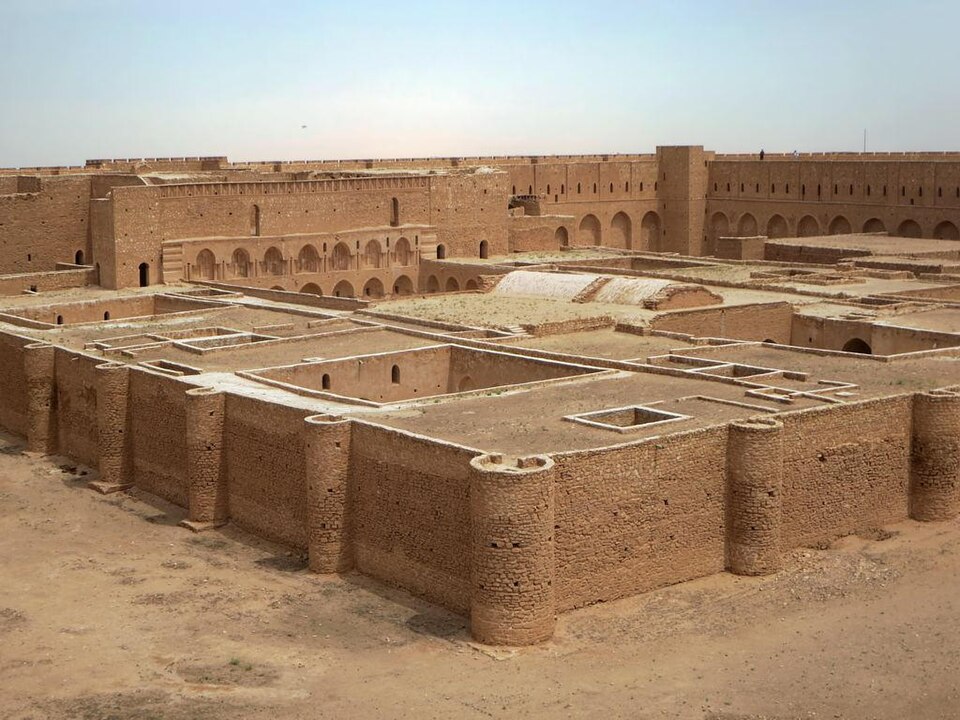
In the desert of central Iraq, southwest of Karbala, rises one of the most remarkable monuments of the early Islamic world, the fortress-palace of Al-Ukhaidir, a vast and almost perfectly preserved brick stronghold of the Abbasid age. The fortress, standing alone in the flat desert, its mighty walls and towers enclosing a palace of halls, courts, and vaults, is one of the finest surviving examples of early Islamic palatial and military architecture, Al-Ukhaidir the desert jewel of the Abbasid builders, the fortress that preserves as almost no other the world of the early caliphs.
Al-Ukhaidir is a palace and a fortress in one. Built in the eighth century, in the early Abbasid age, the stronghold combines the massive defensive walls of a fortress with the splendid halls and courts of a palace, the building a residence of power in the desert, the fortress-palace a self-contained world behind its walls, Al-Ukhaidir the expression of the Abbasid combination of the military and the palatial, the desert stronghold the jewel of the early Islamic architecture of Iraq.
This article continues the Iraqi series, turning from the caliphal Baghdad to the desert fortress-palace of Al-Ukhaidir, the vast brick stronghold of the early Abbasid age, the monument that preserves as almost no other the palatial and military architecture of the first Islamic centuries, Al-Ukhaidir the desert jewel of the Abbasid builders, the fortress-palace the treasure of the early Islamic Iraq in the sands southwest of Karbala.
- The Abbasid Desert
- The Fortress in the Sands
- Isa ibn Musa
- The Mighty Walls
- The Great Gate
- The Palace Within
- The Vaulted Halls
- The Mosque of the Fortress
- The Court and the Rooms
- The Brick Architecture
- A Model of the Desert Palace
- Excavation and Study
- Al-Ukhaidir Today
- Watch on Film
- Visiting Today
- Palaces Nearby
The Abbasid Desert
The Abbasids built palaces in the desert. Like the Umayyads before them, the early Abbasid caliphs and princes built strongholds and residences in the deserts and the steppes of Iraq and Syria, the desert palaces centers of power, retreat, and control of the routes, Al-Ukhaidir the greatest surviving of the Abbasid desert strongholds, the fortress-palace the expression of the Abbasid desert building, the desert residences the jewels of the early Islamic architecture, Al-Ukhaidir the crown of the Abbasid desert palaces of Iraq.
The desert was a place of power and retreat: the Abbasid princes building their strongholds away from the cities, the desert palaces the centers of estates, the bases for the control of the caravan routes, the retreats from the crowded capitals, Al-Ukhaidir a stronghold of the desert power, the fortress-palace the expression of the Abbasid presence in the sands, the desert residences the showcase of the early Abbasid architecture, Al-Ukhaidir the jewel of the desert strongholds.
The location controlled the routes: Al-Ukhaidir standing on the desert routes between Iraq and Syria and Arabia, the fortress-palace a stronghold commanding the caravan ways, the building the center of a desert domain, the location chosen for the control of the routes and the water, Al-Ukhaidir the stronghold of the desert crossroads, the fortress-palace the guardian of the ways, the building the center of power in the Iraqi desert southwest of the later Karbala.
The Fortress in the Sands
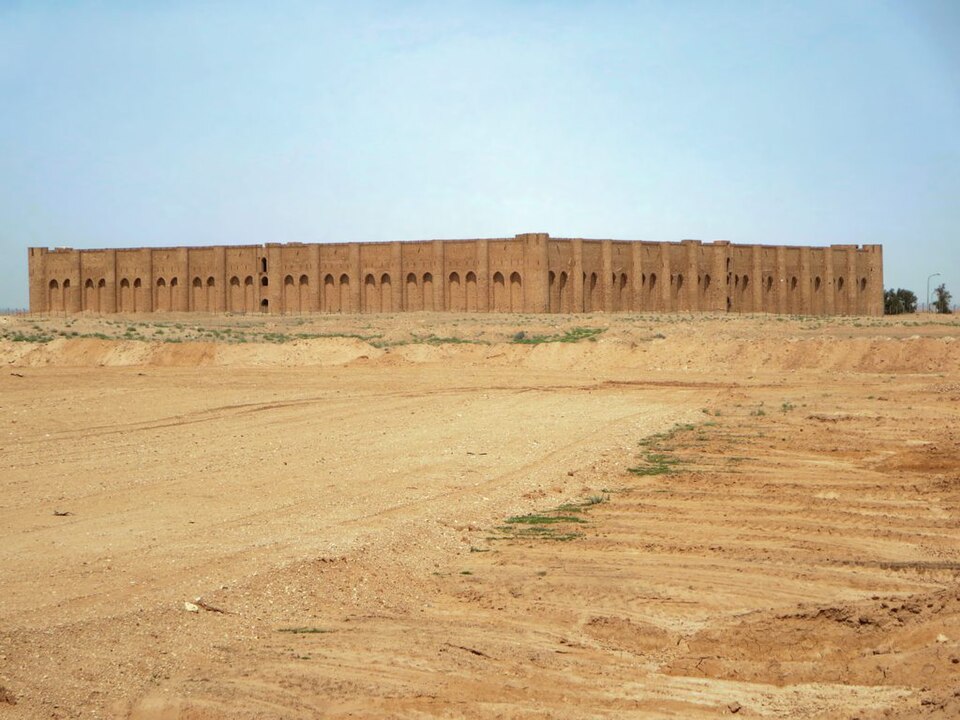
Al-Ukhaidir rises alone in the desert. The great fortress-palace stands isolated in the flat desert, its mighty rectangular enclosure of walls and towers visible from afar, the building a vast stronghold alone in the sands, Al-Ukhaidir the fortress of the desert, the stronghold rising from the flat land, the building a mighty presence in the emptiness, Al-Ukhaidir the desert fortress-palace standing alone in the Iraqi sands, the stronghold the jewel of the desert.
The scale of the fortress is immense: the outer enclosure of Al-Ukhaidir a great rectangle, its walls rising high above the desert, the stronghold enclosing a vast space, the fortress one of the largest of the early Islamic desert buildings, Al-Ukhaidir the immense stronghold of the sands, the fortress-palace a vast brick enclosure, the building the great desert fortress of Iraq, the stronghold the immense jewel of the Abbasid desert architecture.
The preservation is remarkable: Al-Ukhaidir surviving in an extraordinary state of preservation, its walls, towers, halls, and vaults largely intact, the fortress one of the best-preserved buildings of the early Islamic age, Al-Ukhaidir the remarkably preserved desert stronghold, the fortress-palace a near-complete survival from the eighth century, the building the treasure of the early Islamic architecture preserved in the Iraqi desert, Al-Ukhaidir the jewel of preservation.
Isa ibn Musa
Al-Ukhaidir is linked with the Abbasid prince Isa ibn Musa. The fortress-palace is traditionally attributed to Isa ibn Musa, a nephew of the first Abbasid caliphs and a prince of the ruling house, who is thought to have built the stronghold in the later eighth century as his desert residence after his retreat from the center of power, Al-Ukhaidir the palace of the Abbasid prince, the fortress-palace the residence of Isa ibn Musa in the desert of Iraq.
The prince retreated to the desert: Isa ibn Musa, once a powerful figure of the early Abbasid state and even an heir to the caliphate, set aside from the succession in the struggles of the dynasty, is thought to have withdrawn to his desert estate, Al-Ukhaidir the stronghold of the prince’s retreat, the fortress-palace the residence of a prince removed from power, the building the desert refuge of Isa ibn Musa, Al-Ukhaidir the palace of the Abbasid prince in the sands.
The attribution places the fortress in the early Abbasid age: the building dated by its style and its tradition to the later eighth century, the first decades of the Abbasid caliphate, Al-Ukhaidir a monument of the early Abbasid architecture, the fortress-palace the residence of the age of the first Abbasid caliphs, the building the jewel of the early Abbasid desert building, Al-Ukhaidir the stronghold of the first century of the dynasty in the Iraqi desert.
The Mighty Walls
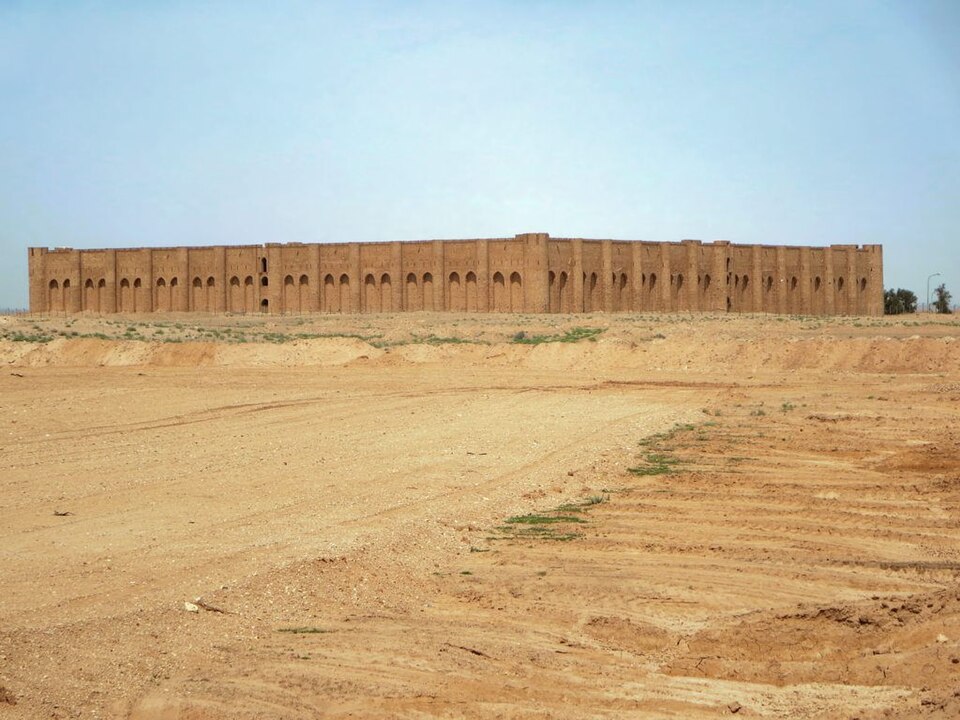
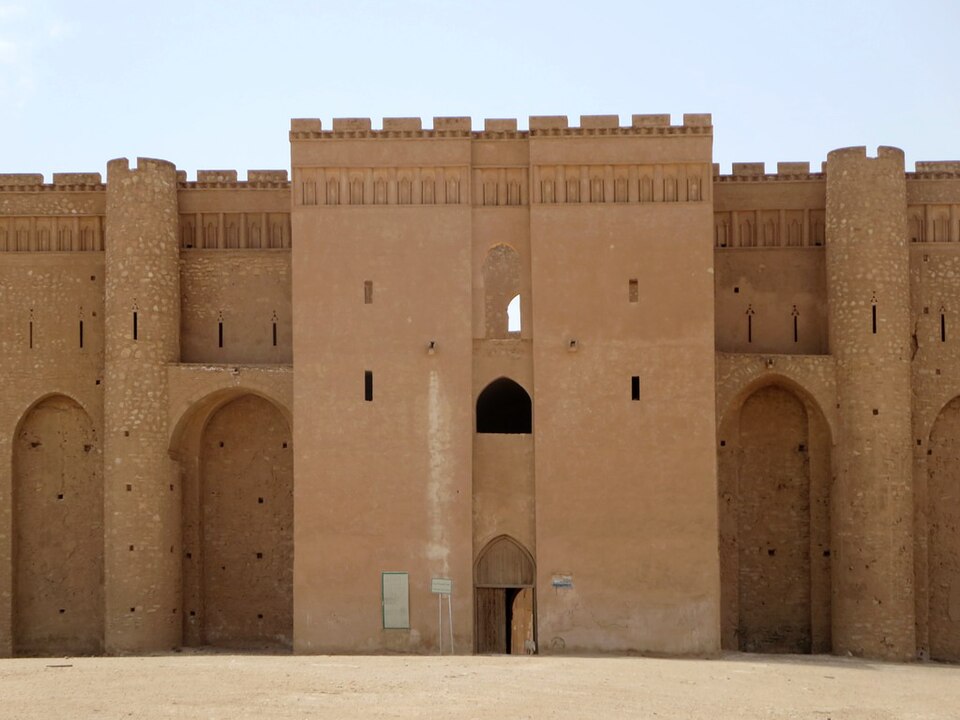
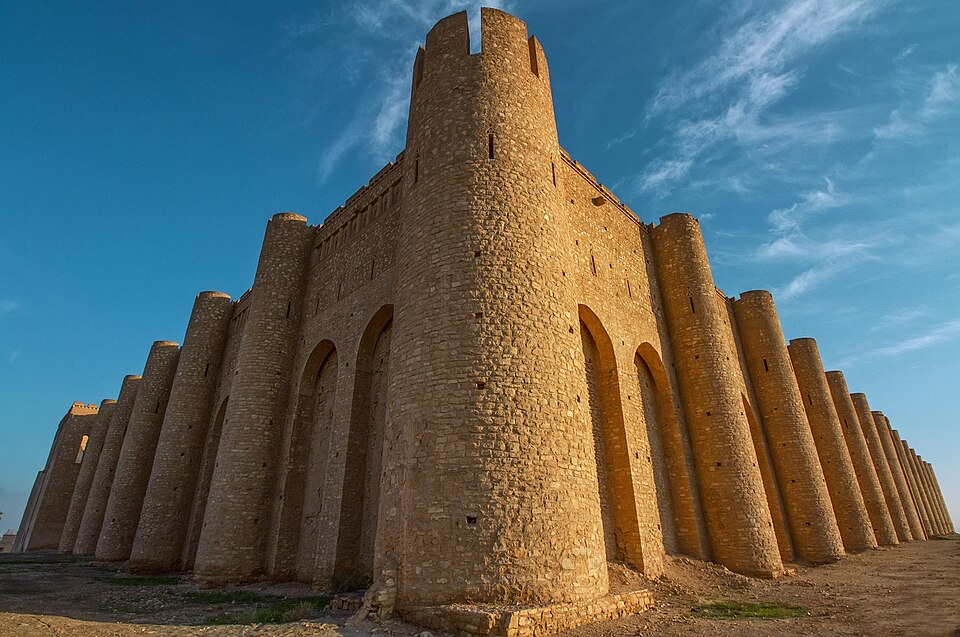
Al-Ukhaidir is defended by mighty walls. The fortress is enclosed by a great rectangular wall of brick and stone, studded with round towers, the walls rising high above the desert, the enclosure a formidable defense, the mighty walls of Al-Ukhaidir the expression of the fortress’s strength, the walls and towers the defenses of the desert stronghold, the mighty enclosure the military face of the fortress-palace, the walls the strength of Al-Ukhaidir.
The towers guard the walls: the round towers studding the walls of Al-Ukhaidir, the half-round bastions projecting from the enclosure, the towers the strong points of the defense, the bastions guarding the walls and the corners, the towers the military works of the fortress, the round bastions the defenses of Al-Ukhaidir, the towers the strength of the desert stronghold, the bastions the guardians of the fortress-palace in the sands.
The walls combined defense and display: the mighty enclosure of Al-Ukhaidir both a real defense and an expression of the power of its builder, the walls proclaiming the strength and the status of the Abbasid prince, the enclosure the military and the symbolic face of the fortress, the walls the expression of power, the mighty enclosure the statement of the prince’s authority, the walls of Al-Ukhaidir the strength and the splendor of the desert stronghold.
The Great Gate
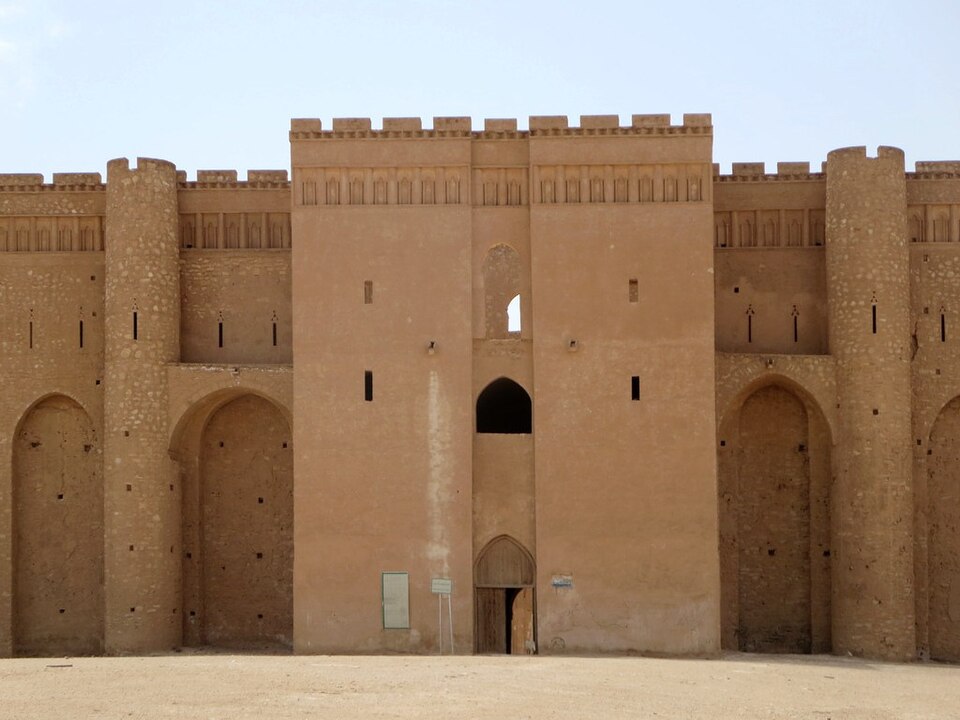
The fortress is entered through a great gate. The main entrance of Al-Ukhaidir is a monumental fortified gateway, a mighty passage through the walls defended by towers and chambers, the gate the formidable entrance to the stronghold, the great gate of Al-Ukhaidir the monumental passage into the fortress, the gateway the defended entrance to the desert palace, the great gate the mighty threshold of the fortress-palace, the entrance the military and the ceremonial face of Al-Ukhaidir.
The gateway was a work of defense and ceremony: the great gate both a strong point of the defense and the ceremonial entrance to the palace within, the gateway the threshold between the desert and the splendor of the fortress, the gate the defended and the monumental entrance, the great gate the mighty passage into Al-Ukhaidir, the gateway the threshold of the stronghold, the entrance the military and the ceremonial jewel of the fortress-palace.
Beyond the gate lay the palace: the great gate opening into the vast enclosure, and within it the palace of halls, courts, and vaults that was the residence of the prince, the gateway the passage from the desert to the splendor within, the gate the threshold of the palace, the great gate the entrance to the world of Al-Ukhaidir, the gateway the passage into the fortress-palace, the entrance to the desert jewel of the Abbasids.
The Palace Within
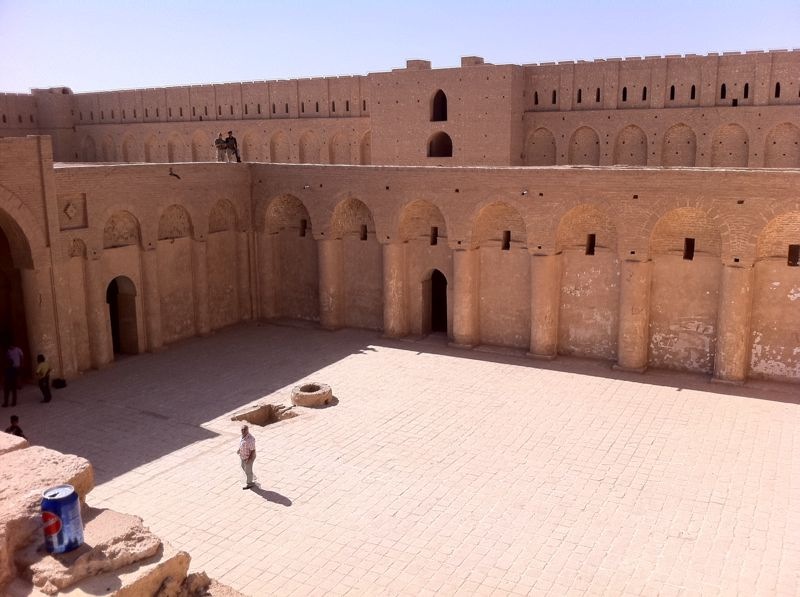
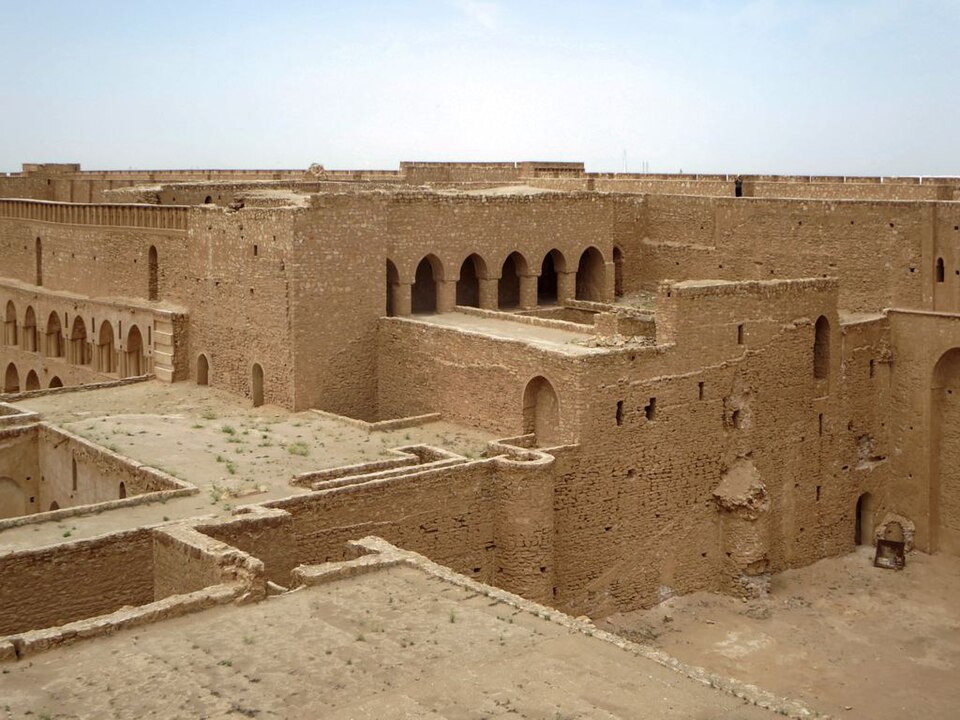
Within the walls stands the palace. Inside the great enclosure of Al-Ukhaidir rises the palace proper, a complex of halls, courts, iwans, and rooms, the residence of the prince, the palace a self-contained world of splendor within the fortress, the building the heart of the stronghold, the palace within the walls the seat of the Abbasid prince, the residence the splendid core of Al-Ukhaidir, the palace the jewel within the desert fortress.
The palace is a complex of courts and halls: the residence arranged around courtyards, with iwans, reception halls, living rooms, and service spaces, the palace a sophisticated arrangement of the private and the ceremonial spaces, the building the splendid residence of the prince, the palace the heart of Al-Ukhaidir, the courts and halls the world of the prince within the fortress, the palace the splendid core of the desert stronghold.
The palace expressed the prince’s status: the splendid halls and courts of the residence proclaiming the wealth and the rank of the Abbasid prince, the palace the expression of the status of its builder, the residence the showcase of the prince’s splendor in the desert, the palace the statement of Al-Ukhaidir’s role as a princely seat, the residence the splendid heart of the fortress, the palace the jewel of the Abbasid prince in the sands of Iraq.
The Vaulted Halls
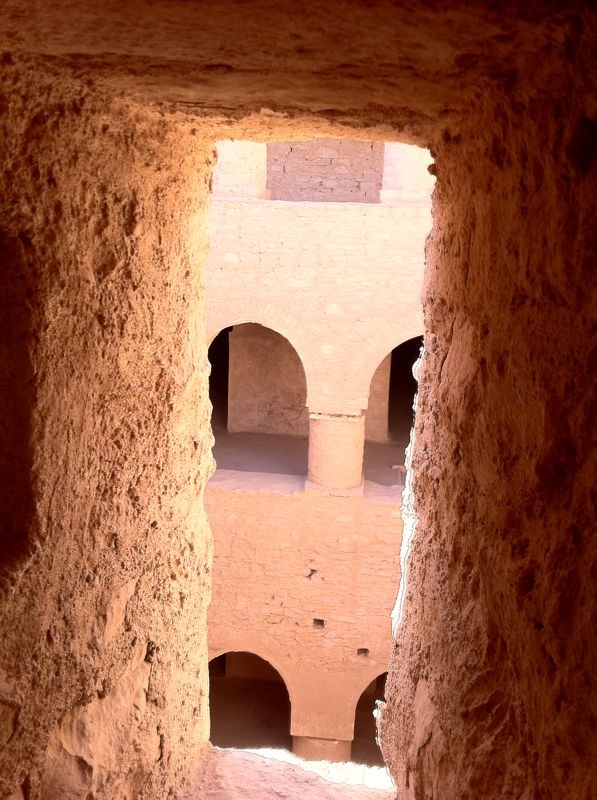
Al-Ukhaidir is famous for its vaults. The halls of the palace are roofed with brick vaults, the barrel vaults and the domes that are among the glories of the early Islamic architecture, the vaulted halls of Al-Ukhaidir a masterpiece of the brick building, the vaults a jewel of the early Abbasid craft, the vaulted halls the famous feature of the fortress-palace, the brick vaults the glory of Al-Ukhaidir, the vaulting the treasure of the early Islamic architecture of Iraq.
The vaults are a marvel of early brick building: the barrel vaults, the cross vaults, and the domes of Al-Ukhaidir built of brick without centering, the vaulting a masterpiece of the early Islamic engineering, the halls roofed in the techniques that the Abbasid builders inherited and advanced, the vaults a marvel of the brick craft, the vaulting the glory of the fortress, the brick vaults the treasure of Al-Ukhaidir, the roofing the jewel of the early Islamic architecture.
The vaults show the roots of Islamic architecture: the vaulting of Al-Ukhaidir drawing on the Sasanian Persian tradition of brick building, the fortress a link between the ancient Mesopotamian and Persian architecture and the Islamic, the vaults the expression of the inheritance of the early Abbasid builders, the vaulting the record of the roots of the Islamic architecture, the vaults the glory of Al-Ukhaidir, the brick roofing the treasure that shows the sources of the early Islamic building.
The Mosque of the Fortress
Al-Ukhaidir has its own mosque. Within the fortress-palace stands a mosque, the place of worship of the prince and his household, the mosque a part of the self-contained world of the stronghold, the place of worship within the walls the religious heart of Al-Ukhaidir, the mosque the sacred building of the fortress, the place of worship the spiritual dimension of the desert palace, the mosque the religious jewel of the fortress-palace.
The mosque is an early example of its kind: the mosque of Al-Ukhaidir one of the early surviving mosques of the Islamic world, the place of worship with its prayer hall and its mihrab, the mosque a monument of the early Islamic religious architecture, the building the sacred heart of the fortress, the mosque the early place of worship of Al-Ukhaidir, the religious building the jewel of the early Islamic architecture within the desert stronghold.
The mosque completed the self-contained world: with its own mosque, the fortress-palace of Al-Ukhaidir was a complete world, offering the prince and his household everything for life and worship within the walls, the mosque the religious element of the self-sufficient stronghold, the place of worship the spiritual heart of the complete fortress, the mosque the completing jewel of Al-Ukhaidir, the religious building the heart of the self-contained world of the desert palace.
The Court and the Rooms
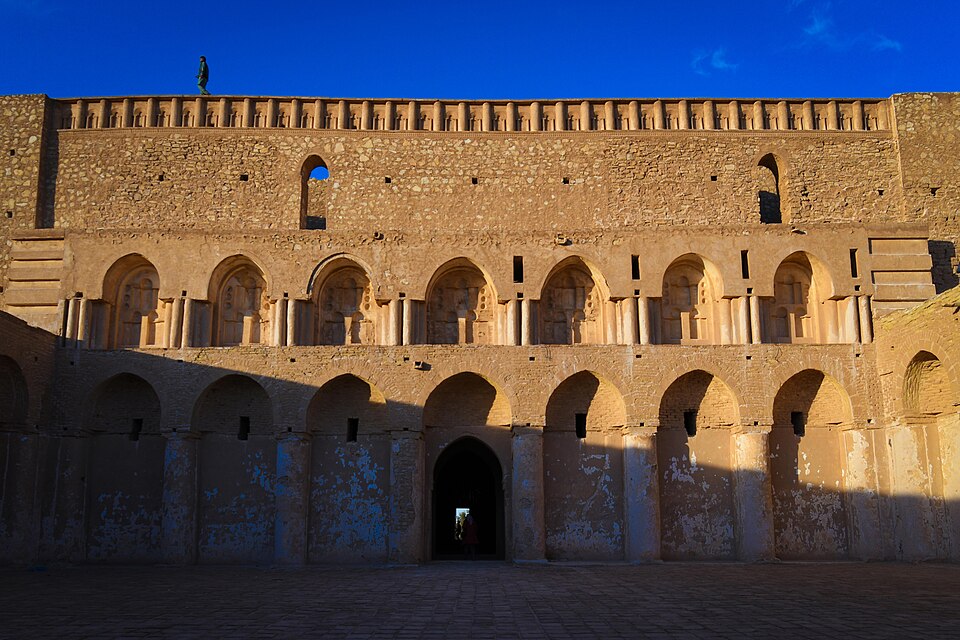
The palace is arranged around courts. The residence of Al-Ukhaidir is organized around courtyards, the courts the centers of the arrangement, the rooms, halls, and iwans opening onto them, the courtyards the private and the organizing heart of the palace, the courts the focus of the residence, the courtyards the centers of the life of the fortress-palace, the courts the hearts of Al-Ukhaidir, the courtyards the jewels of the desert palace.
The rooms served the life of the prince: the halls, the living rooms, the service spaces, and the stores of the palace arranged around the courts, the rooms the setting of the ceremonial and the private life of the prince, the chambers the spaces of the residence, the rooms the world of the prince within the fortress, the chambers the setting of the life of Al-Ukhaidir, the rooms the private world of the desert palace, the chambers the jewels of the fortress-palace.
The arrangement was sophisticated: the planning of Al-Ukhaidir, with its courts, its iwans, its halls, and its private apartments, a sophisticated expression of the early Islamic palace design, the arrangement the showcase of the Abbasid planning, the plan the record of the early Islamic domestic and ceremonial architecture, the arrangement the jewel of Al-Ukhaidir, the sophisticated plan the treasure of the early Islamic palace building in the Iraqi desert.
The Brick Architecture
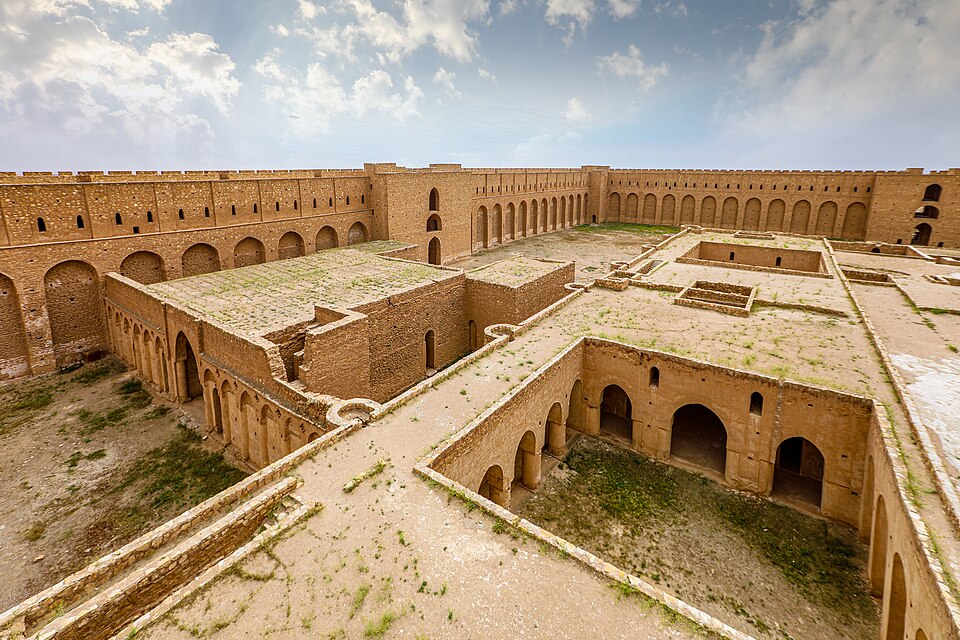
Al-Ukhaidir is a masterpiece of brick. The fortress-palace is built almost entirely of brick, with some stone in the lower courses, the brick the material of the walls, the towers, the halls, and the vaults, the building a masterpiece of the Mesopotamian brick tradition, the brick architecture of Al-Ukhaidir a jewel of the early Islamic building, the brickwork the glory of the fortress-palace, the brick construction the treasure of the desert stronghold of Iraq.
The brick tradition was ancient in Mesopotamia: the building of Al-Ukhaidir in brick continuing the ancient Mesopotamian and Persian tradition of brick construction, the fortress a link in the long history of the brick building of the land, the brickwork the inheritance of the ancient builders, the brick architecture the record of the Mesopotamian tradition, the brick of Al-Ukhaidir the continuation of the ancient craft, the brickwork the jewel that carries the long heritage of the brick building of Iraq.
The brickwork is of fine quality: the brick of Al-Ukhaidir laid with skill in the walls, the arches, and the vaults, the construction a demonstration of the mastery of the early Islamic builders, the brickwork the showcase of the Abbasid craft, the brick construction the jewel of the fortress, the fine brickwork the glory of Al-Ukhaidir, the construction the treasure of the early Islamic brick architecture in the Iraqi desert, the brickwork the masterpiece of the desert stronghold.
A Model of the Desert Palace
Al-Ukhaidir is a model of the early Islamic palace. The fortress-palace, with its combination of the fortified enclosure and the splendid residence, is one of the finest and most complete examples of the early Islamic palatial architecture, the building a model for the study of the Abbasid palace, Al-Ukhaidir the type-specimen of the early Islamic fortress-palace, the stronghold the model of the desert residence, the fortress the jewel that defines the early Abbasid palatial architecture.
The building is studied as a key monument: Al-Ukhaidir, because of its preservation and its completeness, a key monument for the understanding of the early Islamic architecture, the fortress-palace studied by scholars as a model of the Abbasid building, the stronghold the reference for the early Islamic palace, Al-Ukhaidir the key monument of the desert palatial architecture, the fortress the model studied for the early Islamic building, the stronghold the jewel of the scholars’ study.
It bridges the Umayyad and the Abbasid: Al-Ukhaidir standing between the Umayyad desert palaces of Syria and Jordan and the Abbasid architecture of Iraq, the fortress a link in the development of the early Islamic palace, the building the bridge between the traditions, Al-Ukhaidir the monument that connects the Umayyad and the Abbasid desert building, the fortress the link in the early Islamic palatial architecture, the stronghold the jewel that bridges the ages of the early Islam.
Excavation and Study
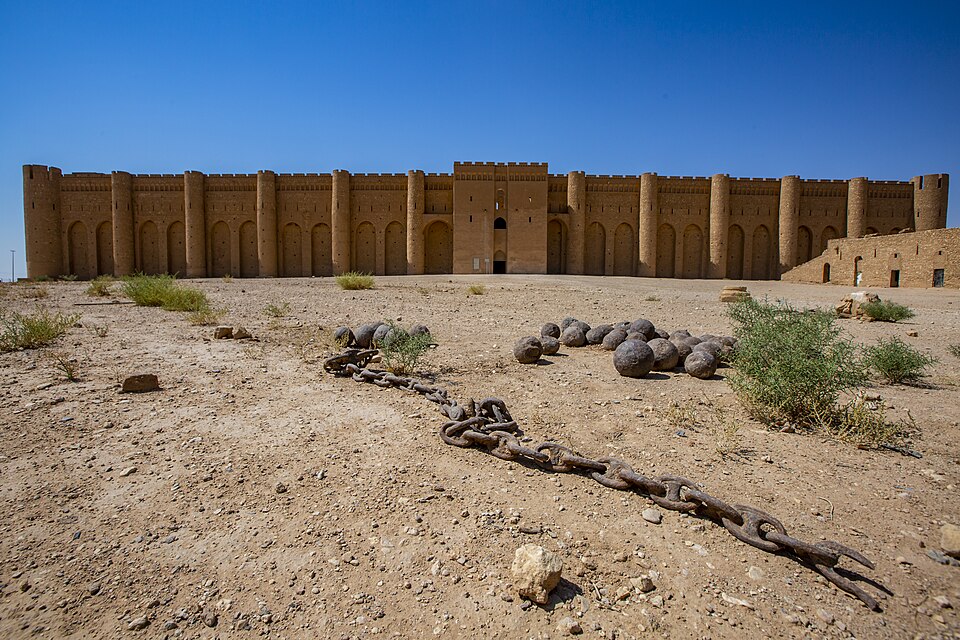
Al-Ukhaidir has been studied and preserved. The fortress-palace, long known to the people of the desert, was studied and recorded by travelers and scholars, notably by the famous Gertrude Bell, who surveyed and published the monument in the early twentieth century, the fortress the subject of the pioneering study, Al-Ukhaidir recorded and preserved as a treasure of the early Islamic architecture, the stronghold the monument brought to the knowledge of the world by its students.
Gertrude Bell made the fortress famous: the British traveler, archaeologist, and stateswoman Gertrude Bell surveying Al-Ukhaidir and publishing a detailed study, her work bringing the fortress to the attention of the scholarly world, the monument recorded in her plans and photographs, Al-Ukhaidir made famous by Bell’s study, the fortress the subject of the pioneering archaeological record, the stronghold the monument whose fame Gertrude Bell established in the early twentieth century.
The fortress is now a protected monument: Al-Ukhaidir recognized and protected as one of the chief monuments of the early Islamic architecture of Iraq, the fortress-palace preserved and studied, the stronghold the treasure of the heritage, Al-Ukhaidir the protected monument of the desert, the fortress the jewel of the early Islamic architecture preserved for the world, the stronghold the treasure of Iraq studied and guarded as a monument of the Abbasid age.
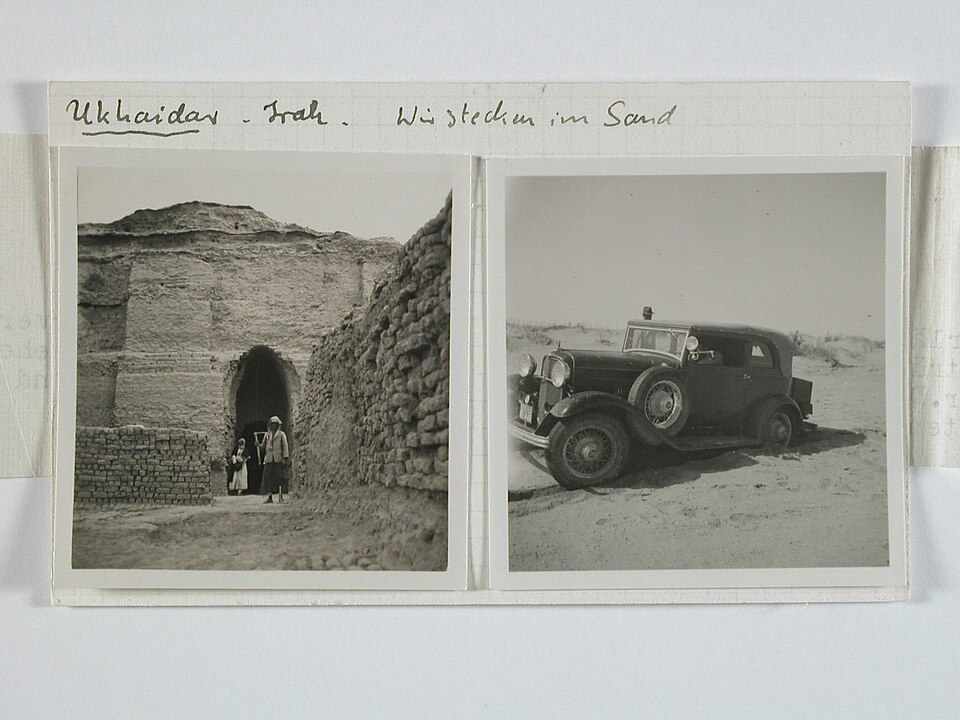
Al-Ukhaidir Today
Al-Ukhaidir today stands as the desert jewel of the early Abbasid architecture, the great brick fortress-palace of the eighth century, the stronghold of the Abbasid prince, the monument that preserves as almost no other the palatial and military building of the first Islamic centuries, Al-Ukhaidir the treasure of the Iraqi desert, the fortress-palace the model of the early Islamic palace, the stronghold the enduring jewel of the Abbasid age in the sands southwest of Karbala.
The fortress endures in its desert solitude: Al-Ukhaidir standing alone in the flat desert as it has for twelve centuries, the fortress-palace the enduring monument of the early Abbasid age, the stronghold the survivor of the desert, Al-Ukhaidir the enduring jewel of the early Islamic architecture, the fortress the monument that carries the memory of the Abbasid prince, the stronghold the treasure of the Iraqi desert, Al-Ukhaidir the enduring fortress-palace of the sands.
Al-Ukhaidir continues the Iraqi series on the splendor of Mesopotamia, the desert fortress-palace of the early Abbasid age, the great brick stronghold of the Abbasid prince, the monument that preserves the early Islamic palatial architecture, Al-Ukhaidir the jewel of the Iraqi desert, the fortress-palace the model of the early Islamic palace, the stronghold the enduring treasure of the Abbasid age in the desert of Iraq southwest of Karbala.
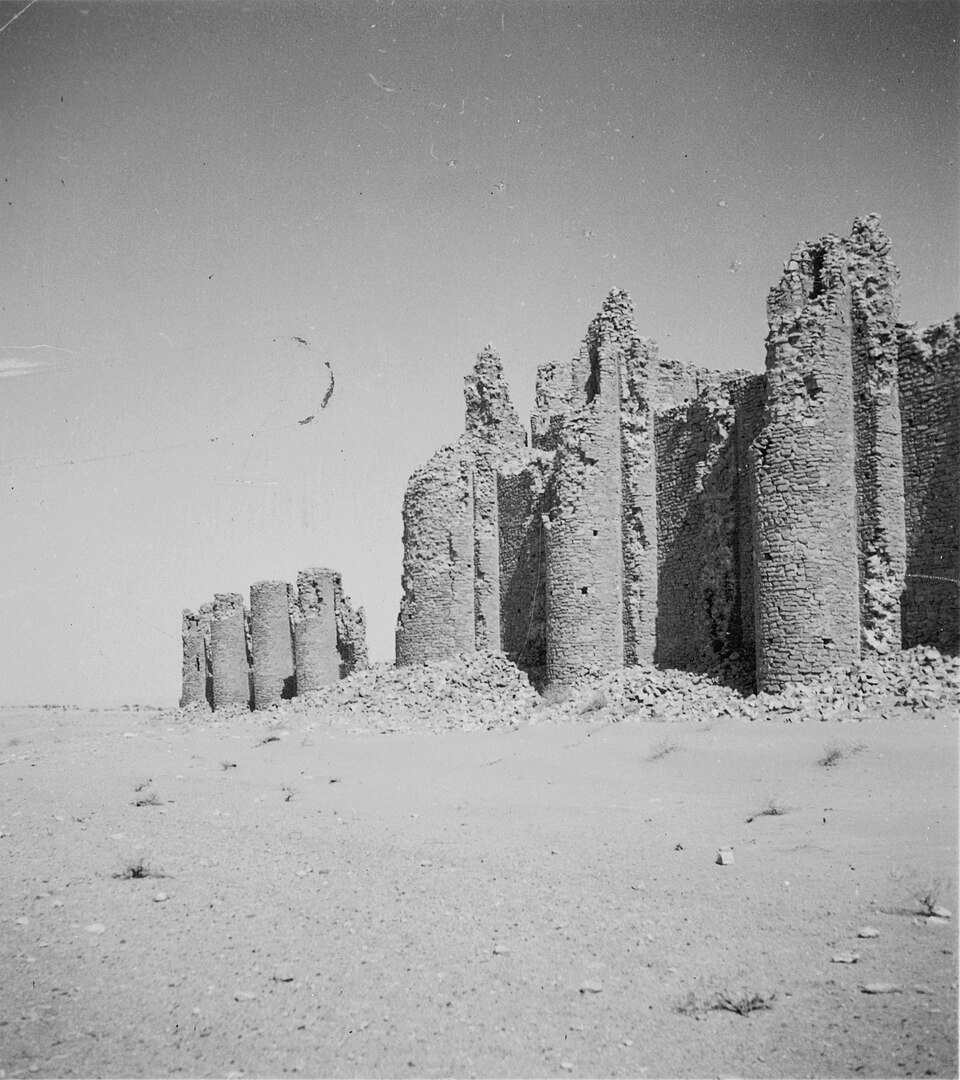
Watch Al-Ukhaidir on Film
Visiting Al-Ukhaidir Today
Al-Ukhaidir stands in the desert of central Iraq, southwest of the city of Karbala, the great brick fortress-palace rising alone in the flat land; the stronghold, remarkably preserved, is visited for its mighty walls and towers, its great gate, and the palace of vaulted halls, courts, and mosque within. Travel to Iraq and access to the sites depend on the security and the political situation, which has varied greatly through the years, so current conditions and access should be carefully checked before any visit; Al-Ukhaidir is among the supreme monuments of the early Islamic architecture. You can find the fortress on the map here: Al-Ukhaidir Fortress on Google Maps.


